
Varieties We Bring In
Standard
We received some Florida Pennyroyal on Jul 19, 2026.
We bring this in seasonally, so what is on the lot changes week to week. A received date shows when it last came in, not that it is here today.
Call (904) 471-0440 to confirm this plant and size before you make the trip.
Last received Jul 19, 2026.
We bring this in seasonally, so what is on the lot changes week to week. A received date shows when it last came in, not that it is here today.
Call (904) 471-0440 to confirm this plant and size before you make the trip.
Pet toxicity: Non-toxic to dogs and cats
Pet safety guideAbout Florida Pennyroyal
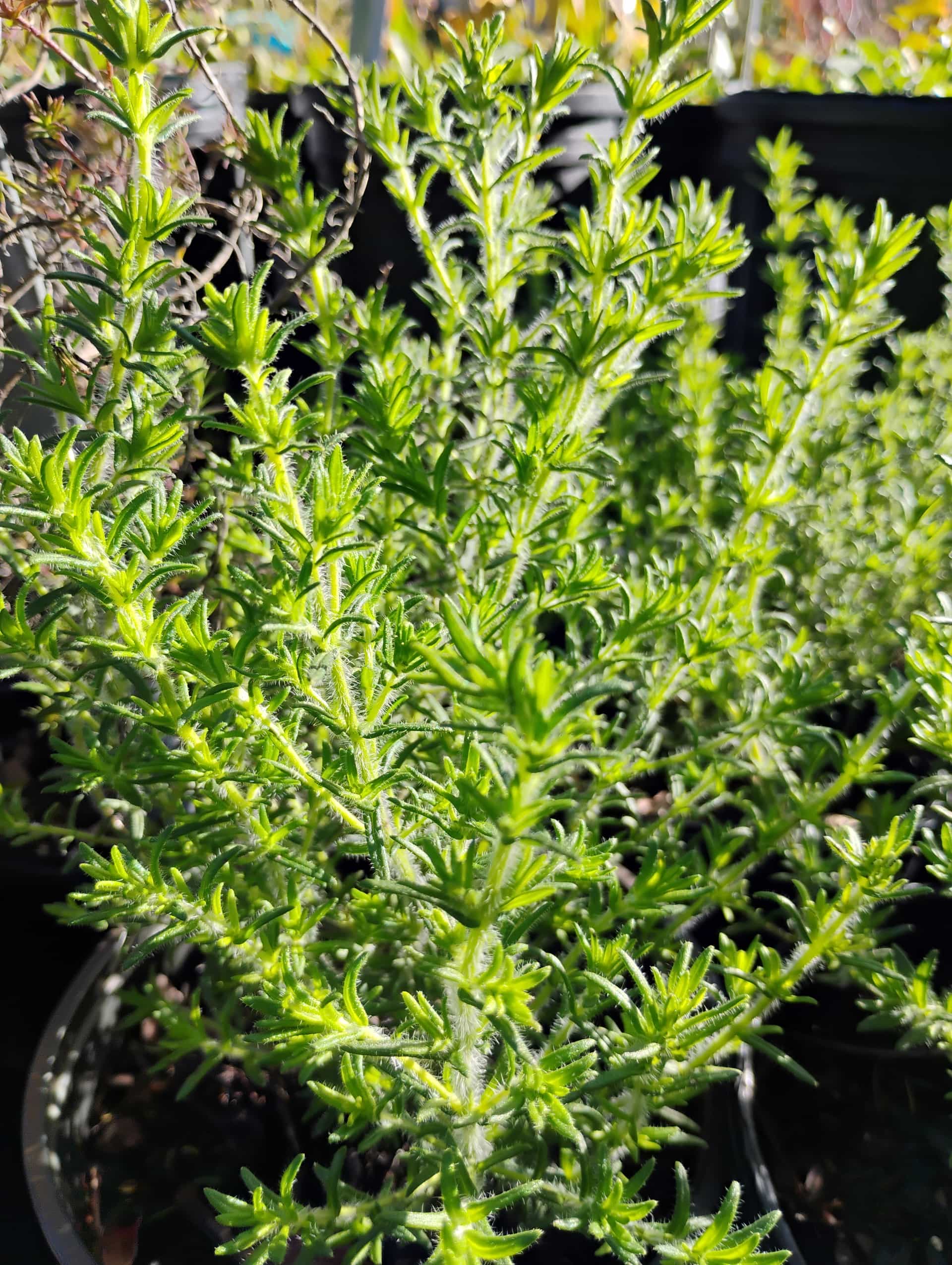
Florida pennyroyal (Piloblephis rigida) is a low-growing, aromatic native shrub endemic to Florida's scrub and sandhill habitats, with needle-like leaves that are intensely fragrant when crushed and small lavender to pink flowers that attract native bees. It is the sole species in its genus and an important plant in Florida's dry, fire-maintained upland ecosystems.
Plant details
- Bloom Season
- Spring, Summer, Fall, Winter
- Flower Color
- Purple
- Growth Rate
- Slow
- Foliage
- Evergreen
- Soil
- Sandy, Well-drained
Best planting months
Recommended months: March, April, May, October, November.
Seasonal care
Bloom season. Good planting window.
Bloom season. Handles summer heat well once established.
Bloom season. Ideal planting window.
Bloom season. Retains foliage through winter.
Care essentials
Requires full sun in dry, open sites; mimics its native scrub and longleaf pine sandhill habitat. NE Florida gardens should site this plant in the sunniest, most exposed position to maximize flowering and plant vigor.
Extremely drought tolerant; established plants rarely need supplemental irrigation in NE Florida's sandhill or scrub conditions. Wet soil or poor drainage will quickly cause decline — avoid all but the fastest-draining sites.
Demands dry, nutrient-poor, acidic sandy soil matching its scrub and sandhill native habitat. Do not amend with organic matter or fertilize; rich conditions promote competing weeds and shorten plant lifespan. Replace plants every 3–5 years as needed.
Similar needs
Adam's Needle
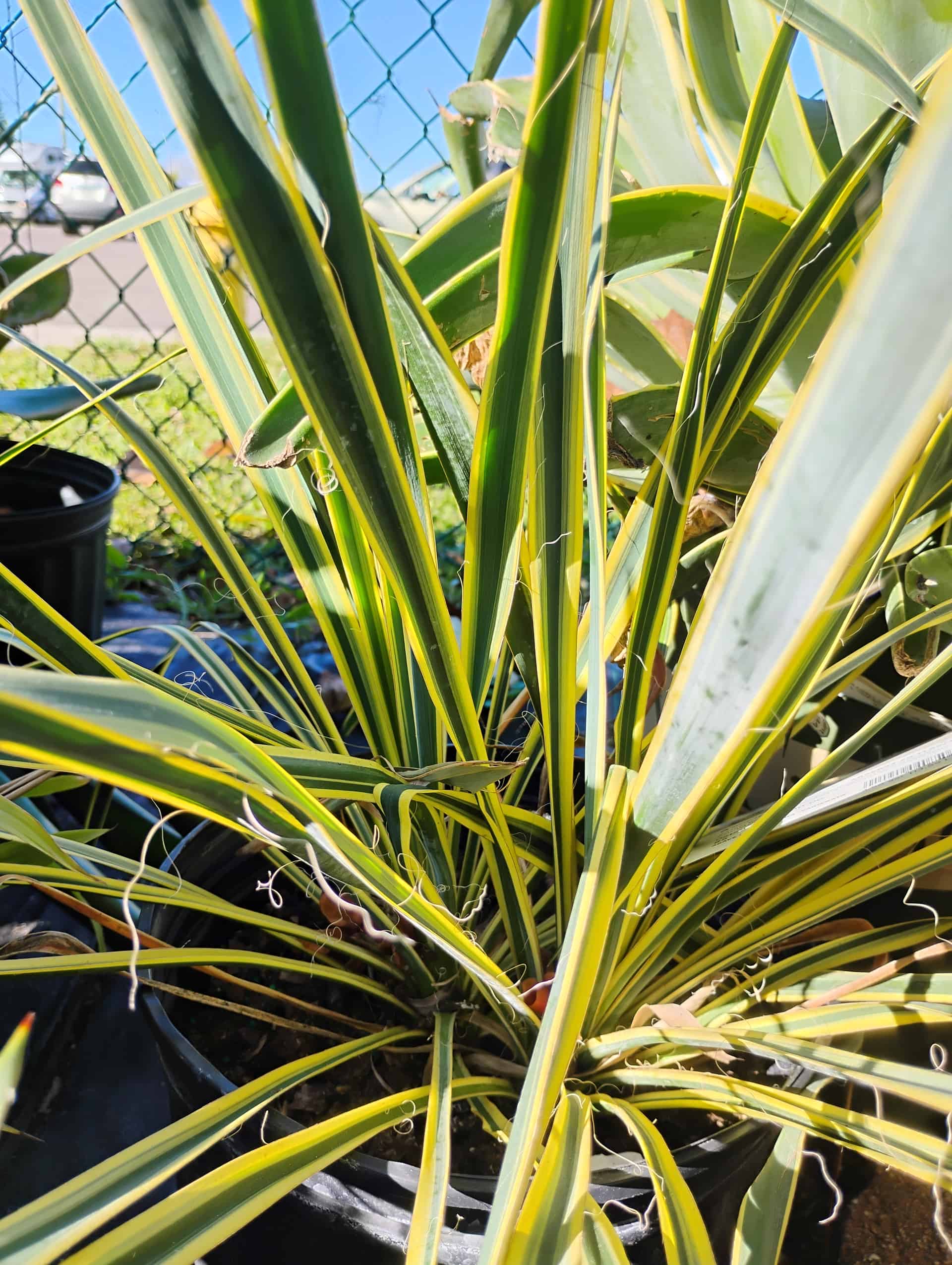
Shares 6 of the same needs: full sun, low water, sandy, salt tolerance, zone 9a hardiness, and pollinator-friendly.
Natal Plum
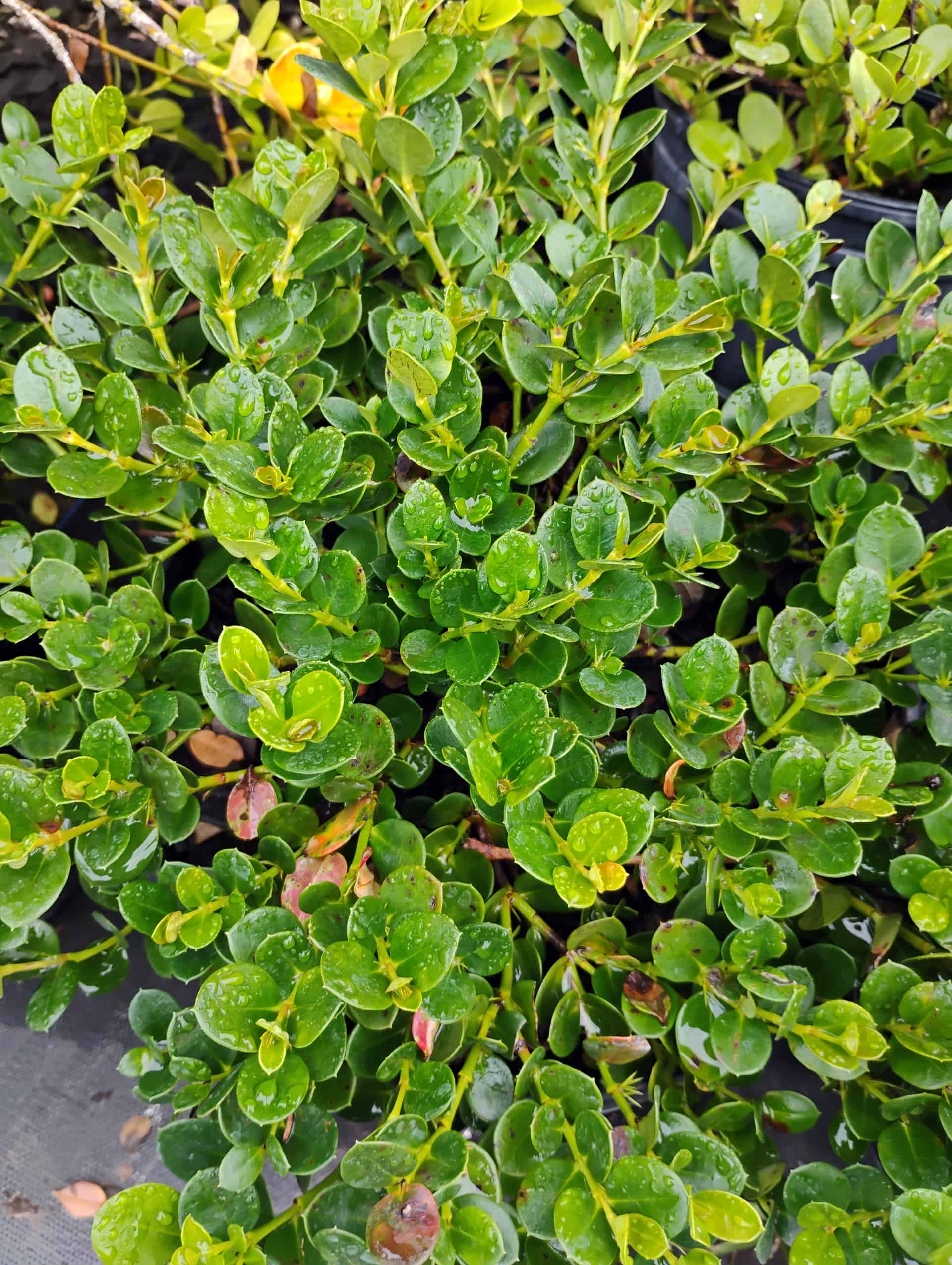
Shares 6 of the same needs: full sun, low water, sandy, salt tolerance, zone 9a hardiness, and pollinator-friendly.

Oleander
Shares 6 of the same needs: full sun, low water, sandy, salt tolerance, zone 9a hardiness, and pollinator-friendly.
Texas Sage
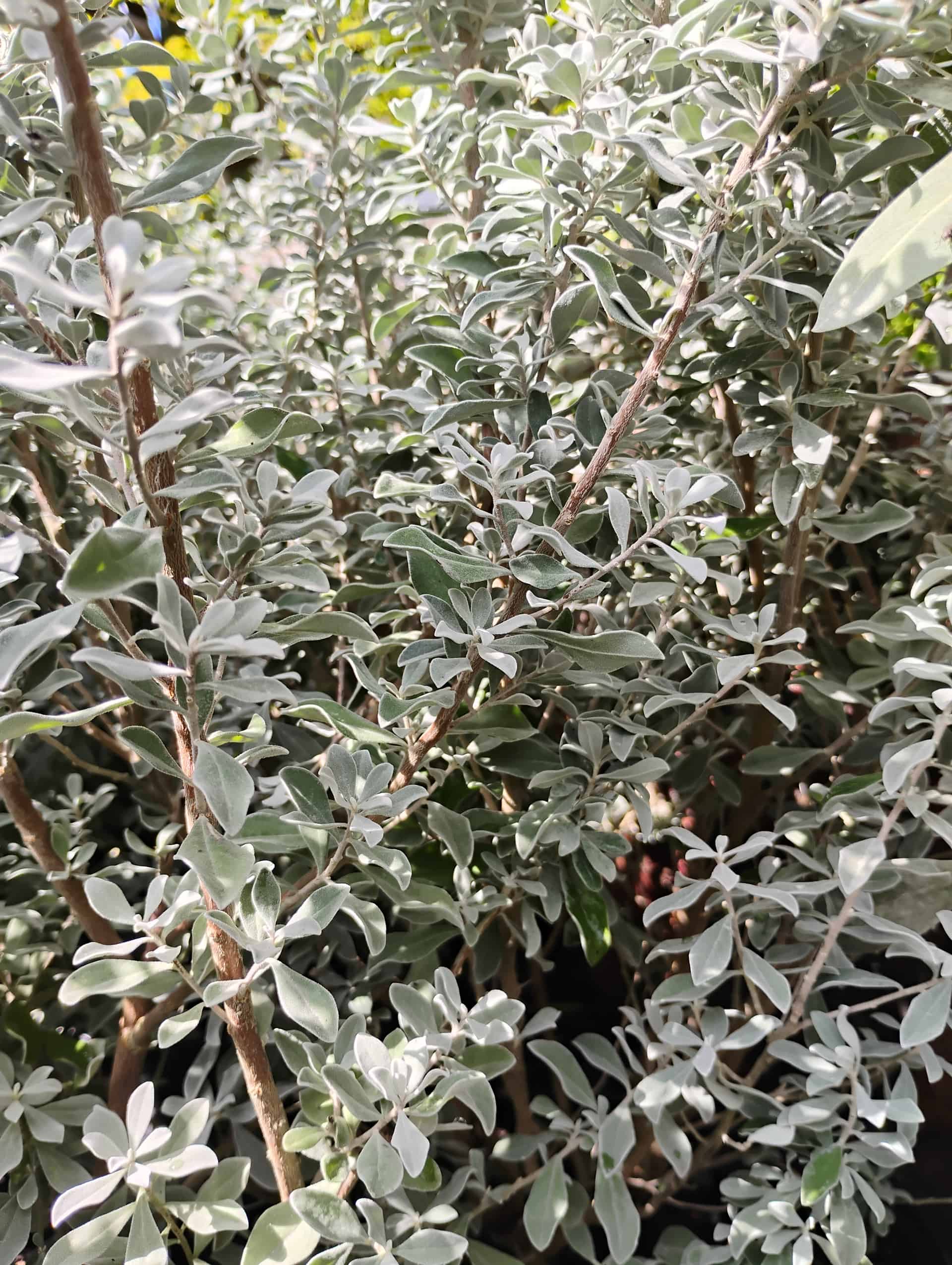
Shares 6 of the same needs: full sun, low water, sandy, salt tolerance, zone 9a hardiness, and pollinator-friendly.
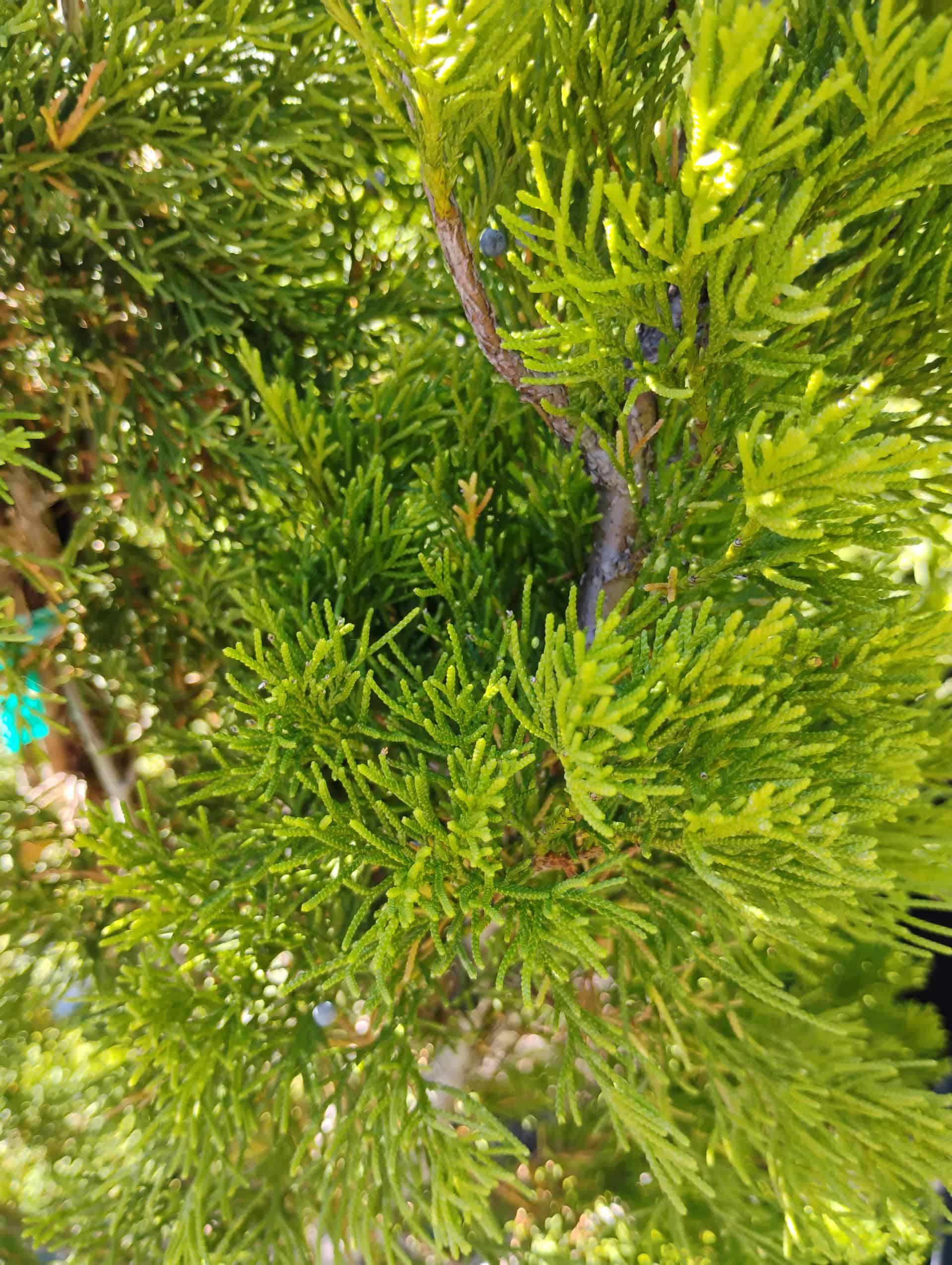
Juniper
Shares 5 of the same needs: full sun, low water, sandy, salt tolerance, and zone 9a hardiness.
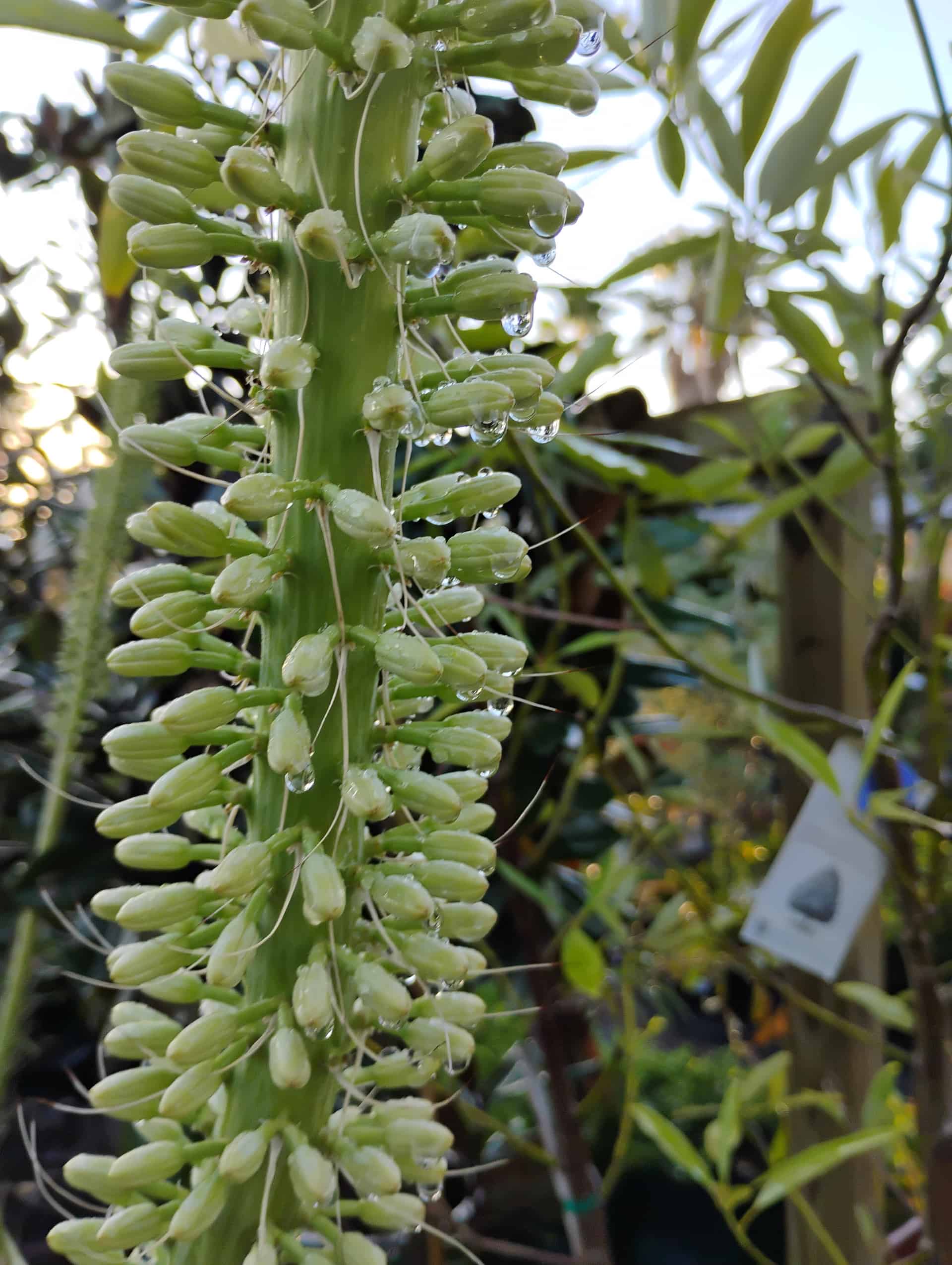
Agave
Shares 6 of the same needs: full sun, low water, sandy, salt tolerance, zone 9a hardiness, and pollinator-friendly.
You may also like
Common questions
Is Florida Pennyroyal a good plant for St. Augustine?
Florida Pennyroyal is a shrub. Mature size: 8-12 inches × 12-18 inches. Light: Full Sun. Water needs: Low. Florida Pennyroyal is native to Florida. Recorded hardiness zone: 9a. Recorded salt tolerance: high.
What is the recorded pet toxicity for Florida Pennyroyal?
Non-toxic to dogs and cats
Care information verified from
Last reviewed February 2026. Our care guidance comes from trusted horticulture sources and decades of helping St. Augustine gardeners. Conditions here can vary dramatically from one area to the next, so come ask us and we'll tailor it to your yard.