
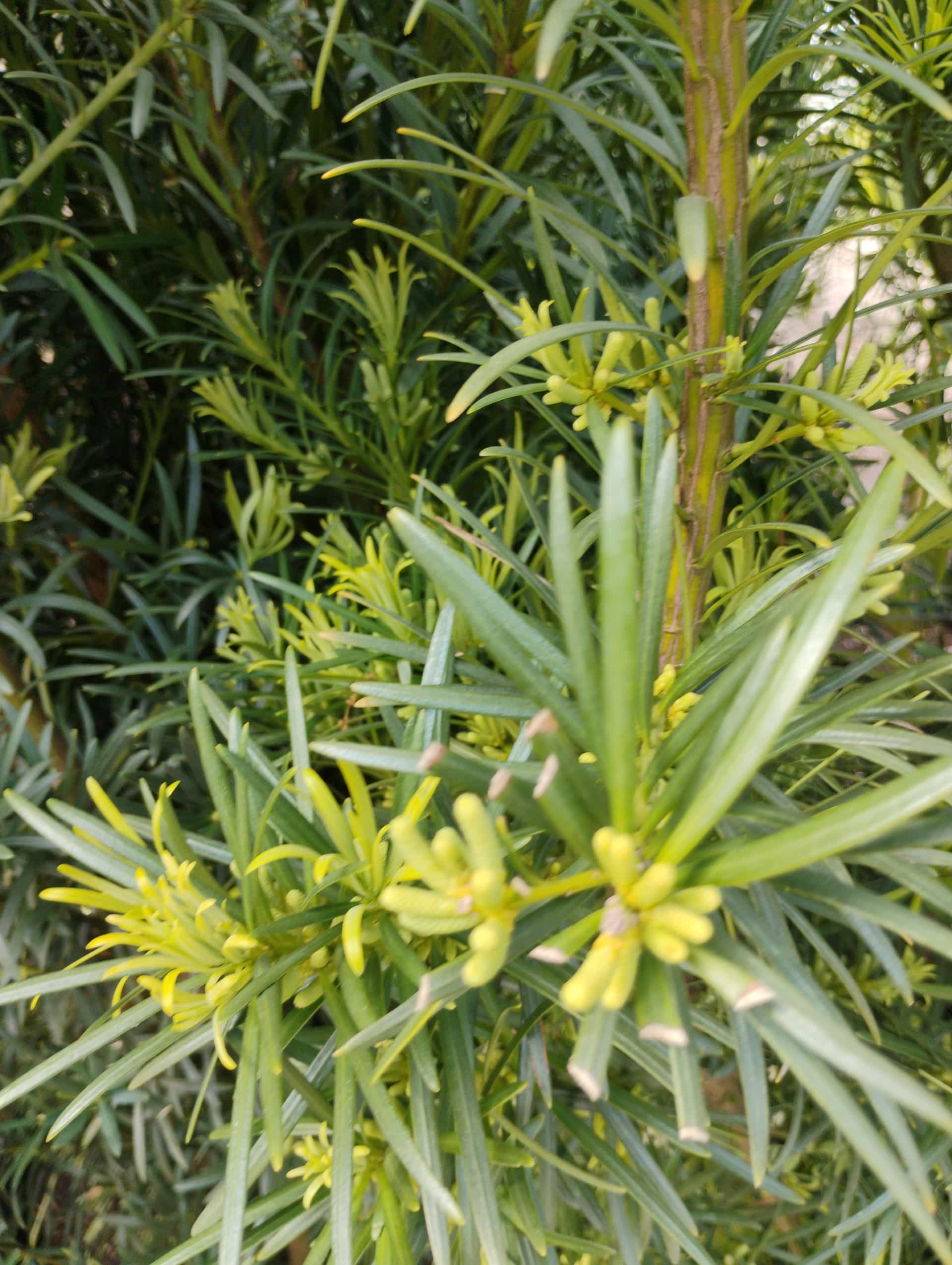
Varieties We Bring In
Maki · Standard · Pringles Dwarf
E Icee Blue
Maki · Standard · Pringles Dwarf · Roman Candle · Mood Ring · Weeping
E Icee Blue
Maki · Standard · E Icee Blue
Maki
Standard
We received some Podocarpus on Nov 4, 2026.
We bring this in seasonally, so what is on the lot changes week to week. A received date shows when it last came in, not that it is here today.
Call (904) 471-0440 to confirm this plant and size before you make the trip.
Last received Nov 4, 2026.
We bring this in seasonally, so what is on the lot changes week to week. A received date shows when it last came in, not that it is here today.
Call (904) 471-0440 to confirm this plant and size before you make the trip.
Pet toxicity: Toxic to dogs and cats
Pet safety guideAbout Podocarpus
Podocarpus (Podocarpus macrophyllus) is a slow-growing evergreen conifer native to Japan and China, bearing long, flat, yew-like needles of deep glossy green and a dense, columnar to oval form. Female plants produce fleshy, berry-like, purplish-blue seed receptacles on mature trees. Highly versatile in the landscape, it is widely used as a formal hedge, privacy screen, topiary subject, or specimen tree in warm climates.
Plant details
- Bloom Season
- Non-flowering
- Flower Color
- Non-flowering
- Growth Rate
- Slow
- Foliage
- Evergreen
- Soil
- Sandy, Loam, Well-drained, Acidic
Best planting months
Recommended months: March, April, May, September, October, November.
Seasonal care
Good planting window.
Active growing season.
Ideal planting window.
Retains foliage through winter.
Care essentials
Podocarpus grows best in full sun, which produces the densest, most compact form. It tolerates part shade but becomes looser and slower-growing. In NE Florida, full sun placement along a hedge or screen line is ideal.
Water regularly during establishment (first 1–2 years); once established, Podocarpus is moderately drought-tolerant and rarely needs supplemental irrigation except during prolonged dry spells. Never plant in poorly drained or wet soil — root rot is the primary killer.
Plant in well-drained, slightly acidic sandy or loamy soil — never in wet or clay-heavy sites. Fertilize 2–3 times per year (spring, summer, early fall) with a slow-release balanced fertilizer; supplement with magnesium sulfate if yellowing occurs on sandy NE Florida soils.
Similar needs
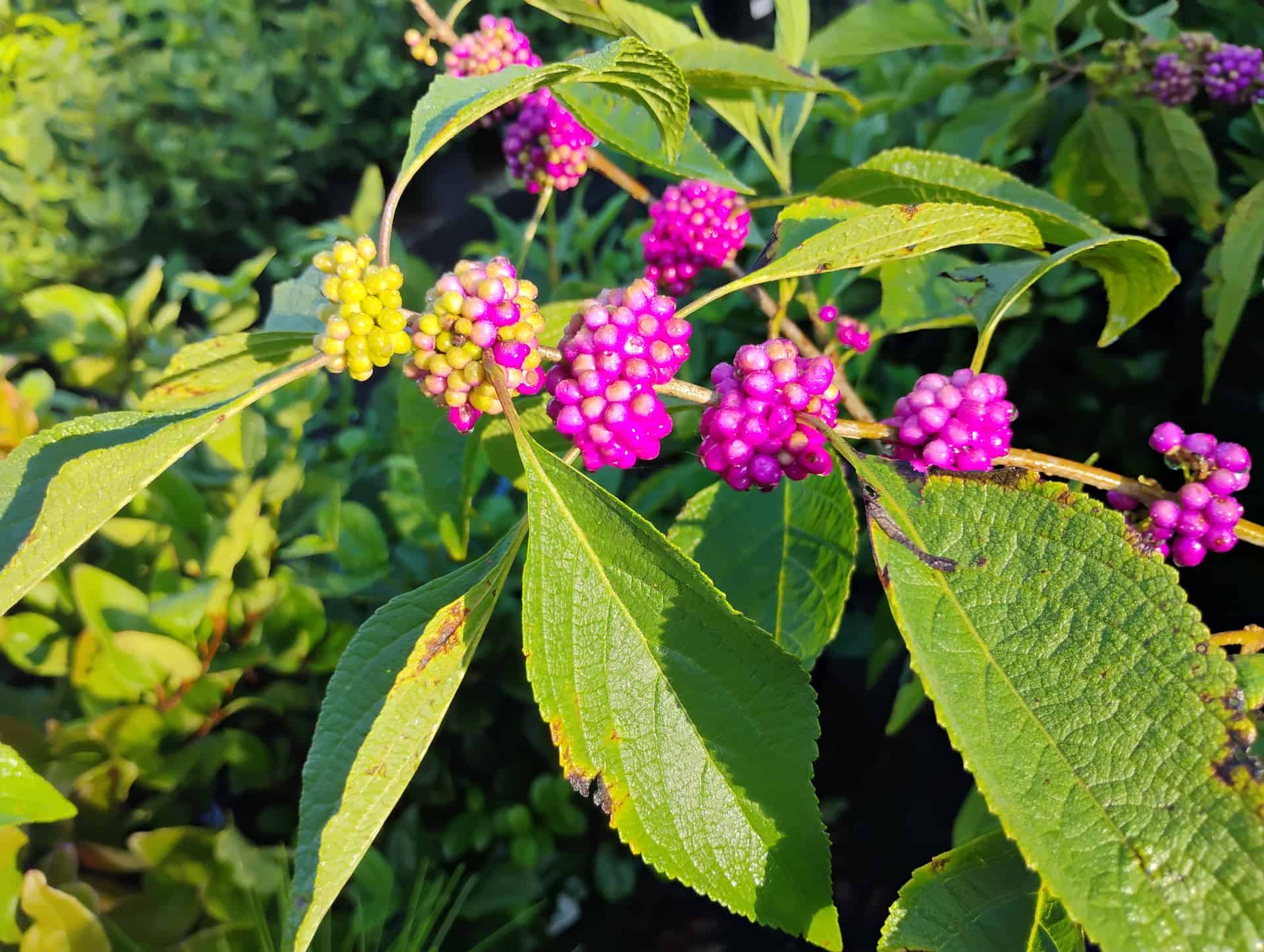
Beautyberry
Shares 5 of the same needs: full sun, sandy, salt tolerance, deer resistance, and zone 9a hardiness.
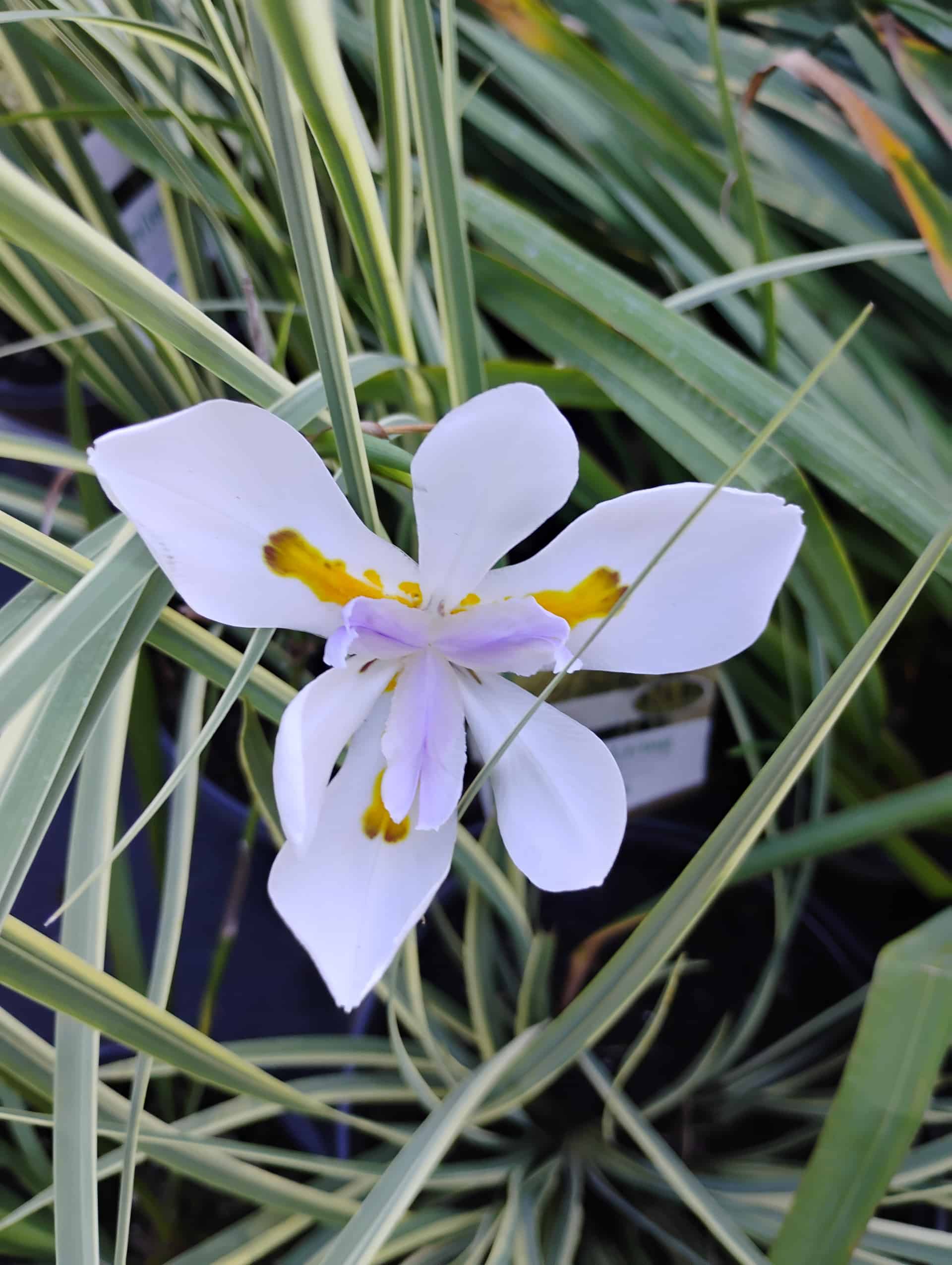
African Iris
Shares 6 of the same needs: full sun, moderate water, sandy, salt tolerance, deer resistance, and zone 9a hardiness.

Dracaena
Shares 6 of the same needs: shade, moderate water, sandy, salt tolerance, deer resistance, and zone 9a hardiness.
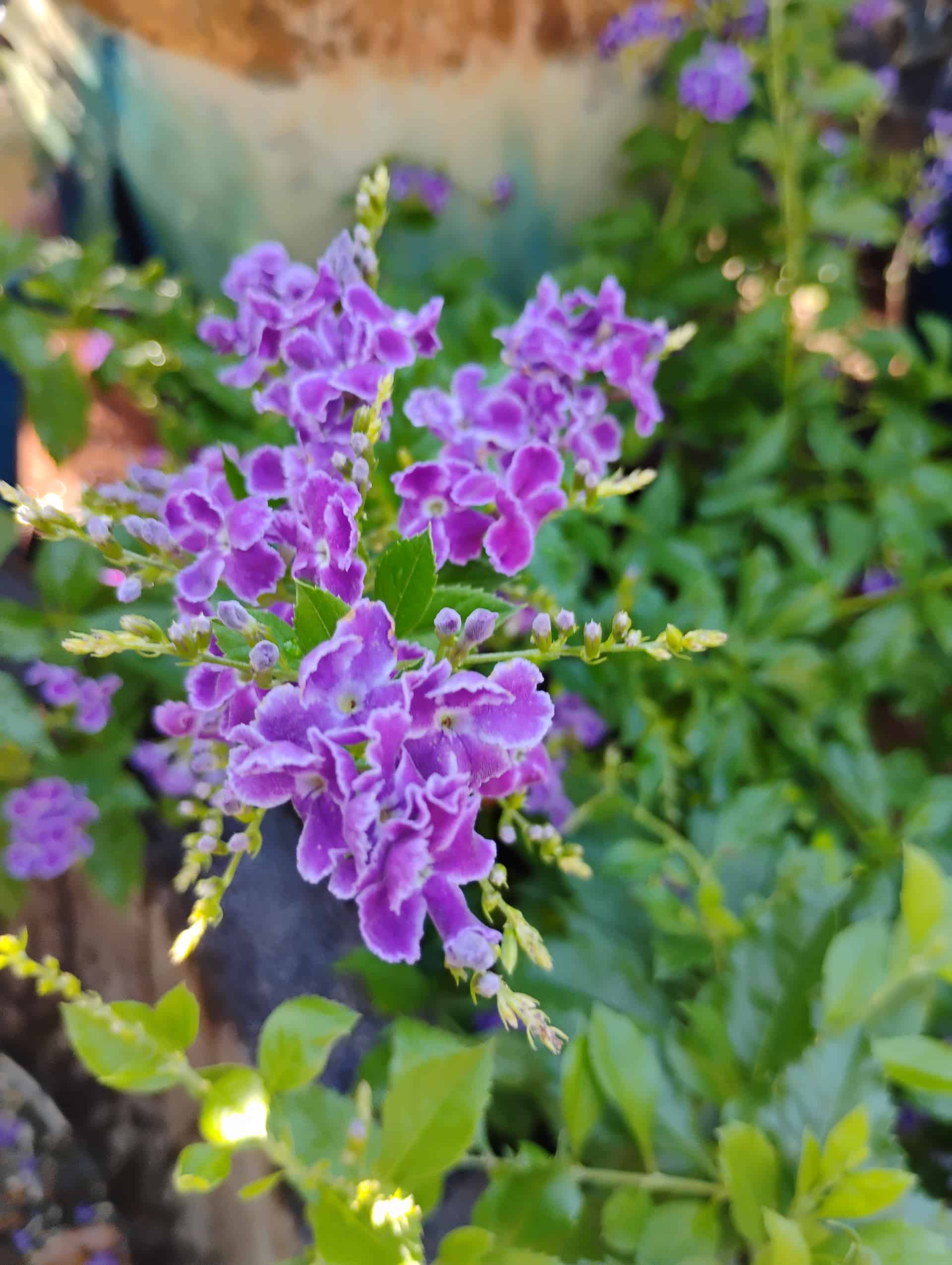
Golden Dewdrop
Shares 6 of the same needs: full sun, moderate water, sandy, salt tolerance, deer resistance, and zone 9a hardiness.

Heartleaf Philodendron
Shares 6 of the same needs: shade, moderate water, sandy, salt tolerance, deer resistance, and zone 9a hardiness.
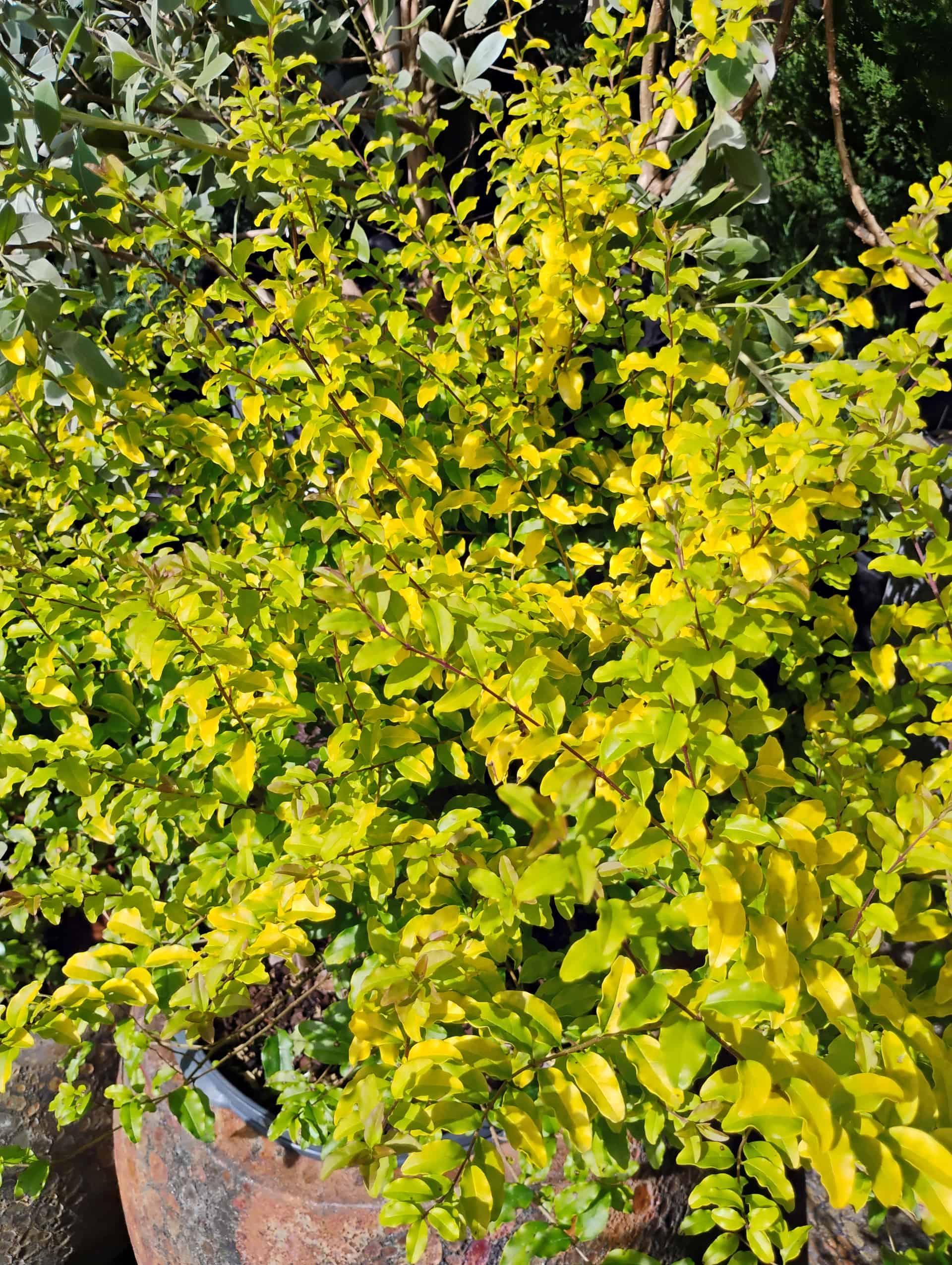
Ligustrum
Shares 6 of the same needs: full sun, moderate water, sandy, salt tolerance, deer resistance, and zone 9a hardiness.
You may also like
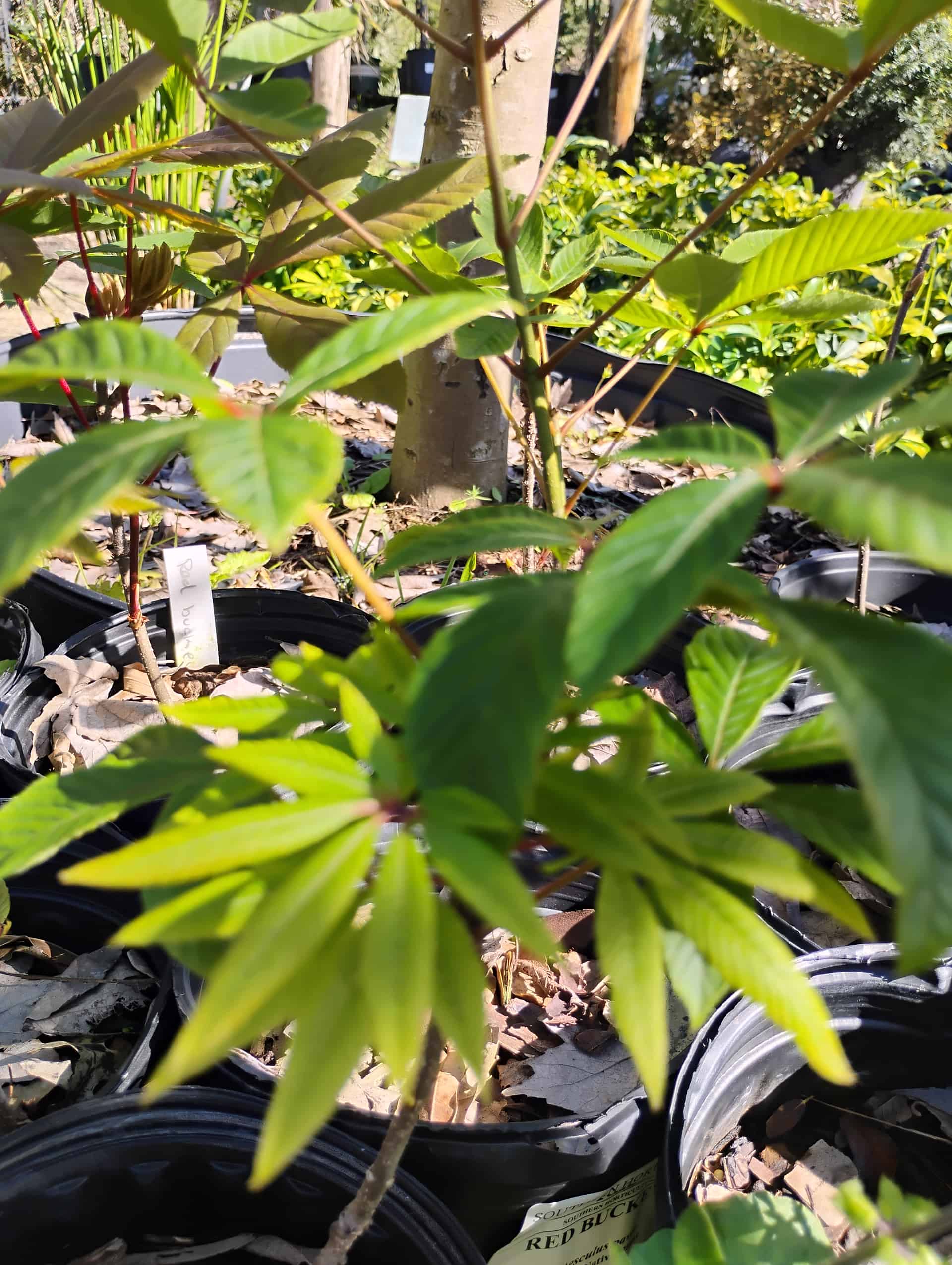 Tree
Red Buckeye
Aesculus pavia
Serviceberry
Amelanchier arborea
American Beech
Fagus grandifolia
Common questions
Is Podocarpus a good plant for St. Augustine?
Podocarpus is a tree. Mature size: 15-40 feet × 6-15 feet. Light: Full Sun, Part Shade. Water needs: Moderate. Recorded hardiness zone: 9a. Recorded salt tolerance: moderate.
What is the recorded pet toxicity for Podocarpus?
Toxic to dogs and cats
Care information verified from
Last reviewed February 2026. Our care guidance comes from trusted horticulture sources and decades of helping St. Augustine gardeners. Conditions here can vary dramatically from one area to the next, so come ask us and we'll tailor it to your yard.