
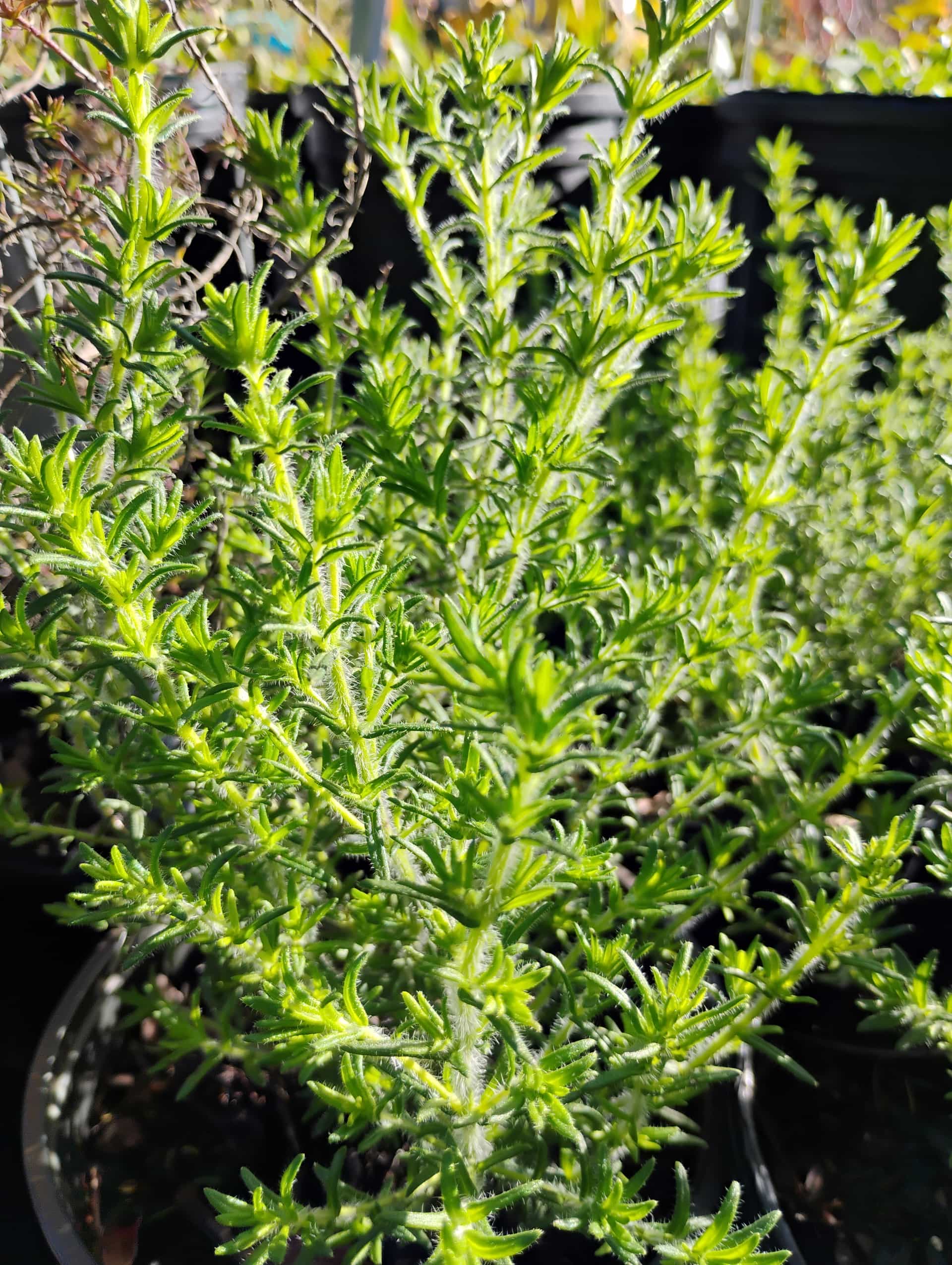
 Shrub
Florida Pennyroyal
Piloblephis rigida
- Light
- Full Sun
- Water
- Low
- Size
- 8-12 inches × 12-18 inches
Florida natives that thrive in our coastal environment with minimal care. Drought-hardy, salt-tolerant, wildlife-friendly, and proven in Northeast Florida.
Low water. High wildlife.
Read native guideBrowse the collection
ShrubPiloblephis rigida
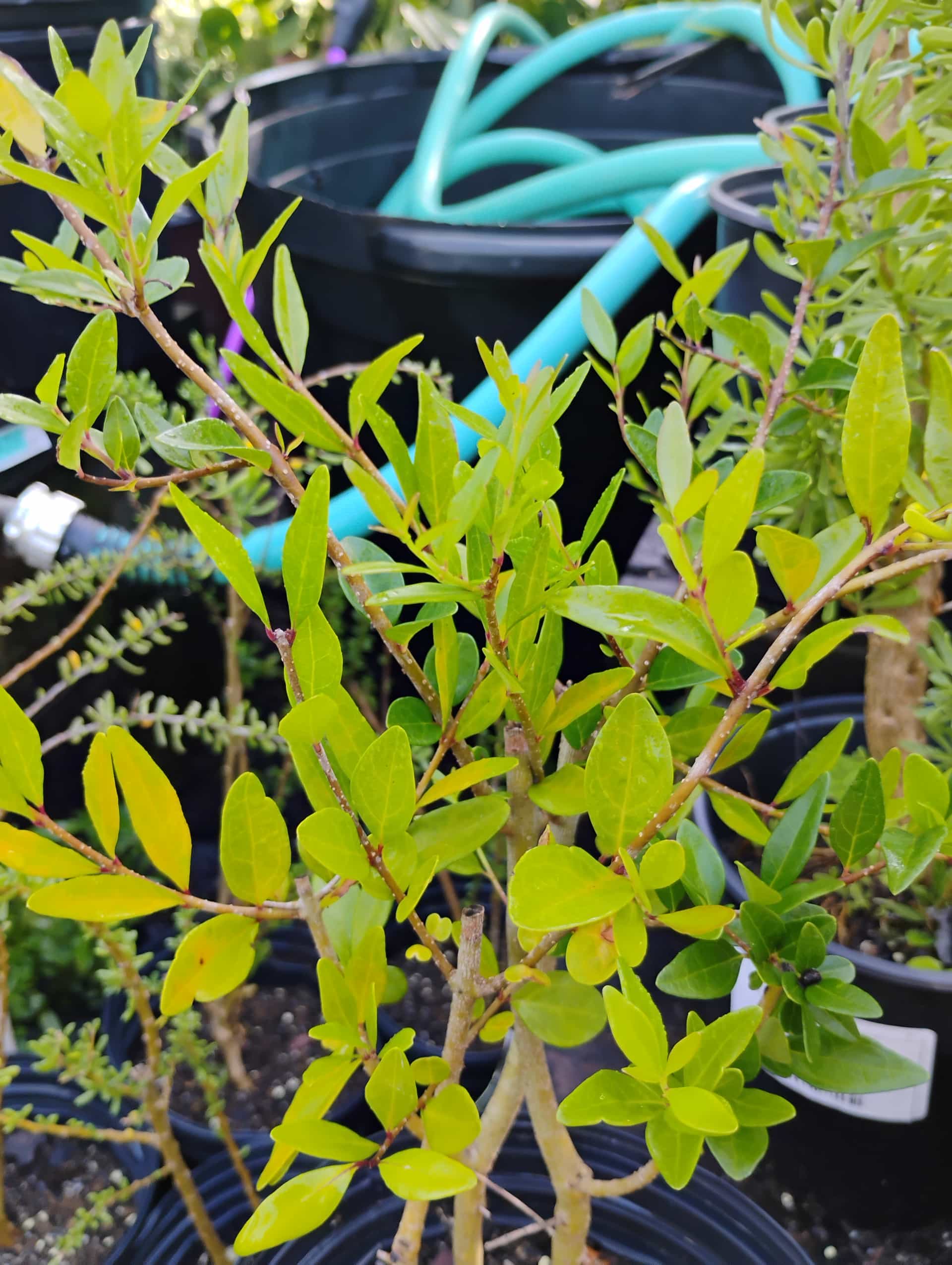 Shrub
Forestiera segregata
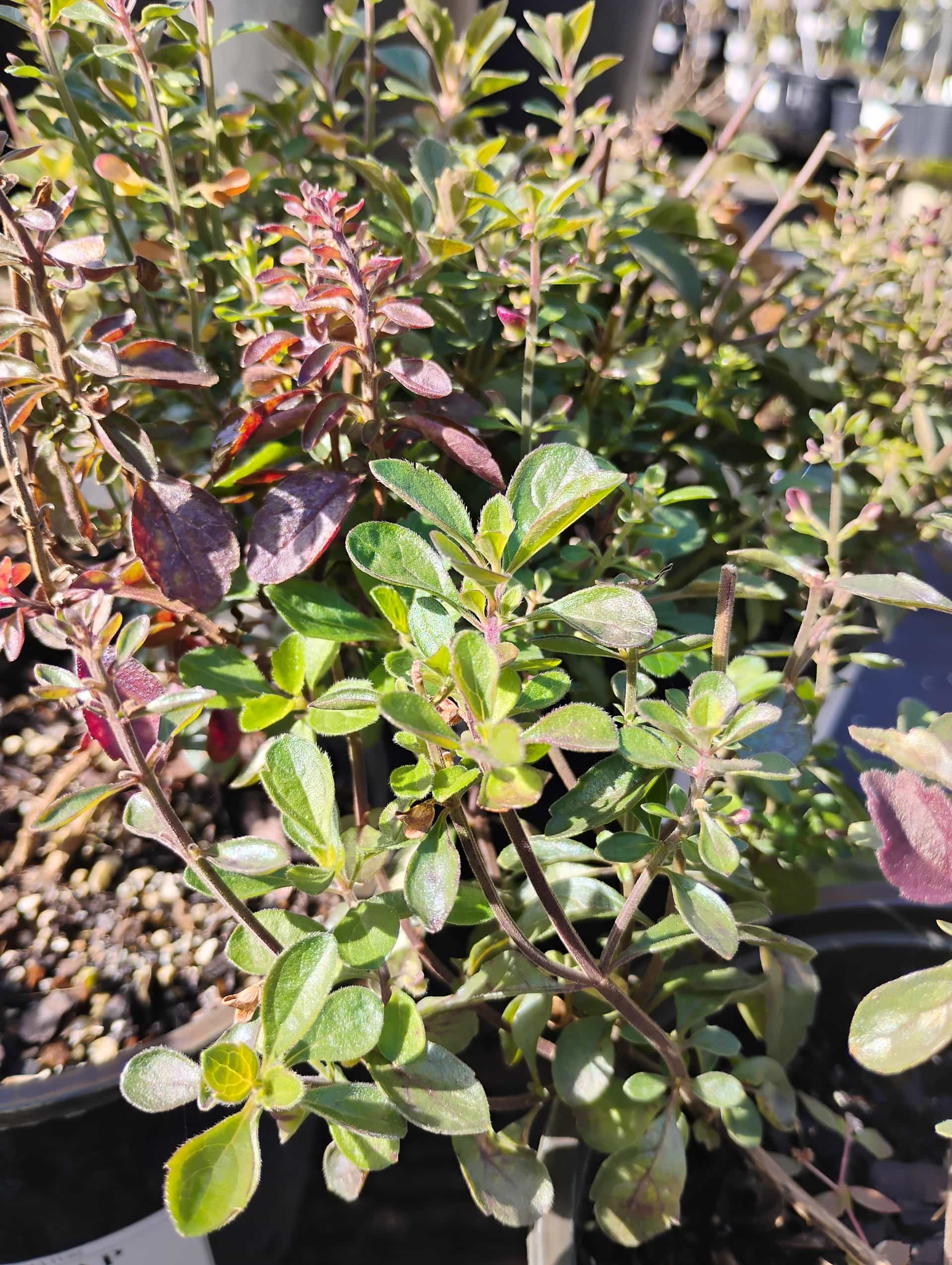 Perennial
Scutellaria arenicola
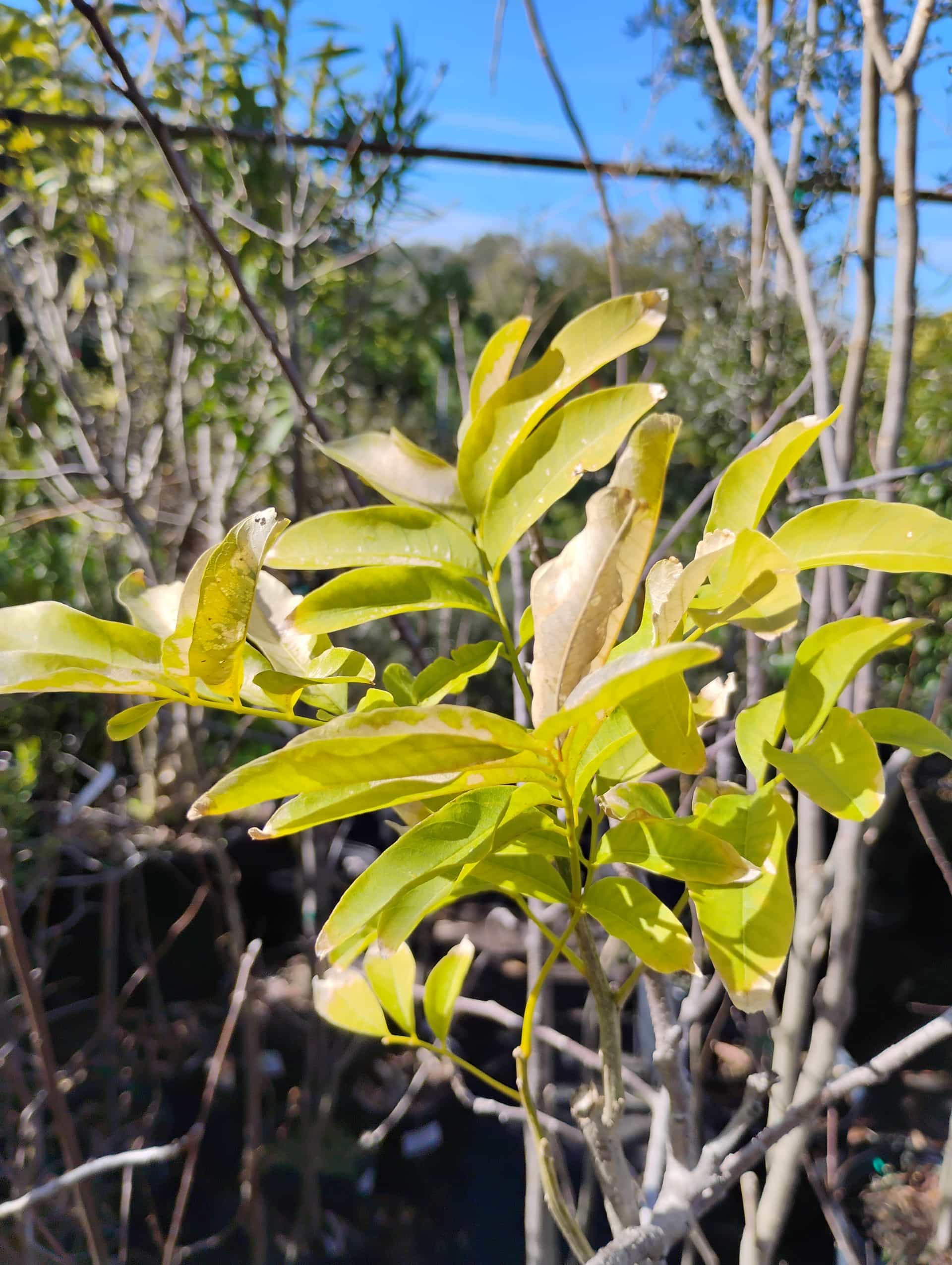 Tree
Sapindus saponaria
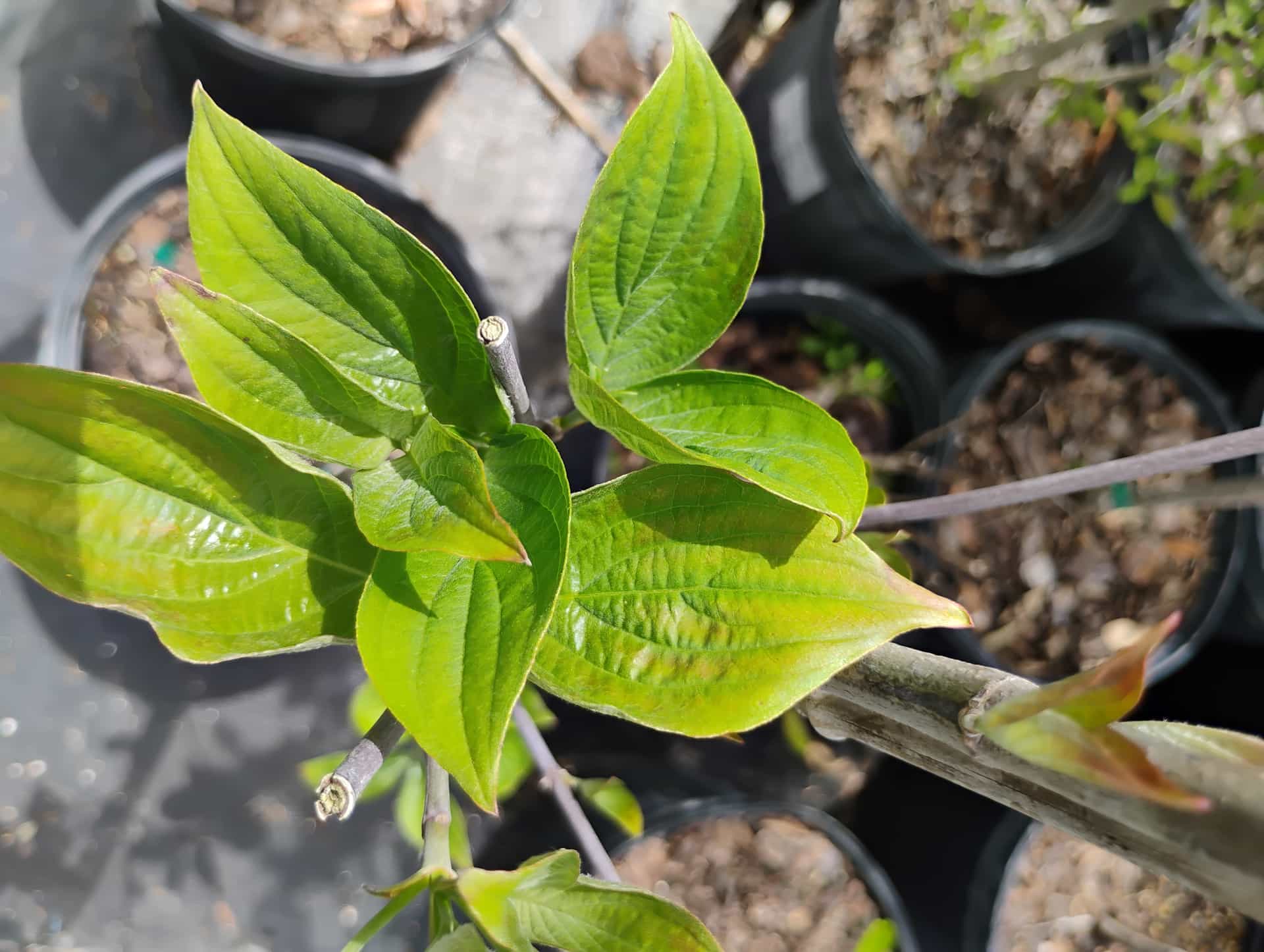 Tree
Cornus florida
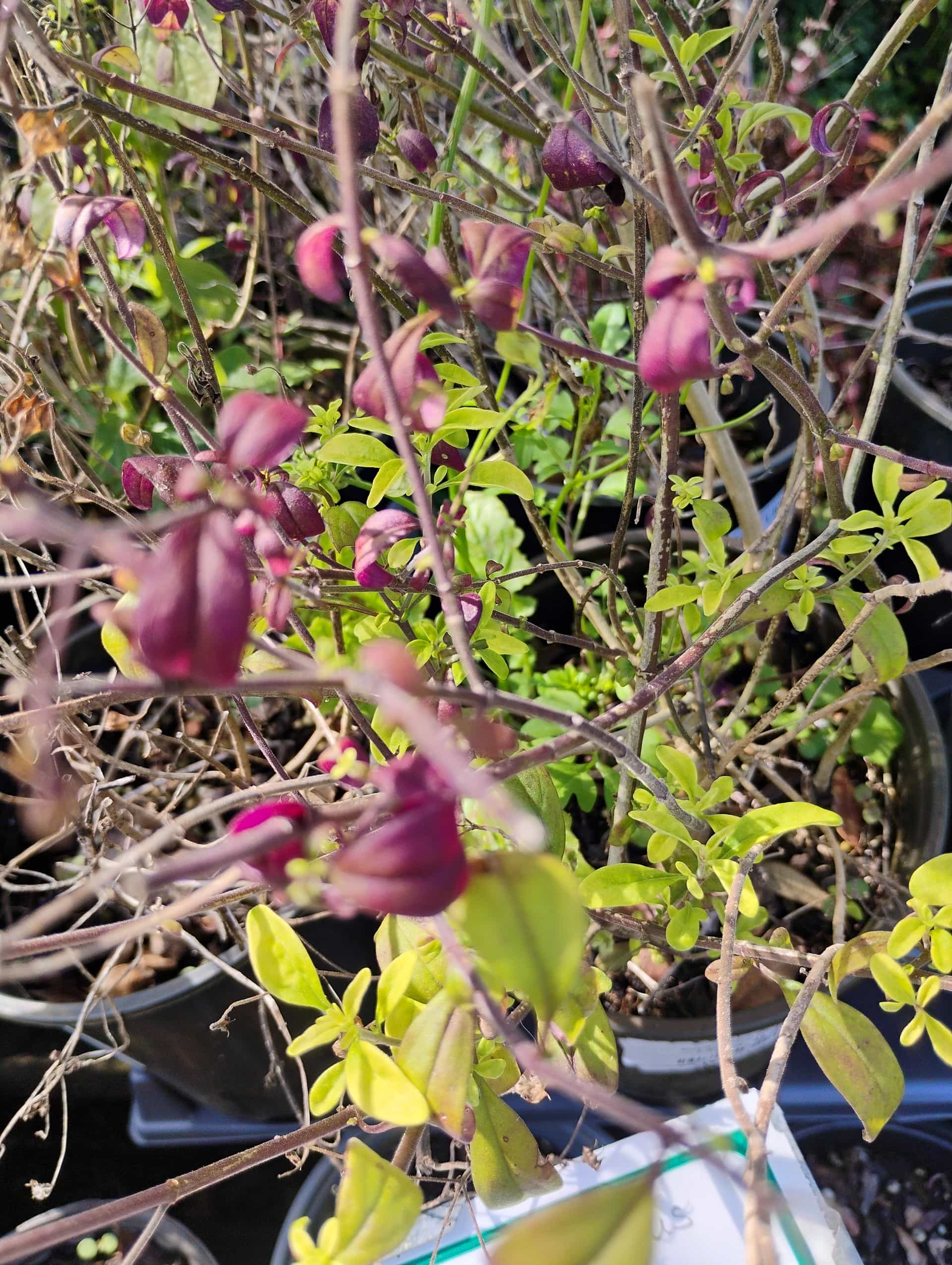 Perennial
Trichostema dichotomum
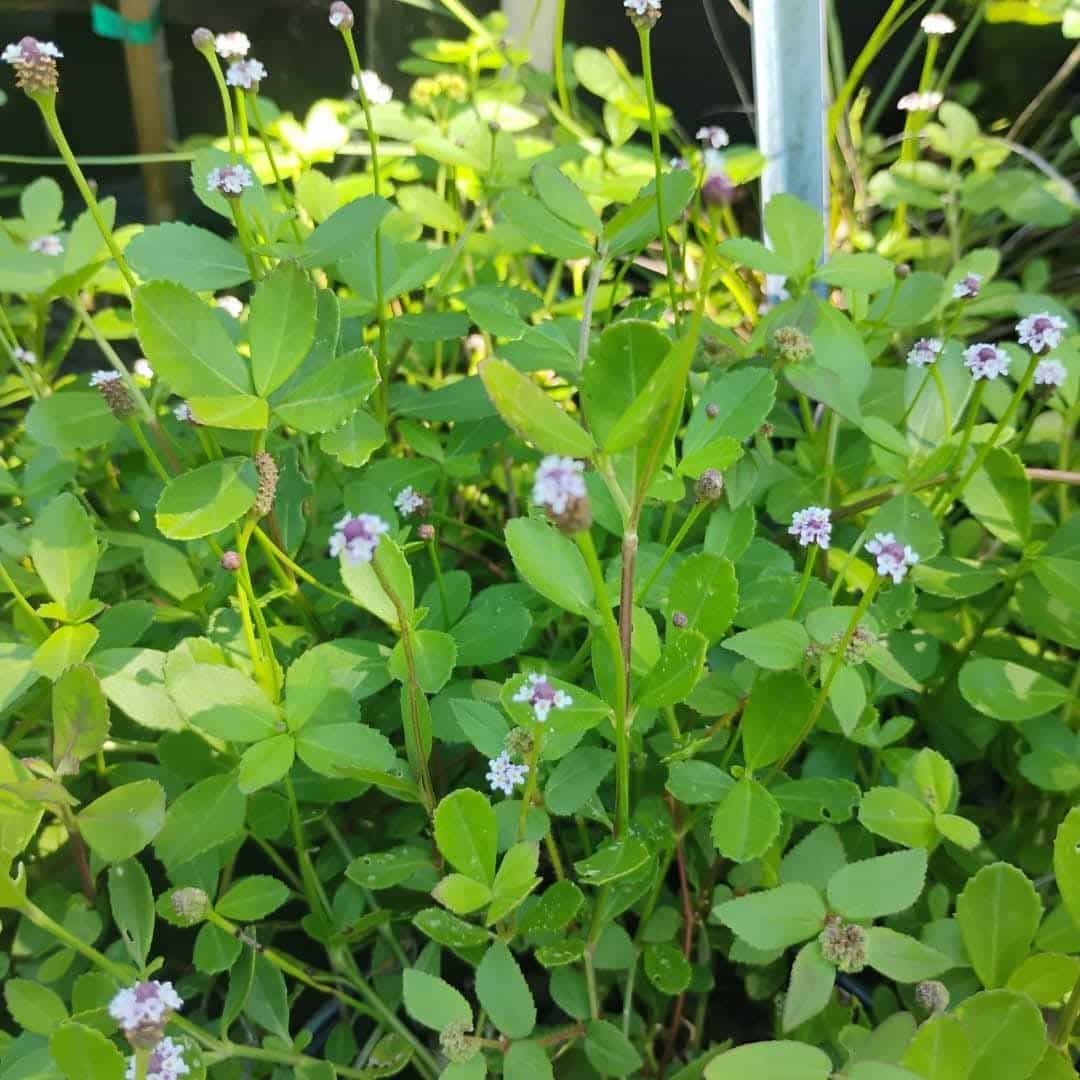 Groundcover
Phyla nodiflora
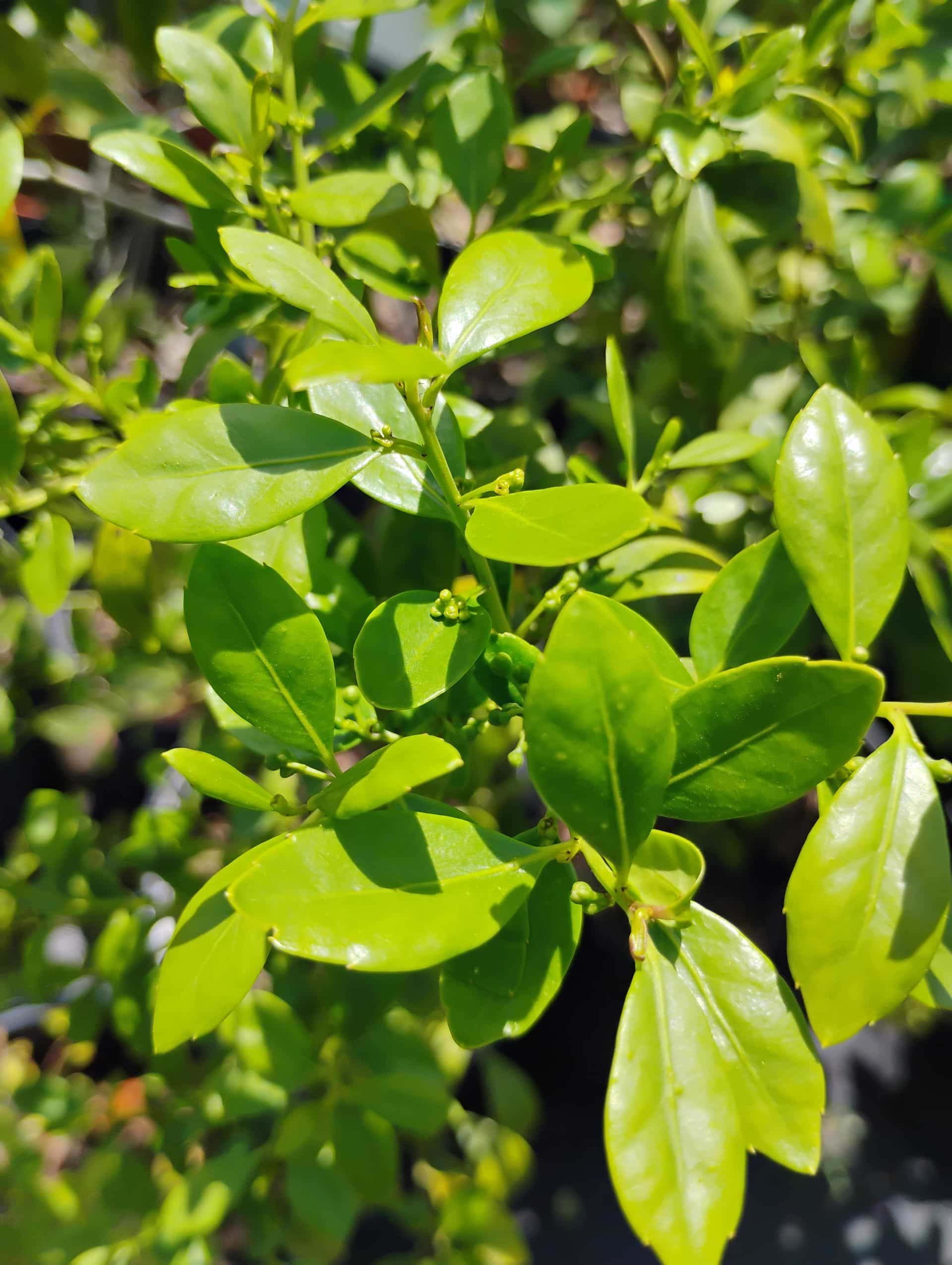 Shrub
Ilex glabra
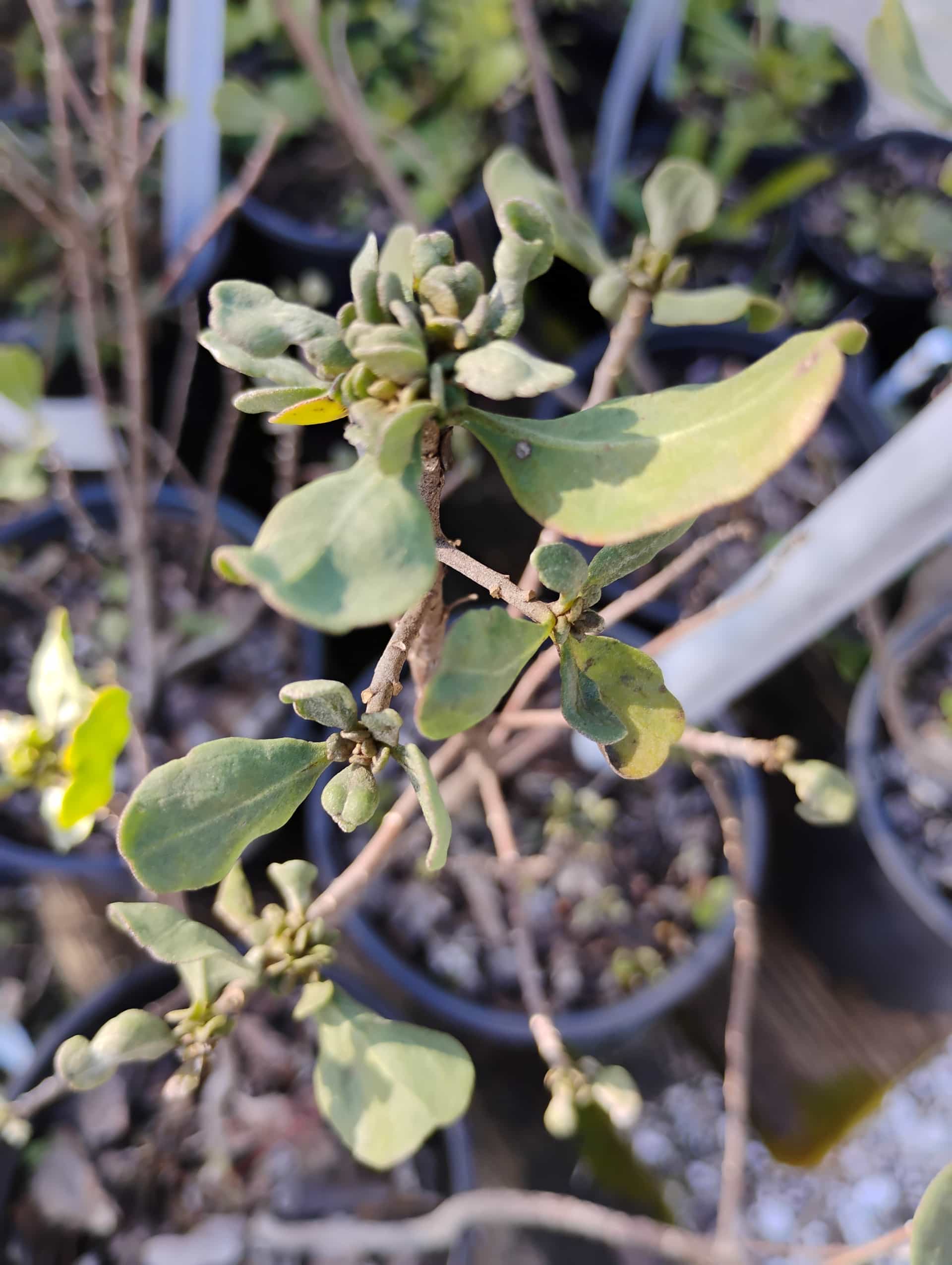 Shrub
Garberia heterophylla
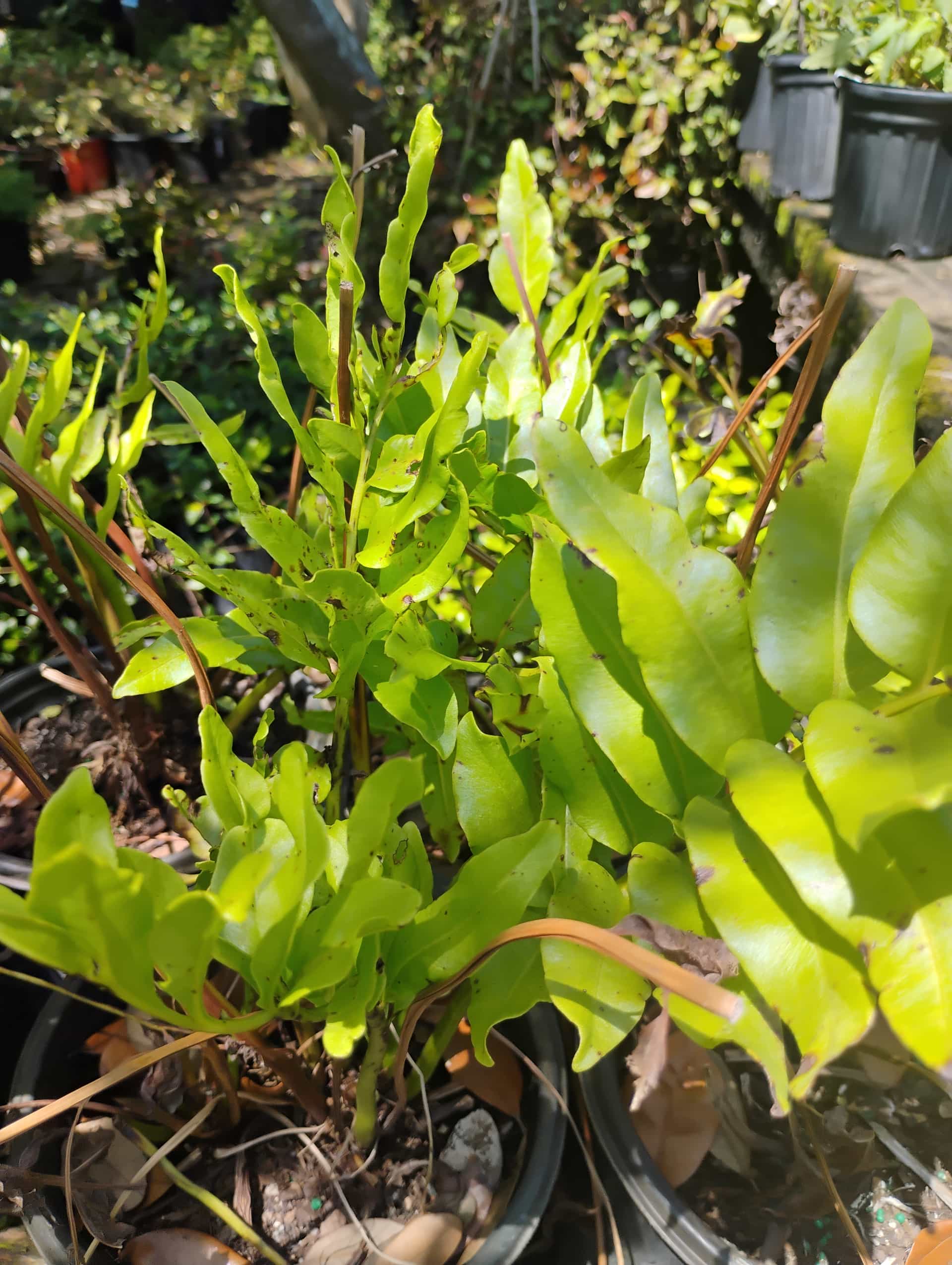 Fern
Acrostichum danaeifolium
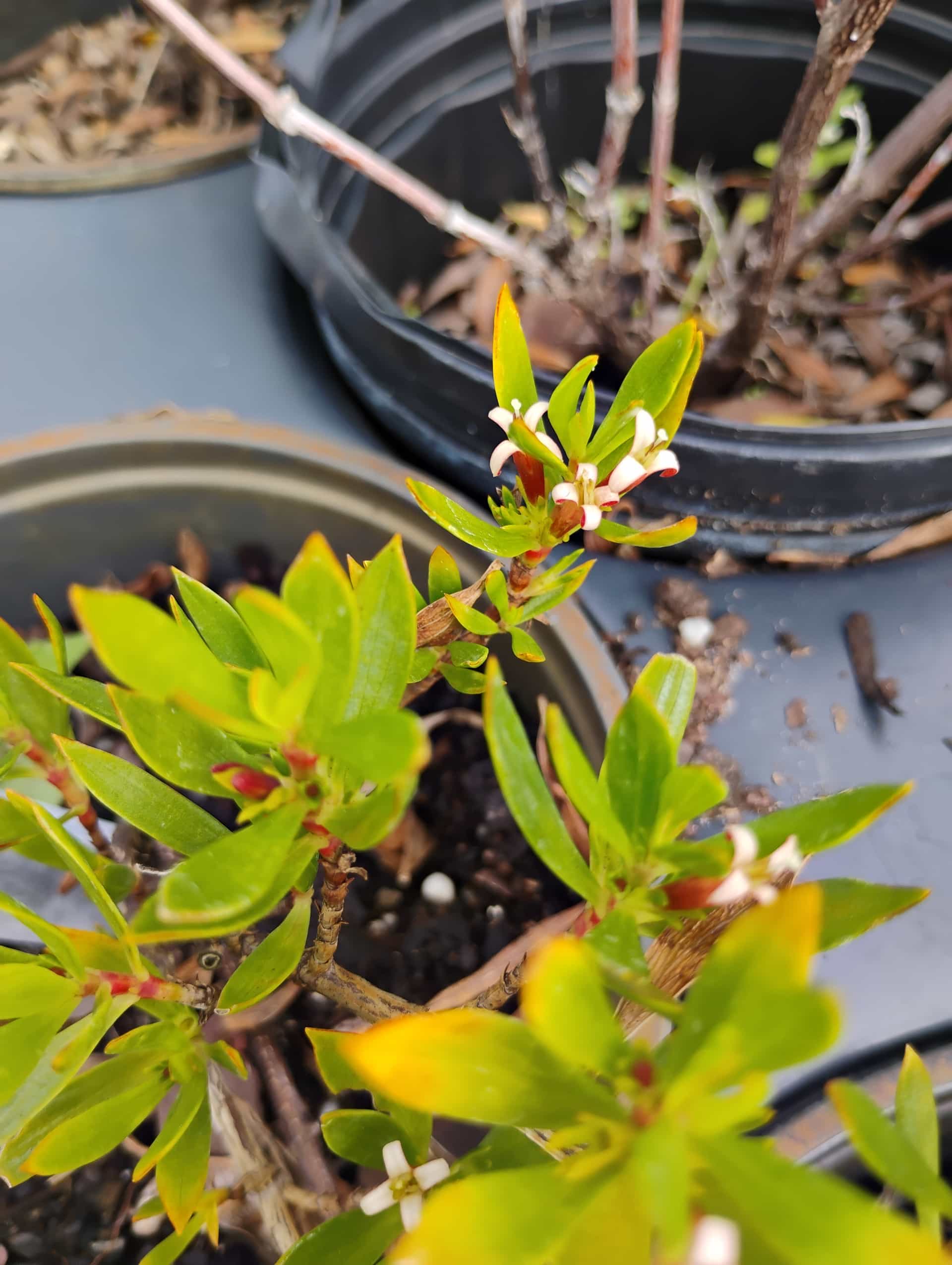 Groundcover
Ernodea littoralis
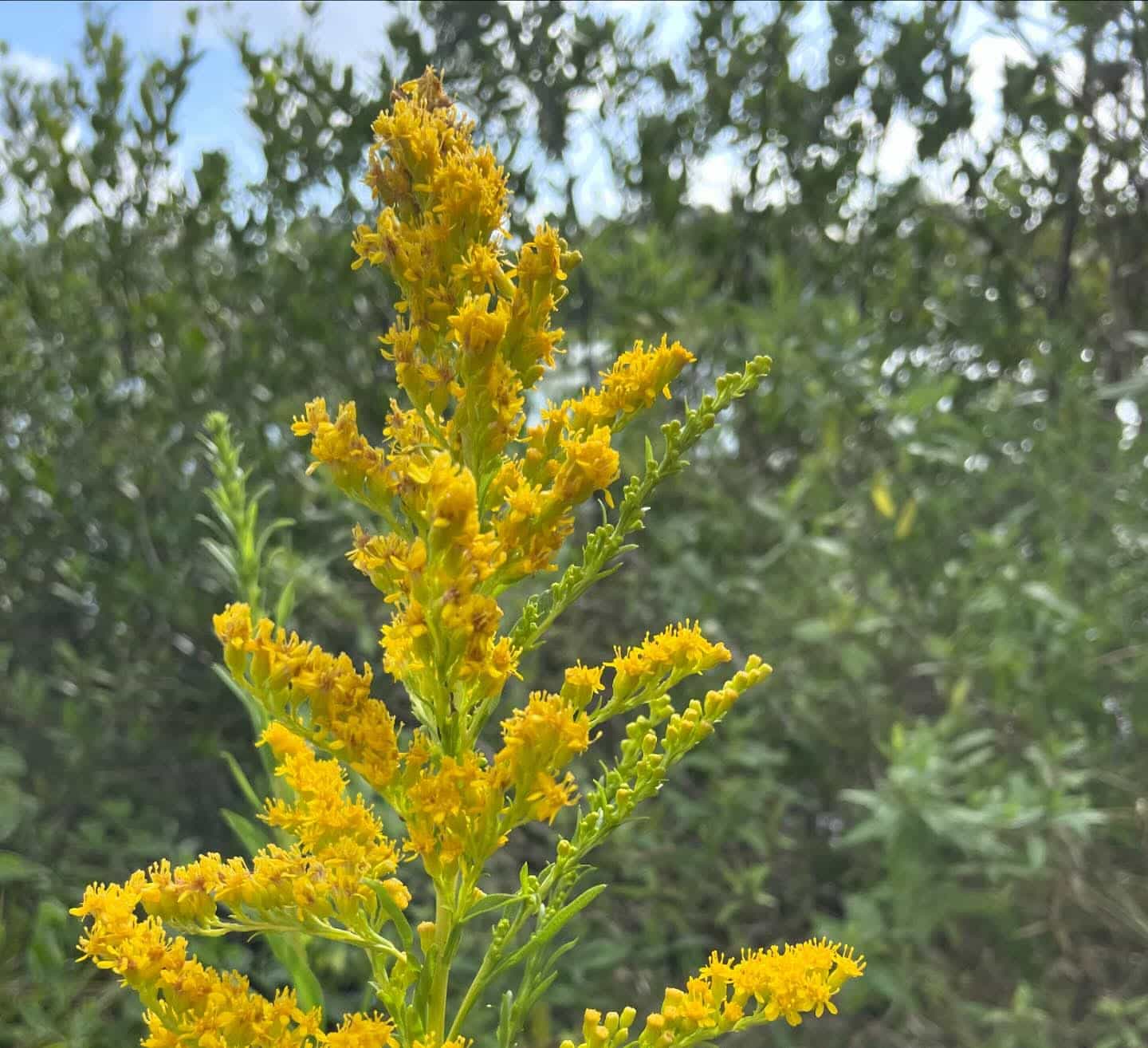 Perennial
Solidago
They already know how to survive here. Florida native plants handle drought, sandy soil, salt air, and summer storms with less fuss, while supporting the pollinators, songbirds, and butterflies that belong here.
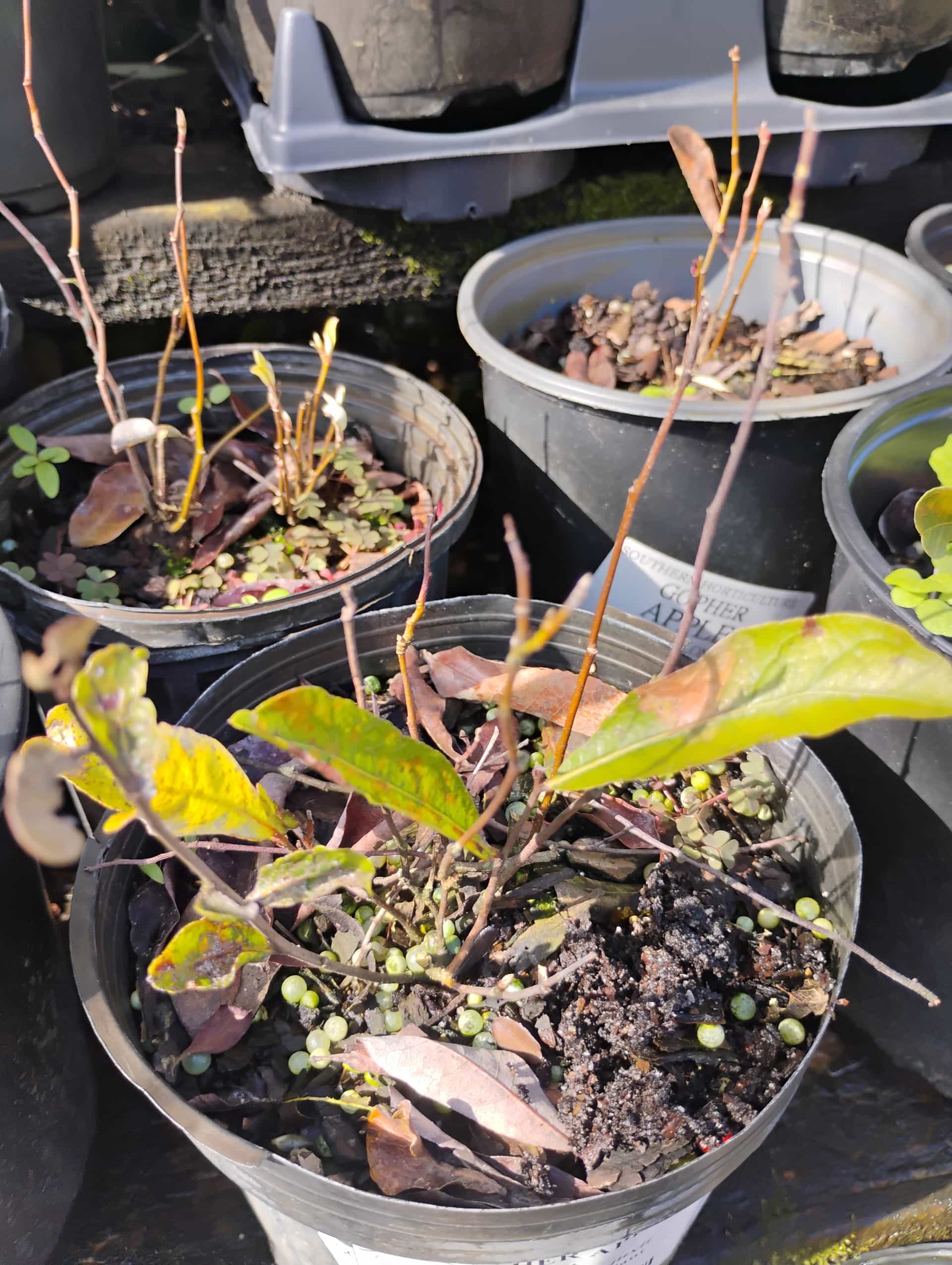 Groundcover
Licania michauxii
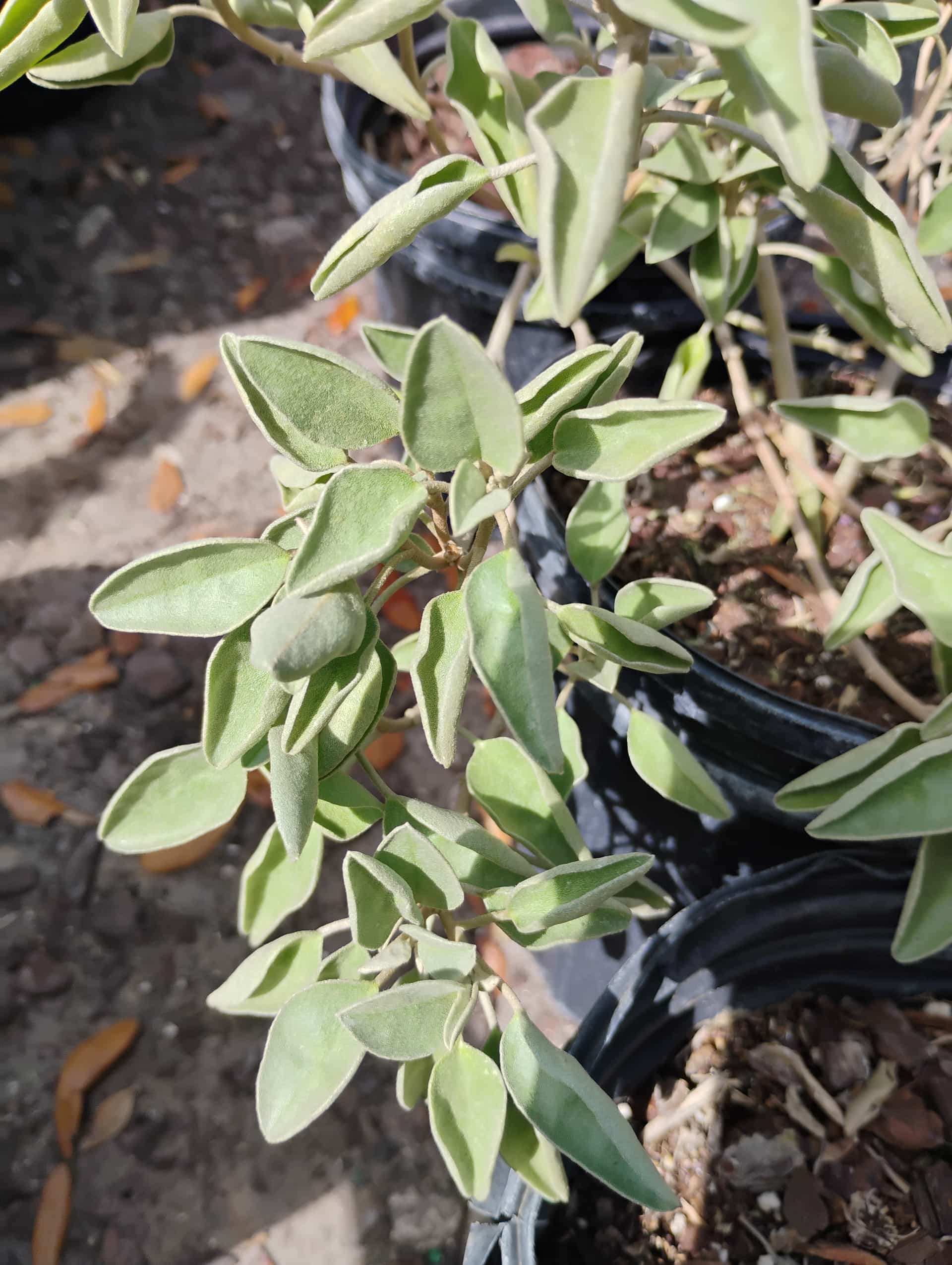 Shrub
Melochia tomentosa
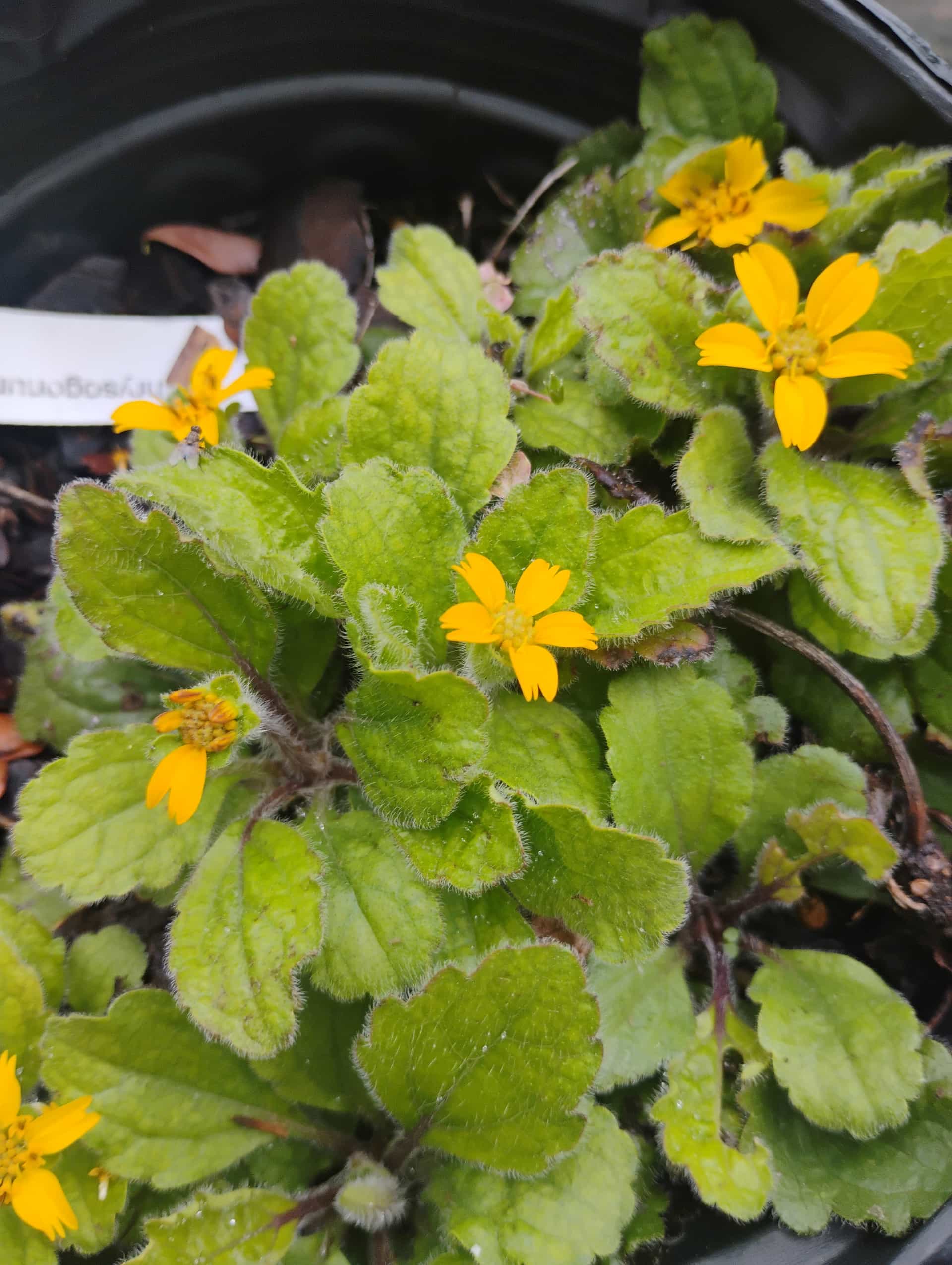 Groundcover
Chrysogonum virginianum
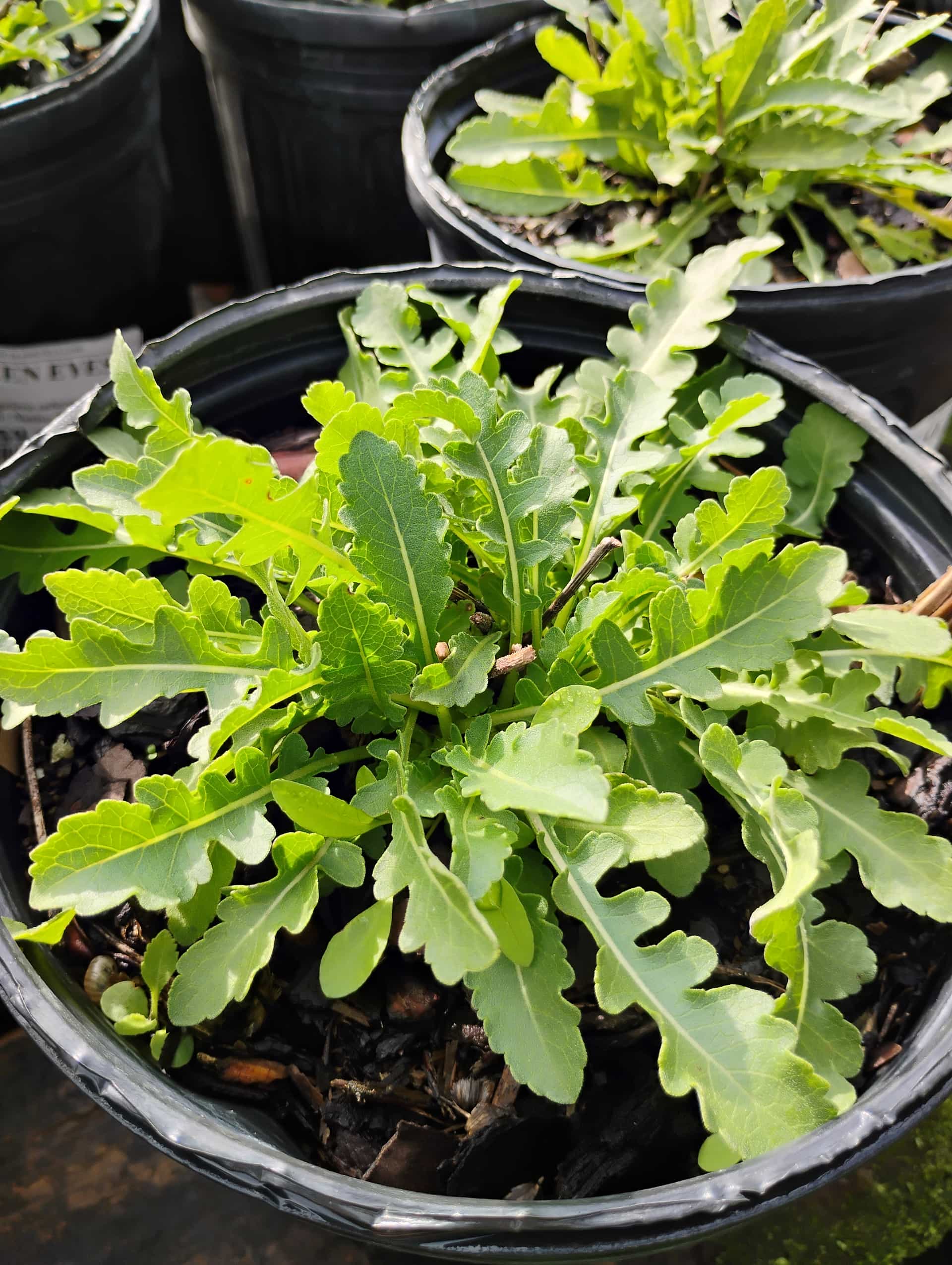 Perennial
Berlandiera subacaulis
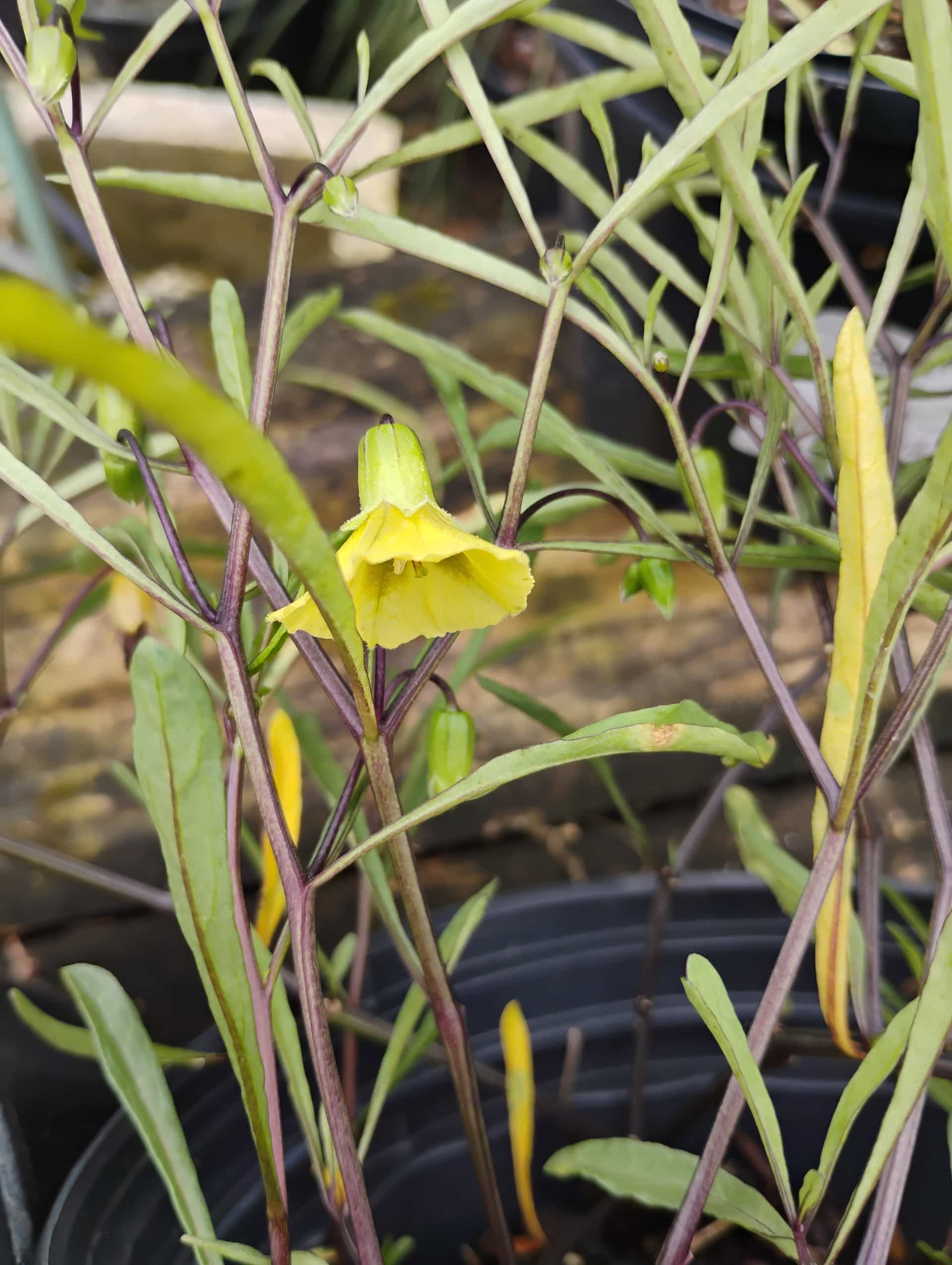 Perennial
Physalis grisea
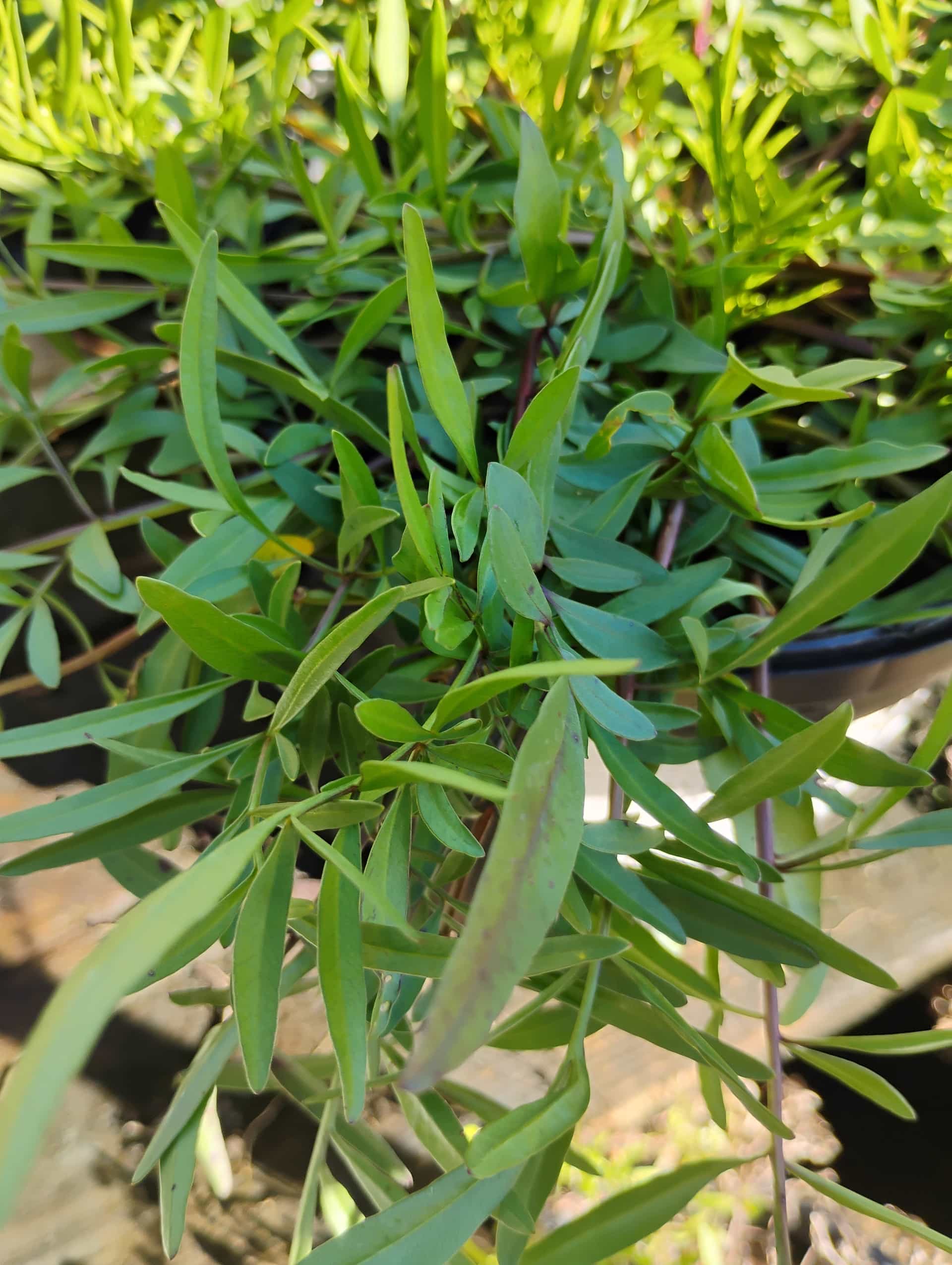 Perennial
Coreopsis lanceolata
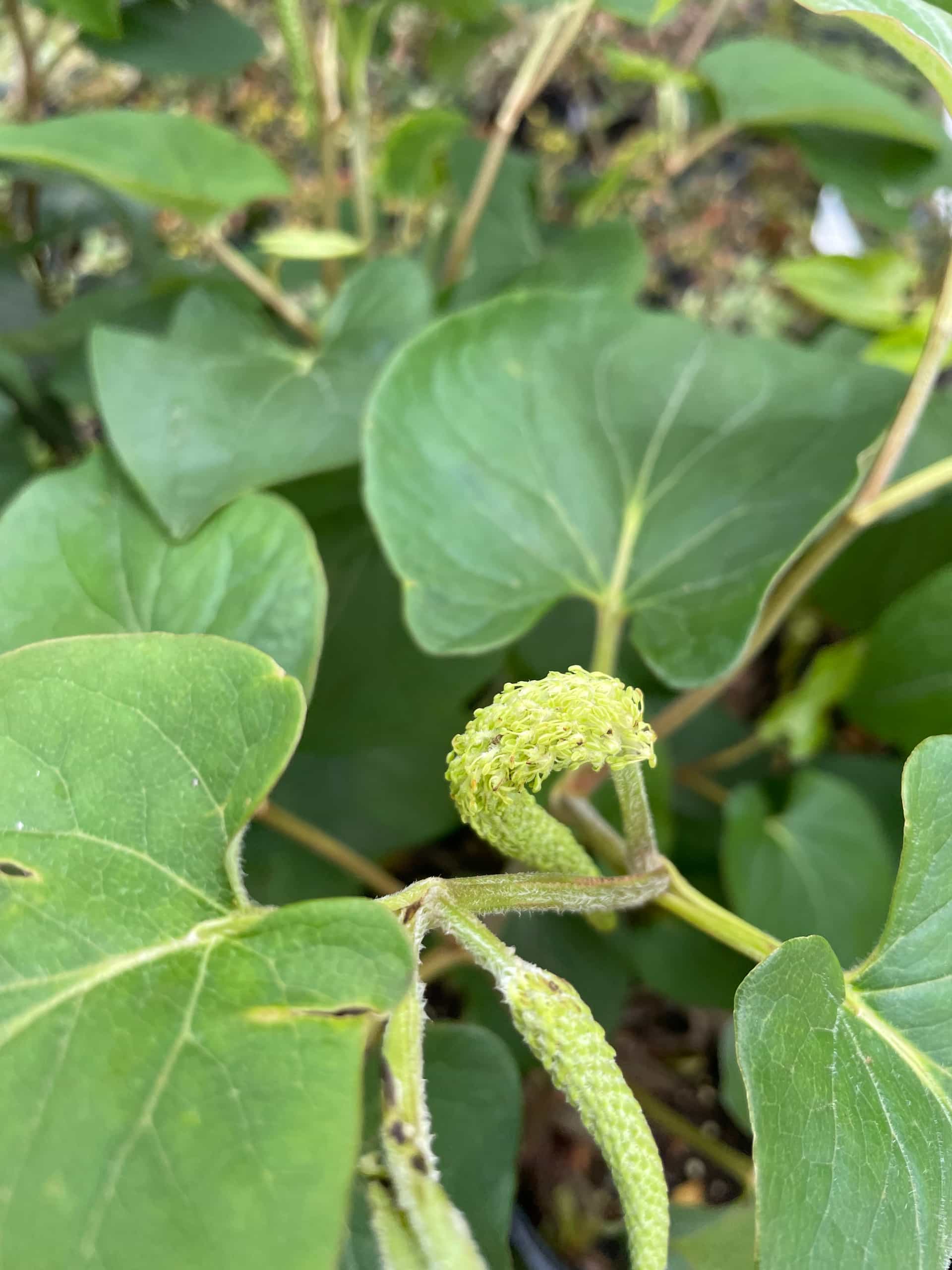 Perennial
Saururus cernuus
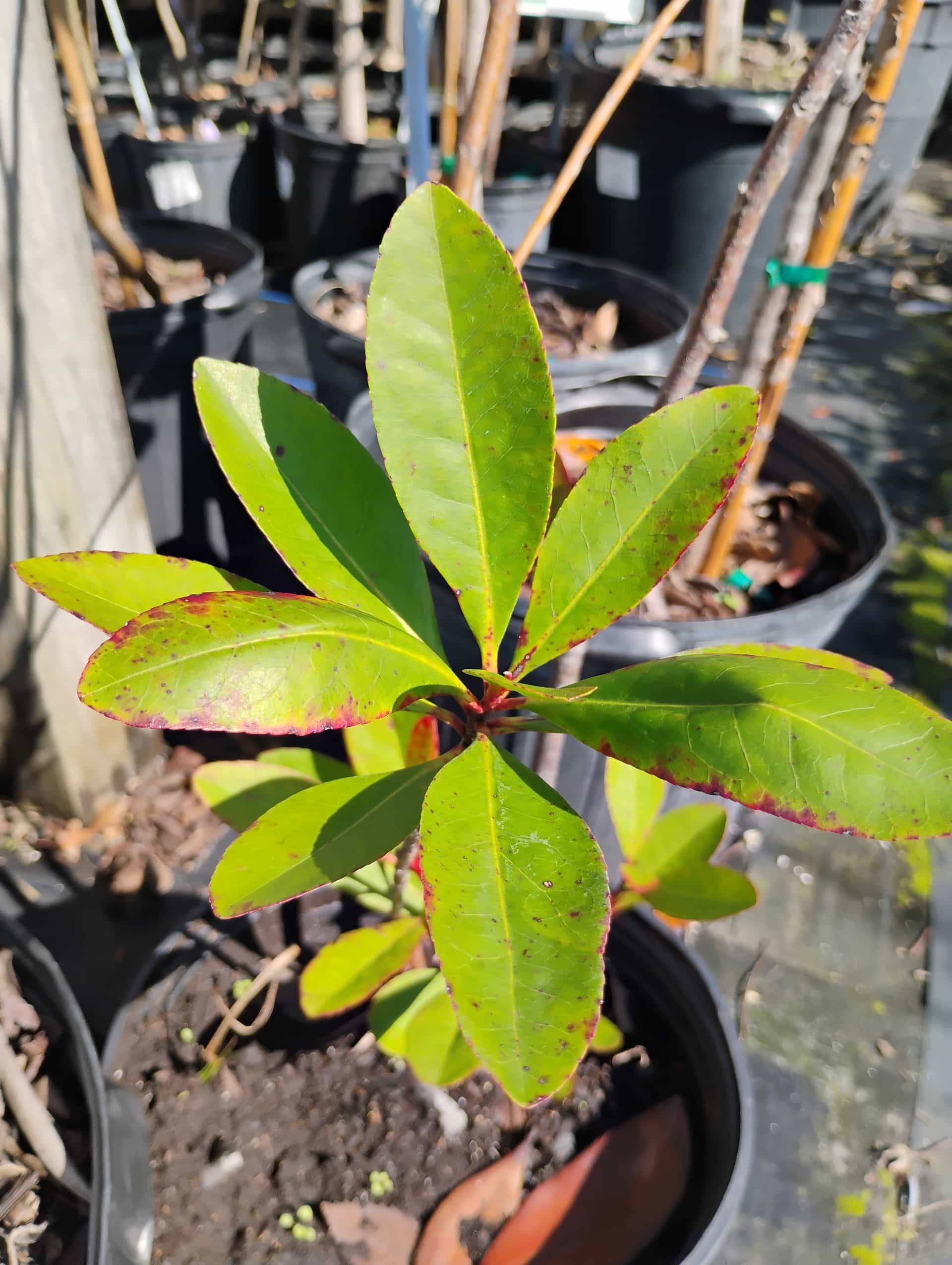 Tree
Gordonia lasianthus
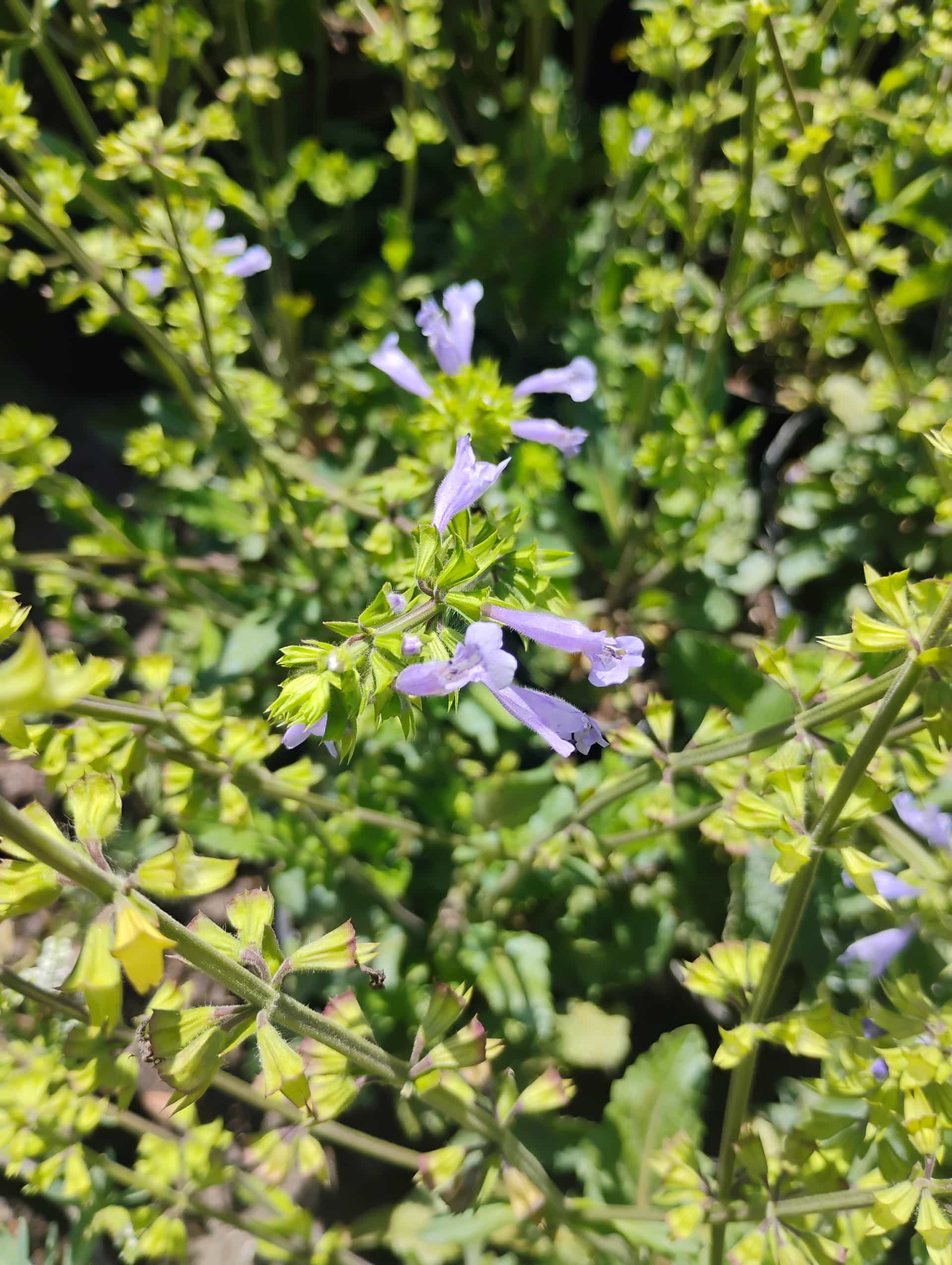 Perennial
Salvia lyrata
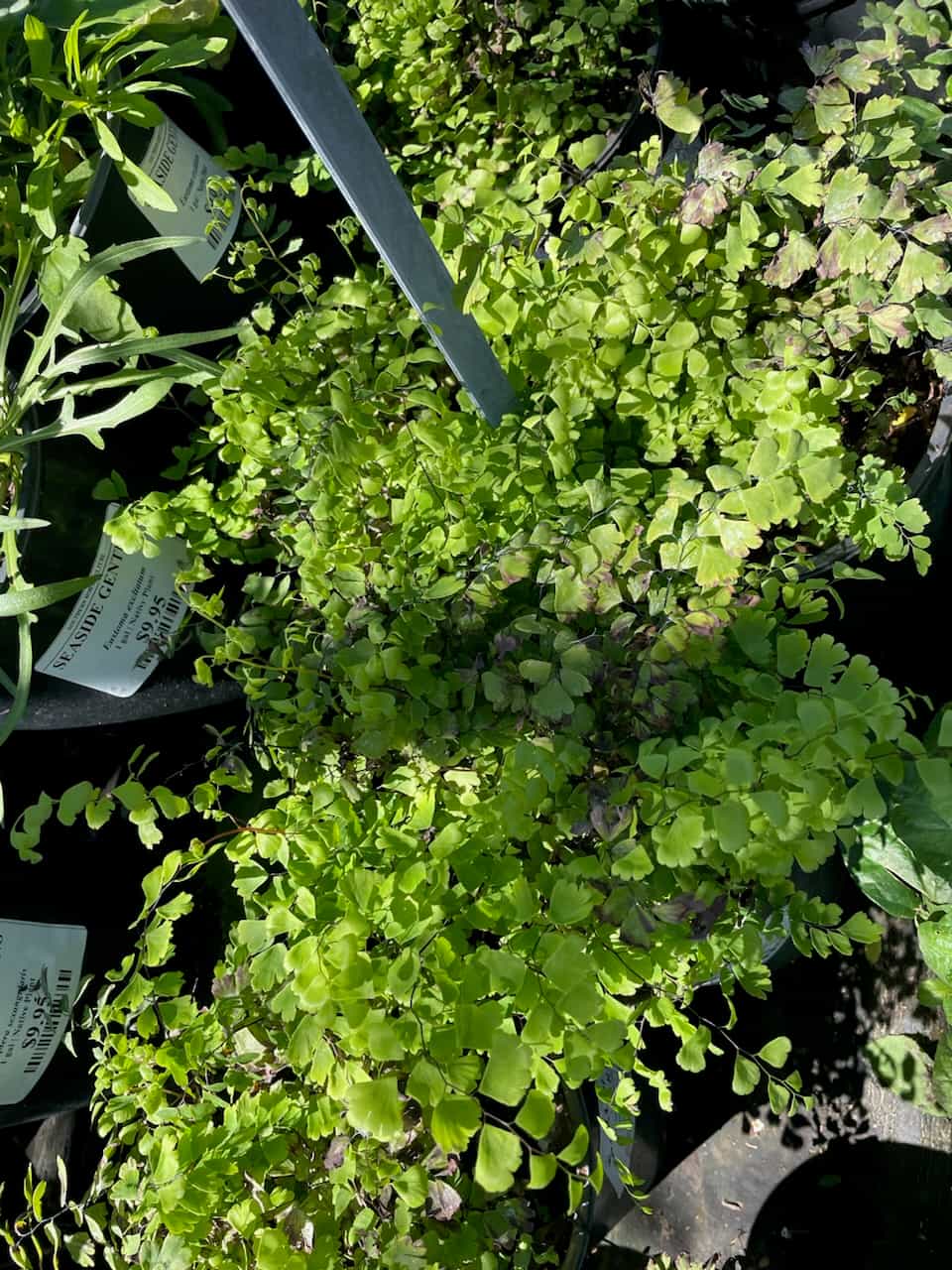 Fern
Adiantum capillus-veneris
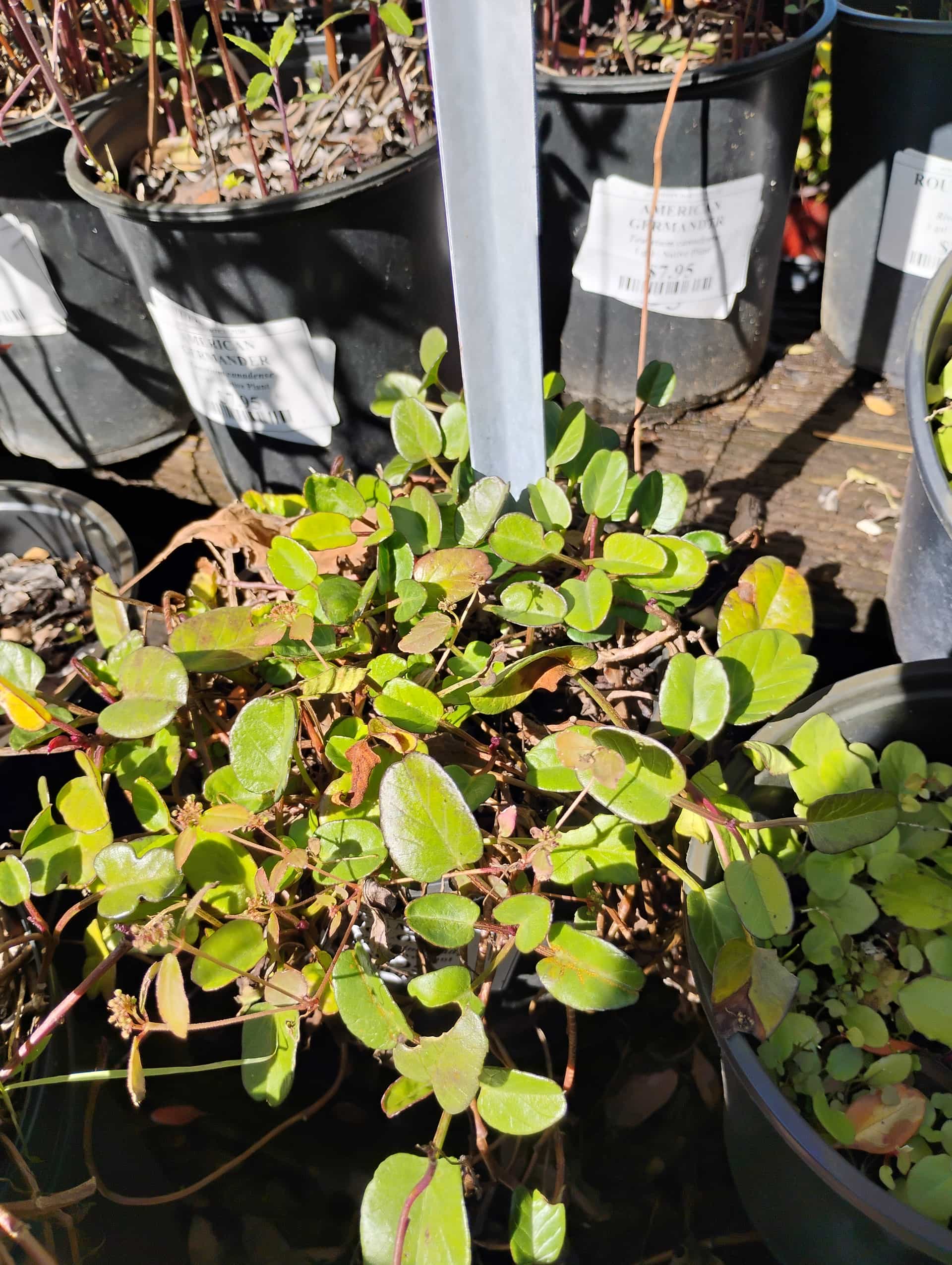 Vine
Ipomoea purpurea
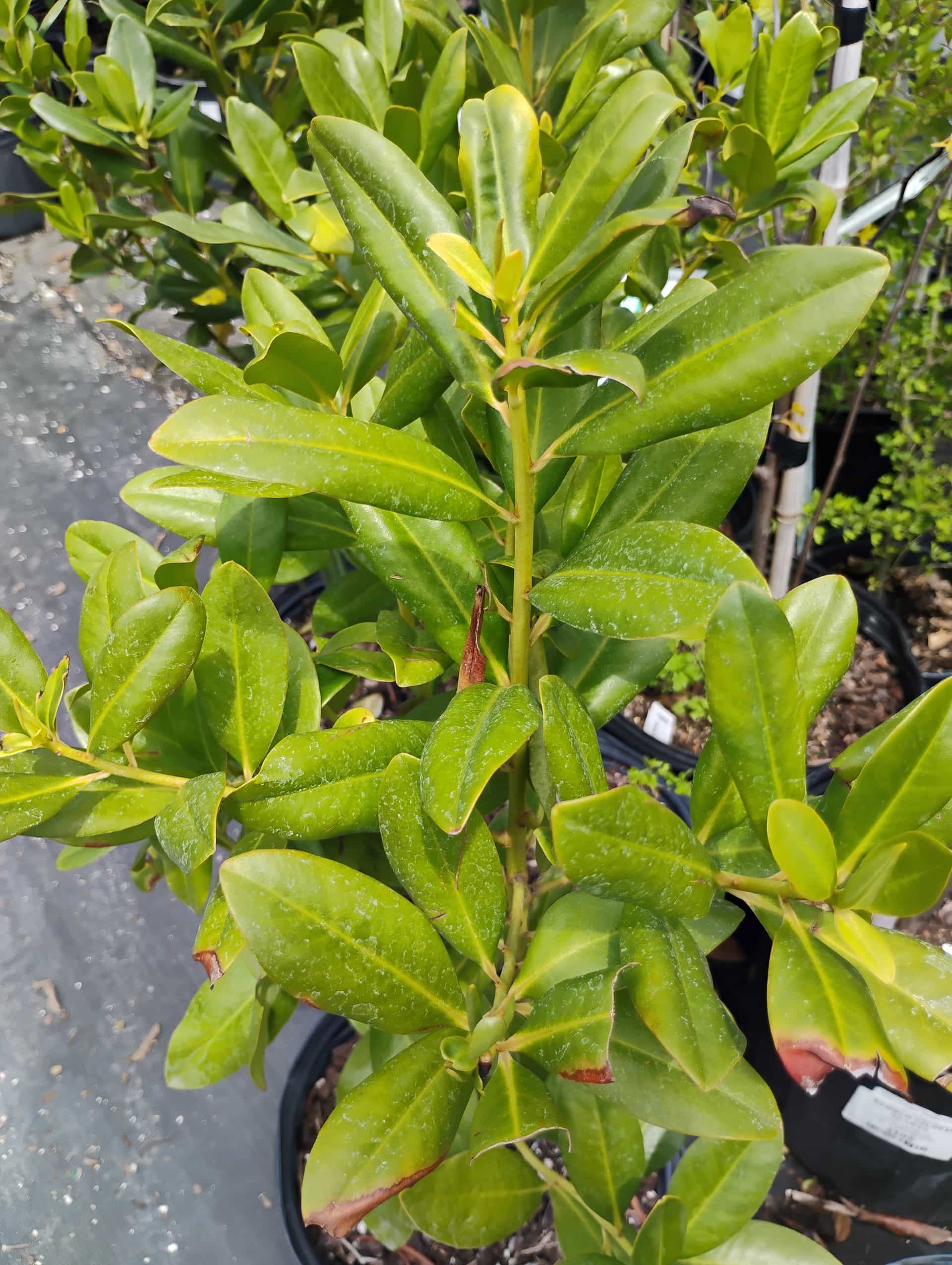 Shrub
Myrsine cubana
A Florida native plant occurred here before European settlement and is adapted to local soils, rainfall, heat, and wildlife relationships.
Most native plants need regular water during establishment, then far less supplemental irrigation once roots are established in the right site.
Native plants are often Florida-Friendly, but the right plant still needs the right place, light, drainage, and mature spacing.
Fall and early winter are ideal in St. Augustine so roots establish before summer heat, though container-grown natives can go in year round with establishment water.
Match each native to your light, soil, and moisture, then group plants with similar needs. Bring photos of your space and our team can help you build a Florida-Friendly plan.
Popular Florida native shrubs include firebush, beautyberry, Walter viburnum, Simpson stopper, wild coffee, and coontie. They support pollinators and wildlife and adapt well to local conditions once established.