
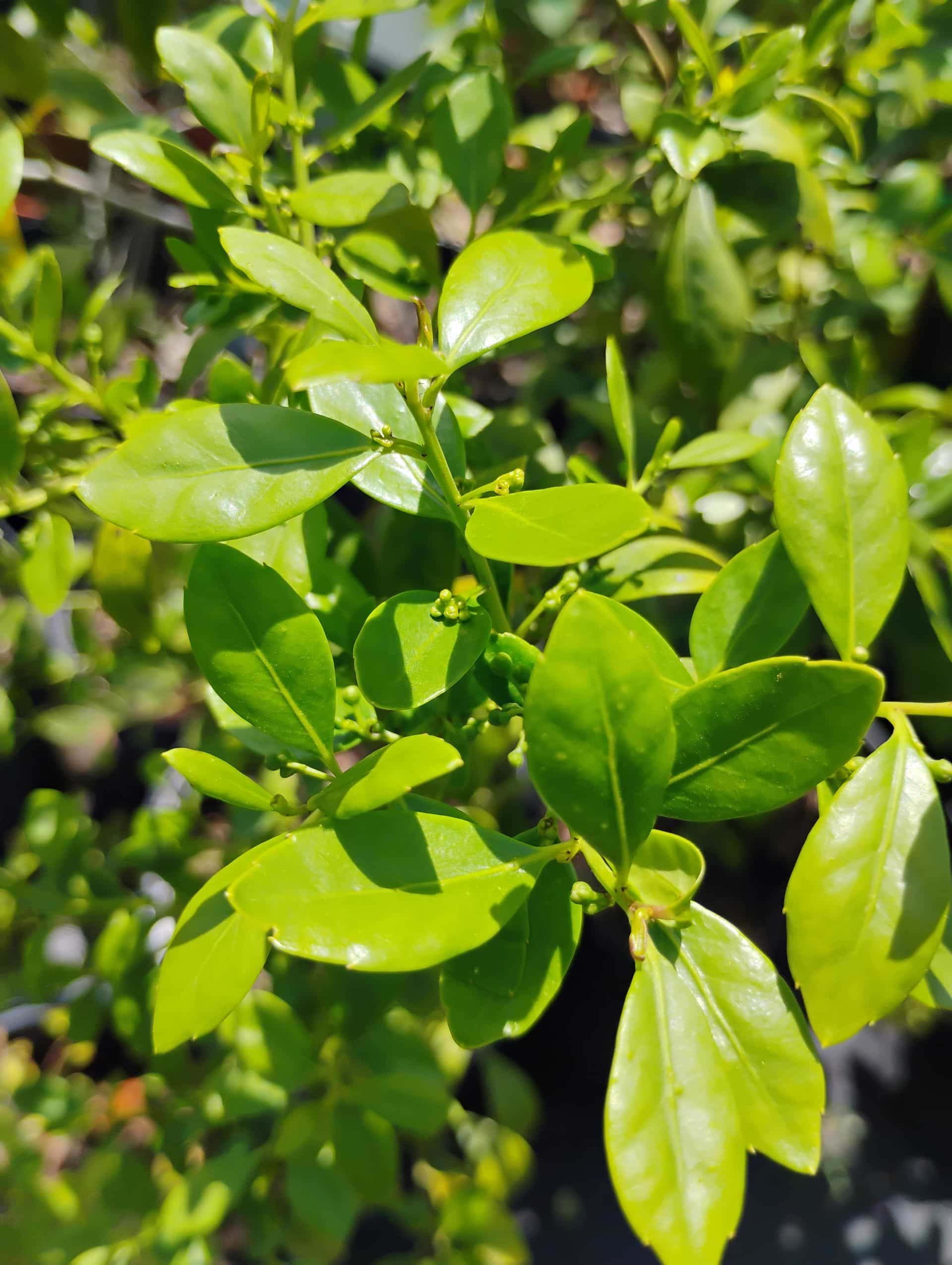
Varieties We Bring In
Standard
We received some Gallberry on Jul 16, 2026.
We bring this in seasonally, so what is on the lot changes week to week. A received date shows when it last came in, not that it is here today.
Call (904) 471-0440 to confirm this plant and size before you make the trip.
Last received Jul 16, 2026.
We bring this in seasonally, so what is on the lot changes week to week. A received date shows when it last came in, not that it is here today.
Call (904) 471-0440 to confirm this plant and size before you make the trip.
Pet toxicity: Toxic to dogs and cats
Pet safety guideAbout Gallberry
Inkberry (Ilex glabra) is a native evergreen holly found across the eastern United States in wet flatwoods and coastal plains, producing small glossy black berries that persist through winter and provide critical wildlife food. It forms suckering colonies and is widely used in rain gardens and native landscapes.
Plant details
- Bloom Season
- Spring
- Flower Color
- White
- Growth Rate
- Slow
- Foliage
- Evergreen
- Soil
- Sandy, Loam, Acidic, Wet, Well-drained
Best planting months
Recommended months: March, April, May, September, October, November.
Seasonal care
Bloom season. Good planting window.
Active growing season.
Ideal planting window.
Retains foliage through winter.
Care essentials
Grows in full sun to partial shade; full sun maximizes flowering and berry production. Avoid high-pH or alkaline sites, which cause chlorosis — a common problem in NE Florida near shell-rich soils.
Tolerates wet, moist, and periodically dry soils once established. Ideal for rain gardens and wet flatwood edges. Water regularly to establish; avoid high-pH water or alkaline soils, which cause yellowing.
Requires moist to wet, acidic (pH 4.5–5.5), sandy or loamy soil. Fertilize with an acid-forming fertilizer in early spring; avoid high-nitrogen feeds. Mulch to maintain soil moisture and acidity.
Similar needs
Virginia Sweetspire
Shares 5 of the same needs: full sun, moderate water, loam, zone 9a hardiness, and pollinator-friendly.
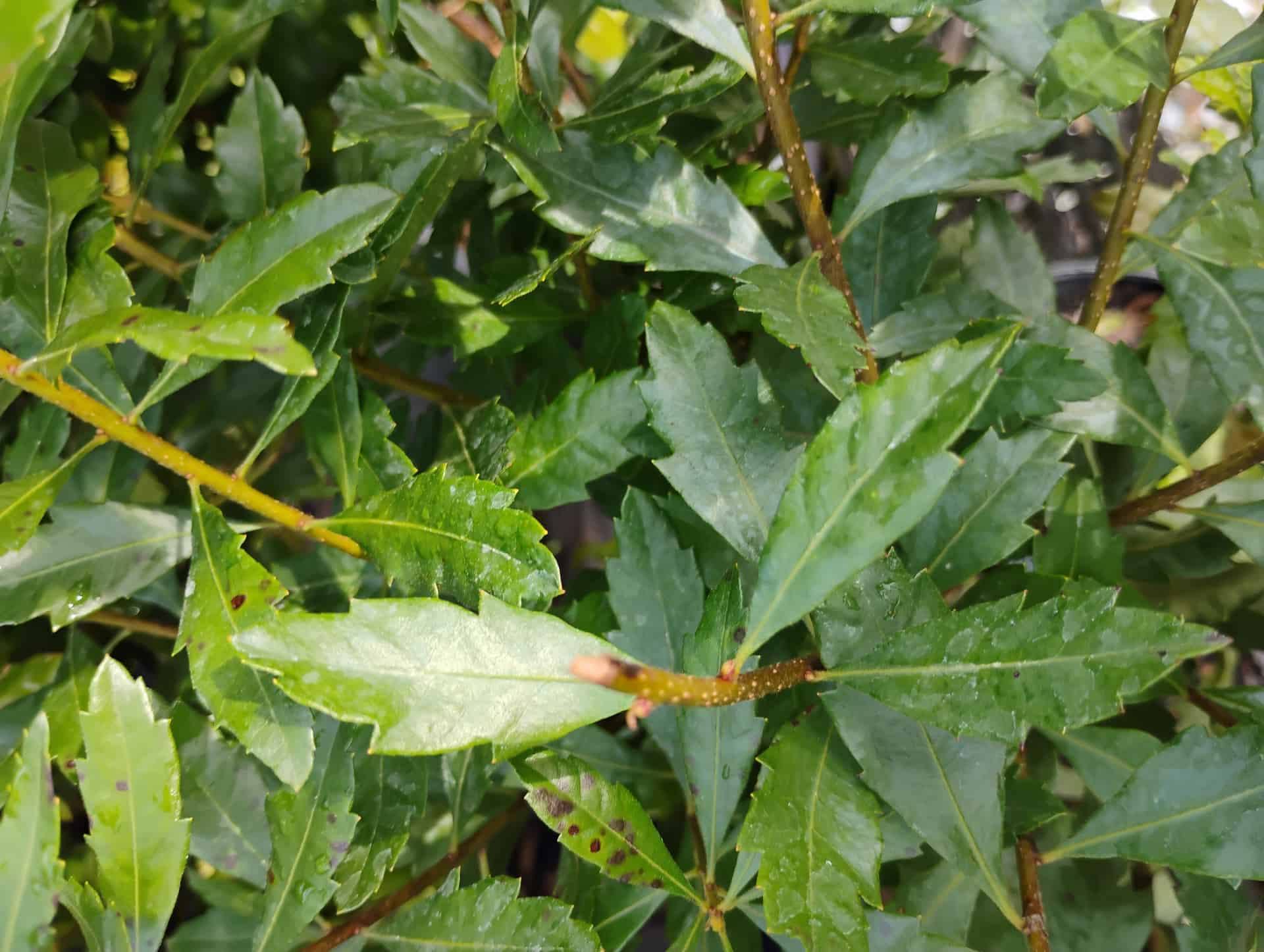
Wax Myrtle
Shares 5 of the same needs: full sun, moderate water, sandy, zone 9a hardiness, and pollinator-friendly.
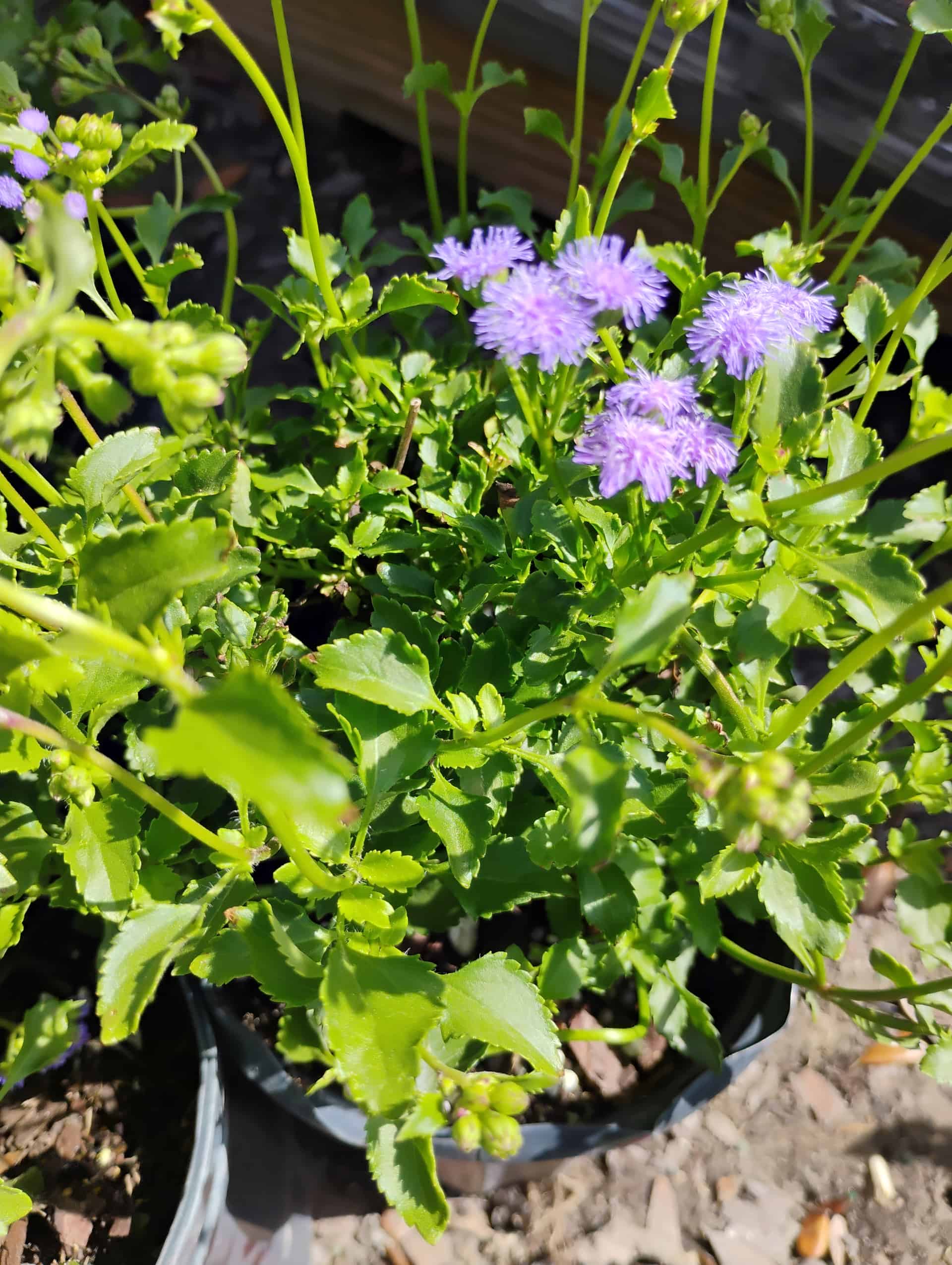
Blue Mistflower
Shares 5 of the same needs: full sun, moderate water, sandy, zone 9a hardiness, and pollinator-friendly.

Crinum Lily
Shares 5 of the same needs: full sun, moderate water, sandy, zone 9a hardiness, and pollinator-friendly.
Golden Alexanders
Shares 5 of the same needs: shade, moderate water, loam, zone 9a hardiness, and pollinator-friendly.
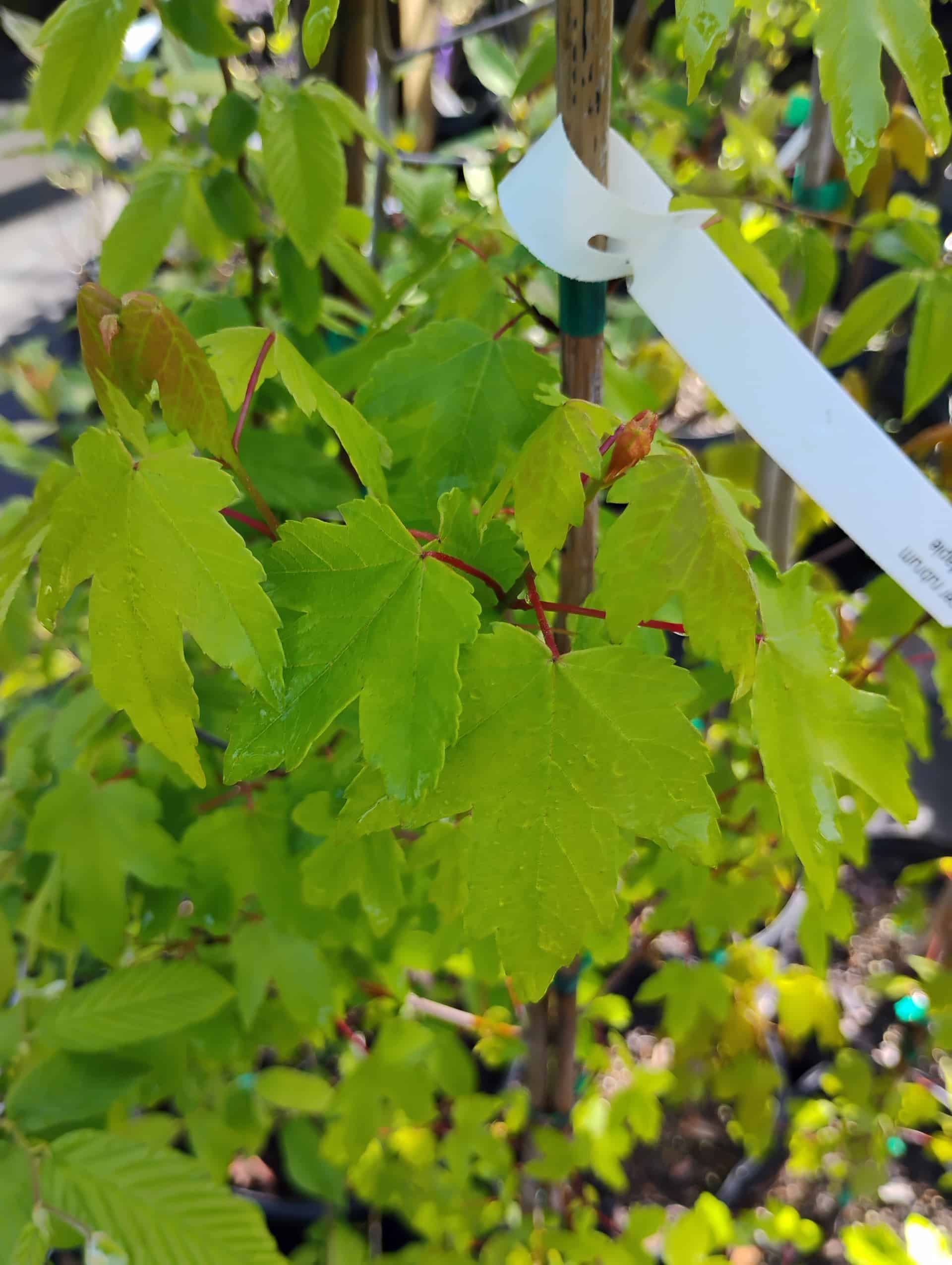
Red Maple
Shares 5 of the same needs: full sun, moderate water, sandy, zone 9a hardiness, and pollinator-friendly.
You may also like
Common questions
Is Gallberry a good plant for St. Augustine?
Gallberry is a shrub. Mature size: 5-8 feet × spreading by root suckers; 4-8 feet. Light: Full Sun, Part Shade. Water needs: Moderate. Gallberry is native to Florida. Recorded hardiness zone: 9a.
What is the recorded pet toxicity for Gallberry?
Toxic to dogs and cats
Care information verified from
Last reviewed March 2026. Our care guidance comes from trusted horticulture sources and decades of helping St. Augustine gardeners. Conditions here can vary dramatically from one area to the next, so come ask us and we'll tailor it to your yard.