
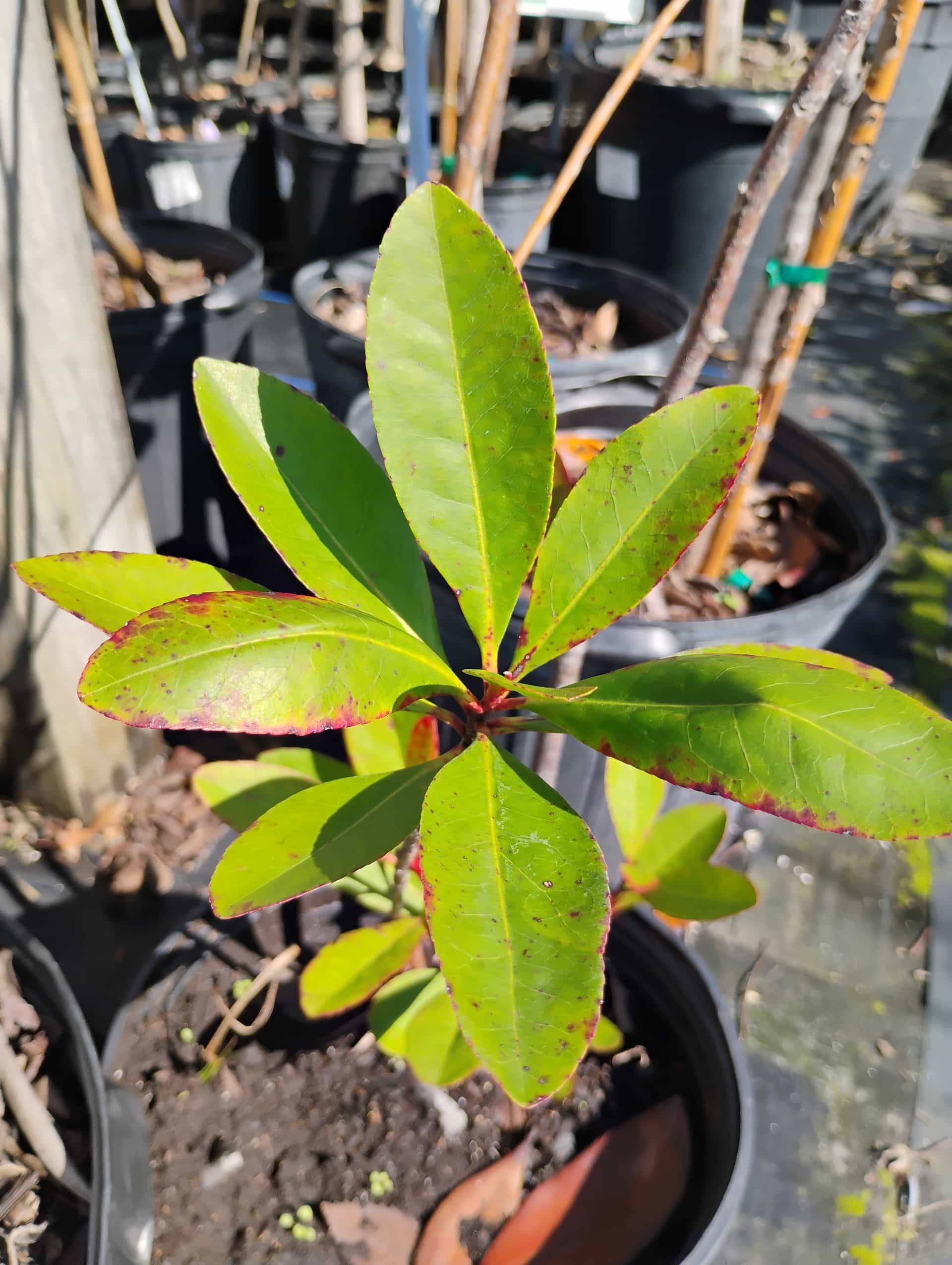
Varieties We Bring In
Standard
Standard
We received some Loblolly Bay on Mar 9, 2026.
We bring this in seasonally, so what is on the lot changes week to week. A received date shows when it last came in, not that it is here today.
Call (904) 471-0440 to confirm this plant and size before you make the trip.
Last received Mar 9, 2026.
We bring this in seasonally, so what is on the lot changes week to week. A received date shows when it last came in, not that it is here today.
Call (904) 471-0440 to confirm this plant and size before you make the trip.
Pet toxicity: not on file, check before planting where pets chew
Pet safety guideAbout Loblolly Bay
Loblolly Bay (Gordonia lasianthus) is a native Florida evergreen tree in the tea family, naturally found in swampy flatwoods and bay swamps across NE Florida. Large, camellia-like white flowers with yellow stamens appear from late spring through fall against glossy dark green foliage. An excellent native specimen for moist, partially shaded landscape settings in zone 9b.
Plant details
- Bloom Season
- Spring, Summer, Fall
- Flower Color
- White
- Growth Rate
- Moderate
- Foliage
- Evergreen
- Soil
- Loam, Acidic, Wet
Best planting months
Recommended months: January, February, March, October, November, December.
Seasonal care
Bloom season. Good planting window.
Bloom season. Higher water demand in summer heat.
Ideal planting window.
Retains foliage through winter. Can be planted in mild winter periods.
Care essentials
Loblolly Bay prefers partial shade to partial sun; full sun is tolerated only with consistently moist soil. In NE Florida, site where it receives afternoon shade or dappled light to reduce moisture stress on its shallow root system.
Requires consistently moist to wet soil; Loblolly Bay has a shallow root system and will decline rapidly if allowed to dry out. Plant near water features, pond edges, or in low wet areas of NE Florida landscapes — supplemental irrigation is essential in drier sites.
Naturally found in boggy, acidic, organic-rich soils; performs best in moist, humus-rich, acid loam or clay. Not suited for dry or alkaline conditions. Apply an acid-forming slow-release fertilizer (e.g., azalea/camellia formulation) in spring to maintain vigor in NE Florida's often sandy soils.
Similar needs
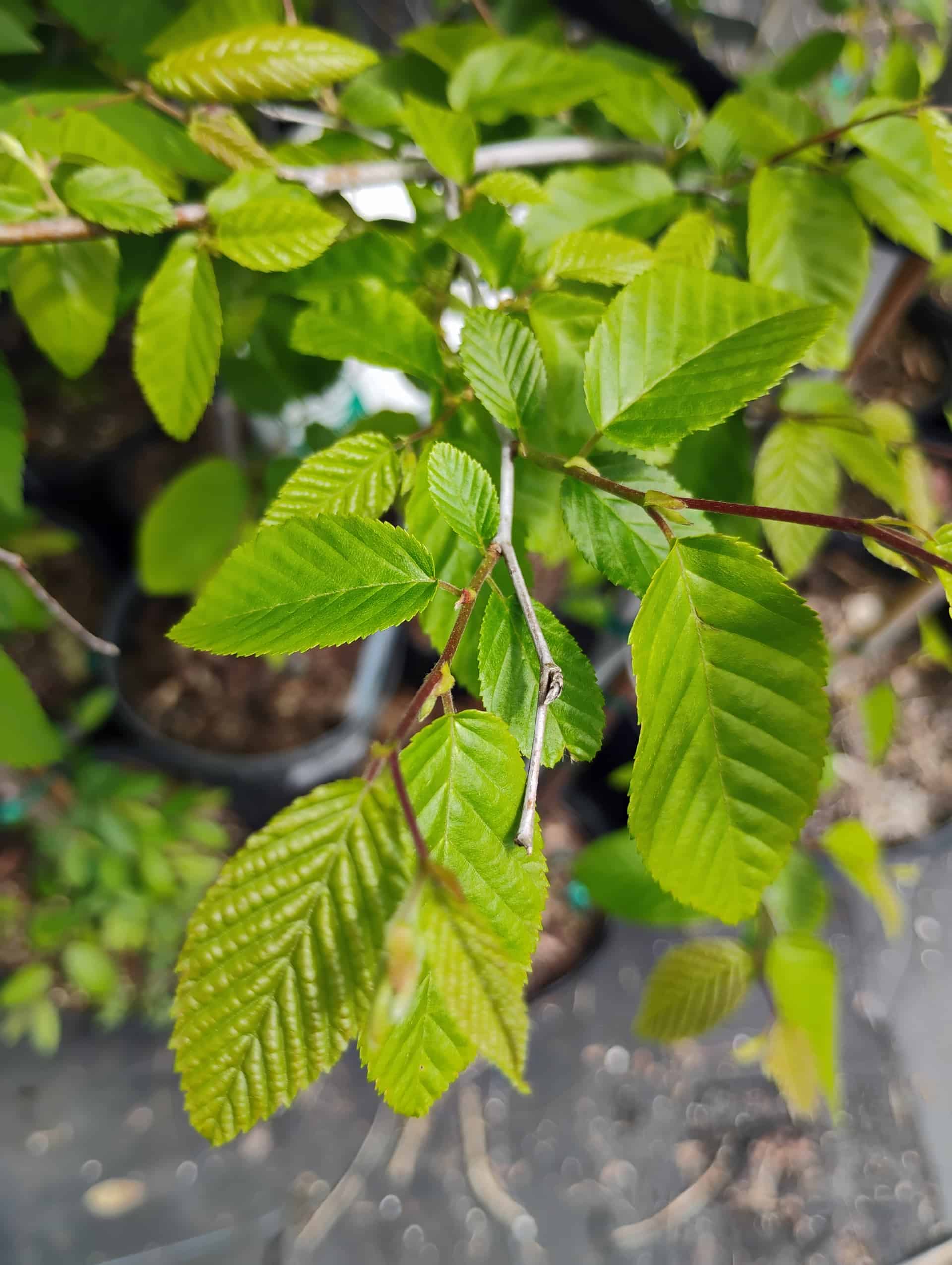
American Hornbeam
Shares 5 of the same needs: shade, high water, loam, zone 9a hardiness, and pollinator-friendly.
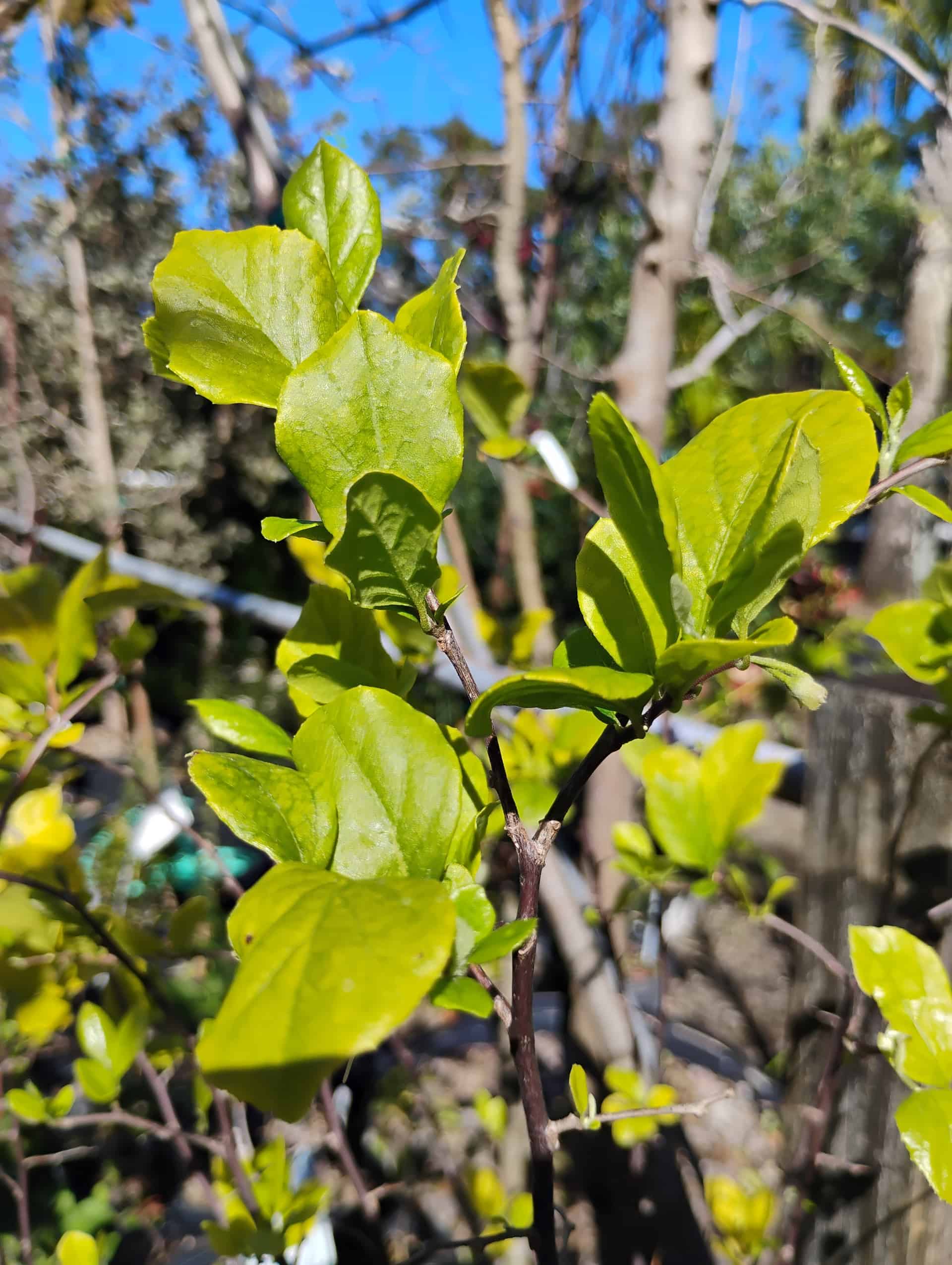
American Snowbell
Shares 5 of the same needs: shade, high water, loam, zone 9a hardiness, and pollinator-friendly.
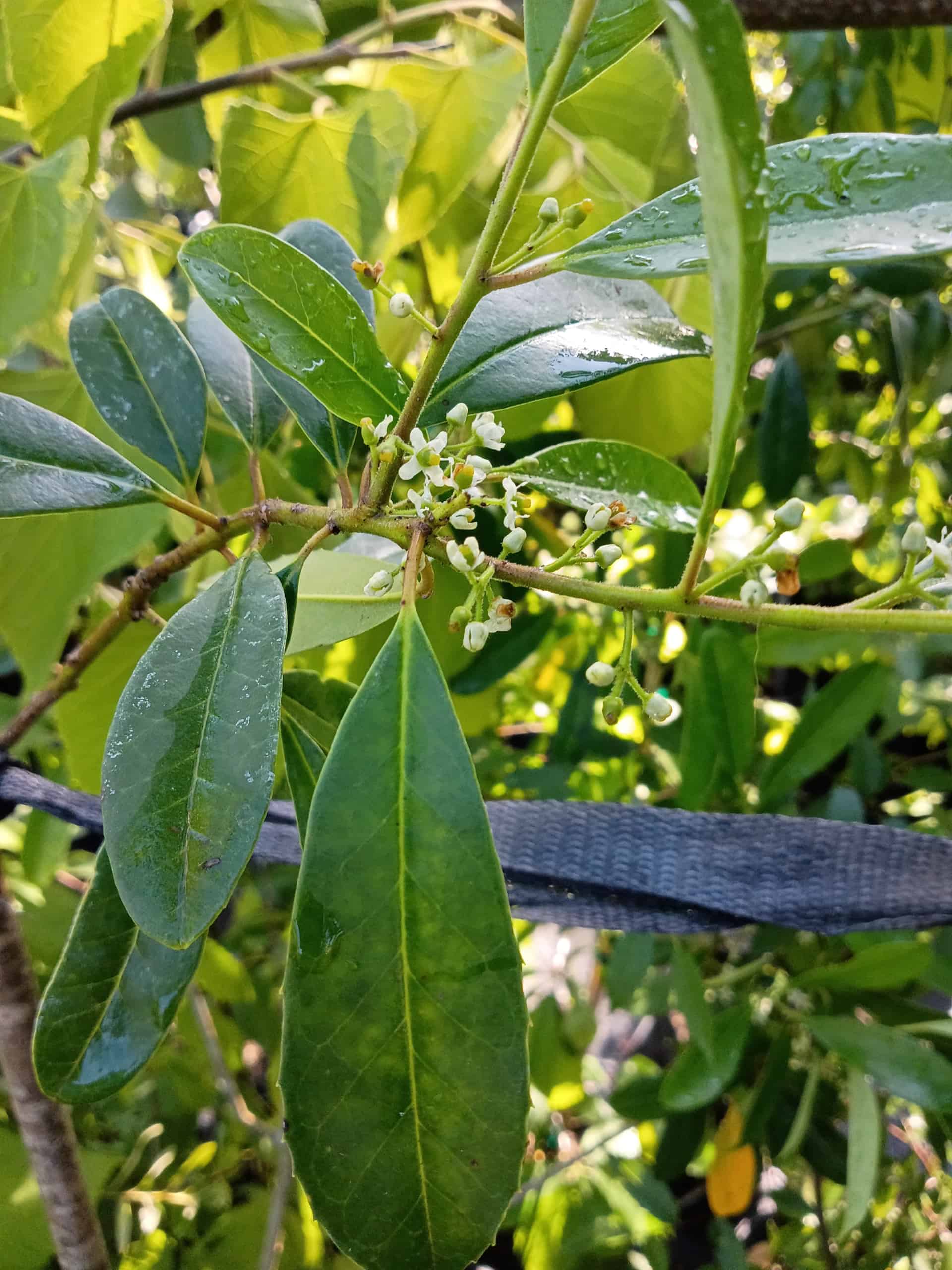
Dahoon Holly
Shares 5 of the same needs: shade, high water, loam, zone 9a hardiness, and pollinator-friendly.
Hazel Alder
Shares 5 of the same needs: similar light, high water, loam, zone 9a hardiness, and pollinator-friendly.
Parsley Hawthorn
Shares 5 of the same needs: similar light, high water, loam, zone 9a hardiness, and pollinator-friendly.

Tupelo
Shares 5 of the same needs: similar light, high water, loam, zone 9a hardiness, and pollinator-friendly.
You may also like
 Tree
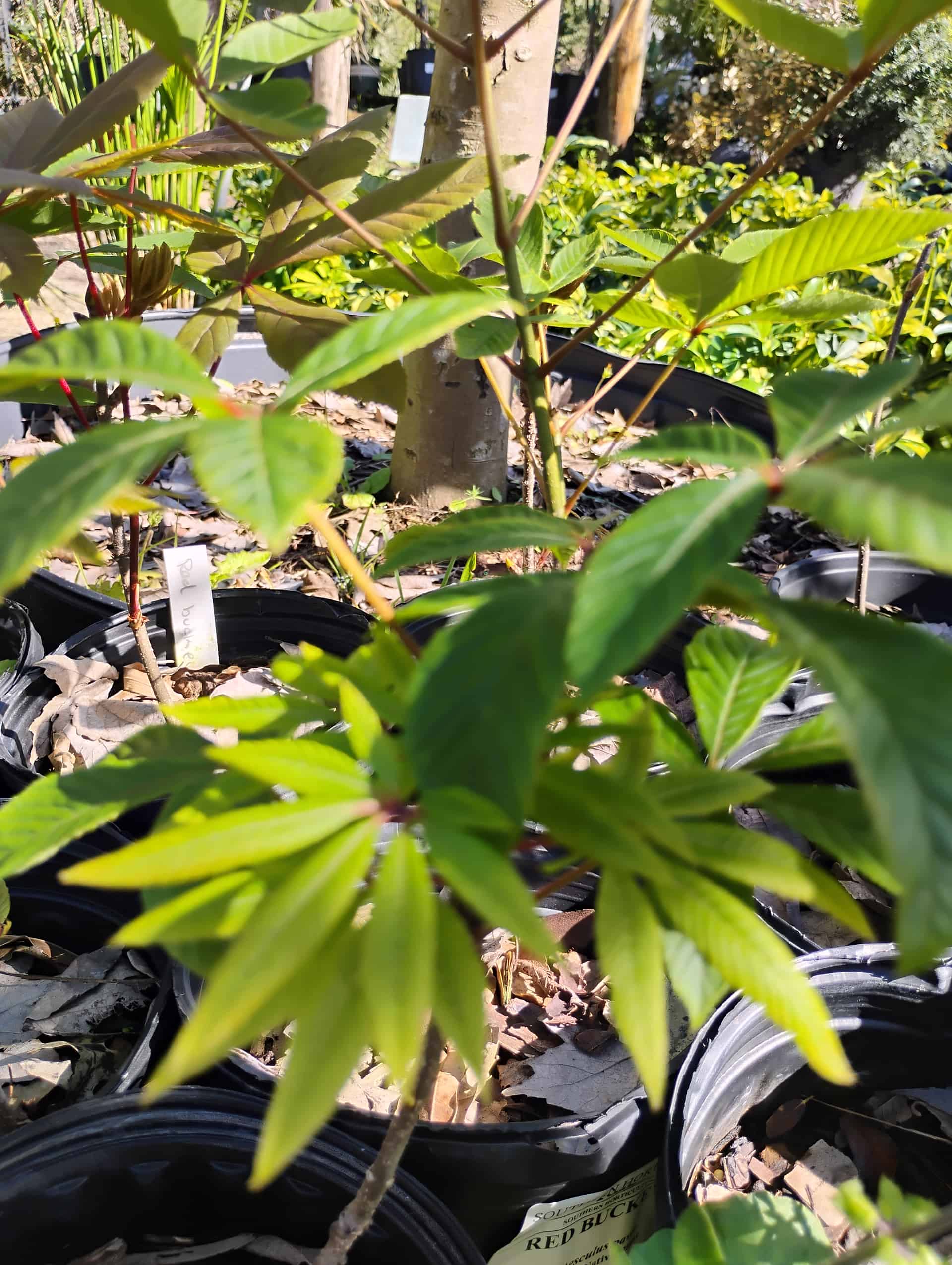
Red Buckeye
Aesculus pavia
Serviceberry
Amelanchier arborea
American Beech
Fagus grandifolia
Common questions
Is Loblolly Bay a good plant for St. Augustine?
Loblolly Bay is a tree. Mature size: 35-60 feet × 15-20 feet. Light: Part Sun, Part Shade. Water needs: High. Loblolly Bay is native to Florida. Recorded hardiness zone: 9a.
Care information verified from
Last reviewed February 2026. Our care guidance comes from trusted horticulture sources and decades of helping St. Augustine gardeners. Conditions here can vary dramatically from one area to the next, so come ask us and we'll tailor it to your yard.