
Hazel Alder
Alnus serrulata
Varieties We Bring In
Last received Mar 9, 2026.
We bring this in seasonally, so what is on the lot changes week to week. A received date shows when it last came in, not that it is here today.
Call (904) 471-0440 to confirm this plant and size before you make the trip.
About Hazel Alder
Hazel Alder (Alnus serrulata) is a native deciduous shrub or small tree of the eastern United States, typically found along stream banks and wet lowlands, bearing catkins in late winter before the leaves emerge and small woody cone-like fruits. A nitrogen-fixing species, it plays an important ecological role in stabilizing streambanks and enriching riparian soils. Starting at $24.95.
Plant details
- Bloom Season
- Winter, Spring
- Flower Color
- Non-flowering
- Growth Rate
- Fast
- Foliage
- Deciduous
- Soil
- Loam, Clay, Sandy, Organic, Acidic, Wet, Aquatic
Best planting months
Seasonal care
Bloom season. New foliage emerges. Good planting window.
Higher water demand in summer heat.
Foliage may begin to change or drop. Ideal planting window.
Bloom season. Dormant — drops foliage. Can be planted in mild winter periods.
Care essentials
Hazel Alder grows best in full sun to part sun; it tolerates some shade but produces the best form and catkin display in open, sunny riparian sites.
This native wetland shrub/small tree thrives in consistently moist to permanently wet conditions — ideal for stream banks, pond edges, and rain gardens in NE Florida. It will not perform well in dry upland sites.
Hazel Alder fixes its own nitrogen via Frankia root-nodule bacteria and requires no routine fertilization. Plant in moist to wet acidic soils (loam, clay, or sand with organic matter). Use in naturalized riparian or rain-garden settings — it is low-maintenance once sited correctly.
Similar needs
Halberdleaf Rosemallow
Shares 5 of the same needs: full sun, high water, loam, zone 9a hardiness, and pollinator-friendly.
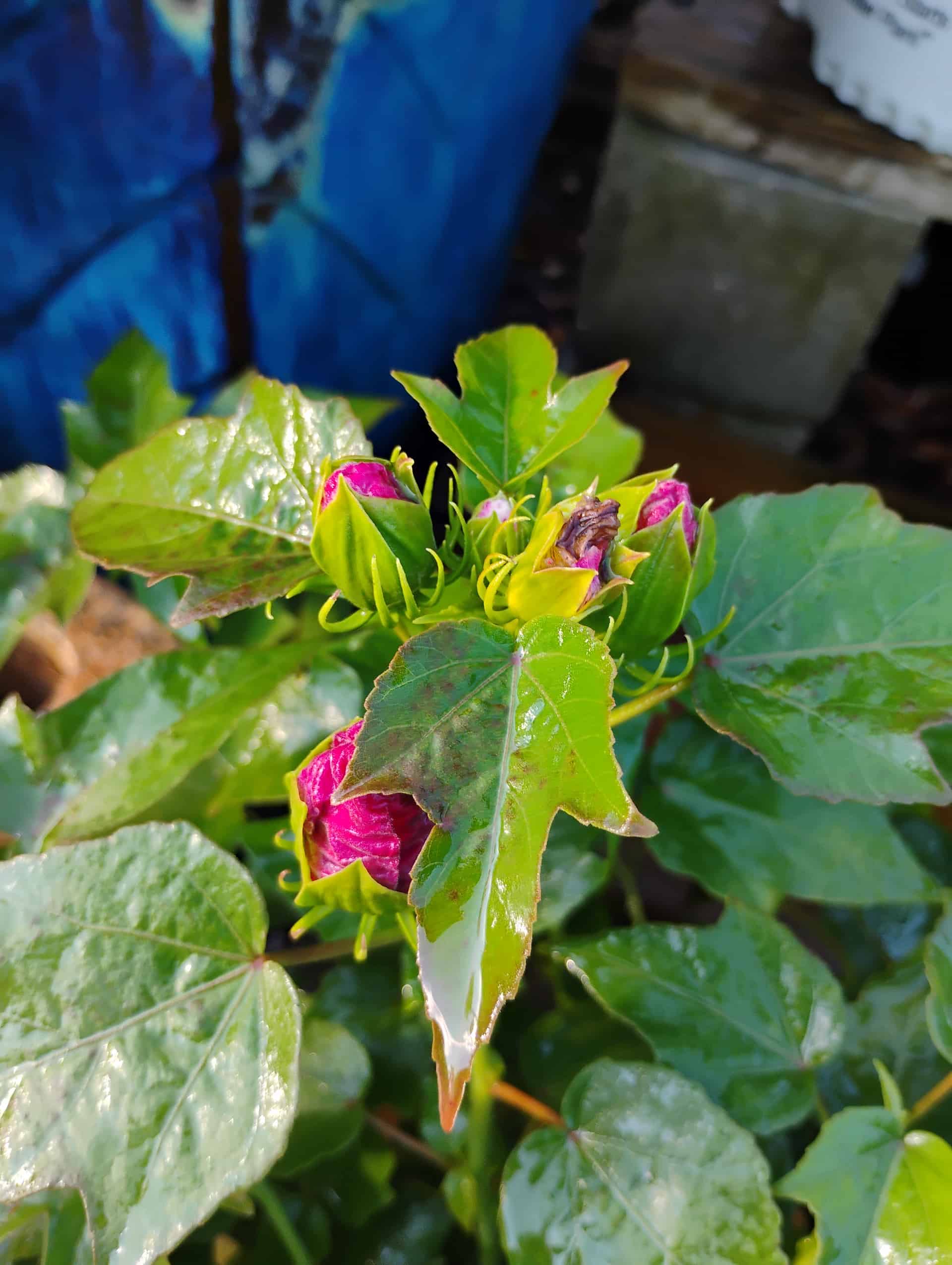
Hardy Hibiscus
Shares 4 of the same needs: full sun, high water, loam, and pollinator-friendly.
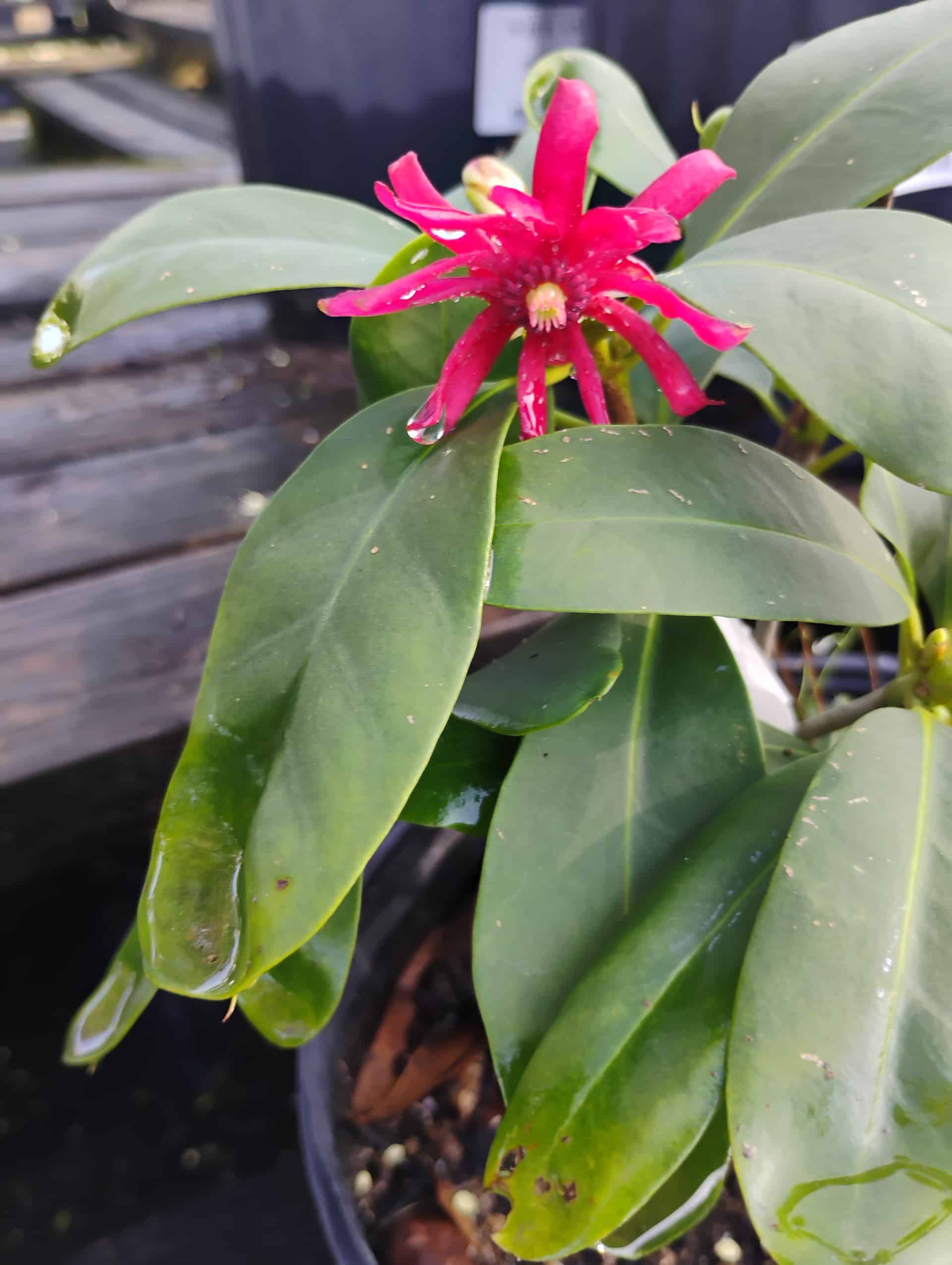
Florida Anise
Shares 4 of the same needs: high water, loam, zone 9a hardiness, and pollinator-friendly.
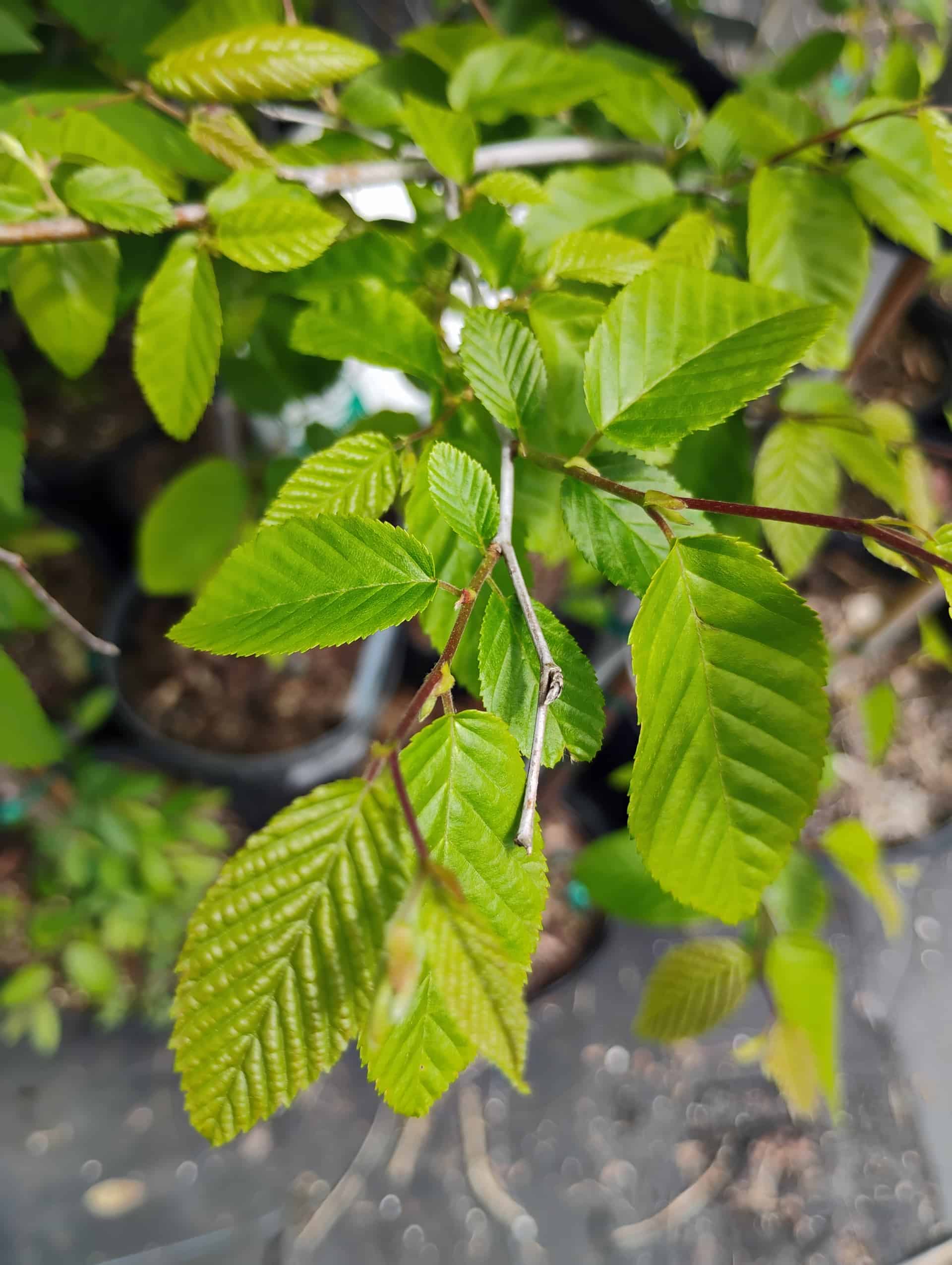
American Hornbeam
Shares 5 of the same needs: full sun, high water, loam, zone 9a hardiness, and pollinator-friendly.
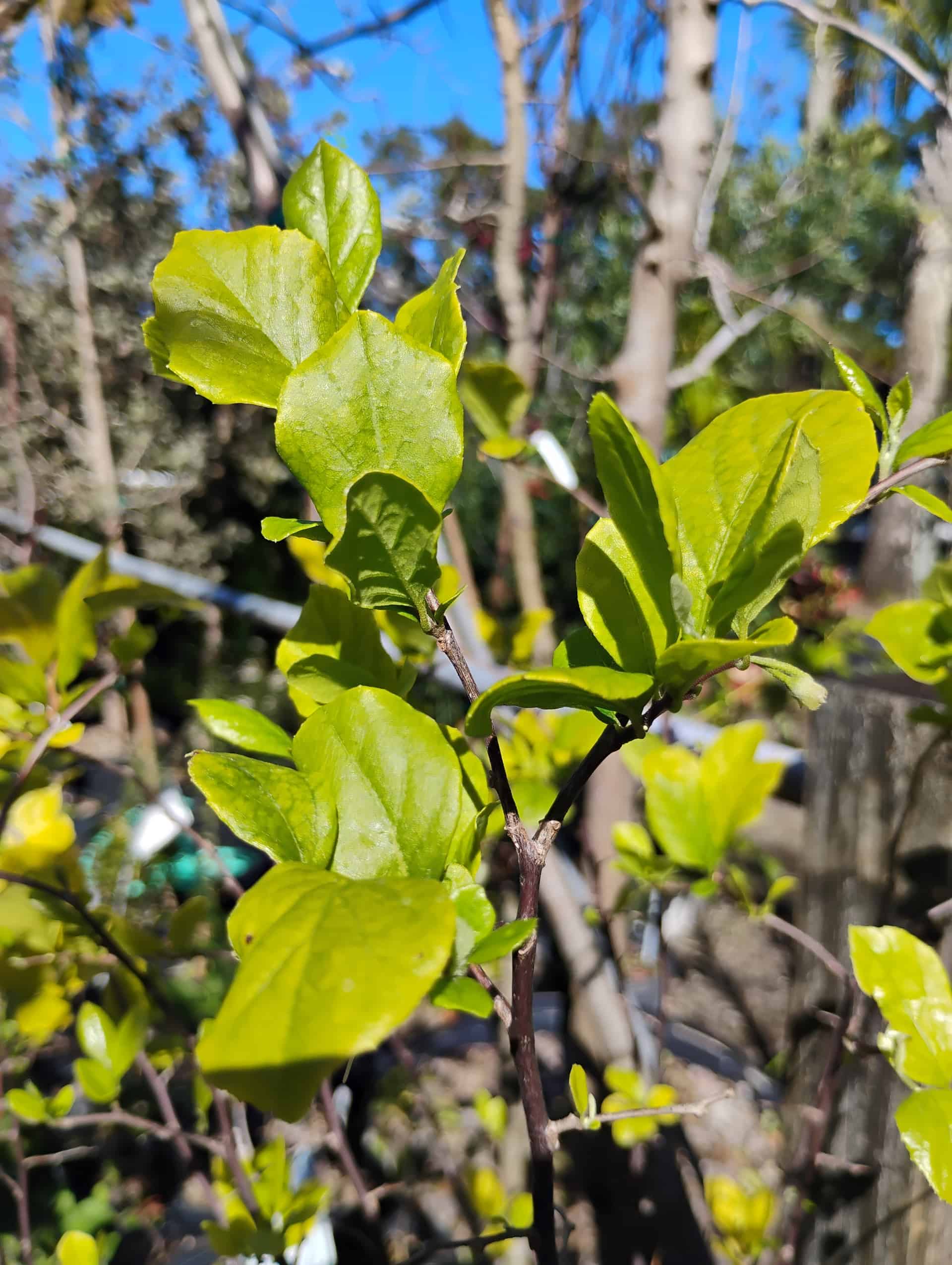
American Snowbell
Shares 5 of the same needs: full sun, high water, loam, zone 9a hardiness, and pollinator-friendly.
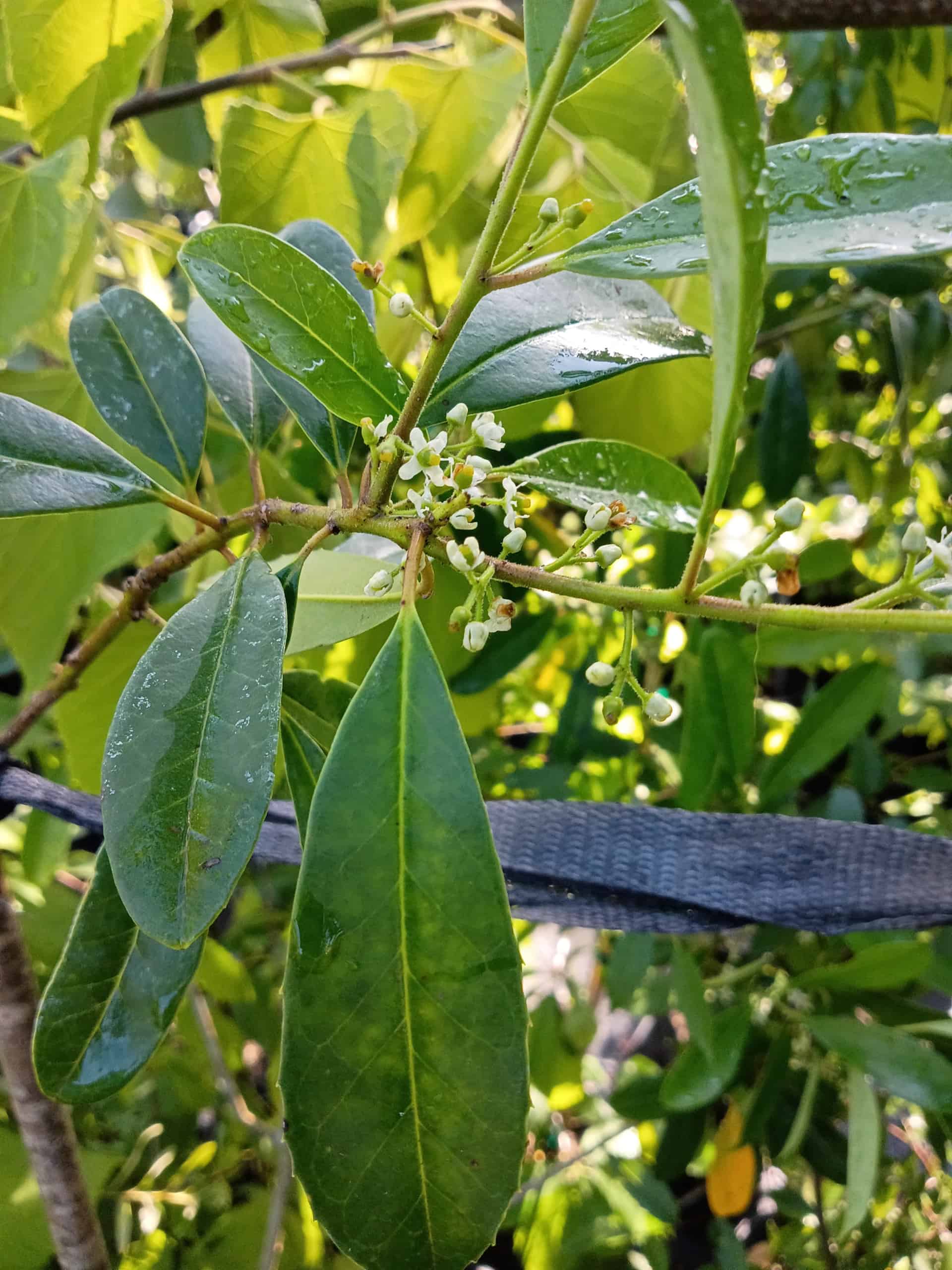
Dahoon Holly
Shares 5 of the same needs: full sun, high water, loam, zone 9a hardiness, and pollinator-friendly.
You may also like
Common questions
Is Hazel Alder a good plant for St. Augustine?
Hazel Alder is a tree for Zone 9b coastal Florida gardens, reaching 5-30 feet × 5-10 feet.
Care information verified from
Last reviewed February 2026. Our care guidance comes from trusted horticulture sources and decades of helping St. Augustine gardeners. Conditions here can vary dramatically from one area to the next, so come ask us and we'll tailor it to your yard.