
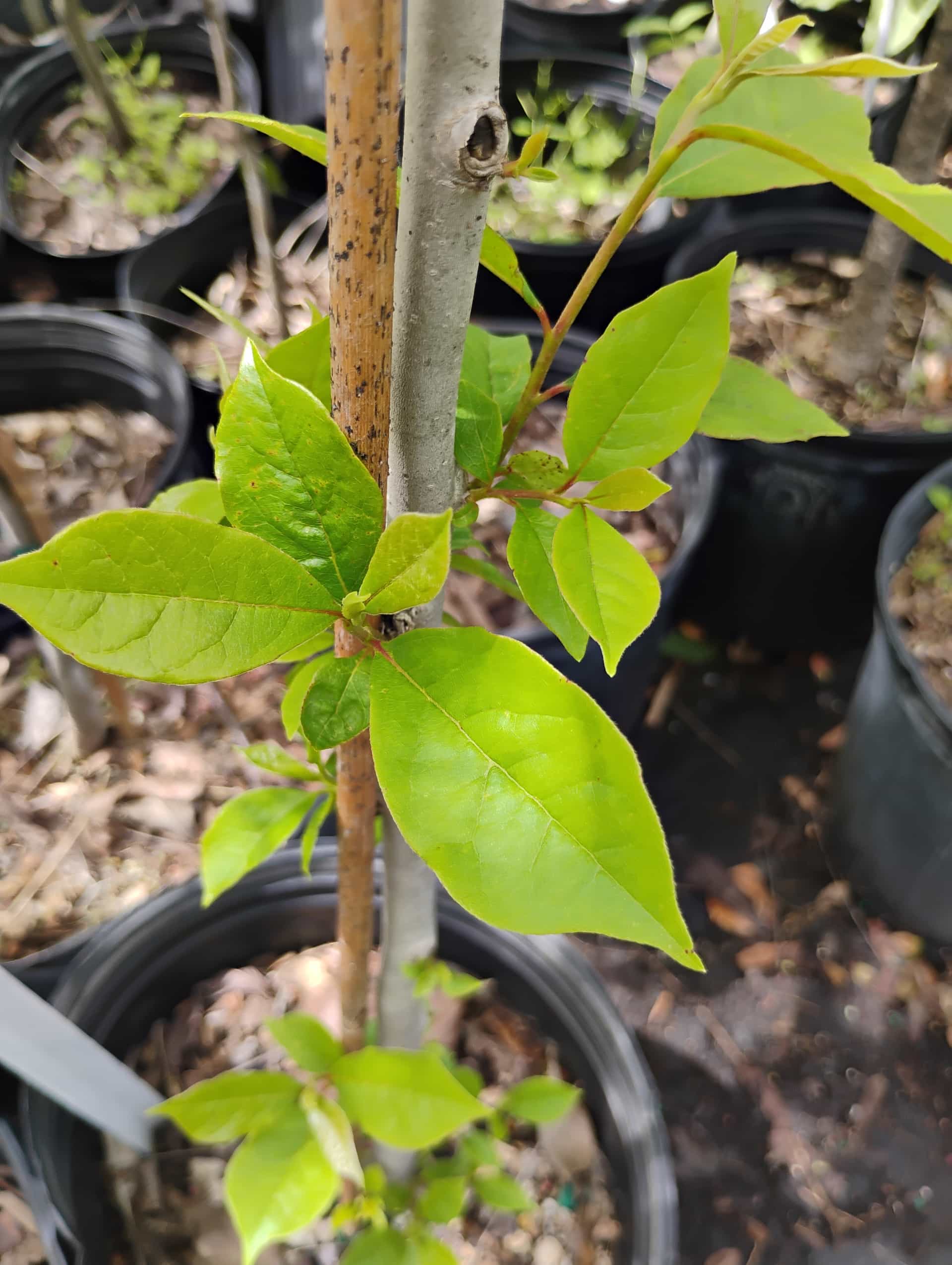
Tupelo
Nyssa sylvatica
Varieties We Bring In
Last received Jul 19, 2026.
We bring this in seasonally, so what is on the lot changes week to week. A received date shows when it last came in, not that it is here today.
Call (904) 471-0440 to confirm this plant and size before you make the trip.
About Tupelo
Black Tupelo (Nyssa sylvatica), also called Black Gum or Sour Gum, is a medium to large deciduous native tree of eastern North America celebrated for producing some of the most brilliant and earliest fall color of any native tree — leaves turn vivid scarlet, orange, and yellow before most other species. Small, blue-black drupes are eagerly consumed by birds in late summer. Naturally found in a wide range of habitats from moist bottomlands to dry upland ridges. Starting at $24.95.
Plant details
- Bloom Season
- Spring
- Flower Color
- White
- Growth Rate
- Moderate
- Foliage
- Deciduous
- Soil
- Sandy, Loam, Acidic, Well-drained, Wet
Best planting months
Seasonal care
Bloom season. New foliage emerges. Good planting window.
Active growing season.
Foliage may begin to change or drop. Ideal planting window.
Dormant — drops foliage. Can be planted in mild winter periods.
Care essentials
Plant in full sun to part sun; Nyssa sylvatica is adaptable and performs well in NE Florida with at least 4–6 hours of direct sun. It tolerates partial shade in moist, woodland settings. Avoid exposed, hot, dry sites in zone 9b.
Water consistently during the first 2–3 years to establish a deep taproot; once established, Black Tupelo tolerates NE Florida's periodic wet and dry cycles. It performs best in moist to occasionally wet, acidic soils — avoid chronically dry sandy uplands without supplemental irrigation.
Prefers moist, slightly acidic (pH 4.5–6.5) loam to sandy loam; tolerates periodic flooding. In NE Florida's sandy soils, amend planting hole with organic matter to retain moisture. Fertilize lightly with an acidic slow-release fertilizer in early spring; minimal inputs once established.
Similar needs
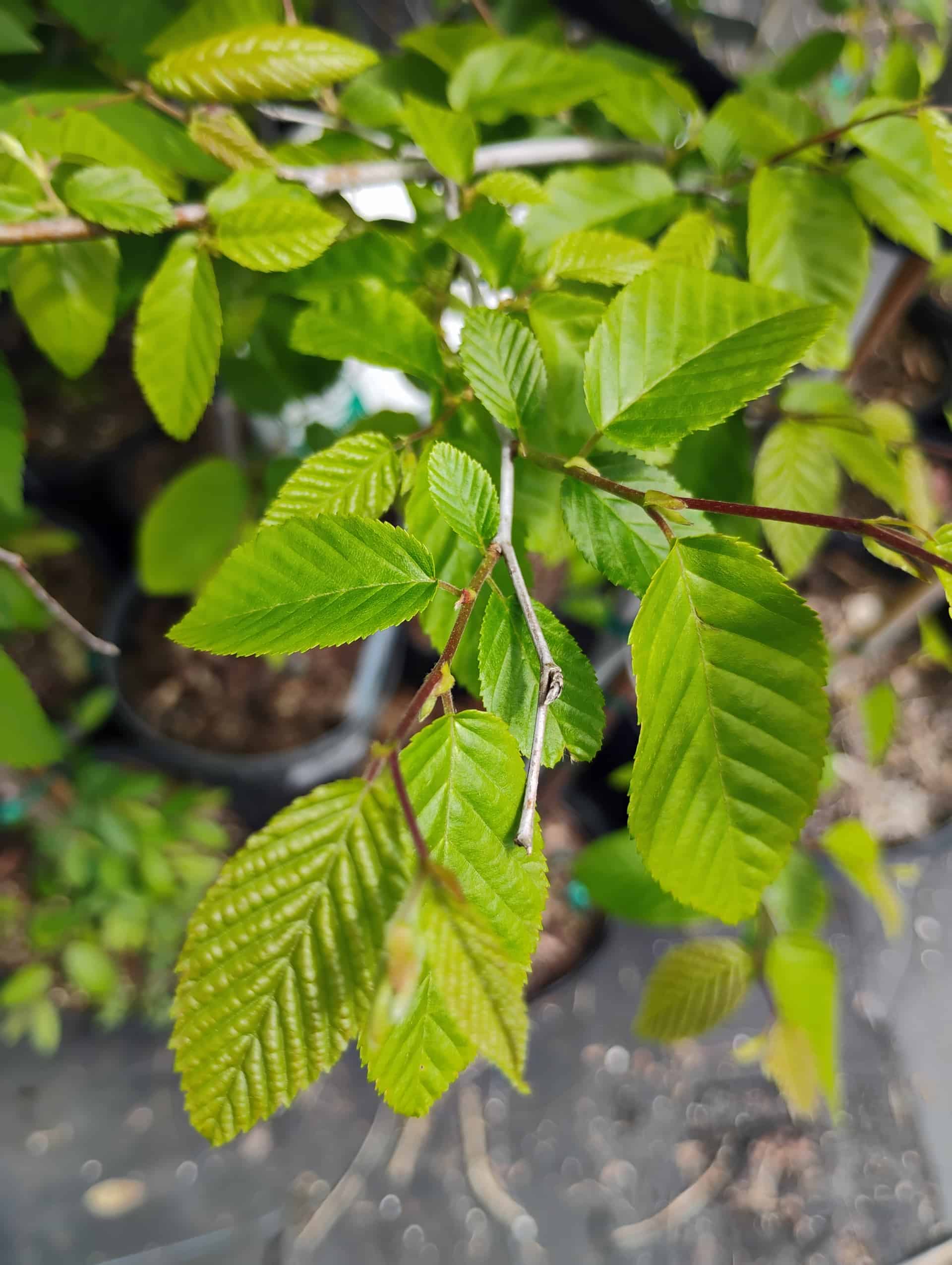
American Hornbeam
Shares 5 of the same needs: full sun, high water, sandy, zone 9a hardiness, and pollinator-friendly.
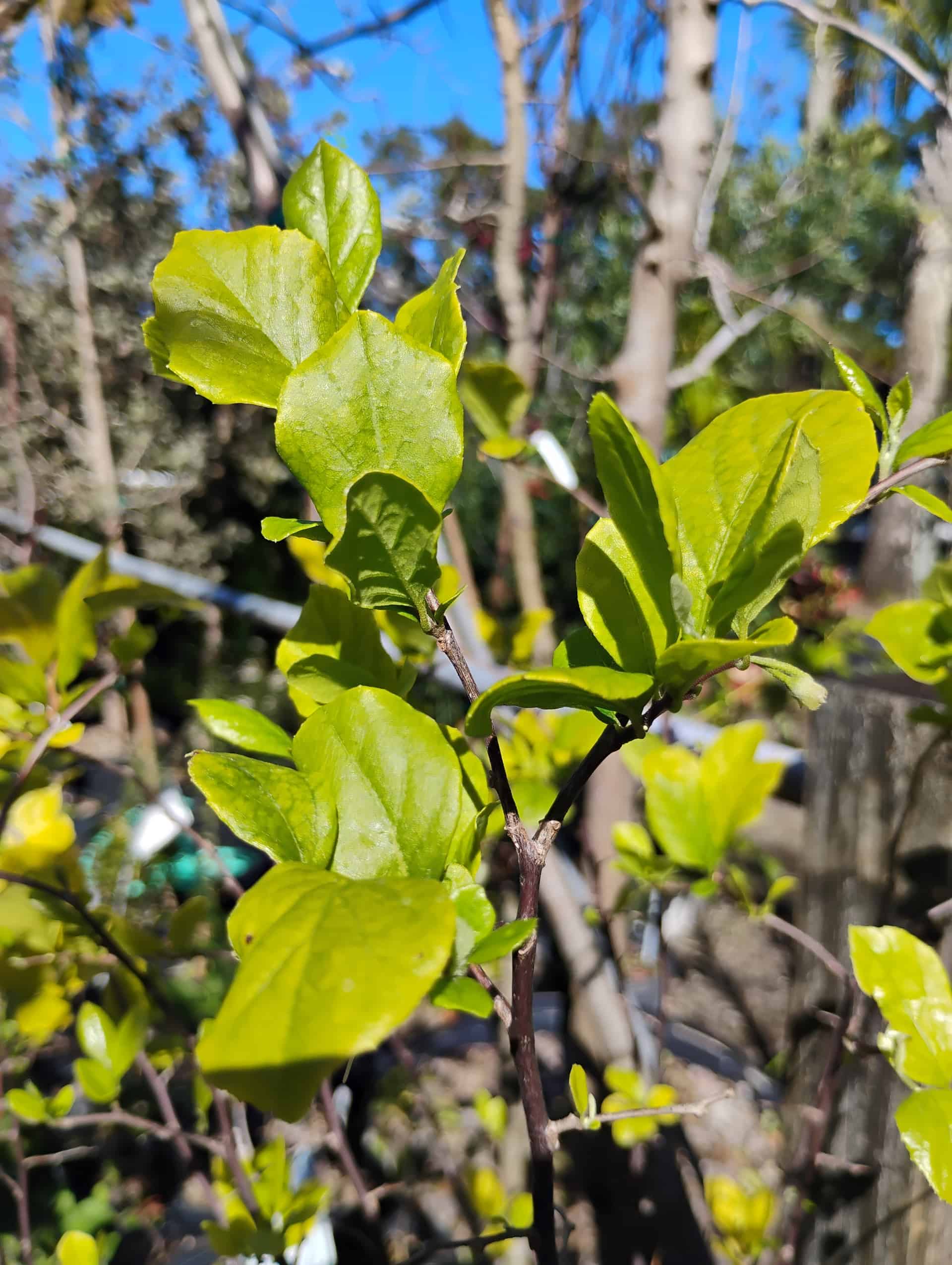
American Snowbell
Shares 5 of the same needs: full sun, high water, loam, zone 9a hardiness, and pollinator-friendly.
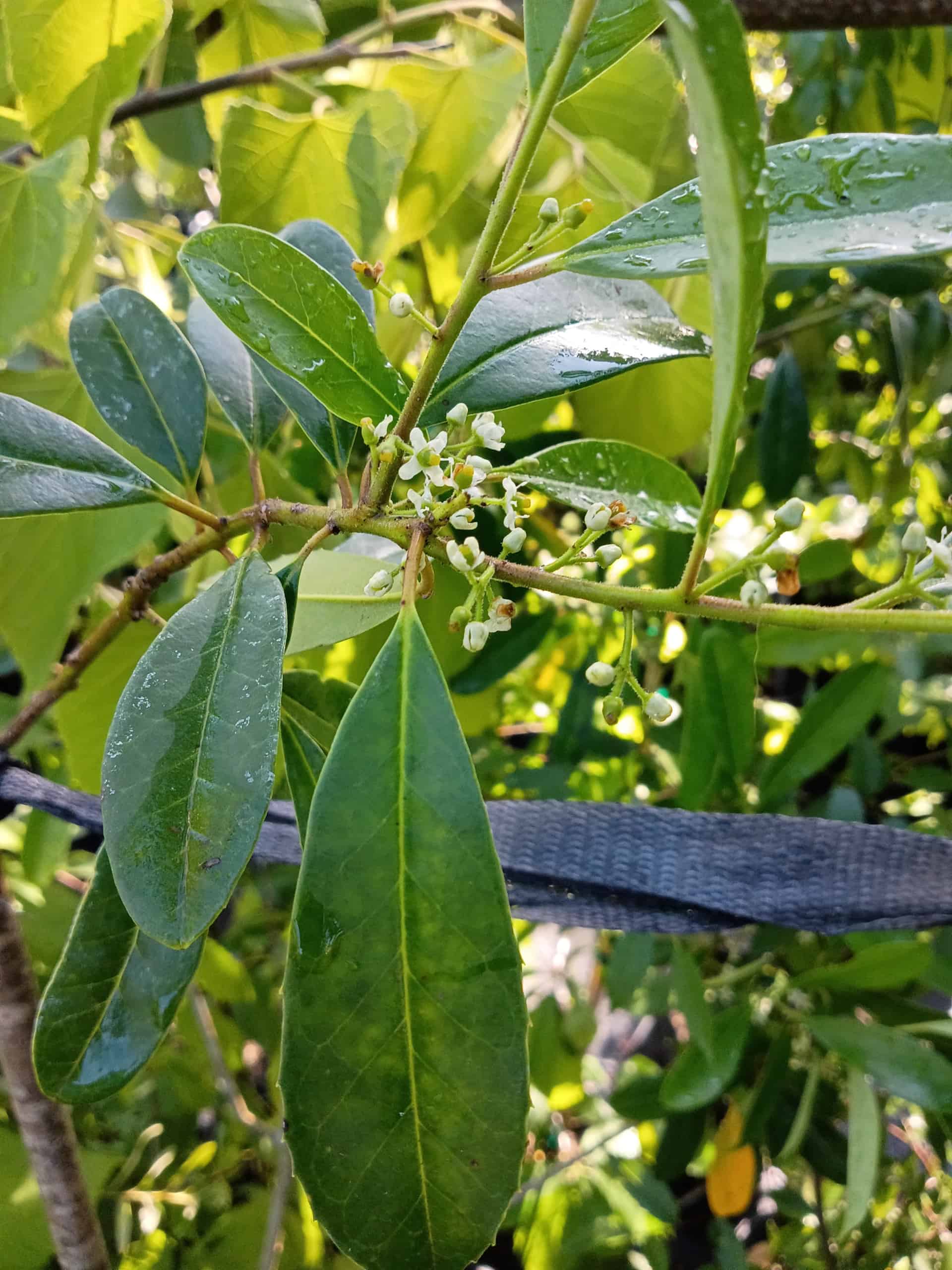
Dahoon Holly
Shares 5 of the same needs: full sun, high water, sandy, zone 9a hardiness, and pollinator-friendly.
Hazel Alder
Shares 5 of the same needs: full sun, high water, sandy, zone 9a hardiness, and pollinator-friendly.
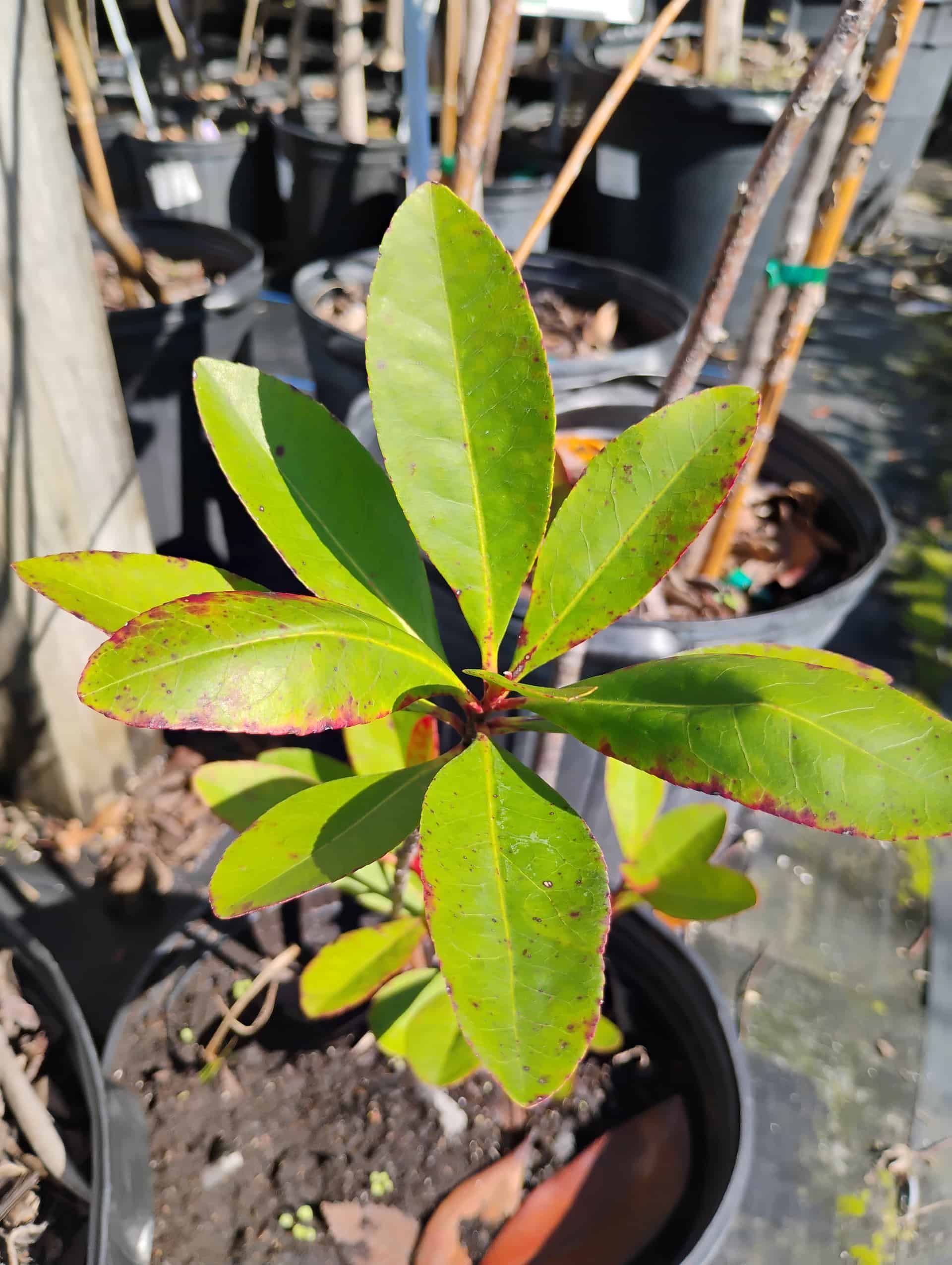
Loblolly Bay
Shares 5 of the same needs: similar light, high water, loam, zone 9a hardiness, and pollinator-friendly.
Parsley Hawthorn
Shares 5 of the same needs: full sun, high water, sandy, zone 9a hardiness, and pollinator-friendly.
You may also like
Common questions
Is Tupelo a good plant for St. Augustine?
Tupelo is a tree for Zone 9b coastal Florida gardens, reaching 30-60 feet × 20-30 feet.
Care information verified from
Last reviewed February 2026. Our care guidance comes from trusted horticulture sources and decades of helping St. Augustine gardeners. Conditions here can vary dramatically from one area to the next, so come ask us and we'll tailor it to your yard.