
NativePlants
Florida natives that thrive in our coastal environment with minimal care. Drought-hardy, salt-tolerant, wildlife-friendly, and proven in Northeast Florida.
Low water. High wildlife.
Read native guideBrowse the collection
168 plants found
Native Plants Plants
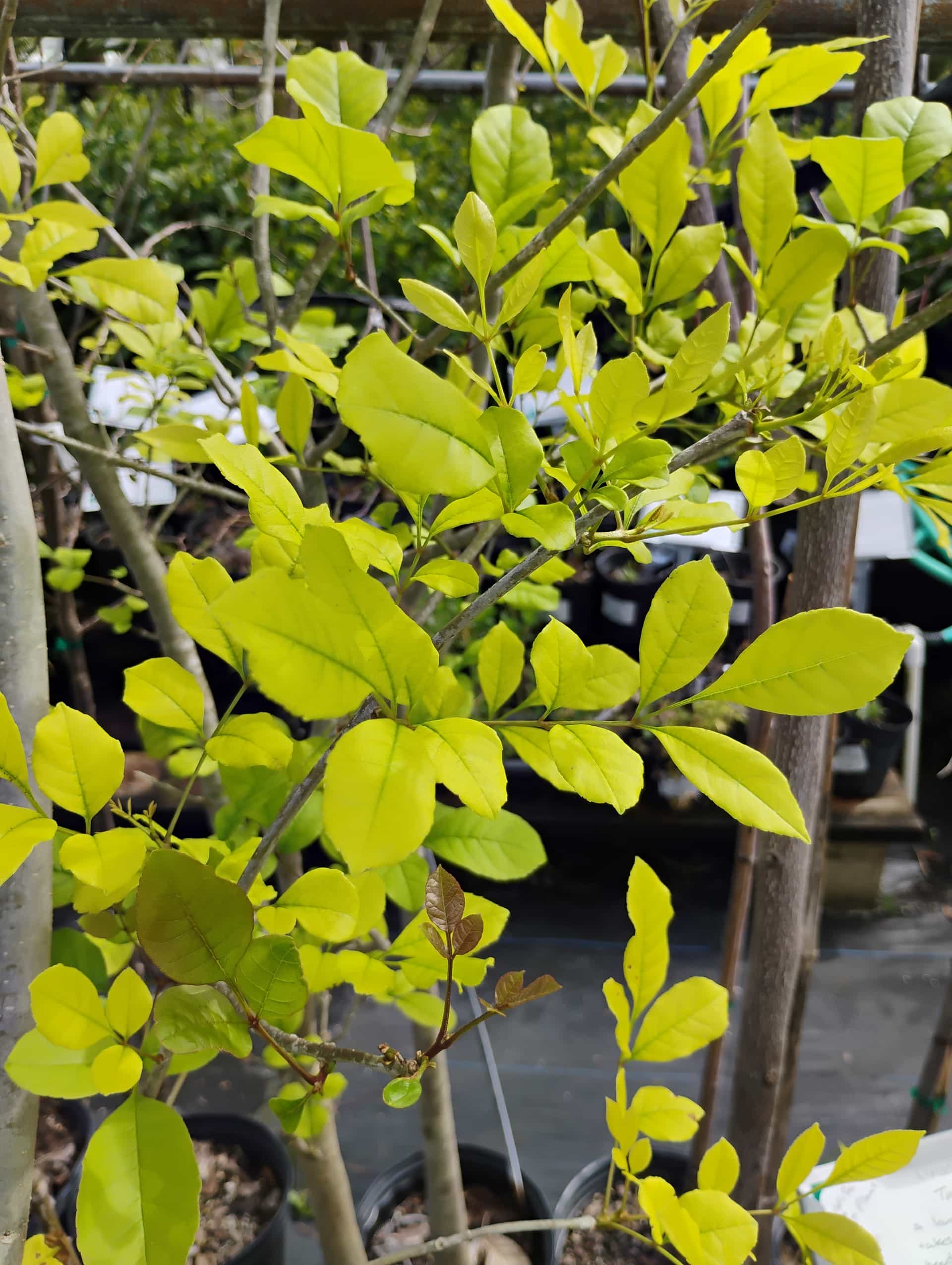 Tree
TreePop Ash
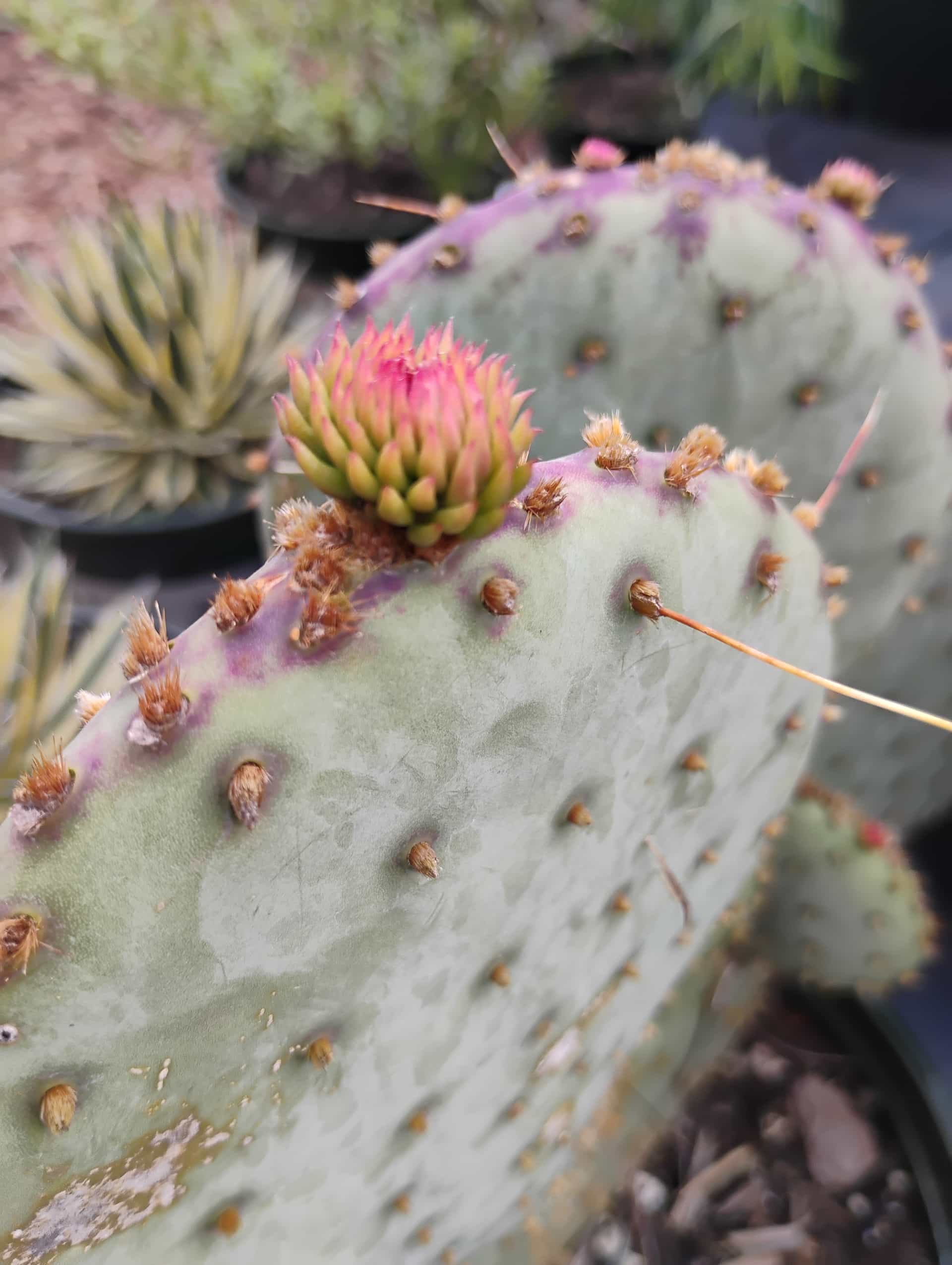 Succulent
Prickly Pear Cactus
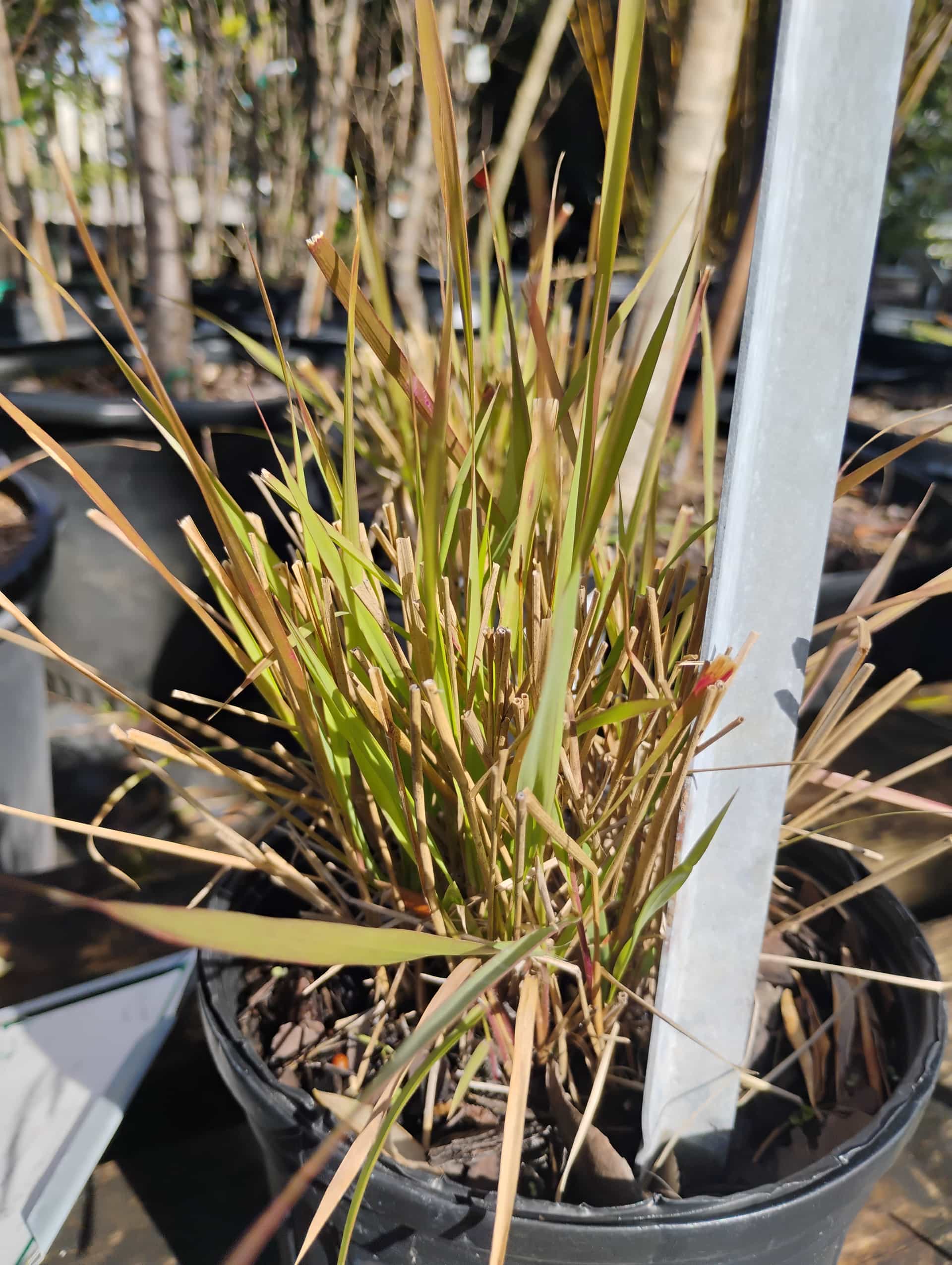 Grass
GrassPurple Lovegrass
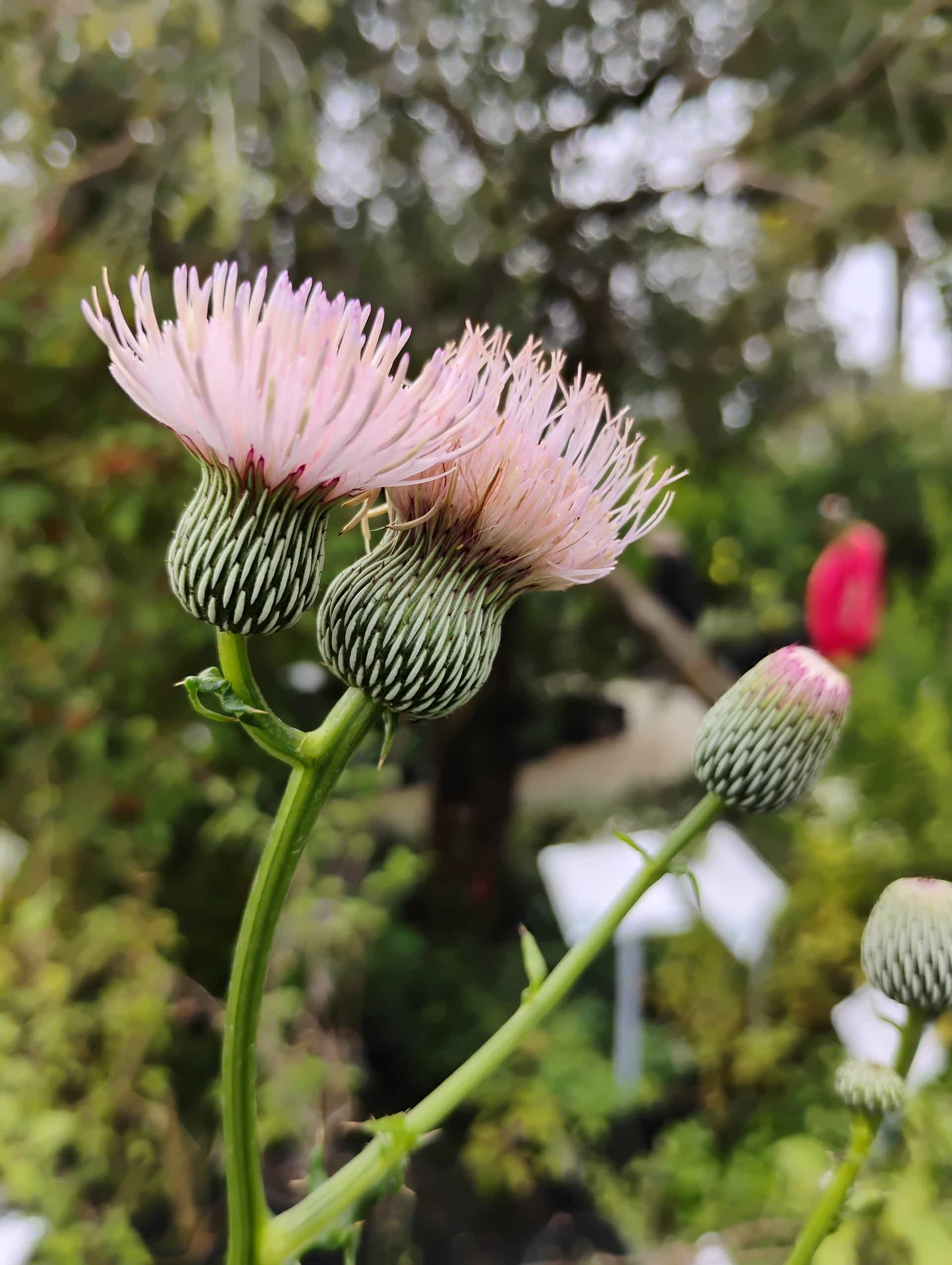 Perennial
Purple Thistle
 Shrub
ShrubQuailberry
 Vine
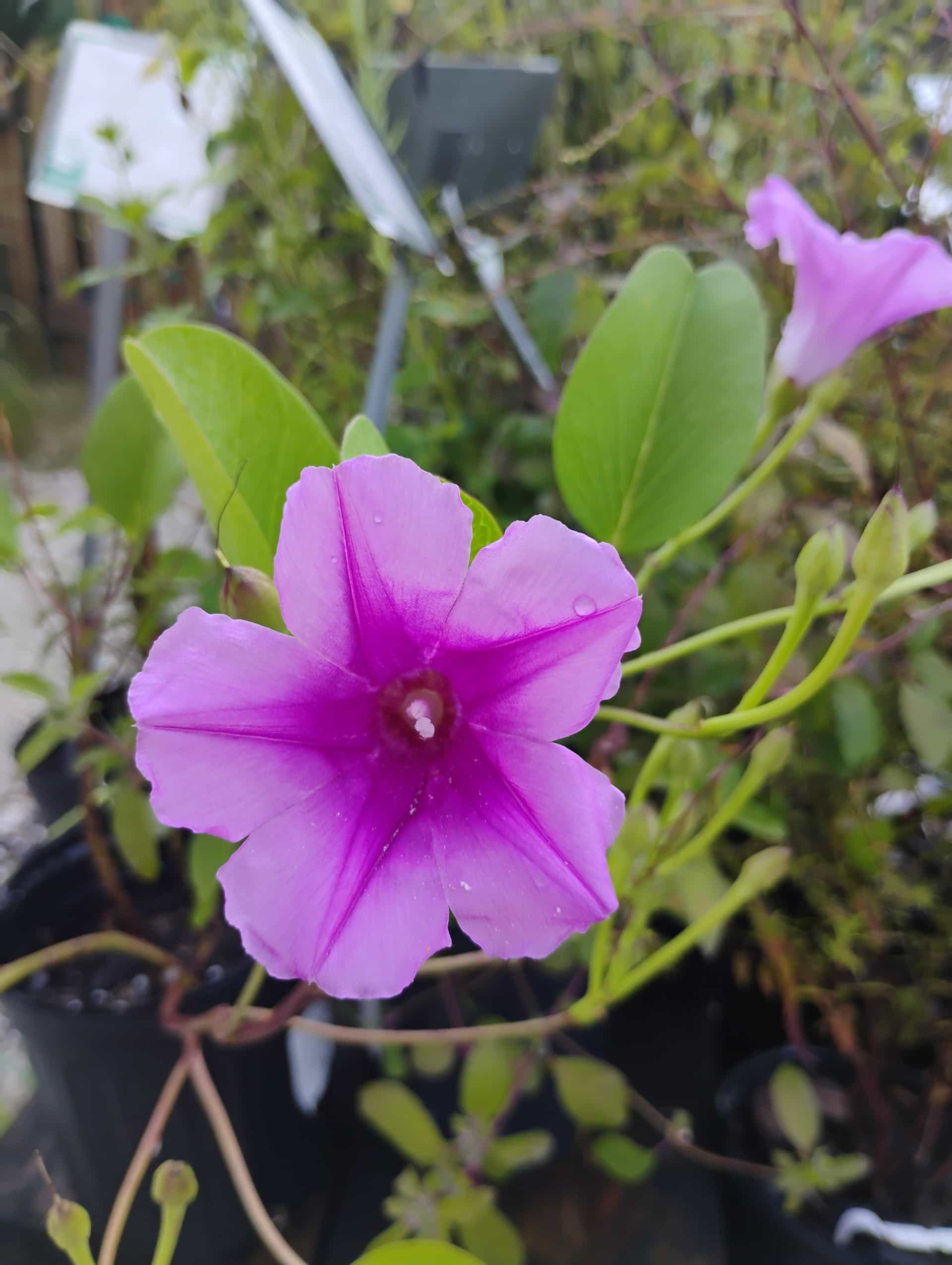
VineRailroad Vine
 Perennial
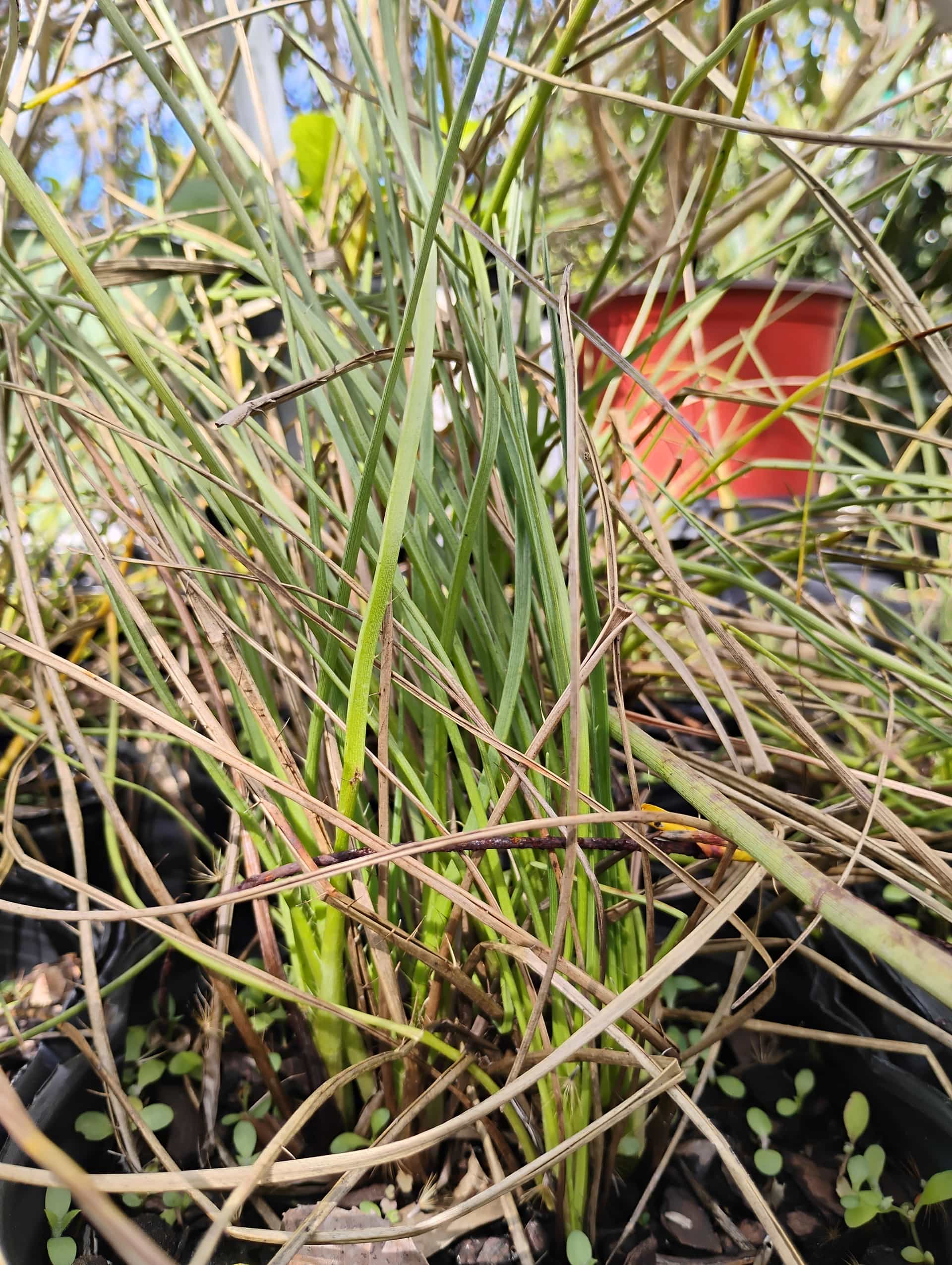
Rattlesnake Master
 Tree
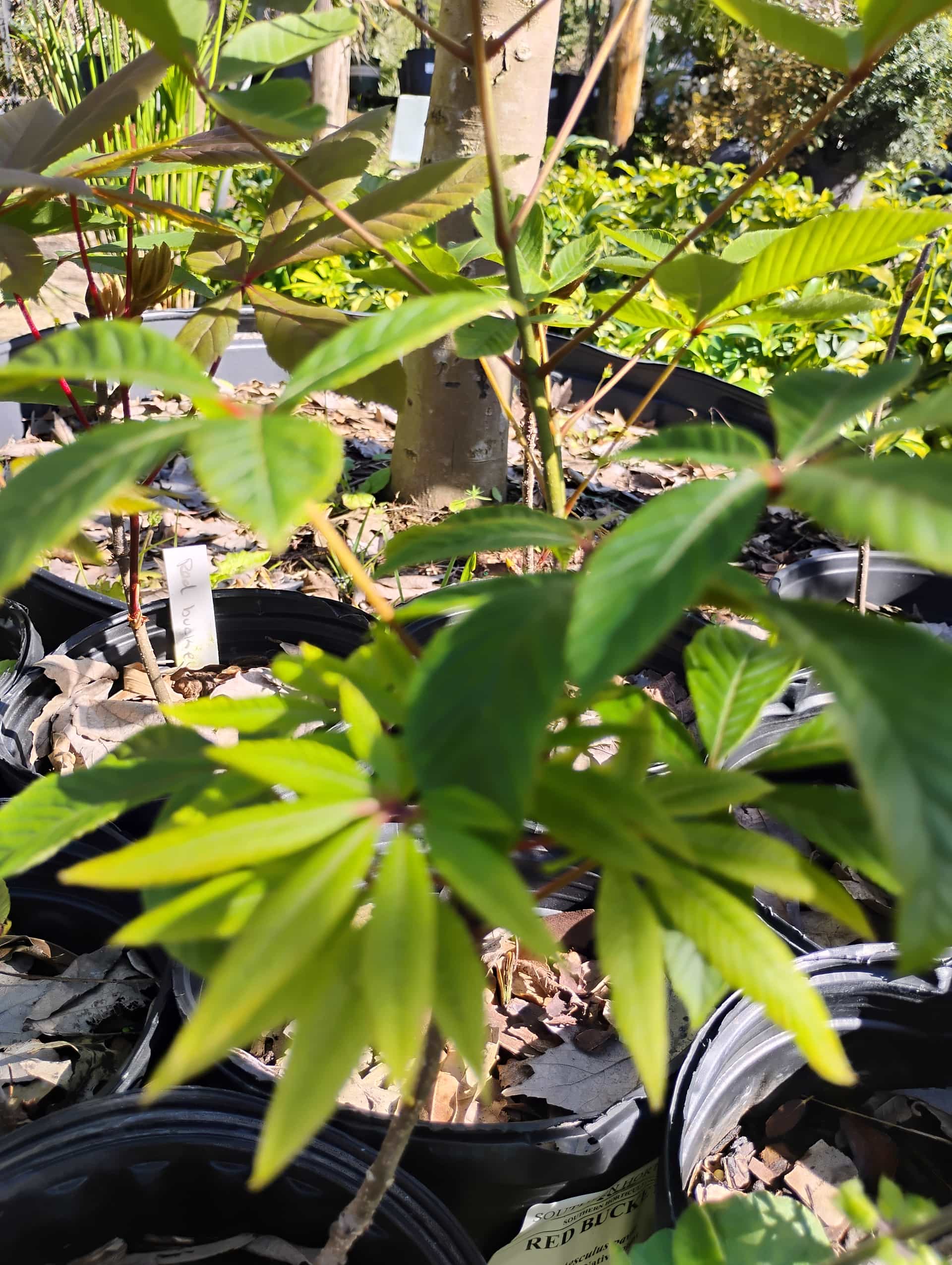
TreeRed Buckeye
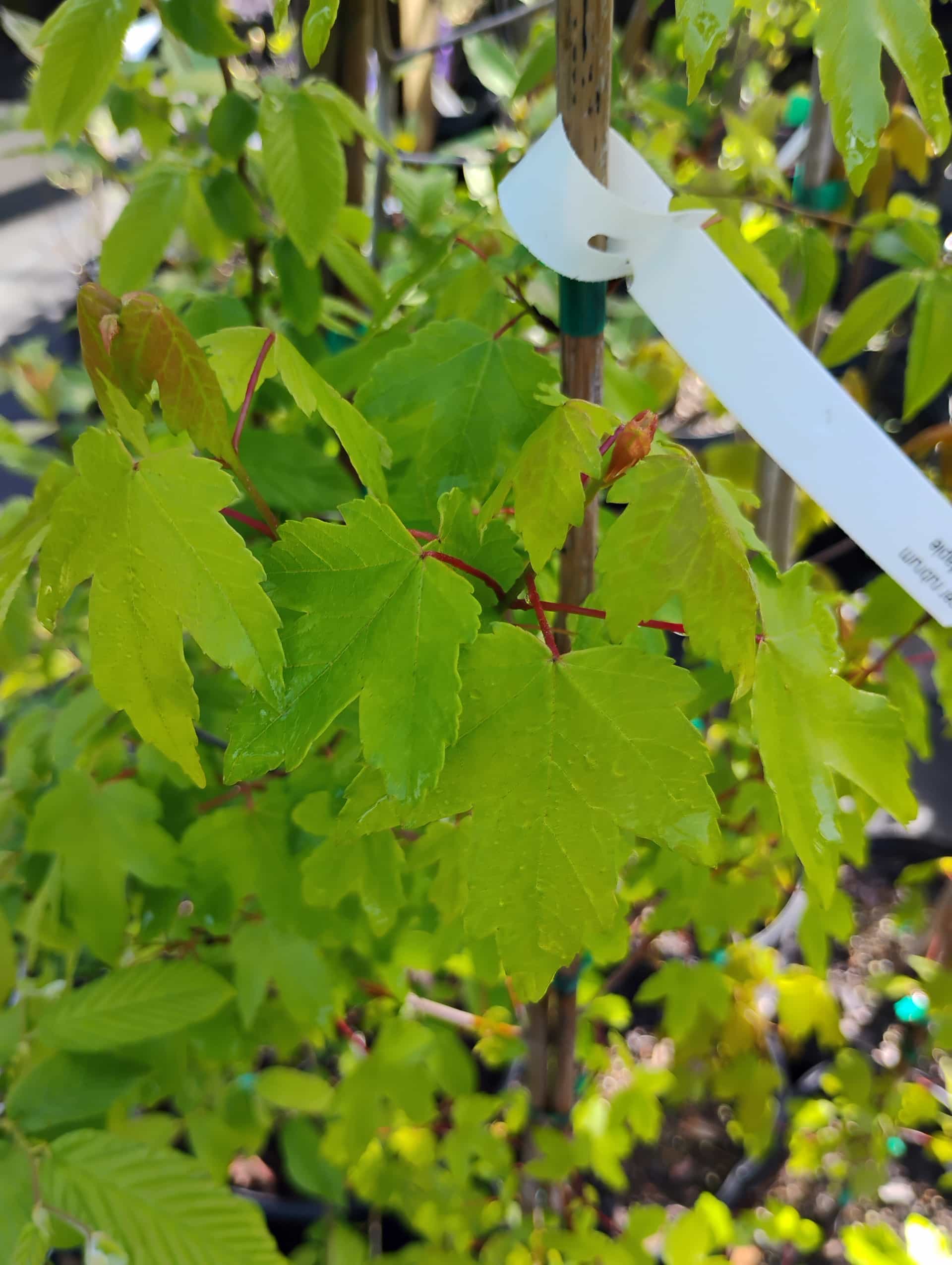 Tree
TreeRed Maple
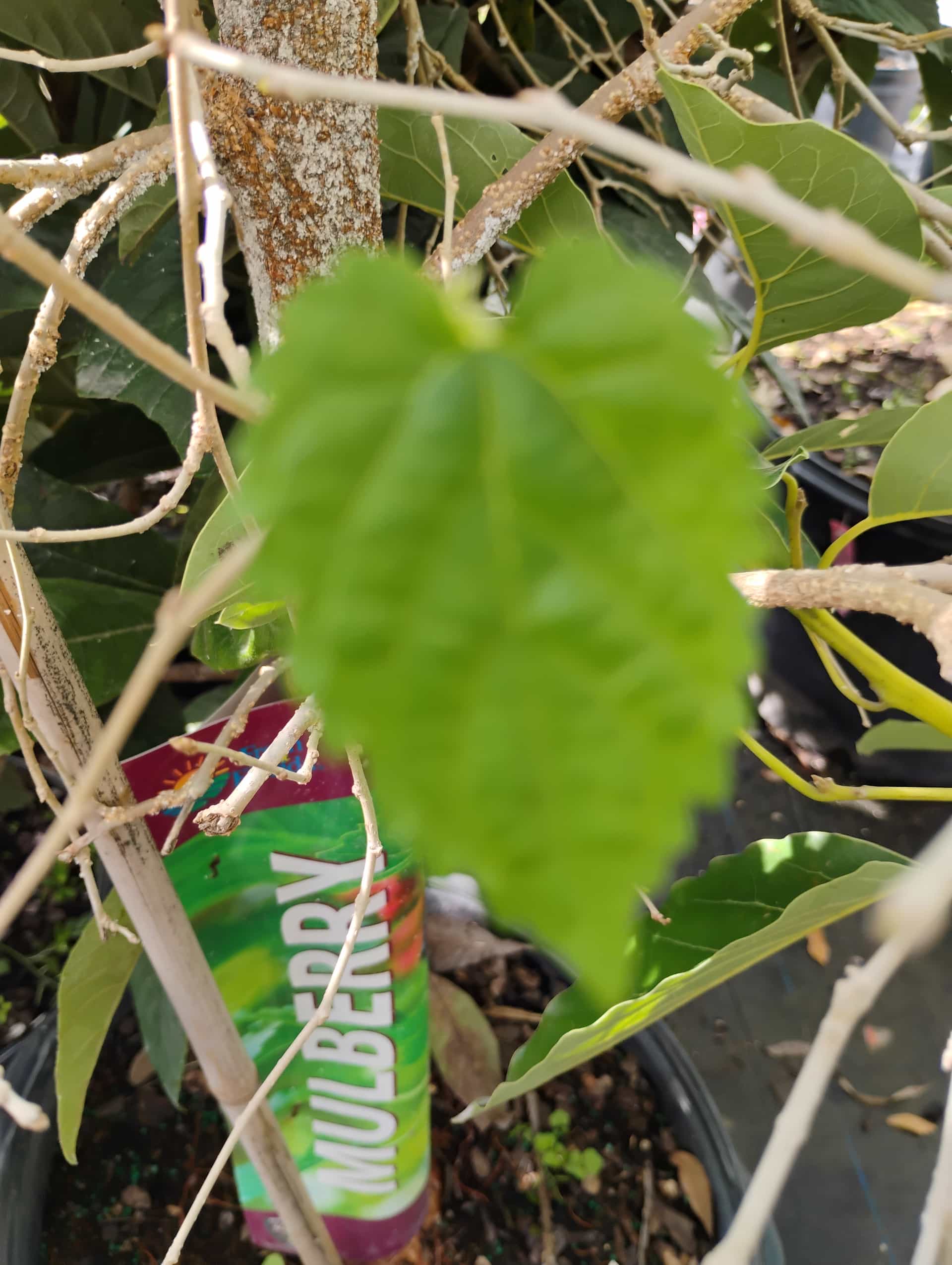 Fruit Tree
Red Mulberry
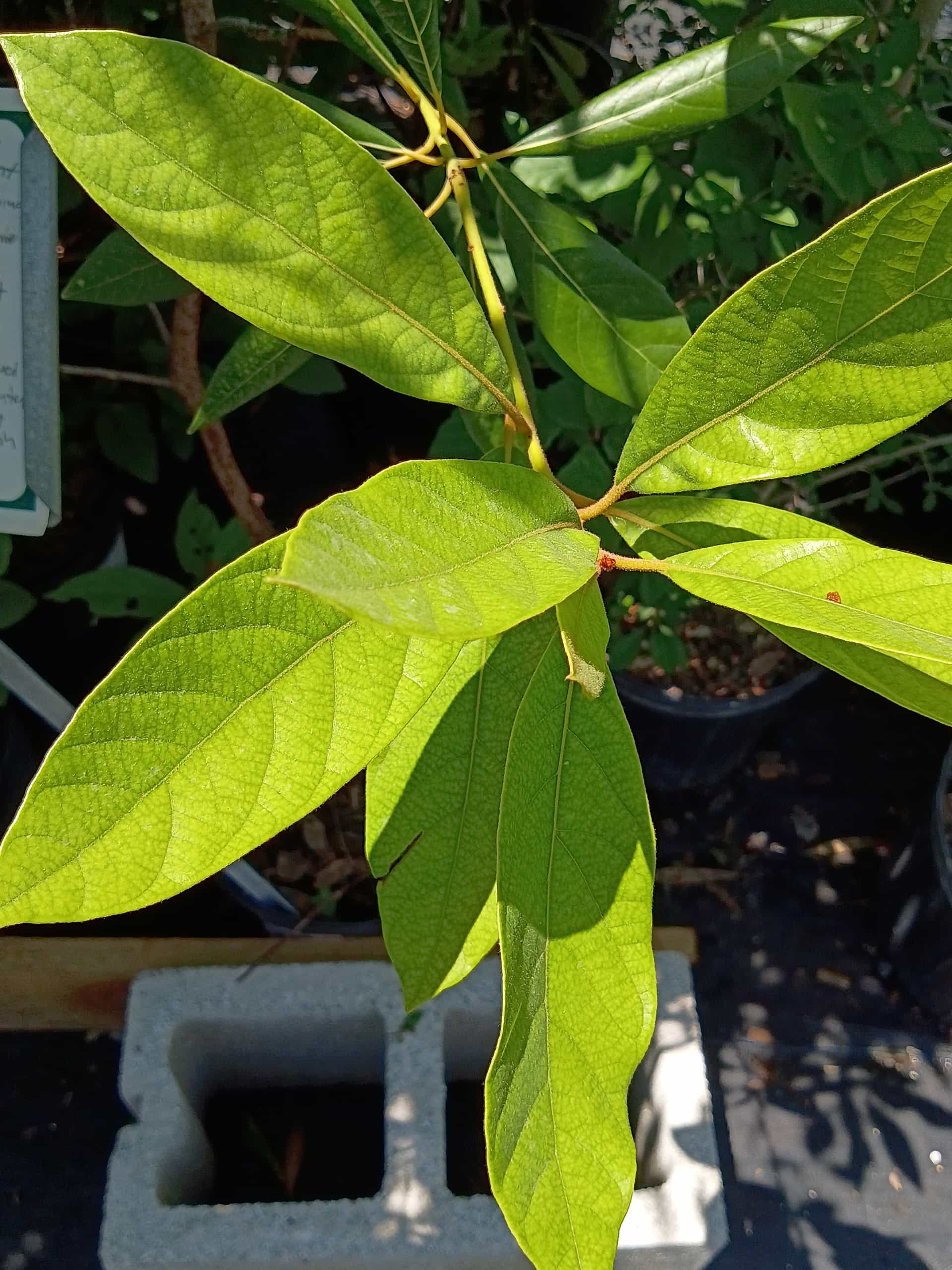 Tree
TreeRedbay
TreeRedbud
Why natives?
They already know how to survive here. Florida native plants handle drought, sandy soil, salt air, and summer storms with less fuss, while supporting the pollinators, songbirds, and butterflies that belong here.
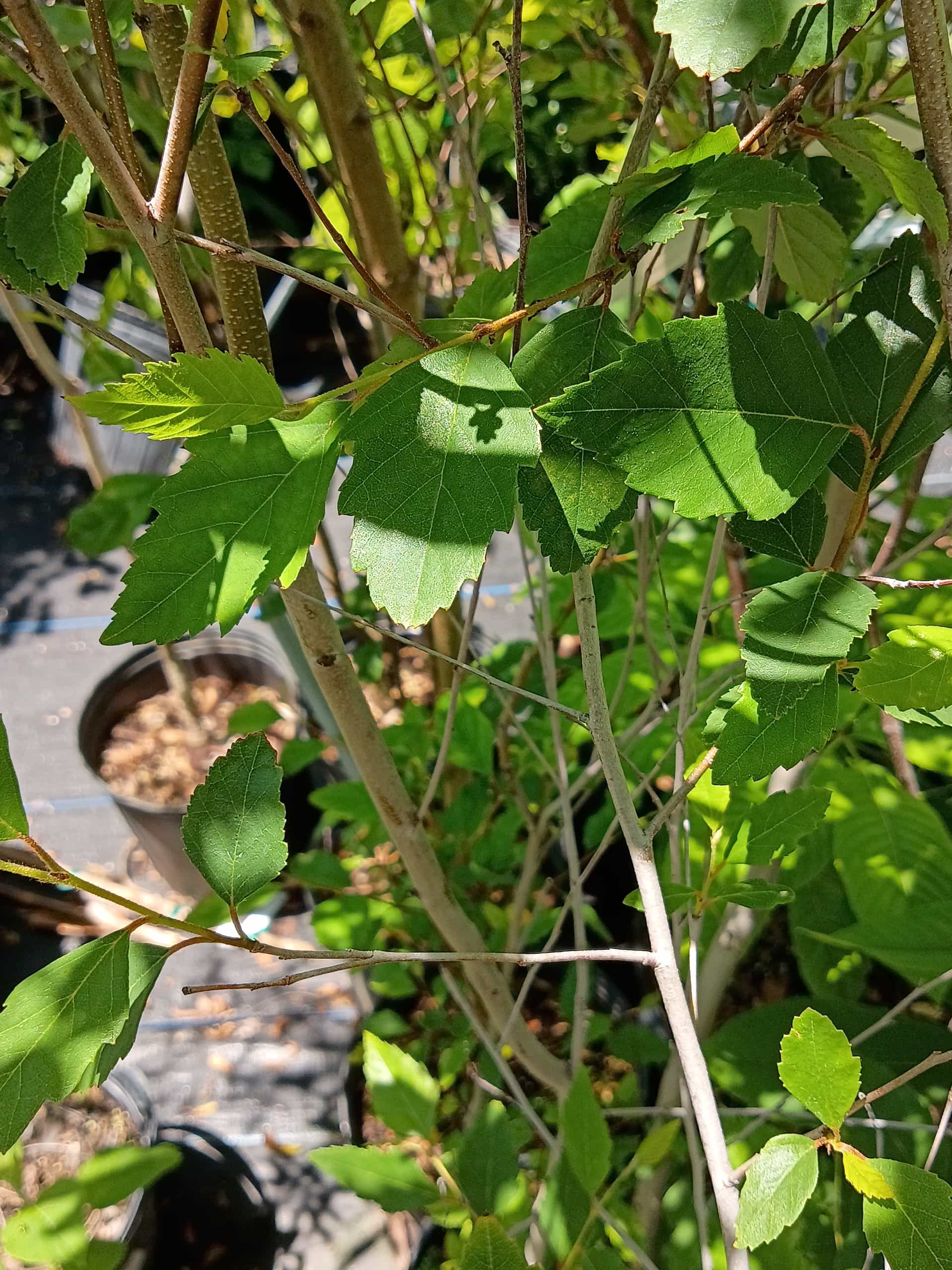 Tree
TreeRiver Birch
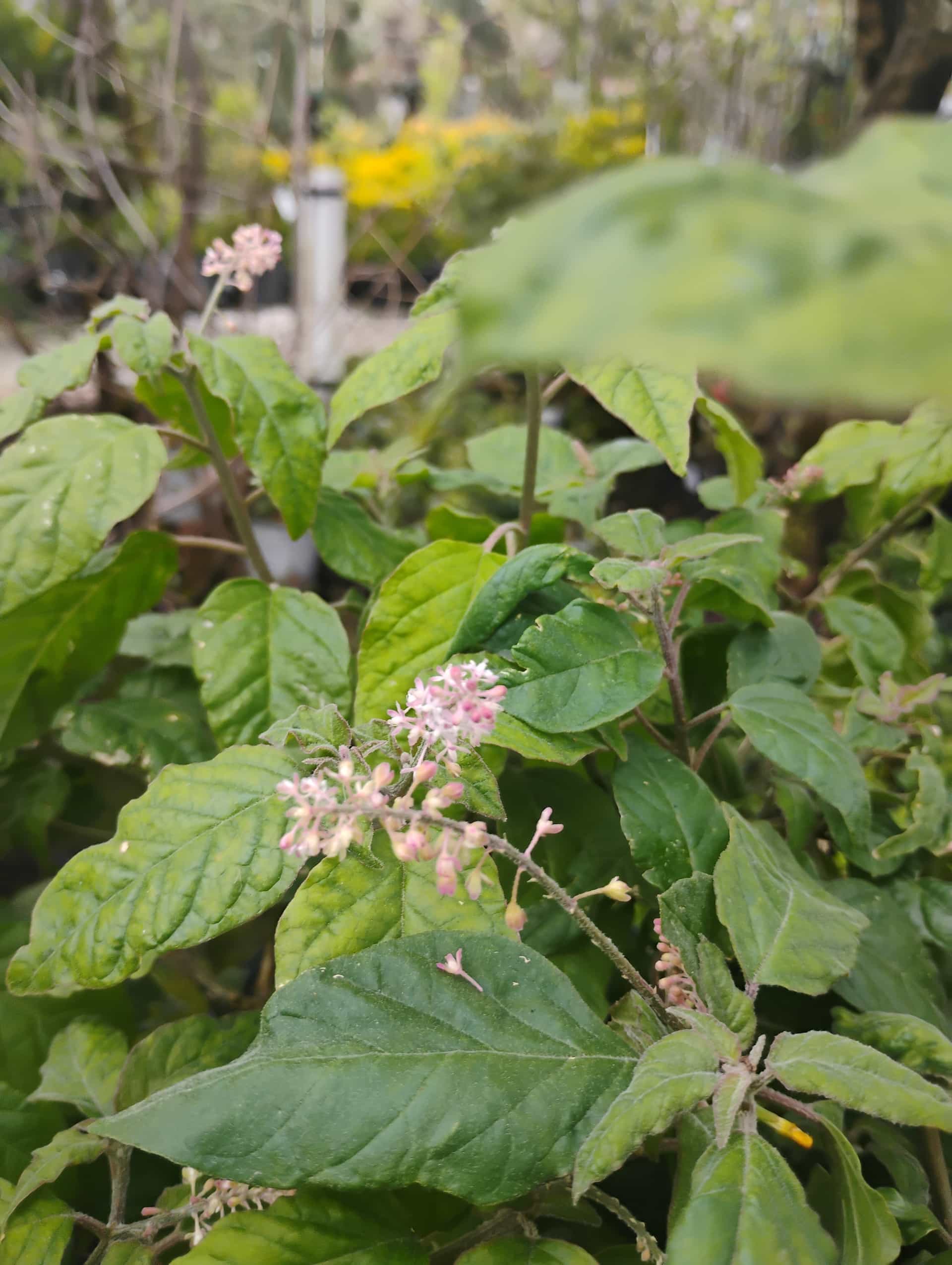 Perennial
Rouge Plant
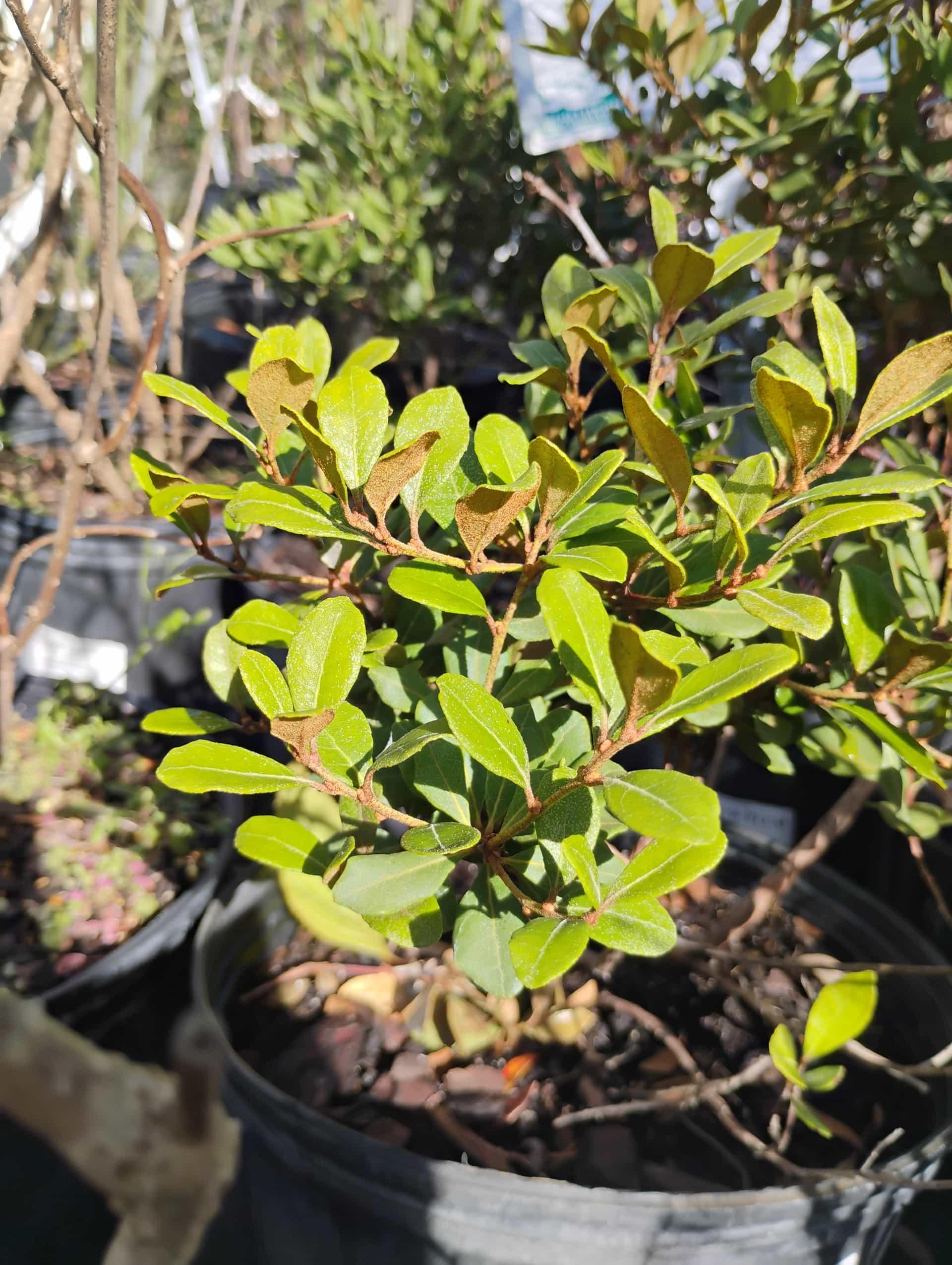 Shrub
ShrubRusty Lyonia
ShrubSaltbush
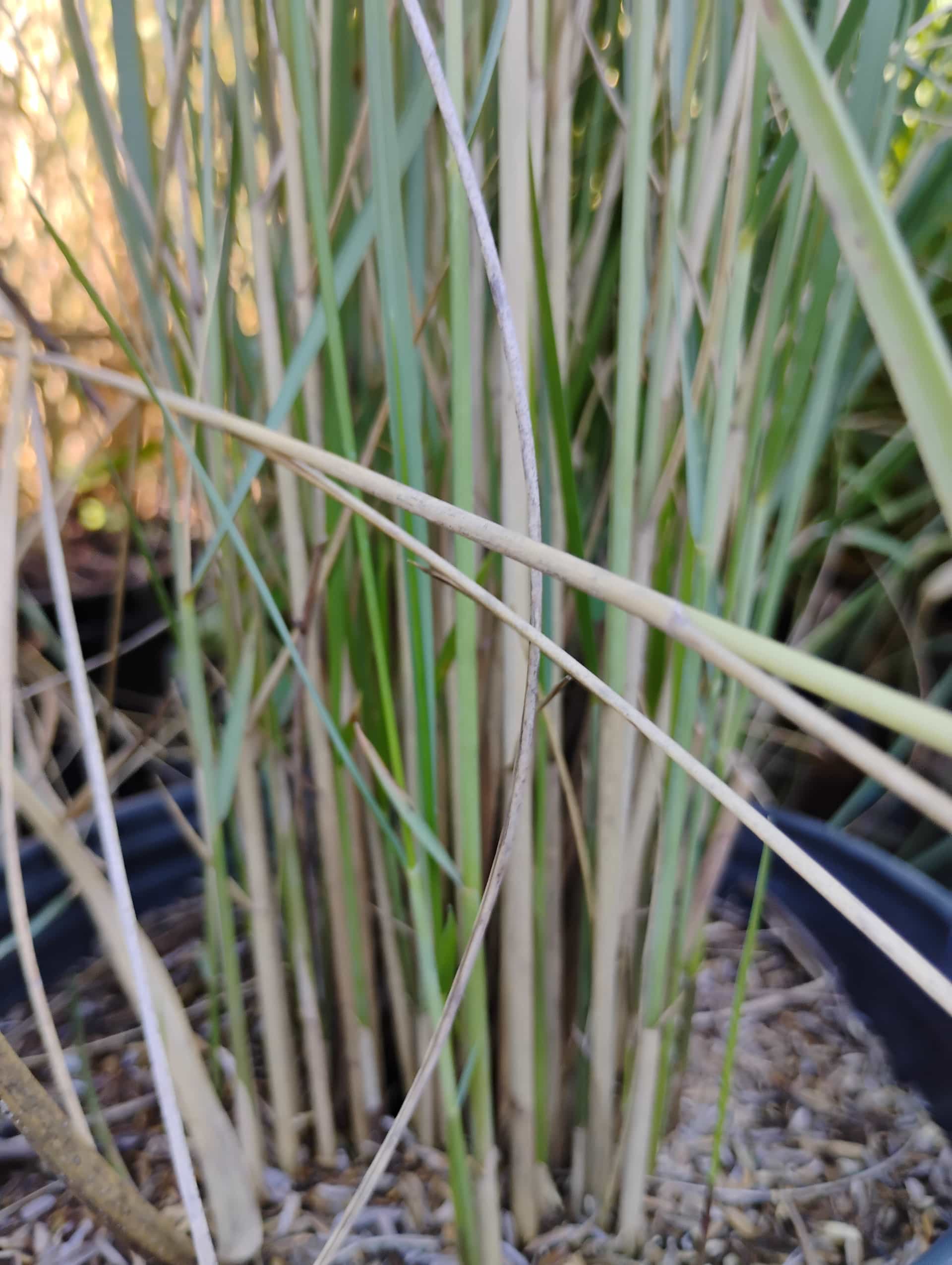 Grass
GrassSand Cordgrass
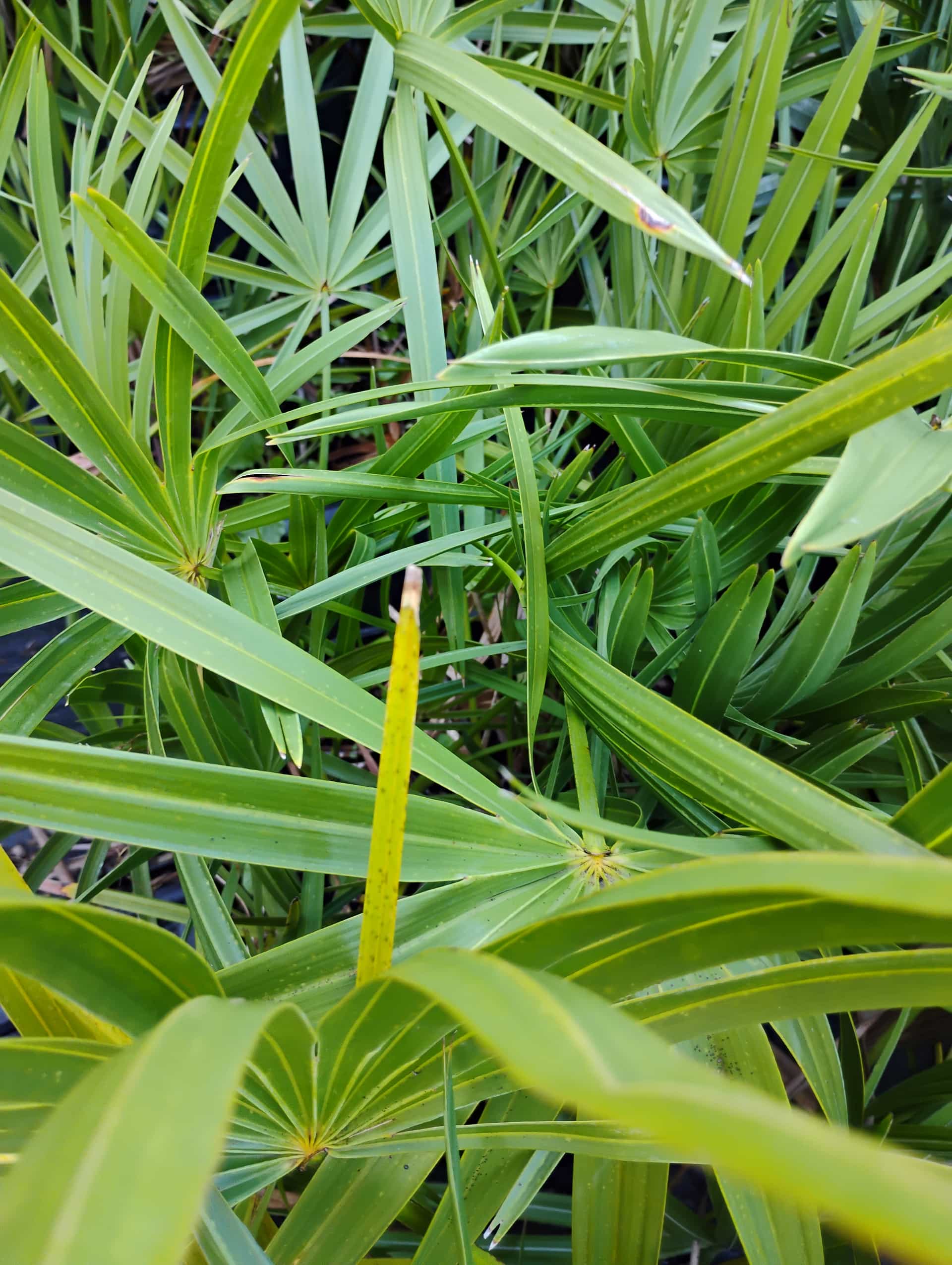 Palm
PalmSaw Palmetto
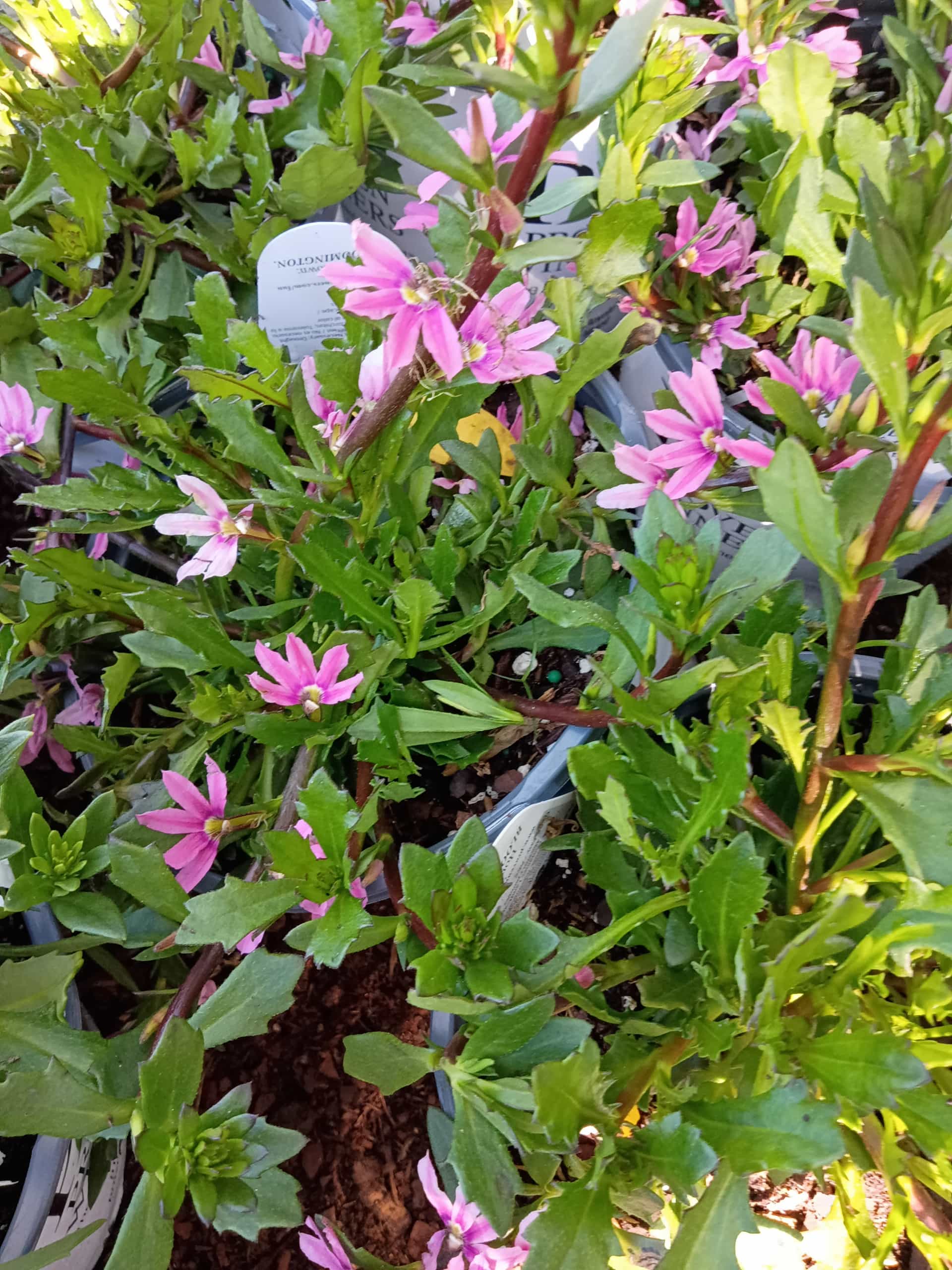 Annual
Scaevola
PerennialScarlet Rosemallow
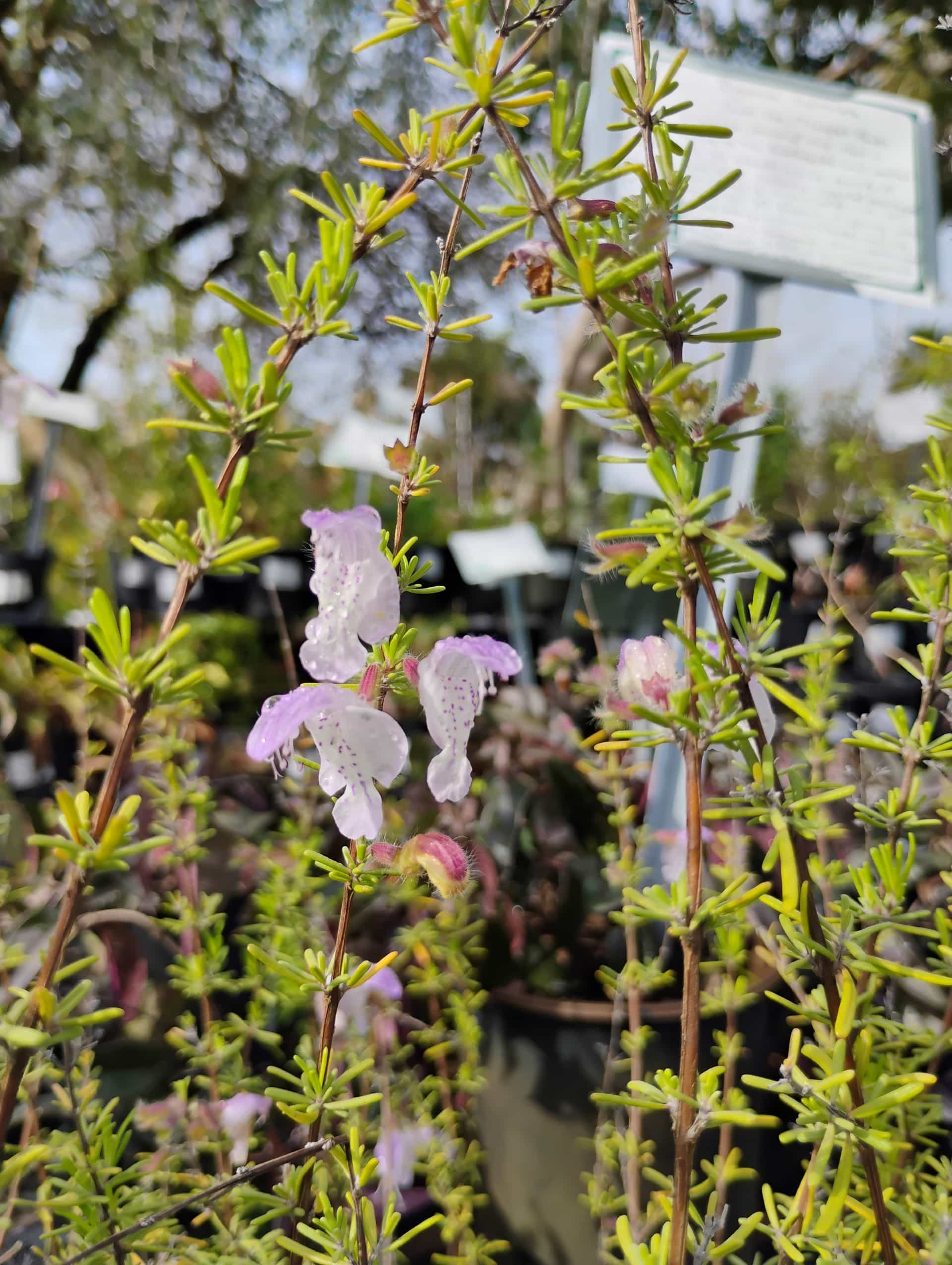 Shrub
ShrubScrub Mint
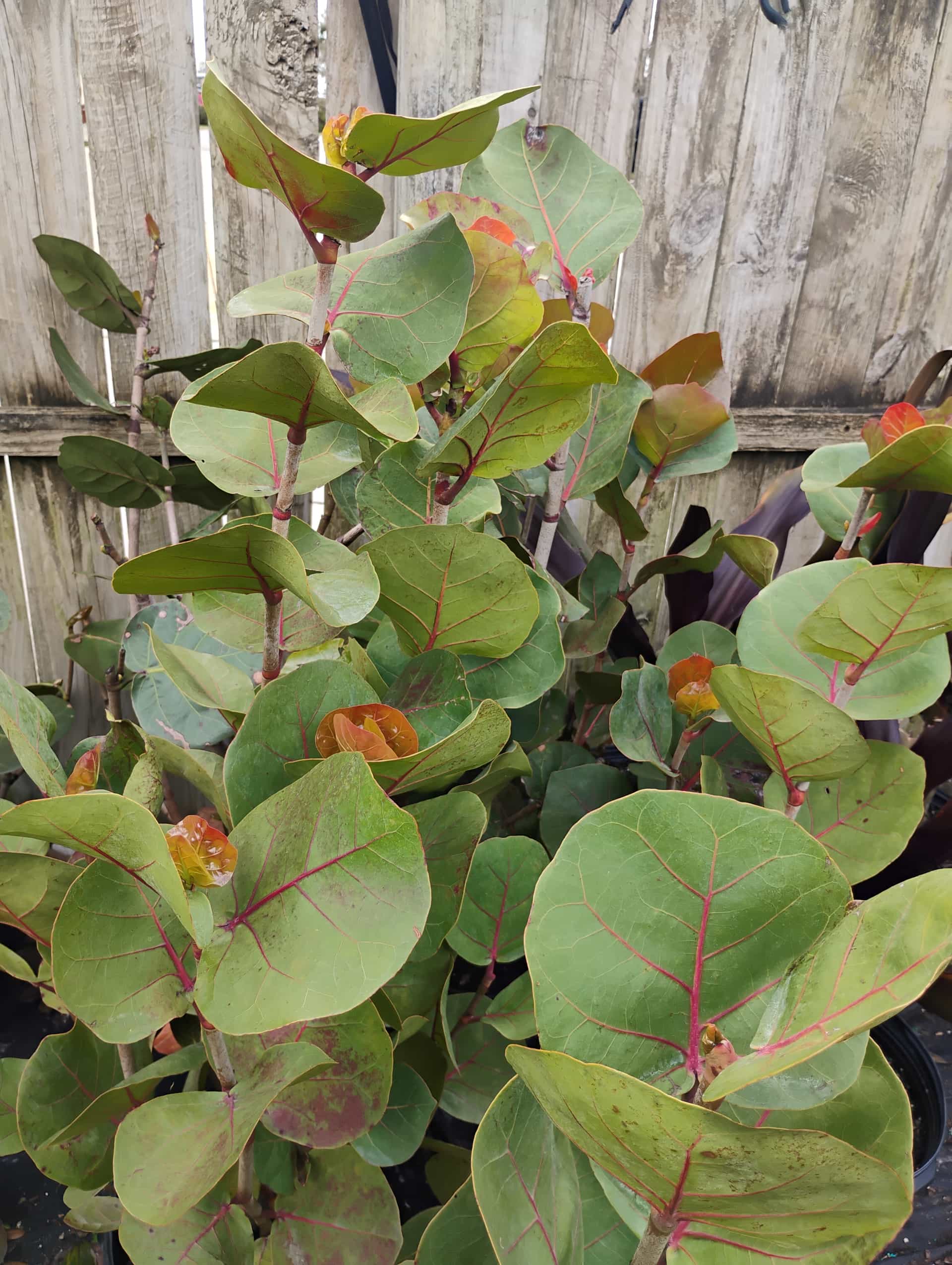 Tree
TreeSea Grape
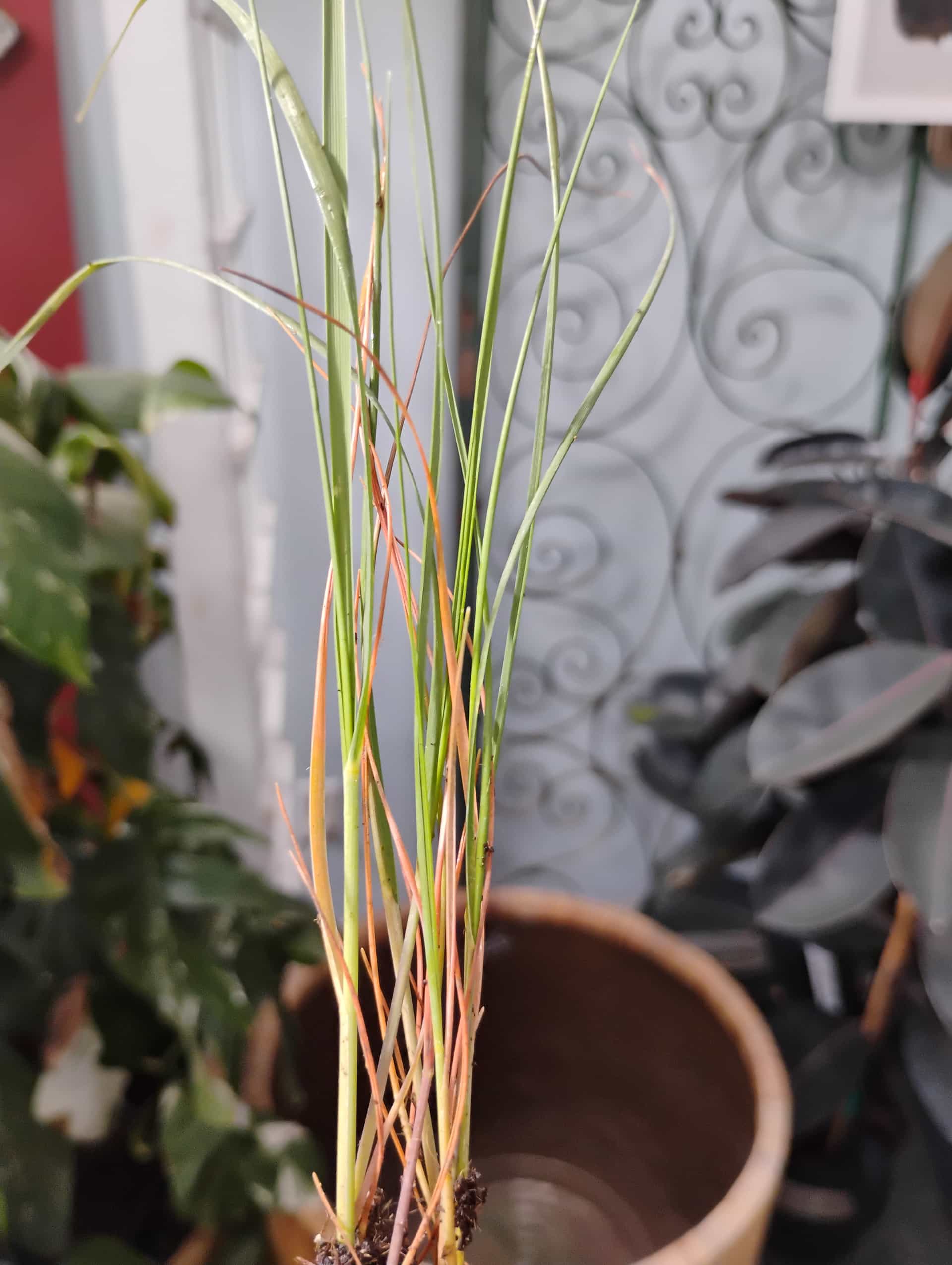 Grass
GrassSea Oats
PerennialSea Oxeye Daisy
Native Plants Questions
What makes a plant native to Florida?+
A Florida native plant occurred here before European settlement and is adapted to local soils, rainfall, heat, and wildlife relationships.
Do native plants need irrigation in St. Augustine?+
Most native plants need regular water during establishment, then far less supplemental irrigation once roots are established in the right site.
Are native plants always Florida-Friendly?+
Native plants are often Florida-Friendly, but the right plant still needs the right place, light, drainage, and mature spacing.
When is the best time to plant Florida natives?+
Fall and early winter are ideal in St. Augustine so roots establish before summer heat, though container-grown natives can go in year round with establishment water.
How do I choose the right native plants for my yard?+
Match each native to your light, soil, and moisture, then group plants with similar needs. Bring photos of your space and our team can help you build a Florida-Friendly plan.
What are the best Florida native shrubs for landscaping?+
Popular Florida native shrubs include firebush, beautyberry, Walter viburnum, Simpson stopper, wild coffee, and coontie. They support pollinators and wildlife and adapt well to local conditions once established.