
Bluejack Oak
Quercus incana
Varieties We Bring In
Last received Mar 11, 2026.
We bring this in seasonally, so what is on the lot changes week to week. A received date shows when it last came in, not that it is here today.
Call (904) 471-0440 to confirm this plant and size before you make the trip.
About Bluejack Oak
A native deciduous oak of the southeastern U.S. coastal plain and sandhills distinguished by distinctive blue-green leaves and crooked branches forming an open, irregular crown. It thrives in well-drained sandy soils and produces biennial acorns that serve as an important wildlife food source. Starting at $39.95.
Plant details
- Bloom Season
- Spring
- Flower Color
- Yellow
- Growth Rate
- Moderate
- Foliage
- Deciduous
- Soil
- Sandy, Acidic, Well-drained
Care essentials
Bluejack Oak thrives in full sun and tolerates partial shade; full sun in well-drained, sandy sites produces the best form and vigor. In NE Florida's sandhills and scrub habitats, this is a reliable native tree that needs no special placement.
Once established, Bluejack Oak requires no supplemental irrigation — it is highly drought-tolerant and native to Florida's xeric sandy soils. Water weekly for the first growing season to establish deep roots, then discontinue; overwatering in clay or poorly drained soils can be harmful.
Plant in well-drained sandy or loamy acidic soil — this tree is perfectly adapted to Florida's nutrient-poor upland soils and needs no fertilization once established. Avoid adding organic amendments or fertilizer that encourages lush, water-dependent growth; lean, dry conditions suit it best.
Similar needs
Sand Live Oak
Shares 5 of the same needs: similar light, low water, sandy, zone 9a hardiness, and pollinator-friendly.
Eastern Red Cedar
Shares 4 of the same needs: similar light, low water, sandy, and zone 9a hardiness.
Myrtle Oak
Shares 5 of the same needs: similar light, low water, sandy, zone 9a hardiness, and pollinator-friendly.
Purple Top Grass
Shares 5 of the same needs: similar light, low water, sandy, zone 9a hardiness, and pollinator-friendly.
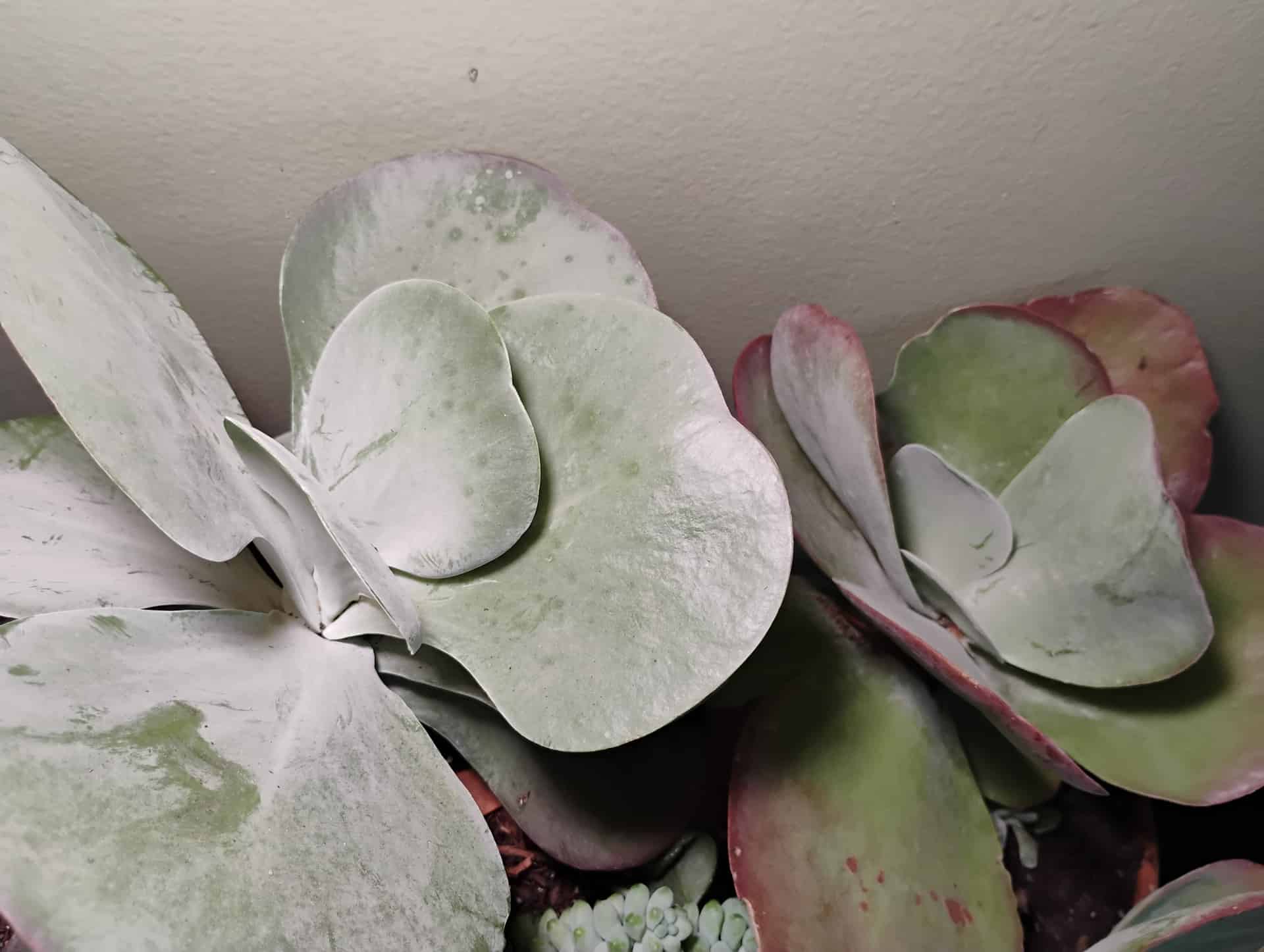
Flapjack
Shares 4 of the same needs: similar light, low water, sandy, and pollinator-friendly.
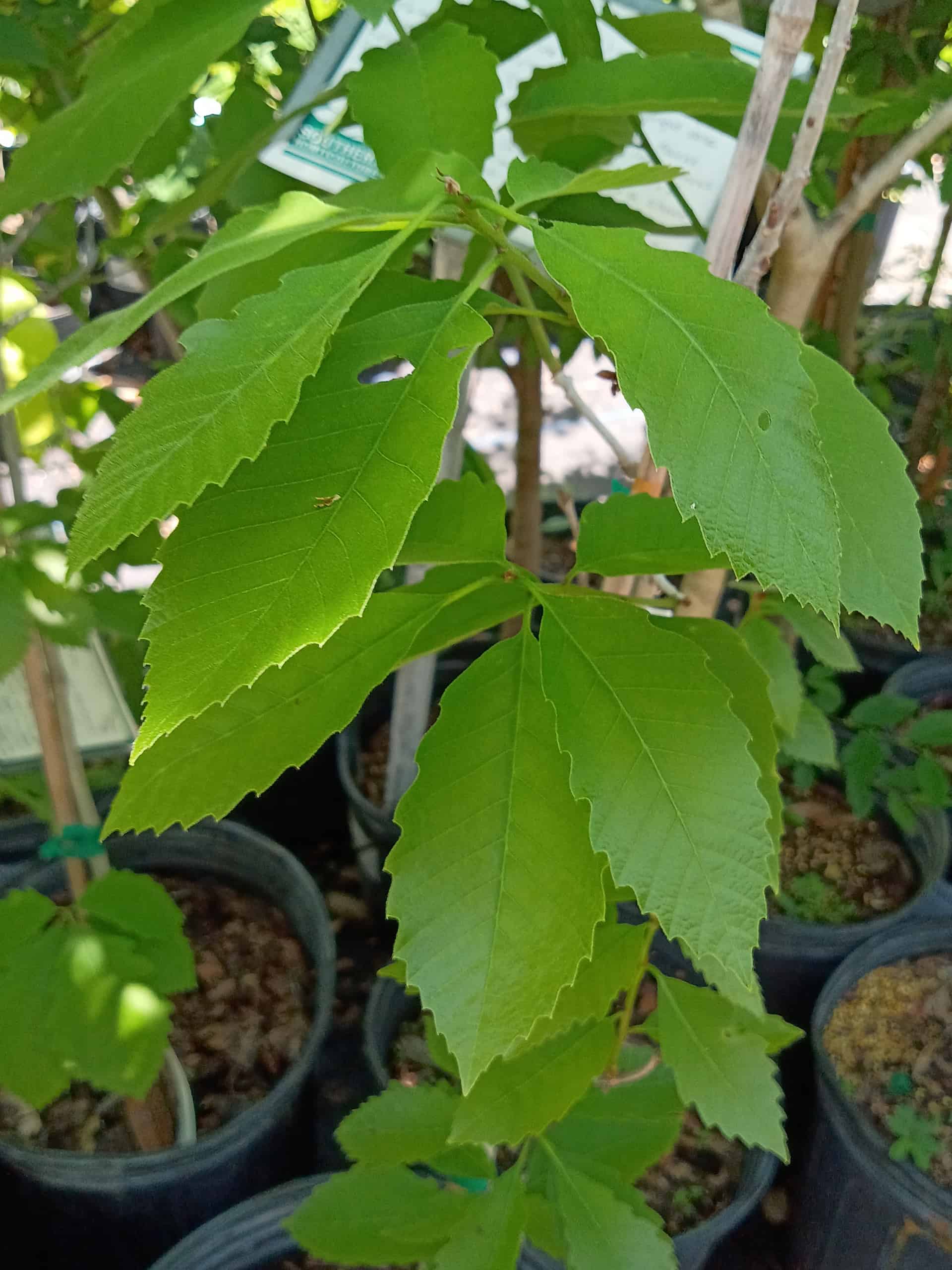
Allegheny Chinkapin
Shares 3 of the same needs: similar light, sandy, and zone 9a hardiness.
You may also like
Common questions
Is Bluejack Oak a good plant for St. Augustine?
Bluejack Oak is a tree for Zone 9b coastal Florida gardens, reaching 15-30 feet × 15-25 feet.