
Sand Live Oak
Quercus geminata
Varieties We Bring In
Last received Mar 11, 2026.
We bring this in seasonally, so what is on the lot changes week to week. A received date shows when it last came in, not that it is here today.
Call (904) 471-0440 to confirm this plant and size before you make the trip.
About Sand Live Oak
A compact native evergreen oak of the southeastern U.S. coastal plain that grows in sandy, drought-prone soils of dunes, scrub, sandhills, and mixed pine uplands. It has a deep root system that allows rapid recovery after fire and supports numerous butterfly and moth species as a larval host plant. Starting at $625.00.
Plant details
- Bloom Season
- Spring
- Growth Rate
- Slow to moderate
- Foliage
- Evergreen
- Soil
- Sandy, Acidic, Well-drained
Care essentials
Sand live oak thrives in full sun to partial shade in NE Florida. Site in open, sunny locations with well-drained sandy or scrub soil; it is highly wind- and drought-resistant once established.
Extremely drought-tolerant once established in NE Florida's sandy soils. Water regularly only during the first year to encourage deep rooting; no supplemental irrigation is needed after establishment.
Prefers poor, sandy, acidic, well-drained soils typical of Florida scrub, coastal dunes, and sandhills. Fertilizer is generally not needed; overly rich soils encourage weak growth. Mulch the root zone during establishment.
Similar needs
Bluejack Oak
Shares 5 of the same needs: similar light, low water, sandy, zone 9a hardiness, and pollinator-friendly.
Eastern Red Cedar
Shares 4 of the same needs: similar light, low water, sandy, and zone 9a hardiness.
Myrtle Oak
Shares 5 of the same needs: similar light, low water, sandy, zone 9a hardiness, and pollinator-friendly.
Purple Top Grass
Shares 5 of the same needs: similar light, low water, sandy, zone 9a hardiness, and pollinator-friendly.
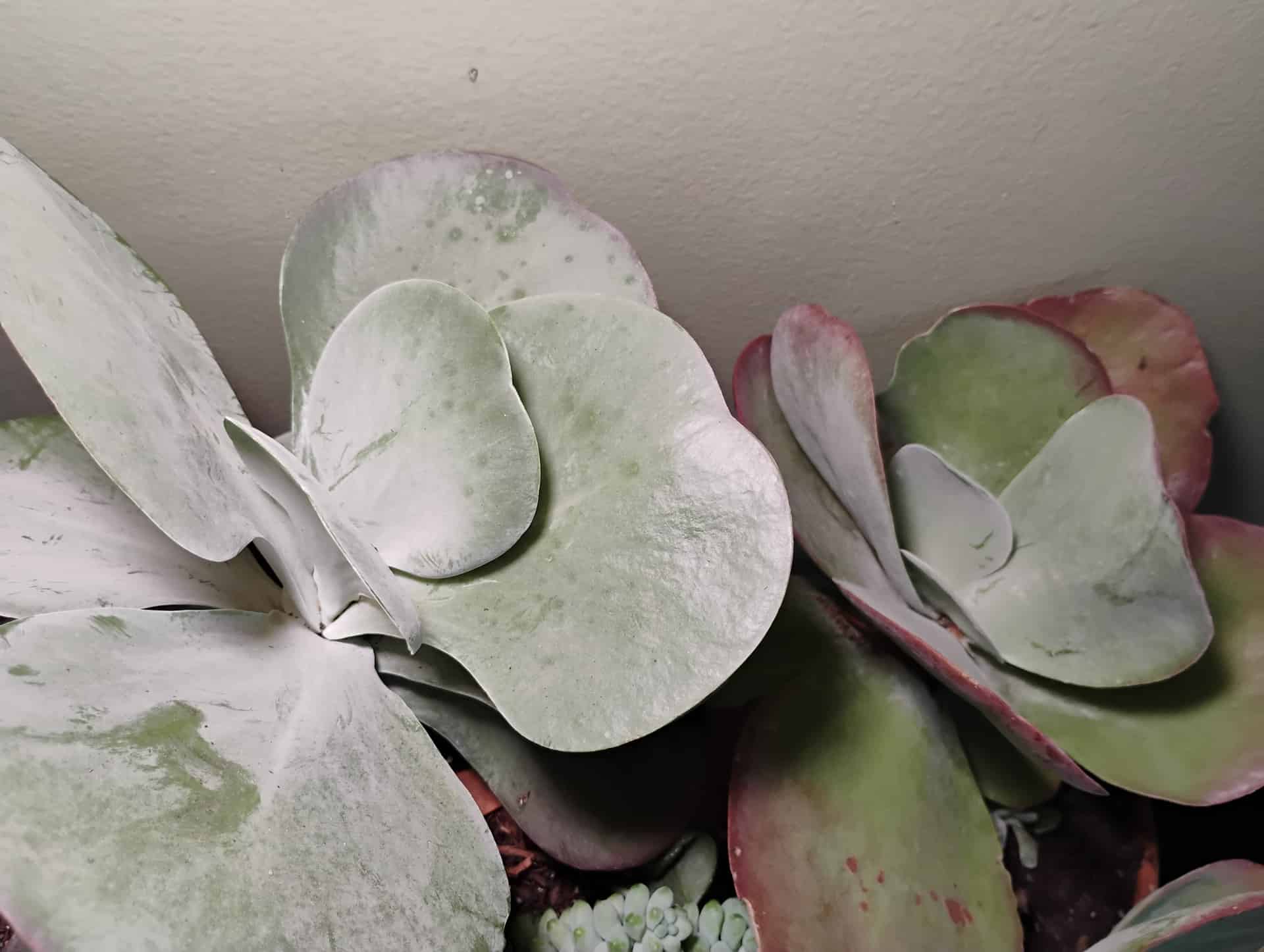
Flapjack
Shares 4 of the same needs: similar light, low water, sandy, and pollinator-friendly.
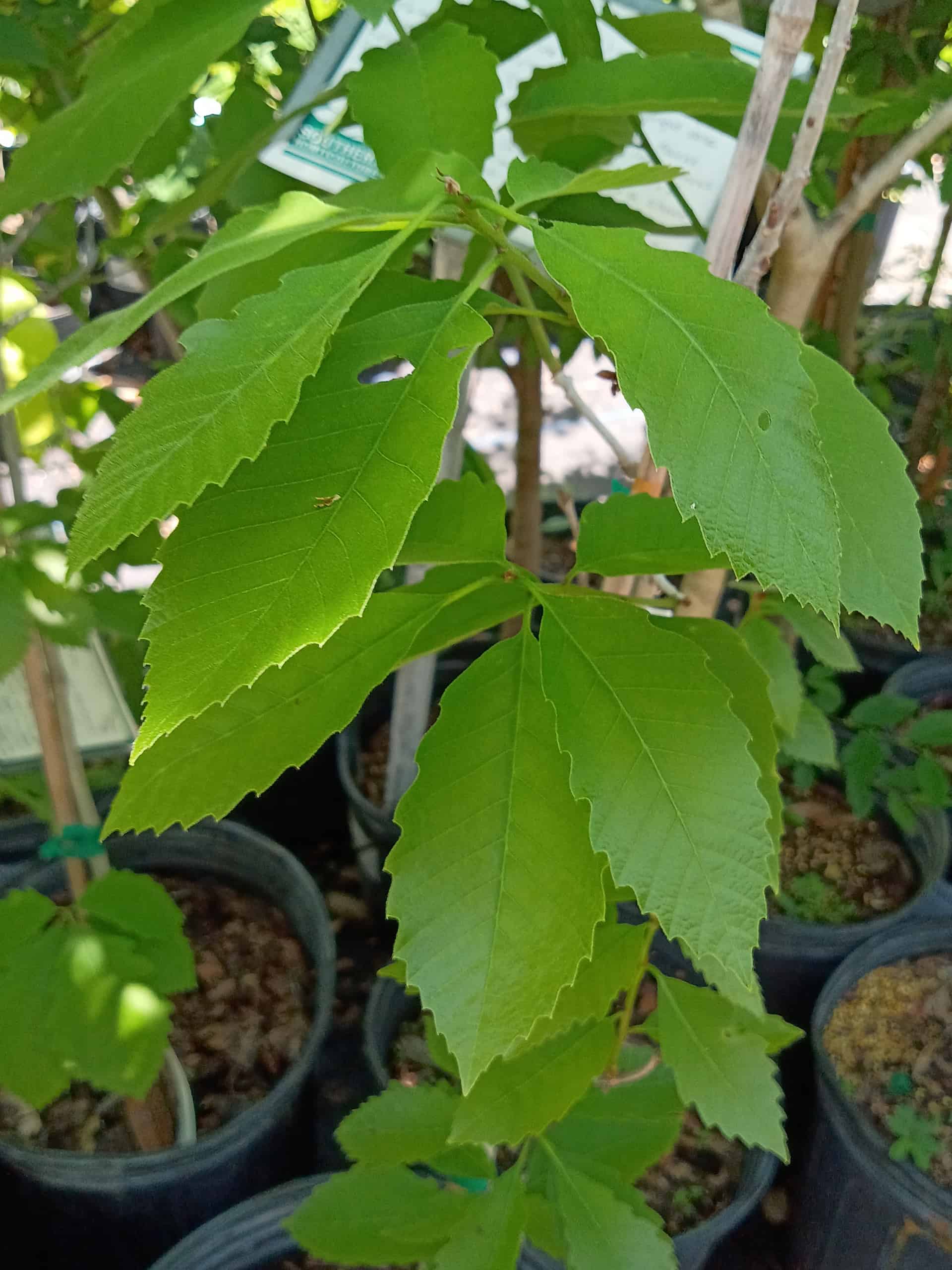
Allegheny Chinkapin
Shares 3 of the same needs: similar light, sandy, and zone 9a hardiness.
You may also like
Common questions
Is Sand Live Oak a good plant for St. Augustine?
Sand Live Oak is a tree for Zone 9b coastal Florida gardens, reaching 20-50 feet × 20-50 feet.