
Varieties We Bring In
Standard
We received some Purple Top Grass on Mar 11, 2026.
We bring this in seasonally, so what is on the lot changes week to week. A received date shows when it last came in, not that it is here today.
Call (904) 471-0440 to confirm this plant and size before you make the trip.
Last received Mar 11, 2026.
We bring this in seasonally, so what is on the lot changes week to week. A received date shows when it last came in, not that it is here today.
Call (904) 471-0440 to confirm this plant and size before you make the trip.
Pet toxicity: not on file, check before planting where pets chew
Pet safety guideAbout Purple Top Grass
A tall native warm-season bunchgrass featuring linear green leaves and showy, open panicles of reddish-purple spikelets that emerge in late summer and persist through fall, creating an airy purple haze especially effective in mass plantings. The oily seeds are a valuable food source for birds and small mammals.
Plant details
- Bloom Season
- Summer, Fall
- Flower Color
- Purple
- Growth Rate
- Moderate
- Foliage
- Deciduous
- Soil
- Sandy, Loam, Clay, Well-drained
Care essentials
Thrives in full sun but tolerates partial shade; best purple color and most prolific panicles are produced in full sun in NE Florida landscapes.
Drought tolerant once established; does not need supplemental irrigation in NE Florida's summer rainfall pattern. Avoid overwatering, which causes floppy, weak growth.
Adapts to sandy, loamy, or clay soils; prefers lean conditions and does not require fertilization. Cut clumps back in late winter and divide every few years to maintain vigor.
Similar needs
Eastern Red Cedar
Shares 4 of the same needs: similar light, low water, sandy, and zone 9a hardiness.
Swamp Sunflower
Shares 4 of the same needs: similar light, sandy, zone 9a hardiness, and pollinator-friendly.
Bluejack Oak
Shares 5 of the same needs: similar light, low water, sandy, zone 9a hardiness, and pollinator-friendly.
Myrtle Oak
Shares 5 of the same needs: similar light, low water, sandy, zone 9a hardiness, and pollinator-friendly.
Sand Live Oak
Shares 5 of the same needs: similar light, low water, sandy, zone 9a hardiness, and pollinator-friendly.
Winged Loosestrife
Shares 3 of the same needs: similar light, sandy, and pollinator-friendly.
You may also like
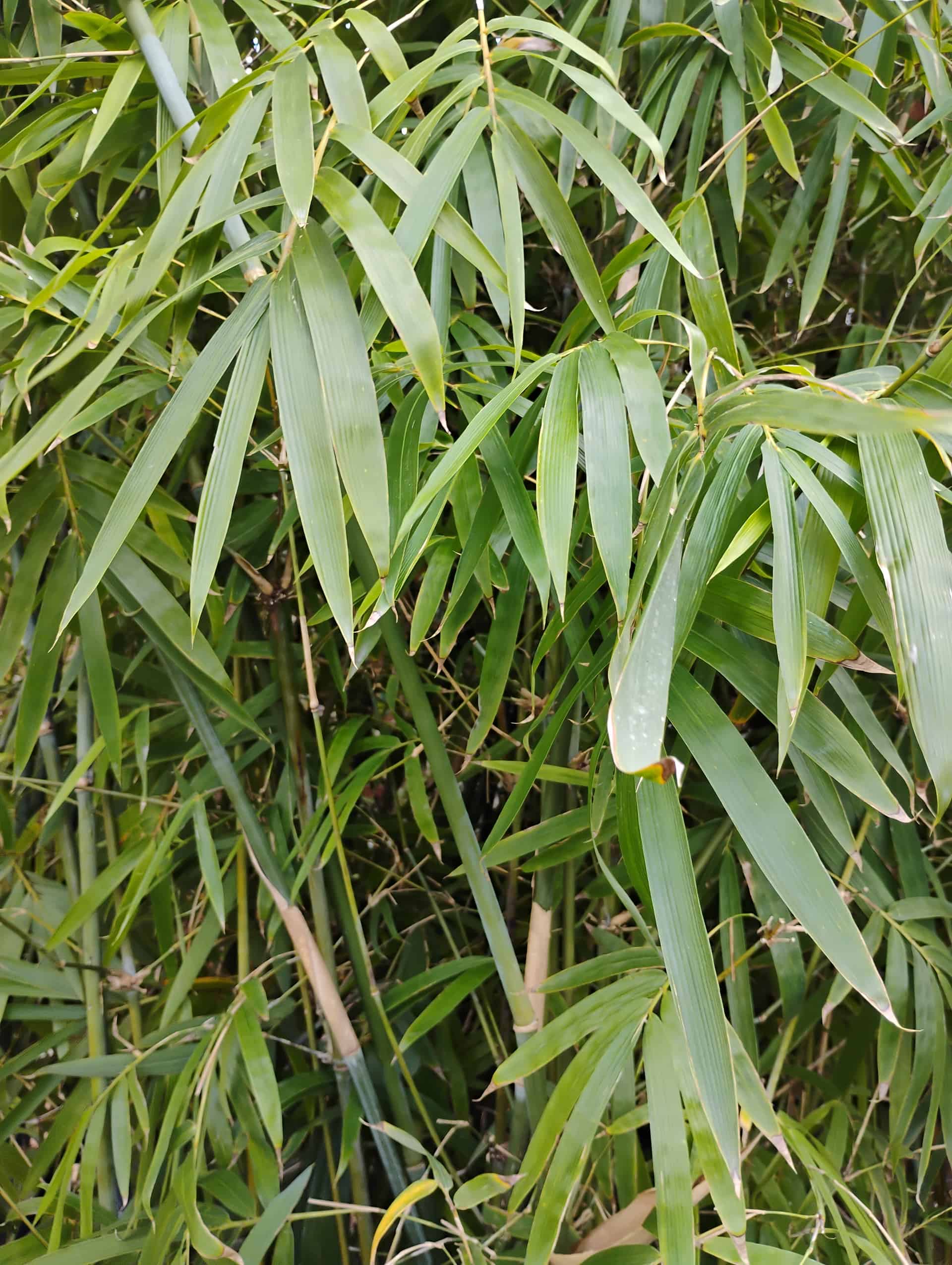 Grass
Bamboo
Bambusa
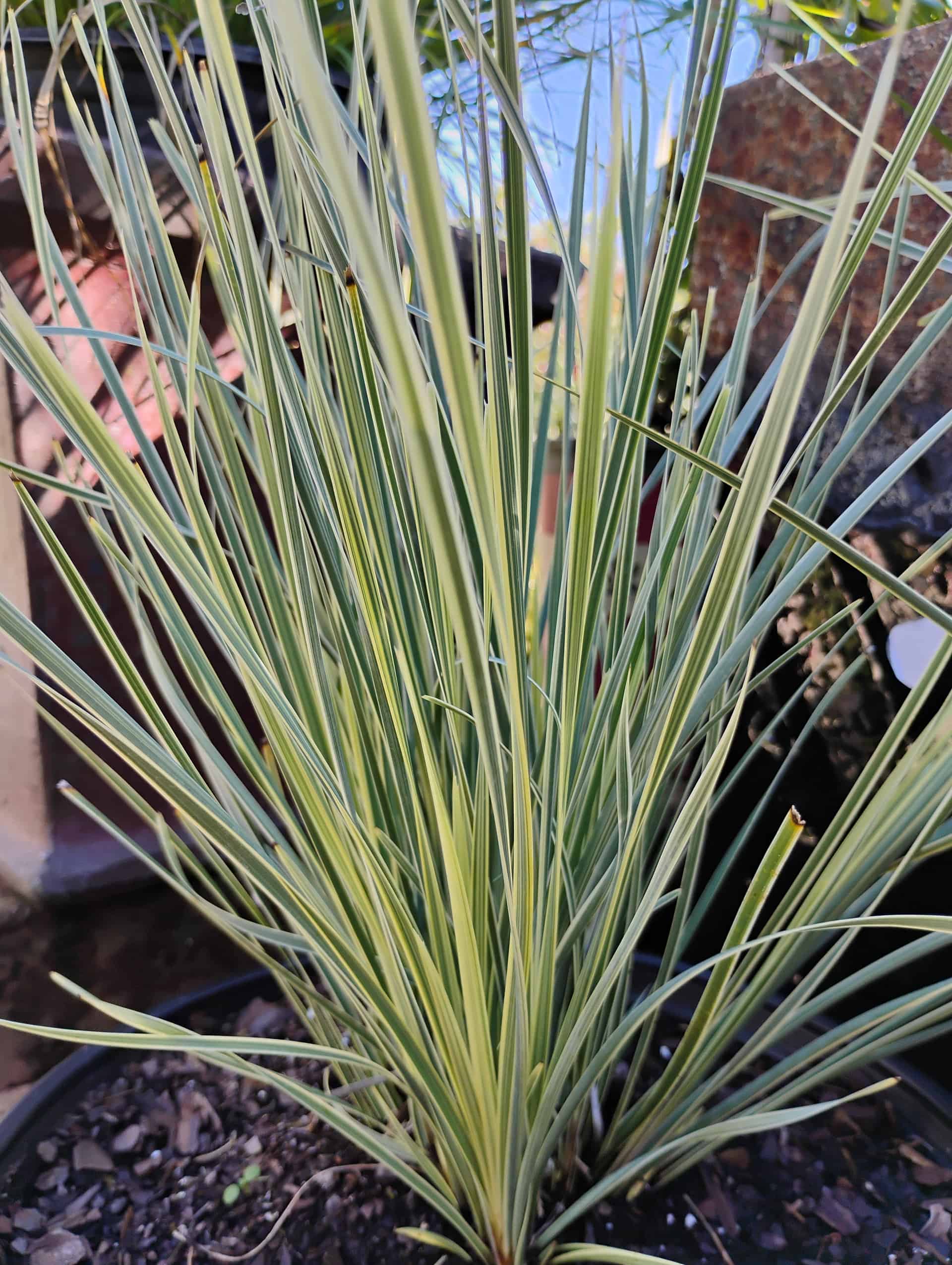 Grass
Mat Rush
Lomandra longifolia
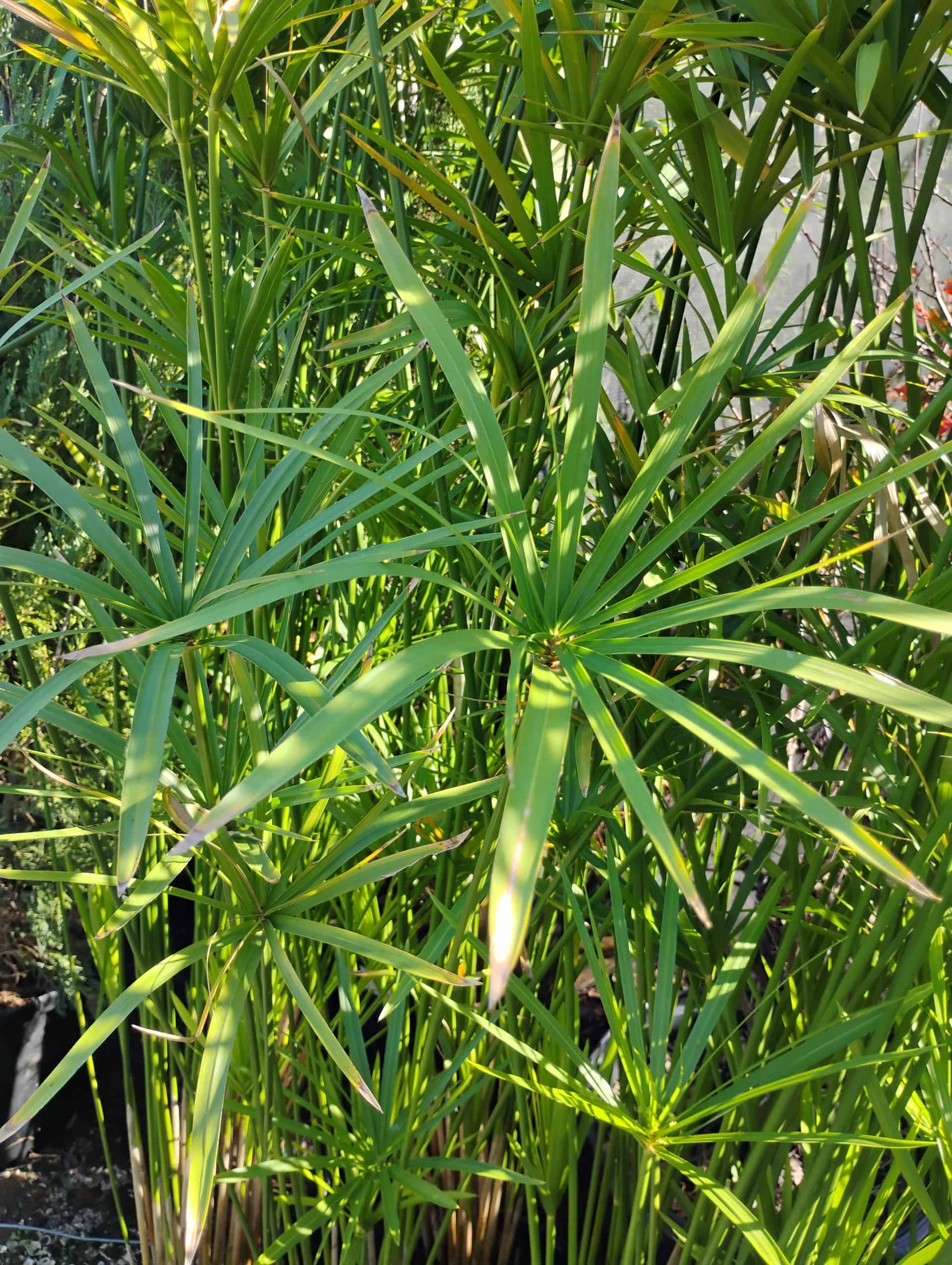 Grass
Papyrus
Cyperus papyrus
Common questions
Is Purple Top Grass a good plant for St. Augustine?
Purple Top Grass is a grass. Mature size: 3-5 feet × 2-3 feet. Light: Full Sun, Part Shade. Water needs: Low. Purple Top Grass is native to Florida. Recorded hardiness zone: 9a.