
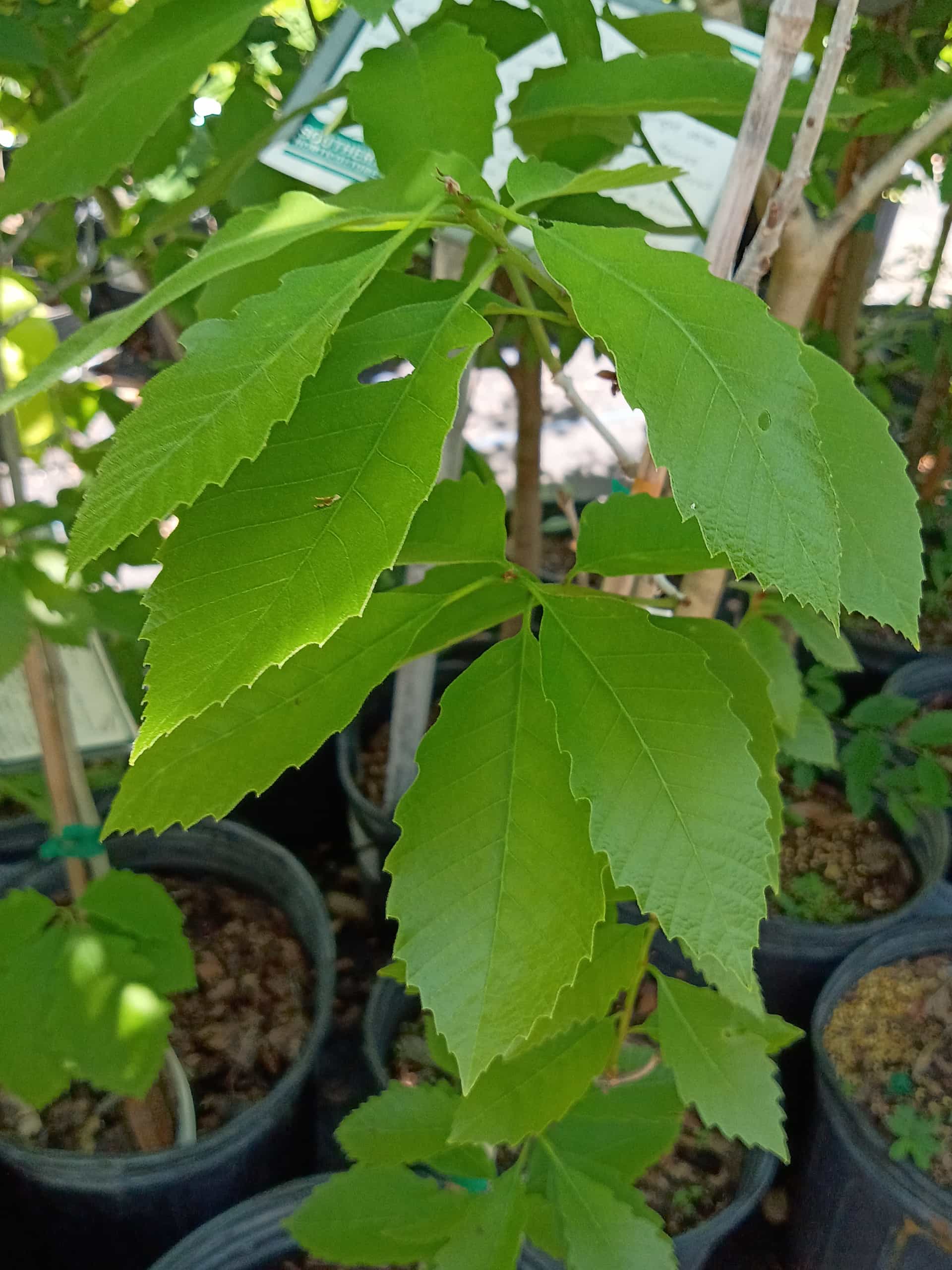
Allegheny Chinkapin
Castanea pumila
Traits
Varieties We Bring In
Last received Mar 11, 2026.
We bring this in seasonally, so what is on the lot changes week to week. A received date shows when it last came in, not that it is here today.
Call (904) 471-0440 to confirm this plant and size before you make the trip.
About Allegheny Chinkapin
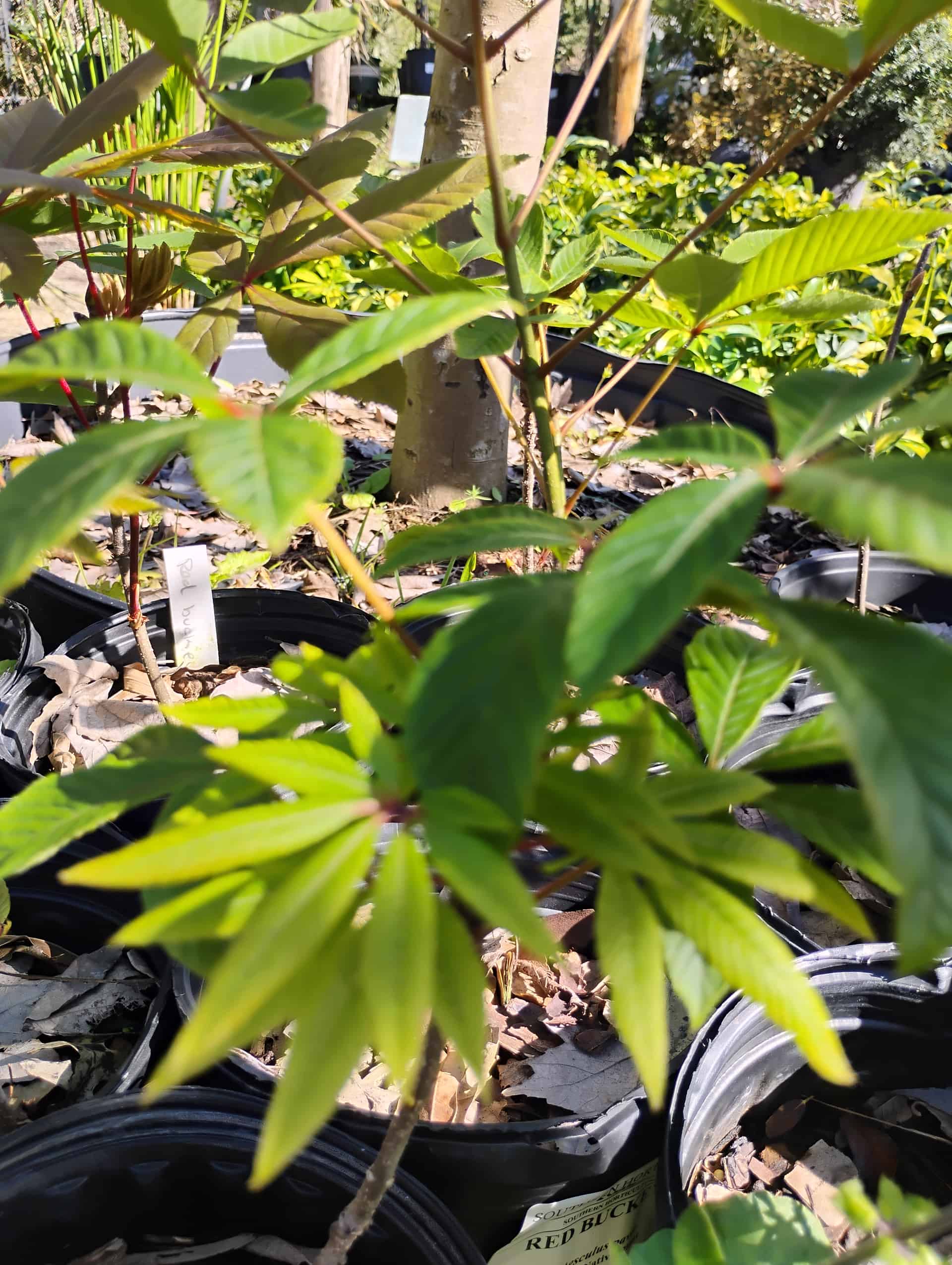
A deciduous multi-stemmed native shrub or small tree of the beech family, resistant to chestnut blight, with alternate simple leaves that display silvery undersides and yellow autumn color. Produces elongated, fragrant creamy-white catkins in summer followed by edible sweet nuts. Starting at $19.95.
Plant details
- Bloom Season
- Summer
- Flower Color
- White
- Growth Rate
- Moderate
- Foliage
- Deciduous
- Soil
- Sandy, Loam, Acidic, Well-drained
Care essentials
Plant Allegheny Chinkapin in full sun for best nut production; it tolerates partial shade but performs most vigorously with direct sunlight throughout the day in Northeast Florida.
Established plants are drought tolerant and require little supplemental irrigation; water young trees regularly during the first growing season to encourage deep root establishment in sandy Florida soils.
Thrives in sandy, well-drained, acidic soils common to Northeast Florida; no heavy fertilization needed. Apply a balanced slow-release fertilizer in early spring to support growth. Avoid wet or compacted soils.
Similar needs
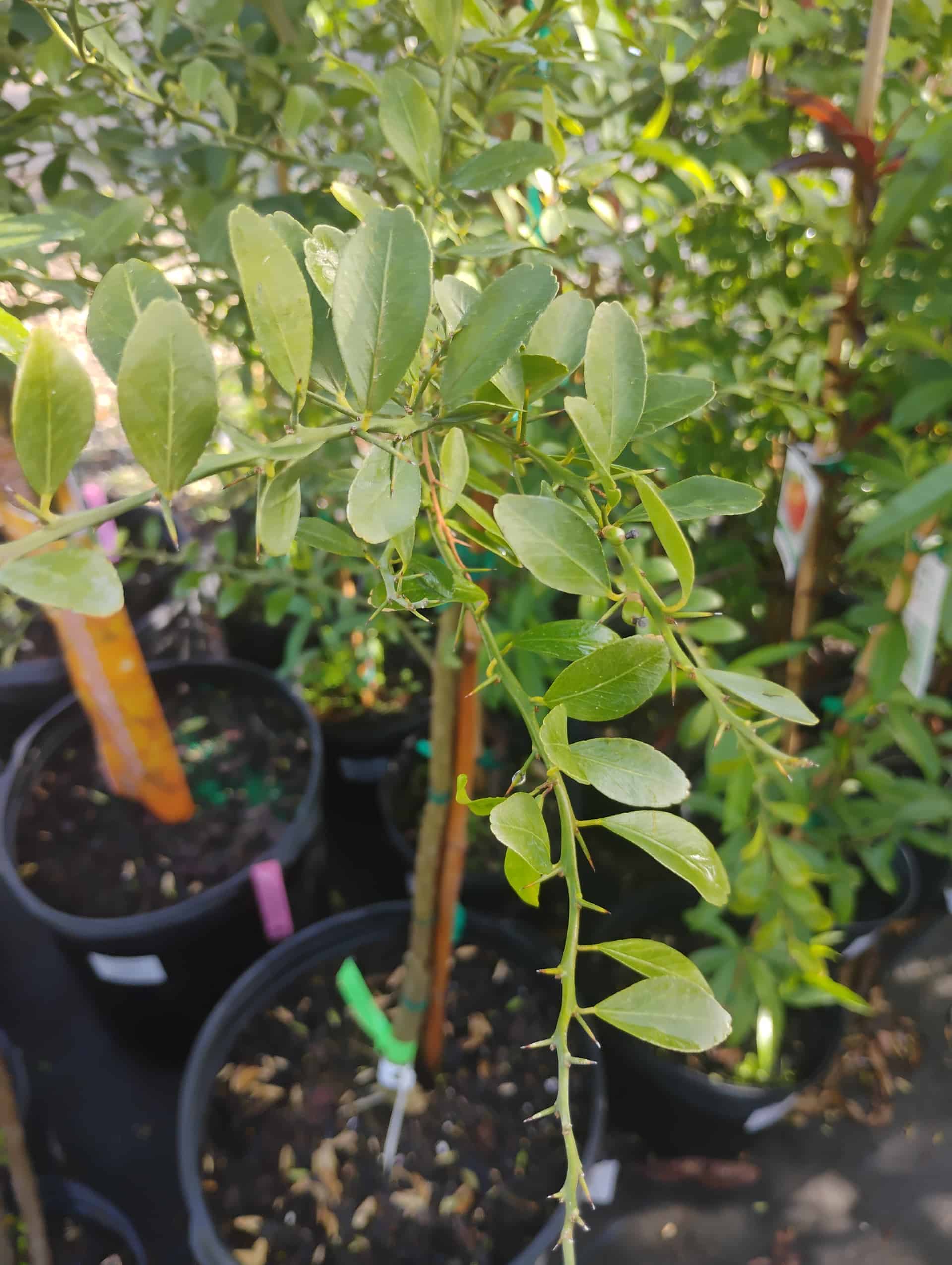
Finger Lime
Shares 4 of the same needs: similar light, moderate water, sandy, and zone 9a hardiness.
Bluejack Oak
Shares 3 of the same needs: similar light, sandy, and zone 9a hardiness.
Eastern Red Cedar
Shares 3 of the same needs: similar light, sandy, and zone 9a hardiness.
Sand Live Oak
Shares 3 of the same needs: similar light, sandy, and zone 9a hardiness.
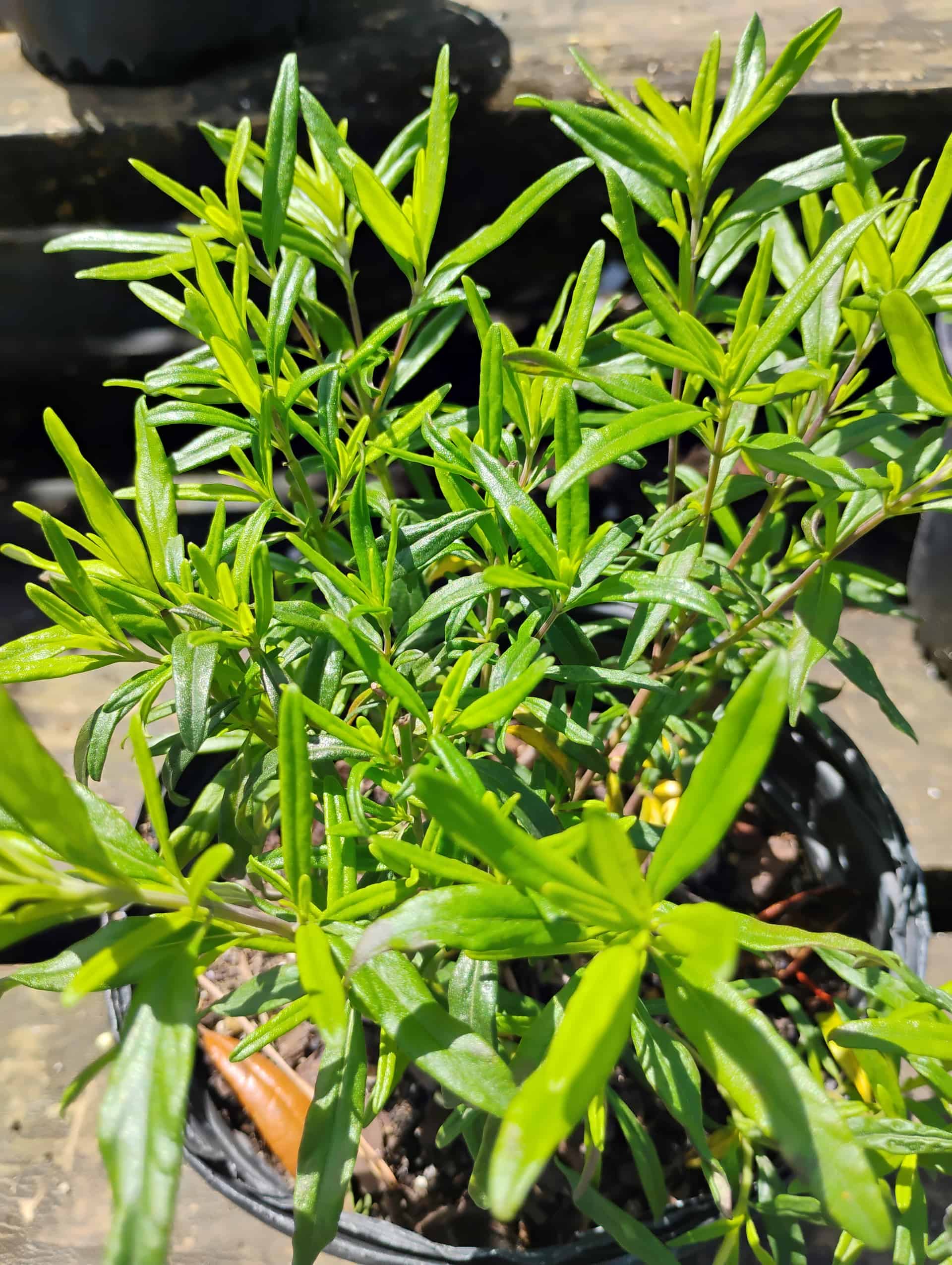
Florida Calamint
Shares 3 of the same needs: similar light, moderate water, and sandy.
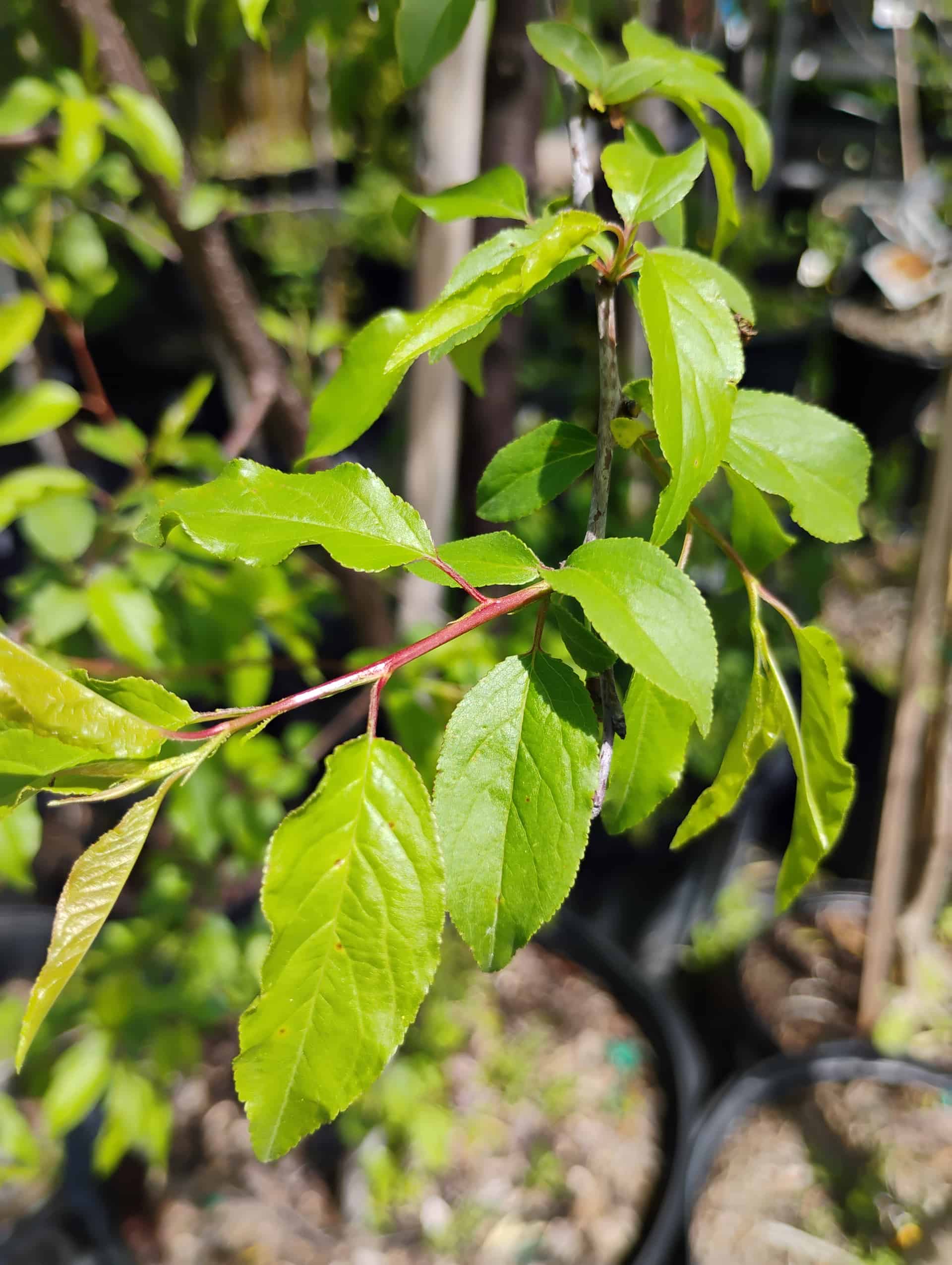
Flatwoods Plum
Shares 4 of the same needs: similar light, moderate water, sandy, and zone 9a hardiness.
You may also like
Common questions
Is Allegheny Chinkapin a good plant for St. Augustine?
Allegheny Chinkapin is a tree for Zone 9b coastal Florida gardens, reaching 10-25 feet × 10-20 feet.