
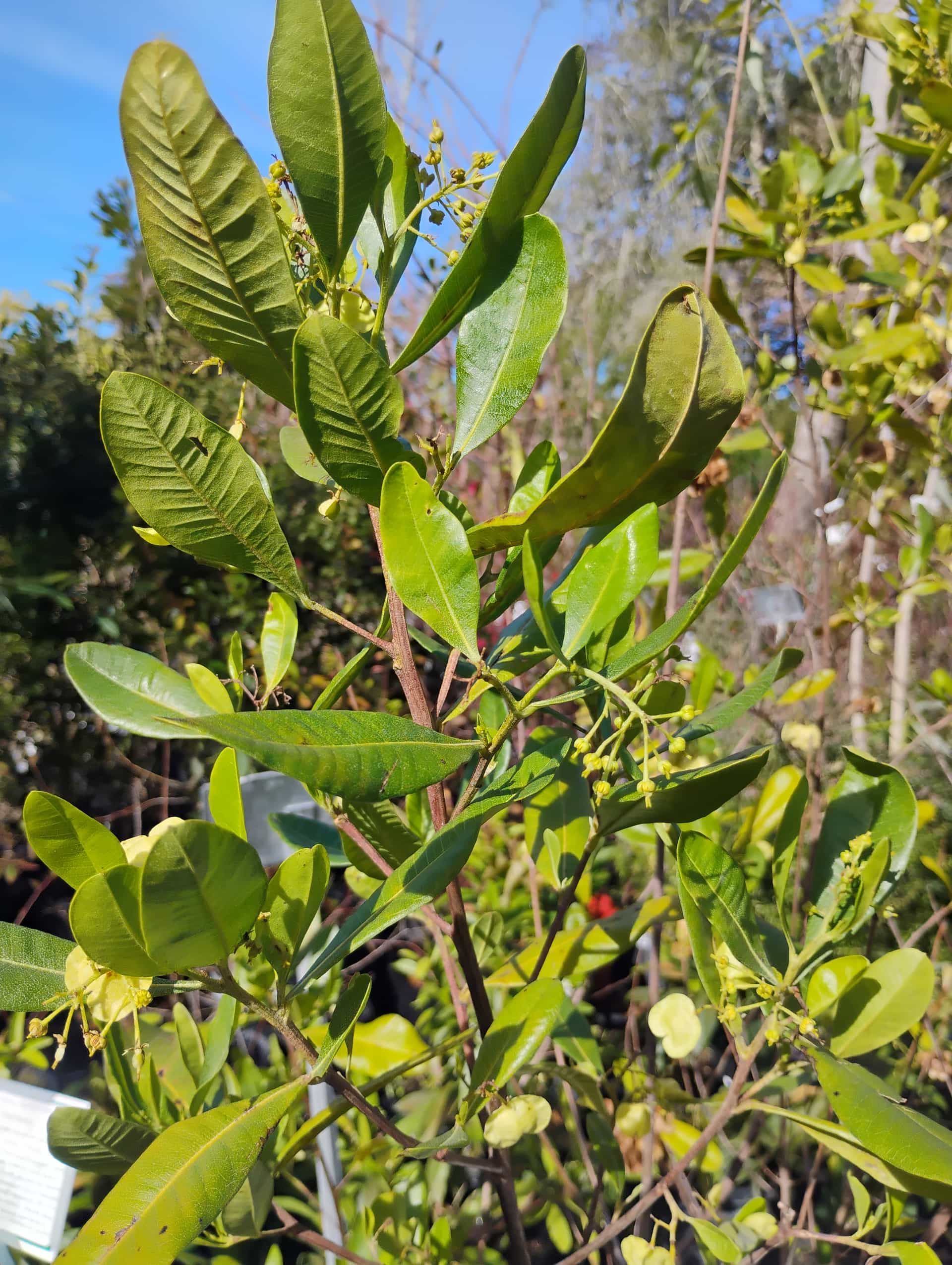
Swamp Titi
Cyrilla racemiflora
Varieties We Bring In
Last received Mar 9, 2026.
We bring this in seasonally, so what is on the lot changes week to week. A received date shows when it last came in, not that it is here today.
Call (904) 471-0440 to confirm this plant and size before you make the trip.
About Swamp Titi
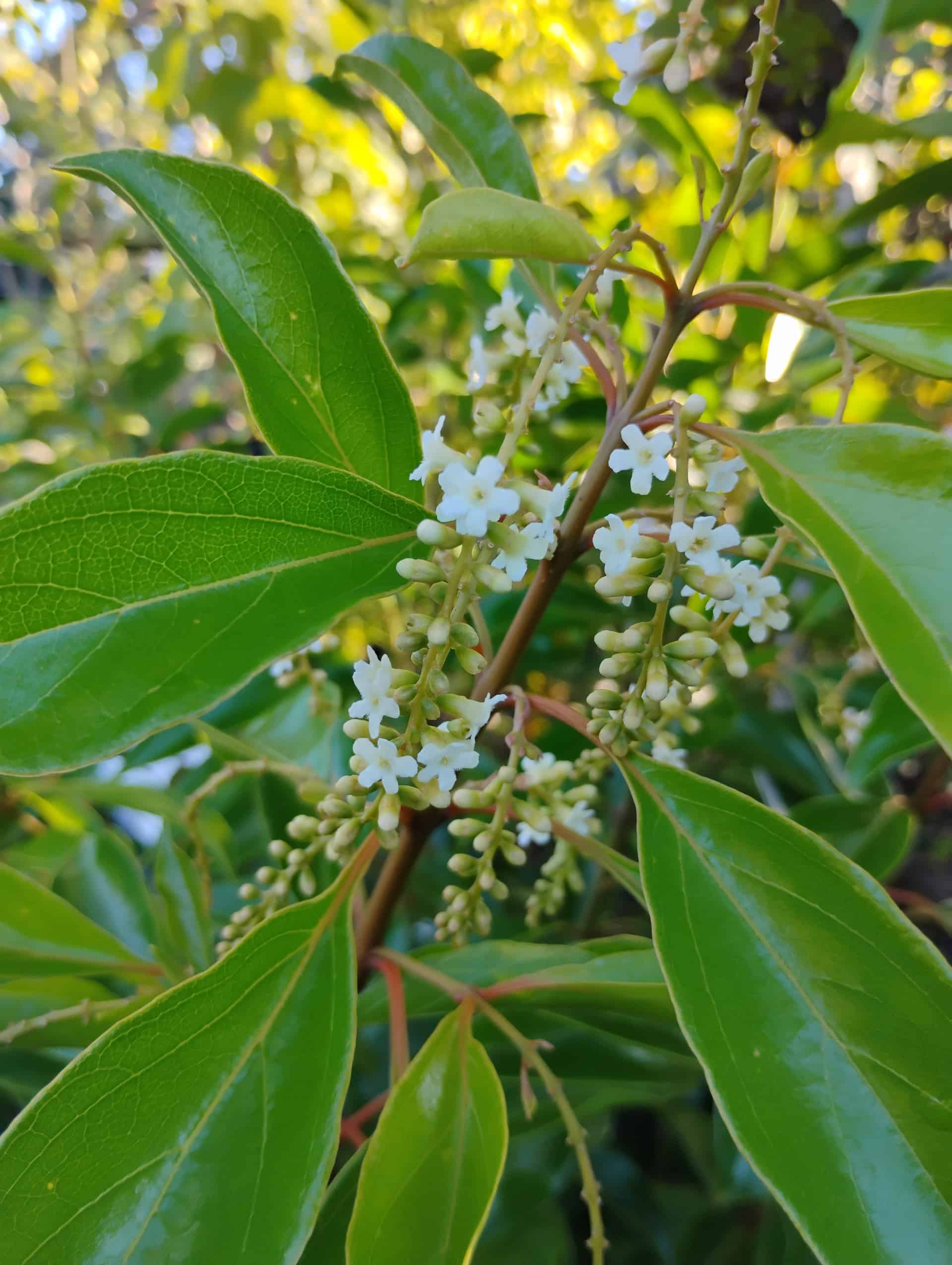
Titi Plant (Cyrilla racemiflora) is a native southeastern US shrub or small tree that produces slender, fragrant racemes of small white flowers in summer, making it a significant nectar source for bees. It grows naturally in wetland margins and pocosins from Virginia to Florida and into the Caribbean and South America. Semi-evergreen to deciduous, it offers attractive reddish fall foliage in cooler regions. Starting at $19.95.
Plant details
- Bloom Season
- Summer
- Flower Color
- White
- Growth Rate
- Moderate
- Foliage
- Semi-evergreen
- Soil
- Sandy, Loam, Acidic, Well-drained, Wet
Best planting months
Seasonal care
Bloom season. Good planting window.
Bloom season.
Ideal planting window.
May lose some foliage in cold snaps.
Care essentials
Swamp Titi grows best in full sun to part shade with reliable moisture in NE Florida. Full sun maximizes flowering and nectar production; part shade at wet woodland edges is also suitable. Avoid dry, sun-baked sites.
Native to bottomlands, swamps, and wet pinelands — plant where soil stays consistently moist. In NE Florida, ideal sites include pond margins, rain gardens, or low-lying areas. Not suited to dry upland sandy soils without supplemental irrigation.
Thrives in moist, acidic, sandy or loamy soils; tolerates a range of textures as long as moisture is adequate. Little fertilization is needed — apply a light balanced slow-release fertilizer in spring. Mulch heavily to conserve moisture in sandy NE Florida soils.
Similar needs
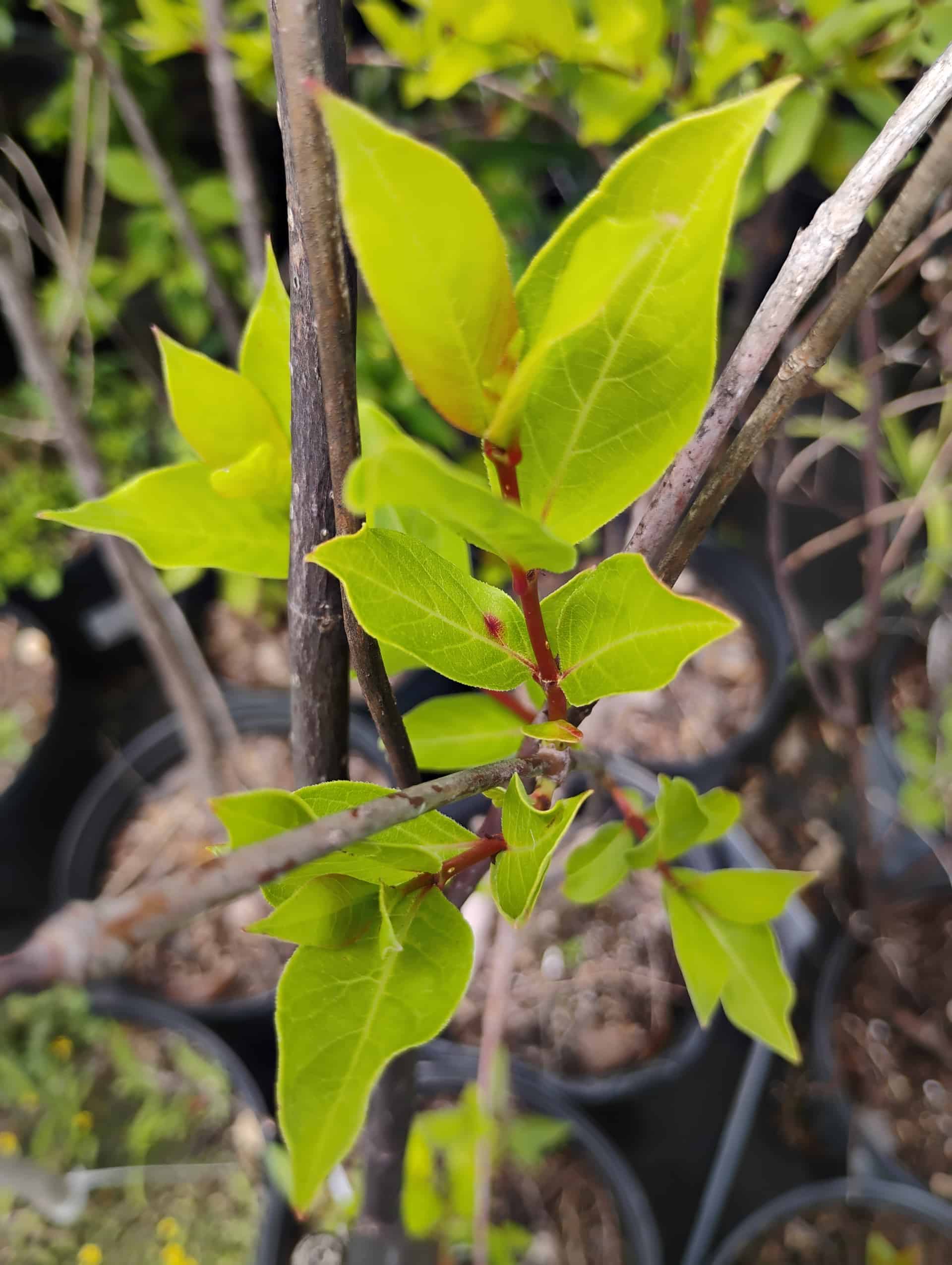
Buttonbush
Shares 5 of the same needs: full sun, high water, sandy, zone 9a hardiness, and pollinator-friendly.
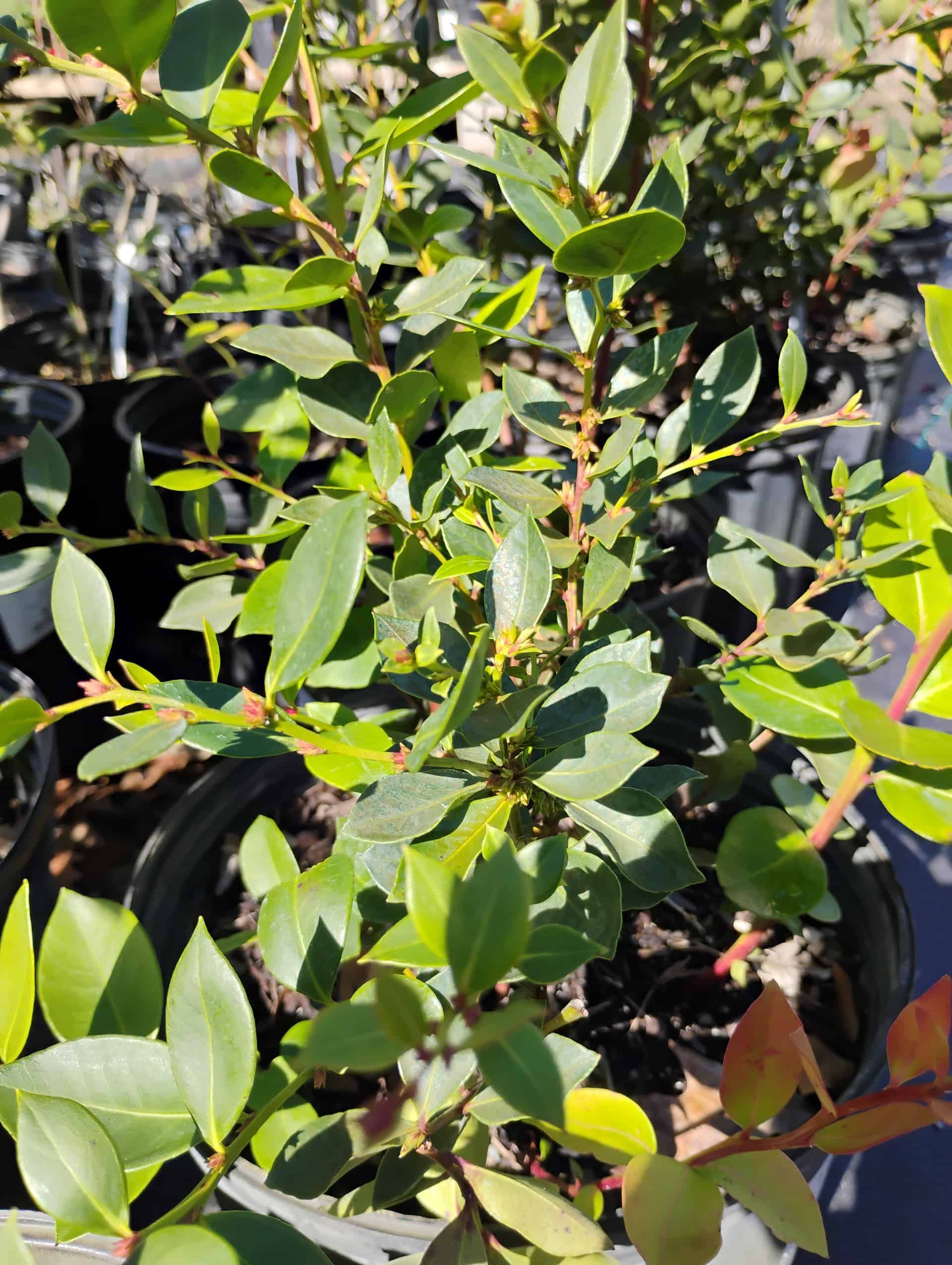
Fetterbush
Shares 5 of the same needs: full sun, high water, sandy, zone 9a hardiness, and pollinator-friendly.
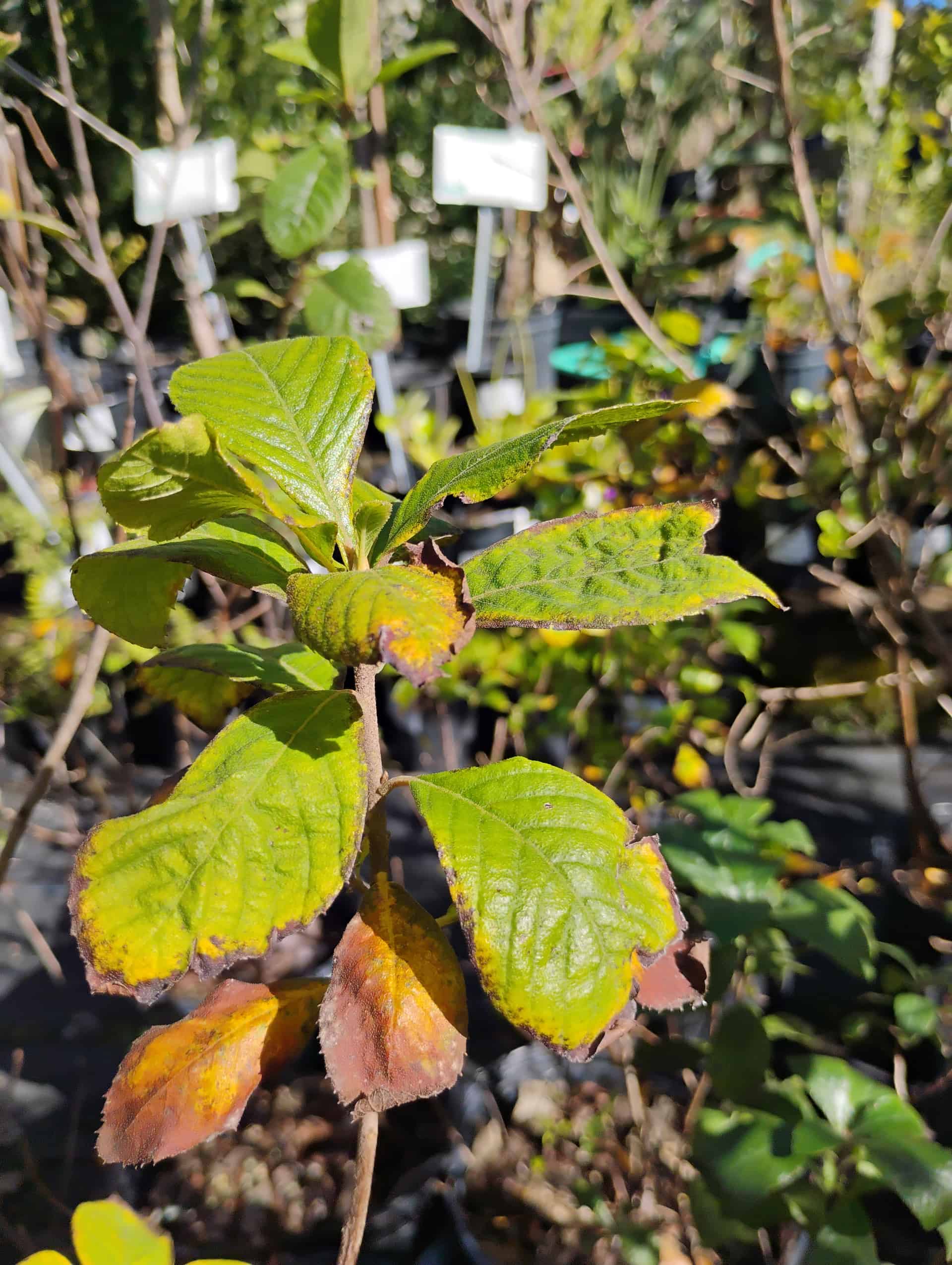
Summersweet
Shares 5 of the same needs: similar light, high water, loam, zone 9a hardiness, and pollinator-friendly.
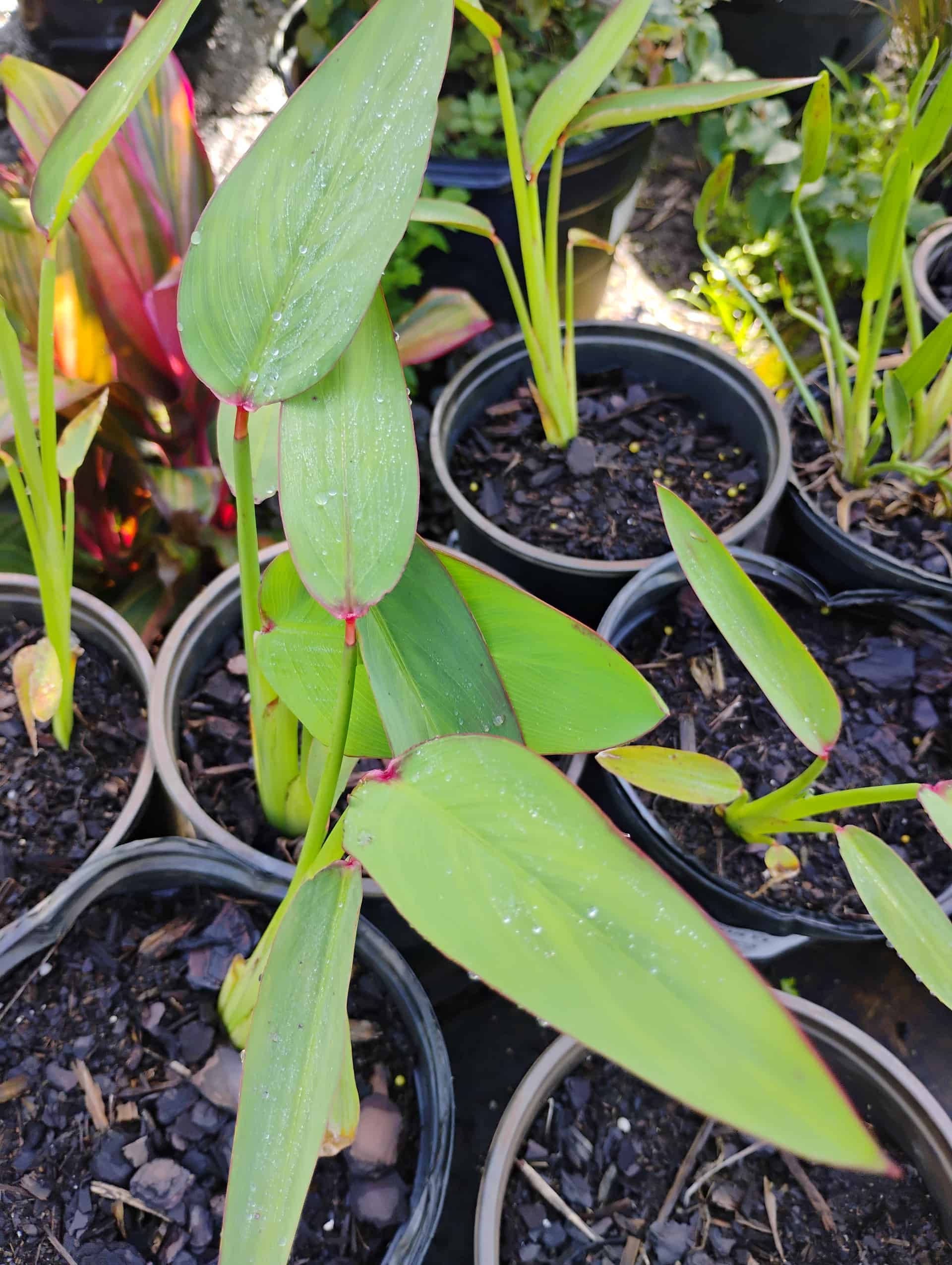
Alligator Flag
Shares 5 of the same needs: full sun, high water, loam, zone 9a hardiness, and pollinator-friendly.
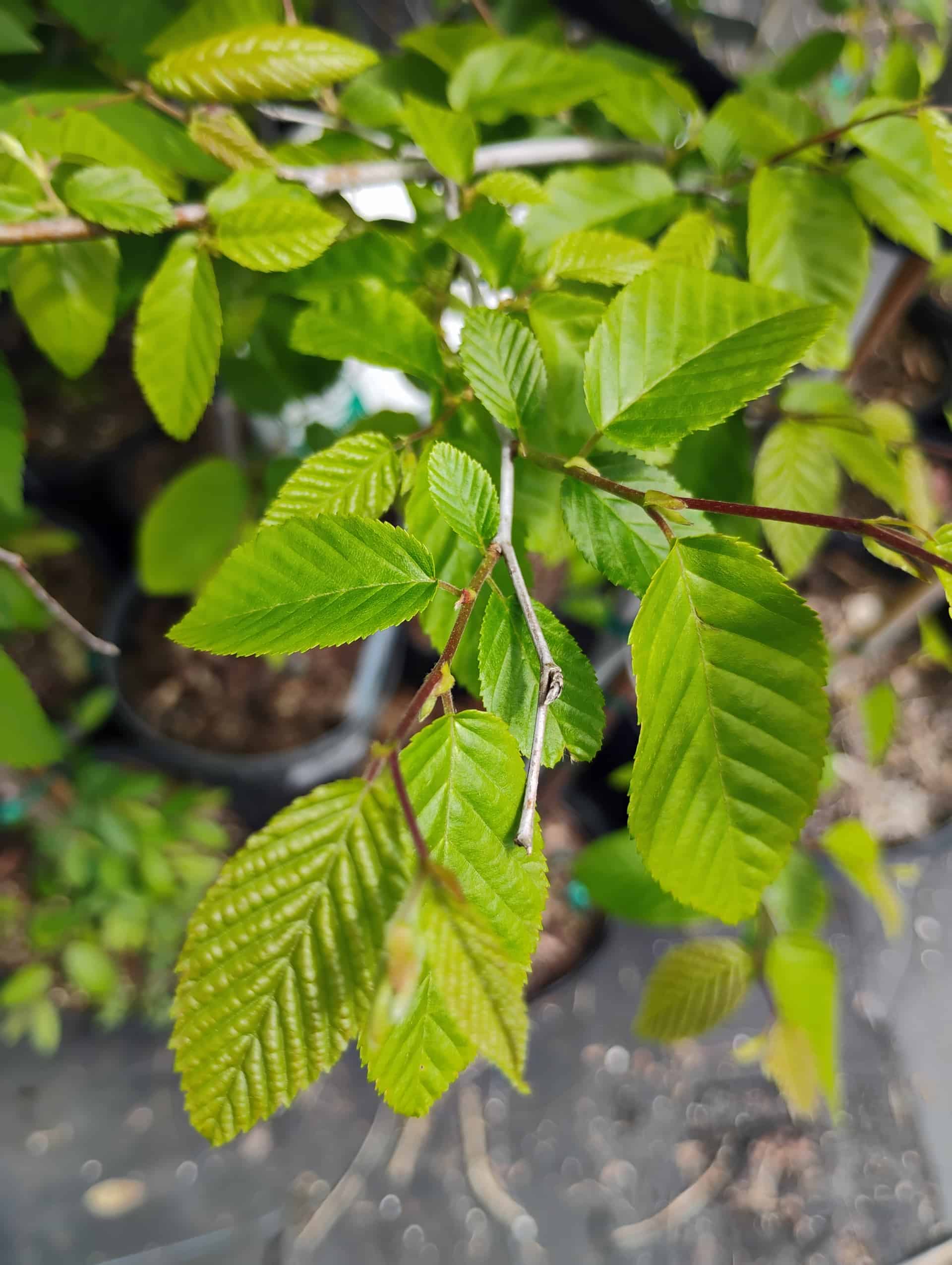
American Hornbeam
Shares 5 of the same needs: full sun, high water, sandy, zone 9a hardiness, and pollinator-friendly.
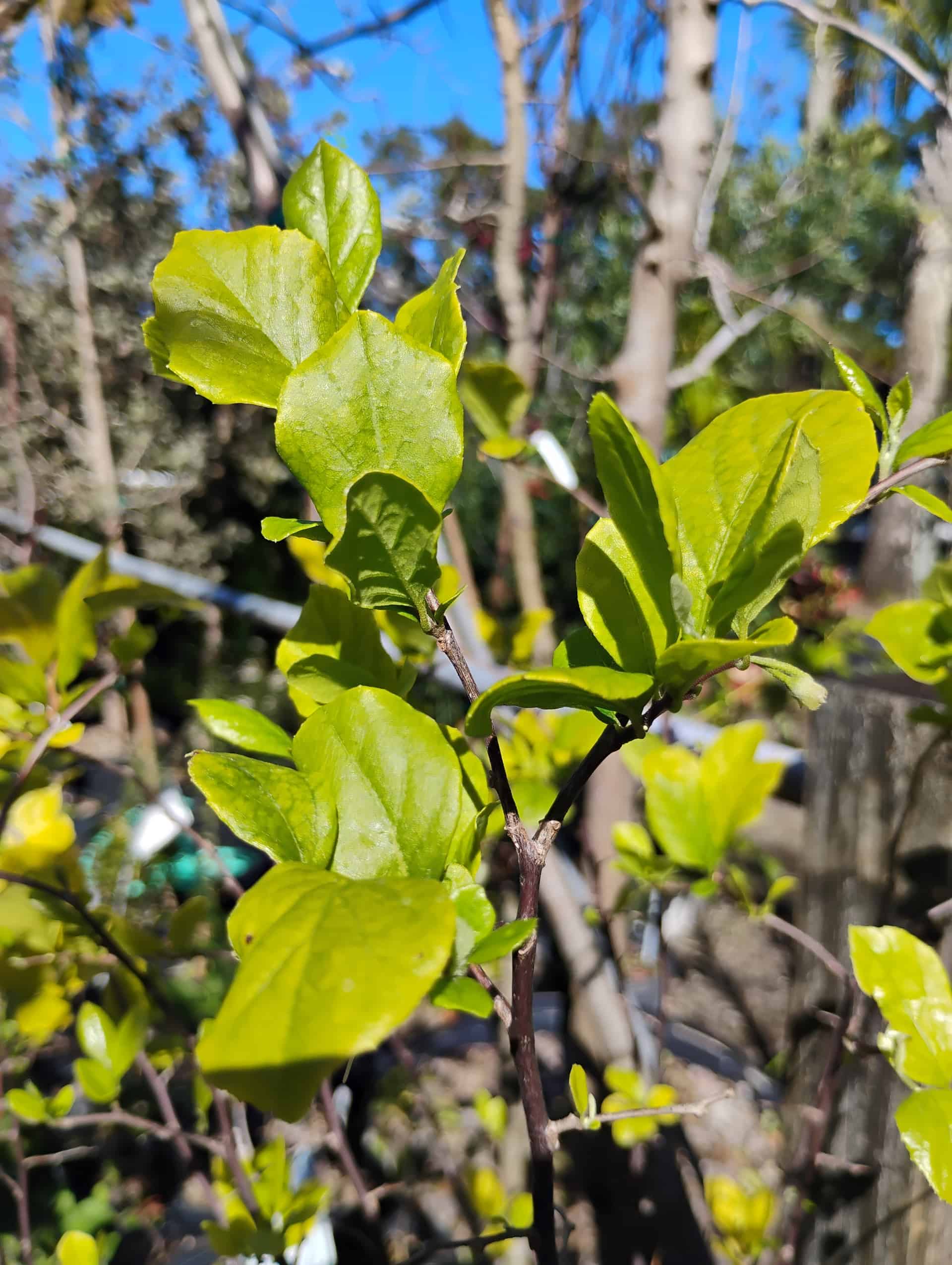
American Snowbell
Shares 5 of the same needs: full sun, high water, loam, zone 9a hardiness, and pollinator-friendly.
You may also like
Common questions
Is Swamp Titi a good plant for St. Augustine?
Swamp Titi is a shrub for Zone 9b coastal Florida gardens, reaching 10-20 feet × 6-15 feet.
Care information verified from
Last reviewed February 2026. Our care guidance comes from trusted horticulture sources and decades of helping St. Augustine gardeners. Conditions here can vary dramatically from one area to the next, so come ask us and we'll tailor it to your yard.