
PollinatorFriendly
Nectar-rich bloomers and host plants that keep butterflies, bees, and hummingbirds coming back through the season.
Nectar-rich. All season.
Read pollinator guideBrowse the collection
87 plants found
Pollinator Friendly Plants
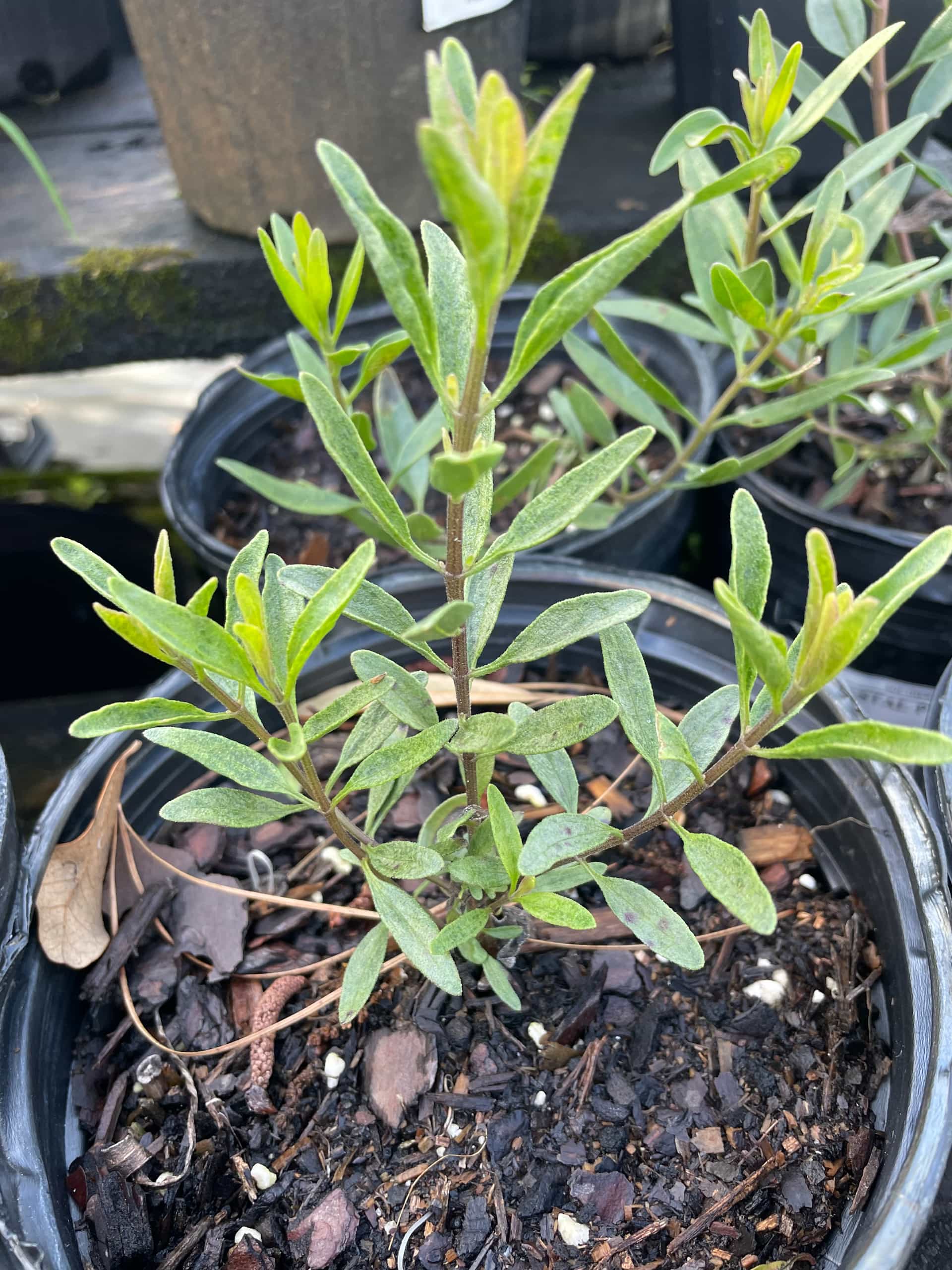 Perennial
Coastalplain Palafox
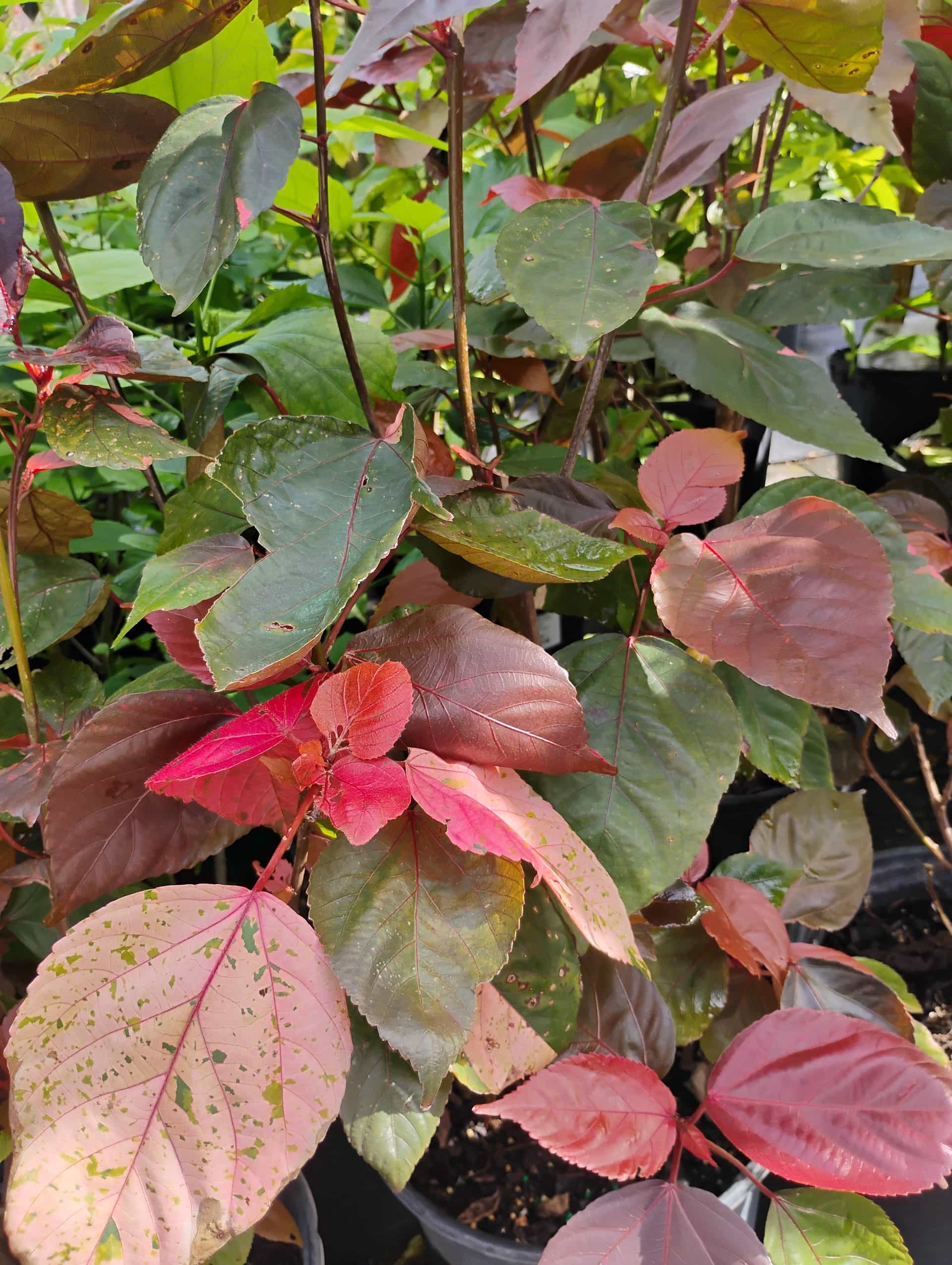 Shrub
ShrubCopper Plant
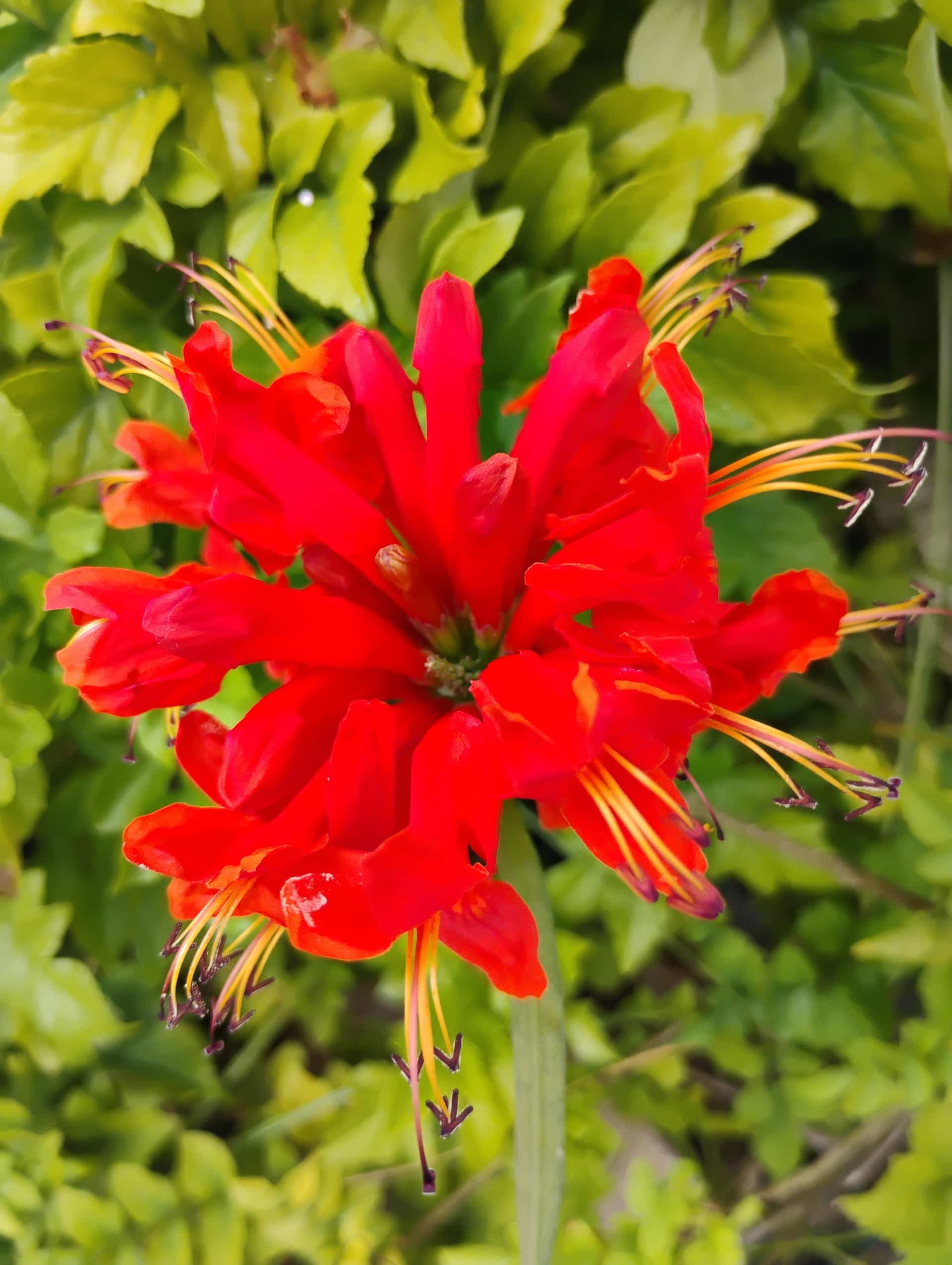 Vine
VineCoral Honeysuckle
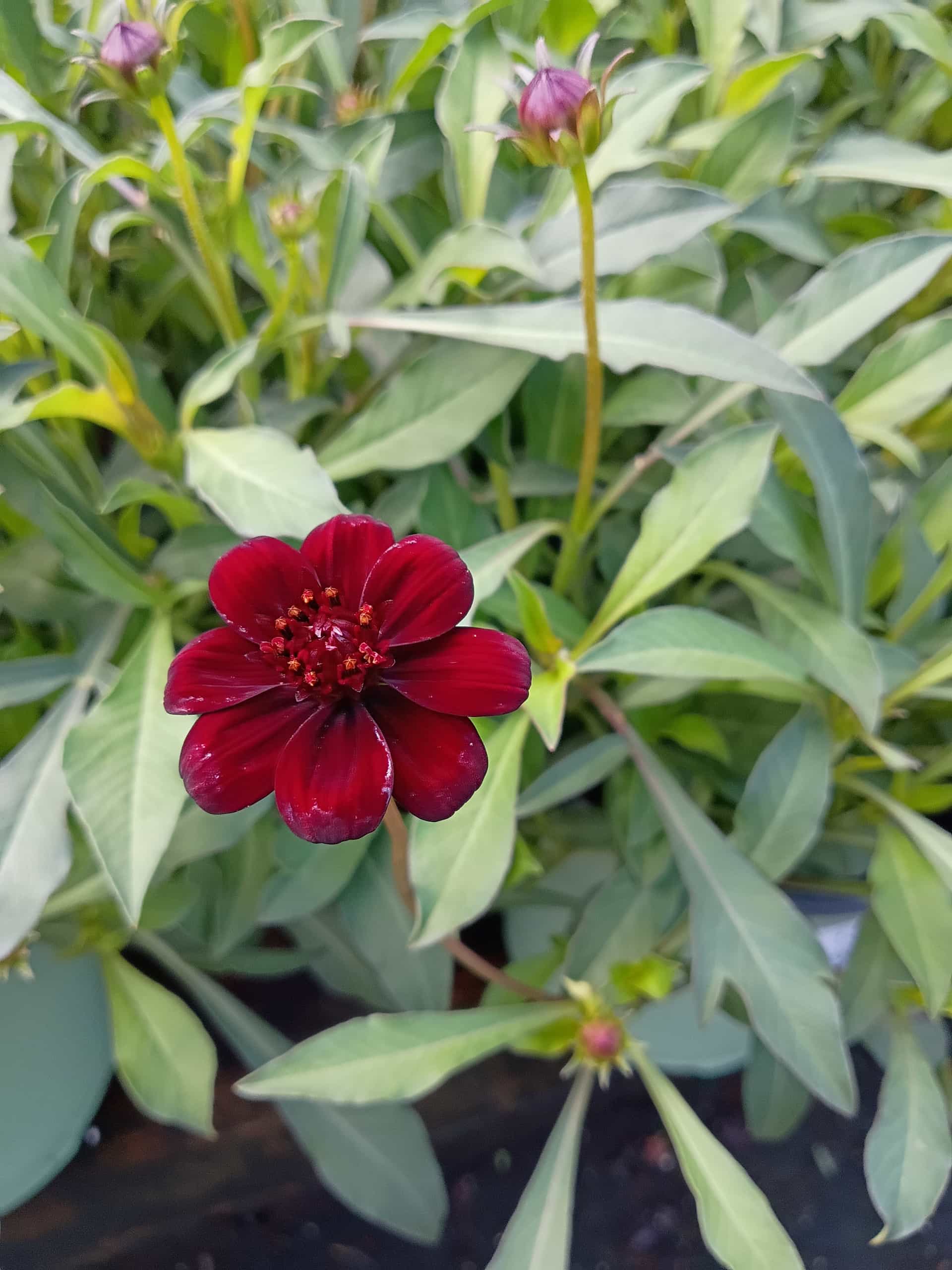 Annual
Cosmos
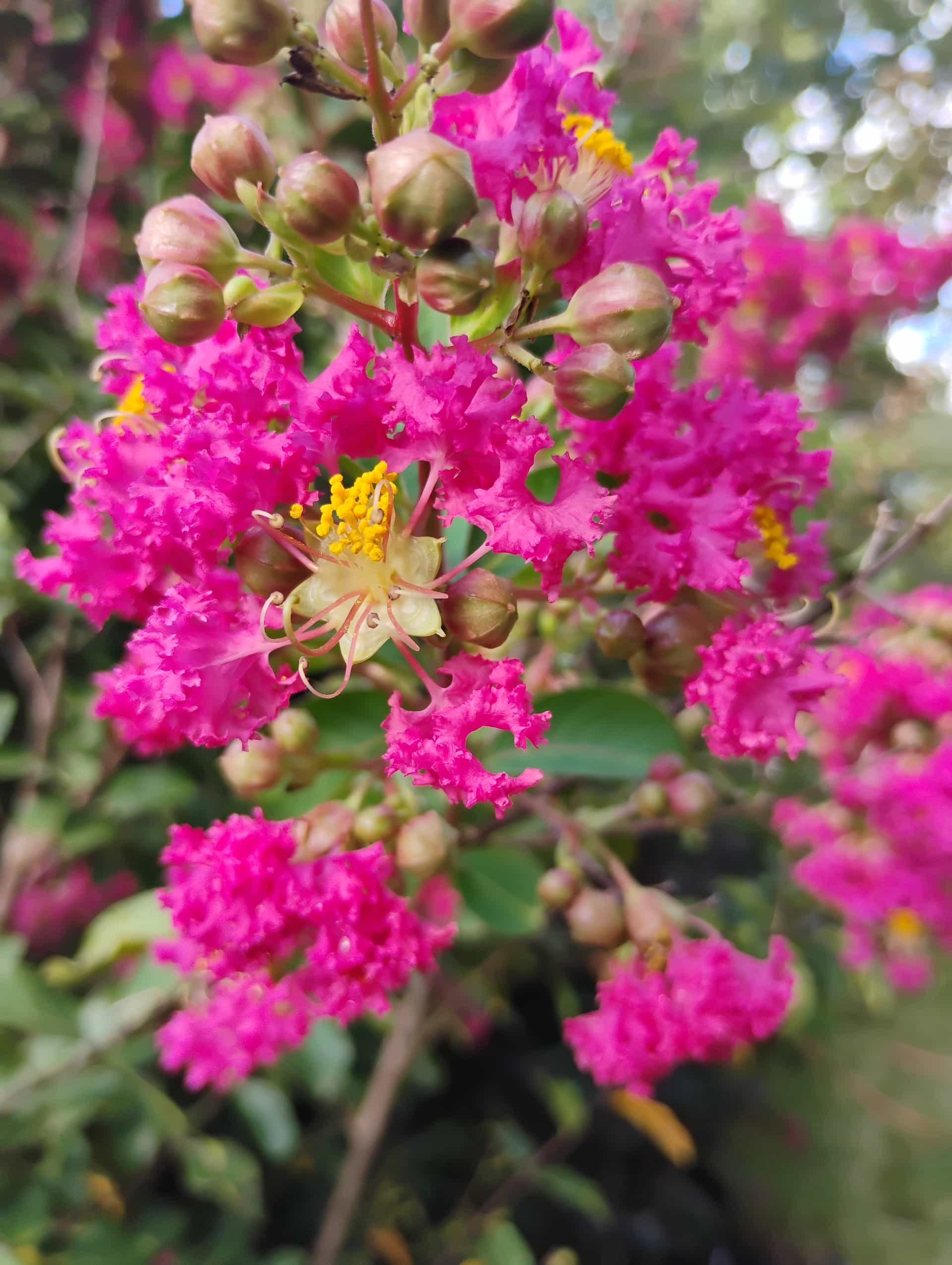 Tree
TreeCrape Myrtle
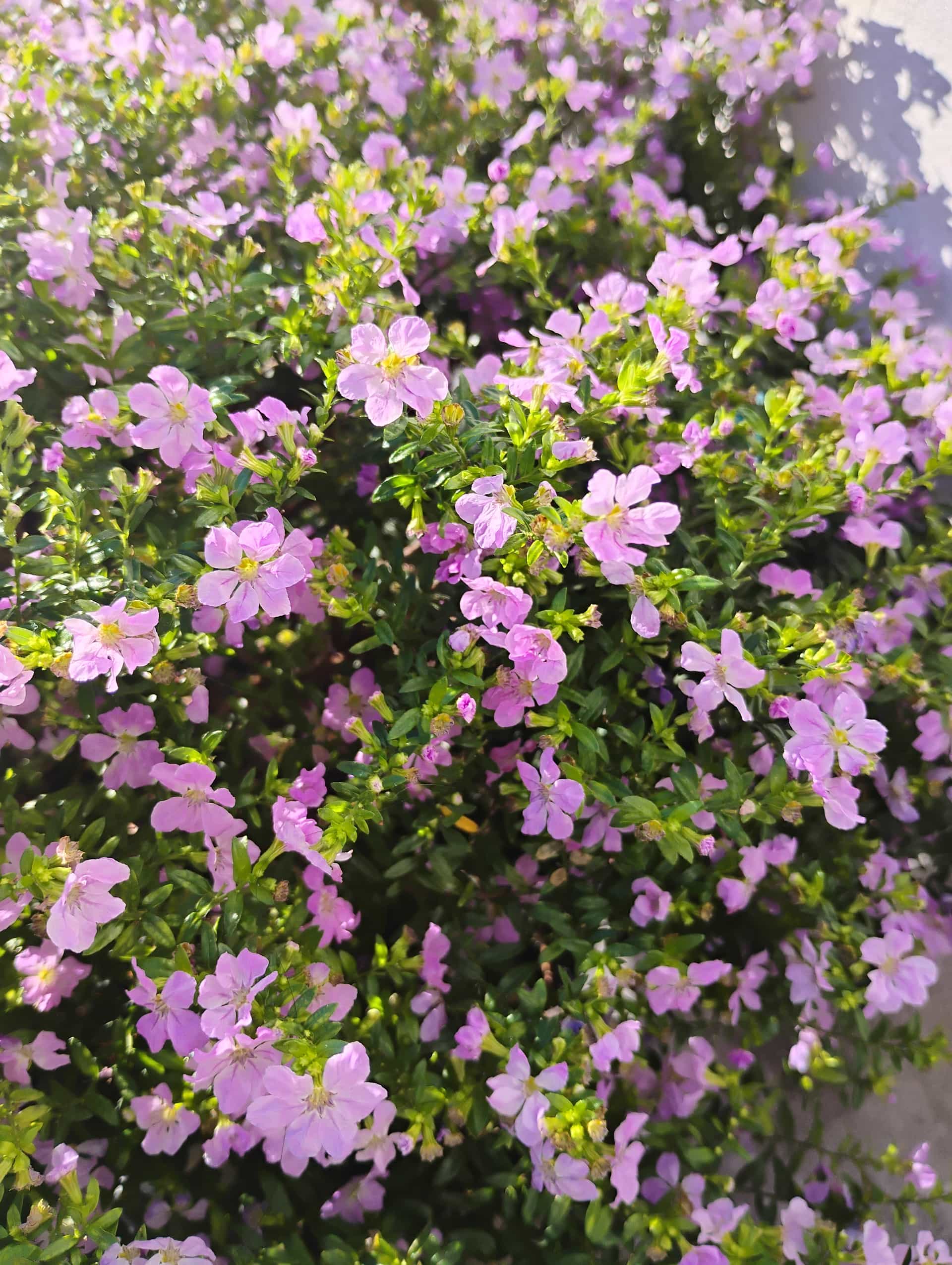 Shrub
ShrubCuphea
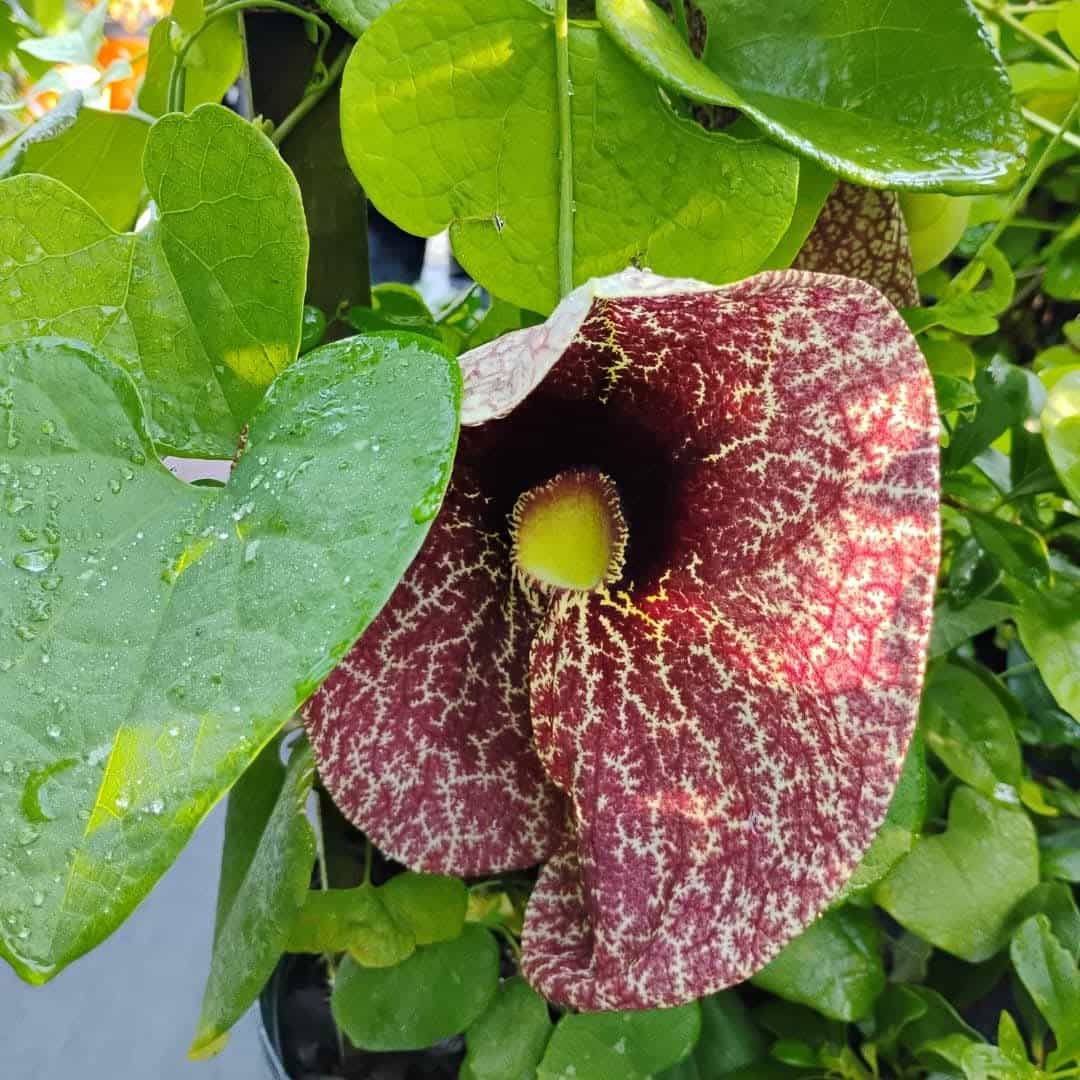 Vine
VineDutchman's Pipe
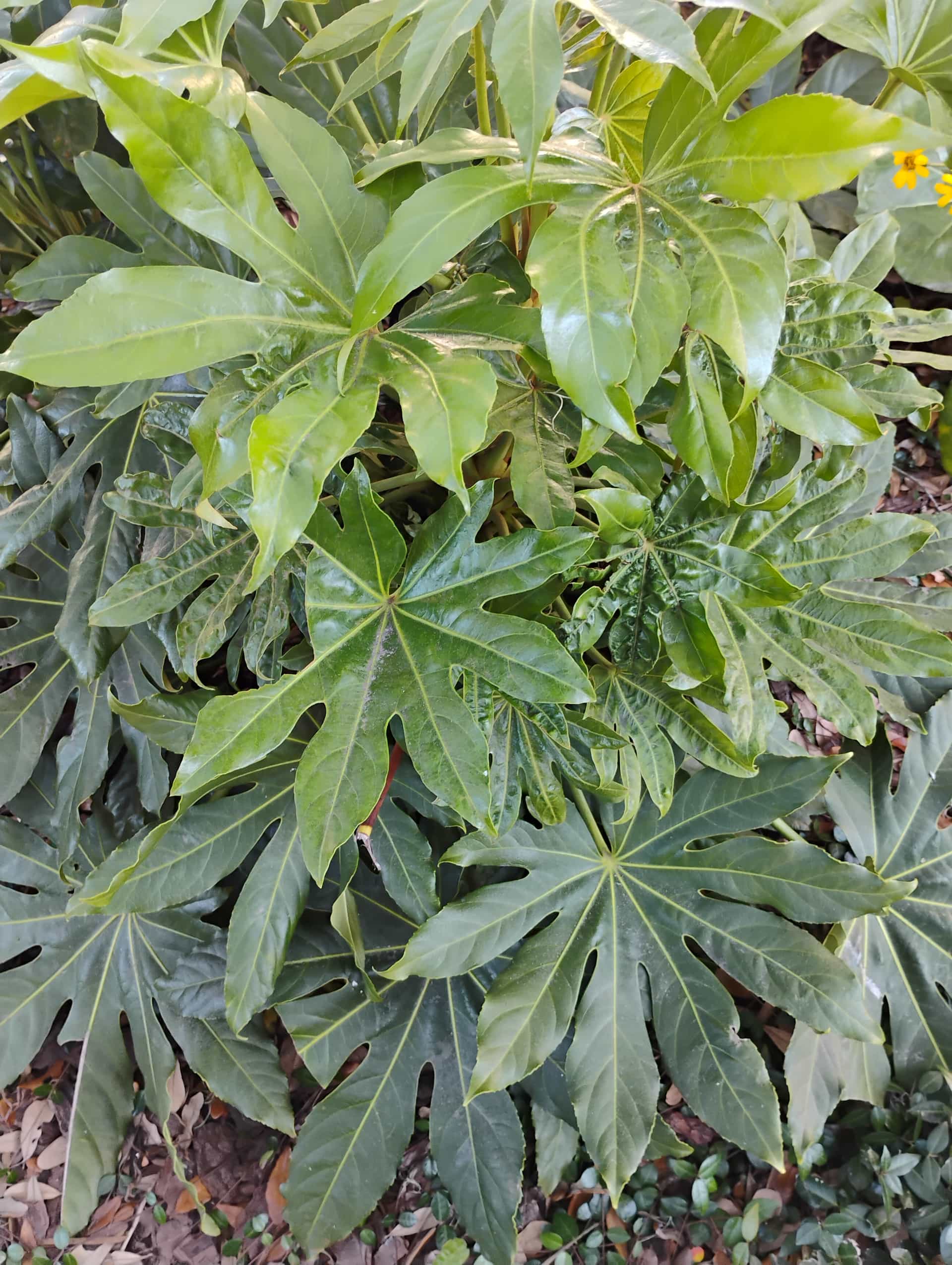 Shrub
ShrubFatsia
 Tree
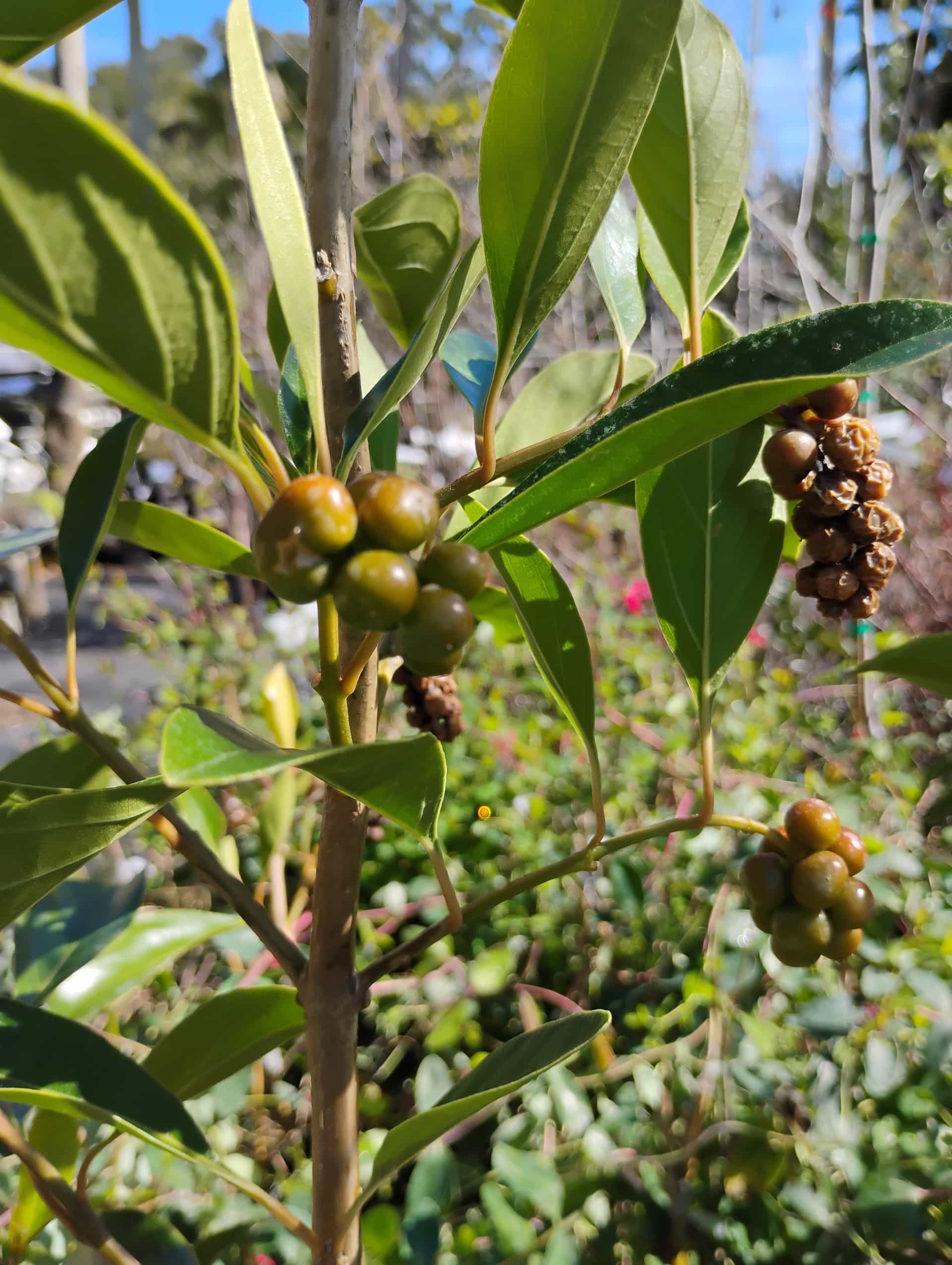
TreeFiddlewood
 Shrub
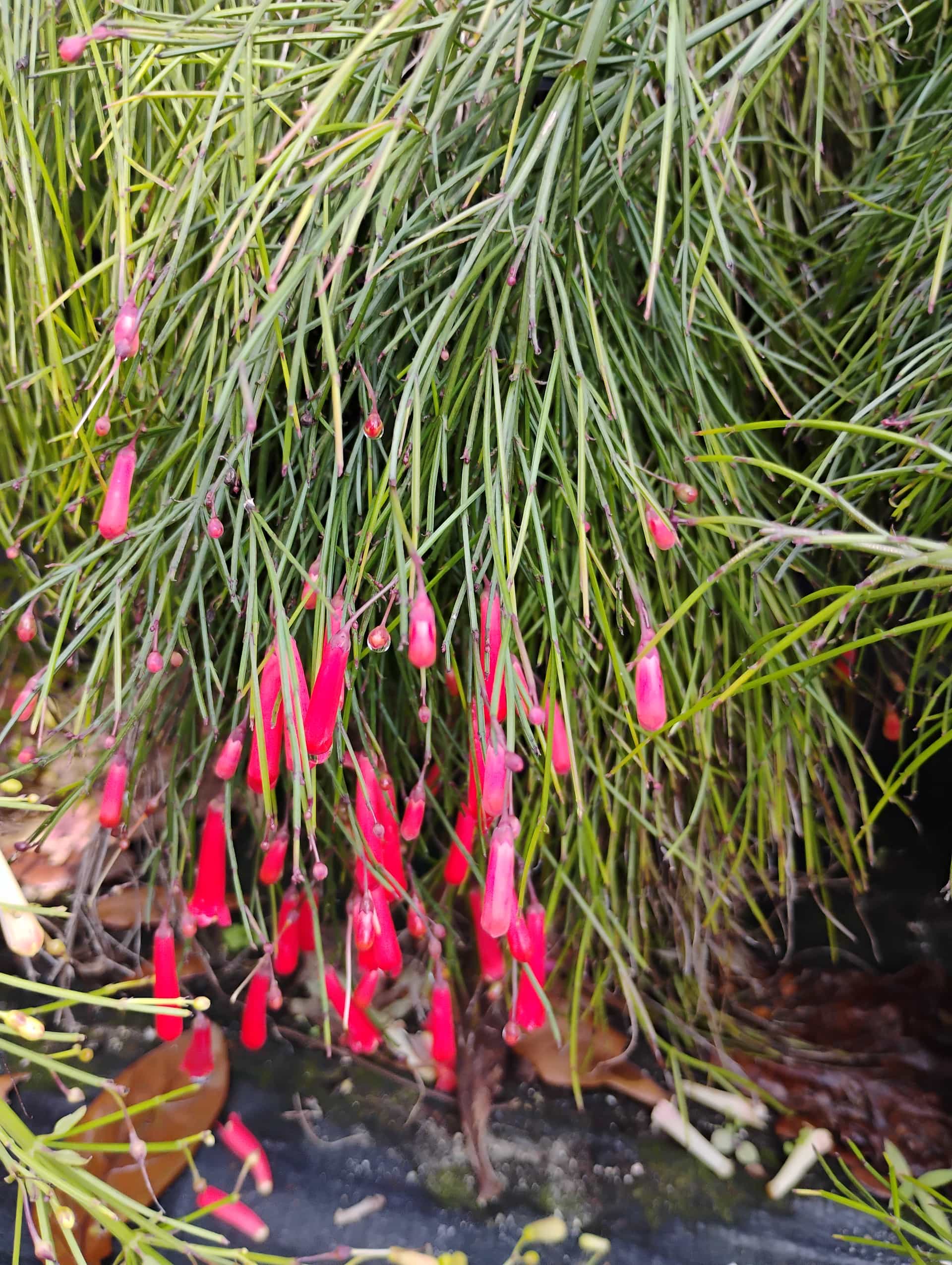
ShrubFirecracker Plant
 Shrub
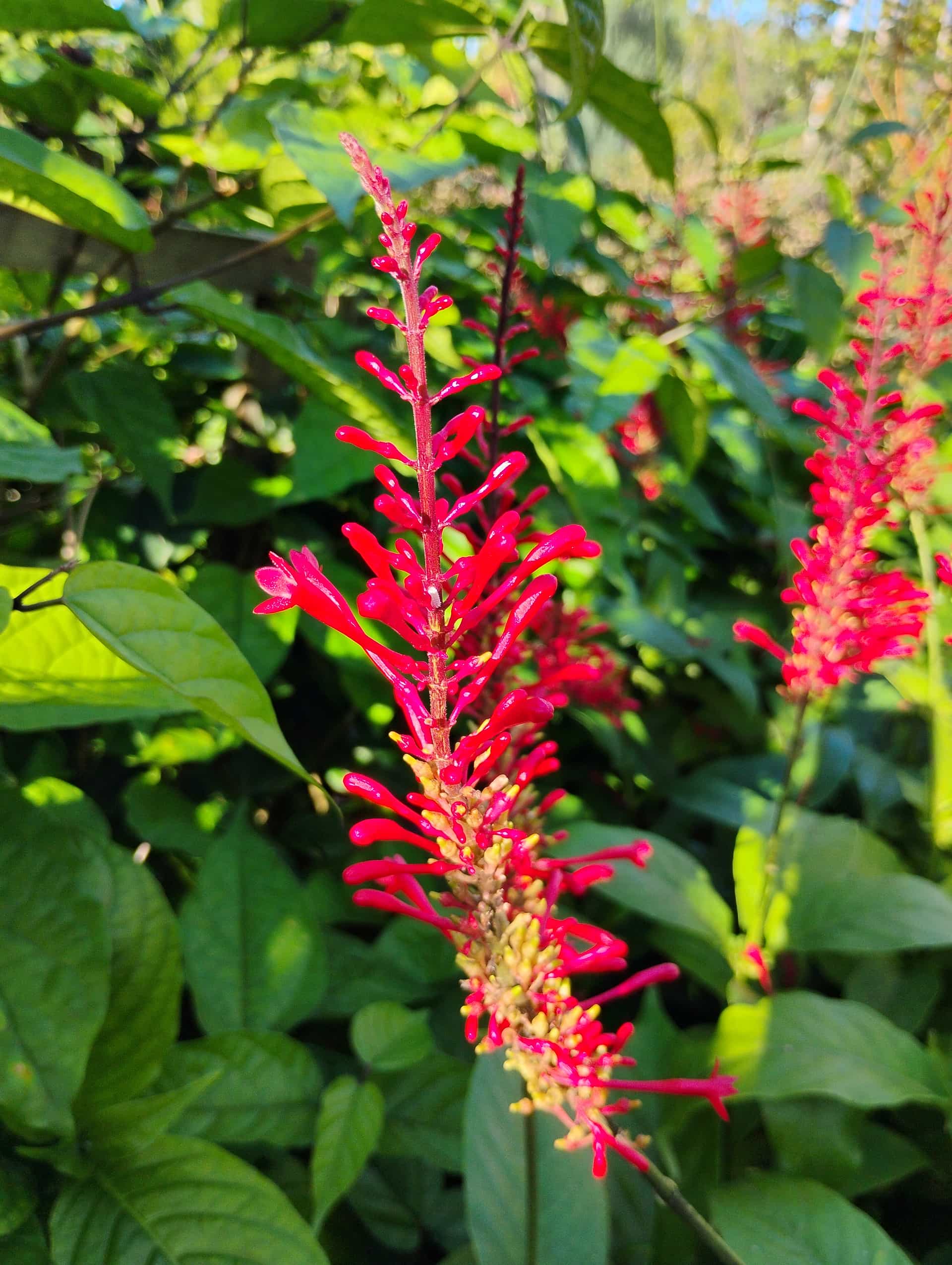
ShrubFirespike
 Perennial
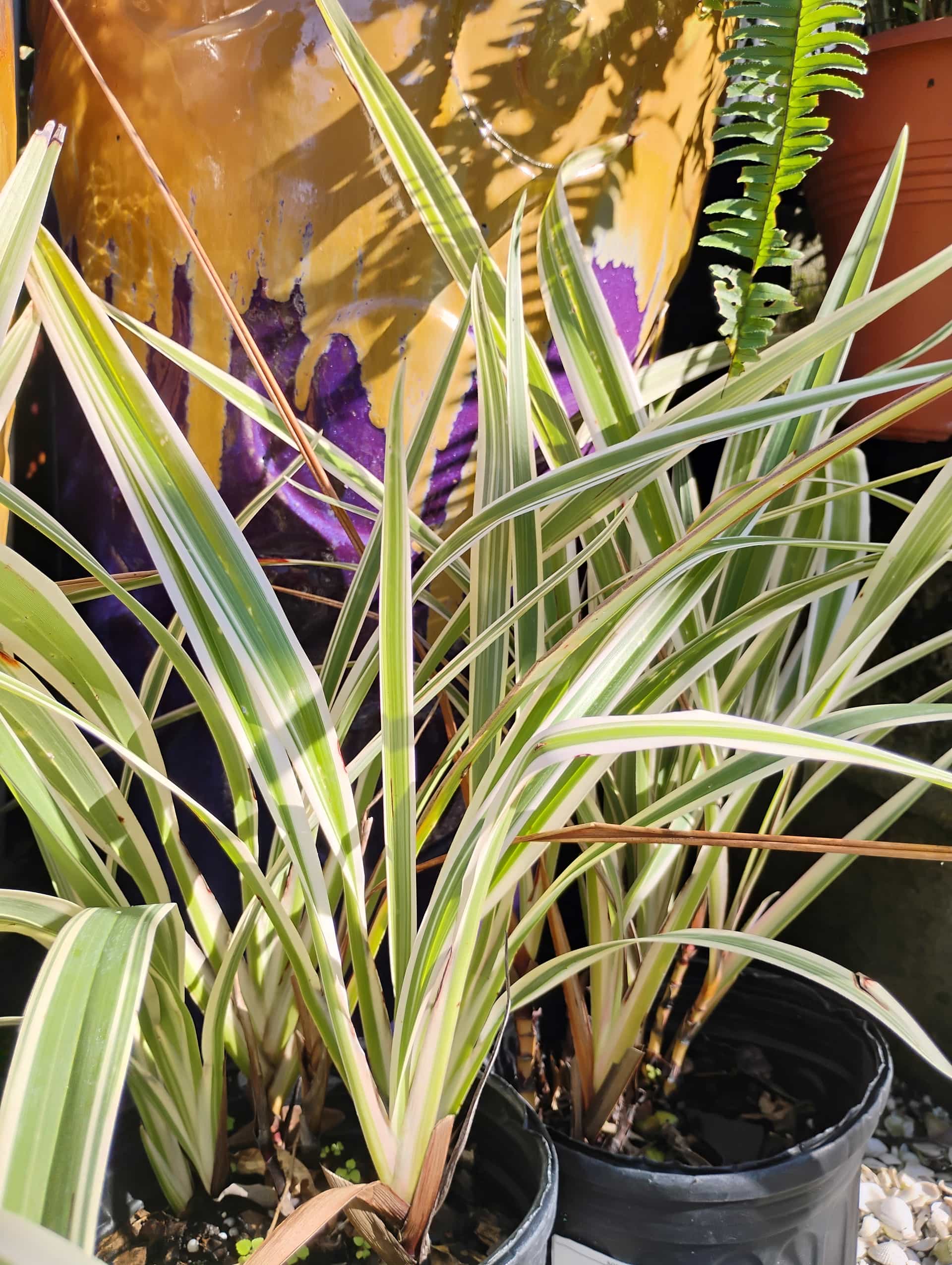
Flax Lily
Build a living garden
A pollinator planting works best when it mixes nectar flowers, host plants, shelter, and staggered bloom times. Start with a few reliable species, then layer in color as the garden matures.
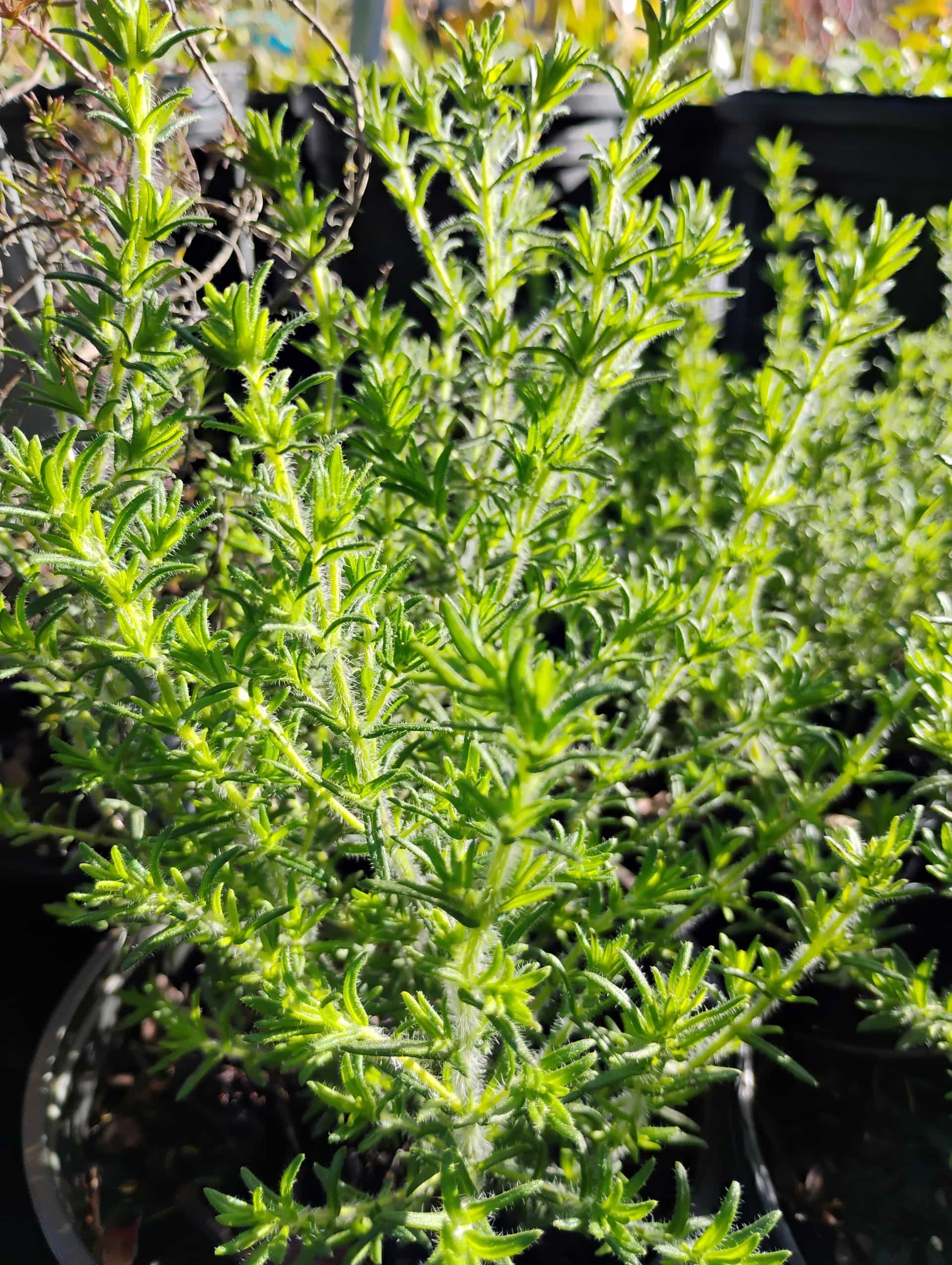 Shrub
ShrubFlorida Pennyroyal
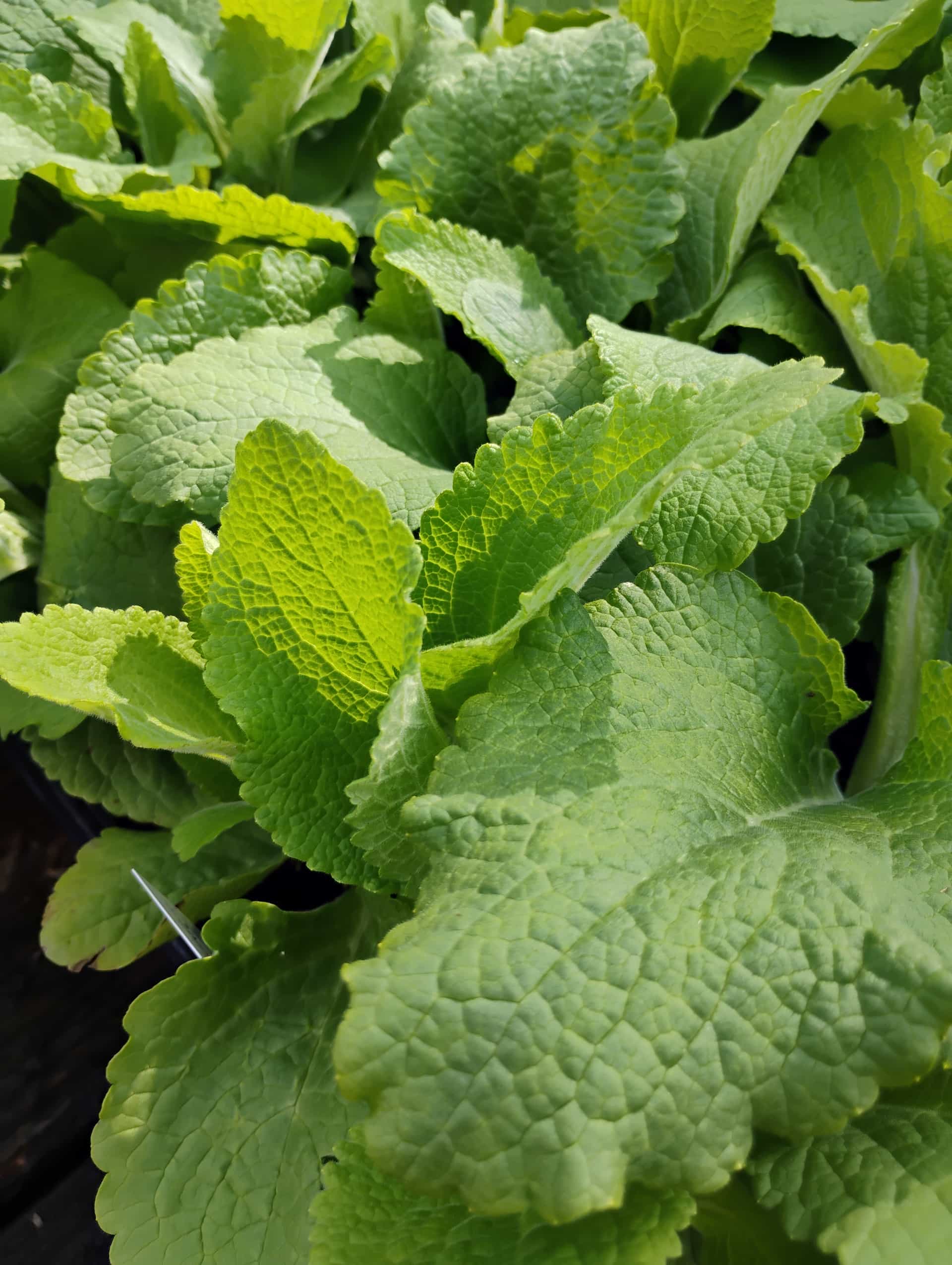 Perennial
Foxglove
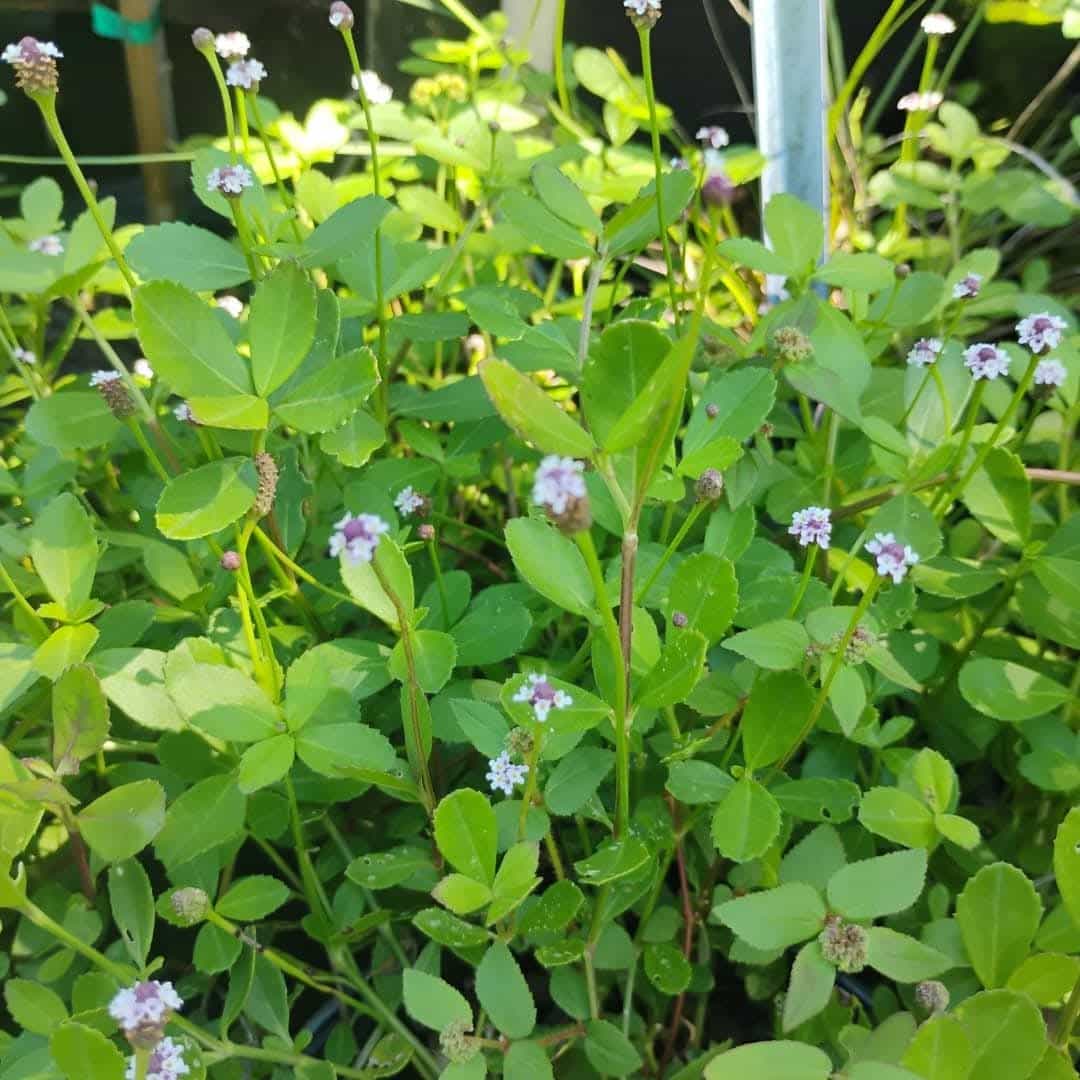 Groundcover
Frogfruit
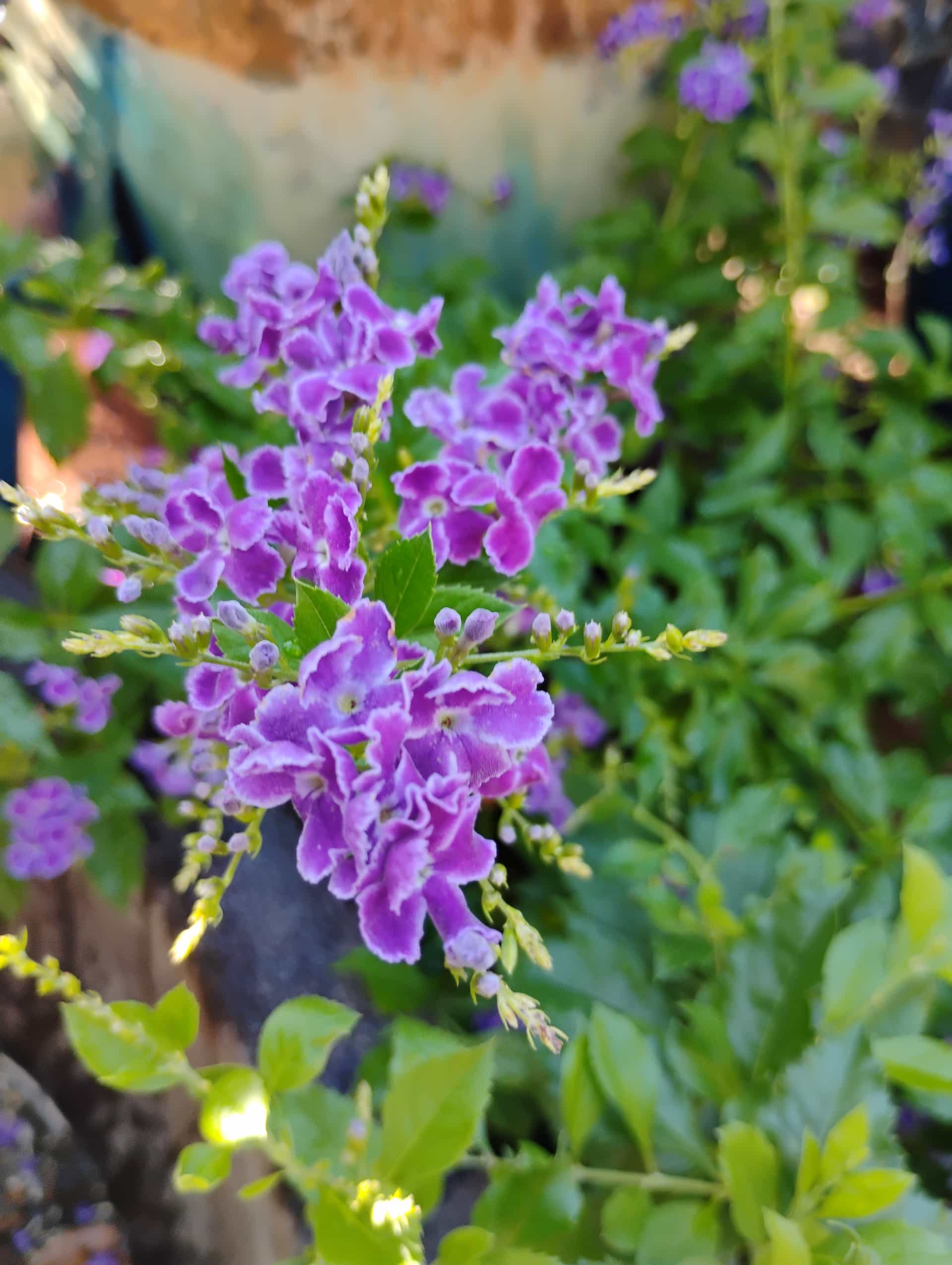 Shrub
ShrubGolden Dewdrop
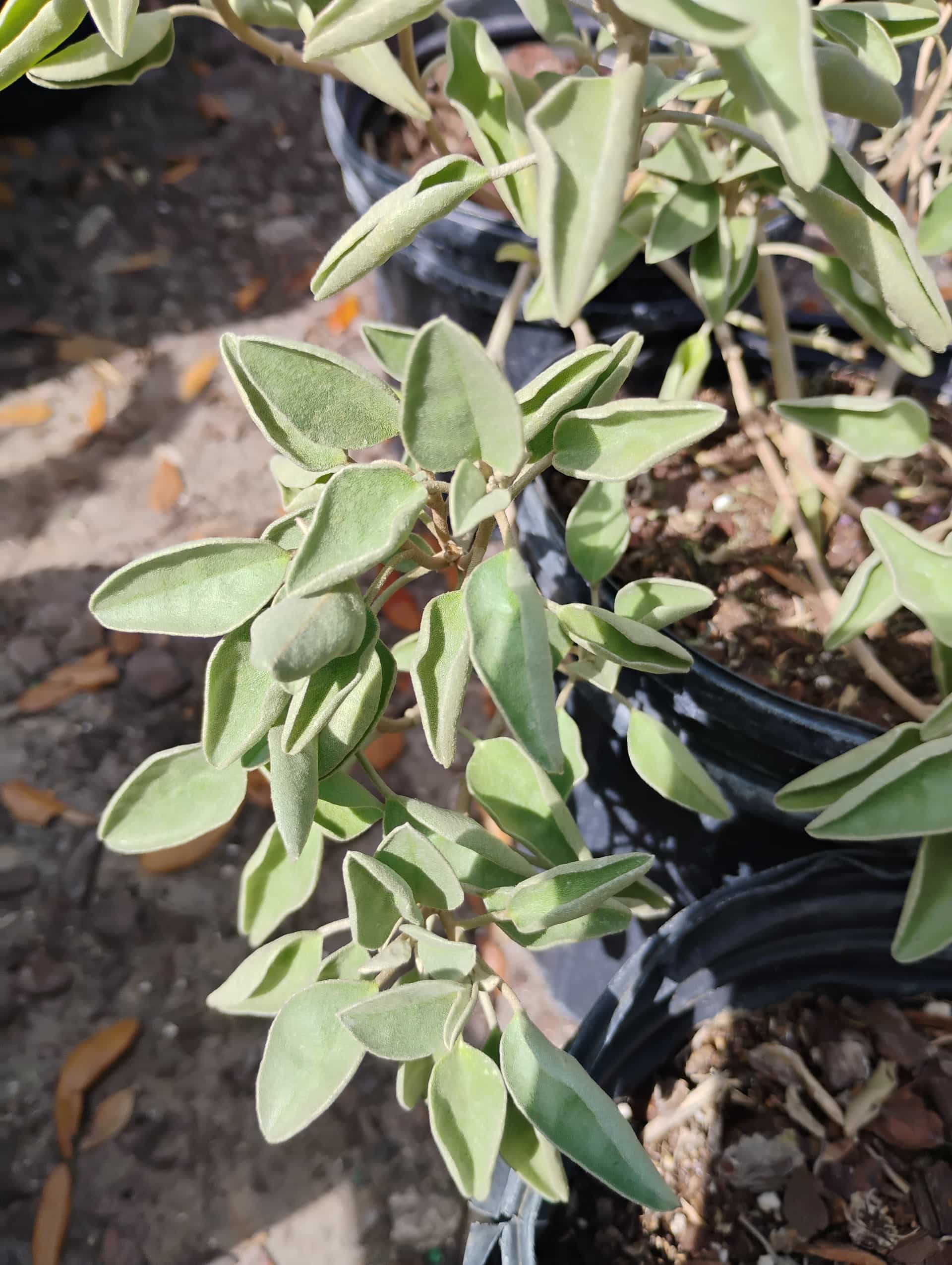 Shrub
ShrubGrayleaf Teabush
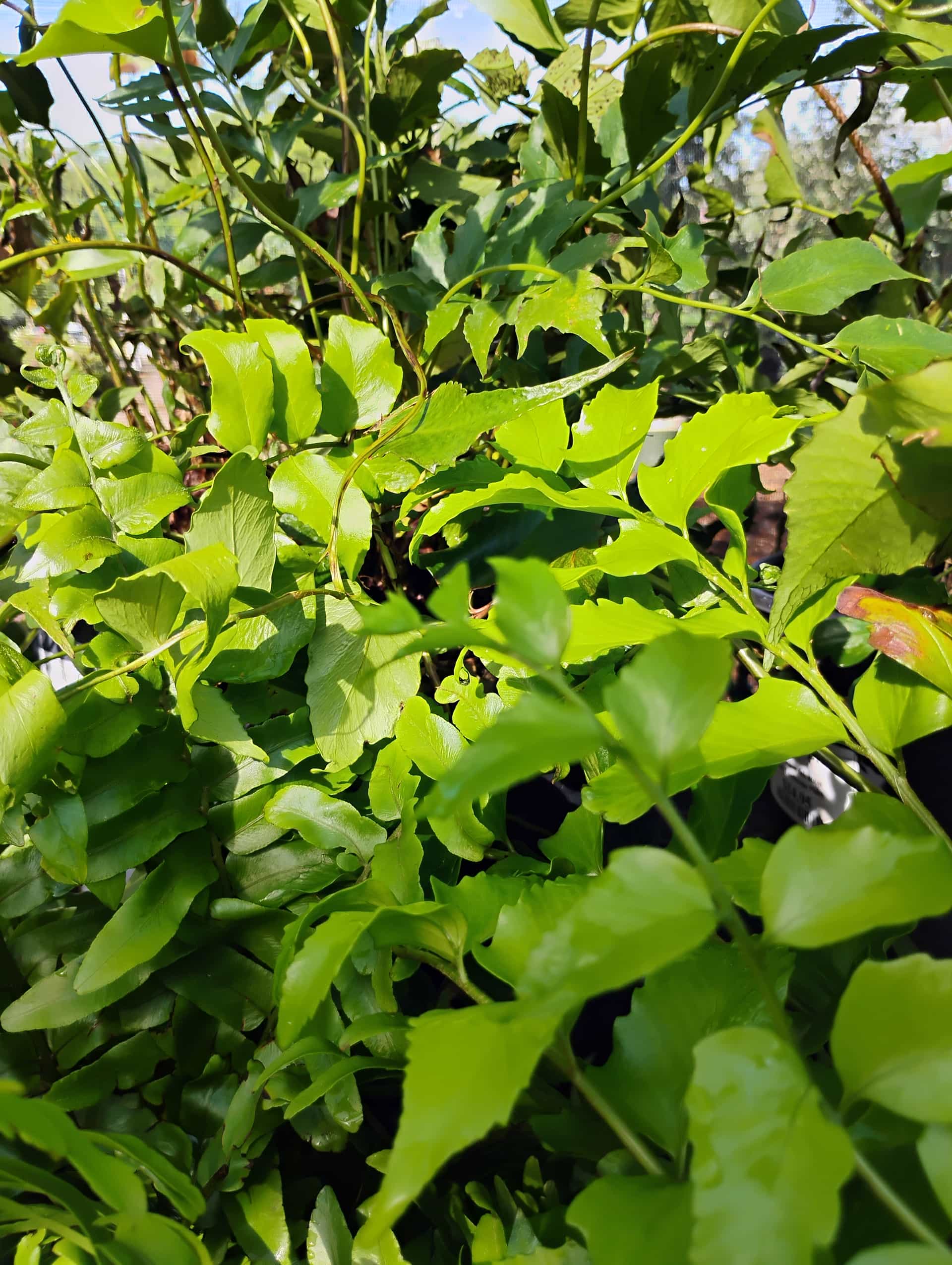 Fern
FernHolly Fern
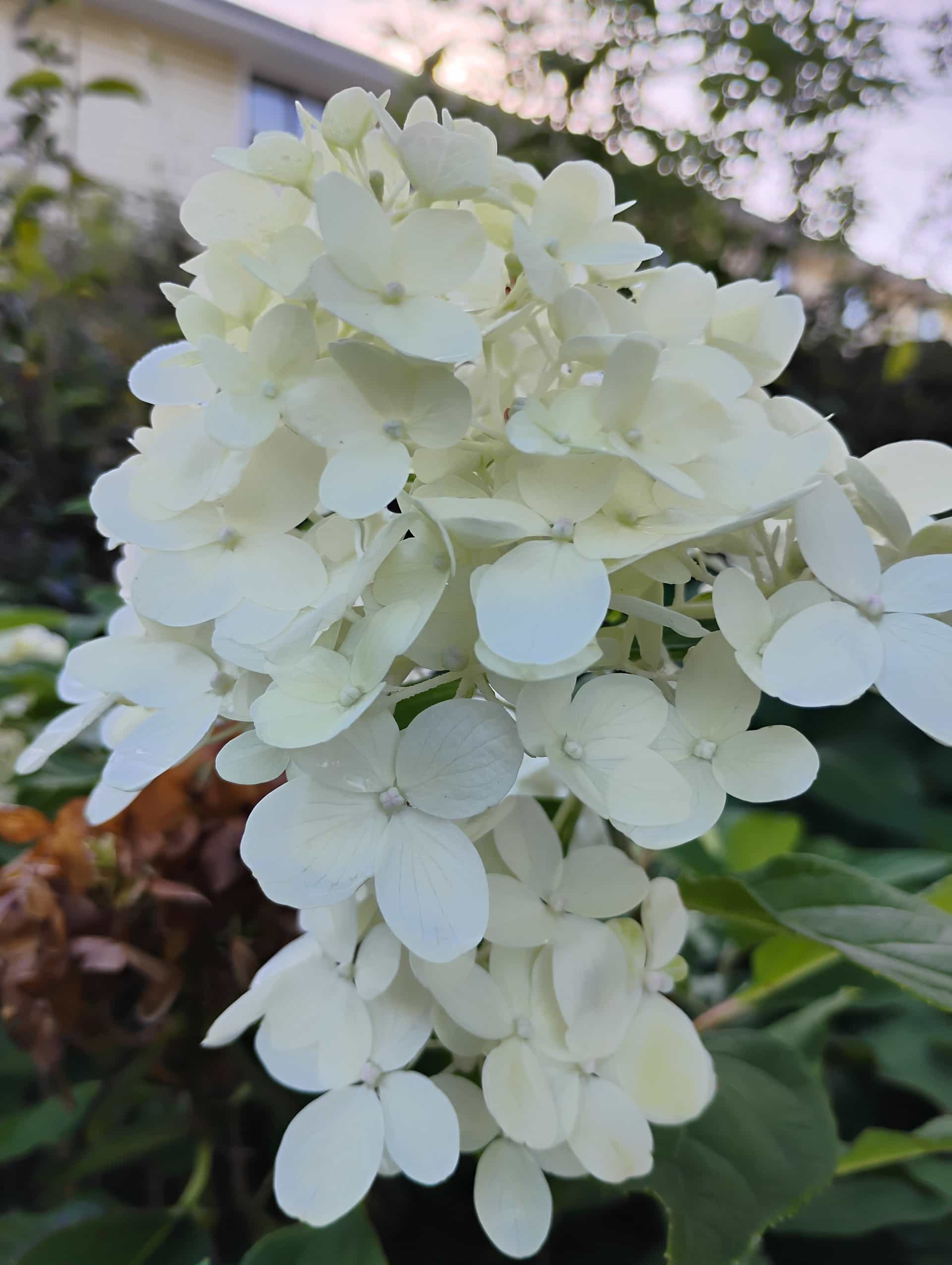 Shrub
ShrubHydrangea
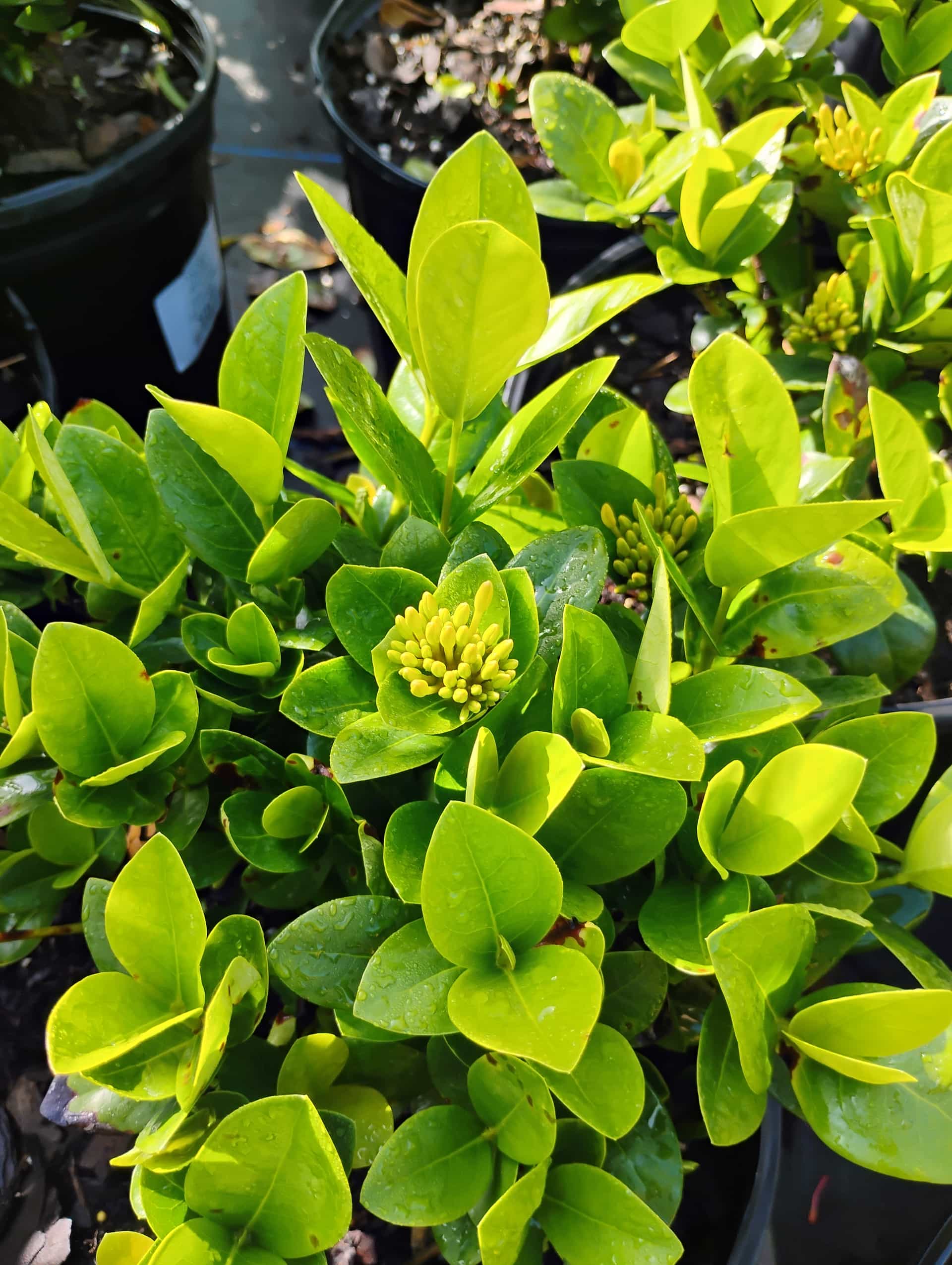 Shrub
ShrubIxora
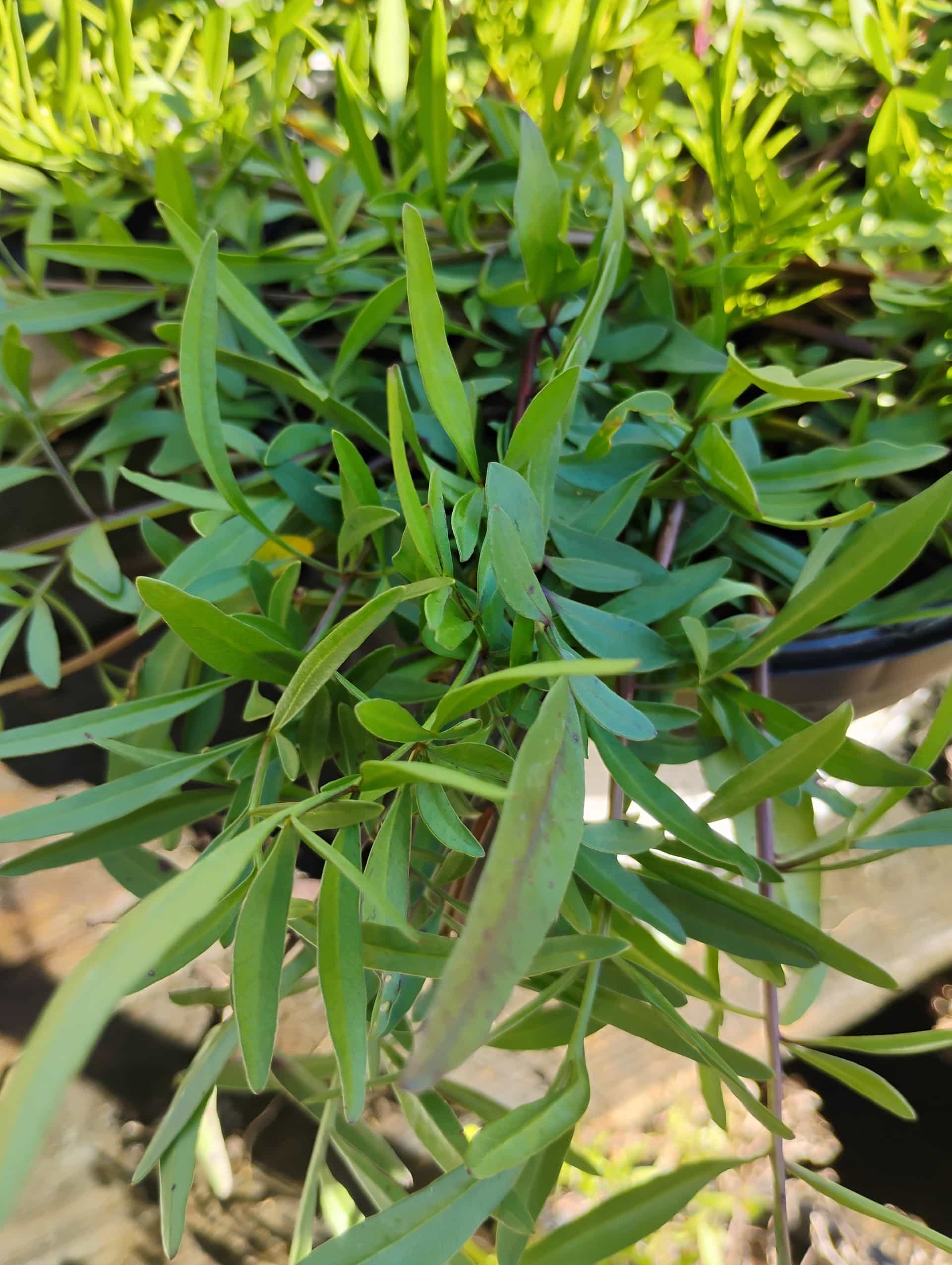 Perennial
Lanceleaf Coreopsis
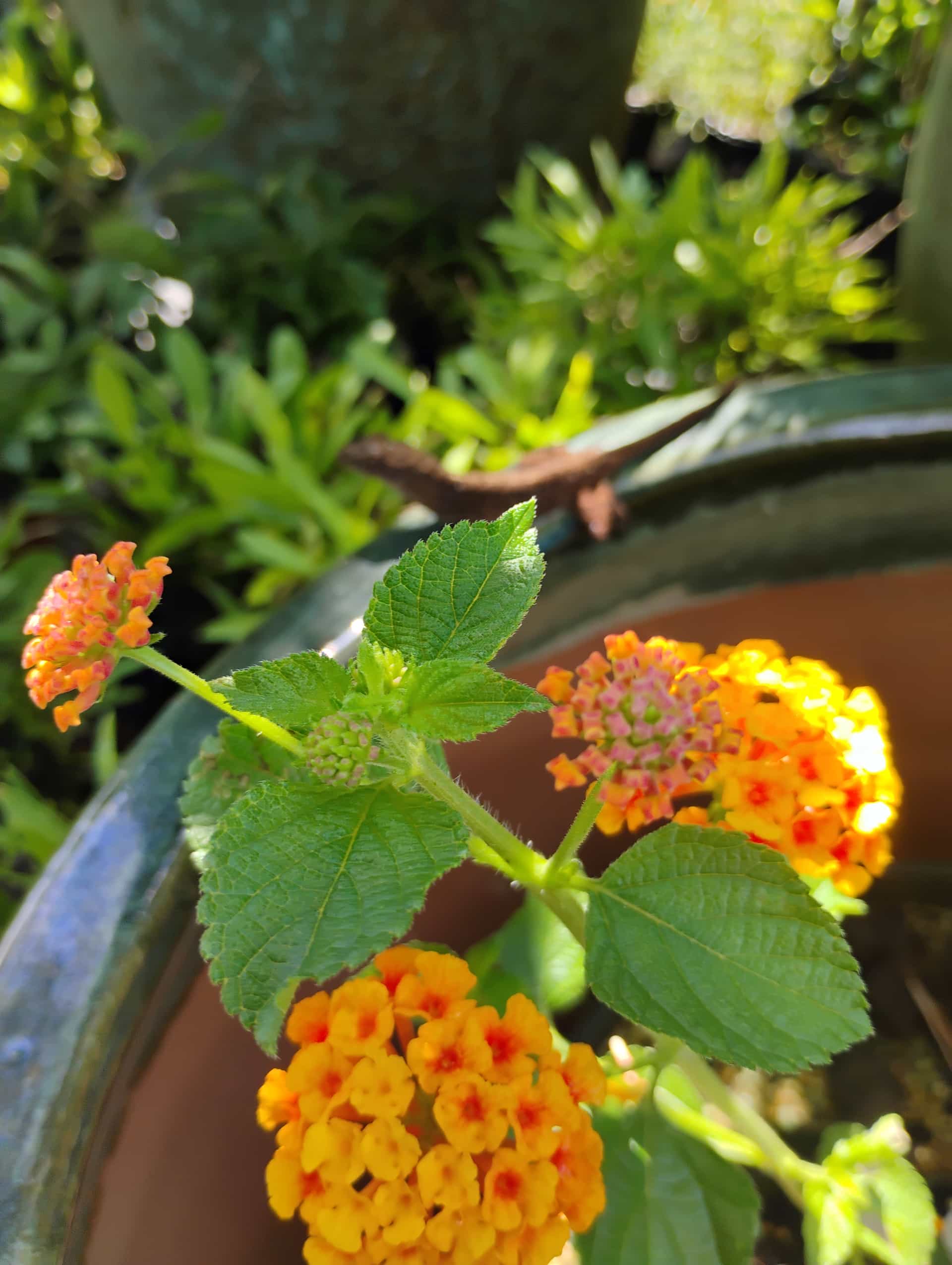 Perennial
Lantana
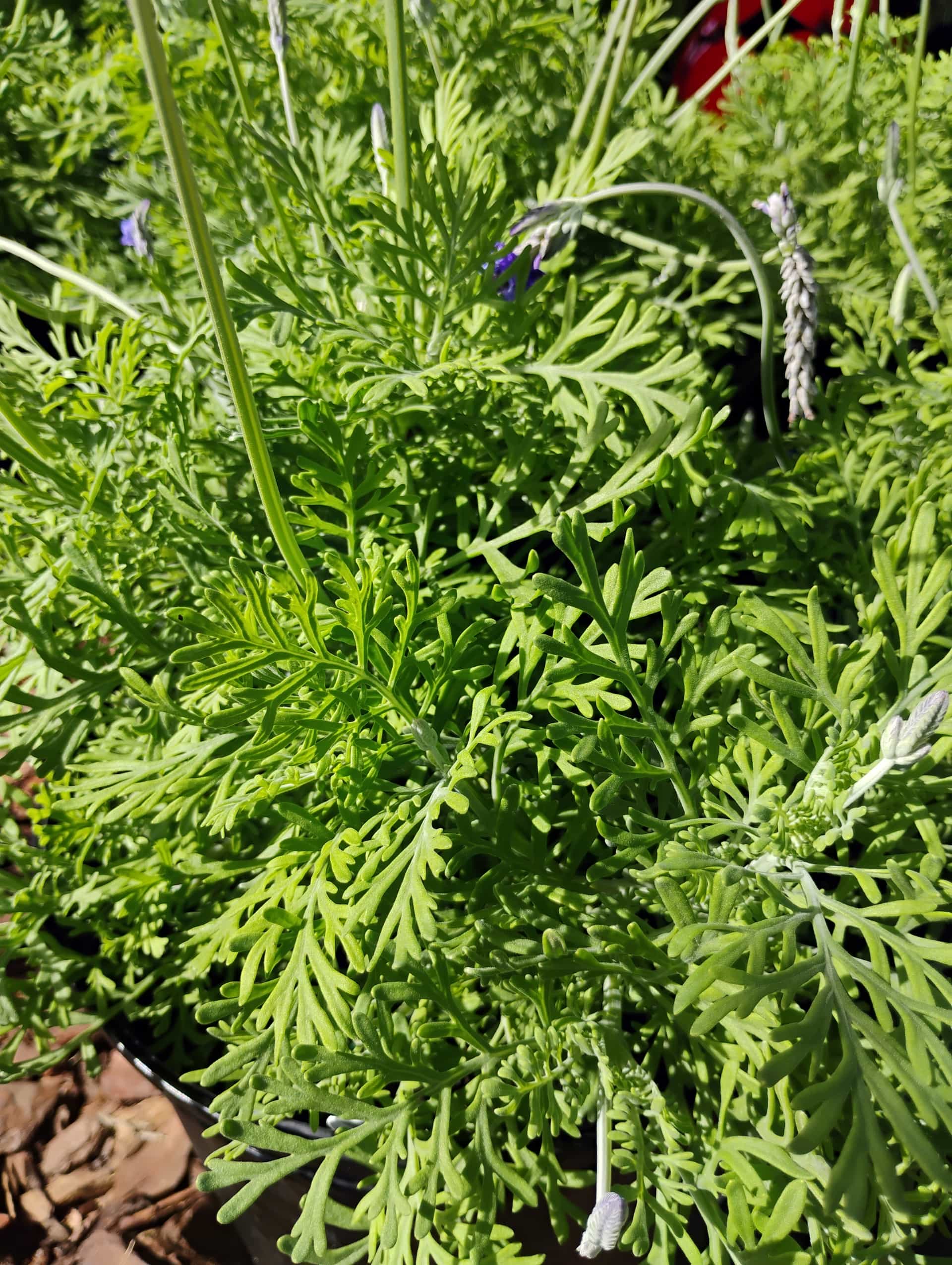 Perennial
Lavender
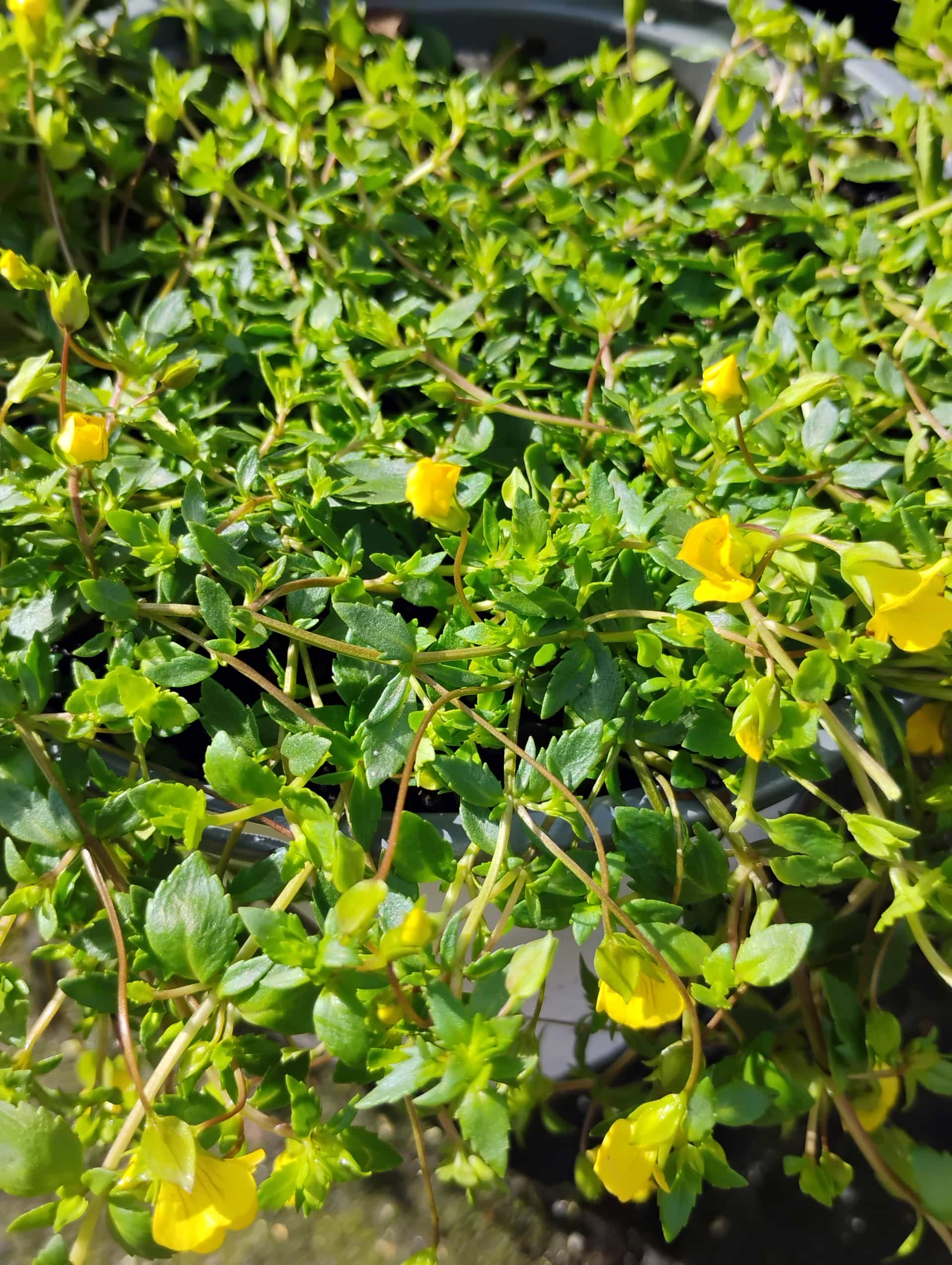 Herb
HerbLemon Verbena
Pollinator Friendly Questions
What makes a plant pollinator friendly?+
Pollinator-friendly plants provide nectar, pollen, host foliage, shelter, or seasonal bloom that supports bees, butterflies, hummingbirds, and beneficial insects.
How many pollinator plants should I start with?+
Start with three to five reliable species and plant them in visible groups so pollinators can find flowers easily.
Do pollinator plants need full sun?+
Many heavy-blooming pollinator plants prefer full sun, but shade gardens can still support pollinators with the right native and Florida-Friendly selections.
When should I plant a pollinator garden in St. Augustine?+
Spring and fall are great windows in Zone 9b, and our mild winters mean something can bloom for pollinators in most months when you mix species.
Will a pollinator garden bring bees close to my house?+
It can draw bees, butterflies, and other pollinators, though most stay focused on the flowers. You can site the busiest blooms away from doorways and patios.
What are the best plants for hummingbirds in Florida?+
Hummingbirds favor tubular, nectar-rich blooms. In Zone 9b, firebush, firespike, coral honeysuckle, salvia, and cape honeysuckle are reliable draws. Plant them in groups with a sequence of bloom so nectar is available across the warm months.