
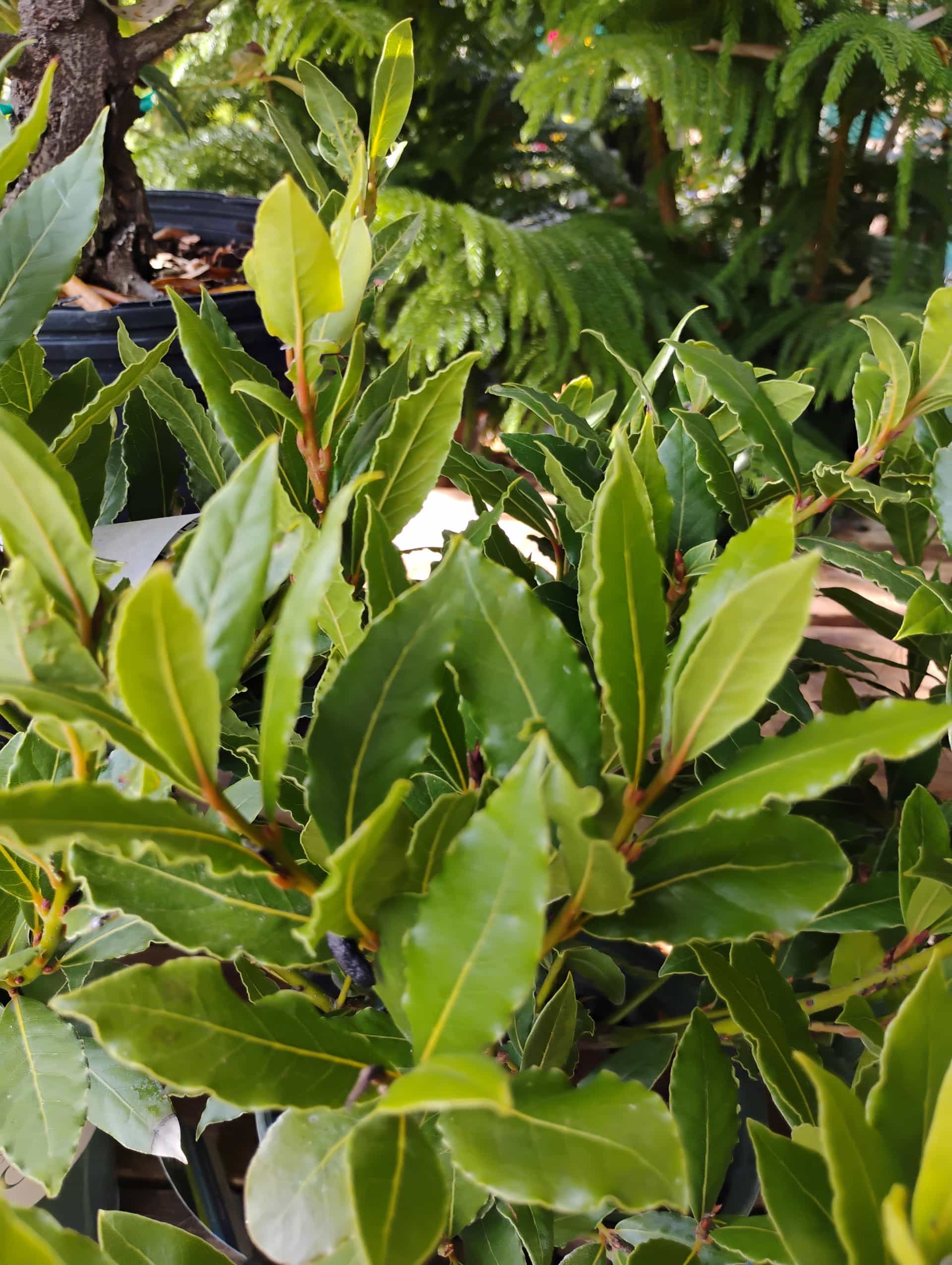
Bay Laurel
Laurus nobilis
Varieties We Bring In
Last received Jul 19, 2026.
We bring this in seasonally, so what is on the lot changes week to week. A received date shows when it last came in, not that it is here today.
Call (904) 471-0440 to confirm this plant and size before you make the trip.
About Bay Laurel
Bay Laurel (Laurus nobilis) is an aromatic evergreen tree or large shrub native to the Mediterranean, with leathery, lance-shaped leaves used as a classic culinary herb. Small yellow flowers give way to dark berries in fall, and the plant is often trained as a formal topiary or standard. Starting at $24.95.
Plant details
- Bloom Season
- Spring
- Flower Color
- Yellow
- Growth Rate
- Slow
- Foliage
- Evergreen
- Soil
- Sandy, Loam, Well-drained
Best planting months
Seasonal care
Bloom season. Good planting window.
Active growing season.
Ideal planting window.
Retains foliage through winter. Can be planted in mild winter periods.
Care essentials
Bay Laurel grows in full sun to part shade; in NE Florida's hot summers, afternoon shade reduces heat stress and maintains better foliage color. Provide at least 4–6 hours of direct sun daily for compact, bushy growth.
Water regularly to maintain evenly moist (not wet) soil; allow the top 1–2 inches to dry between waterings. Bay Laurel is susceptible to root rot in waterlogged conditions — NE Florida's well-drained sandy soil is beneficial as long as consistent moisture is maintained.
Plant in well-drained, fertile soil at pH 6.0–7.0. Amend sandy NE Florida soil with compost at planting. Apply a balanced slow-release fertilizer in spring; Bay Laurel is a light feeder and excess fertilization promotes rank, weak growth.
Similar needs
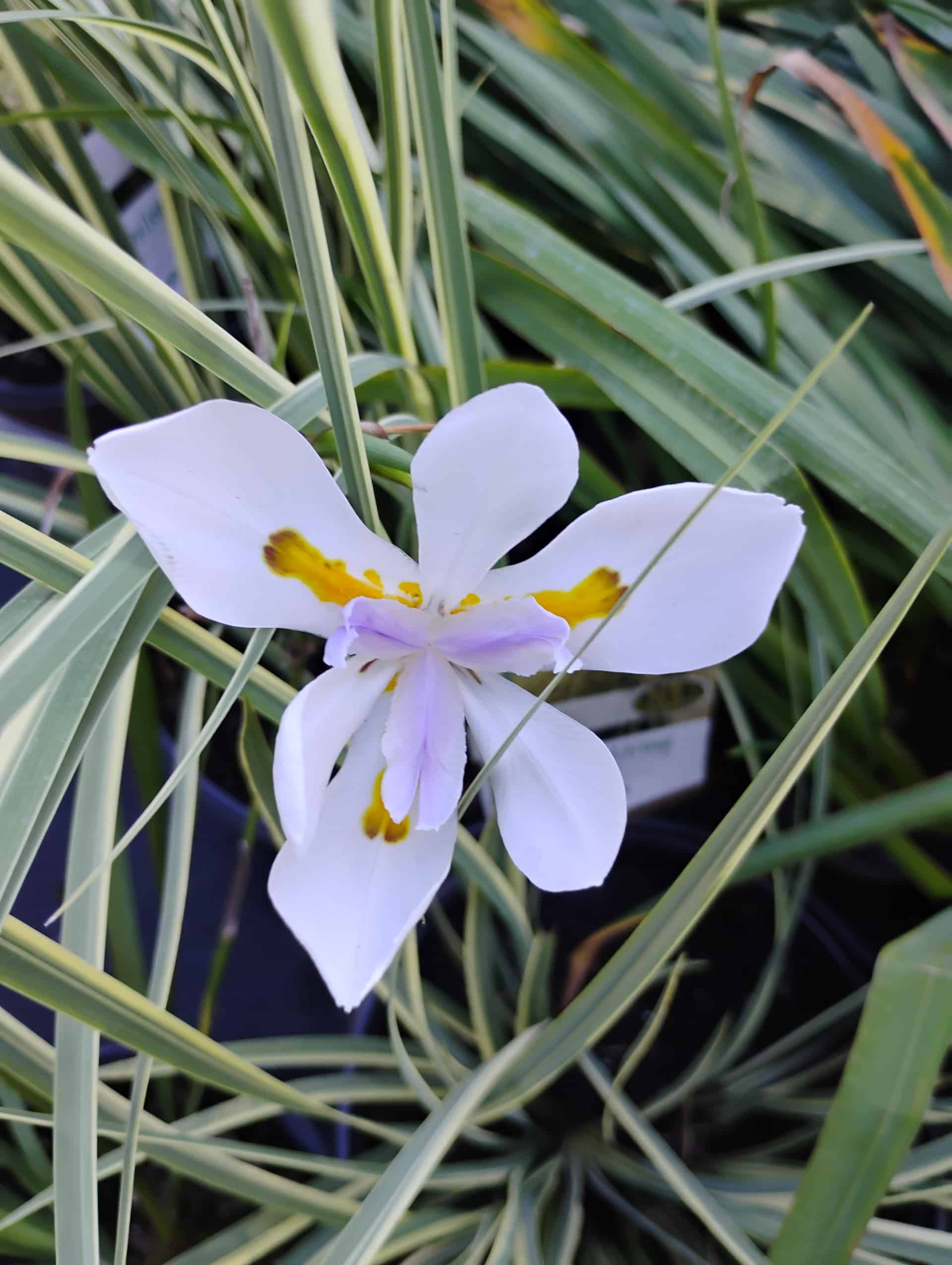
African Iris
Shares 6 of the same needs: full sun, moderate water, sandy, deer resistance, zone 9a hardiness, and pollinator-friendly.
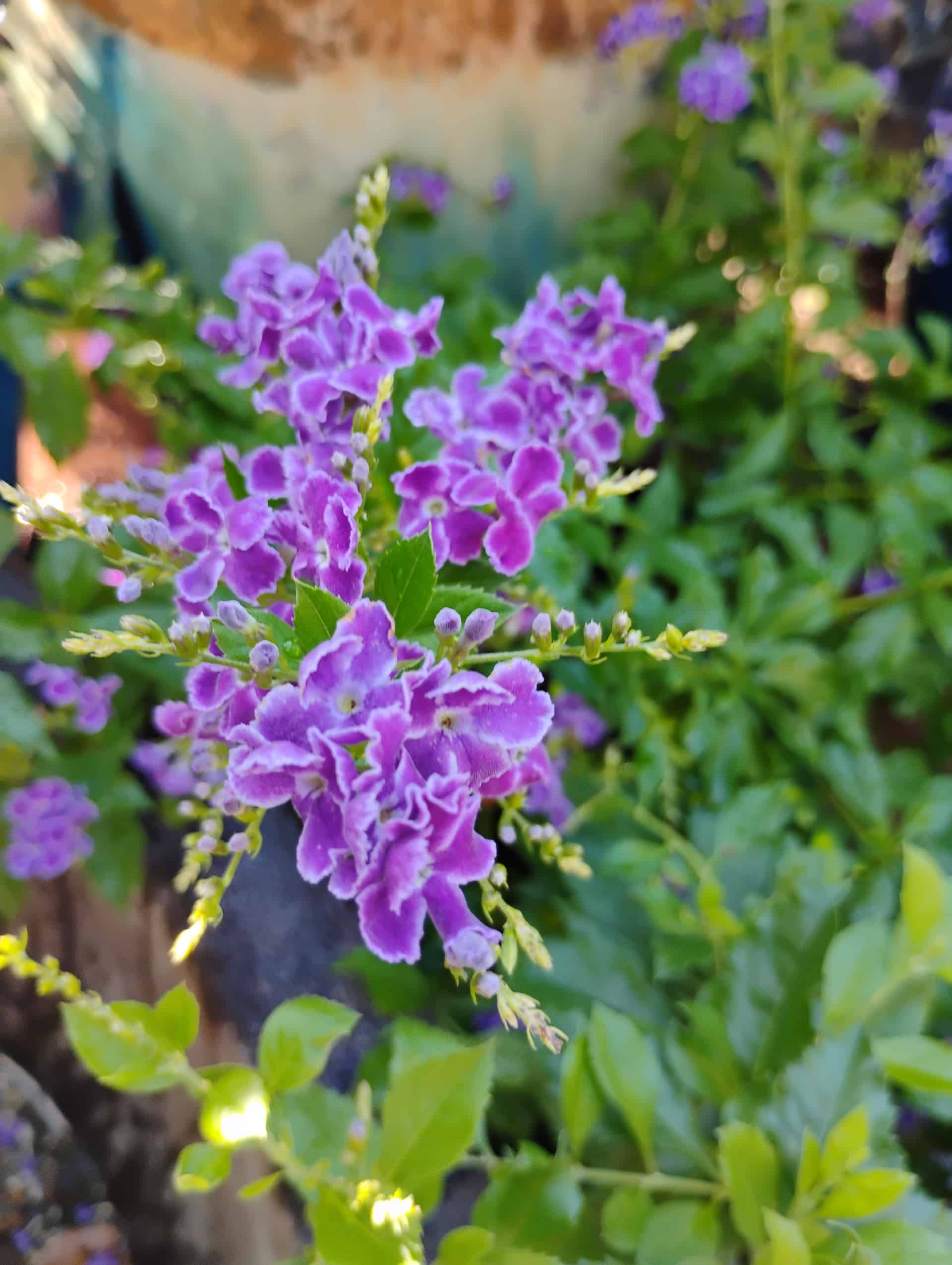
Golden Dewdrop
Shares 6 of the same needs: full sun, moderate water, sandy, deer resistance, zone 9a hardiness, and pollinator-friendly.
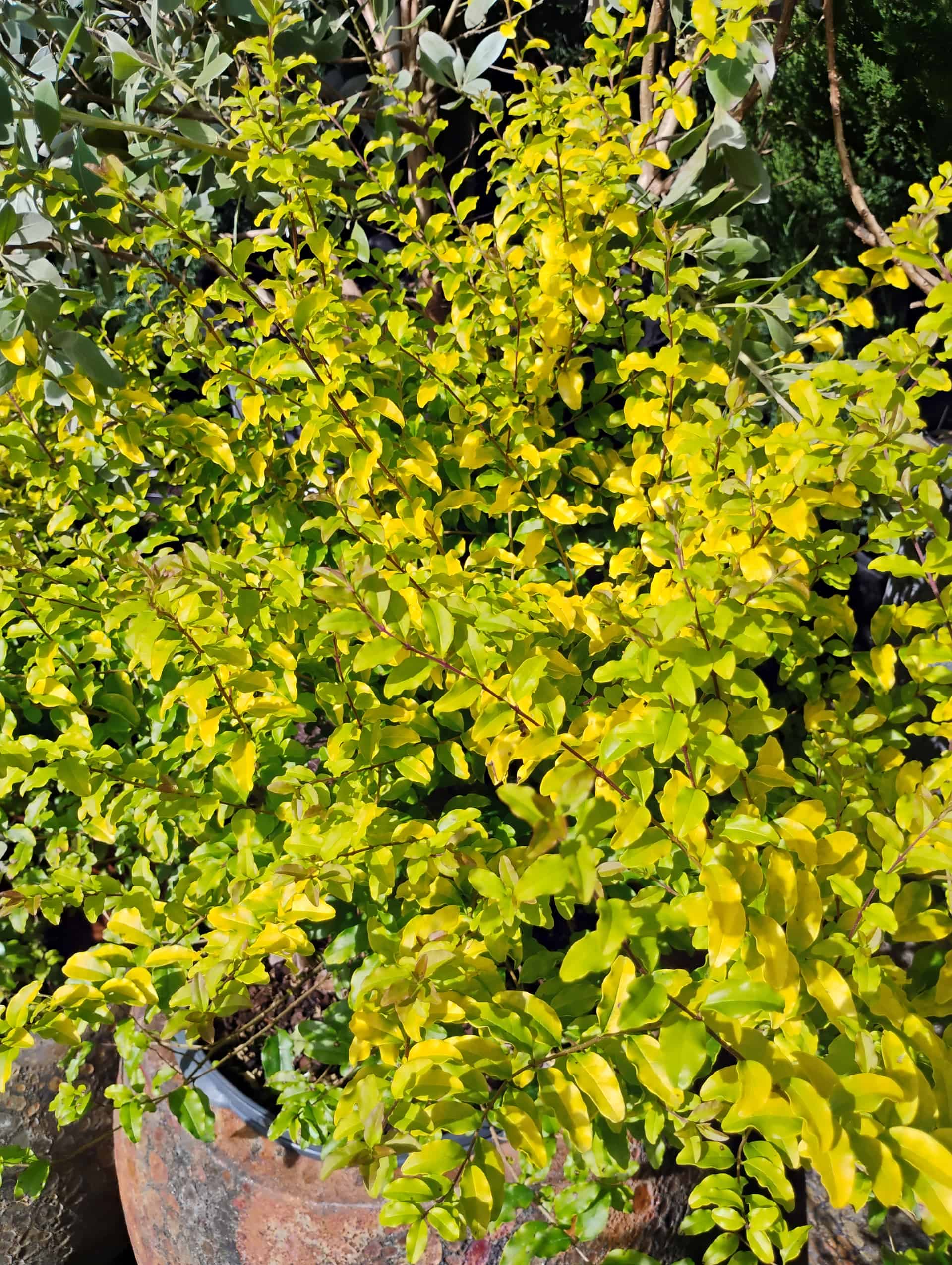
Ligustrum
Shares 6 of the same needs: full sun, moderate water, sandy, deer resistance, zone 9a hardiness, and pollinator-friendly.
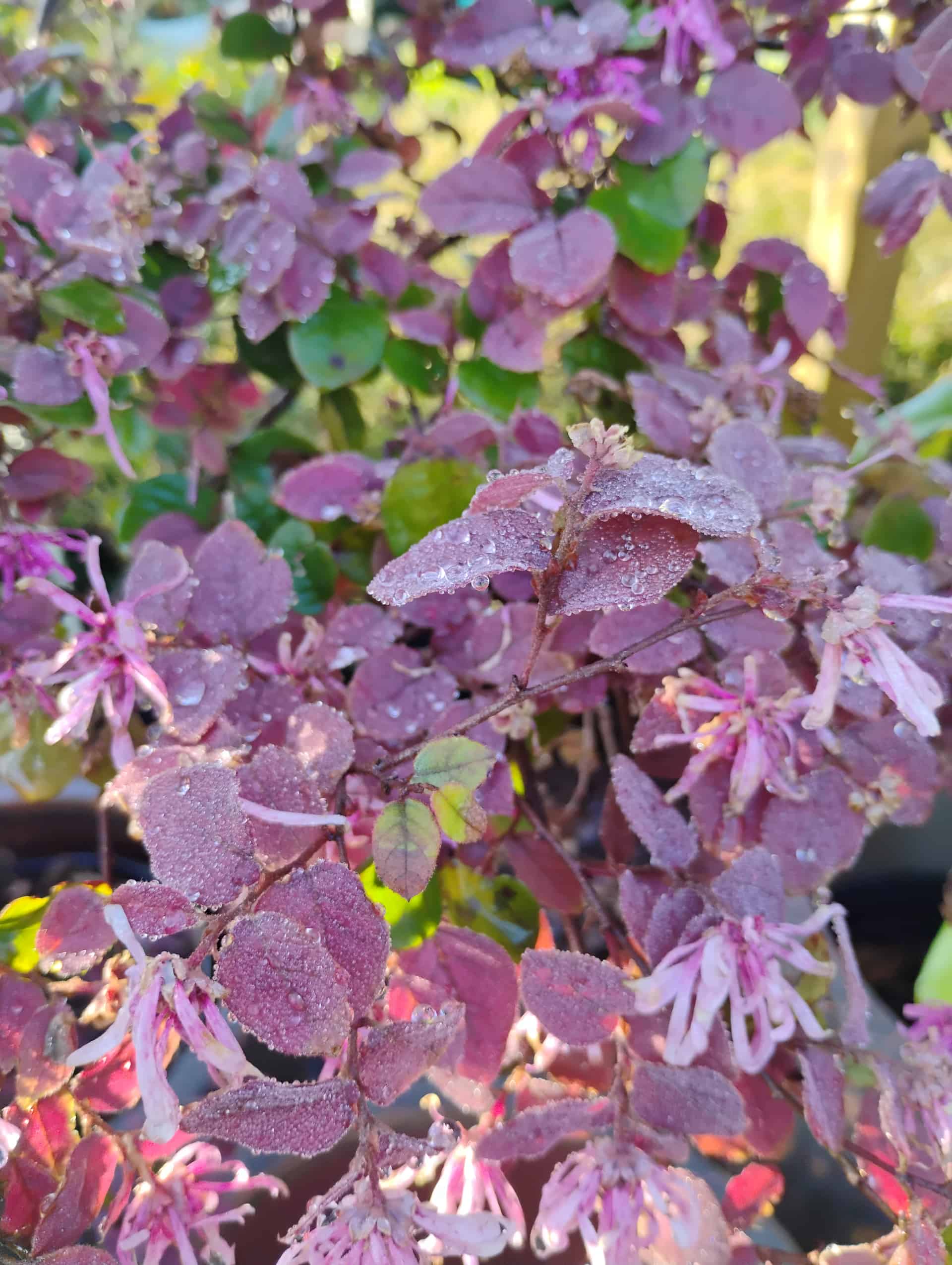
Loropetalum
Shares 6 of the same needs: full sun, moderate water, sandy, deer resistance, zone 9a hardiness, and pollinator-friendly.
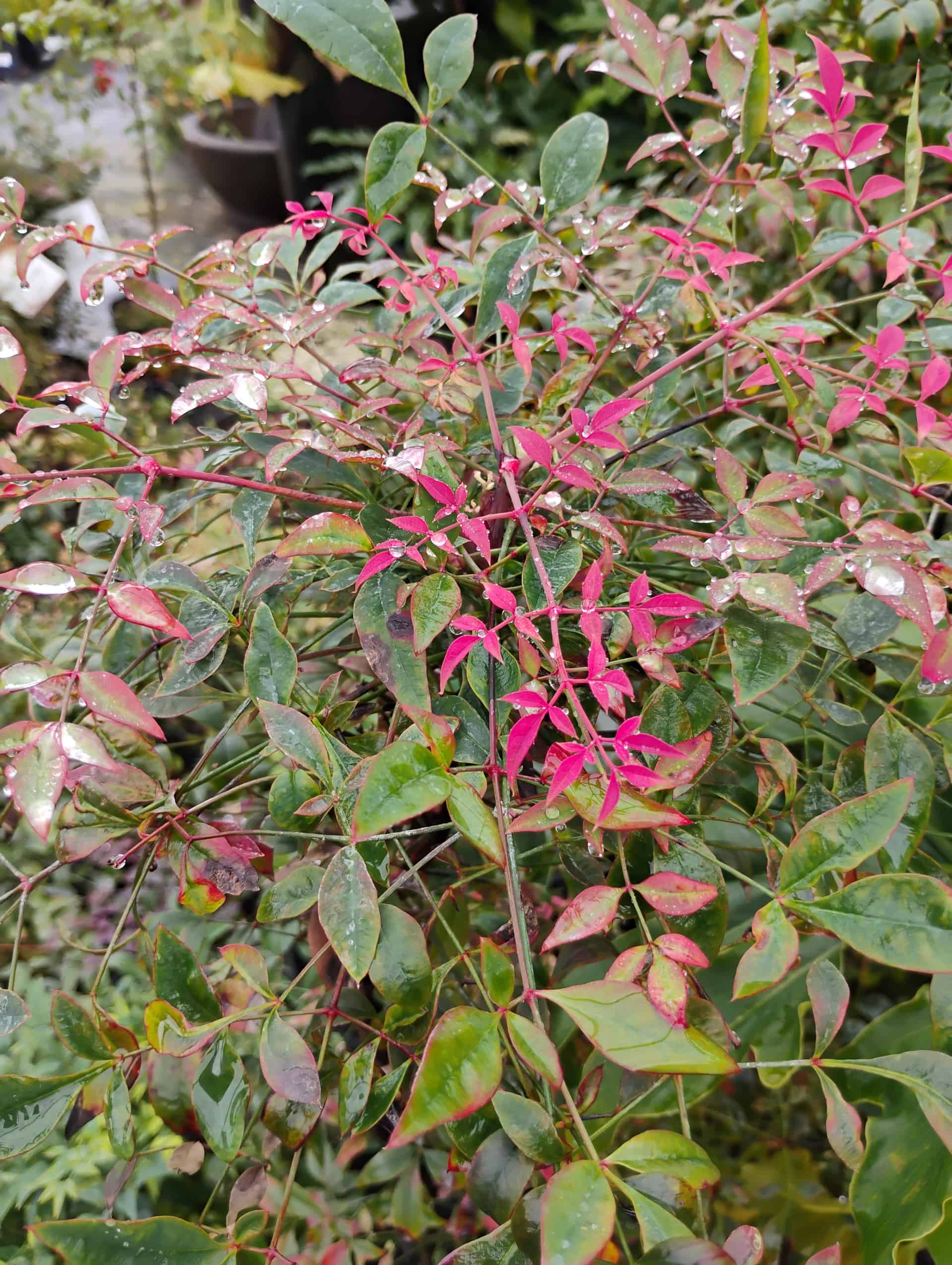
Nandina
Shares 6 of the same needs: full sun, moderate water, sandy, deer resistance, zone 9a hardiness, and pollinator-friendly.
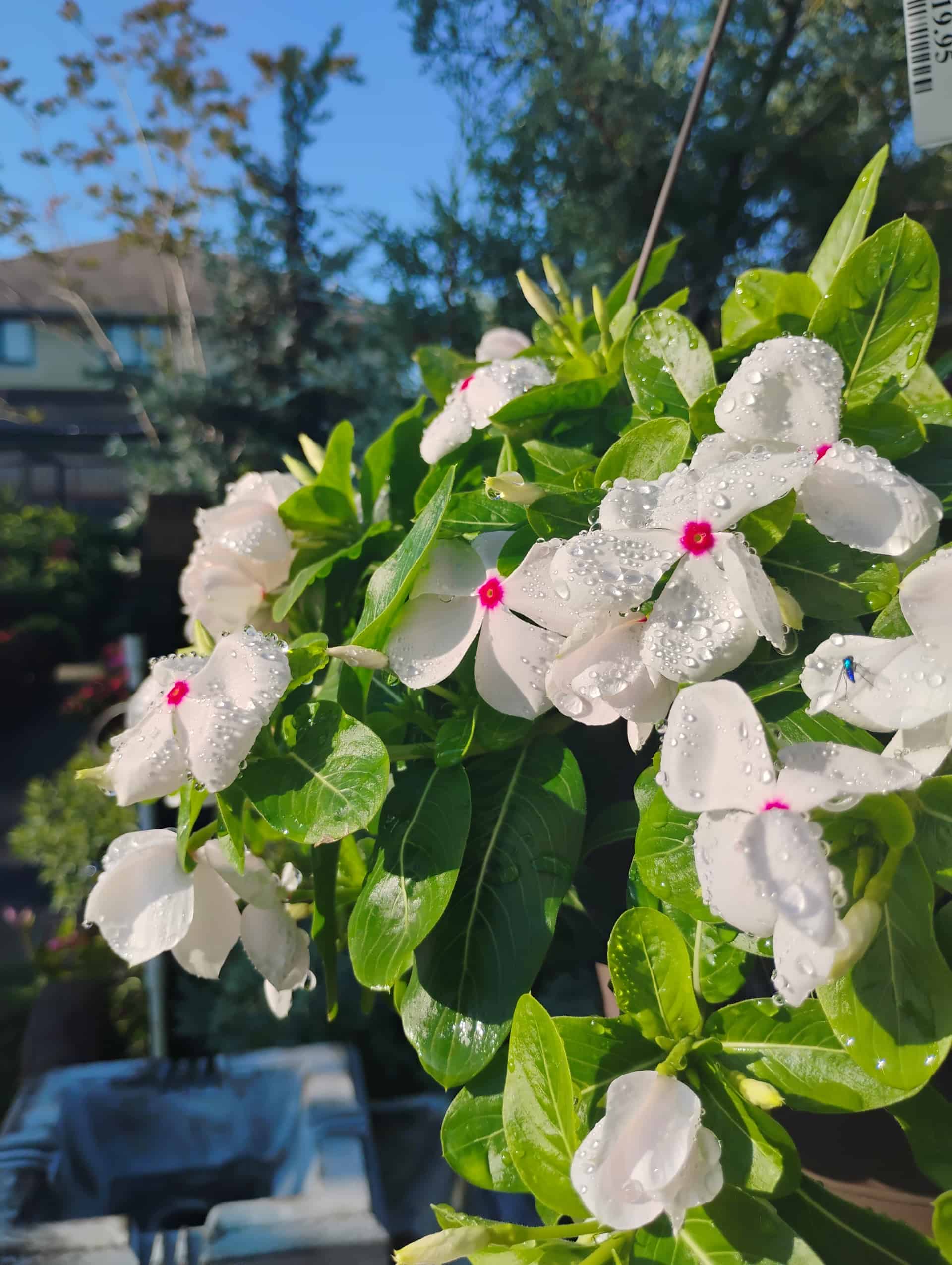
Periwinkle
Shares 6 of the same needs: full sun, moderate water, sandy, deer resistance, zone 9a hardiness, and pollinator-friendly.
You may also like
Common questions
Is Bay Laurel a good plant for St. Augustine?
Bay Laurel is a herb for Zone 9b coastal Florida gardens, reaching 10-20 feet × 4-8 feet (zone 9b typical size).
Care information verified from
Last reviewed February 2026. Our care guidance comes from trusted horticulture sources and decades of helping St. Augustine gardeners. Conditions here can vary dramatically from one area to the next, so come ask us and we'll tailor it to your yard.