
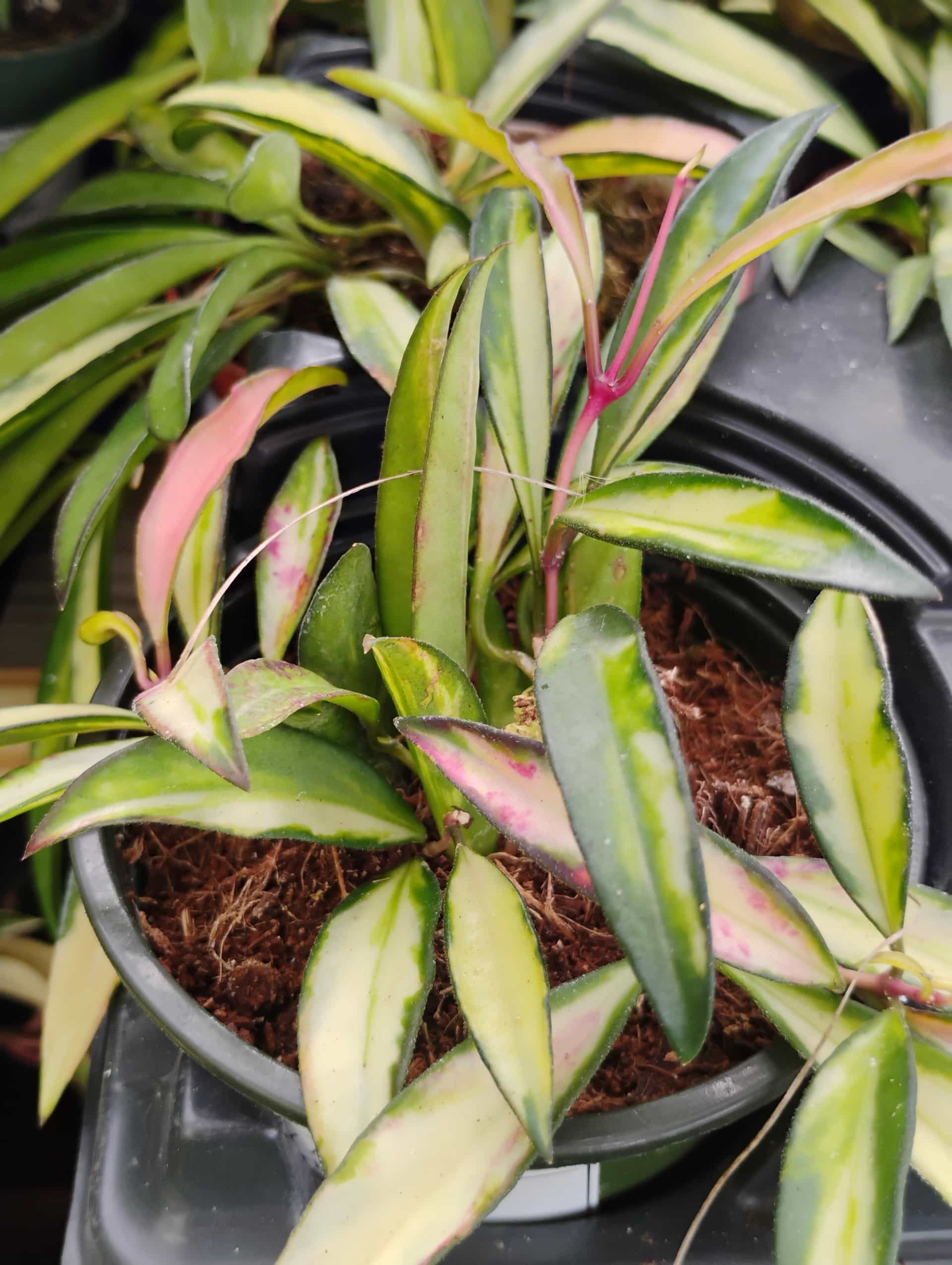
Varieties We Bring In
Carnosa · Curtisii · Albo Marginata · Wayetii Variegated · Exotica
Albo Marginata
Albo Marginata · Kerrii
We received some Hoya on Jul 19, 2026.
We bring this in seasonally, so what is on the lot changes week to week. A received date shows when it last came in, not that it is here today.
Call (904) 471-0440 to confirm this plant and size before you make the trip.
Last received Jul 19, 2026.
We bring this in seasonally, so what is on the lot changes week to week. A received date shows when it last came in, not that it is here today.
Call (904) 471-0440 to confirm this plant and size before you make the trip.
Pet toxicity: Non-toxic to dogs and cats
Pet safety guideAbout Hoya
Hoyas are a diverse genus of tropical climbing and trailing plants from Asia and Australia, prized as houseplants for their thick, waxy leaves and clusters of intricate, star-shaped, often fragrant flowers. With hundreds of species ranging from narrow-leaved to large-foliaged forms, they are favorites among collectors.
Plant details
- Bloom Season
- Spring, Summer, Fall
- Flower Color
- White, Pink
- Growth Rate
- Slow
- Foliage
- Evergreen
- Soil
- Loam, Well-drained
Best planting months
Recommended months: January, February, March, April, May, June, July, August, September, October, November, December.
Seasonal care
Bloom season. Good planting window.
Bloom season. Handles summer heat well once established. Can be planted with extra attention to watering.
Ideal planting window.
Retains foliage through winter. Can be planted in mild winter periods.
Care essentials
Hoya thrives in bright indirect light; avoid direct afternoon sun indoors or outdoors, which scorches the waxy leaves. In NE Florida, hoya can be grown on a shaded porch or lanai. Bring indoors when temperatures drop below 50°F.
Allow the potting mix to dry out somewhat between waterings — hoya is succulent-like and susceptible to root rot if kept too wet. Water thoroughly then let the top inch or two dry before watering again. Reduce watering in winter to encourage bloom-set.
Use a well-draining, peat-free potting mix (orchid bark blend or cactus mix amended with perlite works well). Fertilize monthly during spring and summer with a balanced liquid fertilizer at half strength; avoid overfertilizing with nitrogen, which discourages flowering.
Similar needs
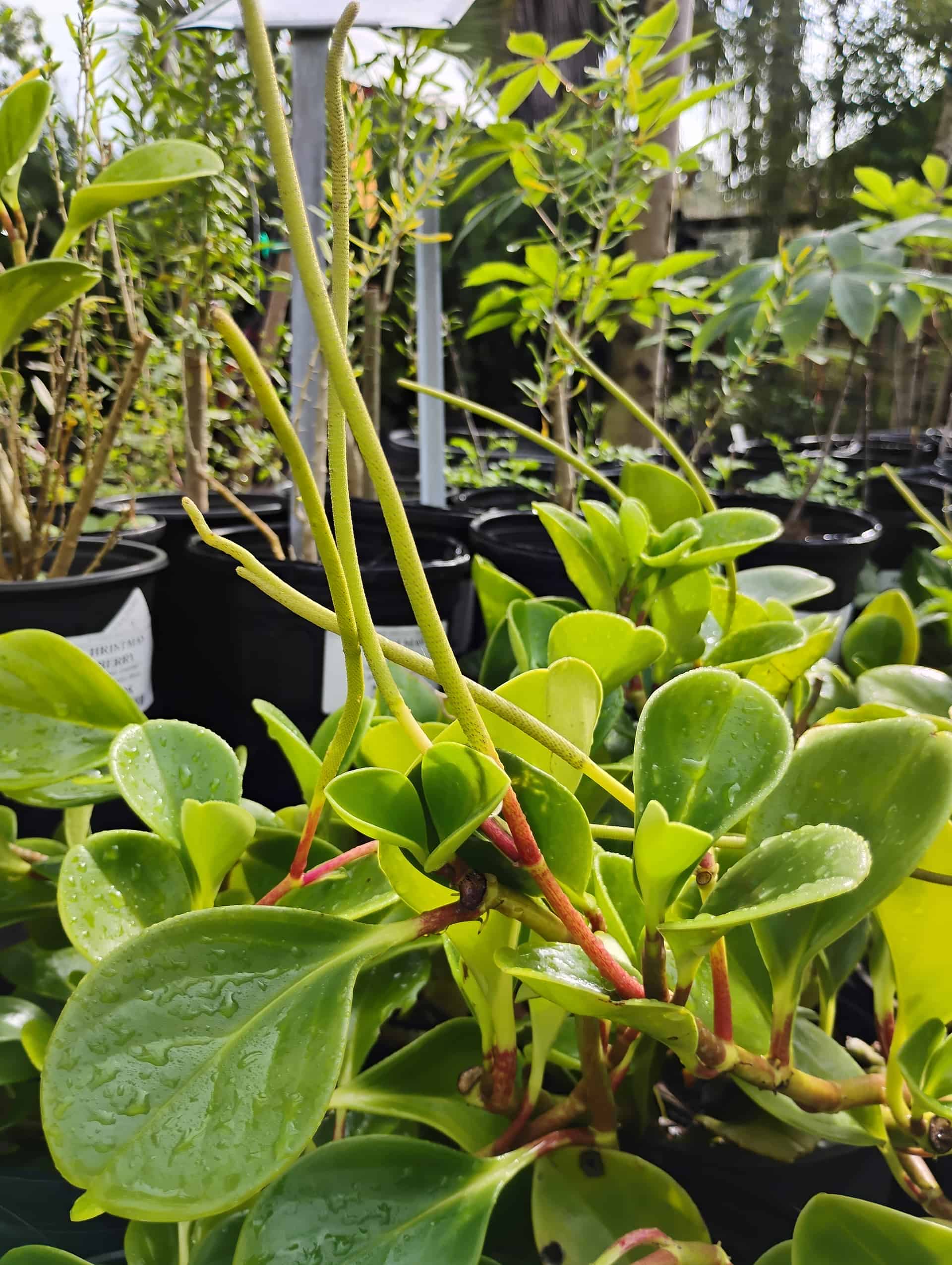
Peperomia
Shares 4 of the same needs: shade, low water, loam, and zone 9a hardiness.

Snake Plant
Shares 4 of the same needs: shade, low water, loam, and zone 9a hardiness.

ZZ Plant
Shares 4 of the same needs: shade, low water, loam, and zone 9a hardiness.
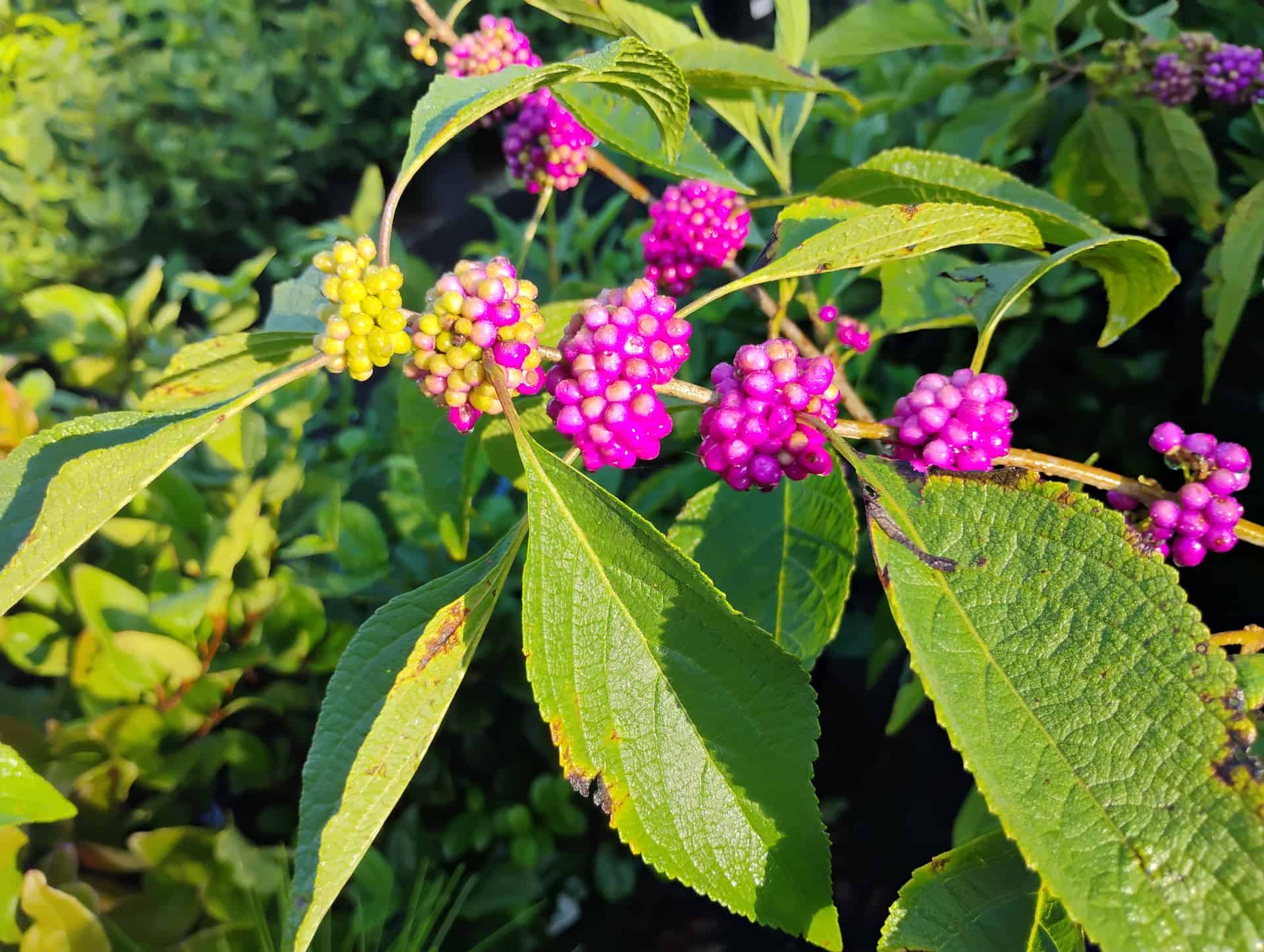
Beautyberry
Shares 5 of the same needs: shade, low water, loam, zone 9a hardiness, and pollinator-friendly.
Calamint
Shares 5 of the same needs: shade, low water, loam, zone 9a hardiness, and pollinator-friendly.
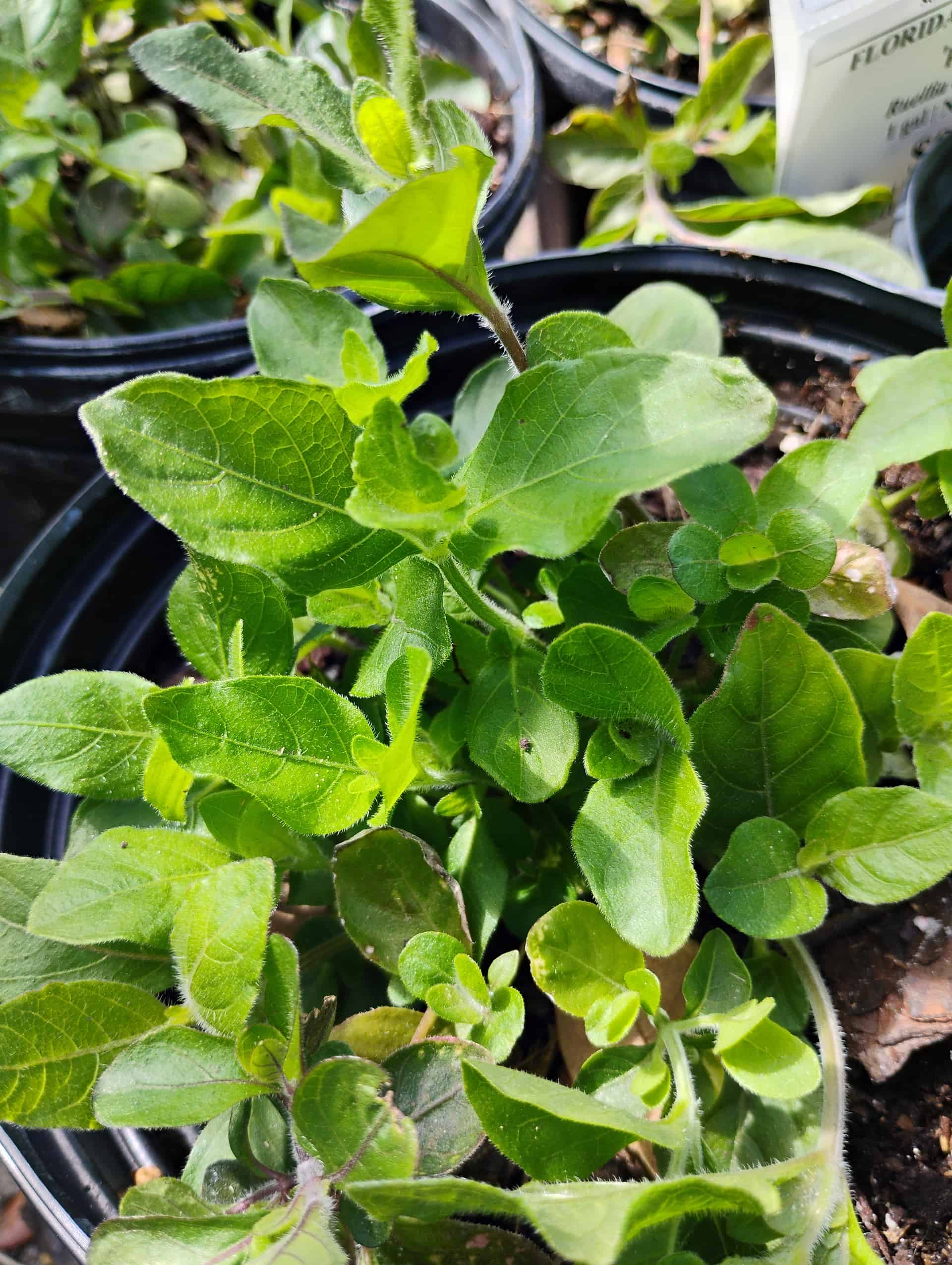
Carolina Wild Petunia
Shares 5 of the same needs: shade, low water, loam, zone 9a hardiness, and pollinator-friendly.
You may also like
 Houseplant
African Violet
Streptocarpus ionanthus
 Houseplant
Chinese Evergreen
Aglaonema commutatum
 Houseplant
Anthurium
Anthurium andraeanum
Common questions
Is Hoya a good plant for St. Augustine?
Hoya is a houseplant. Mature size: 2-6 feet long (trailing/climbing vine) × 1-3 feet. Light: Part Shade. Water needs: Low. Recorded hardiness zone: 9a.
What is the recorded pet toxicity for Hoya?
Non-toxic to dogs and cats
Care information verified from
Last reviewed February 2026. Our care guidance comes from trusted horticulture sources and decades of helping St. Augustine gardeners. Conditions here can vary dramatically from one area to the next, so come ask us and we'll tailor it to your yard.