
Calamint
Calamintha nepeta
Varieties We Bring In
Last received Jul 19, 2026.
We bring this in seasonally, so what is on the lot changes week to week. A received date shows when it last came in, not that it is here today.
Call (904) 471-0440 to confirm this plant and size before you make the trip.
About Calamint
Calamint (Clinopodium nepeta, syn. Calamintha nepeta) is a low-growing, aromatic Mediterranean perennial covered with airy white to pale lavender flowers from summer into fall, highly attractive to bees and butterflies. In NE Florida it performs best in full sun with afternoon shade, excellent drainage, and lean soil; it may be short-lived as humidity increases southward. Starting at $6.95.
Plant details
- Bloom Season
- Summer, Fall
- Flower Color
- White, Pink
- Growth Rate
- Moderate
- Foliage
- Semi-evergreen
- Soil
- Sandy, Loam, Well-drained
Best planting months
Seasonal care
Bloom season. Good planting window.
Bloom season. Handles summer heat well once established.
Bloom season. Ideal planting window.
Retains foliage through winter.
Care essentials
Best in full sun; afternoon shade is recommended in NE Florida's intense summer heat to reduce foliage stress. Calamint tolerates the heat but high humidity can cause decline — excellent drainage is essential for longevity in zone 9b.
Drought tolerant once established; water during the first growing season to encourage deep root development, then reduce to supplemental watering only during extended dry periods. Soggy or poorly drained soil will cause crown rot in Florida's humid conditions.
Performs best in lean, well-drained sandy or loamy soil with neutral to slightly alkaline pH — typical of amended NE Florida sandy soil. Avoid rich, heavily amended beds; excessive fertility produces floppy growth. A light top-dressing of compost in spring is sufficient.
Similar needs
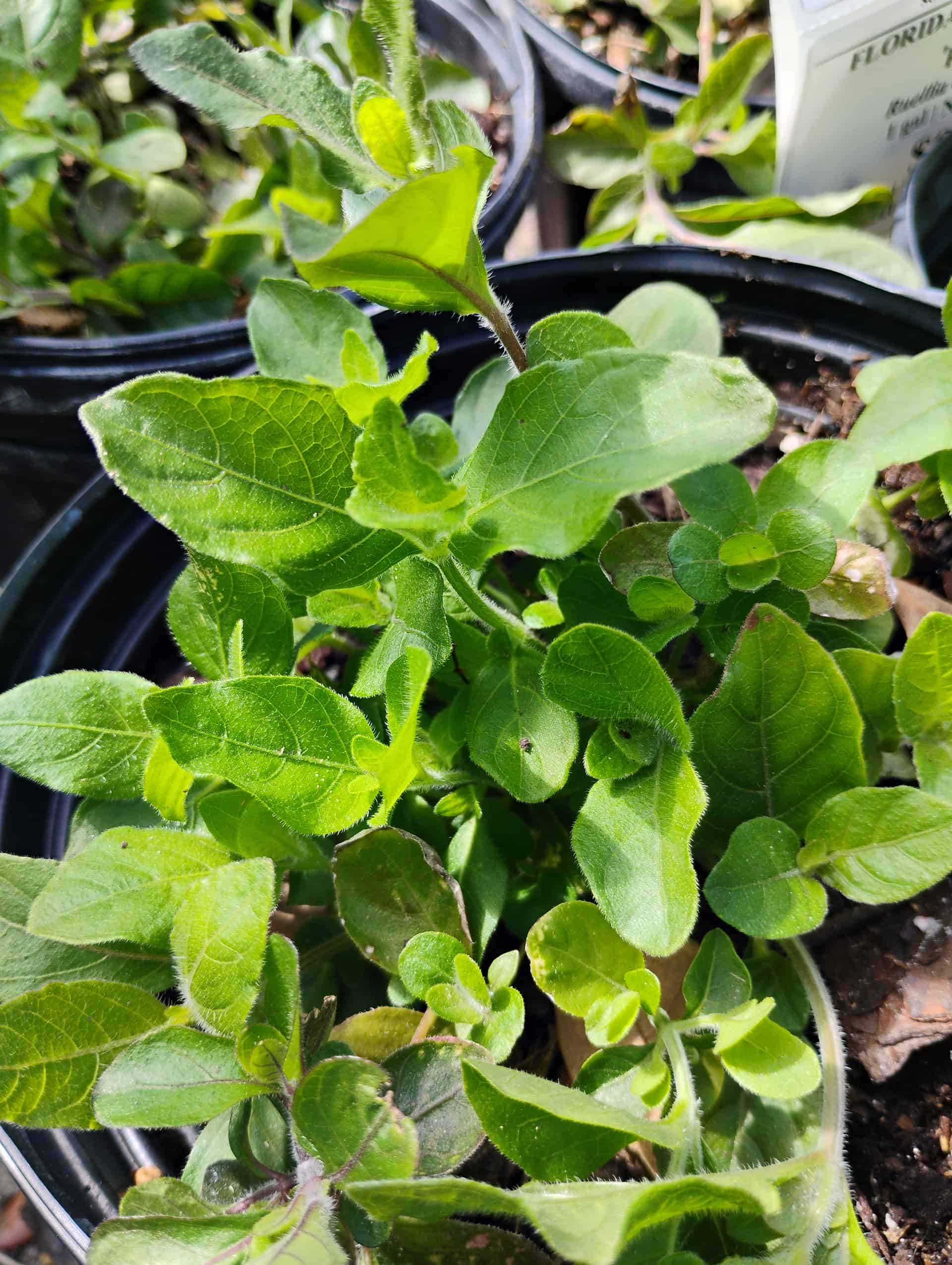
Carolina Wild Petunia
Shares 5 of the same needs: full sun, low water, sandy, zone 9a hardiness, and pollinator-friendly.
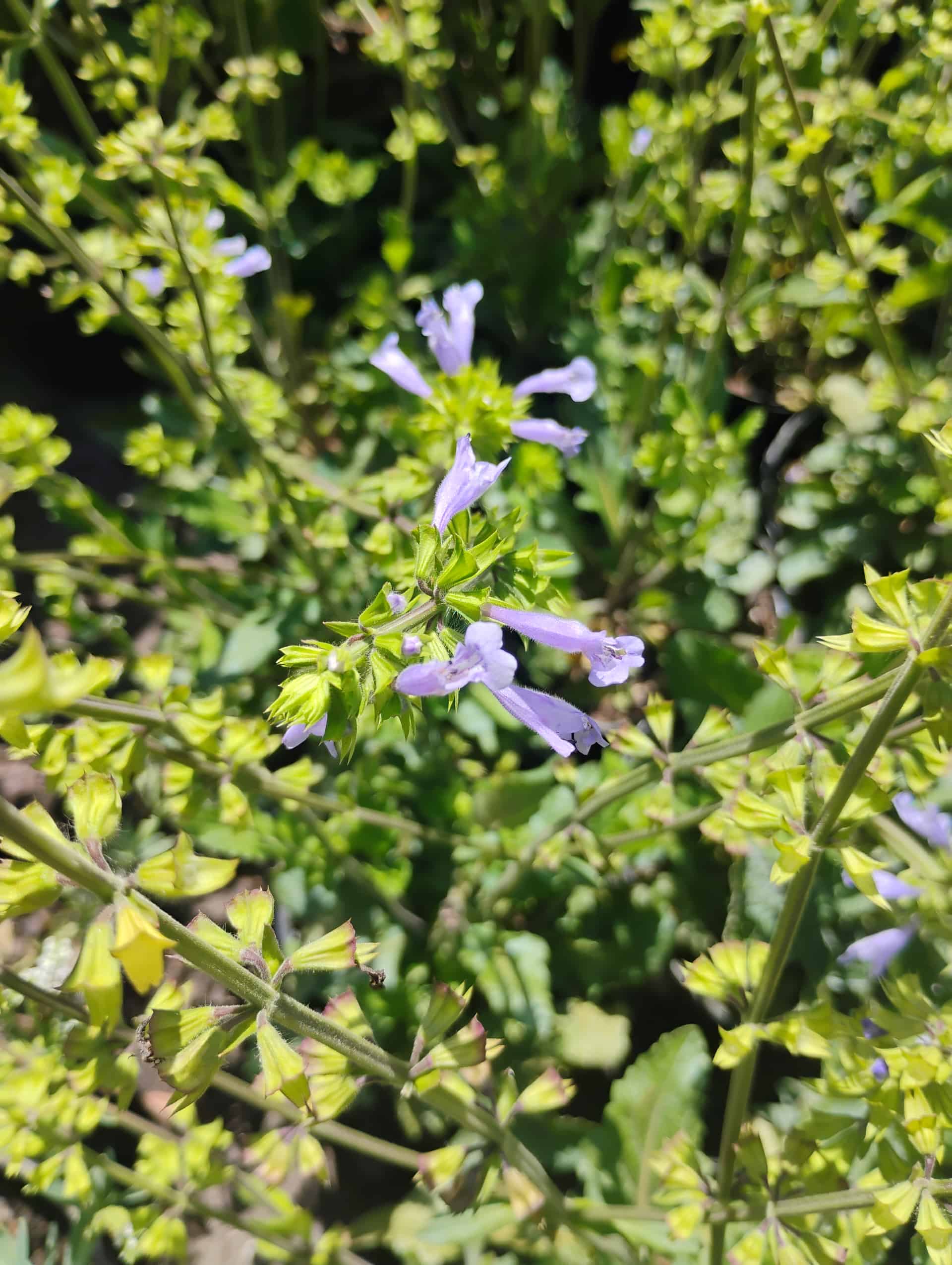
Lyreleaf Salvia
Shares 5 of the same needs: full sun, low water, sandy, zone 9a hardiness, and pollinator-friendly.
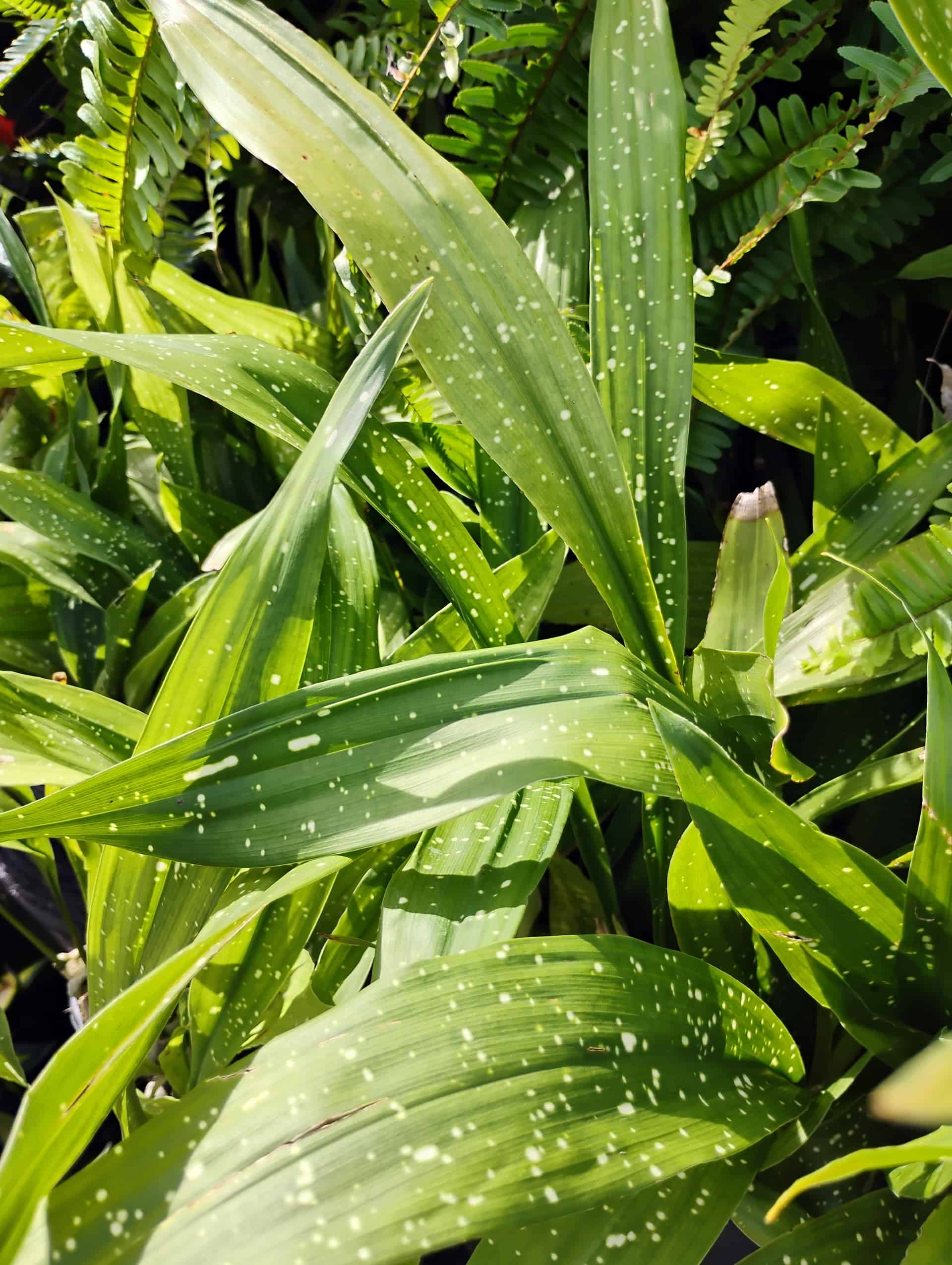
Cast Iron Plant
Shares 4 of the same needs: shade, low water, sandy, and zone 9a hardiness.
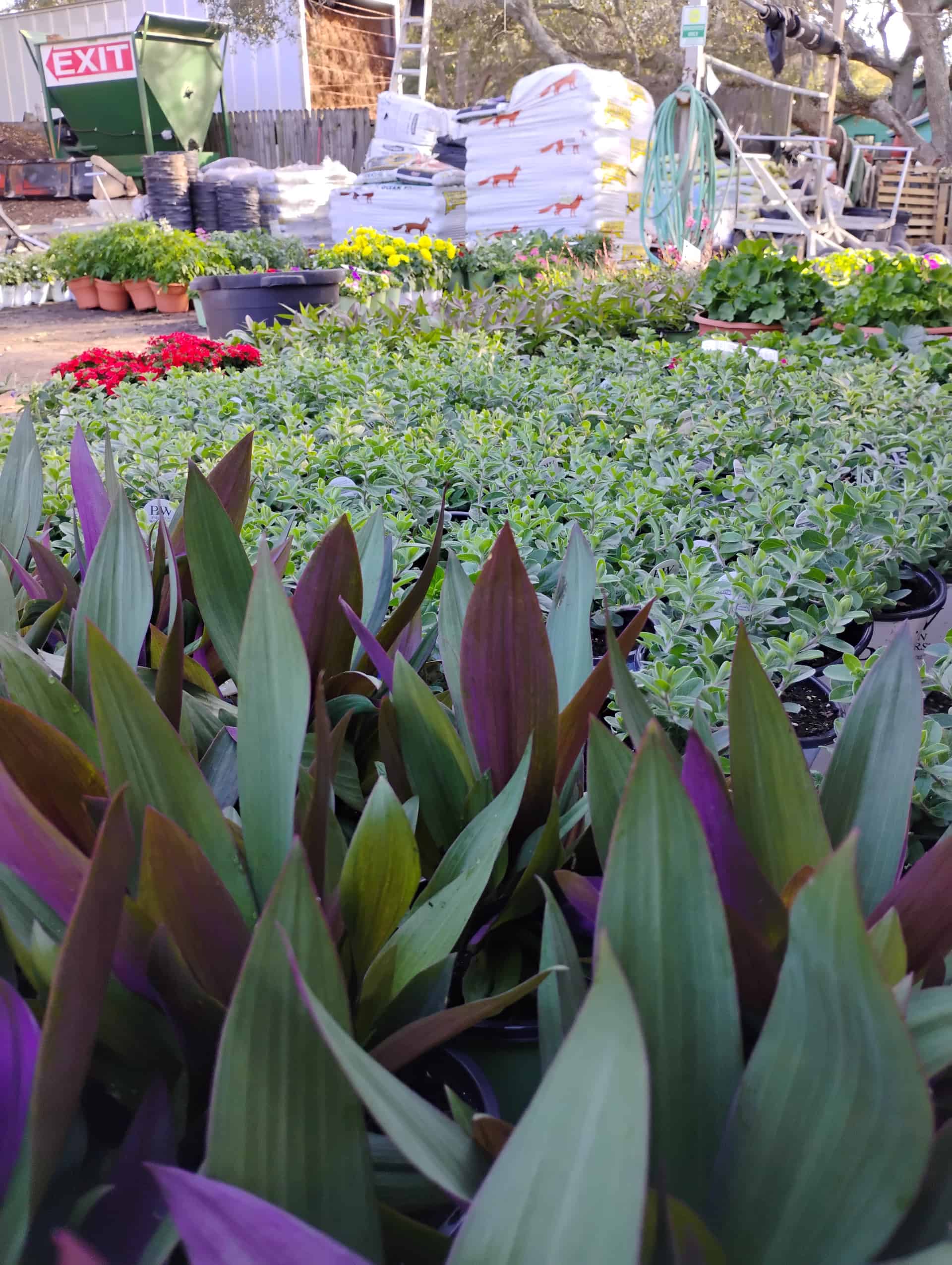
Oyster Plant
Shares 4 of the same needs: full sun, low water, sandy, and zone 9a hardiness.
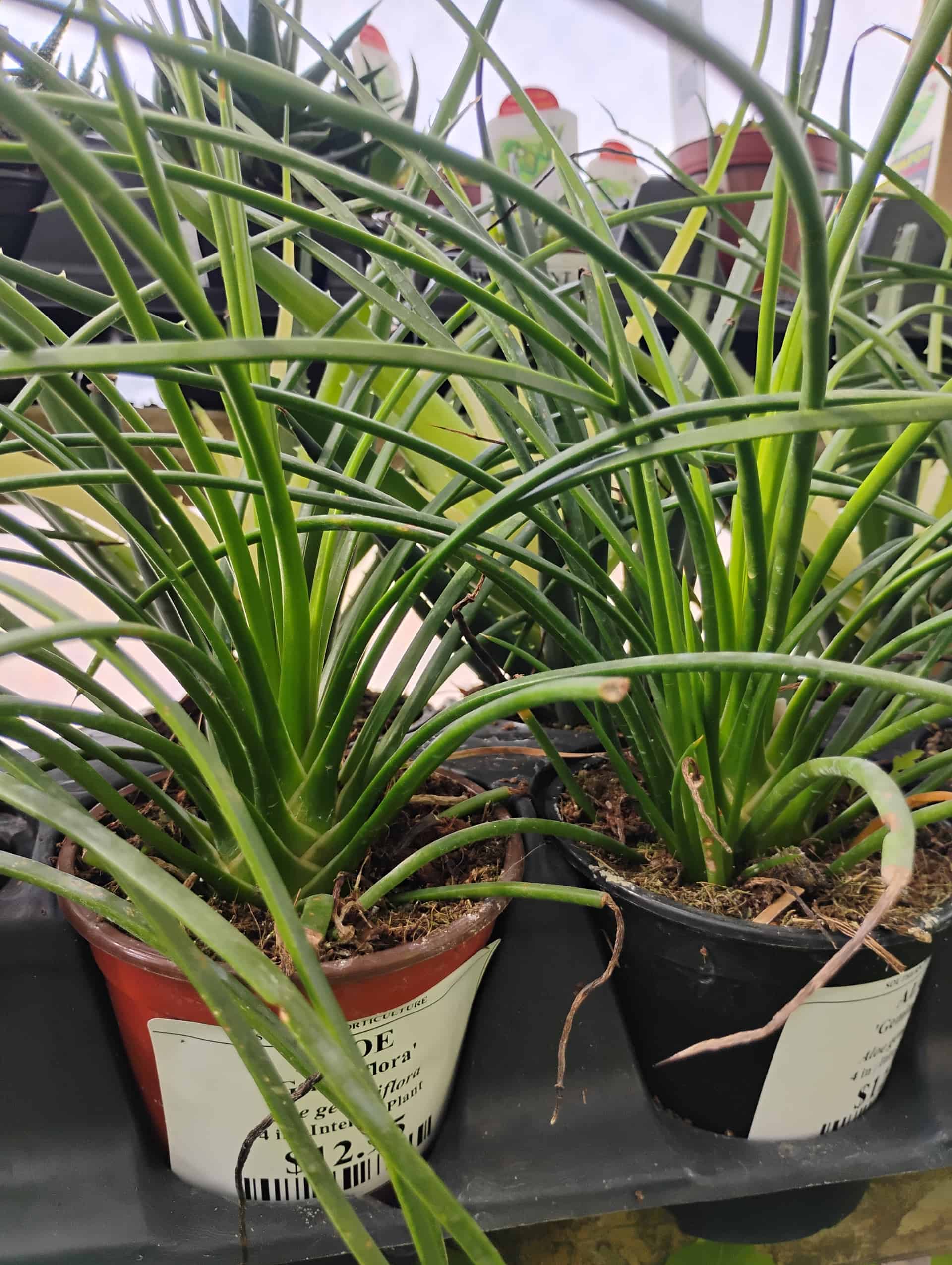
Aloe
Shares 5 of the same needs: full sun, low water, sandy, zone 9a hardiness, and pollinator-friendly.
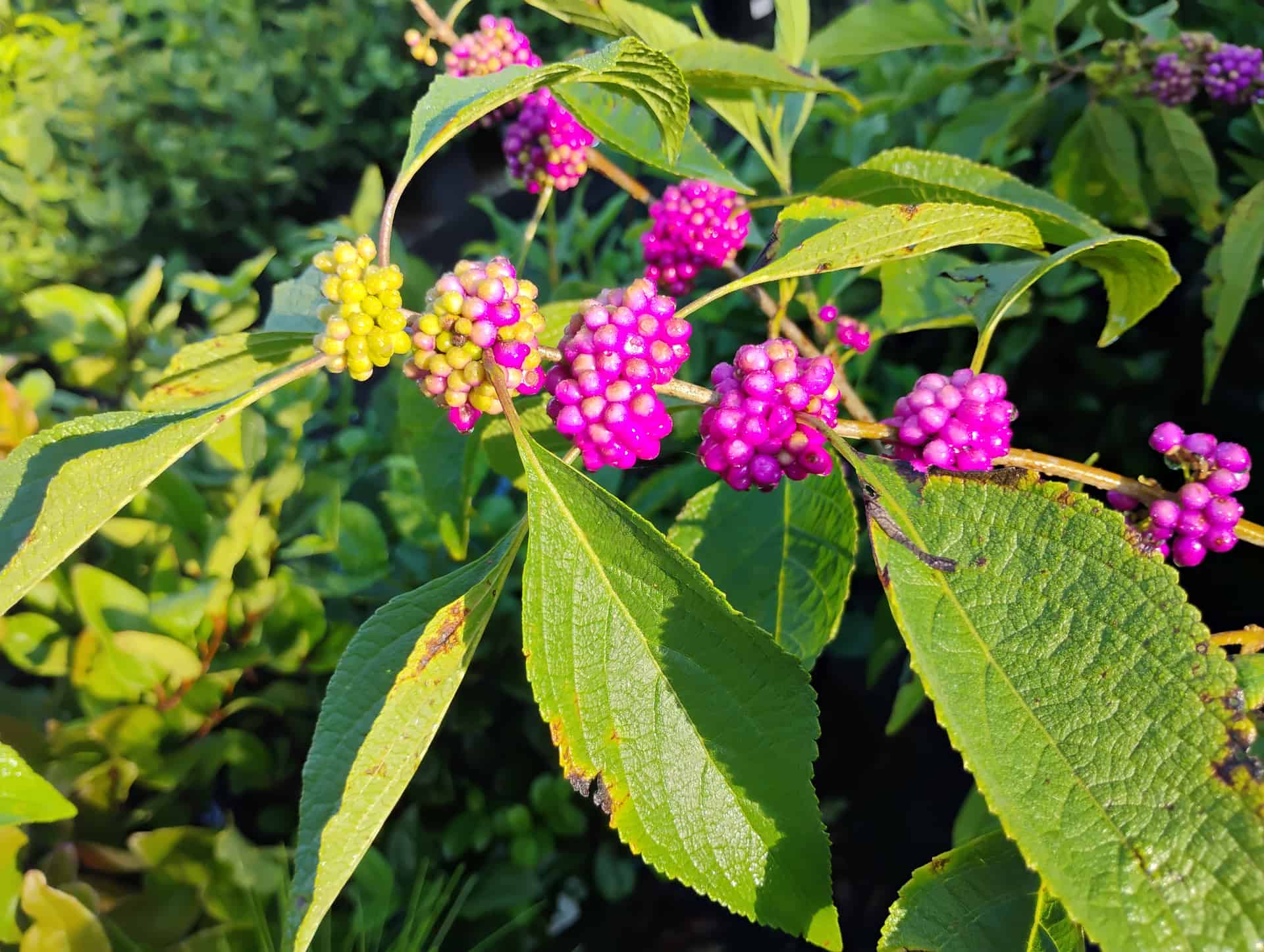
Beautyberry
Shares 5 of the same needs: full sun, low water, sandy, zone 9a hardiness, and pollinator-friendly.
You may also like
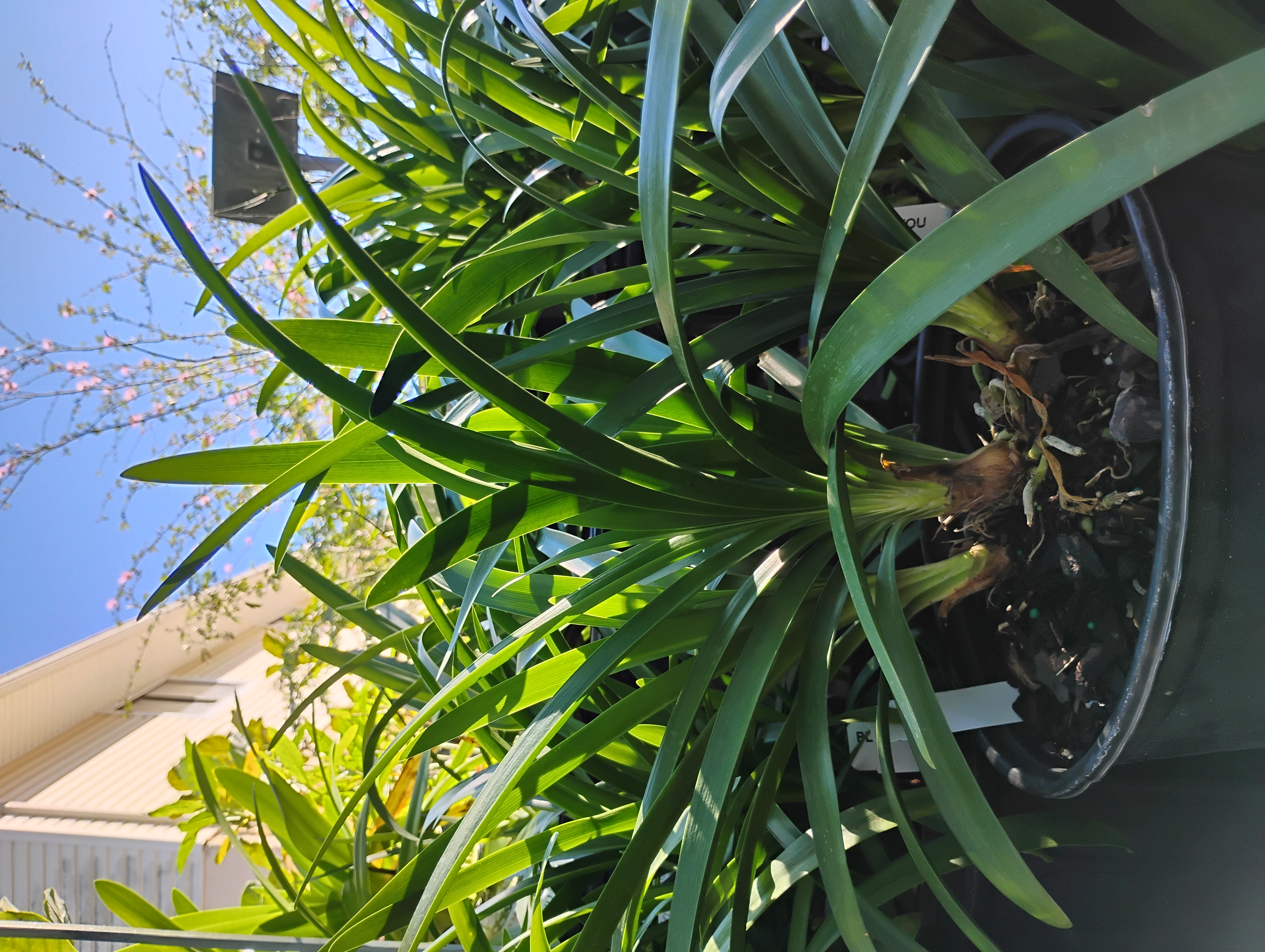 Perennial
Agapanthus
Agapanthus praecox
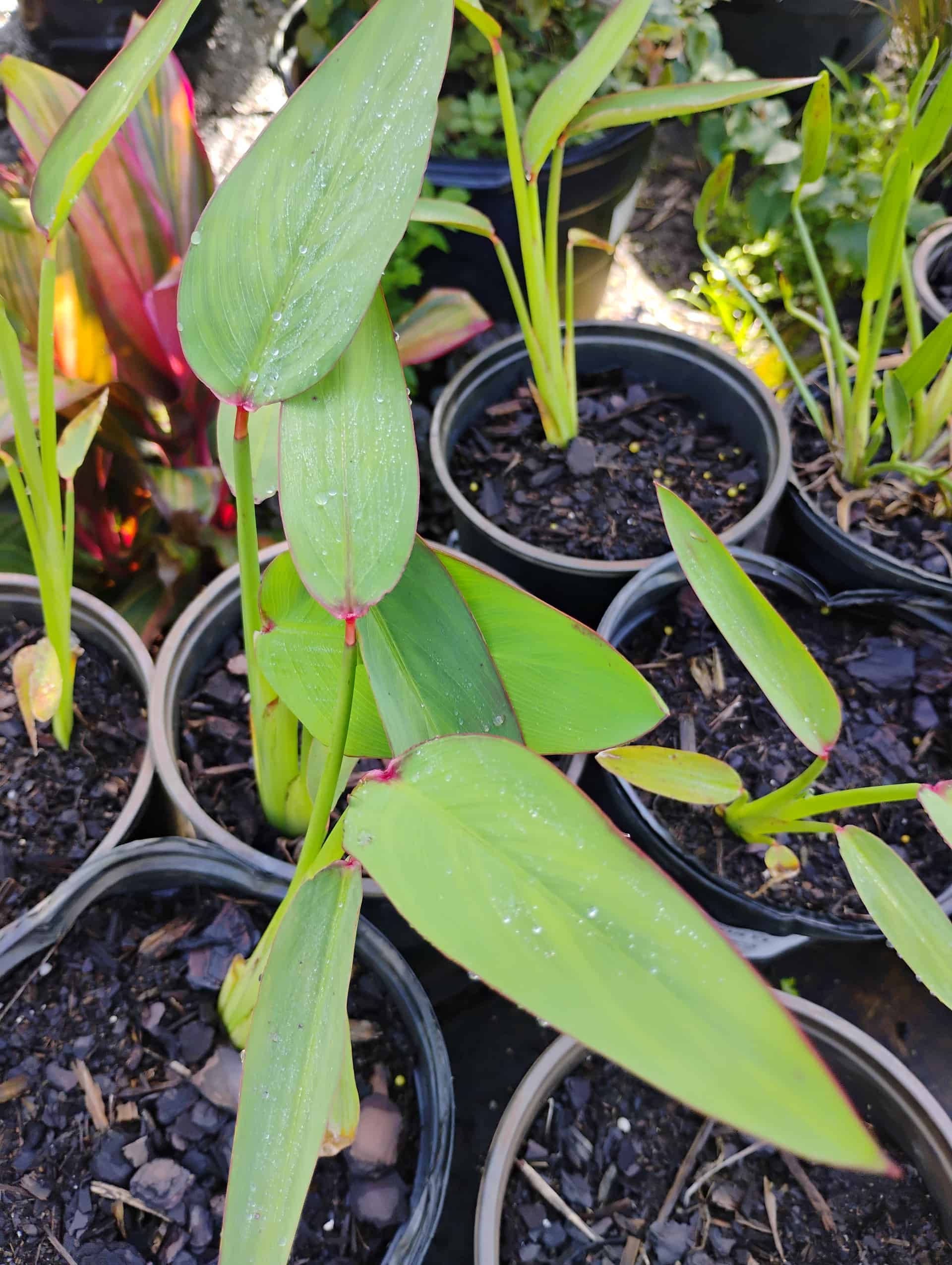 Perennial
Alligator Flag
Thalia geniculata
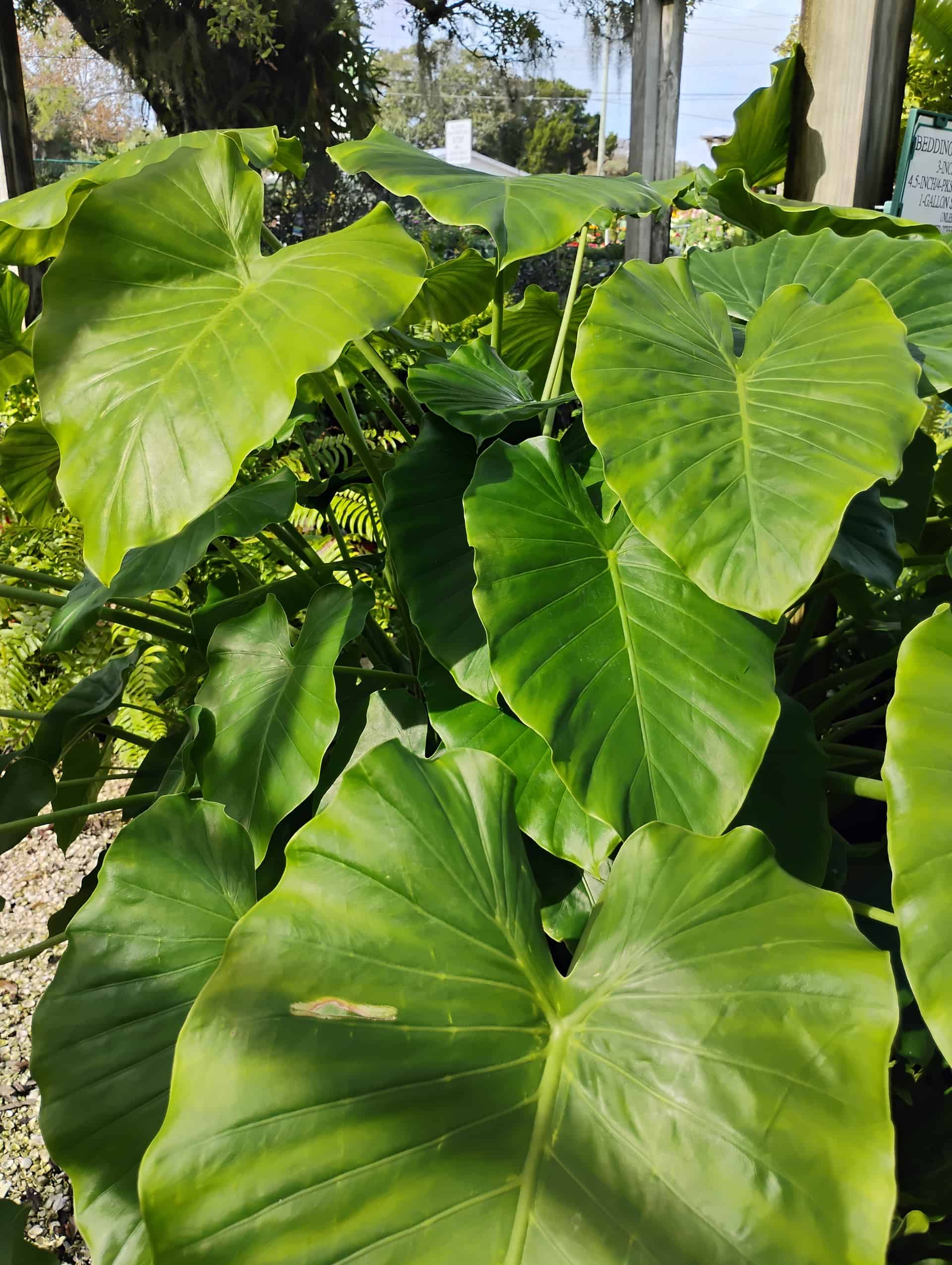 Perennial
Alocasia
Alocasia
Common questions
Is Calamint a good plant for St. Augustine?
Calamint is a perennial for Zone 9b coastal Florida gardens, reaching 1-2 feet × 1-2 feet.
Care information verified from
Last reviewed February 2026. Our care guidance comes from trusted horticulture sources and decades of helping St. Augustine gardeners. Conditions here can vary dramatically from one area to the next, so come ask us and we'll tailor it to your yard.