
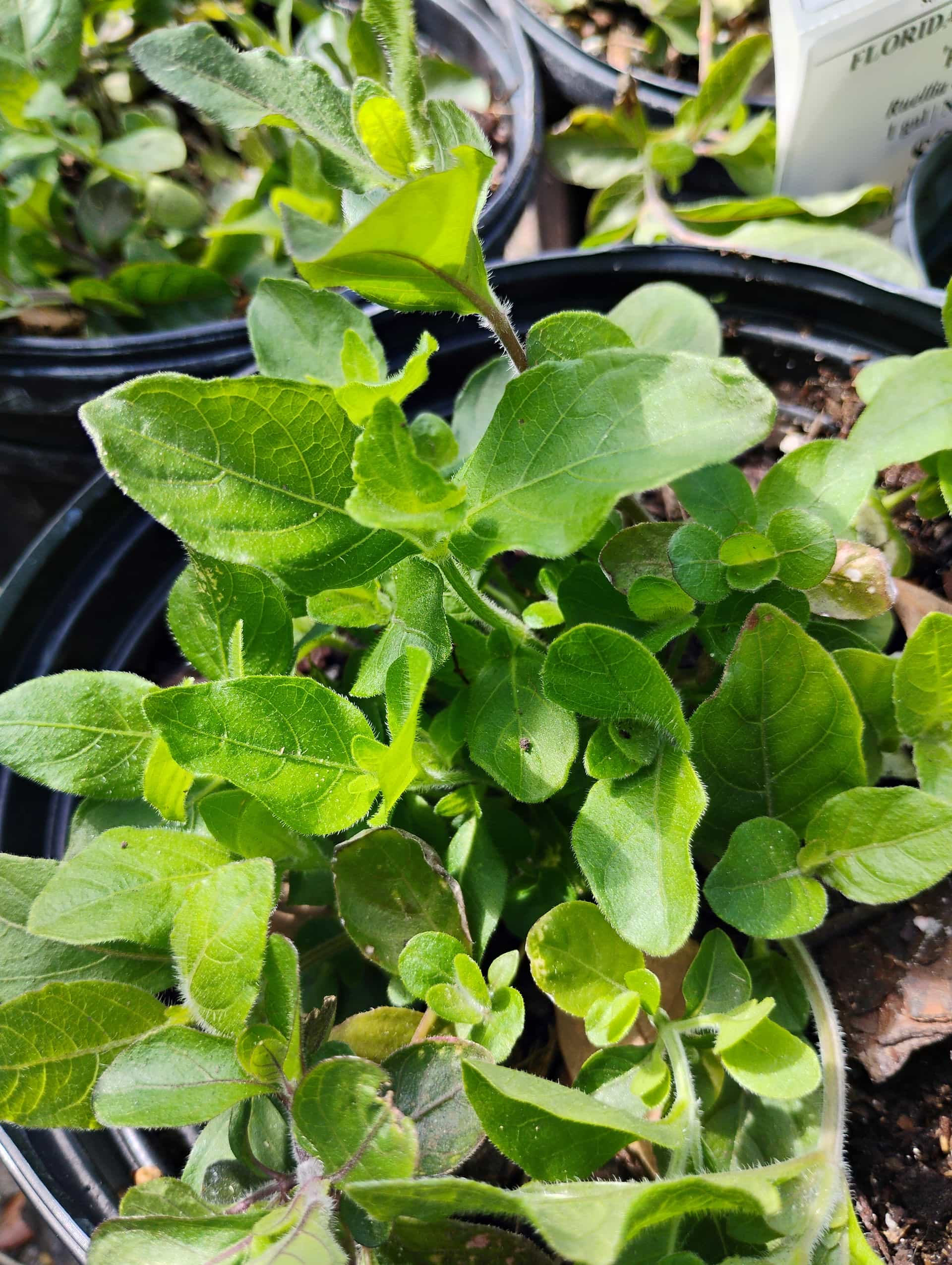
Varieties We Bring In
Purple · Standard
We received some Carolina Wild Petunia on Oct 14, 2026.
We bring this in seasonally, so what is on the lot changes week to week. A received date shows when it last came in, not that it is here today.
Call (904) 471-0440 to confirm this plant and size before you make the trip.
Last received Oct 14, 2026.
We bring this in seasonally, so what is on the lot changes week to week. A received date shows when it last came in, not that it is here today.
Call (904) 471-0440 to confirm this plant and size before you make the trip.
Pet toxicity: not on file, check before planting where pets chew
Pet safety guideAbout Carolina Wild Petunia
Florida wild petunia (Ruellia caroliniensis) is a native perennial wildflower of the southeastern United States, bearing lavender-blue, funnel-shaped flowers that resemble petunias atop slender, hairy stems. It thrives in a range of habitats from dry sandy soils to moist flatwoods edges. A valuable native plant for pollinator gardens, providing nectar and serving as a larval host for the common buckeye butterfly.
Plant details
- Bloom Season
- Spring, Summer, Fall
- Flower Color
- Purple
- Growth Rate
- Moderate
- Foliage
- Deciduous
- Soil
- Sandy, Loam, Well-drained
Best planting months
Recommended months: March, April, May, September, October, November.
Seasonal care
Bloom season. New foliage emerges. Good planting window.
Bloom season. Handles summer heat well once established.
Bloom season. Foliage may begin to change or drop. Ideal planting window.
Dormant — drops foliage.
Care essentials
Thrives in full sun to part shade across NE Florida. In sandy, open sites it performs well in full sun; in shadier woodland edges it still blooms reliably. Adaptable to the range of light conditions found in NE Florida gardens.
Very drought-tolerant once established in NE Florida's sandy soils — a key advantage in Florida's dry seasons. Water regularly during establishment; thereafter, natural rainfall generally meets its needs. Avoid overwatering or wet, compacted soils.
Naturally adapted to NE Florida's infertile sandy soils; no heavy fertilization needed. A light application of balanced slow-release fertilizer in spring encourages vigorous growth. Good drainage is essential — avoid clay-heavy or waterlogged sites.
Similar needs
Common Mallow
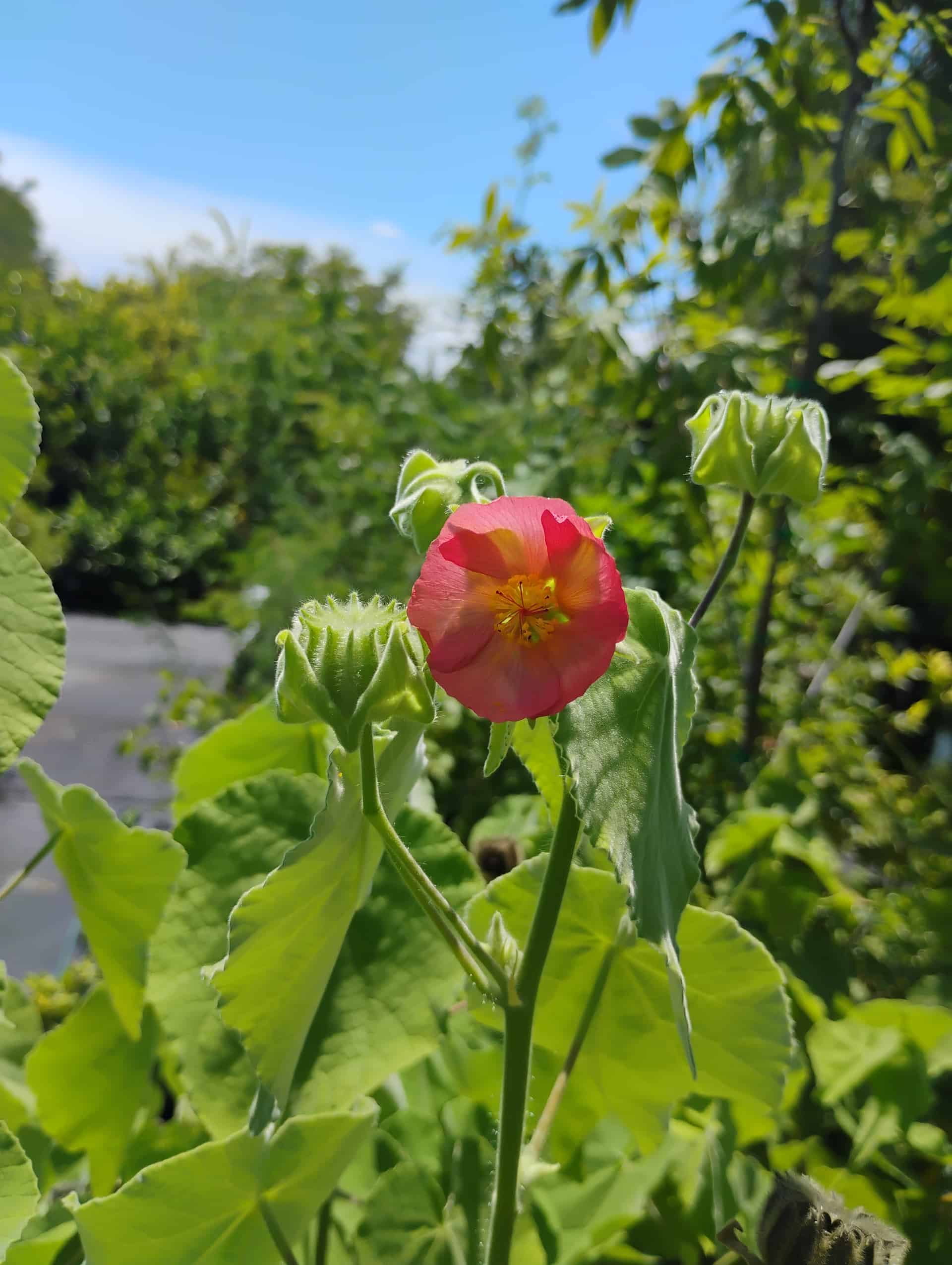
Shares 5 of the same needs: full sun, low water, sandy, zone 9a hardiness, and pollinator-friendly.

Florida Scrub Skullcap
Shares 5 of the same needs: full sun, low water, sandy, zone 9a hardiness, and pollinator-friendly.

Goldenrod
Shares 5 of the same needs: full sun, low water, sandy, zone 9a hardiness, and pollinator-friendly.

Green Eyes
Shares 5 of the same needs: full sun, low water, sandy, zone 9a hardiness, and pollinator-friendly.

Purple Thistle
Shares 5 of the same needs: full sun, low water, sandy, zone 9a hardiness, and pollinator-friendly.

Snow Squarestem
Shares 5 of the same needs: full sun, low water, sandy, zone 9a hardiness, and pollinator-friendly.
You may also like
 Perennial
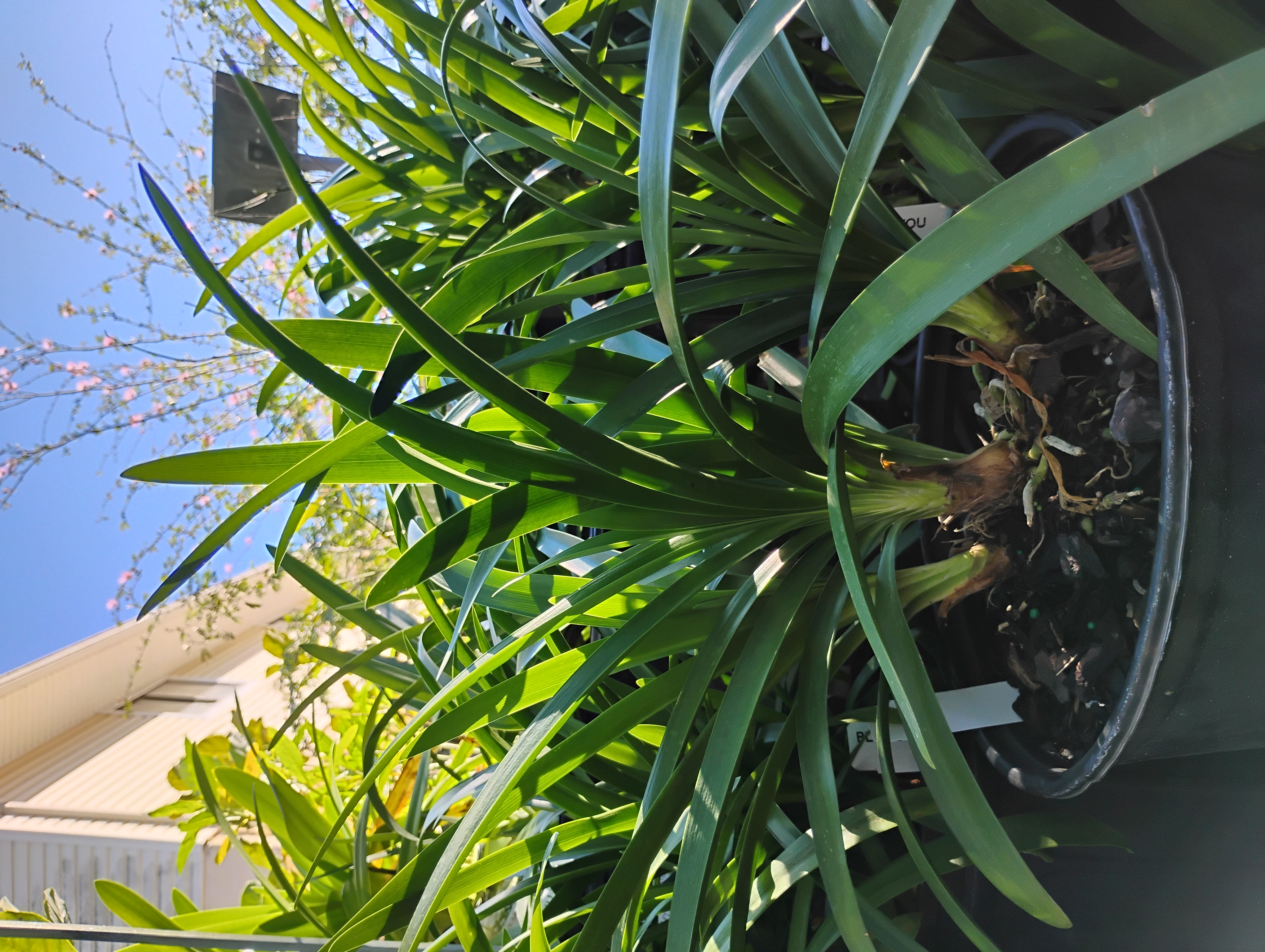
Agapanthus
Agapanthus praecox
 Perennial
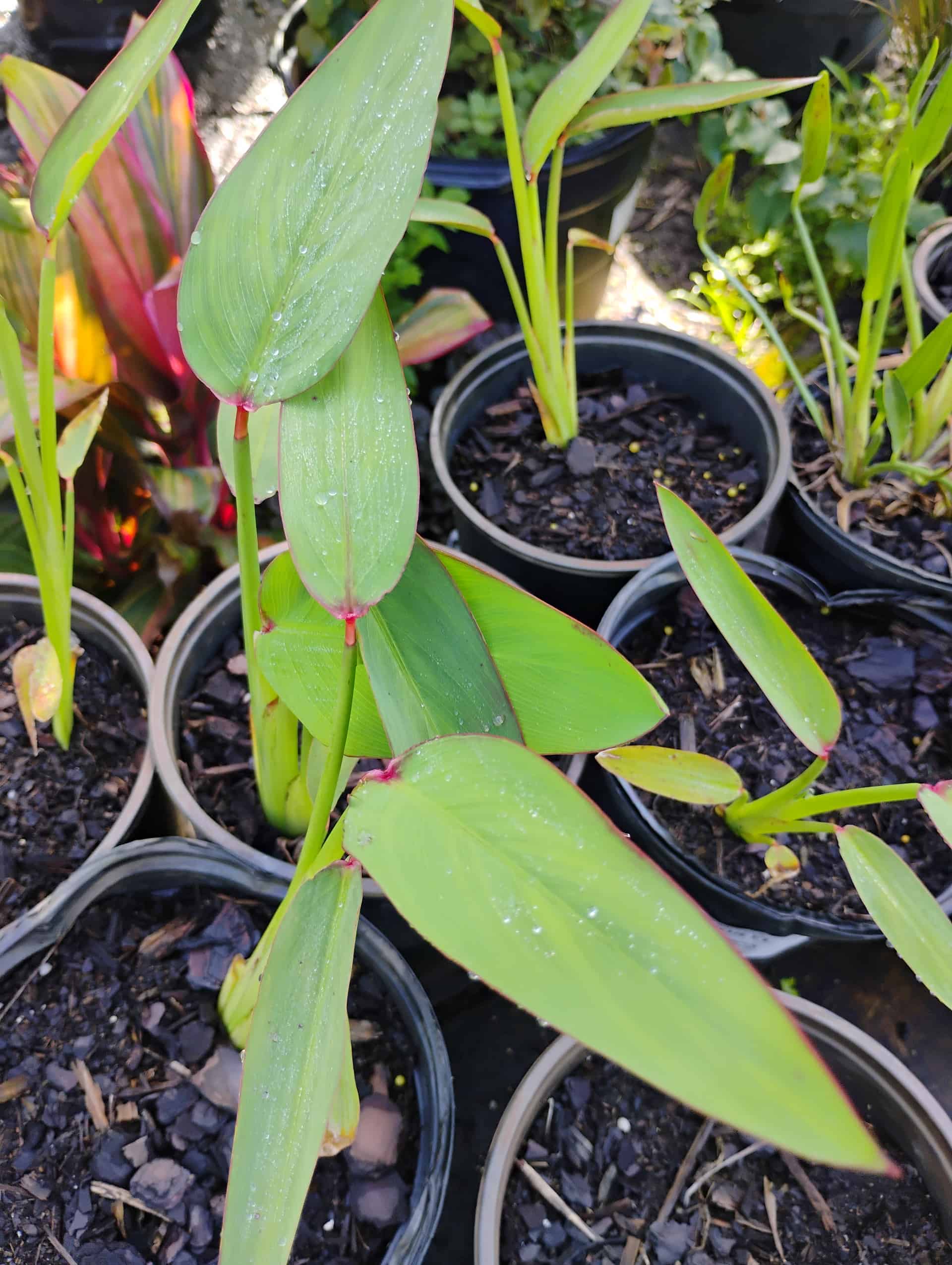
Alligator Flag
Thalia geniculata
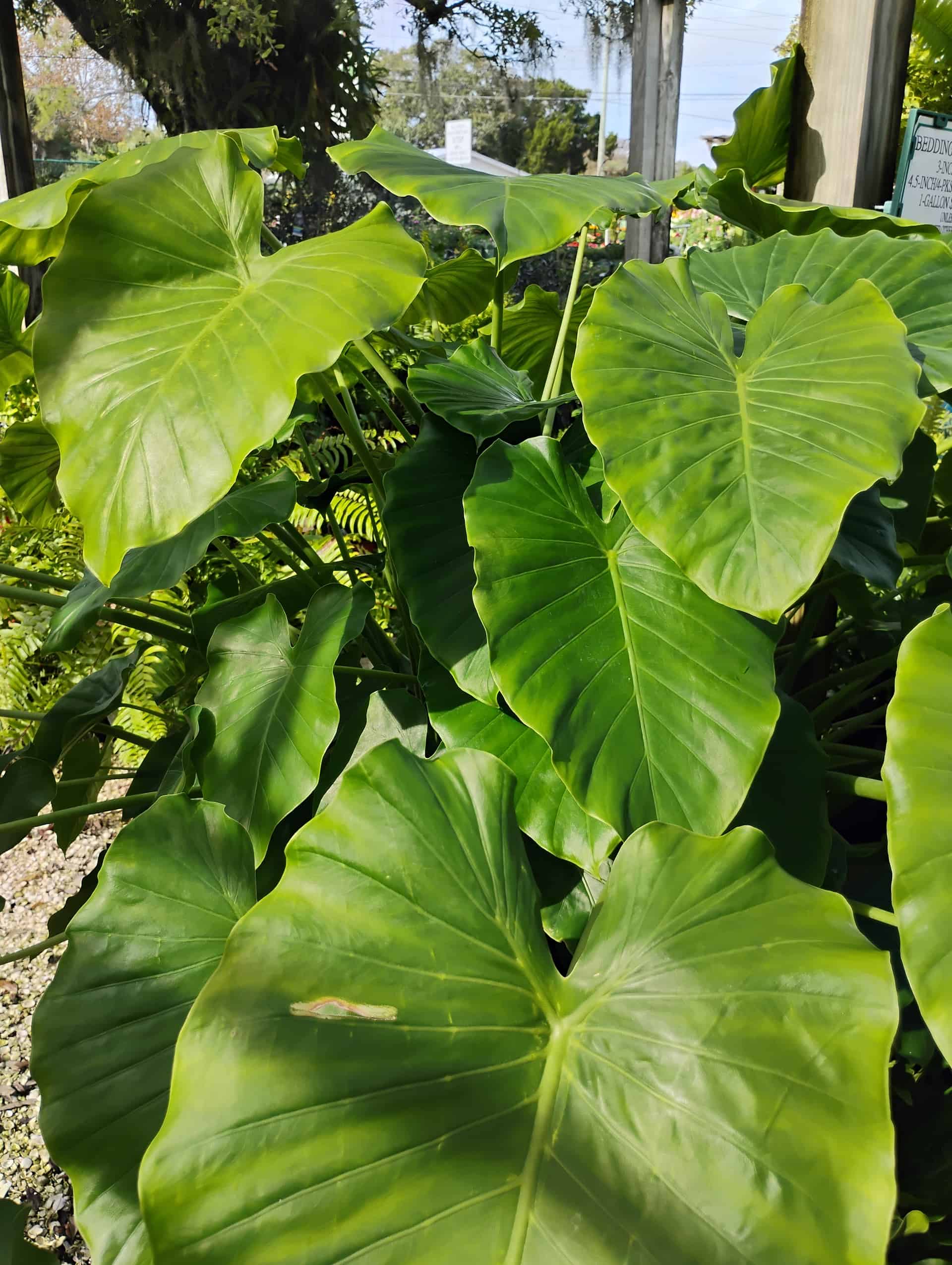 Perennial
Alocasia
Alocasia
Common questions
Is Carolina Wild Petunia a good plant for St. Augustine?
Carolina Wild Petunia is a perennial. Mature size: 1-2.5 feet × 1-2 feet. Light: Full Sun, Part Sun, Part Shade. Water needs: Low. Carolina Wild Petunia is native to Florida. Recorded hardiness zone: 9a.
Care information verified from
Last reviewed March 2026. Our care guidance comes from trusted horticulture sources and decades of helping St. Augustine gardeners. Conditions here can vary dramatically from one area to the next, so come ask us and we'll tailor it to your yard.