
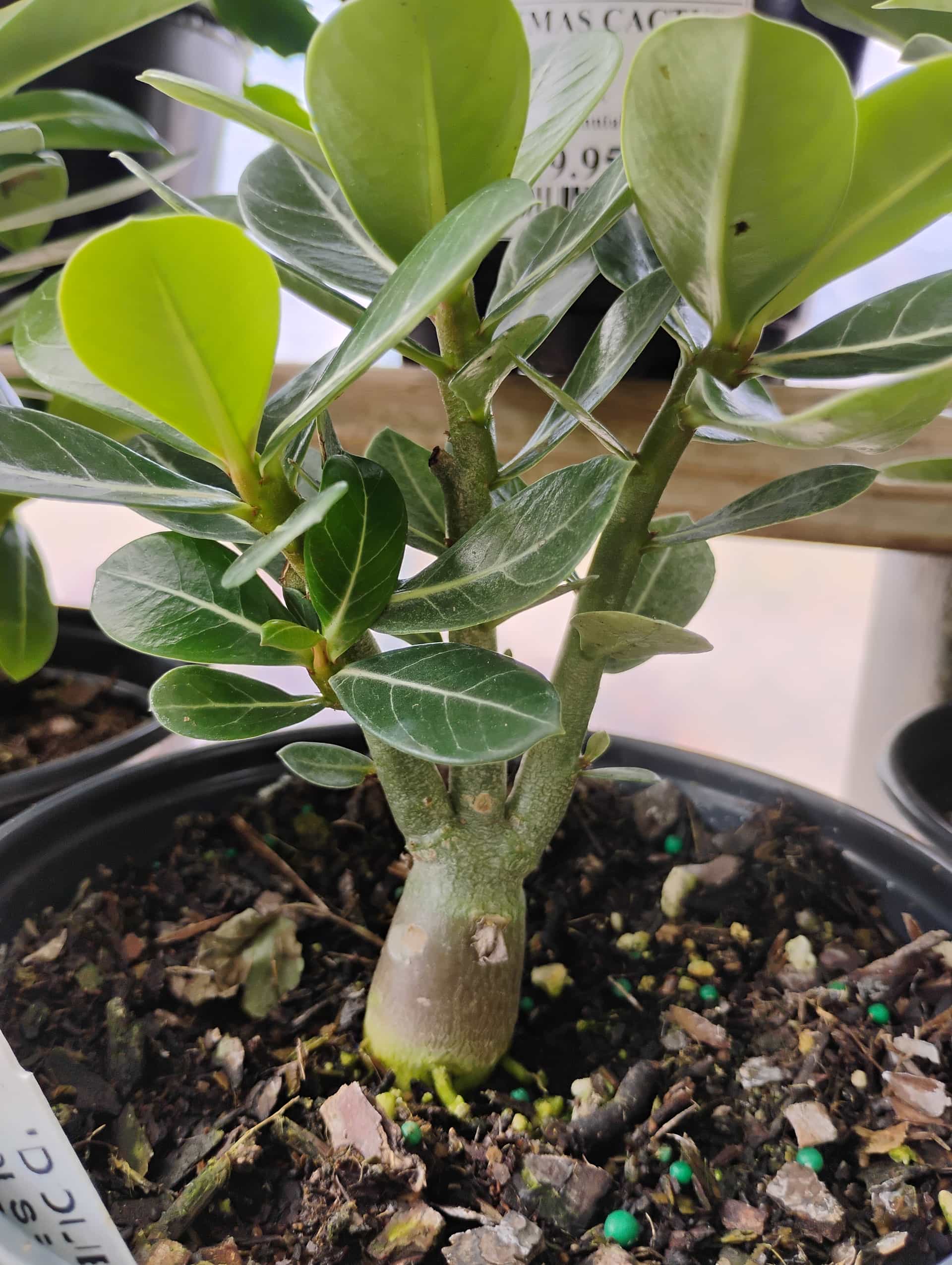
Desert Rose
Adenium obesum
Traits
Varieties We Bring In
Last received Jul 19, 2026.
We bring this in seasonally, so what is on the lot changes week to week. A received date shows when it last came in, not that it is here today.
Call (904) 471-0440 to confirm this plant and size before you make the trip.
About Desert Rose
Desert Rose (Adenium obesum) is a striking succulent shrub prized for its swollen sculptural trunk and clusters of trumpet-shaped blooms in pink, red, white, and bicolor. In Zone 9b it must be grown in containers and brought under protection when temperatures drop below 40°F; it thrives outdoors in full sun spring through fall and drops its leaves in winter dormancy. Starting at $12.95.
Plant details
- Bloom Season
- Spring, Summer, Fall
- Flower Color
- White, Red, Pink
- Growth Rate
- Slow
- Foliage
- Deciduous
- Soil
- Sandy, Well-drained
Best planting months
Seasonal care
New foliage emerges. Good planting window.
Bloom season. Handles summer heat well once established.
Foliage may begin to change or drop. Ideal planting window.
Dormant — drops foliage.
Care essentials
Desert Rose requires at least 6 hours of full sun daily to flower; more sun is better. In Northeast Florida, grow in the sunniest available spot outdoors from spring through fall; move containers to bright indoor light or a protected area when temperatures drop below 40°F.
Water thoroughly then allow soil to dry completely between waterings during the active growing season. In Zone 9b winters, withhold water almost entirely during the cool rest period and resume when warm weather returns and new growth appears.
Use a very well-draining sandy or cactus/succulent potting mix in containers; never allow roots to sit in moisture. Apply a balanced liquid fertilizer weekly during the summer growing season; stop fertilizing completely during winter dormancy.
Similar needs
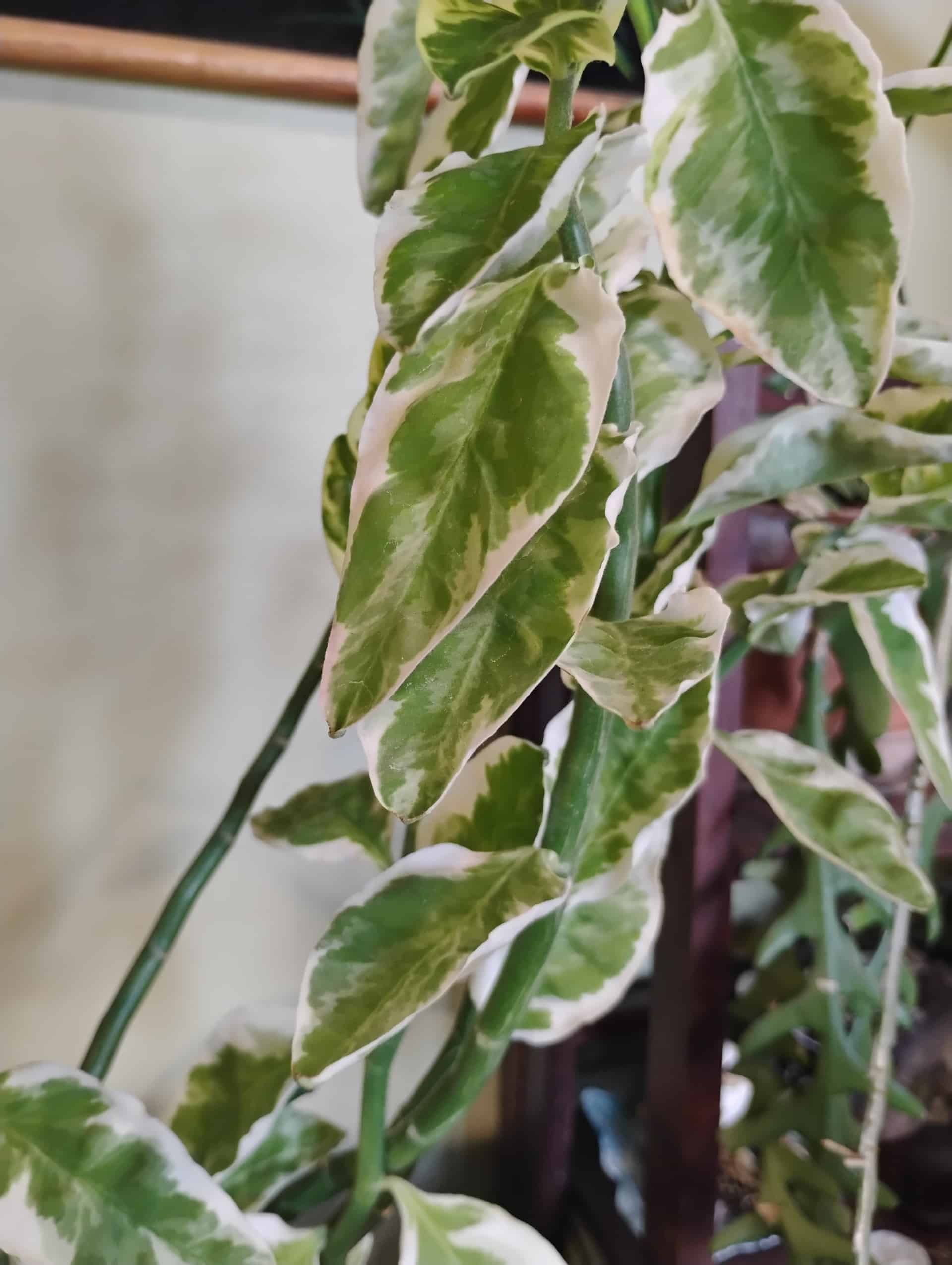
Devil's Backbone
Shares 5 of the same needs: full sun, low water, sandy, salt tolerance, and zone 9a hardiness.
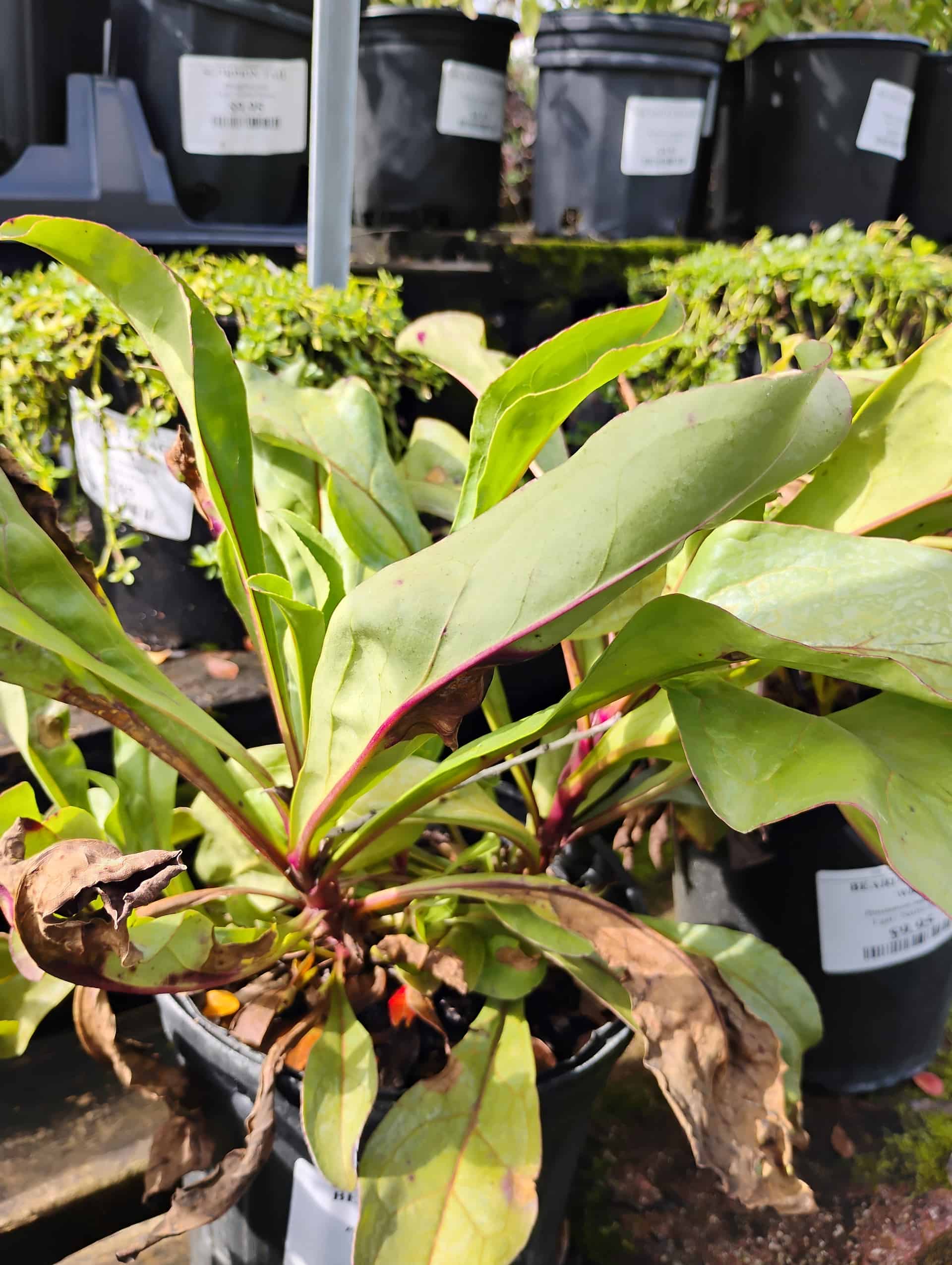
Beardtongue
Shares 5 of the same needs: full sun, low water, sandy, salt tolerance, and zone 9a hardiness.
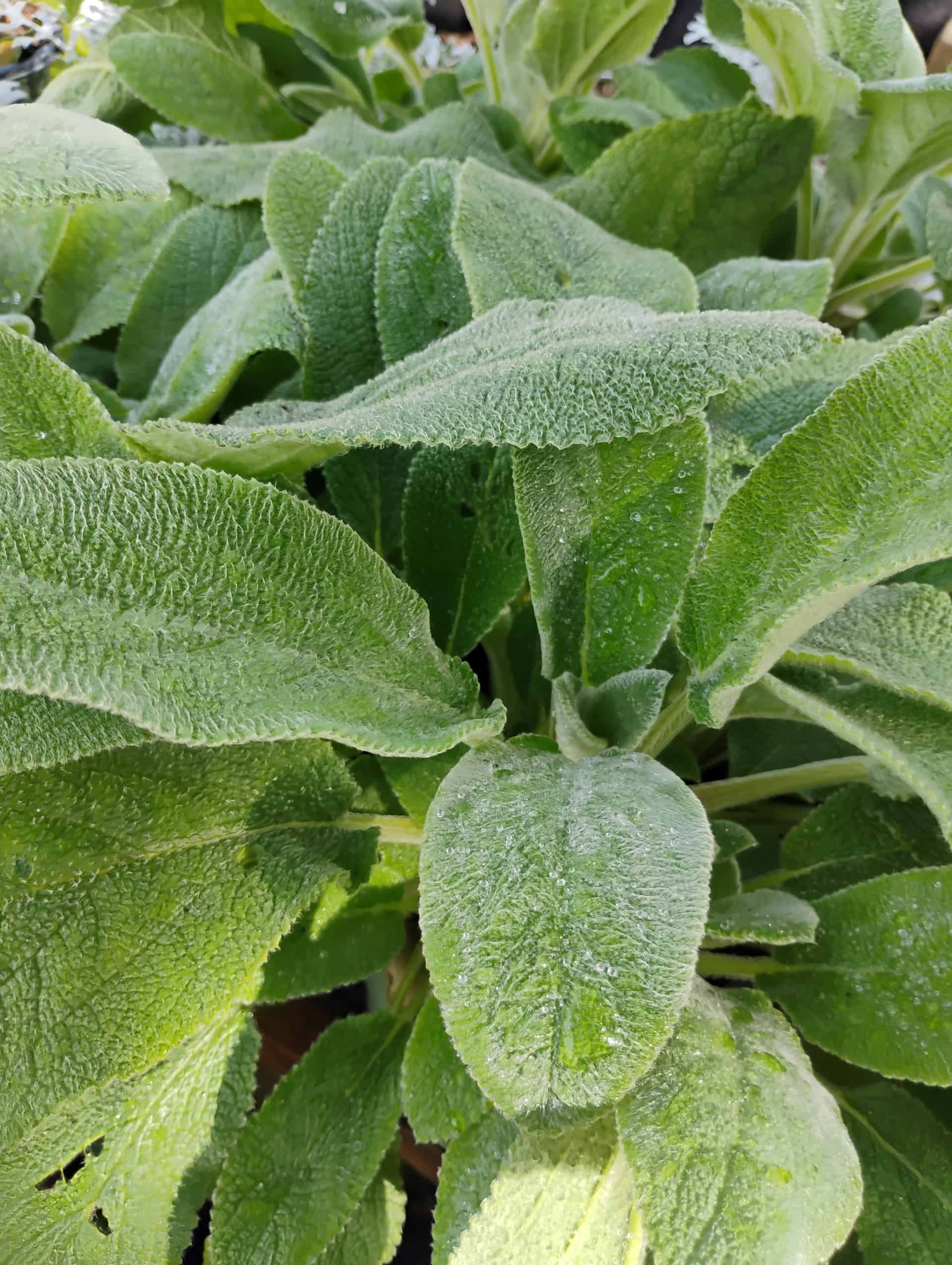
Lamb's Ear
Shares 5 of the same needs: full sun, low water, sandy, salt tolerance, and zone 9a hardiness.
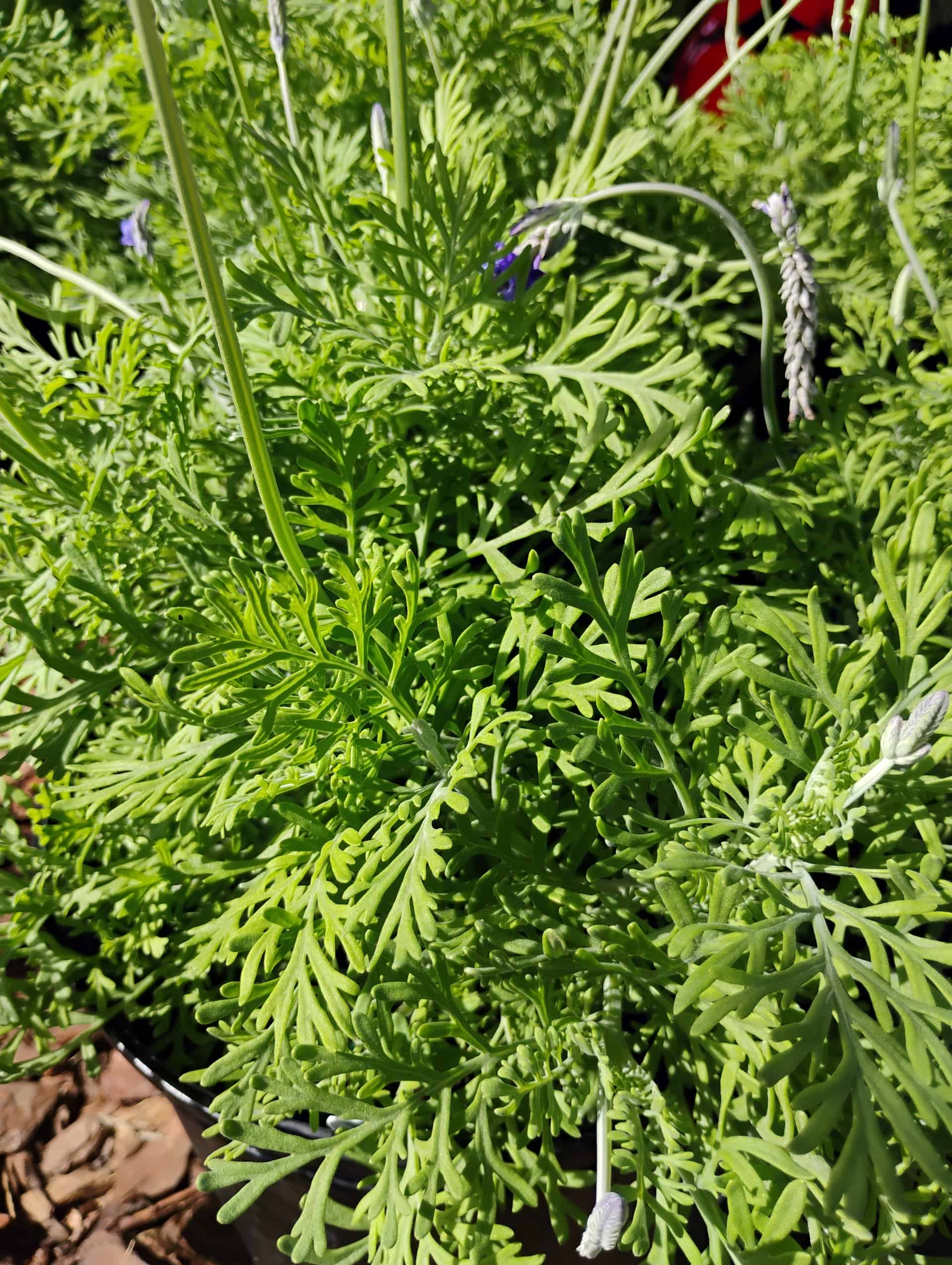
Lavender
Shares 5 of the same needs: full sun, low water, sandy, salt tolerance, and zone 9a hardiness.
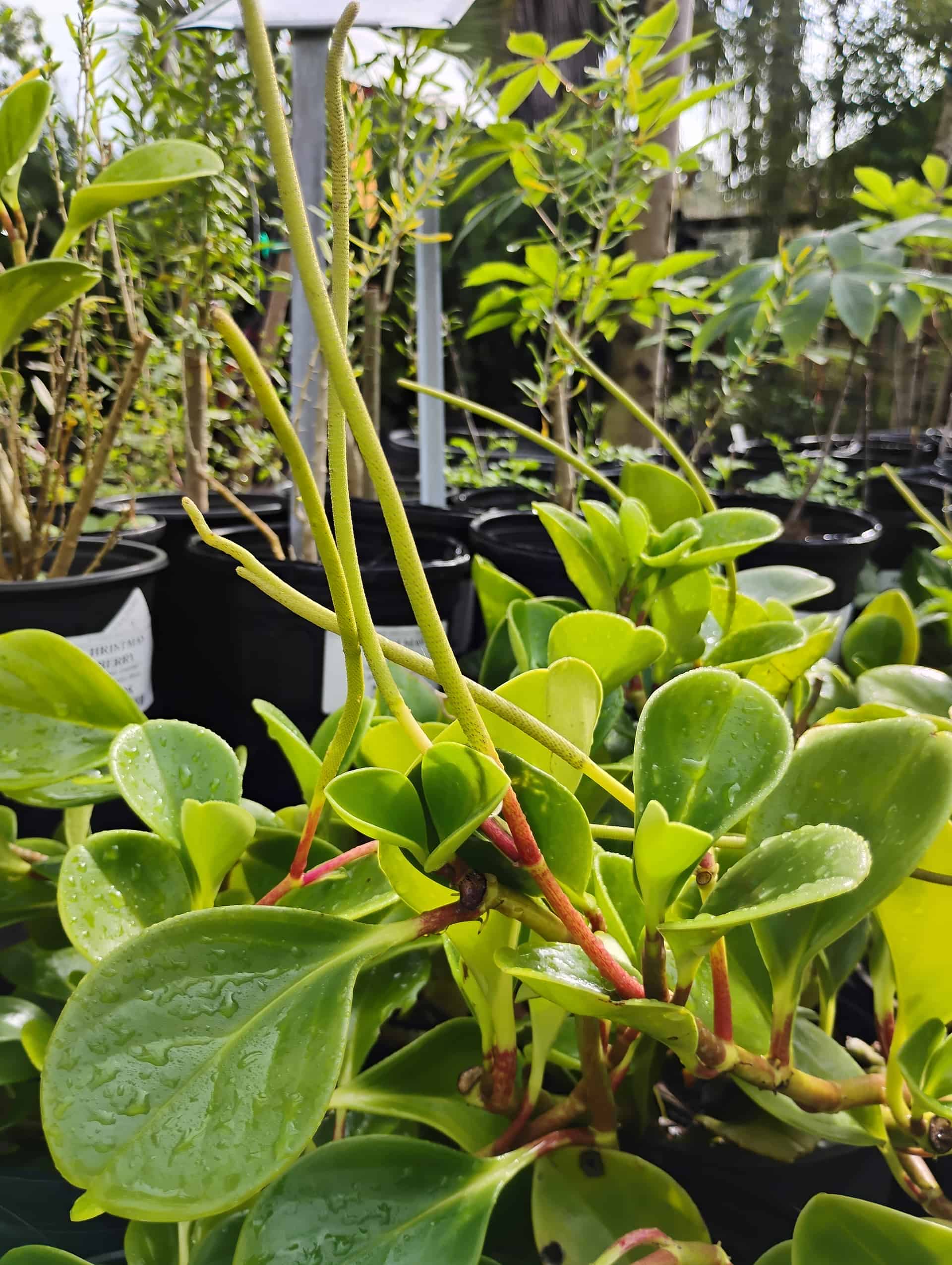
Peperomia
Shares 4 of the same needs: low water, well-drained soil, salt tolerance, and zone 9a hardiness.
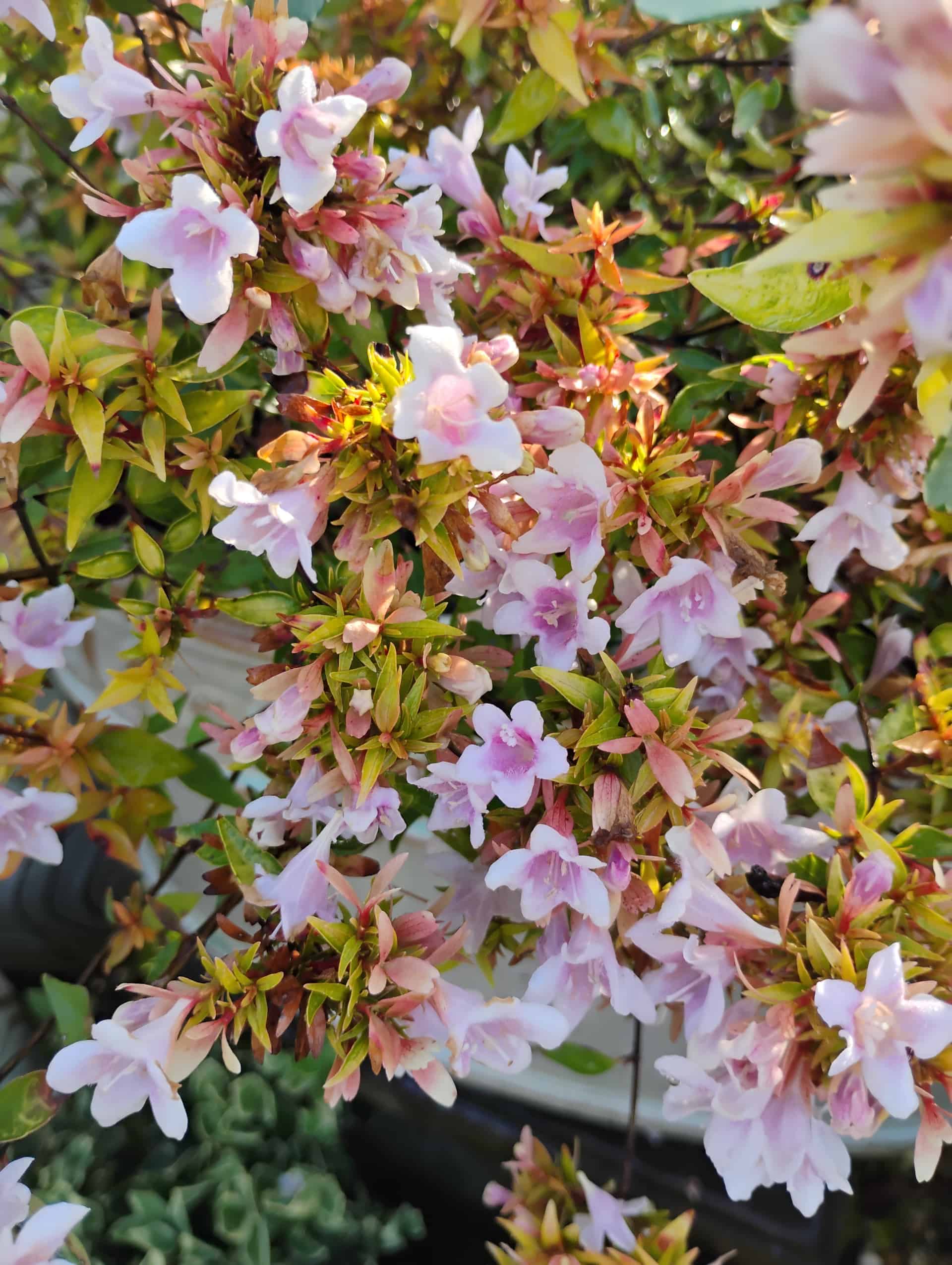
Abelia
Shares 4 of the same needs: full sun, sandy, salt tolerance, and zone 9a hardiness.
You may also like
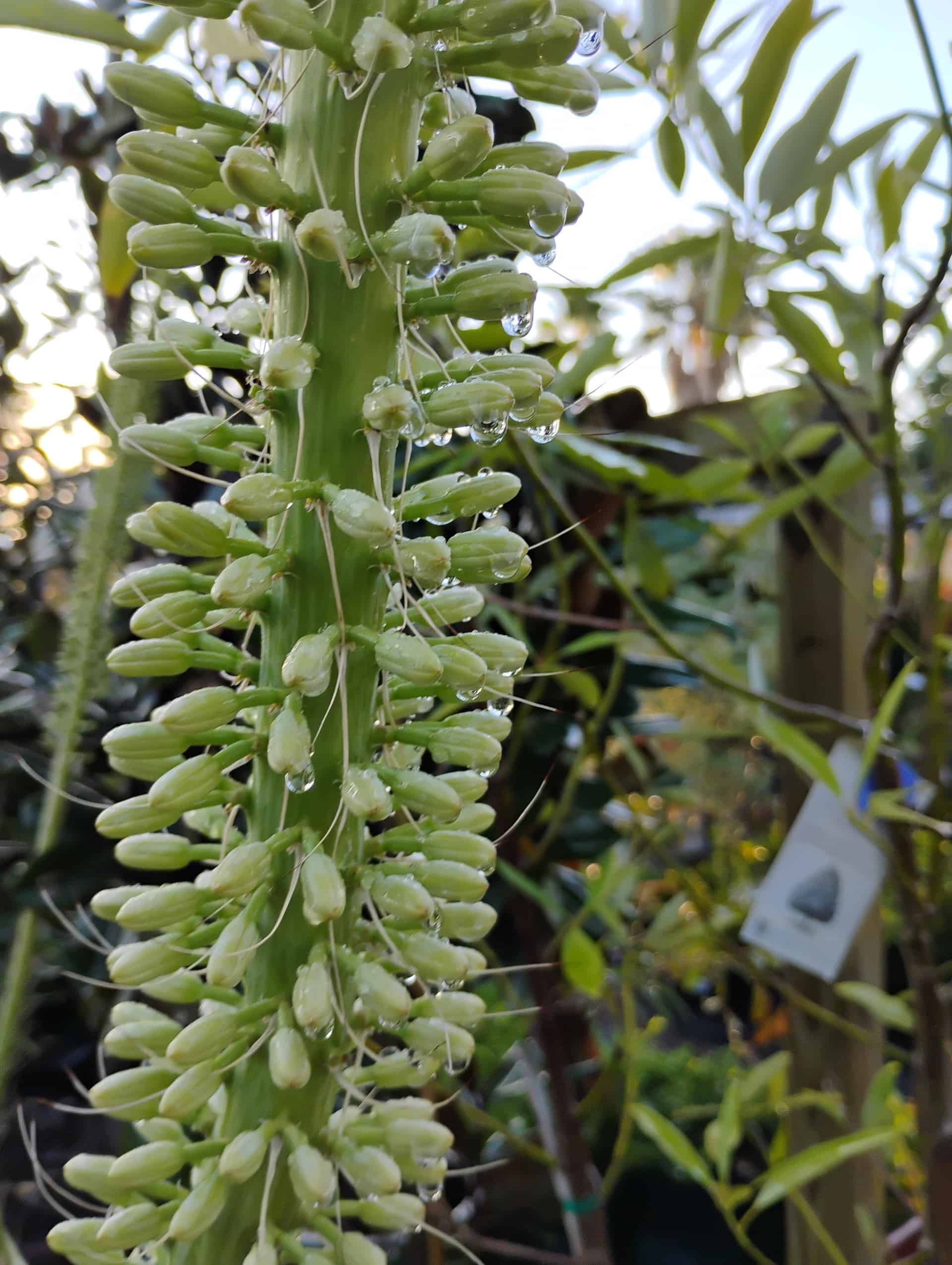 Succulent
Agave
Agave
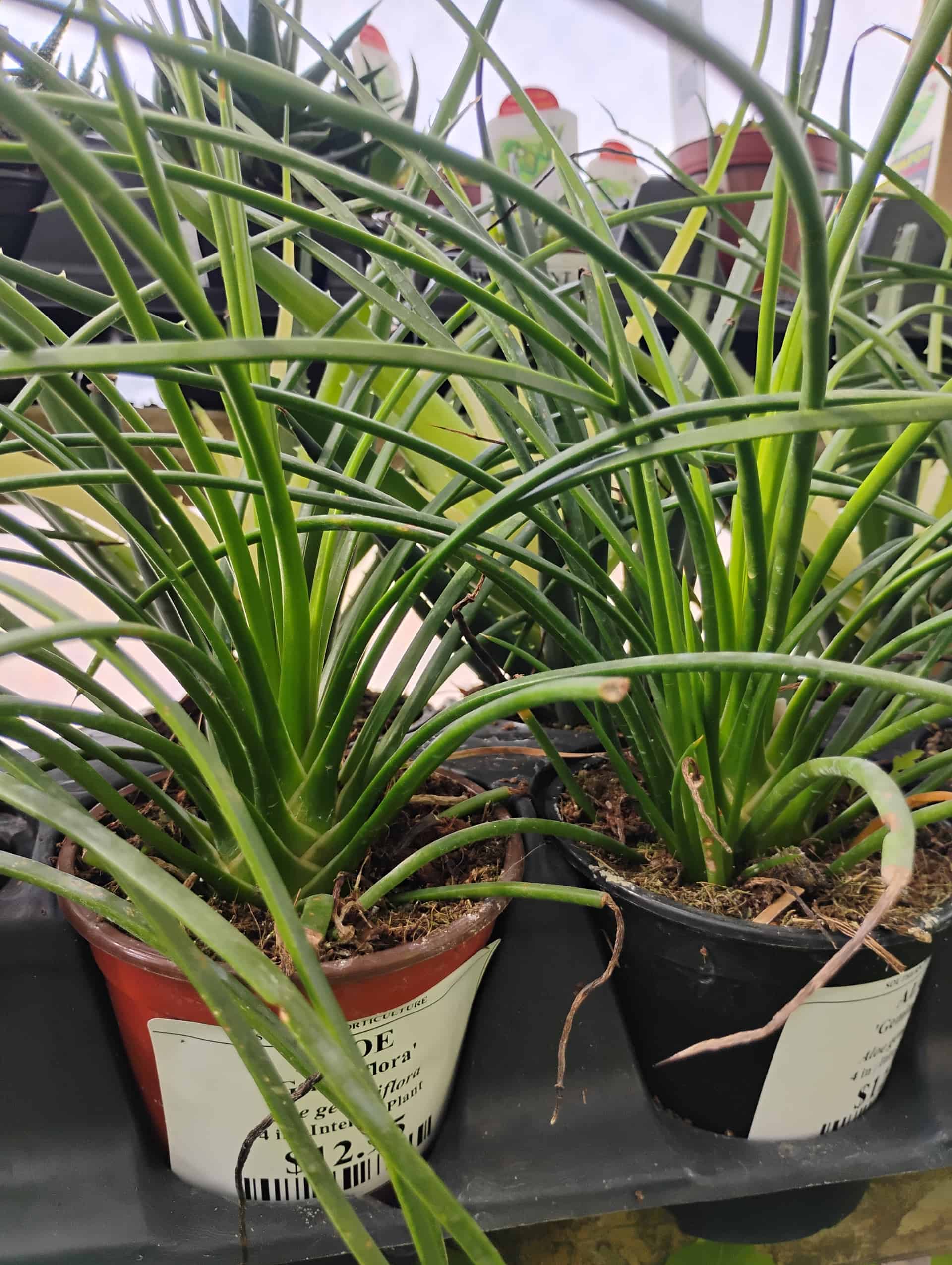 Succulent
Aloe
Aloe
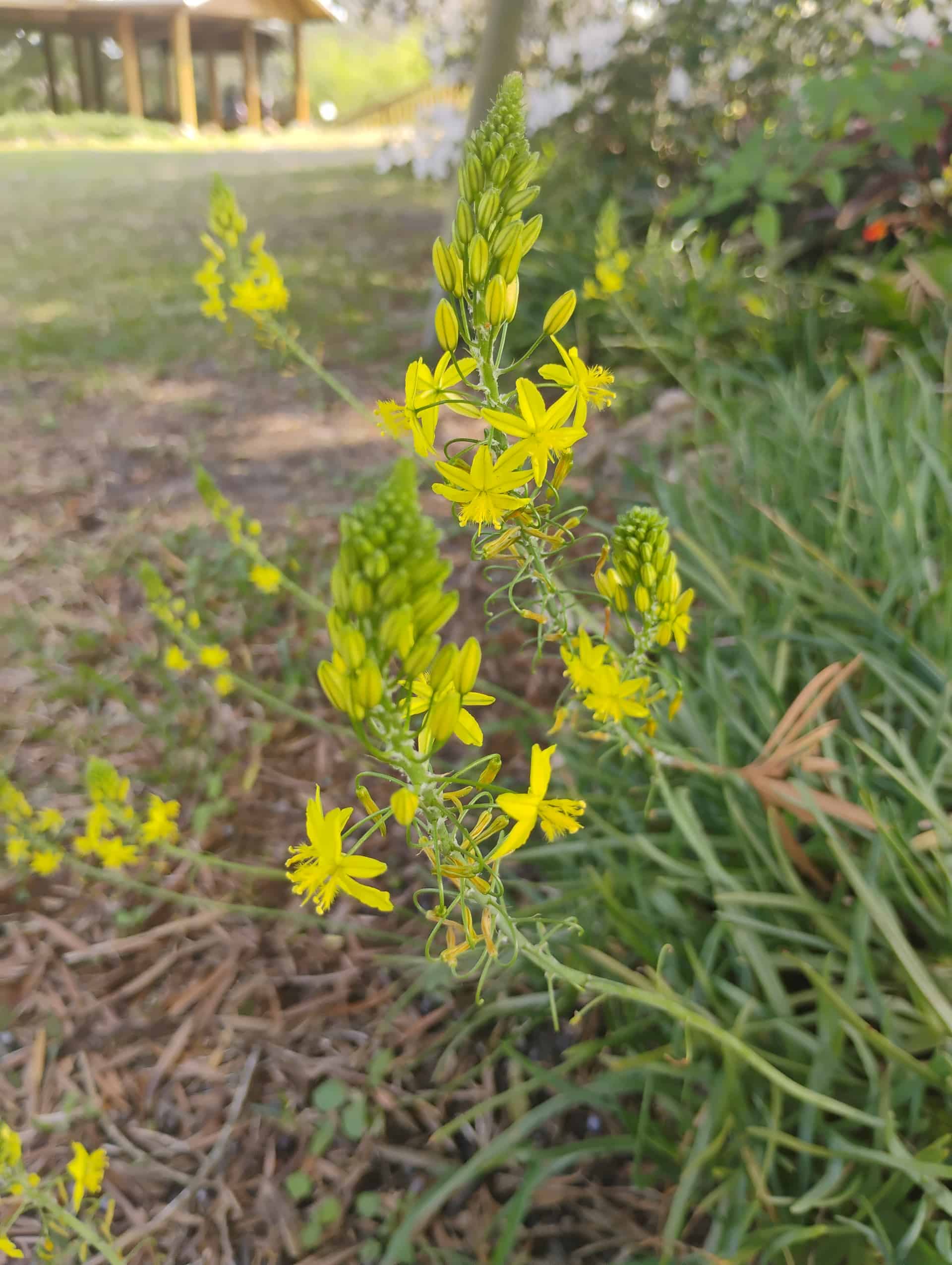 Succulent
Bulbine Lily
Bulbine
Common questions
Is Desert Rose a good plant for St. Augustine?
Desert Rose is a succulent for Zone 9b coastal Florida gardens, with low salt tolerance, reaching 2-4 feet × 2-3 feet (in containers in zone 9b).
Care information verified from
Last reviewed February 2026. Our care guidance comes from trusted horticulture sources and decades of helping St. Augustine gardeners. Conditions here can vary dramatically from one area to the next, so come ask us and we'll tailor it to your yard.