
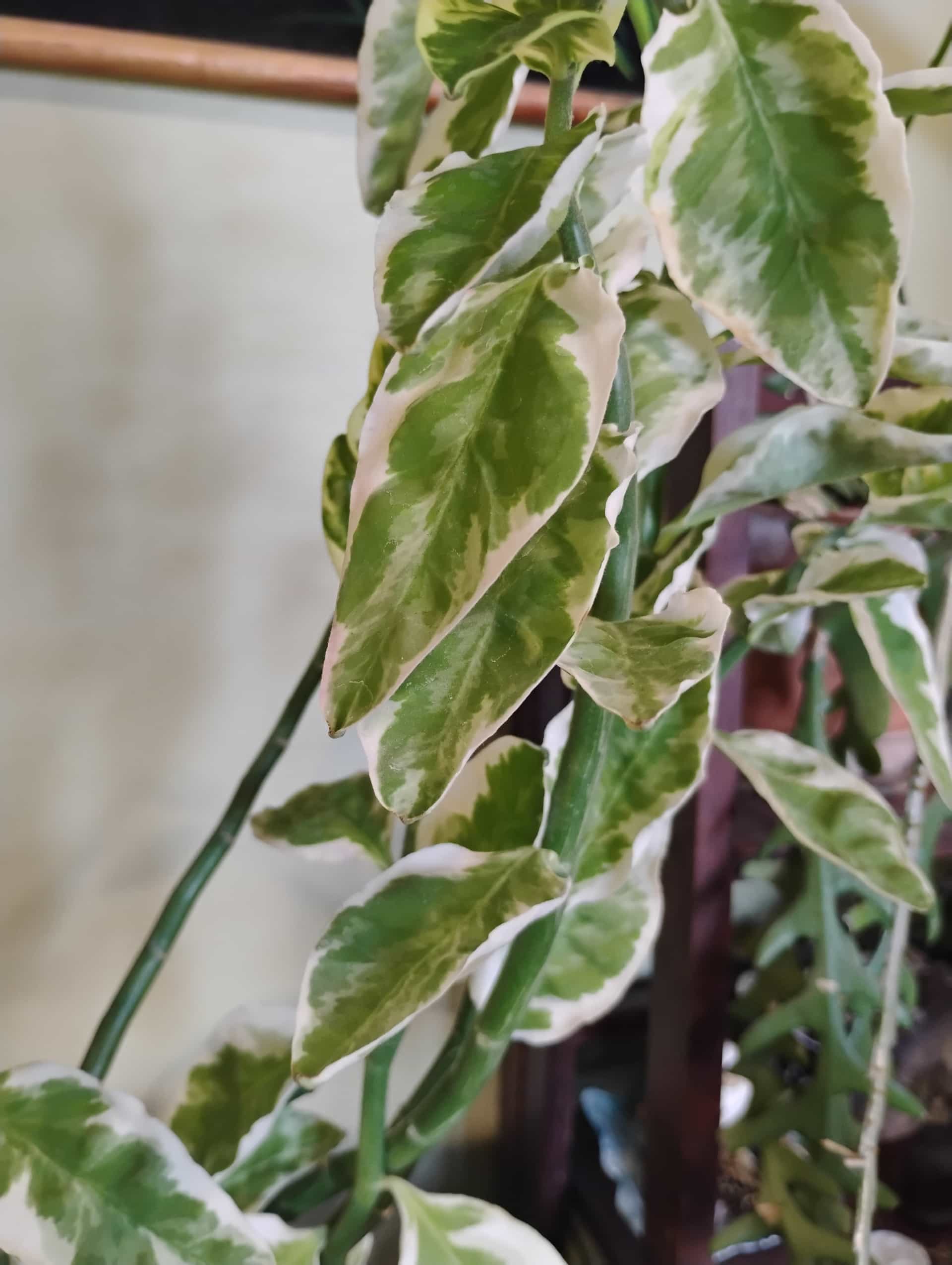
Traits
Varieties We Bring In
Standard
Standard
We received some Devil's Backbone on Jul 16, 2026.
We bring this in seasonally, so what is on the lot changes week to week. A received date shows when it last came in, not that it is here today.
Call (904) 471-0440 to confirm this plant and size before you make the trip.
Last received Jul 16, 2026.
We bring this in seasonally, so what is on the lot changes week to week. A received date shows when it last came in, not that it is here today.
Call (904) 471-0440 to confirm this plant and size before you make the trip.
Pet toxicity: Toxic to dogs and cats
Pet safety guideAbout Devil's Backbone
Devil's Backbone (Euphorbia tithymaloides) is a drought-tolerant tropical shrub with striking zigzag stems and fleshy, often variegated leaves of green, white, and pink. Hardy in zone 9b with protection from hard frost, it makes a bold, low-water accent for sunny NE Florida borders and containers.
Plant details
- Bloom Season
- Spring, Summer
- Flower Color
- Red, Pink
- Growth Rate
- Moderate
- Foliage
- Evergreen
- Soil
- Sandy, Well-drained
Best planting months
Recommended months: March, April, May, September, October, November.
Seasonal care
Bloom season. Good planting window.
Bloom season. Handles summer heat well once established.
Ideal planting window.
Retains foliage through winter.
Care essentials
Grows best in full sun but tolerates partial shade; variegated forms hold brighter color with more light. In NE Florida, some afternoon shade helps reduce heat stress in midsummer.
Water sparingly — Devil's Backbone is semi-succulent and highly drought-tolerant once established. Allow soil to dry between waterings and never let it sit in standing water, which causes root rot in Florida's wet summers.
Plant in sandy or well-drained soil; amend heavy soil with perlite or coarse sand. Apply a balanced slow-release fertilizer lightly once in spring. Avoid overfeeding, which promotes weak growth.
Similar needs
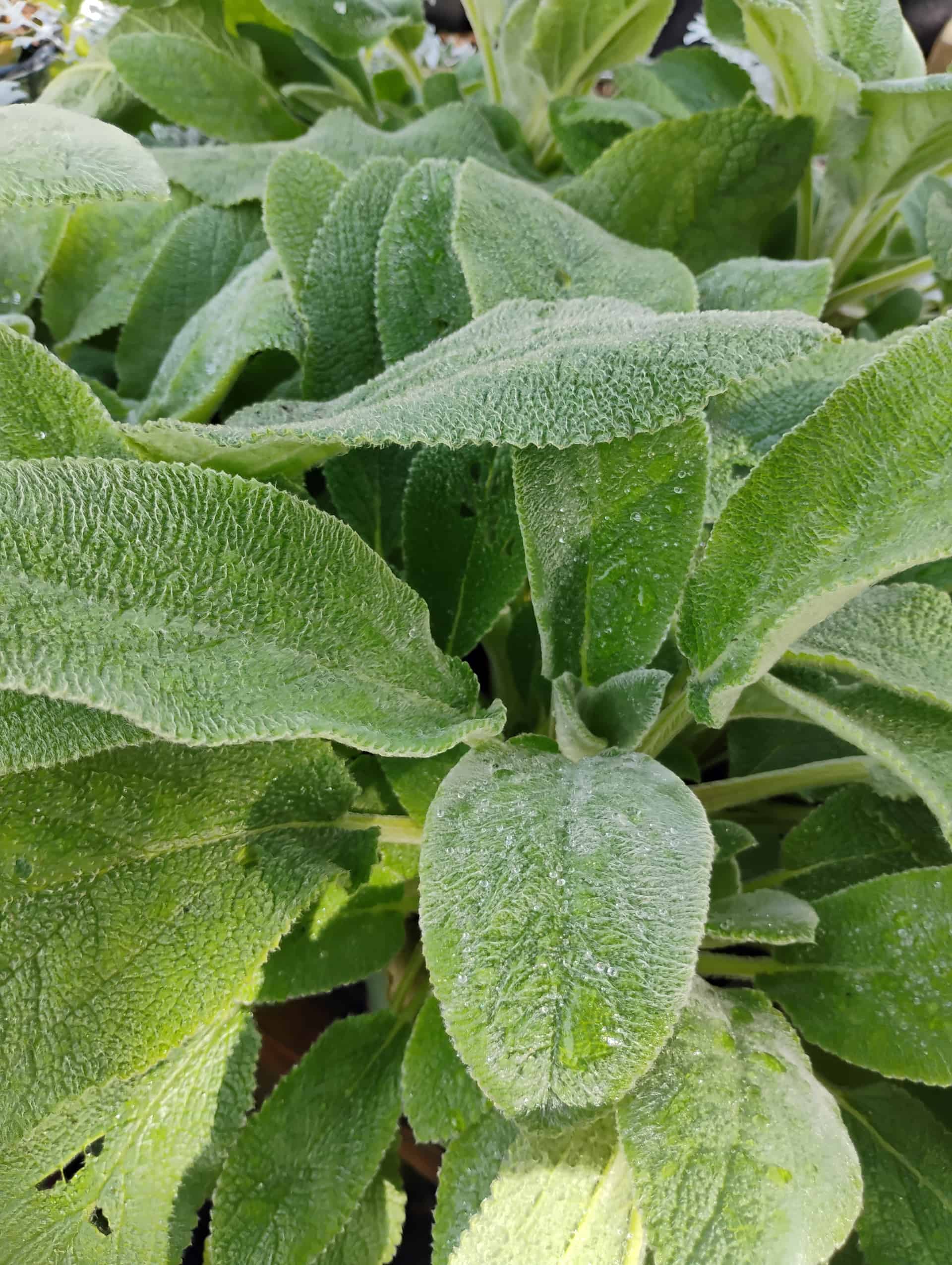
Lamb's Ear
Shares 5 of the same needs: full sun, low water, sandy, salt tolerance, and zone 9a hardiness.
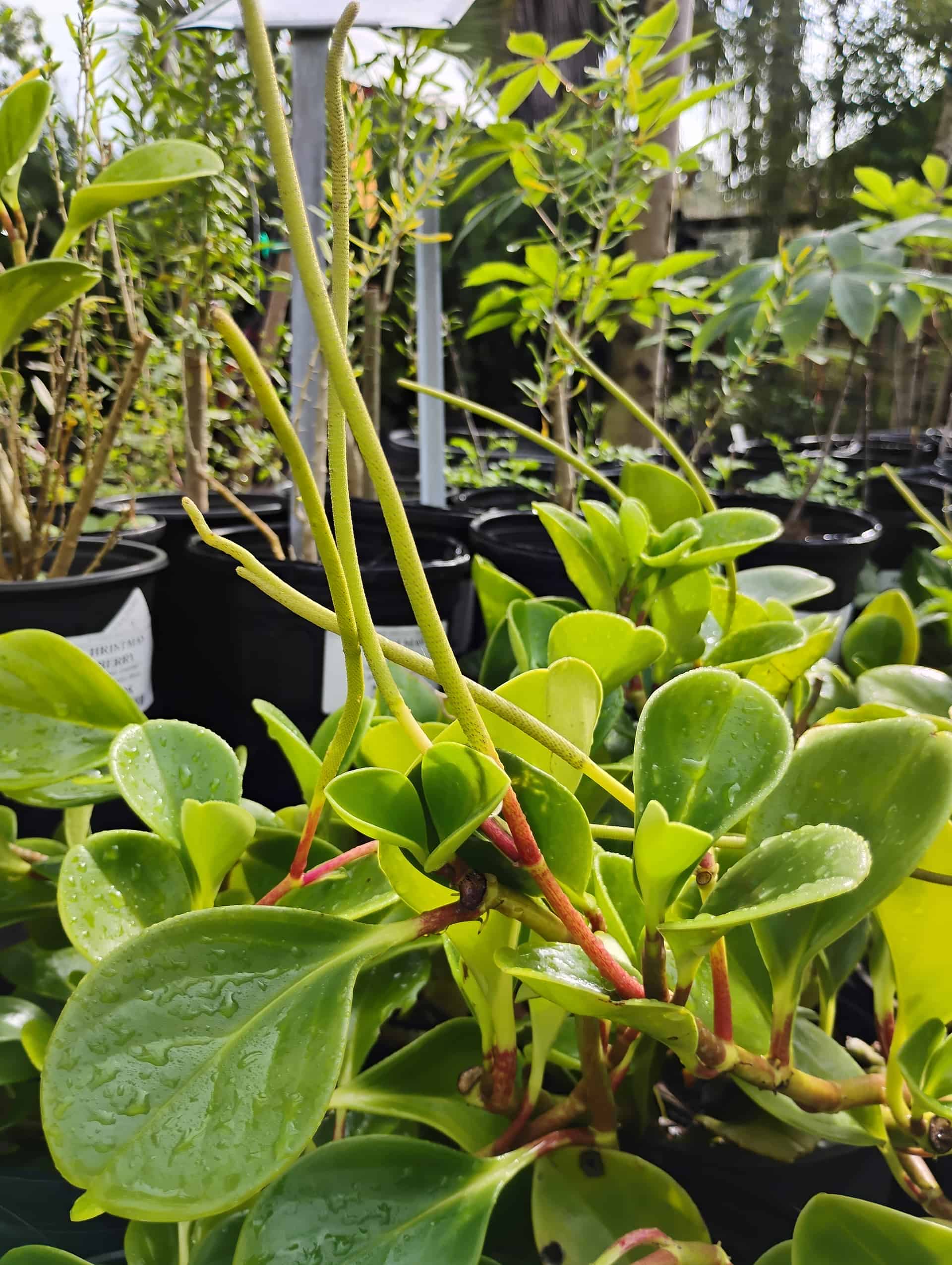
Peperomia
Shares 5 of the same needs: shade, low water, well-drained soil, salt tolerance, and zone 9a hardiness.

Desert Rose
Shares 5 of the same needs: full sun, low water, sandy, salt tolerance, and zone 9a hardiness.
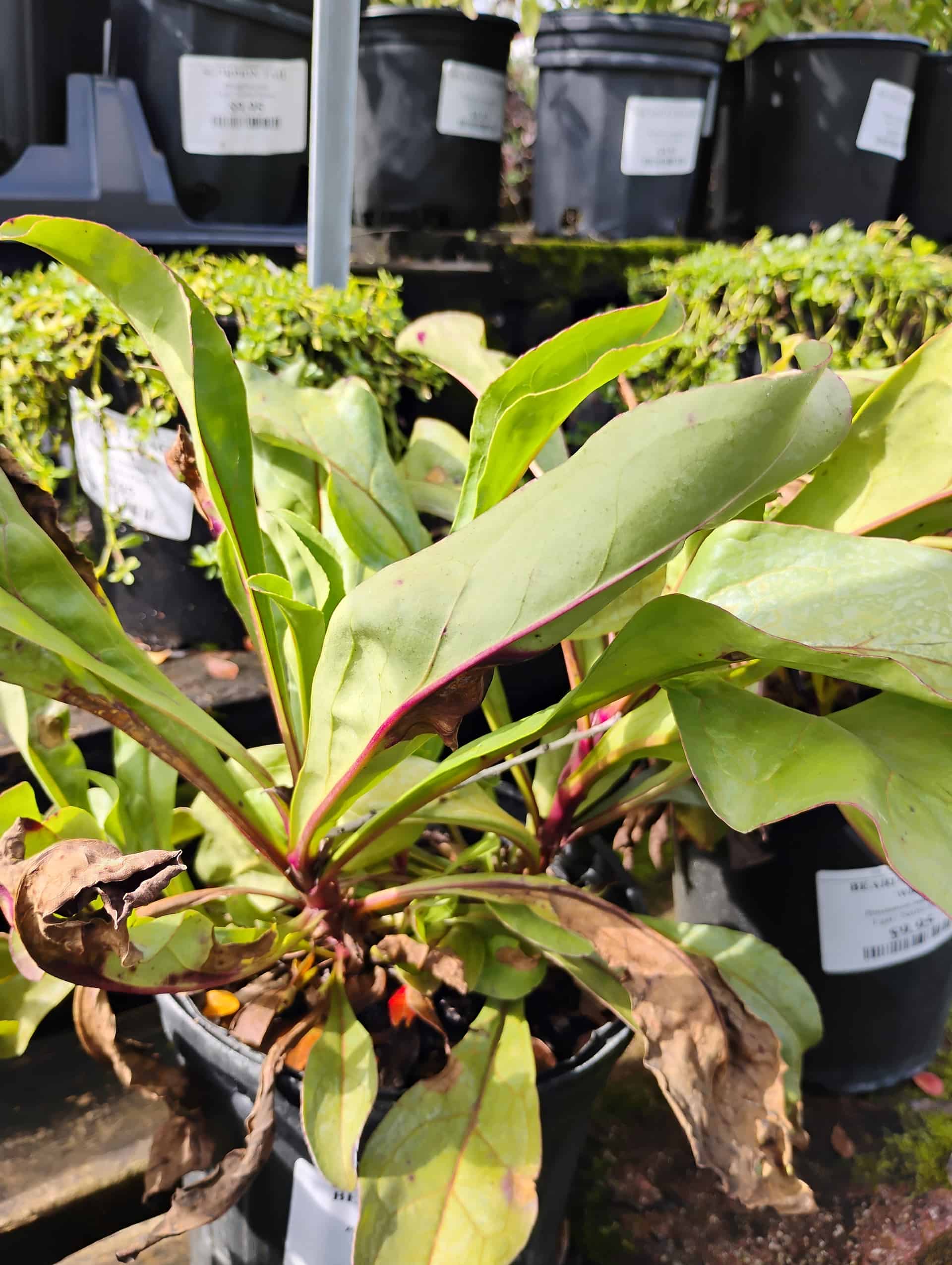
Beardtongue
Shares 5 of the same needs: full sun, low water, sandy, salt tolerance, and zone 9a hardiness.
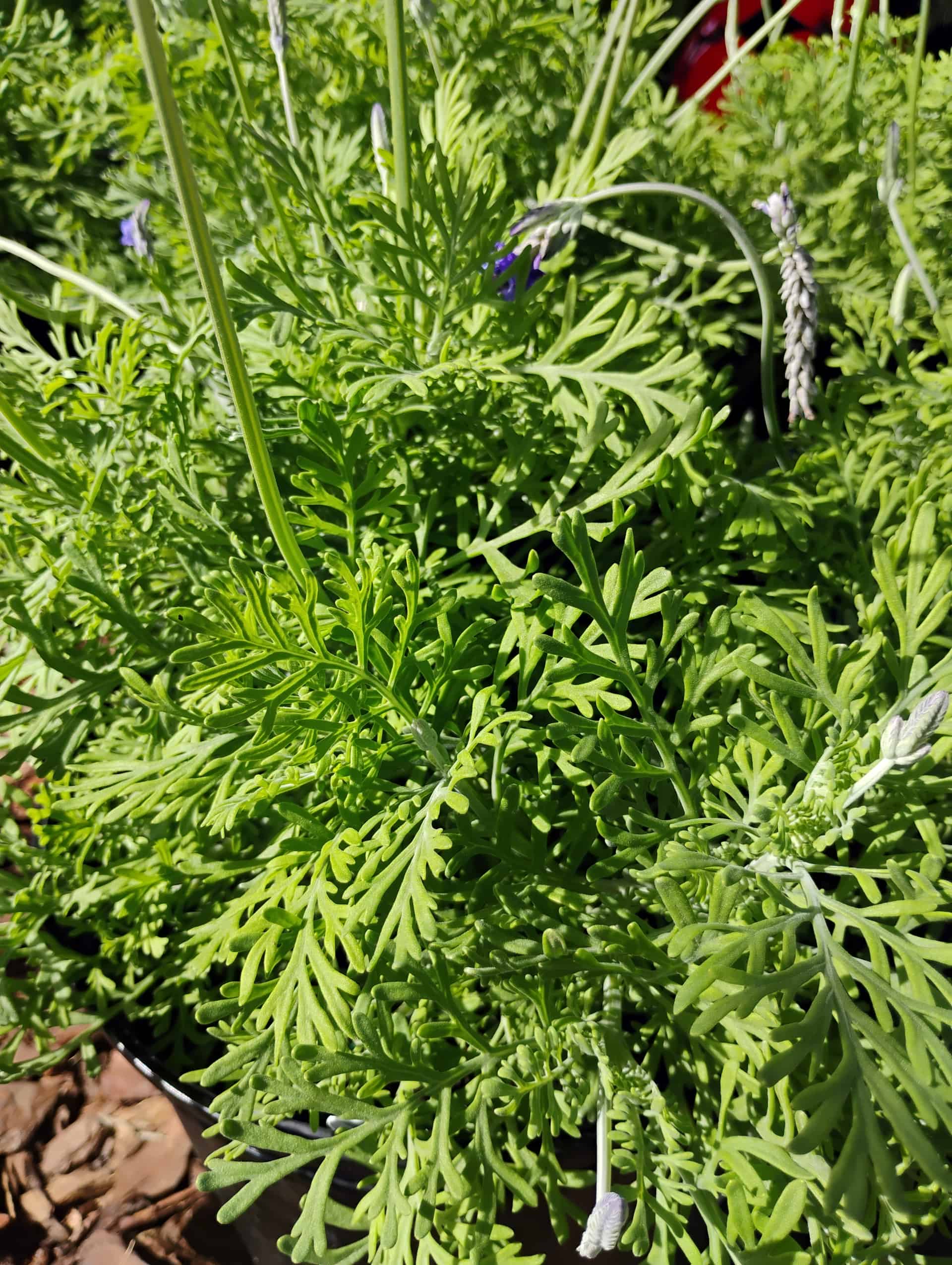
Lavender
Shares 5 of the same needs: full sun, low water, sandy, salt tolerance, and zone 9a hardiness.

Orchid Cactus
Shares 4 of the same needs: shade, well-drained soil, salt tolerance, and zone 9a hardiness.
You may also like
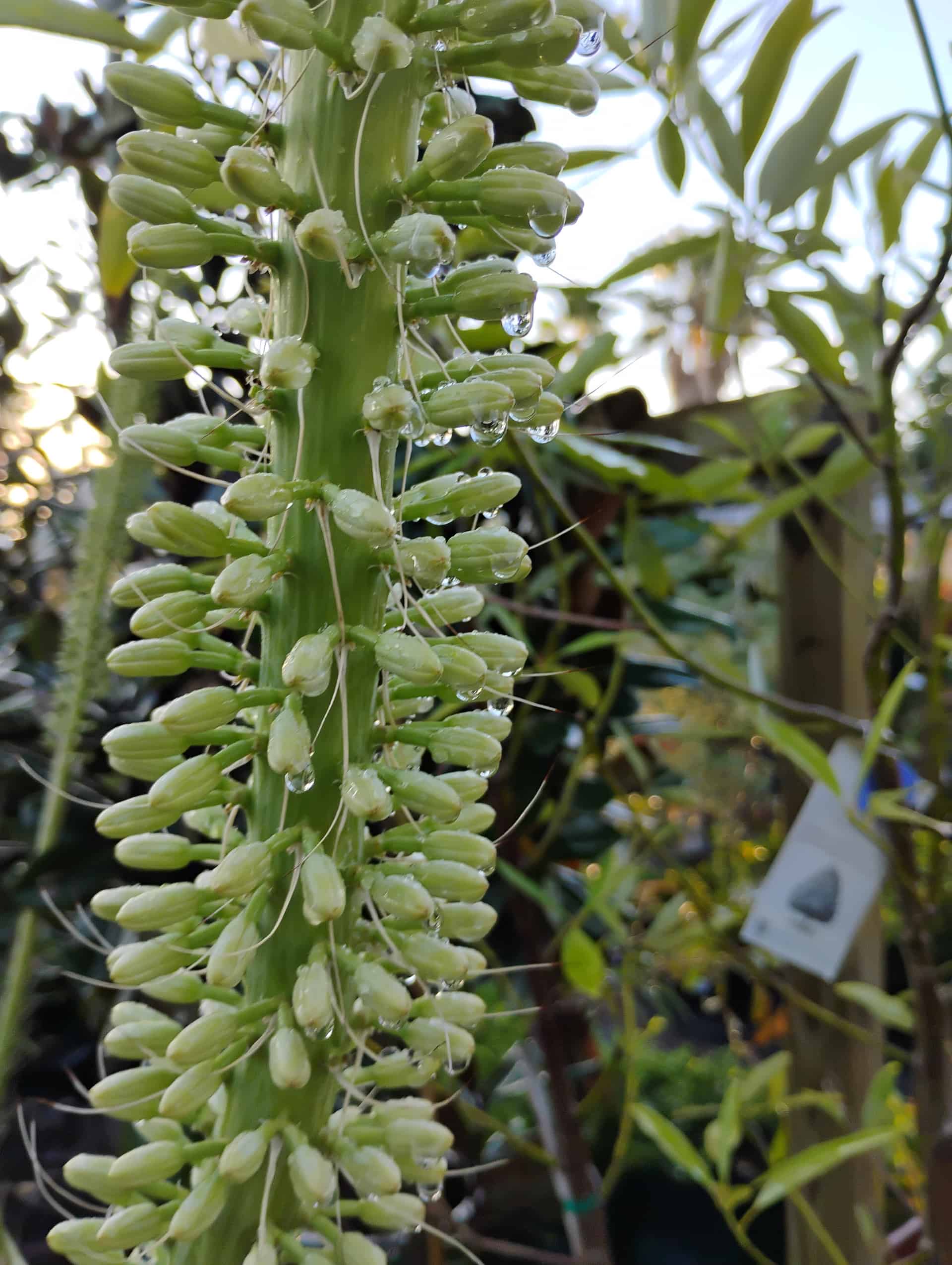 Succulent
Agave
Agave
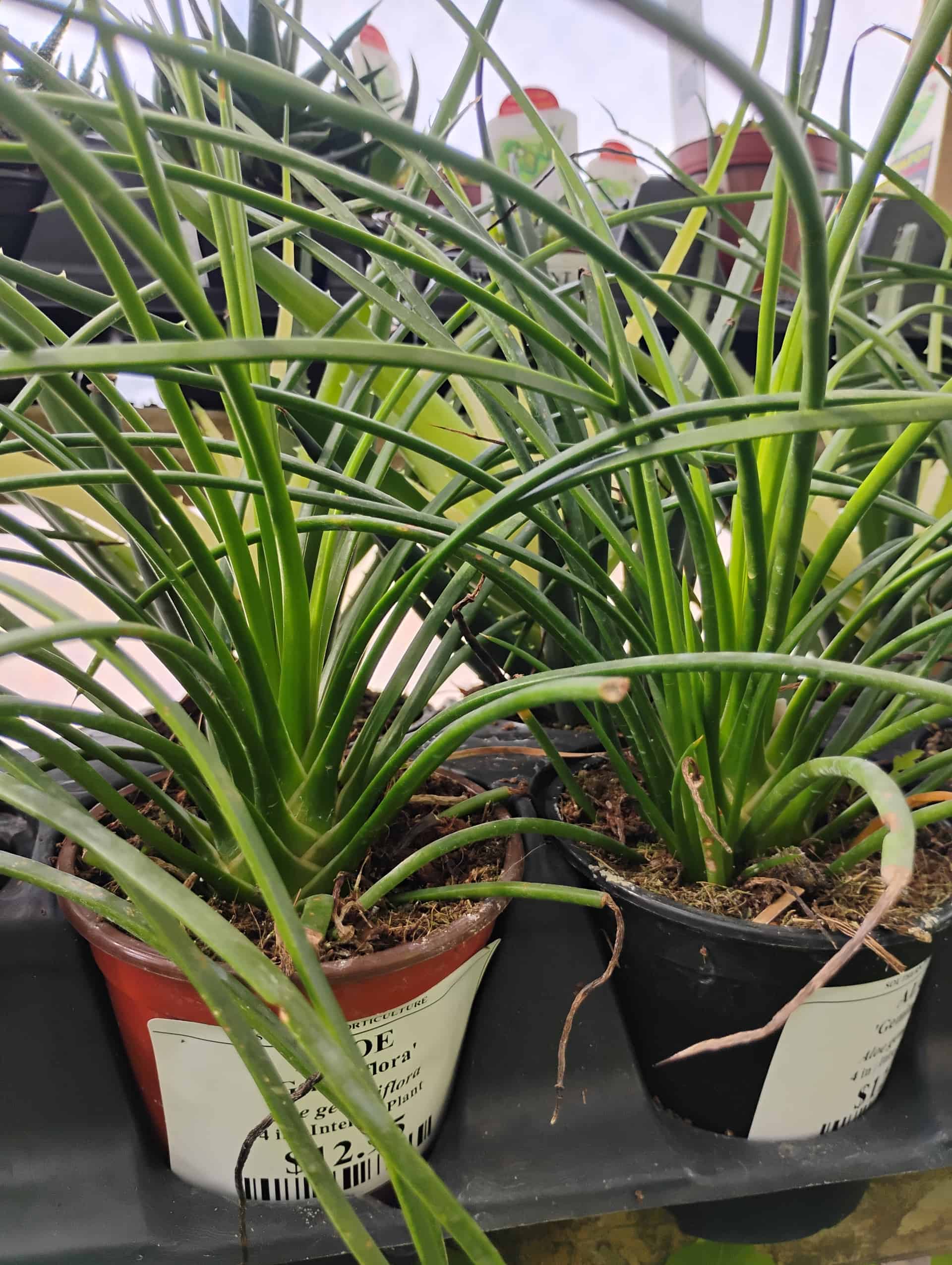 Succulent
Aloe
Aloe
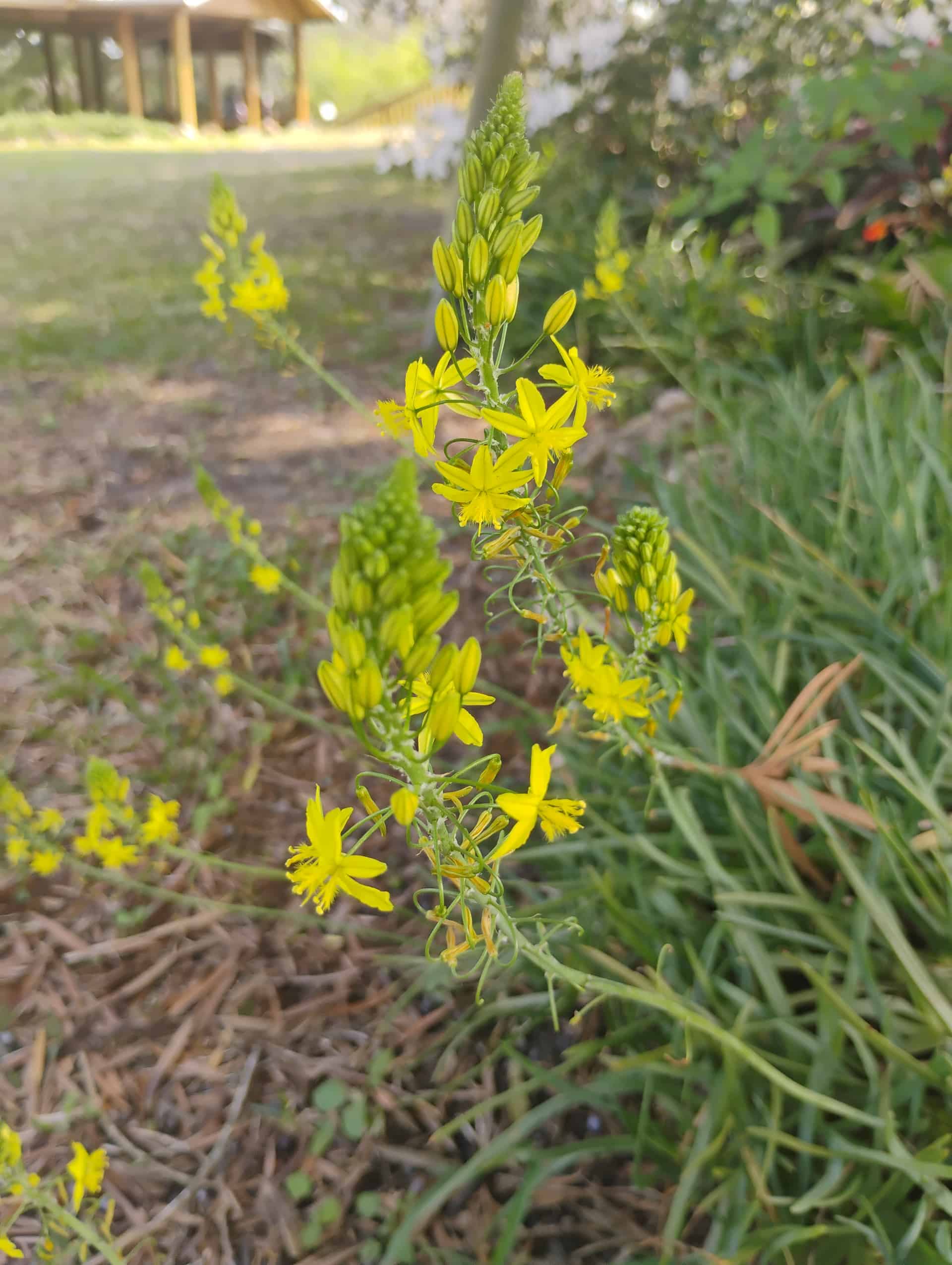 Succulent
Bulbine Lily
Bulbine
Common questions
Is Devil's Backbone a good plant for St. Augustine?
Devil's Backbone is a succulent. Mature size: 2-6 feet × 1-2 feet. Light: Full Sun, Part Shade. Water needs: Low. Recorded hardiness zone: 9a. Recorded salt tolerance: low.
What is the recorded pet toxicity for Devil's Backbone?
Toxic to dogs and cats
Care information verified from
Last reviewed February 2026. Our care guidance comes from trusted horticulture sources and decades of helping St. Augustine gardeners. Conditions here can vary dramatically from one area to the next, so come ask us and we'll tailor it to your yard.