
Pawpaw
Asimina triloba
Varieties We Bring In
Last received Sep 8, 2026.
We bring this in seasonally, so what is on the lot changes week to week. A received date shows when it last came in, not that it is here today.
Call (904) 471-0440 to confirm this plant and size before you make the trip.
About Pawpaw
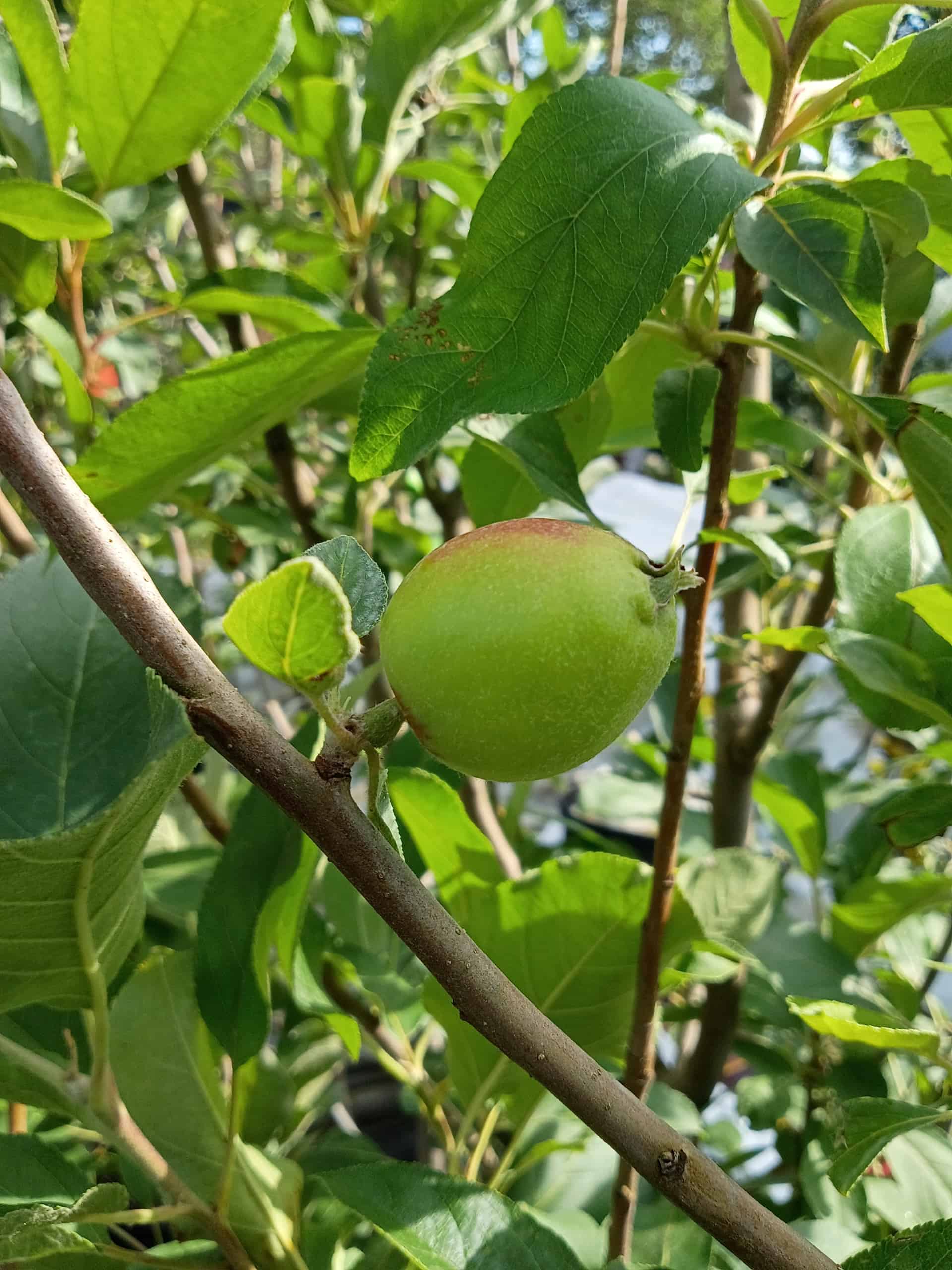
Pawpaw (Asimina triloba) is the largest edible fruit native to North America, a deciduous understory tree with large, drooping leaves and custard-like tropical-tasting fruits. It is best suited to North Florida (rated zones 5–8b by UF/IFAS); zone 9b performance is marginal due to insufficient winter chill hours and summer heat stress — select low-chill cultivars if trialing in NE Florida. Starting at $19.95.
Plant details
- Bloom Season
- Spring
- Flower Color
- Purple
- Growth Rate
- Slow
- Foliage
- Deciduous
- Soil
- Sandy, Loam, Acidic, Well-drained, Moist
Best planting months
Seasonal care
Bloom season. New foliage emerges. Good planting window.
Active growing season.
Foliage may begin to change or drop.
Dormant — drops foliage. Can be planted in mild winter periods.
Care essentials
Pawpaw grows in full sun to part shade; juvenile trees benefit from some shade while establishing, but mature trees fruit better with more sun. In NE Florida, full sun with adequate moisture is preferred.
Pawpaw prefers consistently moist, rich, slightly acidic soil and will not tolerate drought or standing water. In NE Florida's sandy soils, supplement with regular irrigation and mulch heavily to retain moisture; consider grafted low-chill cultivars, as standard Asimina triloba (rated zones 5–8b) is challenged by zone 9b heat and insufficient chill hours.
Plant in deep, fertile, slightly acidic (pH 5.5–7.0), moist, well-drained soil. Amend NE Florida sandy soil heavily with compost or leaf mold. Apply a balanced fertilizer in early spring; the tree responds well to organic matter but is not a heavy feeder.
Similar needs
Climbing Fetterbush
Shares 5 of the same needs: similar light, high water, sandy, zone 9a hardiness, and pollinator-friendly.
Climbing Hydrangea
Shares 5 of the same needs: similar light, high water, sandy, zone 9a hardiness, and pollinator-friendly.
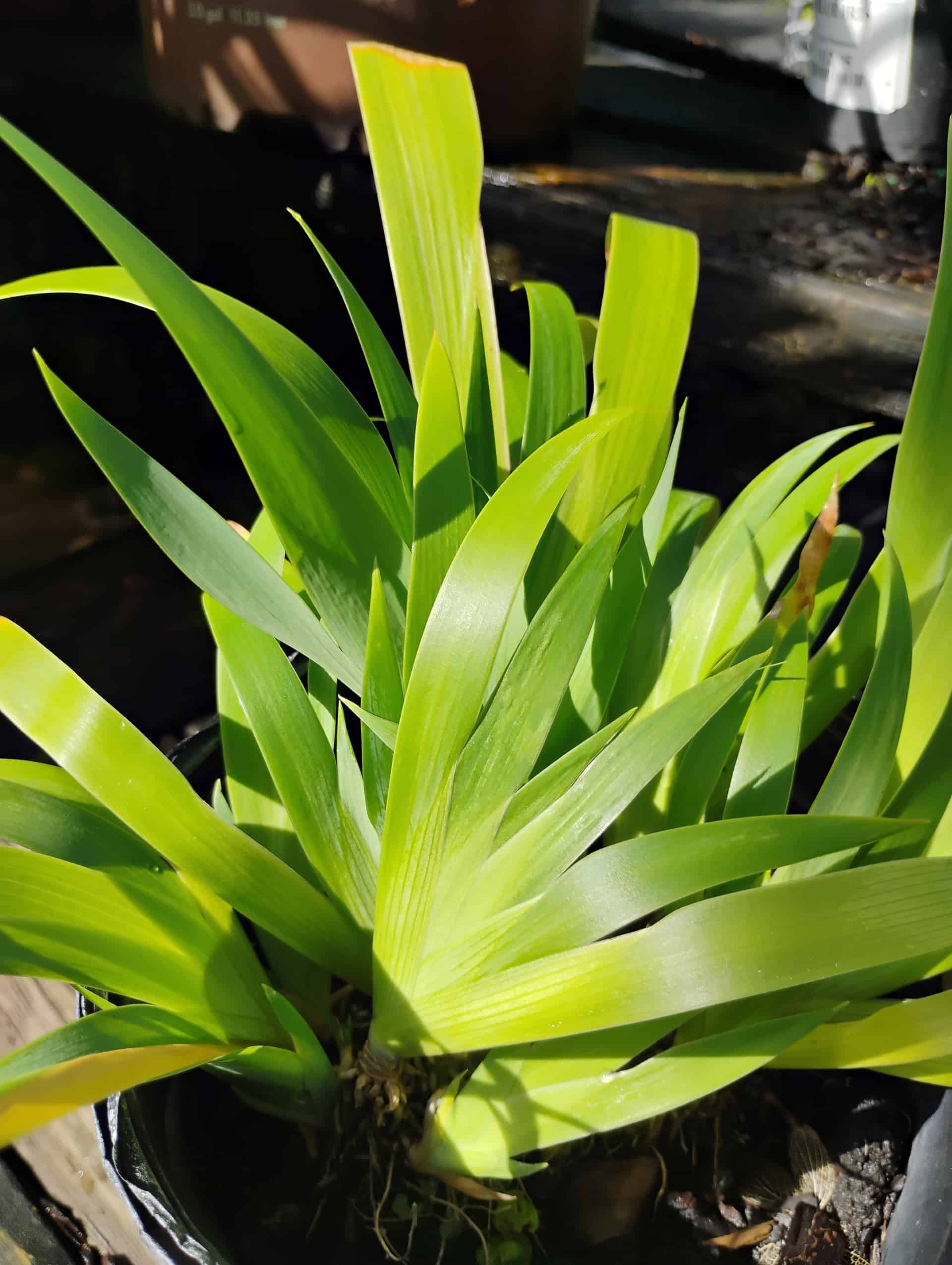
Japanese Iris
Shares 4 of the same needs: full sun, high water, loam, and pollinator-friendly.
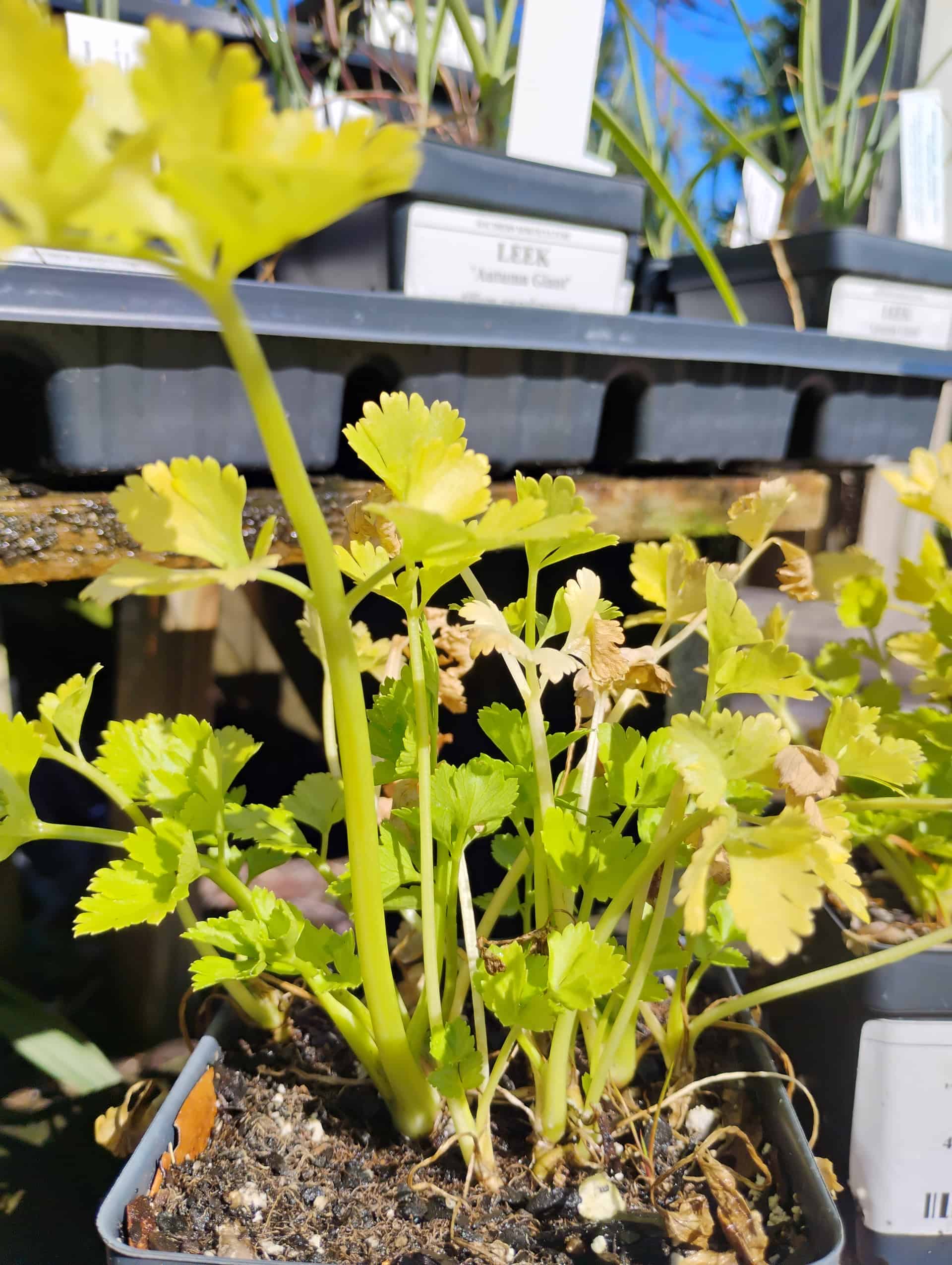
Celery
Shares 4 of the same needs: full sun, high water, loam, and zone 9a hardiness.
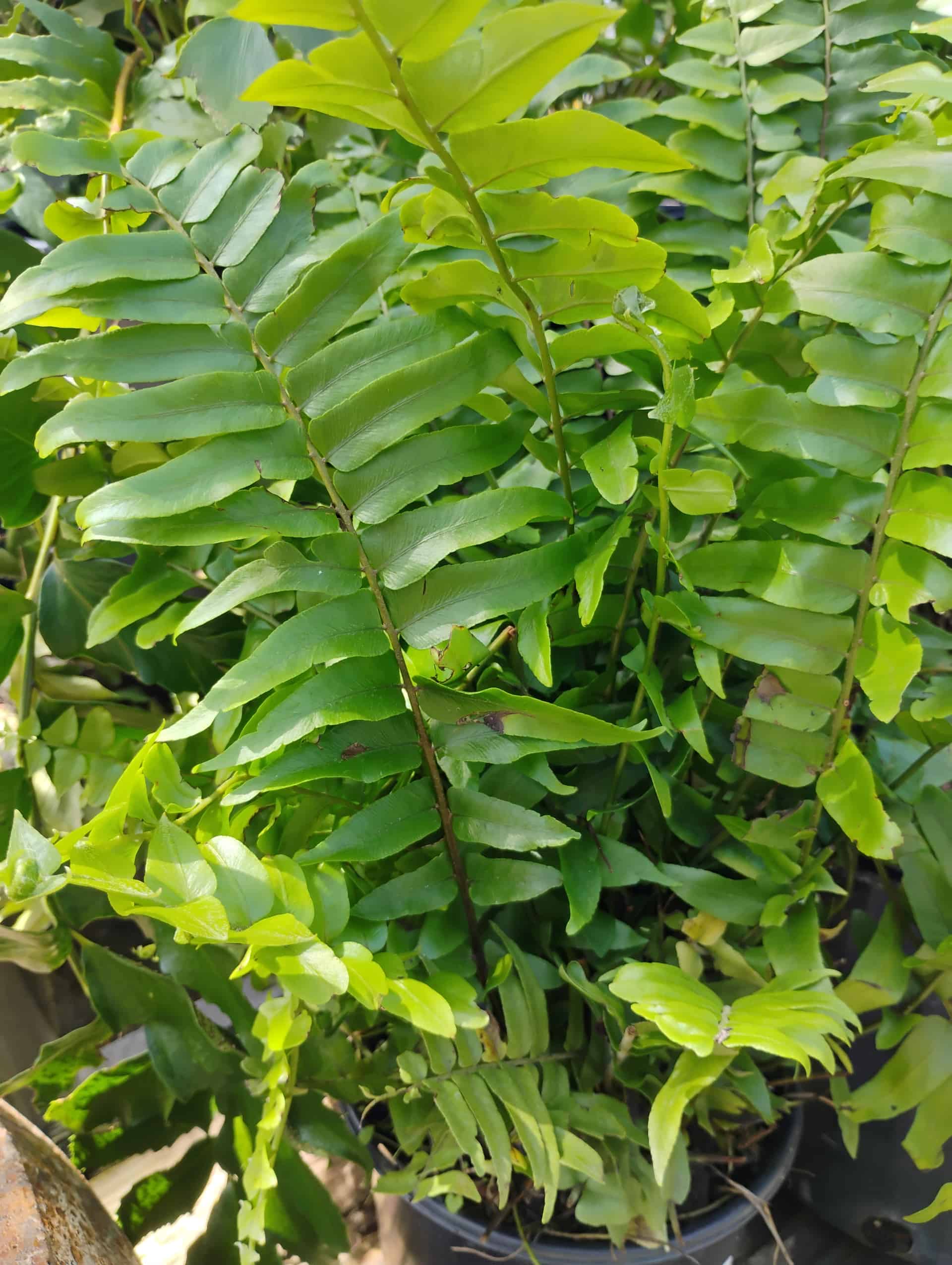
Macho Fern
Shares 4 of the same needs: similar light, high water, loam, and zone 9a hardiness.
Palm Grass
Shares 4 of the same needs: similar light, high water, loam, and zone 9a hardiness.
You may also like
Common questions
Is Pawpaw a good plant for St. Augustine?
Pawpaw is a fruit tree for Zone 9b coastal Florida gardens, reaching 15-30 feet × 15-20 feet.
Care information verified from
Last reviewed February 2026. Our care guidance comes from trusted horticulture sources and decades of helping St. Augustine gardeners. Conditions here can vary dramatically from one area to the next, so come ask us and we'll tailor it to your yard.