
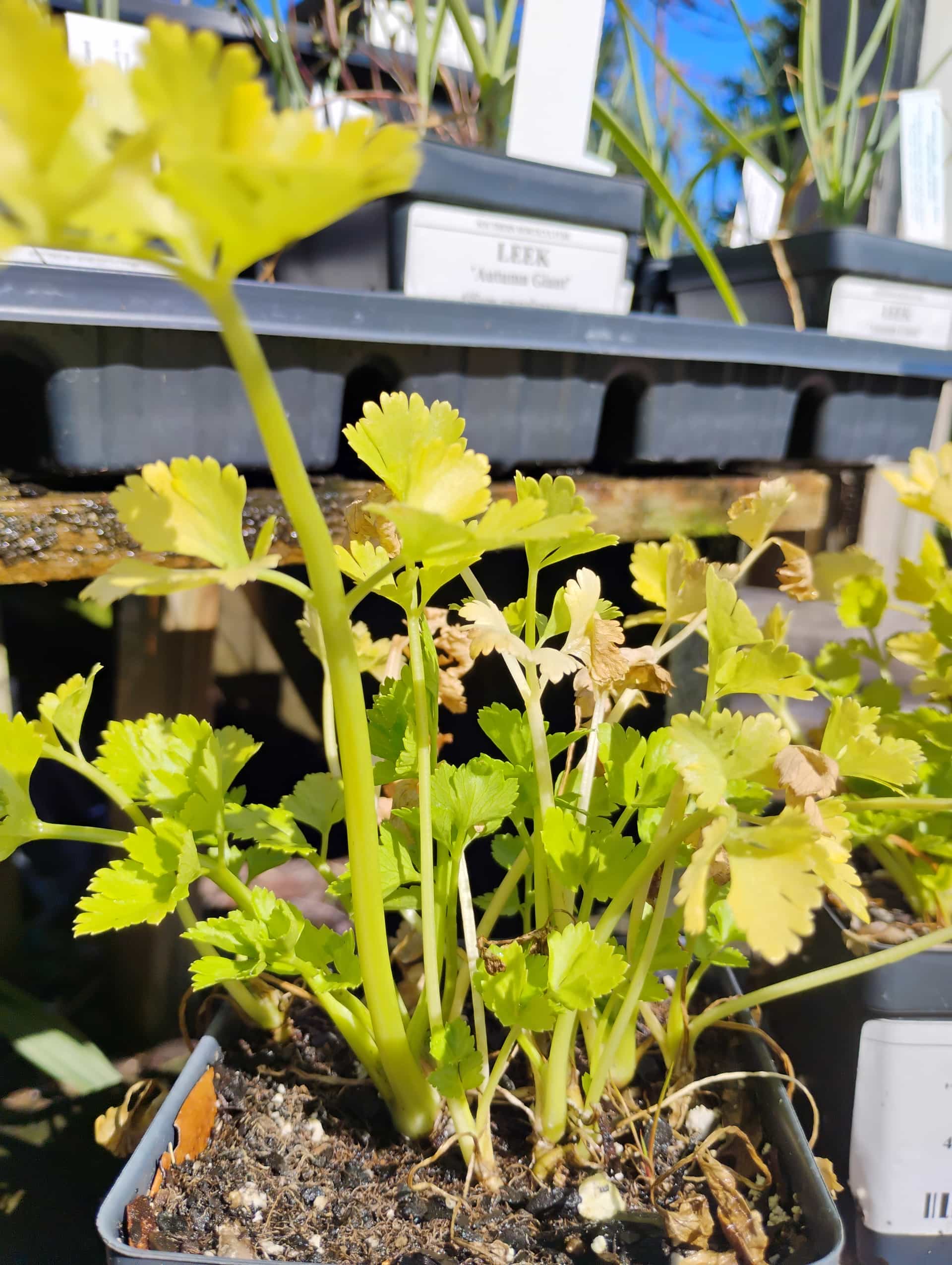
Celery
Apium graveolens
Traits
Varieties We Bring In
Last received Jul 19, 2026.
We bring this in seasonally, so what is on the lot changes week to week. A received date shows when it last came in, not that it is here today.
Call (904) 471-0440 to confirm this plant and size before you make the trip.
About Celery
Celery (Apium graveolens) is a cool-season biennial grown as an annual, prized for its crisp, ribbed stalks and distinctive aromatic flavor. Native to Mediterranean marshlands, it produces an upright cluster of pale green stalks and is a classic cool-weather vegetable garden plant. Starting at $3.50.
Plant details
- Bloom Season
- Non-flowering
- Flower Color
- Non-flowering
- Growth Rate
- Slow
- Foliage
- Deciduous
- Soil
- Loam, Well-drained, Moist
Best planting months
Seasonal care
New foliage emerges. Good planting window.
Higher water demand in summer heat.
Foliage may begin to change or drop.
Dormant — drops foliage.
Care essentials
Celery needs at least 6 hours of full sun daily. In NE Florida, plant September through January during the cool season — summer heat will bolt or kill the crop.
Celery has very high water needs and requires consistently moist soil; never allow it to dry out. Water deeply and mulch well to conserve moisture in NE Florida's sandy soils. Drip irrigation works best.
Amend NE Florida's sandy soil heavily with compost or organic matter to improve moisture retention. Celery is a heavy feeder — apply balanced vegetable fertilizer at planting and every 3–4 weeks during the growing season.
Similar needs
Climbing Fetterbush
Shares 4 of the same needs: similar light, high water, loam, and zone 9a hardiness.
Climbing Hydrangea
Shares 4 of the same needs: similar light, high water, loam, and zone 9a hardiness.
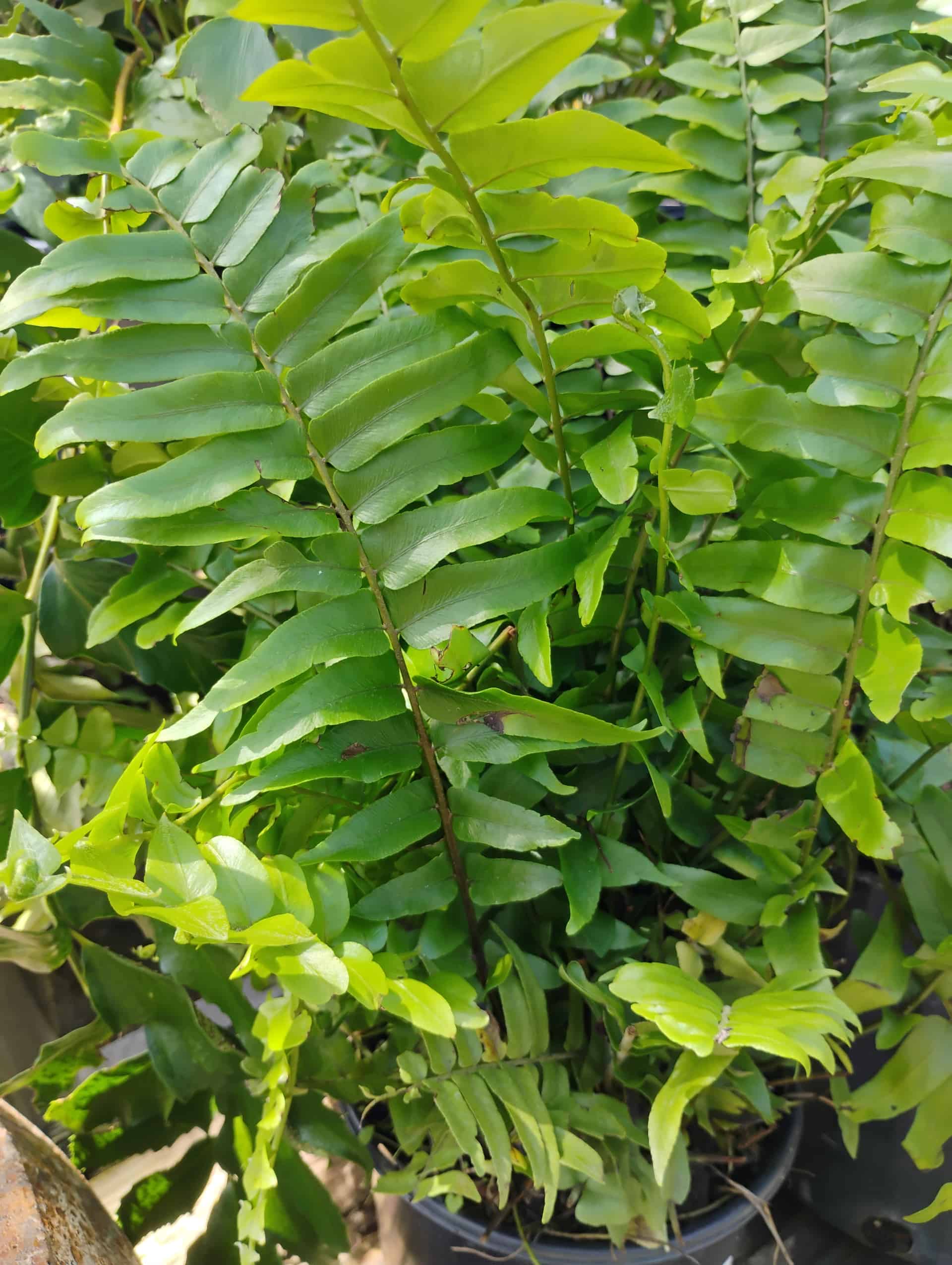
Macho Fern
Shares 4 of the same needs: similar light, high water, loam, and zone 9a hardiness.
Palm Grass
Shares 4 of the same needs: similar light, high water, loam, and zone 9a hardiness.
Pawpaw
Shares 4 of the same needs: full sun, high water, loam, and zone 9a hardiness.
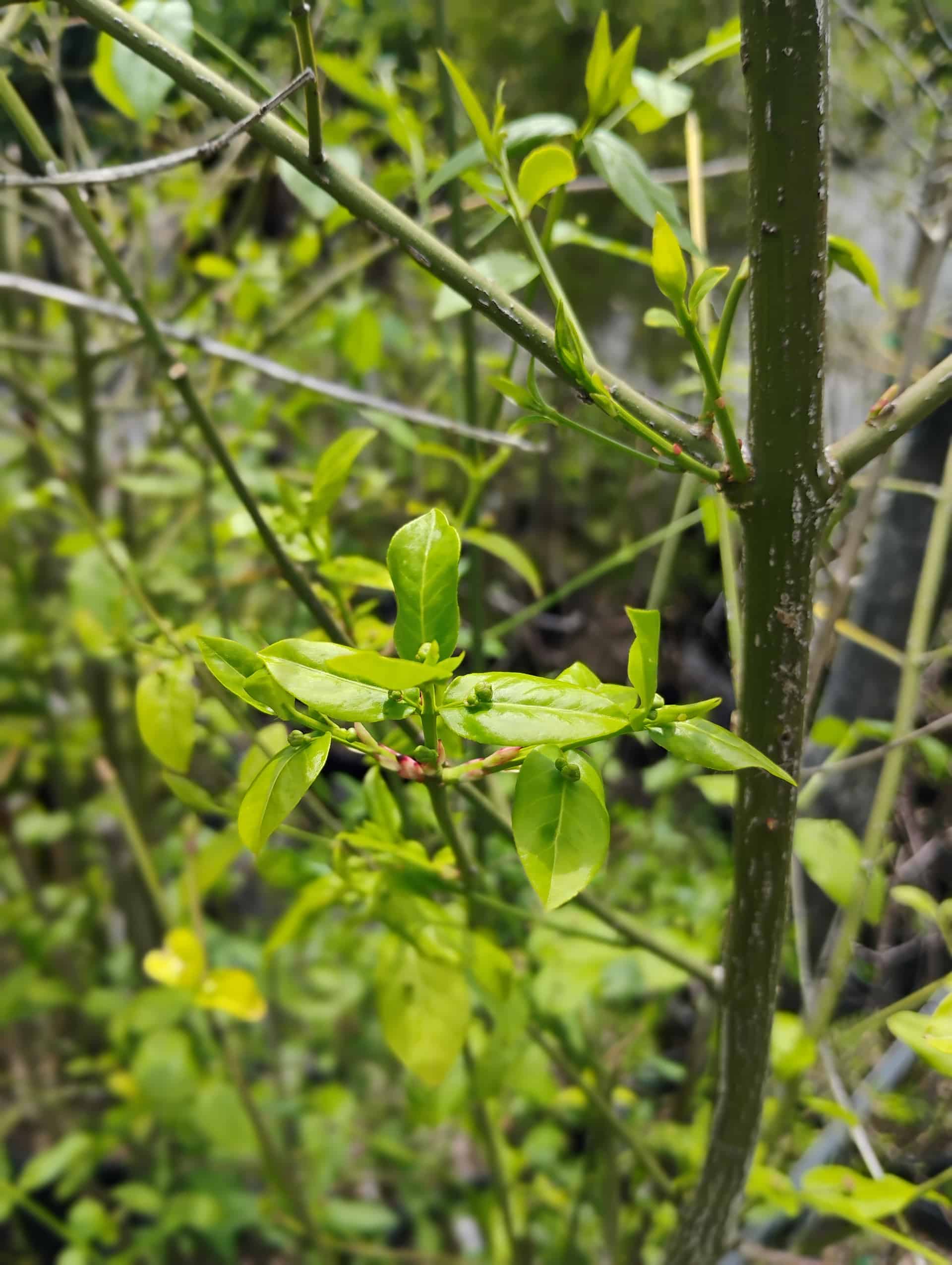
Strawberry Bush
Shares 4 of the same needs: similar light, high water, loam, and zone 9a hardiness.
You may also like
Common questions
Is Celery a good plant for St. Augustine?
Celery is a annual for Zone 9b coastal Florida gardens, reaching 1-2 feet × 0.5-1 feet.
Care information verified from
Last reviewed February 2026. Our care guidance comes from trusted horticulture sources and decades of helping St. Augustine gardeners. Conditions here can vary dramatically from one area to the next, so come ask us and we'll tailor it to your yard.