
Palm Grass
Setaria palmifolia
Traits
Varieties We Bring In
Last received Jul 16, 2026.
We bring this in seasonally, so what is on the lot changes week to week. A received date shows when it last came in, not that it is here today.
Call (904) 471-0440 to confirm this plant and size before you make the trip.
About Palm Grass
Palm grass (Setaria palmifolia) is a tropical grass native to Asia and the Pacific, recognized by its broad, pleated, palm-like leaves with a distinctive ribbed texture. It forms bold, clumping foliage masses used as a tropical accent or ground cover in shaded to partly sunny gardens. Starting at $12.95.
Plant details
- Bloom Season
- Summer
- Flower Color
- Non-flowering
- Growth Rate
- Moderate
- Foliage
- Evergreen
- Soil
- Loam, Rich, Moist, Well-drained
Best planting months
Seasonal care
Good planting window.
Bloom season.
Growth slows as temperatures cool.
May lose some foliage in cold snaps.
Care essentials
Palm grass excels as a shade and part-shade plant in NE Florida—this is its primary landscape value. Intense full afternoon sun scorches the broad pleated leaves; site in bright filtered light or morning sun with afternoon shade for best appearance.
Unlike drought-tolerant grasses, palm grass prefers consistently moist, organically rich soil. Water regularly during dry periods and mulch heavily to retain moisture. Not suitable for dry, unirrigated sites.
Amend sandy Florida soils generously with compost before planting to provide the humus-rich, moisture-retentive conditions this tropical grass requires. Feed with a balanced slow-release fertilizer in spring and midsummer. Note: palm grass can self-seed aggressively in warm, humid Florida conditions—monitor spread.
Similar needs
Paperbush
Shares 4 of the same needs: shade, high water, loam, and zone 9a hardiness.
Baby Tears
Shares 4 of the same needs: shade, high water, loam, and zone 9a hardiness.
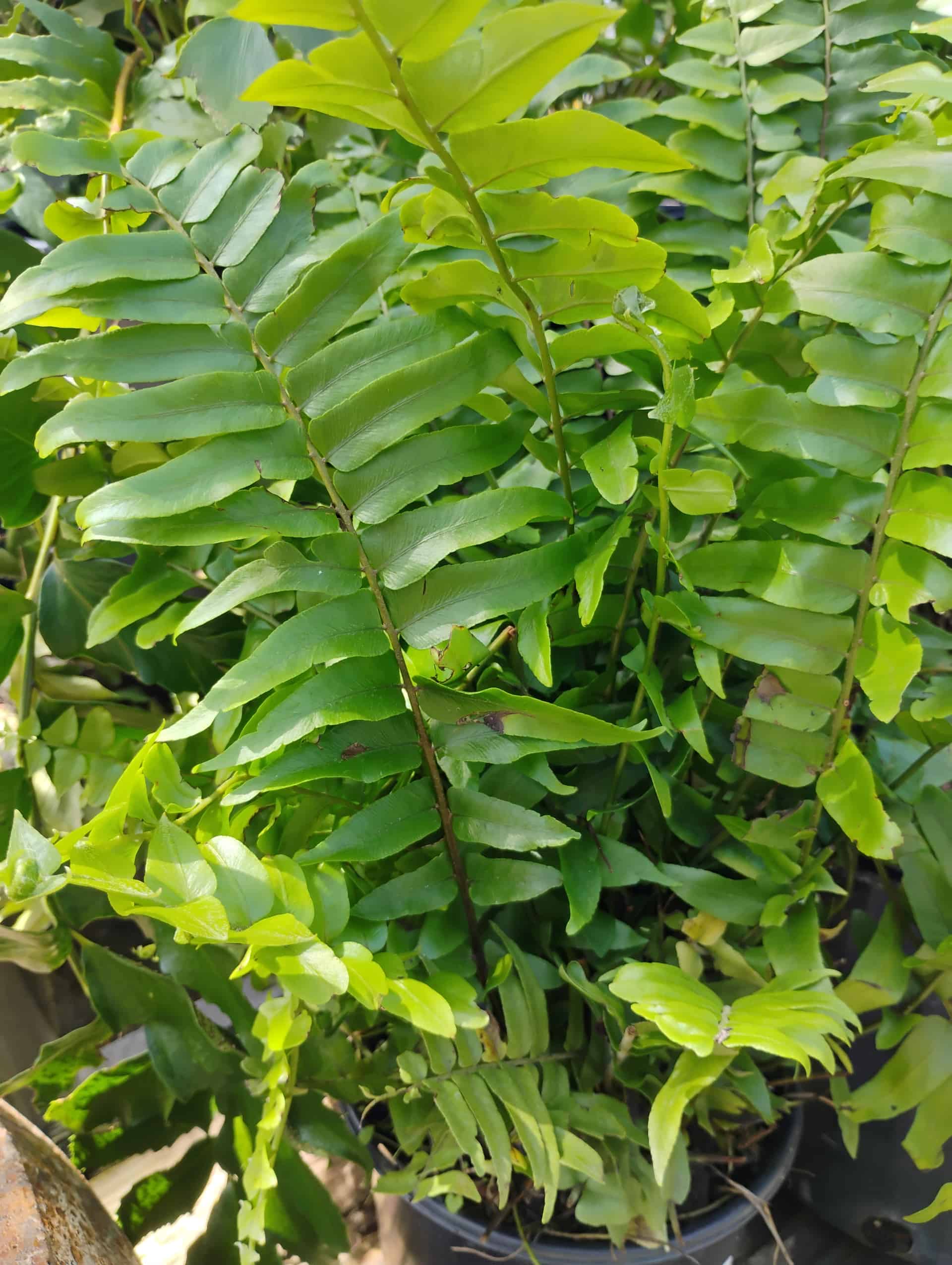
Macho Fern
Shares 4 of the same needs: shade, high water, loam, and zone 9a hardiness.
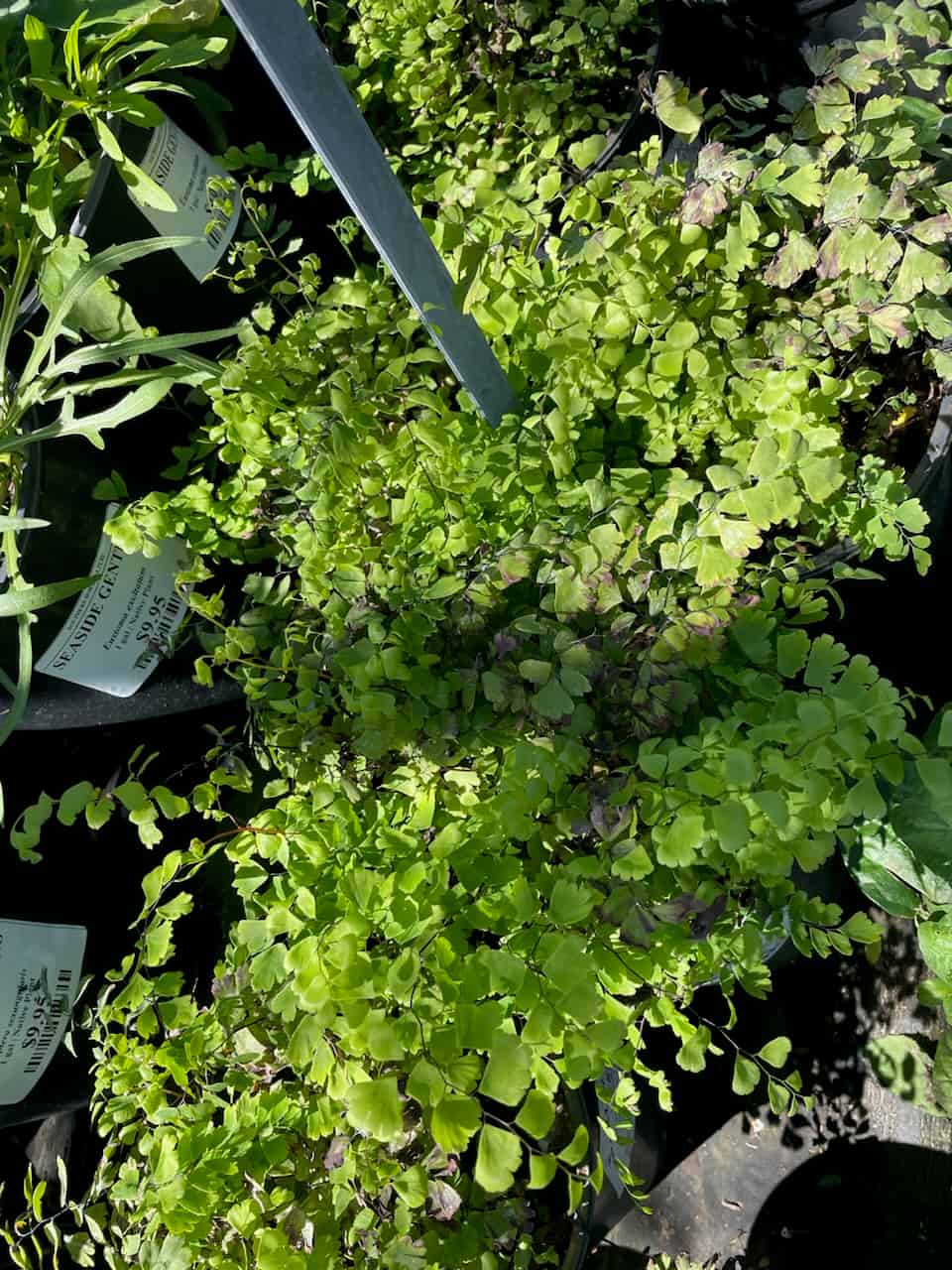
Maidenhair Fern
Shares 4 of the same needs: shade, high water, loam, and zone 9a hardiness.
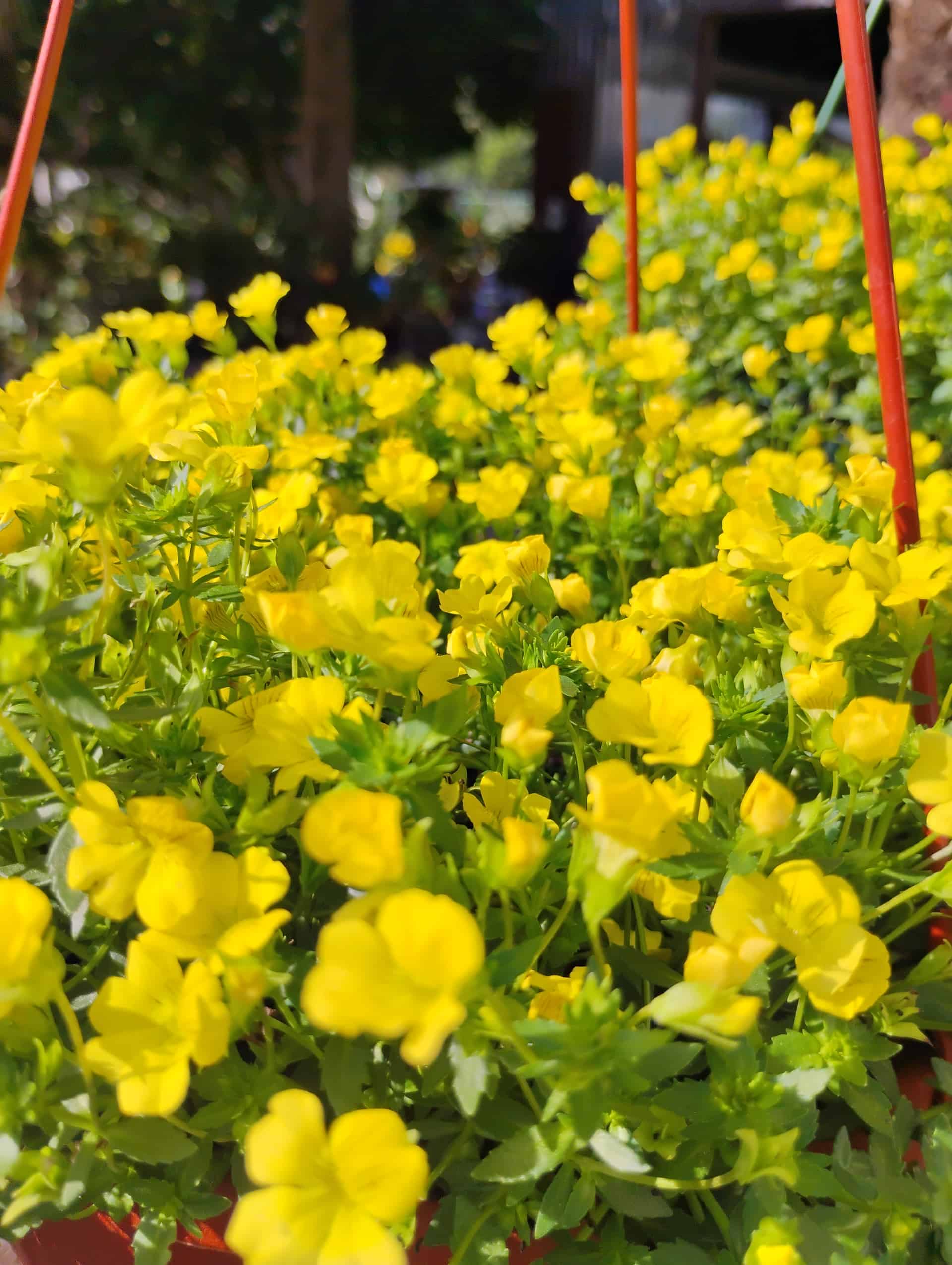
Mecardonia
Shares 4 of the same needs: shade, high water, loam, and zone 9a hardiness.
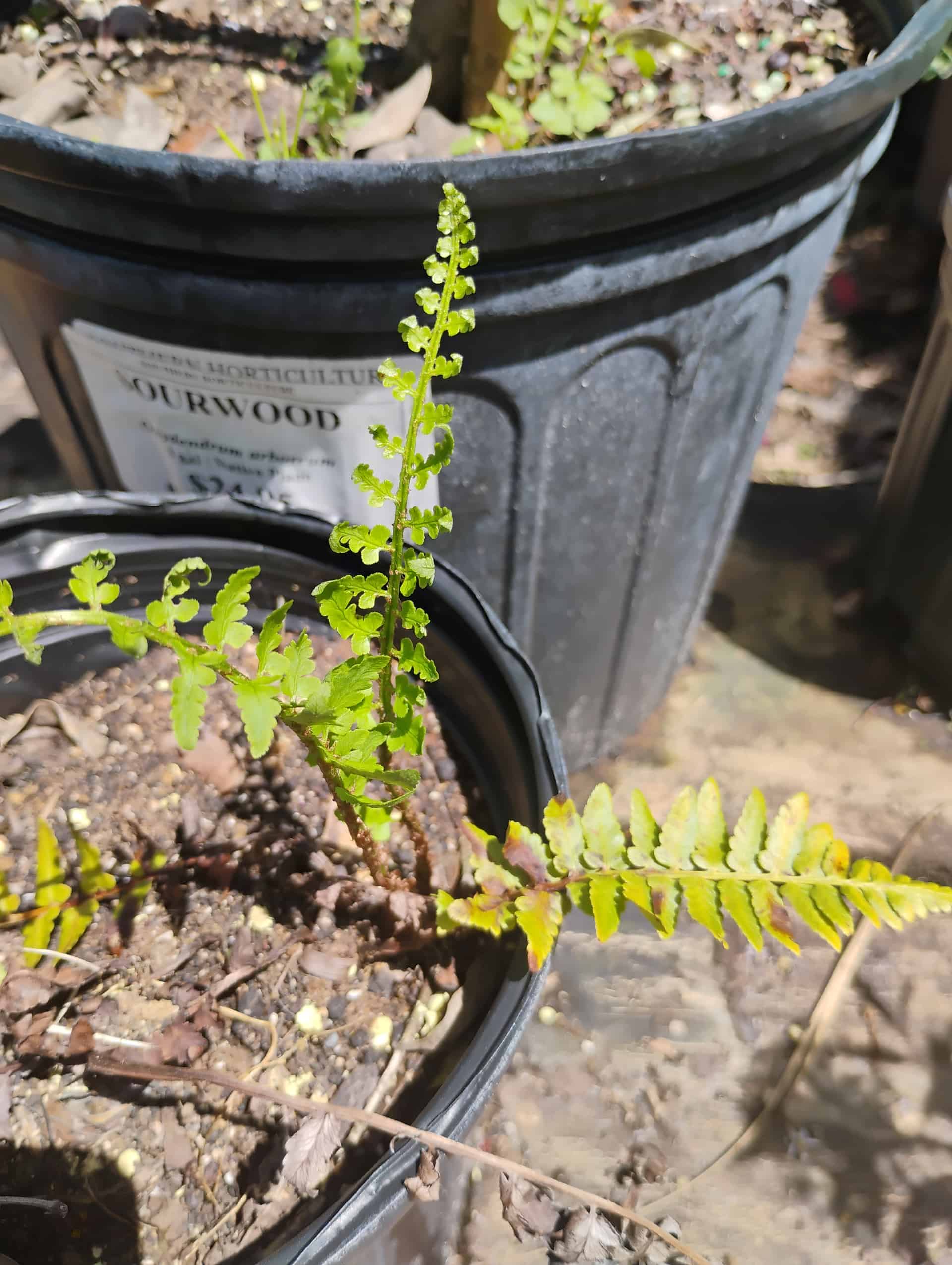
Southern Wood Fern
Shares 4 of the same needs: shade, high water, loam, and zone 9a hardiness.
You may also like
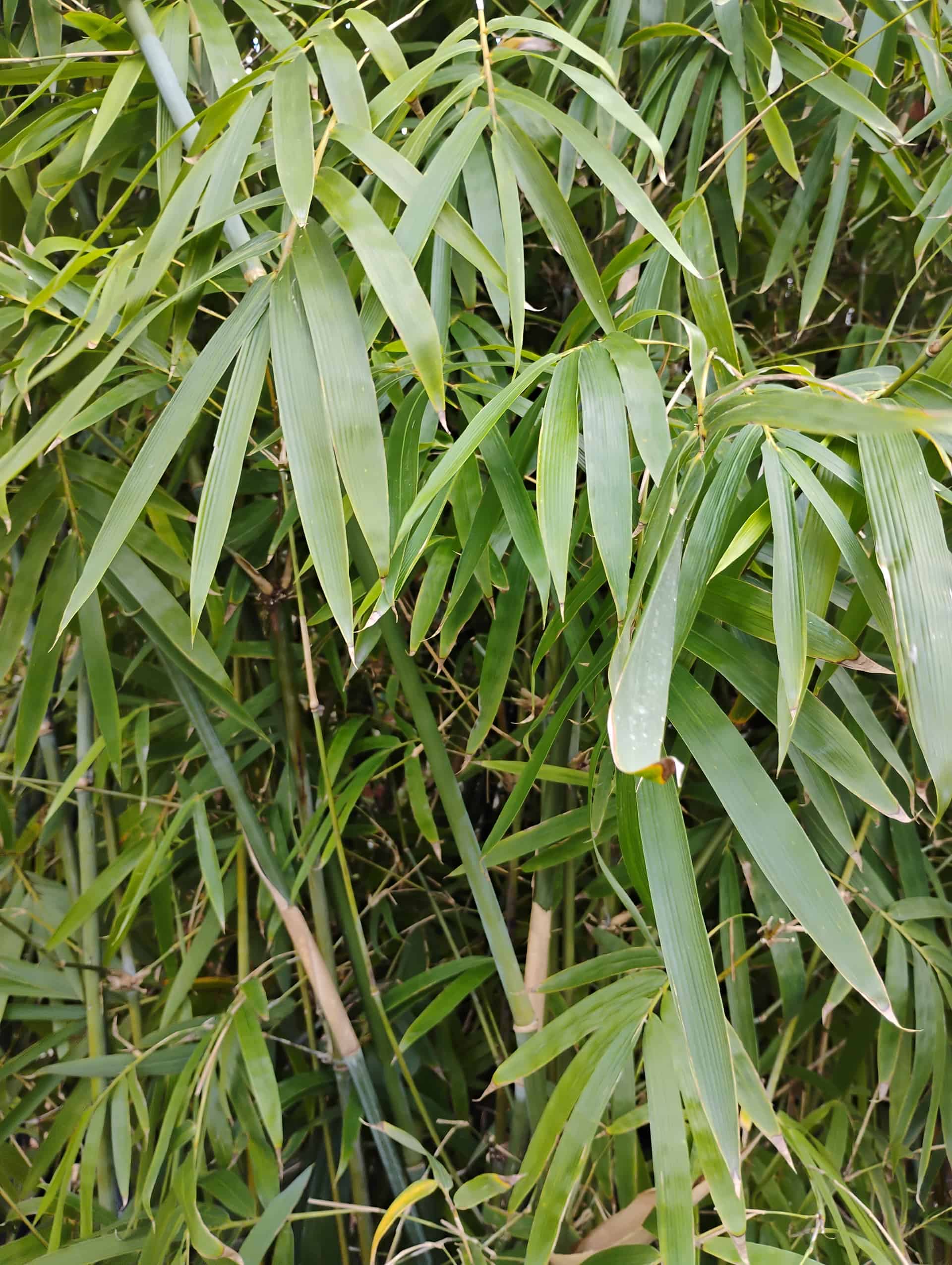 Grass
GrassBamboo
Bambusa
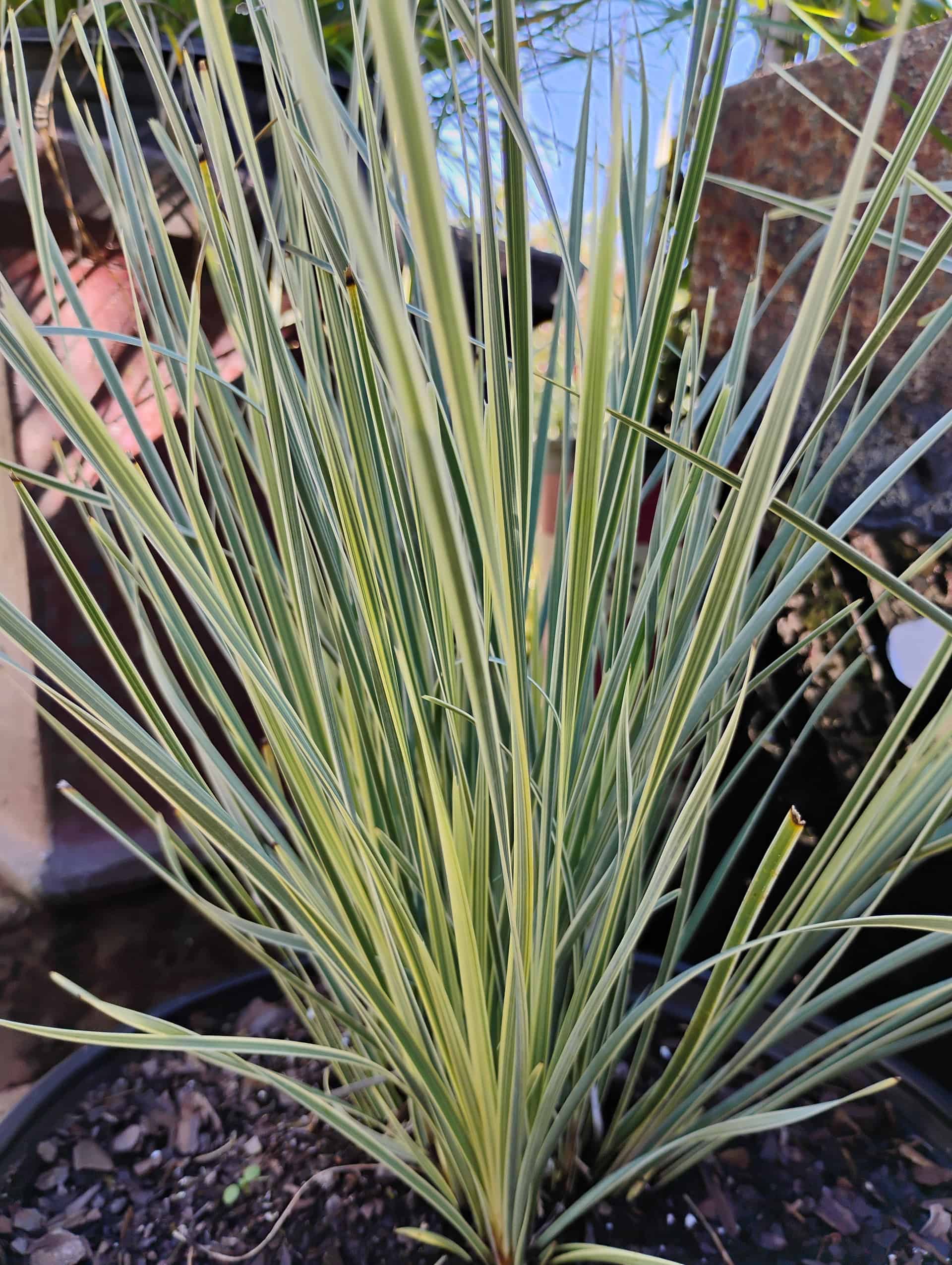 Grass
GrassMat Rush
Lomandra longifolia
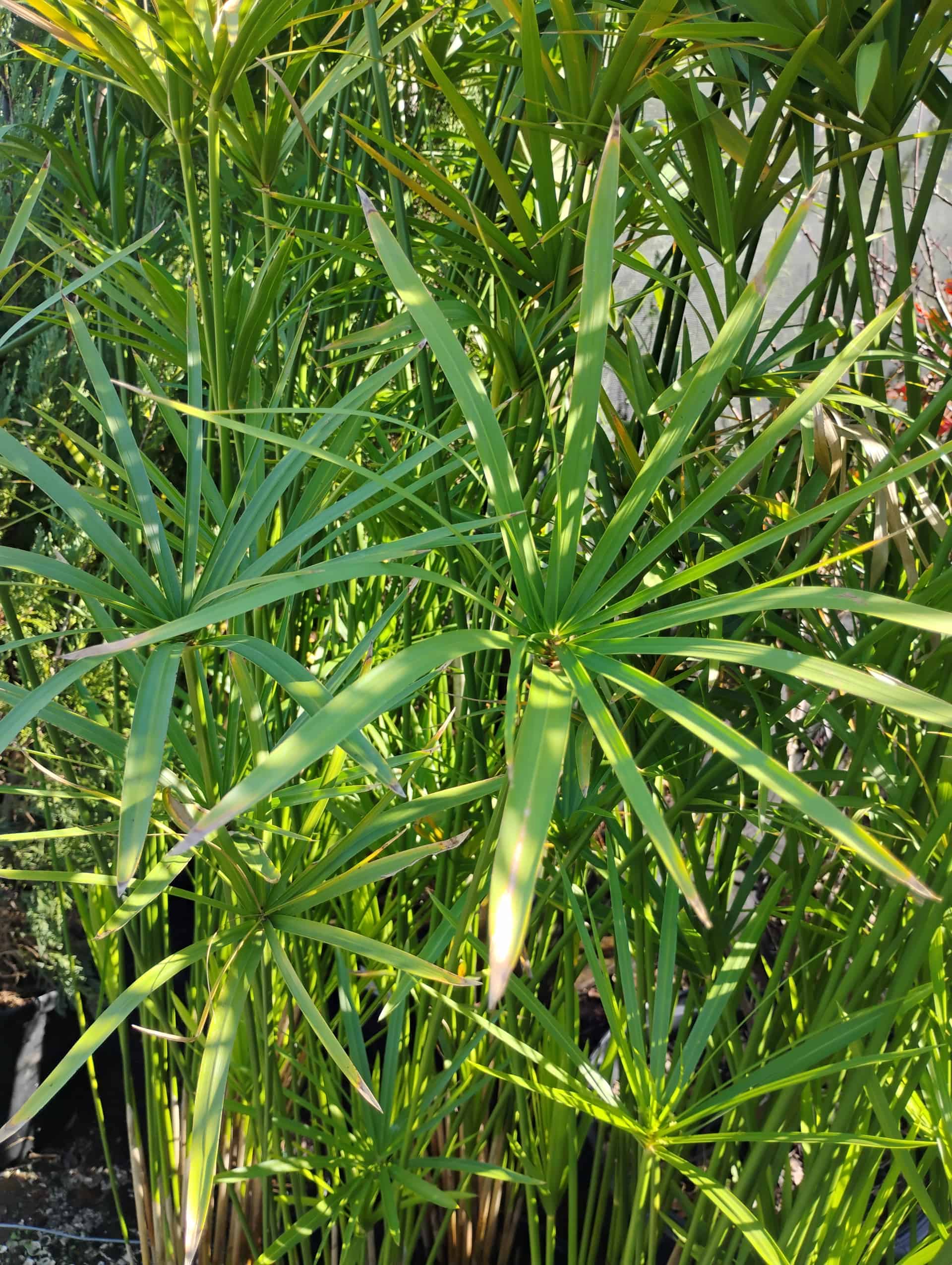 Grass
GrassPapyrus
Cyperus papyrus
Common questions
Is Palm Grass a good plant for St. Augustine?
Palm Grass is a grass for Zone 9b coastal Florida gardens, reaching 3-6 feet × 3-5 feet.
Care information verified from
Last reviewed March 2026. Our care guidance comes from trusted horticulture sources and decades of helping St. Augustine gardeners. Conditions here can vary dramatically from one area to the next, so come ask us and we'll tailor it to your yard.