
Asian Pear
Pyrus pyrifolia
Traits
Varieties We Bring In
Last received Mar 11, 2026.
We bring this in seasonally, so what is on the lot changes week to week. A received date shows when it last came in, not that it is here today.
Call (904) 471-0440 to confirm this plant and size before you make the trip.
About Asian Pear
Asian pear (Pyrus pyrifolia) is a deciduous fruit tree bearing clusters of white spring flowers followed by crisp, apple-textured pomes. In NE Florida, success requires selecting low-chill cultivars (300–400 hours) such as Shinseiki or 20th Century, grafted onto Pyrus calleryana rootstock. Two compatible cultivars are needed for cross-pollination. Starting at $34.95.
Plant details
- Bloom Season
- Spring
- Flower Color
- White
- Growth Rate
- Moderate
- Foliage
- Deciduous
- Soil
- Well-drained, Loam, Slightly acidic
Care essentials
Asian pear requires full sun — a minimum of 8 hours daily. Adequate sun is critical not only for fruit production but also for initiating the flower buds that will produce next year's crop. Plant in an open, unshaded location.
Water moderately with consistent moisture, especially during fruit development. NE Florida's sandy soils drain quickly; drip irrigation or regular deep watering prevents drought stress. Avoid waterlogging, which promotes root disease.
Plant in well-drained, fertile sandy loam with a slightly acidic pH. Graft onto Pyrus calleryana rootstock for best performance in Florida soils. Fertilize with a balanced fruit-tree fertilizer in late winter and early summer; avoid excess nitrogen, which promotes fire blight susceptibility.
Similar needs
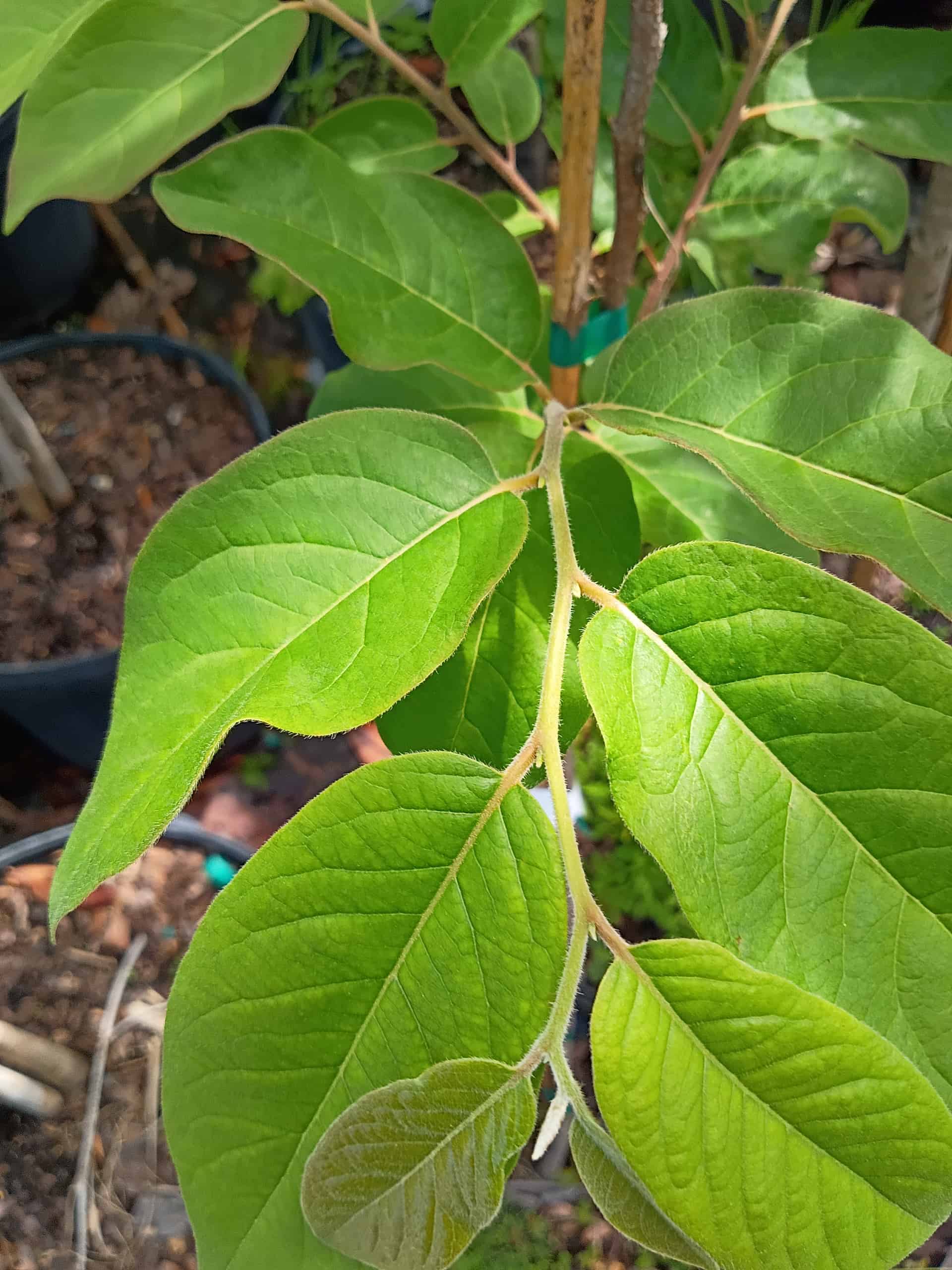
American Persimmon
Shares 4 of the same needs: full sun, moderate water, loam, and pollinator-friendly.
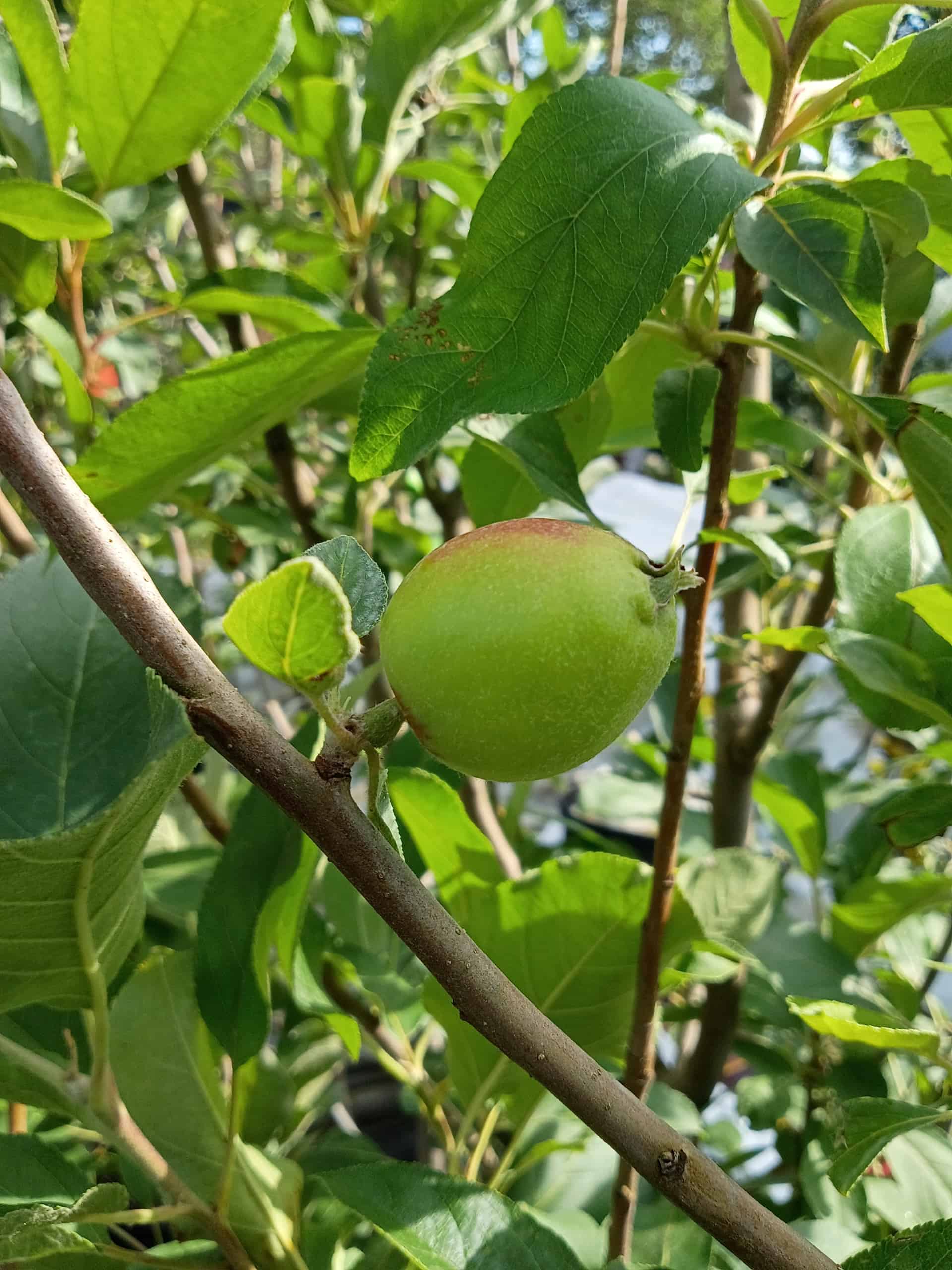
Apple
Shares 4 of the same needs: full sun, moderate water, loam, and pollinator-friendly.
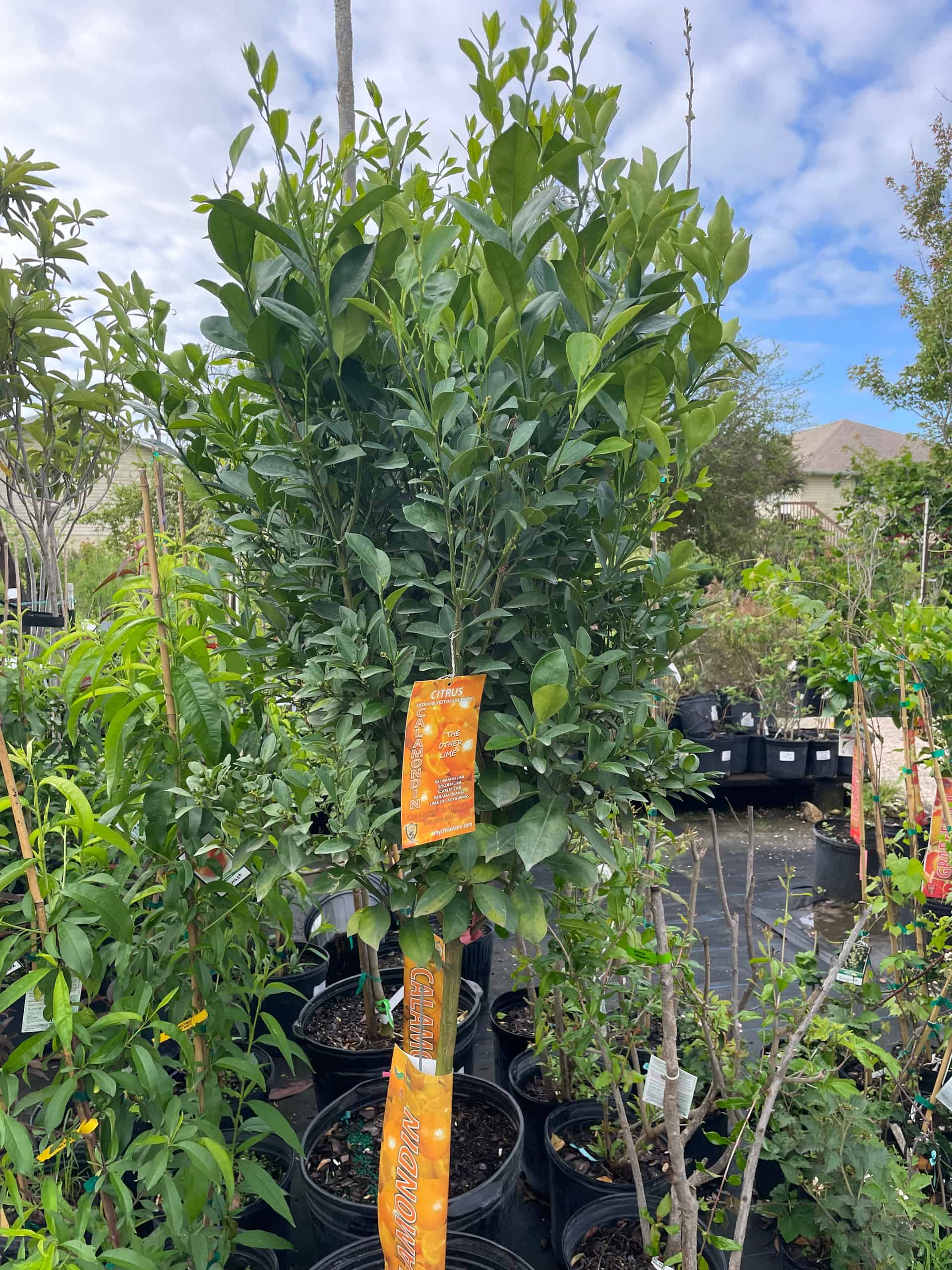
Calamondin
Shares 4 of the same needs: full sun, moderate water, loam, and pollinator-friendly.
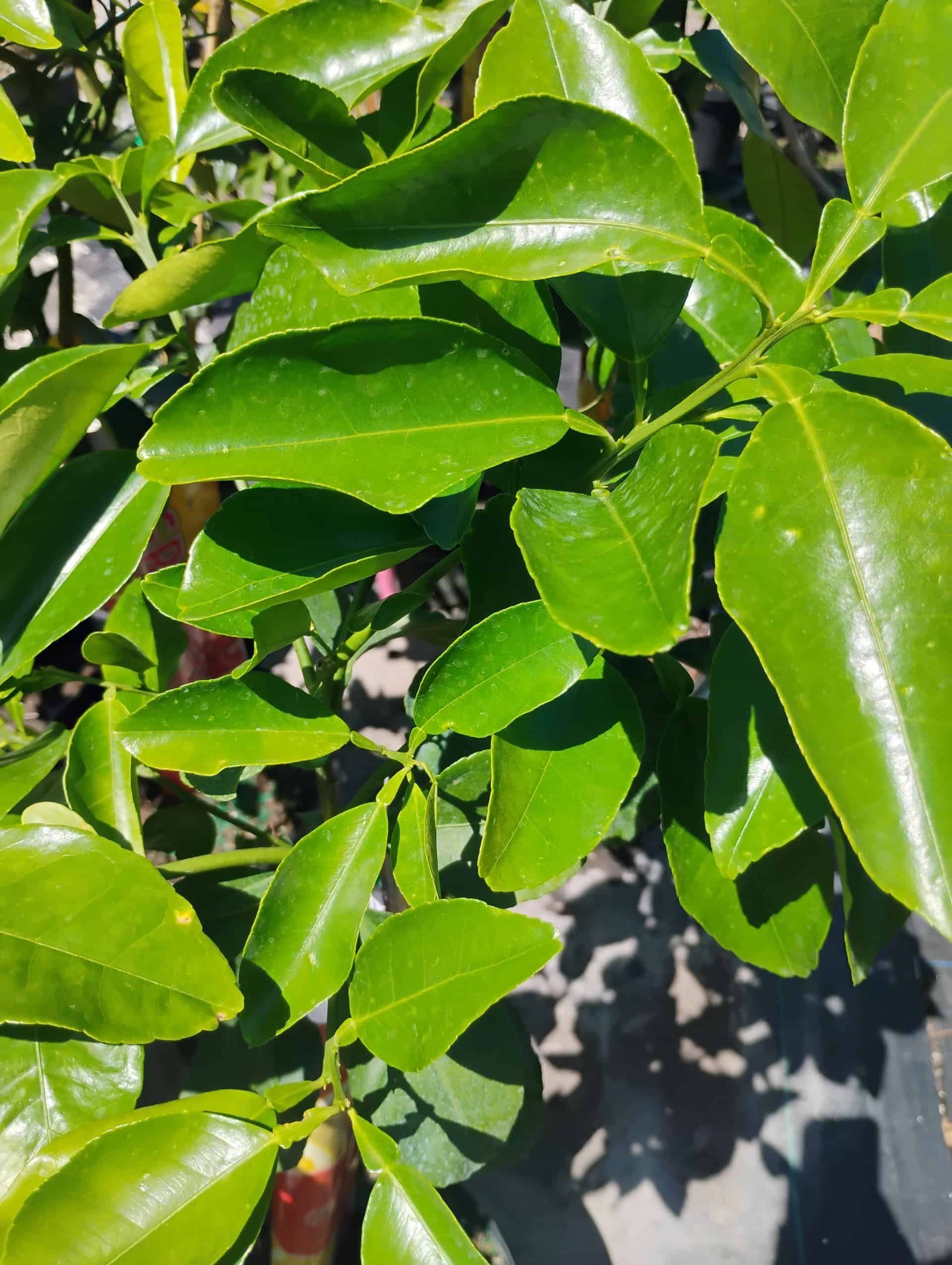
Grapefruit
Shares 4 of the same needs: full sun, moderate water, loam, and pollinator-friendly.
Kumquat
Shares 4 of the same needs: full sun, moderate water, loam, and pollinator-friendly.
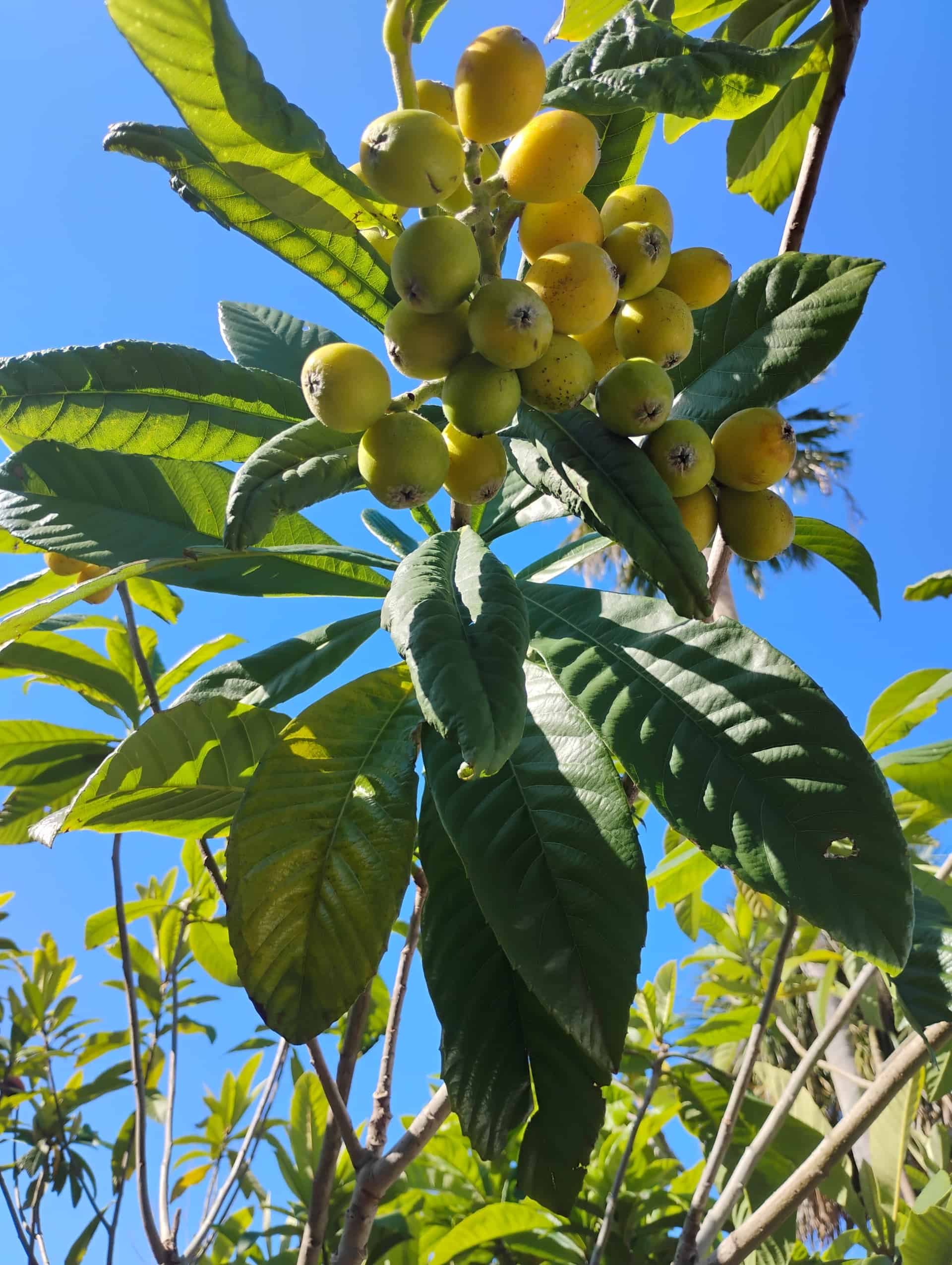
Loquat
Shares 4 of the same needs: full sun, moderate water, loam, and pollinator-friendly.
You may also like
Common questions
Is Asian Pear a good plant for St. Augustine?
Asian Pear is a fruit tree for Zone 9b coastal Florida gardens, reaching 15-30 feet × 15-25 feet.
Care information verified from
Last reviewed June 2026. Our care guidance comes from trusted horticulture sources and decades of helping St. Augustine gardeners. Conditions here can vary dramatically from one area to the next, so come ask us and we'll tailor it to your yard.