
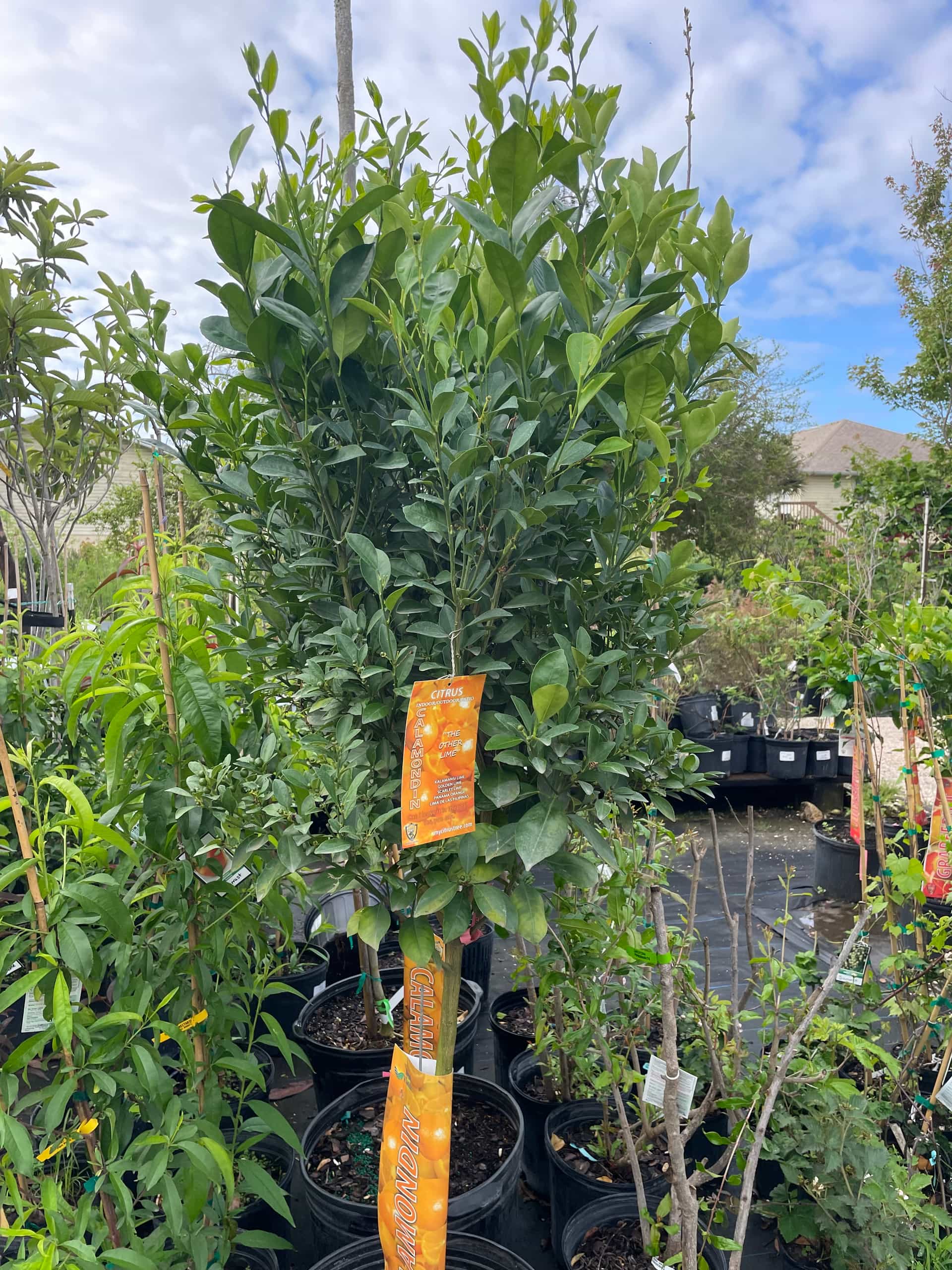
Varieties We Bring In
Standard
Sour Orange
We received some Calamondin on Jul 19, 2026.
We bring this in seasonally, so what is on the lot changes week to week. A received date shows when it last came in, not that it is here today.
Call (904) 471-0440 to confirm this plant and size before you make the trip.
Last received Jul 19, 2026.
We bring this in seasonally, so what is on the lot changes week to week. A received date shows when it last came in, not that it is here today.
Call (904) 471-0440 to confirm this plant and size before you make the trip.
Pet toxicity: Toxic to dogs and cats
Pet safety guideAbout Calamondin
Calamondin (Citrus × microcarpa) is a compact, cold-hardy citrus hybrid producing prolific small orange fruits nearly year-round, with intensely fragrant white blossoms attractive to pollinators. One of the most reliable citrus choices for NE Florida's zone 9b, it thrives in full sun with well-drained acidic soil and moderate water.
Plant details
- Bloom Season
- Year-round
- Flower Color
- White
- Growth Rate
- Moderate
- Foliage
- Evergreen
- Soil
- Sandy, Loam, Acidic, Well-drained
Best planting months
Recommended months: January, February, March.
Seasonal care
Bloom season. Good planting window.
Active growing season.
Growth slows as temperatures cool.
Retains foliage through winter. Can be planted in mild winter periods.
Care essentials
Plant in full sun — at least 6–8 hours of direct sunlight daily is required for vigorous growth and fruit production. Calamondin is well-suited to NE Florida's zone 9b and is one of the most cold-hardy citrus options for the region.
Fairly drought tolerant once established; water deeply but infrequently and allow the soil to partially dry between waterings. Overwatering is the most common mistake — avoid soggy conditions, which promote root rot. Reduce irrigation in fall to limit tender new growth before winter.
Plant in well-drained, slightly acidic soil (pH 5.5–7.0). Fertilize with a citrus-specific granular fertilizer in February, May, and August — do not fertilize after August to harden growth before winter. Young trees benefit from freeze protection their first 2–3 winters in NE Florida.
Similar needs
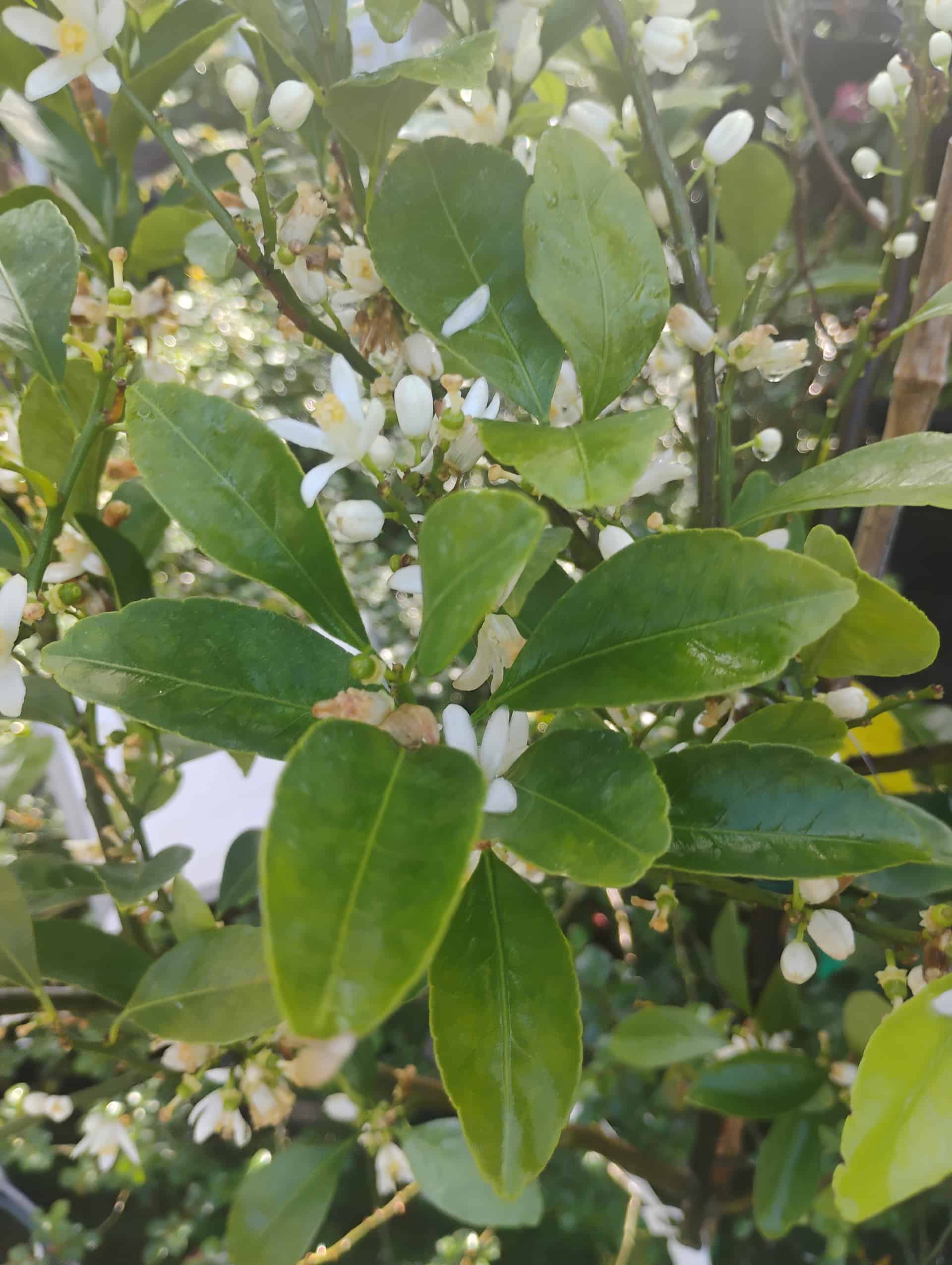
Mandarin
Shares 5 of the same needs: full sun, moderate water, sandy, zone 9a hardiness, and pollinator-friendly.

Pomegranate
Shares 5 of the same needs: full sun, moderate water, sandy, zone 9a hardiness, and pollinator-friendly.
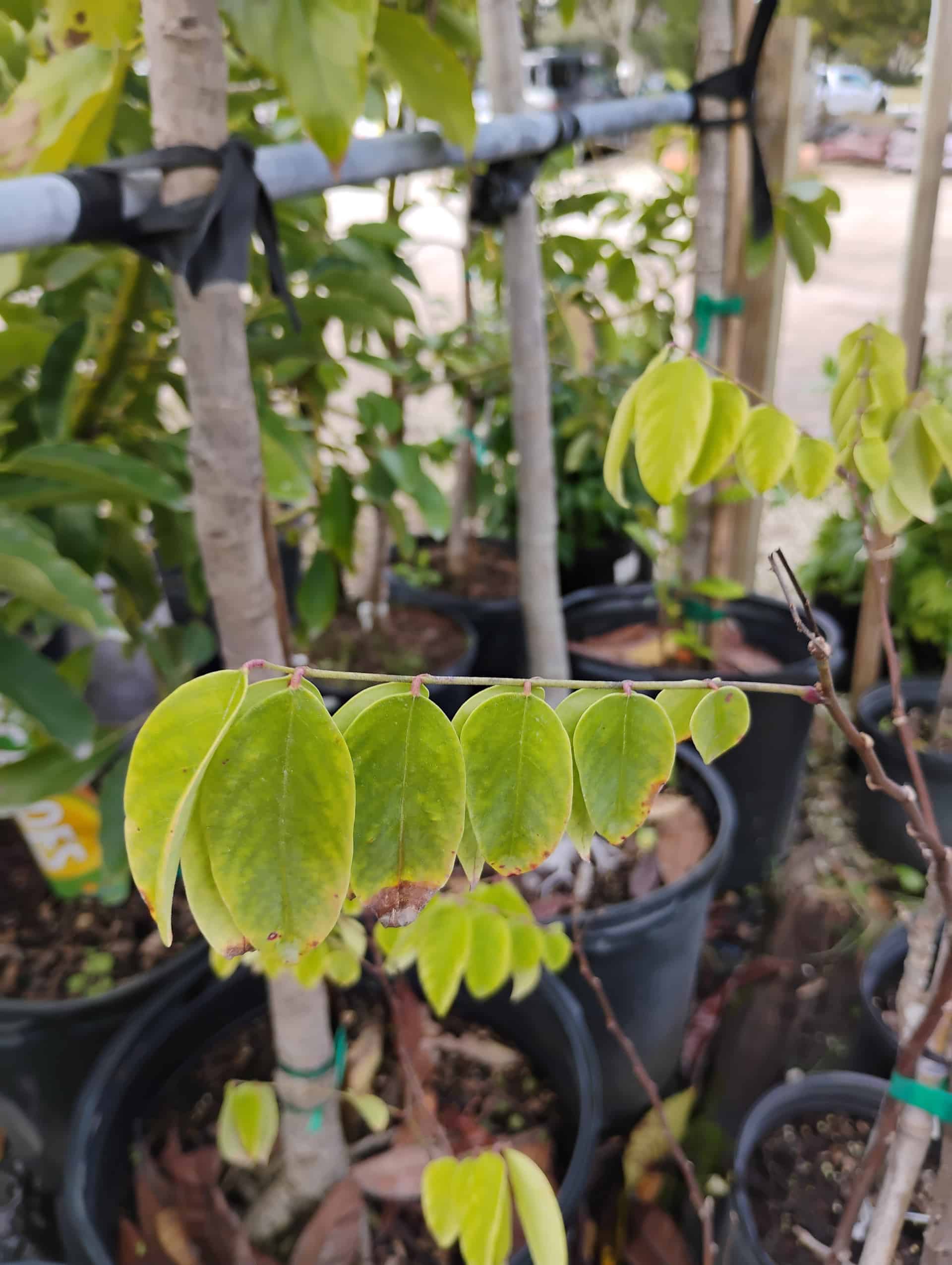
Starfruit
Shares 5 of the same needs: full sun, moderate water, sandy, zone 9a hardiness, and pollinator-friendly.
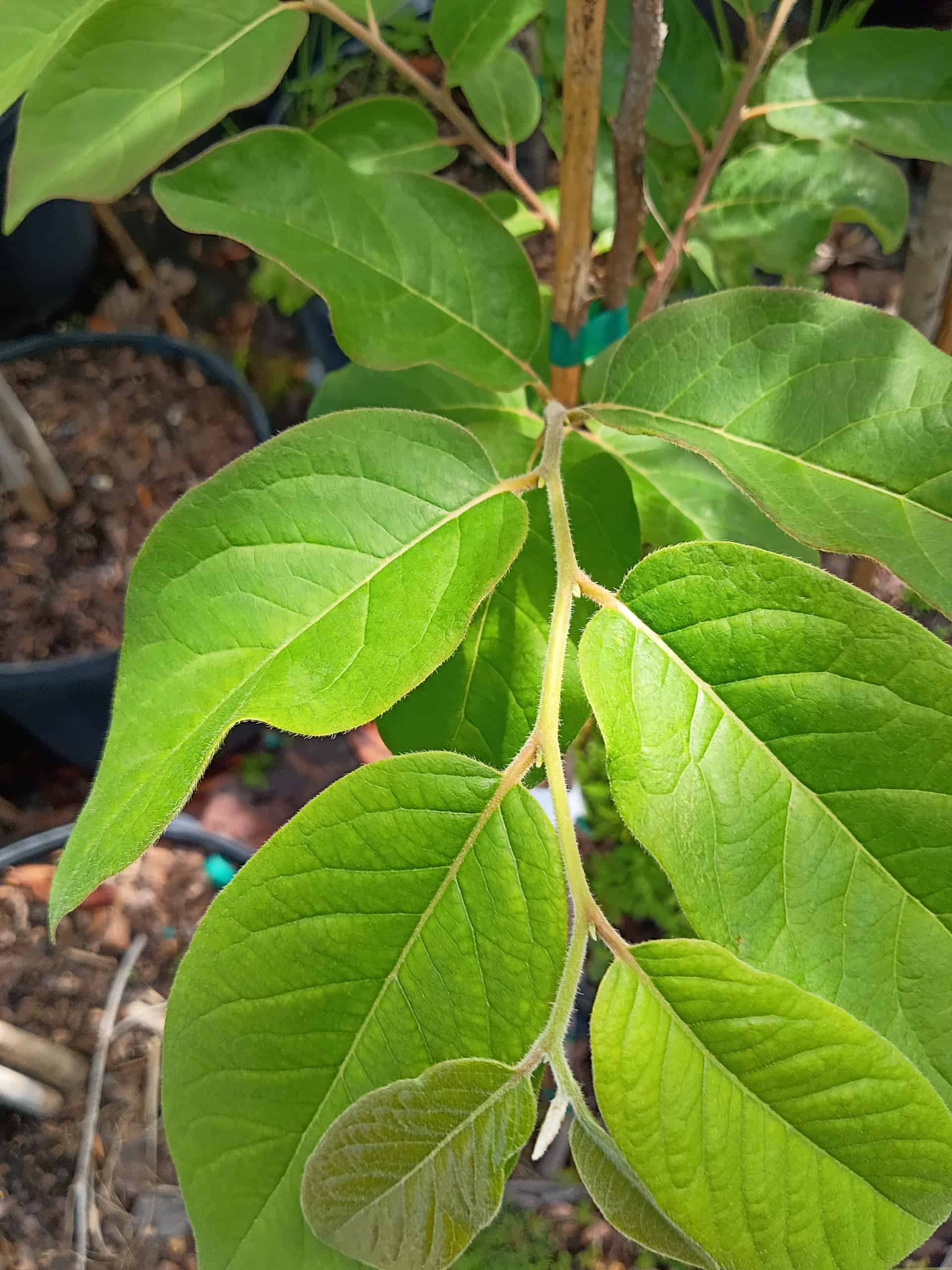
American Persimmon
Shares 4 of the same needs: full sun, moderate water, sandy, and pollinator-friendly.
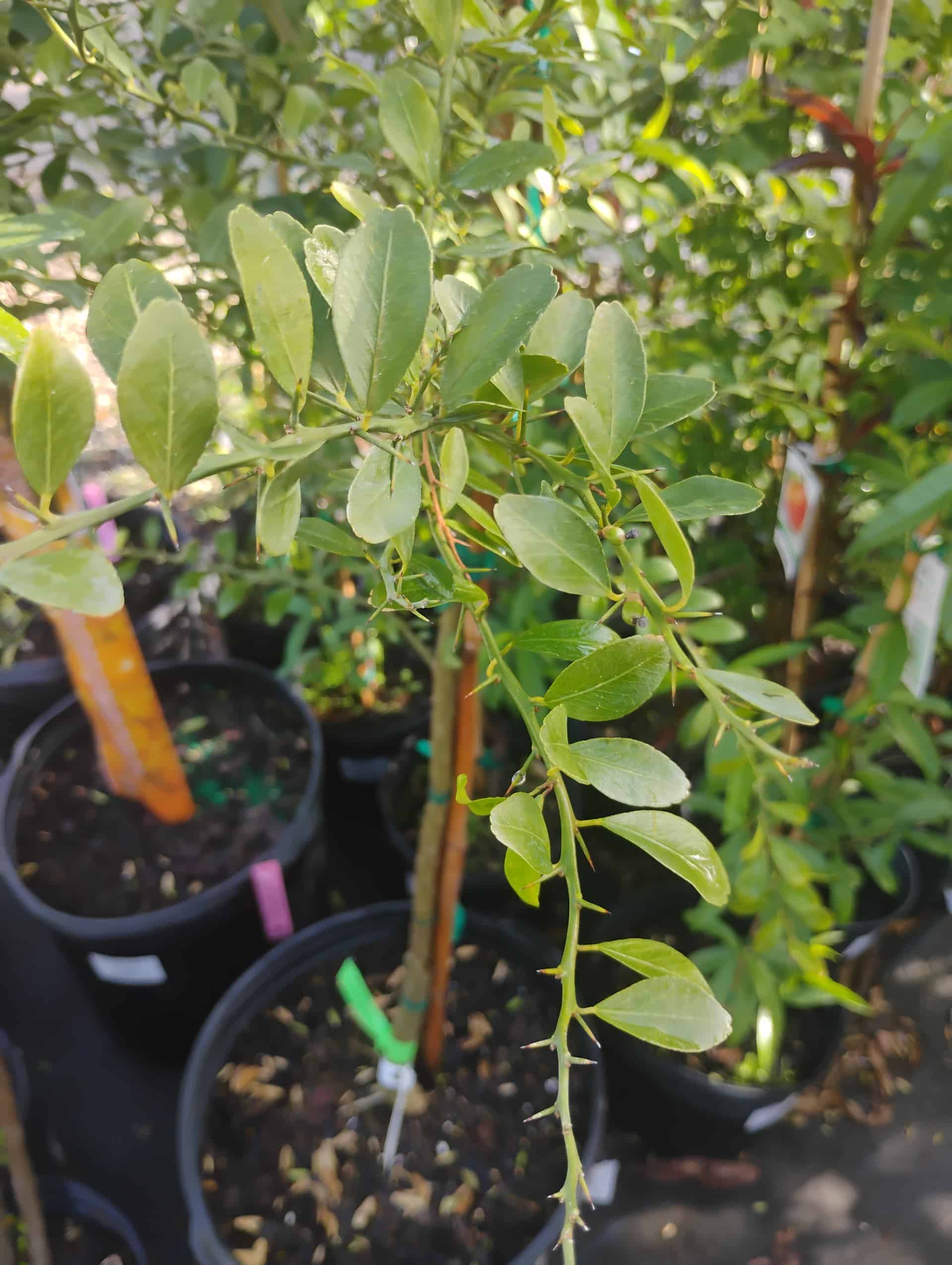
Finger Lime
Shares 4 of the same needs: moderate water, sandy, zone 9a hardiness, and pollinator-friendly.
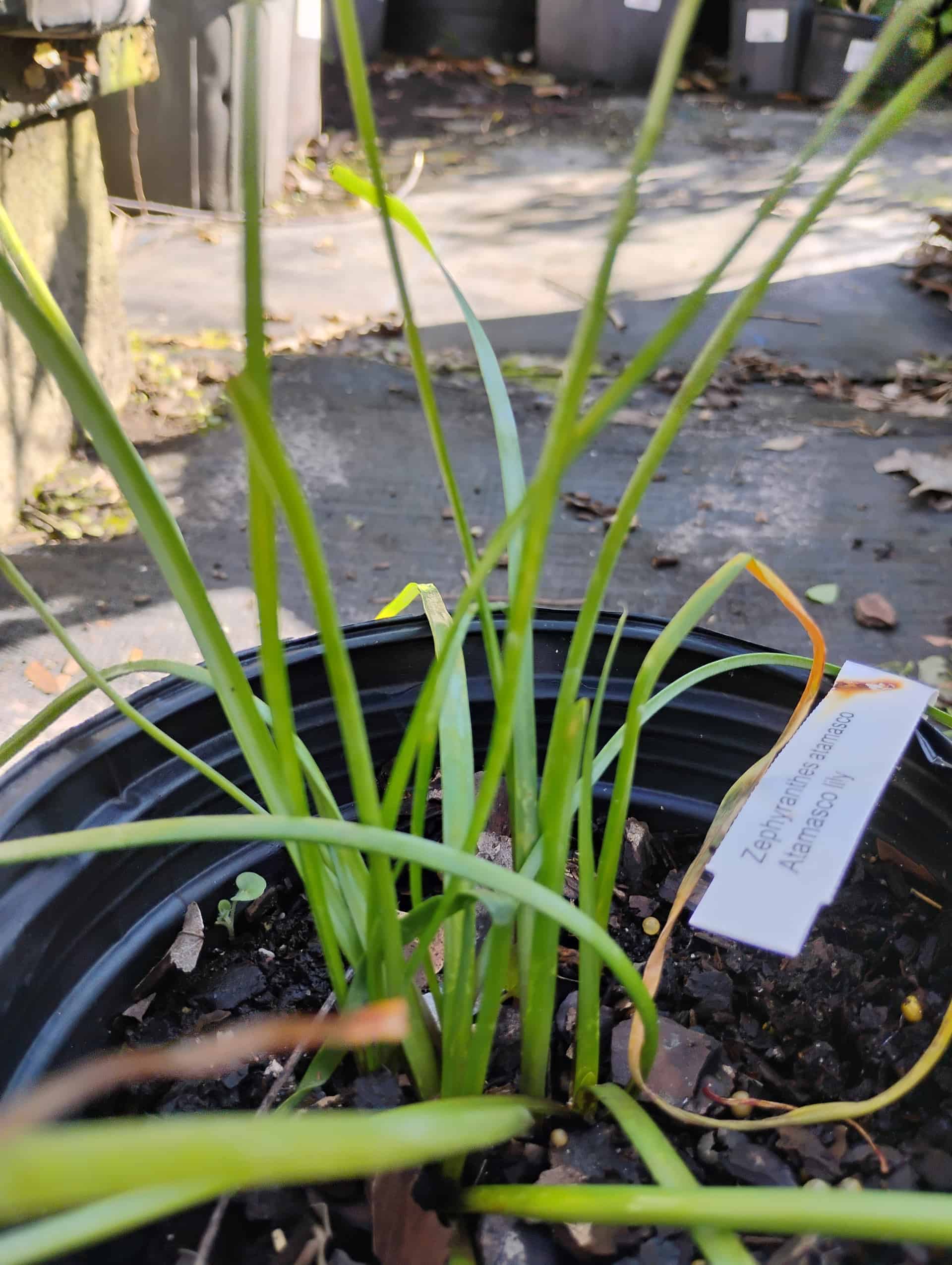
Atamasco Lily
Shares 5 of the same needs: full sun, moderate water, sandy, zone 9a hardiness, and pollinator-friendly.
You may also like
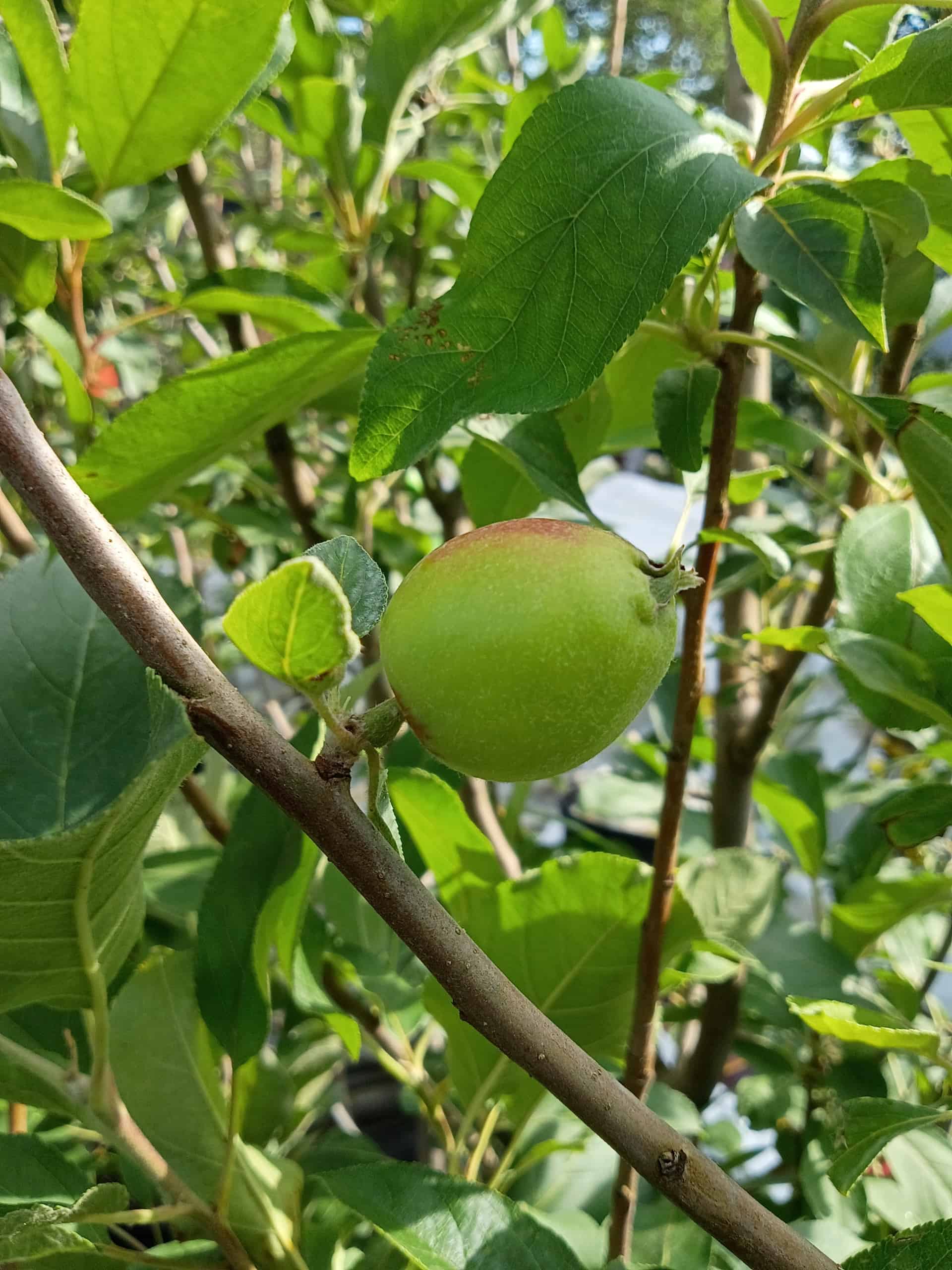 Fruit Tree
Apple
Malus pumila
Fruit TreeStarfruit
Averrhoa carambola
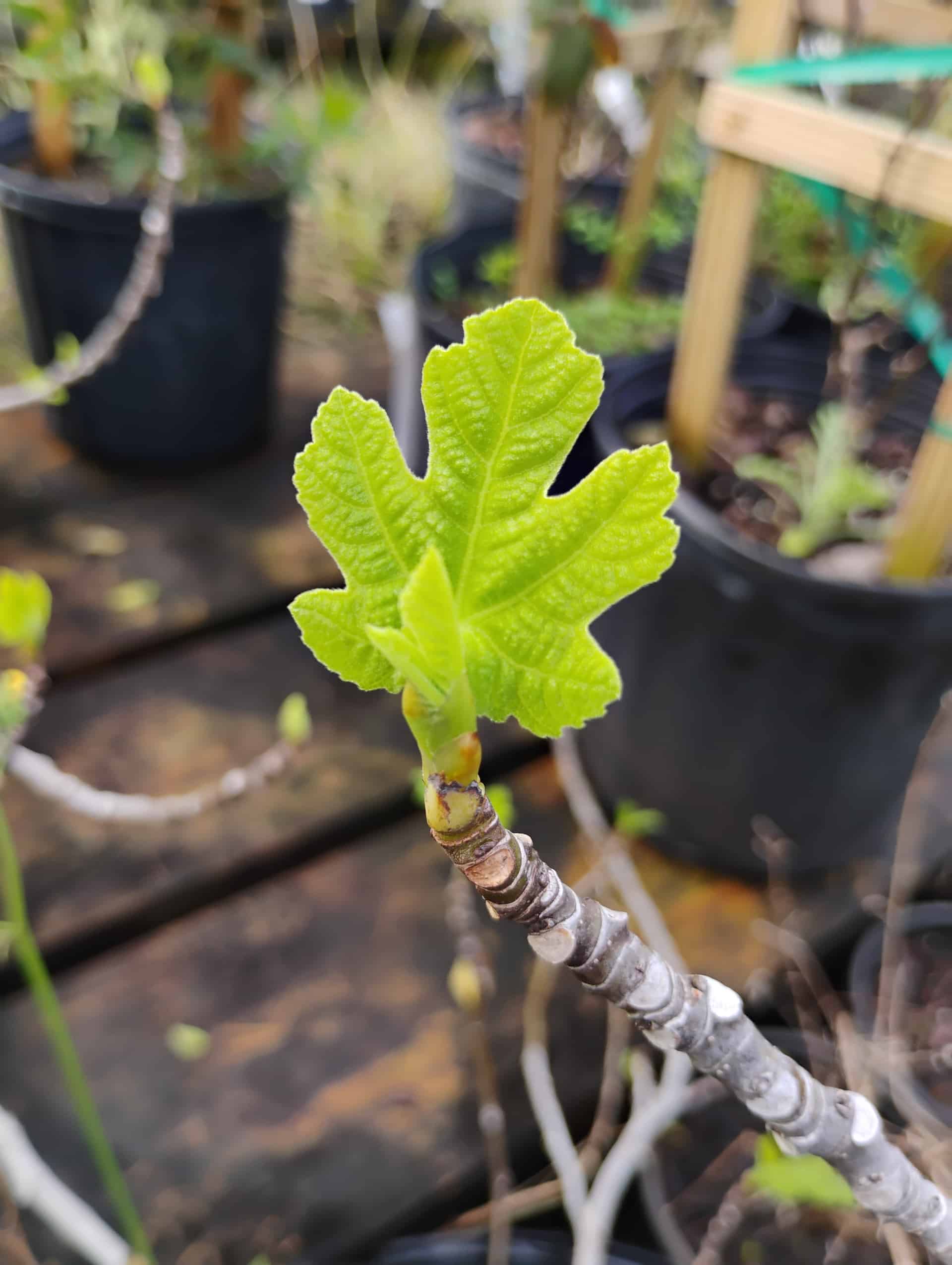 Fruit Tree
Fig
Ficus carica
Common questions
Is Calamondin a good plant for St. Augustine?
Calamondin is a fruit tree. Mature size: 12-14 feet × 8-10 feet. Light: Full Sun. Water needs: Moderate. Recorded hardiness zone: 9a.
What is the recorded pet toxicity for Calamondin?
Toxic to dogs and cats
Care information verified from
Last reviewed March 2026. Our care guidance comes from trusted horticulture sources and decades of helping St. Augustine gardeners. Conditions here can vary dramatically from one area to the next, so come ask us and we'll tailor it to your yard.