
Traits
Varieties We Bring In
Standard
Standard
We received some Norfolk Island Pine on Jul 19, 2026.
We bring this in seasonally, so what is on the lot changes week to week. A received date shows when it last came in, not that it is here today.
Call (904) 471-0440 to confirm this plant and size before you make the trip.
Last received Jul 19, 2026.
We bring this in seasonally, so what is on the lot changes week to week. A received date shows when it last came in, not that it is here today.
Call (904) 471-0440 to confirm this plant and size before you make the trip.
Pet toxicity: not on file, check before planting where pets chew
Pet safety guideAbout Norfolk Island Pine
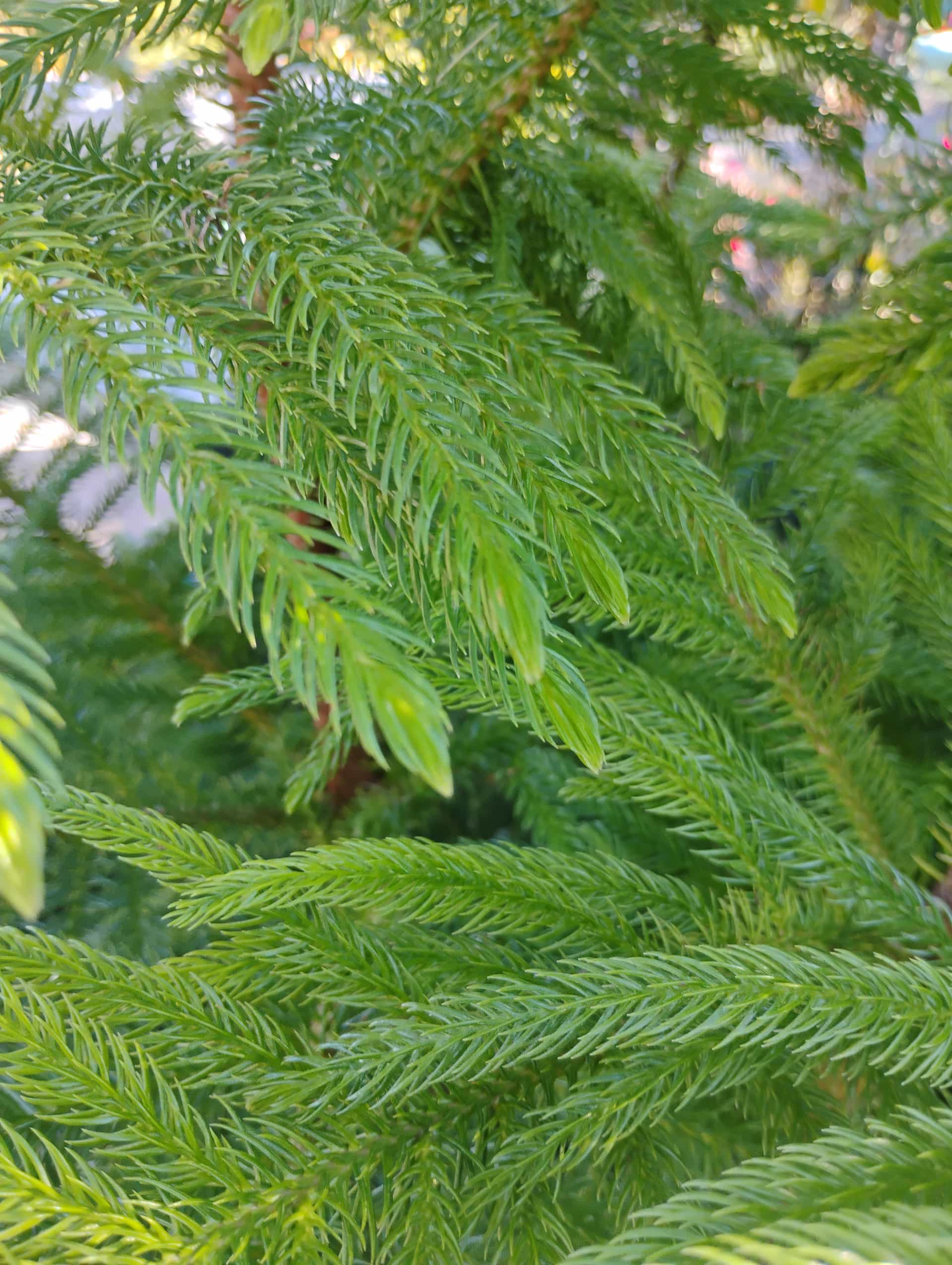
Norfolk Island Pine (Araucaria heterophylla) is a stately, symmetrical evergreen tree with tiered horizontal branches and soft needles arranged in a distinctive layered pattern. UF/IFAS rates it hardy to zones 10–11, making it marginal for outdoor planting in NE Florida's zone 9b; it is widely grown as a houseplant or holiday container tree throughout the region. It is not a true pine.
Plant details
- Bloom Season
- Non-flowering
- Flower Color
- Non-flowering
- Growth Rate
- Moderate
- Foliage
- Evergreen
- Soil
- Sandy, Loam, Well-drained
Best planting months
Recommended months: January, February, March, April, May, June, July, August, September, October, November, December.
Seasonal care
Good planting window.
Can be planted with extra attention to watering.
Ideal planting window.
Retains foliage through winter. Can be planted in mild winter periods.
Care essentials
Norfolk Island Pine requires full sun to light shade and performs best in open, unobstructed sites. In NE Florida it is borderline hardy — plant in the most frost-protected microclimate available (near south-facing walls or in coastal areas) as it is rated for zones 10–11.
Water regularly during establishment; once established, it tolerates brief dry periods but grows best with consistent moderate moisture in well-drained soil. Reduce irrigation in winter. Avoid chronically wet soils, which promote root rot.
Grows in deep, porous, moderately fertile, well-drained sandy or loamy soils. Fertilize with a balanced slow-release palm or tree fertilizer in spring and summer. Note: this tree is rated zones 10–11 by UF/IFAS — it may be killed or severely damaged by hard freezes in NE Florida's zone 9b and is better suited as a container or indoor plant in this region.
Similar needs
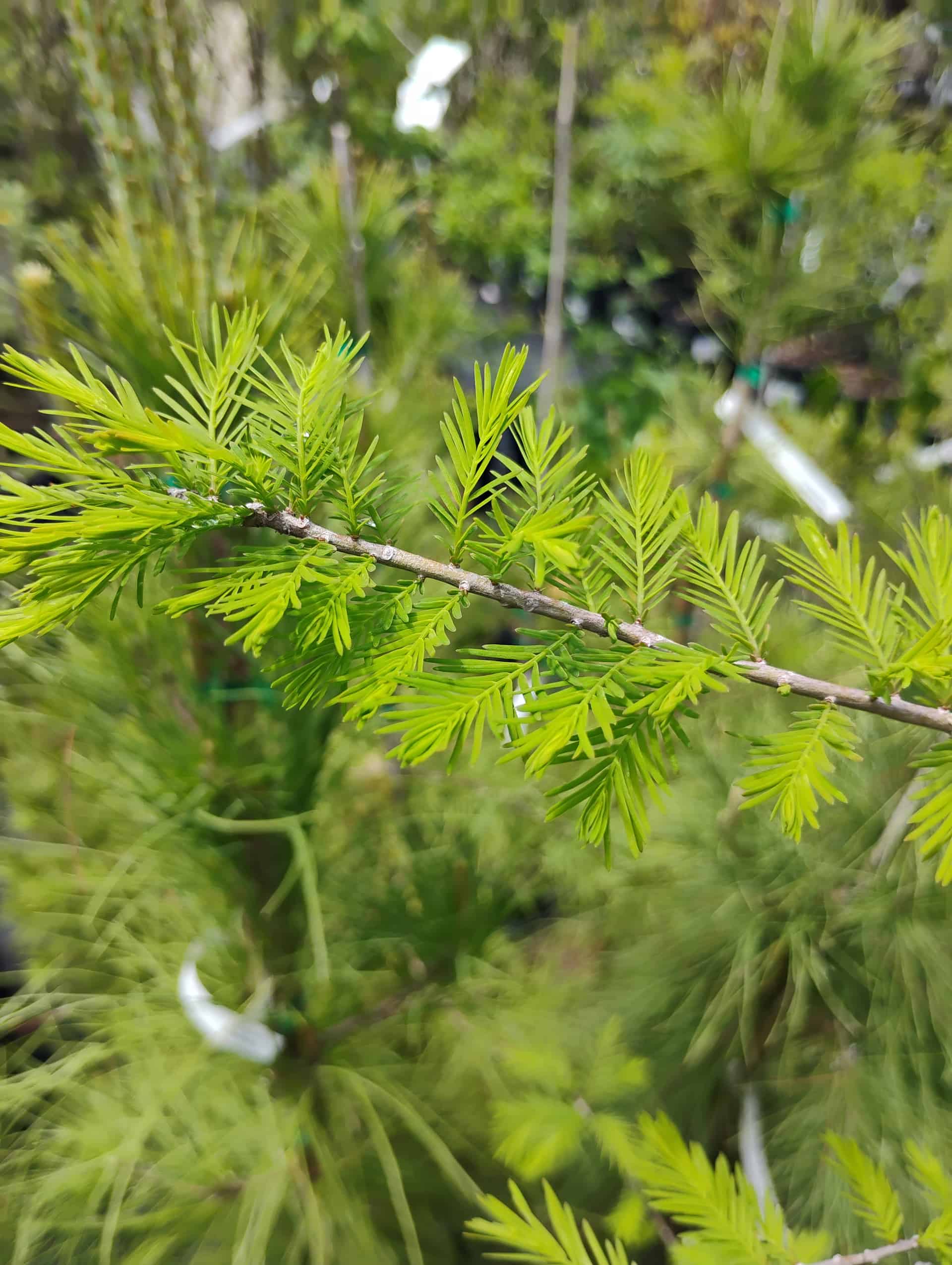
Bald Cypress
Shares 4 of the same needs: full sun, moderate water, sandy, and zone 9a hardiness.
Fringe Tree
Shares 4 of the same needs: full sun, moderate water, sandy, and zone 9a hardiness.
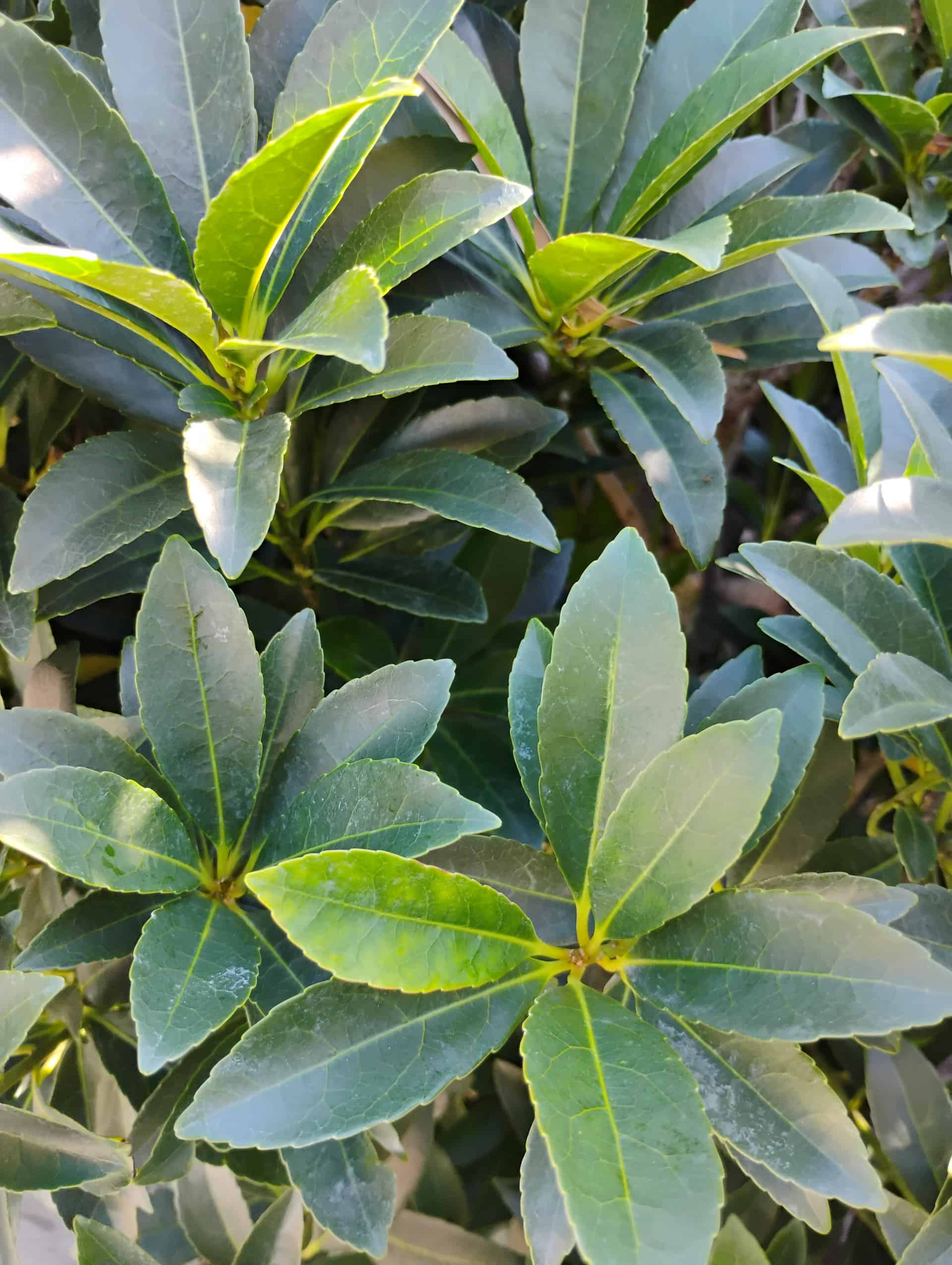
Japanese Blueberry Tree
Shares 4 of the same needs: full sun, moderate water, sandy, and zone 9a hardiness.

Japanese Maple
Shares 4 of the same needs: similar light, moderate water, sandy, and zone 9a hardiness.
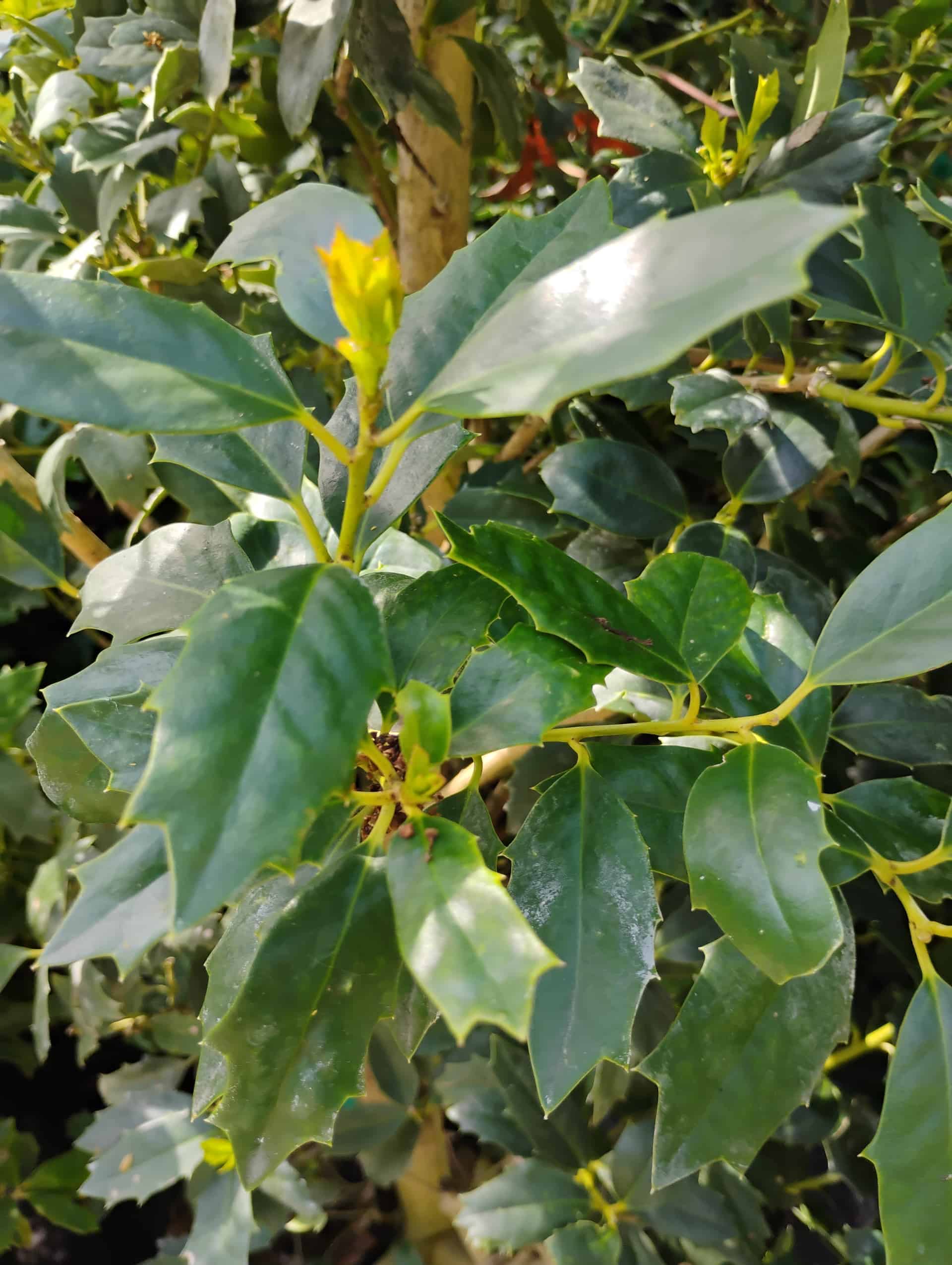
Oakland Holly
Shares 4 of the same needs: full sun, moderate water, sandy, and zone 9a hardiness.
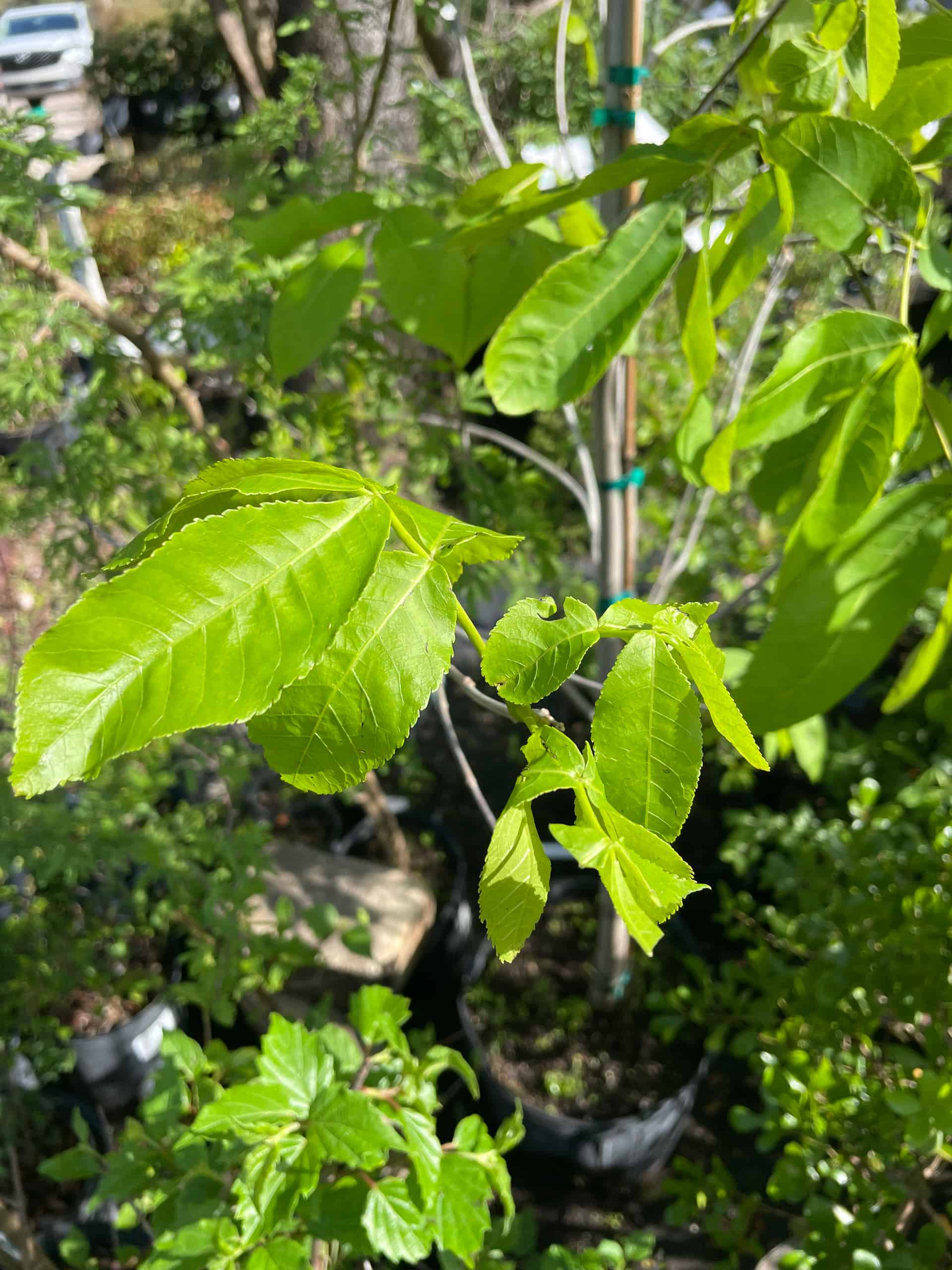
Pignut Hickory
Shares 4 of the same needs: full sun, moderate water, sandy, and zone 9a hardiness.
You may also like
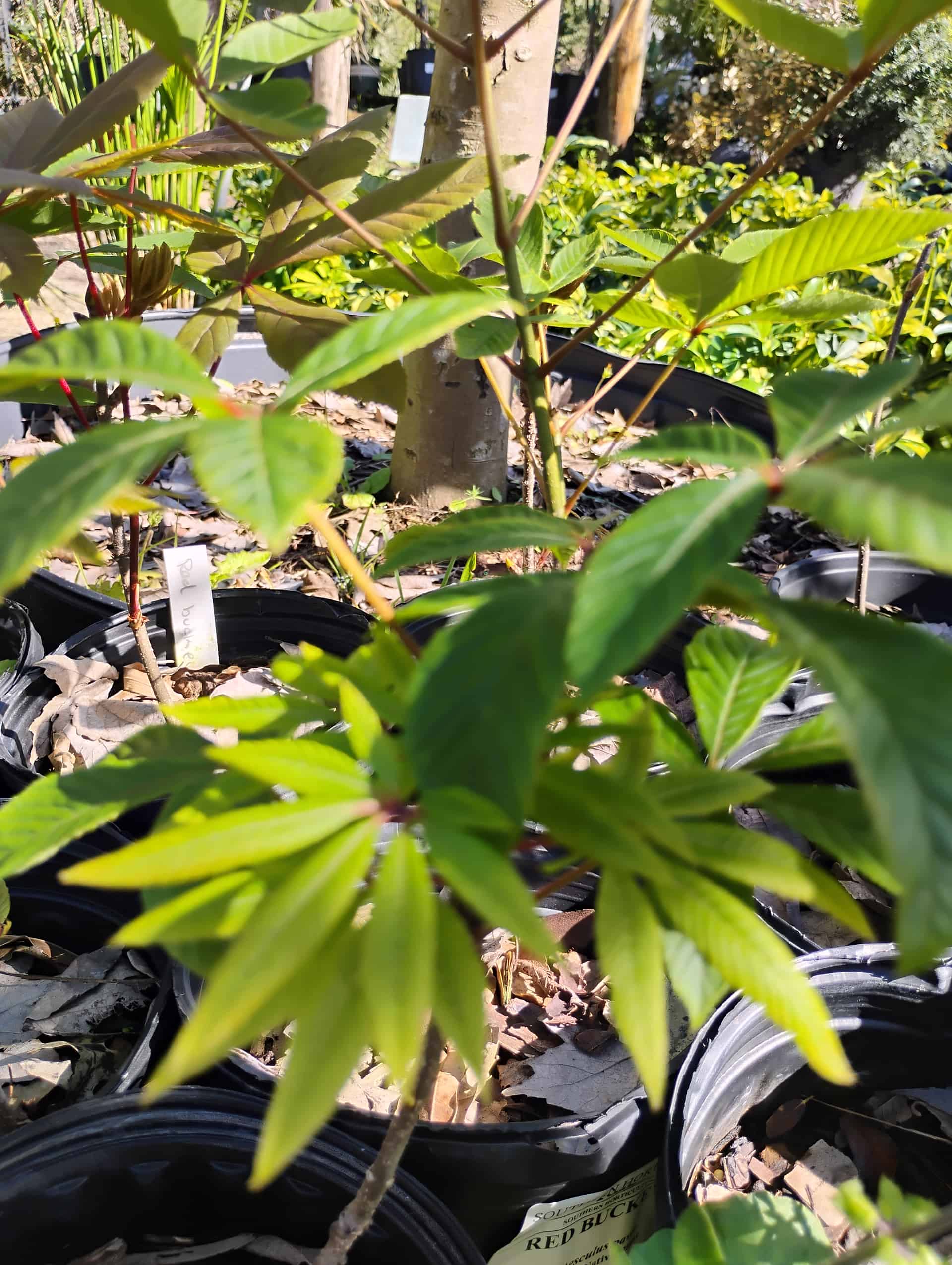 Tree
Red Buckeye
Aesculus pavia
Serviceberry
Amelanchier arborea
American Beech
Fagus grandifolia
Common questions
Is Norfolk Island Pine a good plant for St. Augustine?
Norfolk Island Pine is a tree. Mature size: 60-80 feet × 25-35 feet. Light: Full Sun, Part Sun. Water needs: Moderate. Recorded hardiness zone: 9a.
Care information verified from
Last reviewed February 2026. Our care guidance comes from trusted horticulture sources and decades of helping St. Augustine gardeners. Conditions here can vary dramatically from one area to the next, so come ask us and we'll tailor it to your yard.