
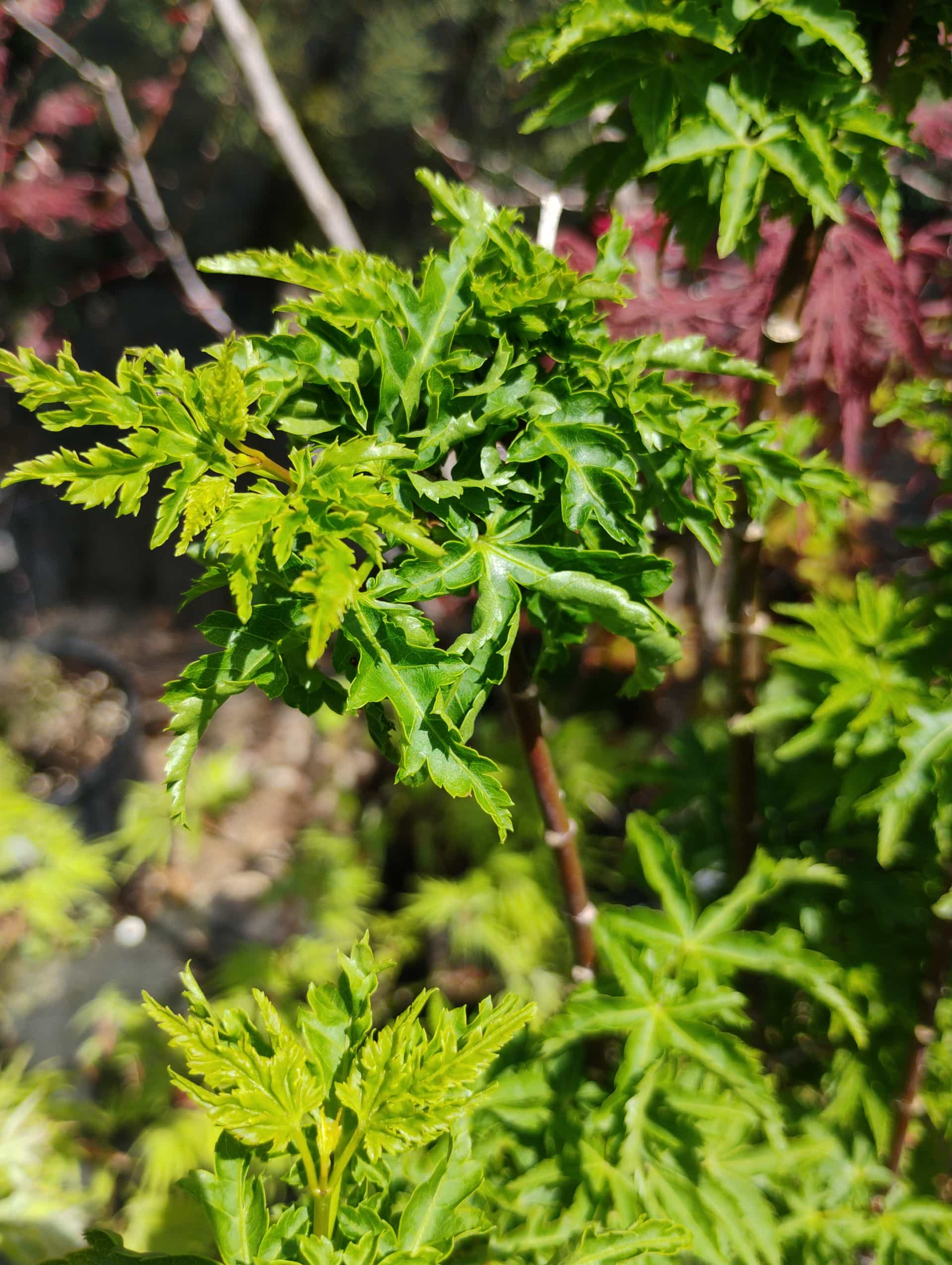
Traits
Varieties We Bring In
Bloodgood · English Lace · Viridis
Bloodgood · Crimson Queen
We received some Japanese Maple on Sep 24, 2026.
We bring this in seasonally, so what is on the lot changes week to week. A received date shows when it last came in, not that it is here today.
Call (904) 471-0440 to confirm this plant and size before you make the trip.
Last received Sep 24, 2026.
We bring this in seasonally, so what is on the lot changes week to week. A received date shows when it last came in, not that it is here today.
Call (904) 471-0440 to confirm this plant and size before you make the trip.
Pet toxicity: not on file, check before planting where pets chew
Pet safety guideAbout Japanese Maple
Japanese Maple (Acer palmatum) is a graceful, deciduous tree native to Japan and Korea, celebrated for its deeply lobed, palmate leaves that emerge in vivid shades of red, green, or purple. Foliage turns brilliant orange, red, or gold in autumn before leaf drop. Hundreds of cultivars offer a wide range of leaf forms, sizes, and colors for specimen or container use.
Plant details
- Bloom Season
- Spring
- Flower Color
- Red
- Growth Rate
- Slow
- Foliage
- Deciduous
- Soil
- Sandy, Loam, Clay, Acidic, Well-drained
Best planting months
Recommended months: January, February, March, October, November, December.
Seasonal care
Bloom season. New foliage emerges. Good planting window.
Active growing season.
Foliage may begin to change or drop. Ideal planting window.
Dormant — drops foliage. Can be planted in mild winter periods.
Care essentials
Plant in partial shade with protection from hot afternoon sun — in NE Florida's zone 9b heat, an east-facing exposure or dappled shade under tall trees is essential to prevent leaf scorch.
Keep soil consistently moist but well-drained; water deeply during dry spells and apply 3–4 inches of mulch over the root zone (kept away from the trunk) to retain moisture and moderate soil temperature in Florida's heat.
Plant in moist, acidic (pH 5.5–6.5), well-drained soil amended with compost. Fertilize lightly in spring with a slow-release, acid-forming fertilizer; avoid heavy feeding, which promotes lush growth susceptible to scorch.
Similar needs
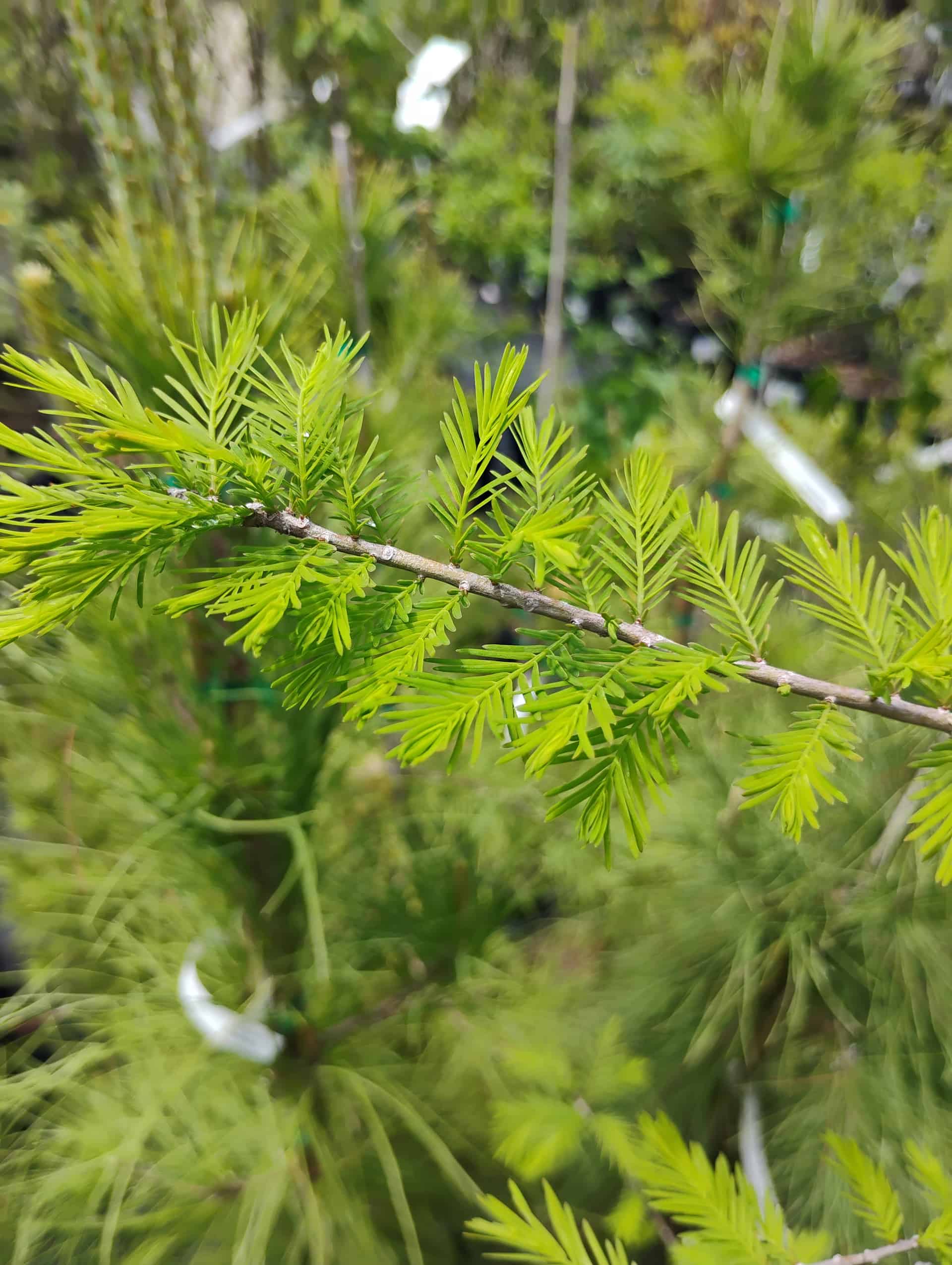
Bald Cypress
Shares 4 of the same needs: similar light, moderate water, sandy, and zone 9a hardiness.
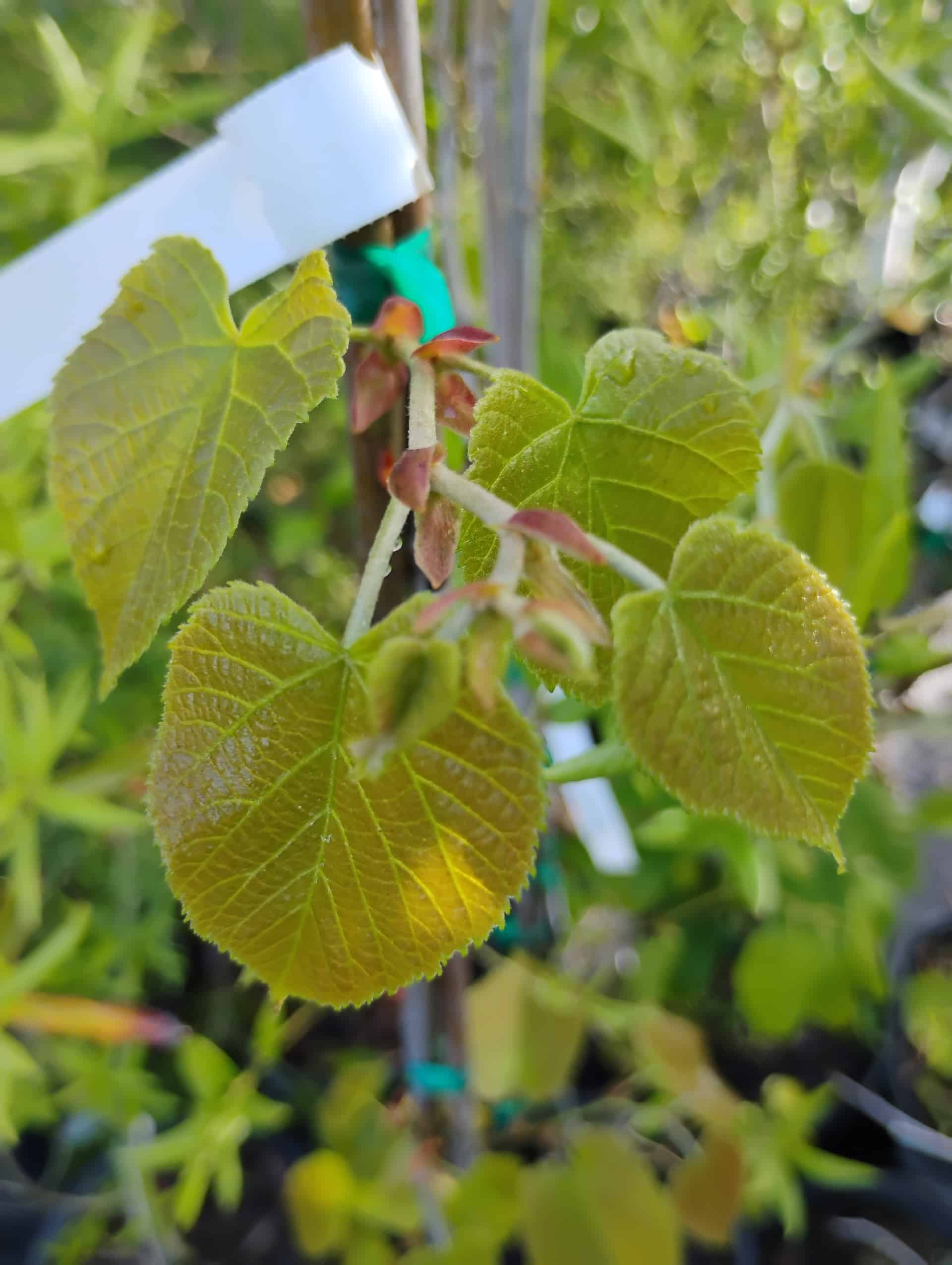
Basswood
Shares 4 of the same needs: similar light, moderate water, loam, and zone 9a hardiness.
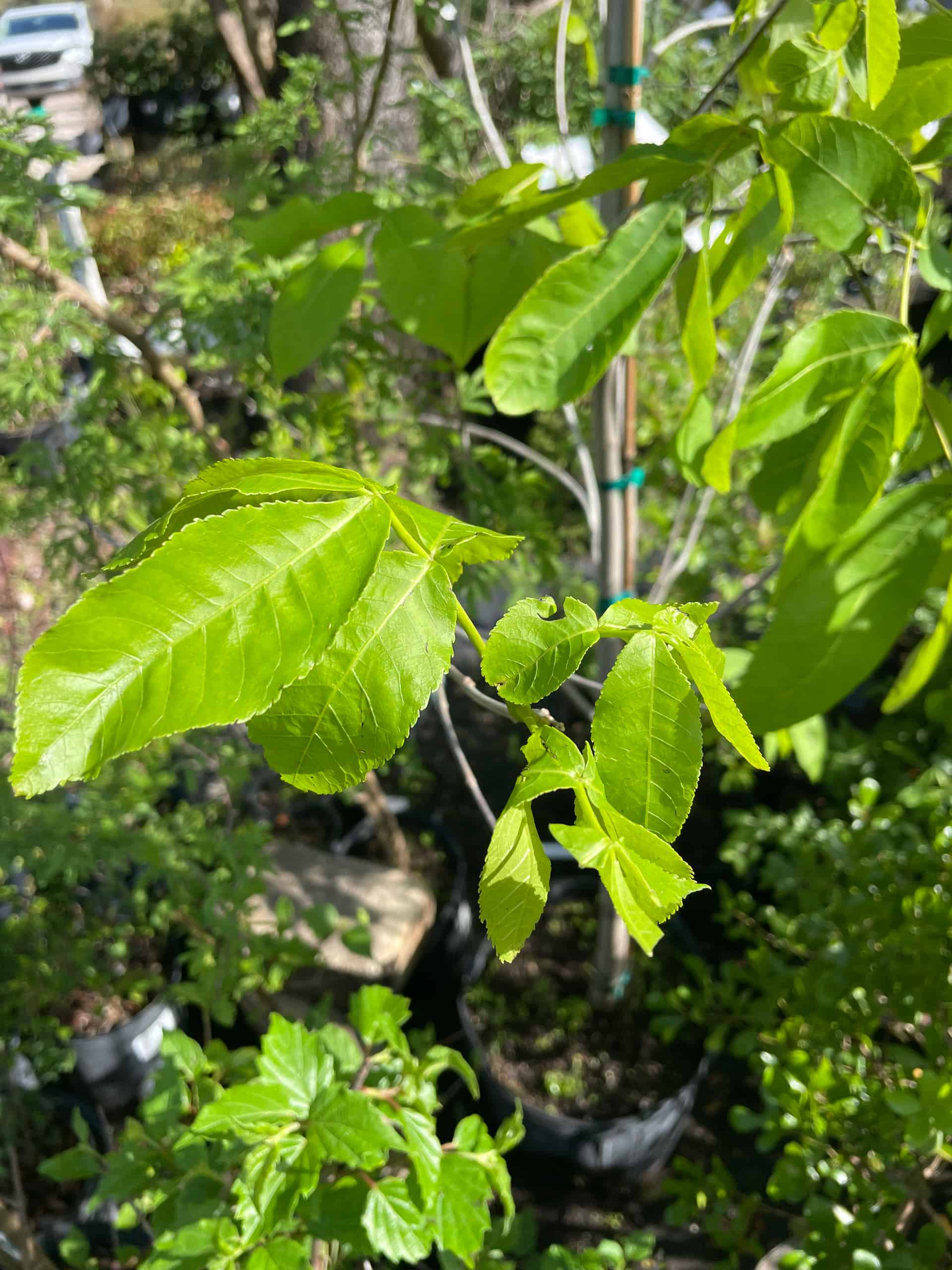
Pignut Hickory
Shares 4 of the same needs: similar light, moderate water, sandy, and zone 9a hardiness.
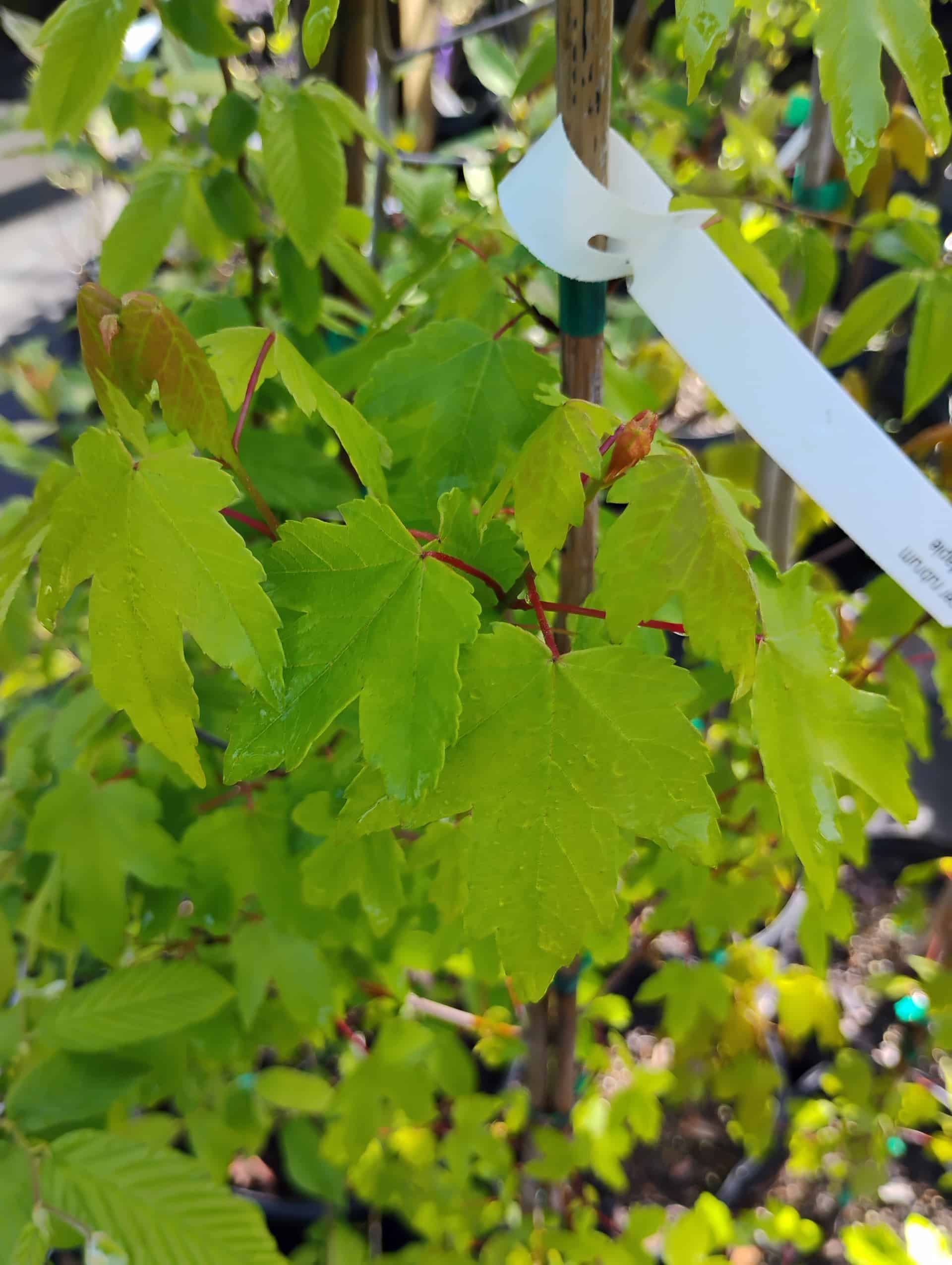
Red Maple
Shares 4 of the same needs: shade, moderate water, sandy, and zone 9a hardiness.
Sugarberry
Shares 4 of the same needs: similar light, moderate water, sandy, and zone 9a hardiness.

Tropical Hydrangea
Shares 4 of the same needs: similar light, moderate water, sandy, and zone 9a hardiness.
You may also like
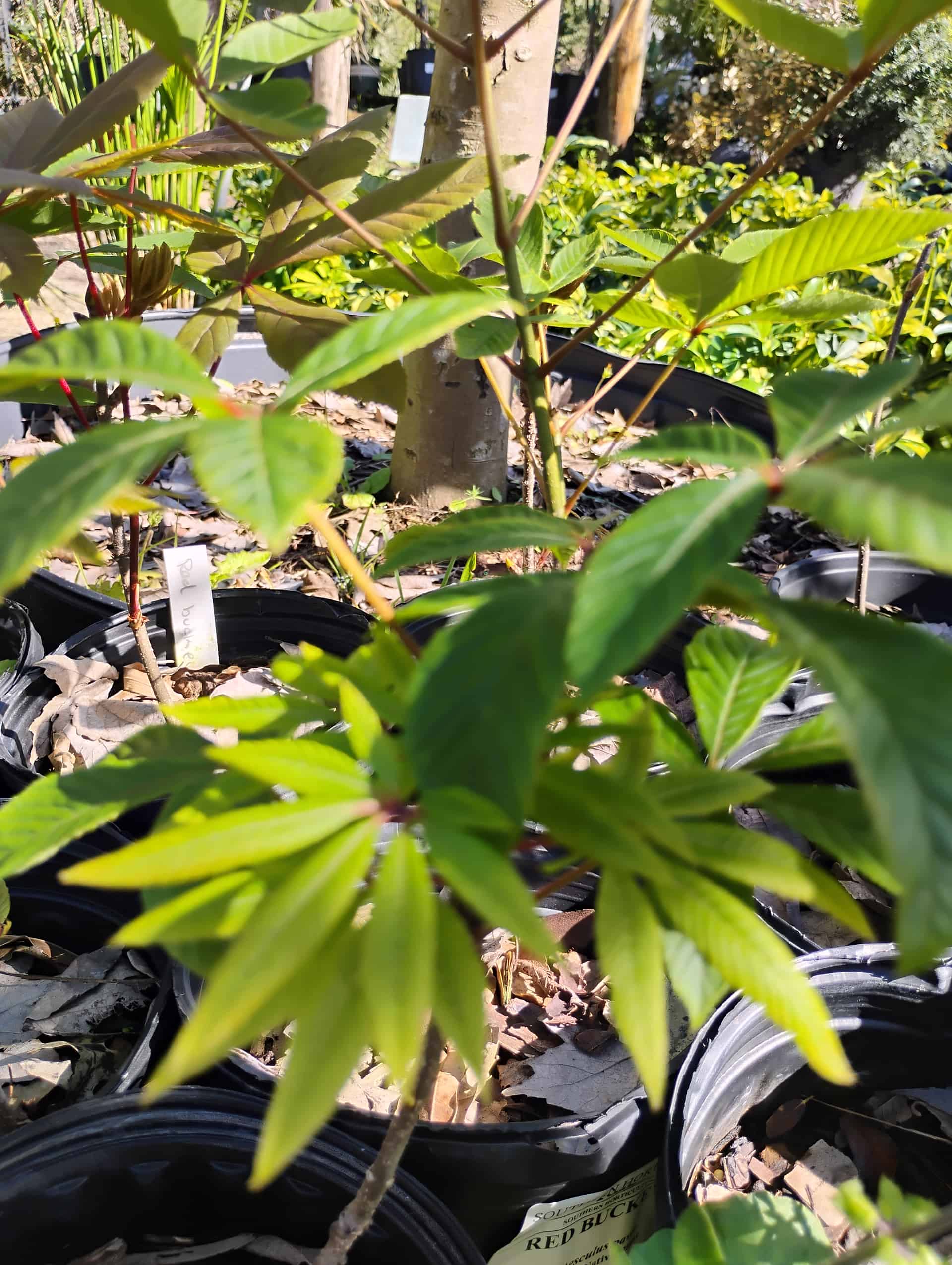 Tree
Red Buckeye
Aesculus pavia
Serviceberry
Amelanchier arborea
American Beech
Fagus grandifolia
Common questions
Is Japanese Maple a good plant for St. Augustine?
Japanese Maple is a tree. Mature size: 12-20 feet × 15-20 feet. Light: Part Sun, Part Shade. Water needs: Moderate. Recorded hardiness zone: 9a.
Care information verified from
Last reviewed March 2026. Our care guidance comes from trusted horticulture sources and decades of helping St. Augustine gardeners. Conditions here can vary dramatically from one area to the next, so come ask us and we'll tailor it to your yard.