
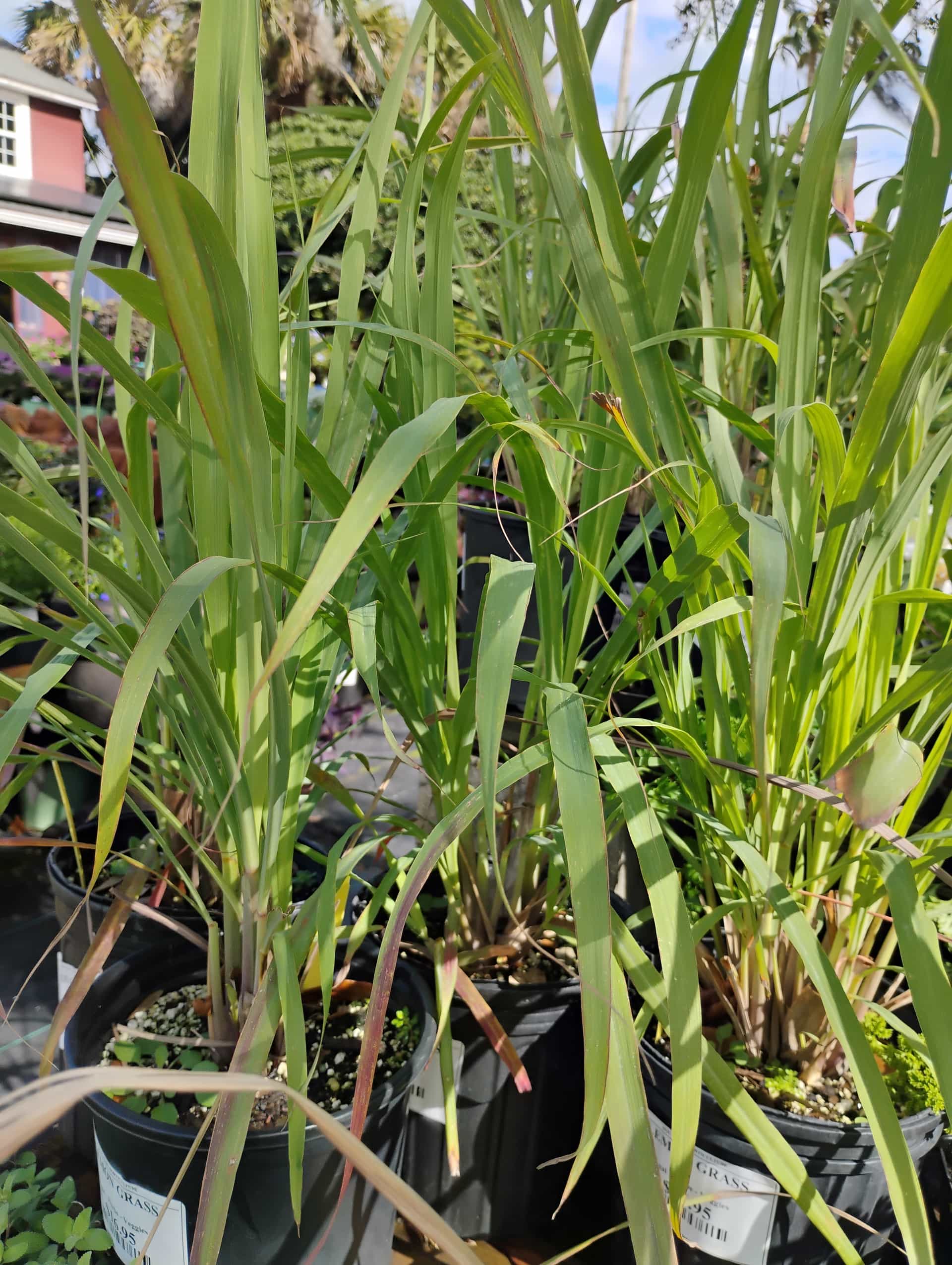
Traits
Varieties We Bring In
Standard
Standard
Standard
We received some Lemongrass on Aug 9, 2026.
We bring this in seasonally, so what is on the lot changes week to week. A received date shows when it last came in, not that it is here today.
Call (904) 471-0440 to confirm this plant and size before you make the trip.
Last received Aug 9, 2026.
We bring this in seasonally, so what is on the lot changes week to week. A received date shows when it last came in, not that it is here today.
Call (904) 471-0440 to confirm this plant and size before you make the trip.
Pet toxicity: Non-toxic to dogs and cats
Pet safety guideAbout Lemongrass
Lemongrass (Cymbopogon citratus) is a robust tropical grass native to South and Southeast Asia, forming dense clumps of long, arching, intensely lemon-scented leaves used extensively in Southeast Asian cuisine and herbal preparations. The thick, fibrous lower stalks are a key ingredient in Thai, Vietnamese, and Indonesian cooking.
Plant details
- Bloom Season
- Fall
- Flower Color
- Non-flowering
- Growth Rate
- Fast
- Foliage
- Evergreen
- Soil
- Sandy, Loam, Well-drained
Best planting months
Recommended months: February, March, April.
Seasonal care
Good planting window.
Active growing season.
Growth slows as temperatures cool.
Retains foliage through winter. Can be planted in mild winter periods.
Care essentials
Lemongrass requires full sun — at least 6 hours of direct sunlight daily. In NE Florida it thrives in the long, hot growing season and can be used as a bold landscape accent, border planting, or living privacy screen; water and feed actively from June through September.
Water regularly and deeply throughout the growing season, especially from June through September; lemongrass prefers consistently moist soil but needs good drainage to prevent root rot. Reduce watering in winter. In NE Florida it stays evergreen through mild winters but may show reddish fall color in colder years.
Plant in well-drained, fertile sandy or loamy soil enriched with organic matter. Apply a balanced fertilizer monthly from June through September to sustain rapid growth. Divide large clumps every 2–3 years in spring to rejuvenate plantings.
Similar needs
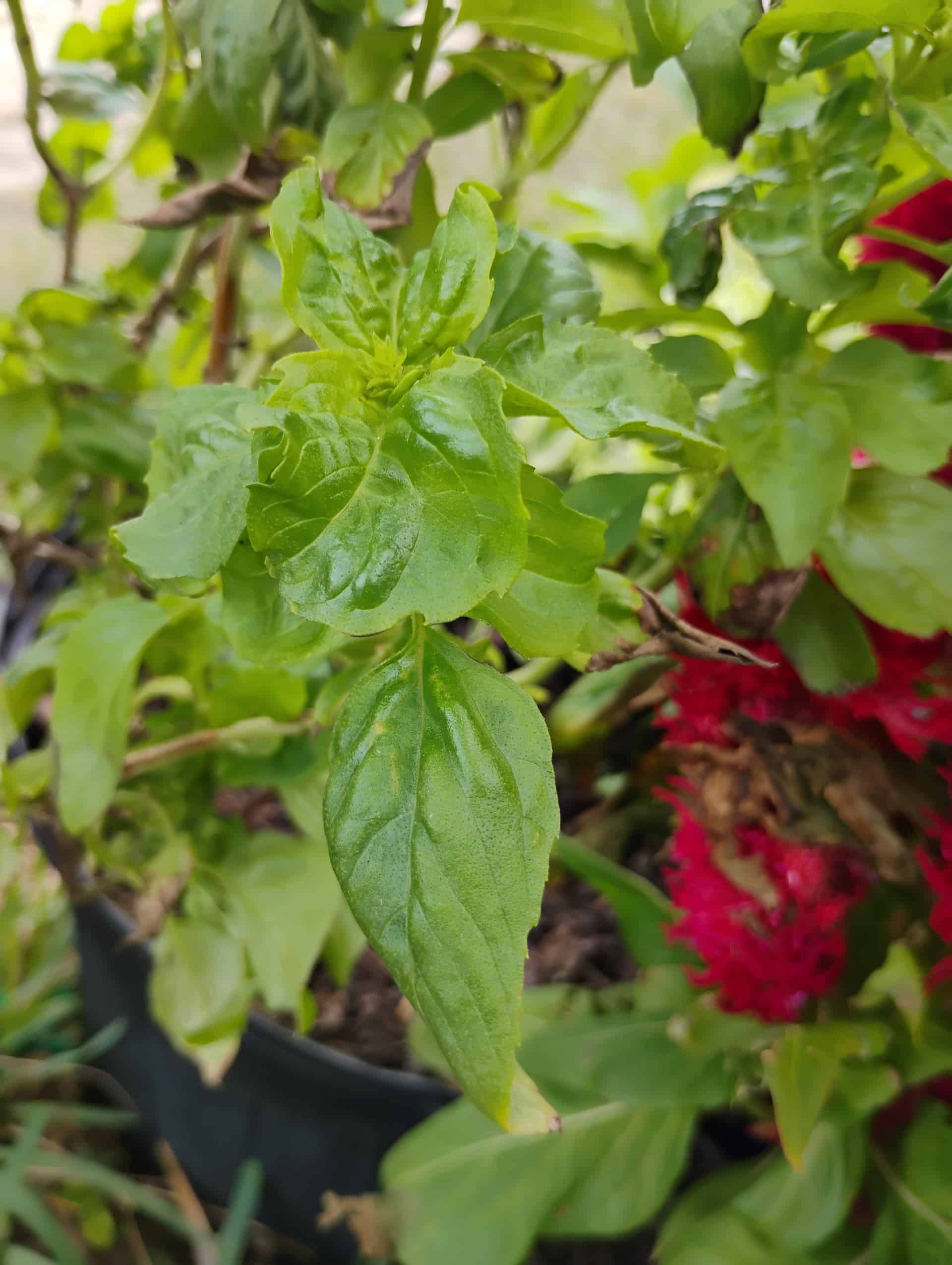
Basil
Shares 4 of the same needs: full sun, moderate water, sandy, and zone 9a hardiness.
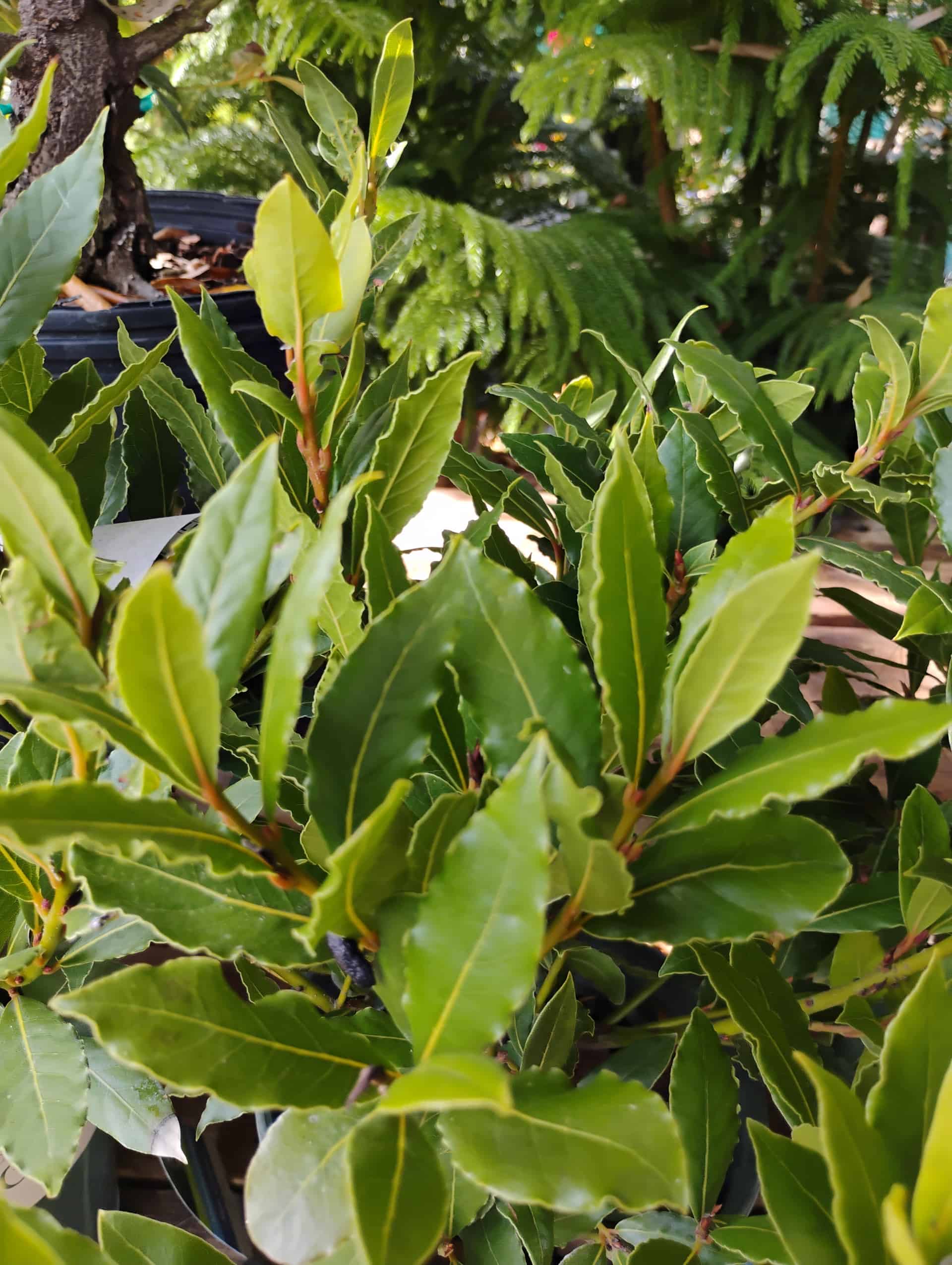
Bay Laurel
Shares 4 of the same needs: full sun, moderate water, sandy, and zone 9a hardiness.
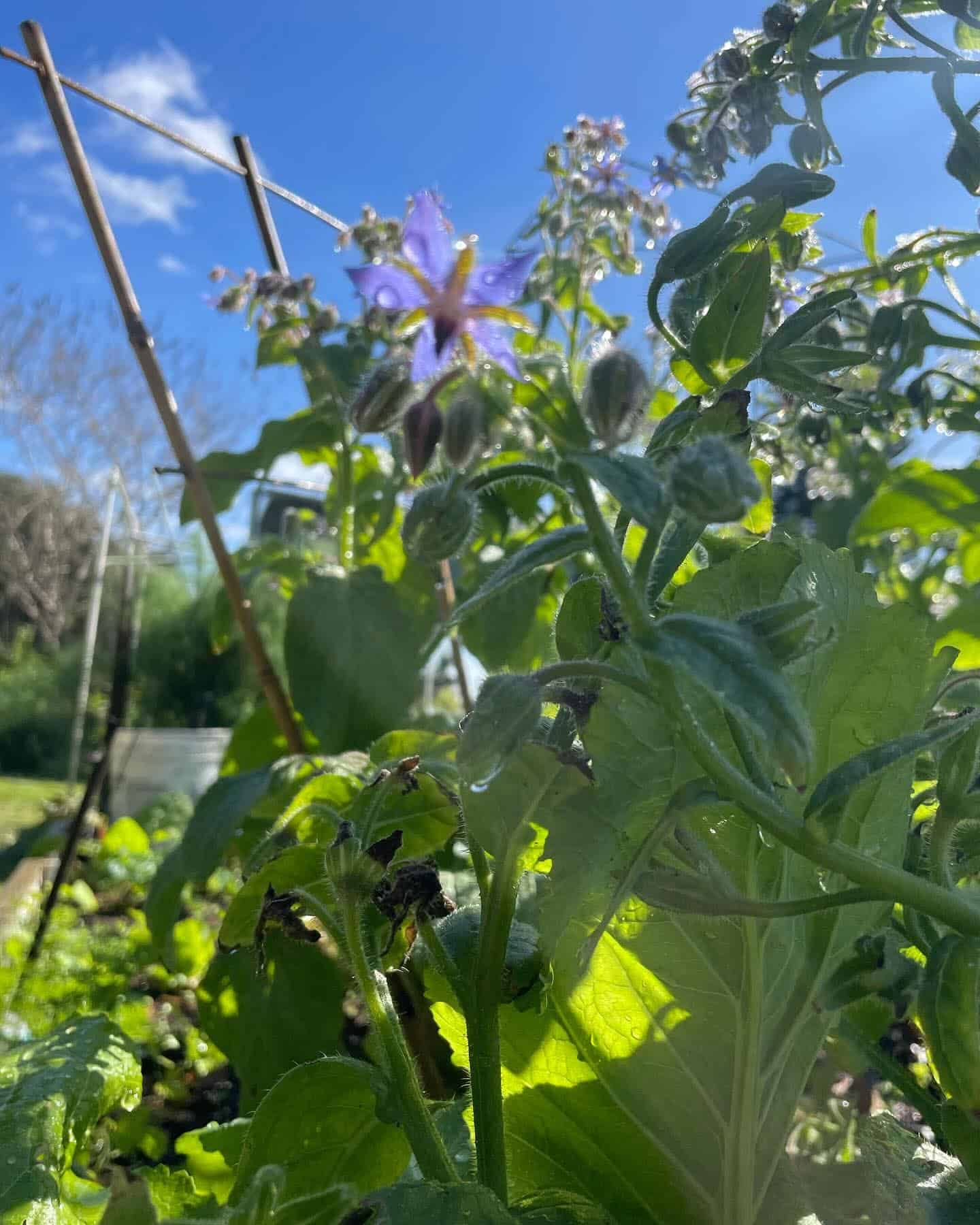
Borage
Shares 4 of the same needs: full sun, moderate water, sandy, and zone 9a hardiness.
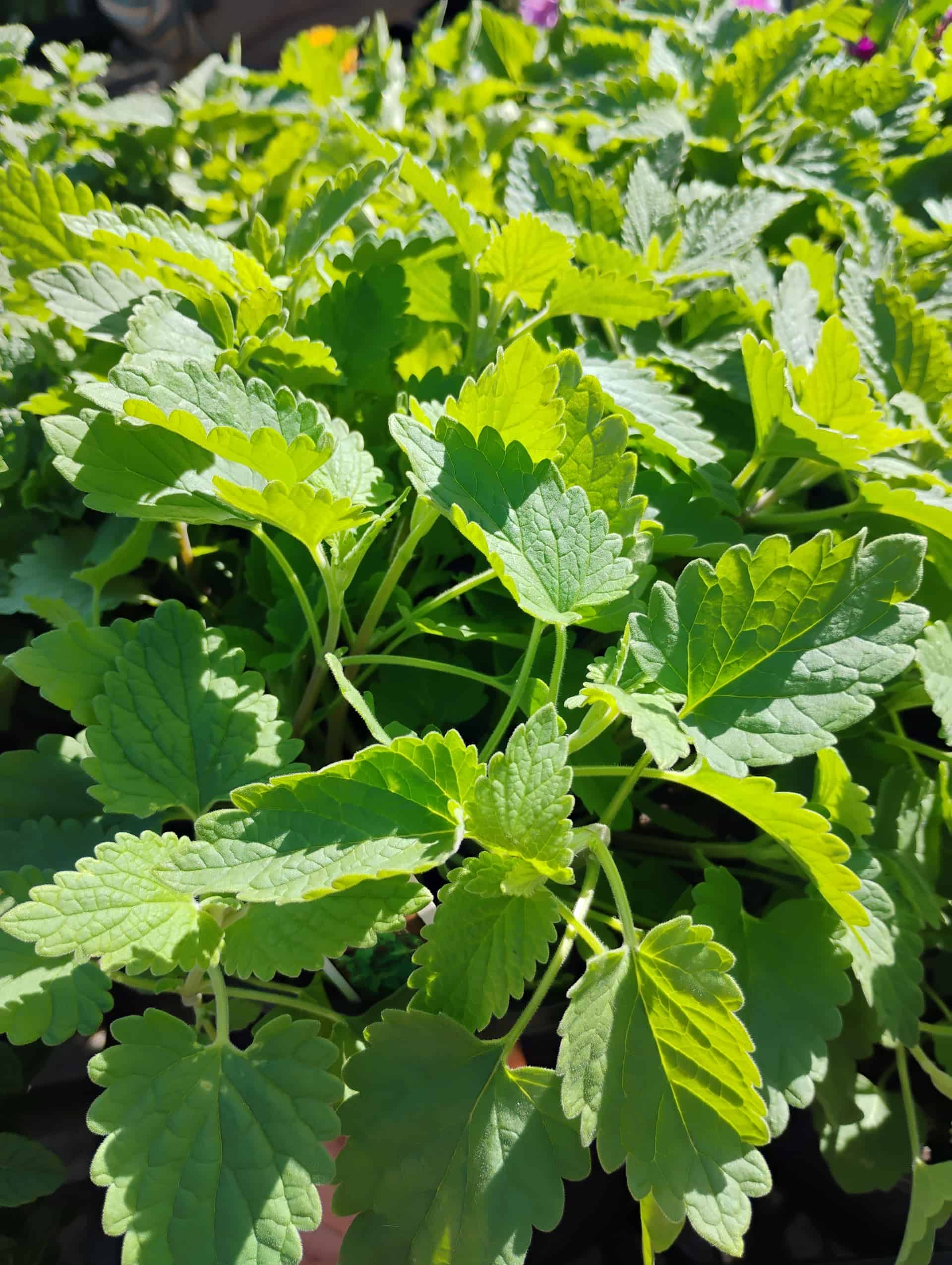
Catnip
Shares 4 of the same needs: full sun, moderate water, sandy, and zone 9a hardiness.
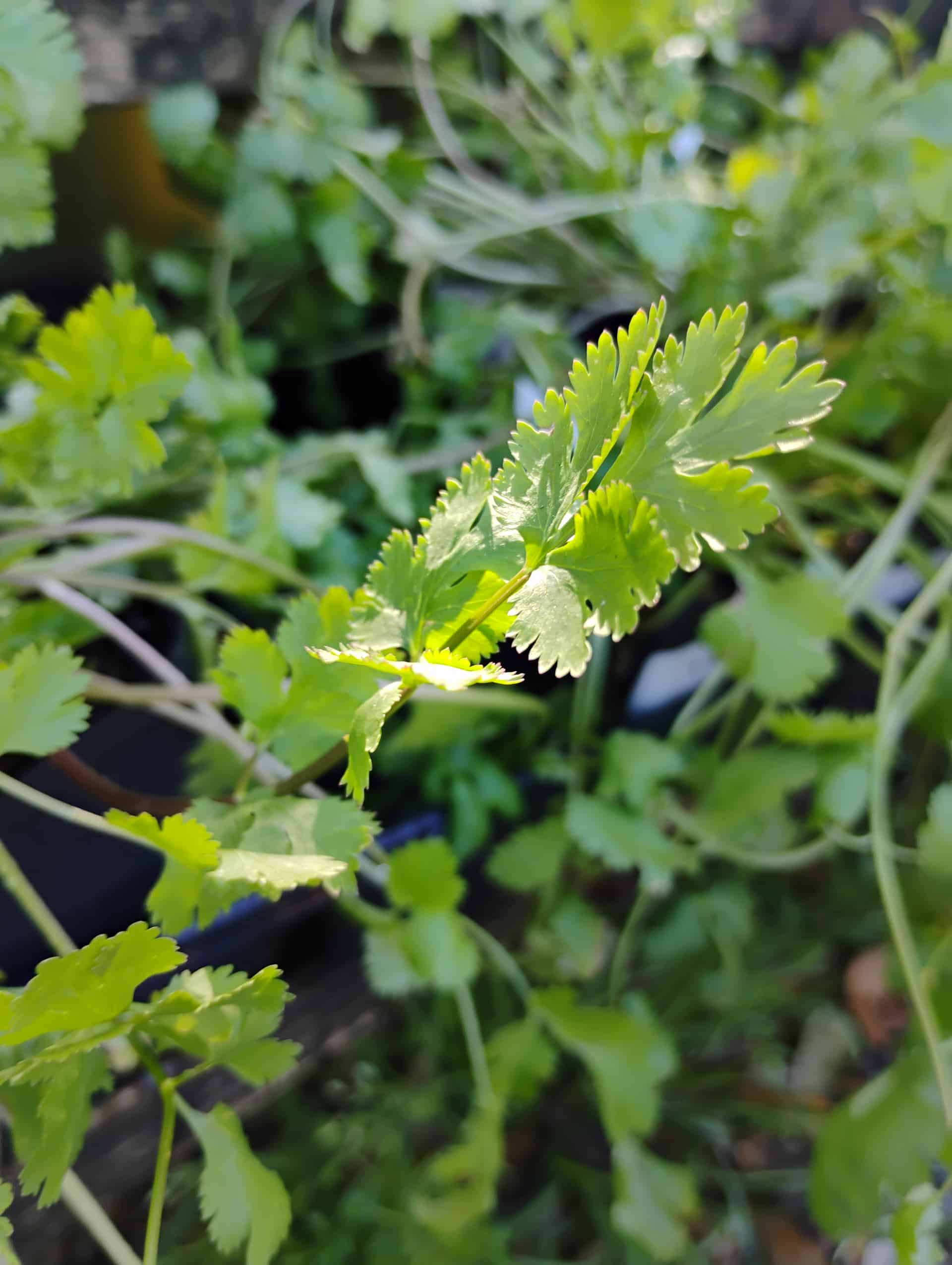
Cilantro
Shares 4 of the same needs: full sun, moderate water, sandy, and zone 9a hardiness.

Dill
Shares 4 of the same needs: full sun, moderate water, sandy, and zone 9a hardiness.
You may also like
HerbBasil
Ocimum basilicum
HerbBay Laurel
Laurus nobilis
HerbBorage
Borago officinalis
Common questions
Is Lemongrass a good plant for St. Augustine?
Lemongrass is a herb. Mature size: 3-6 feet × 3-4 feet. Light: Full Sun. Water needs: Moderate. Recorded hardiness zone: 9a.
What is the recorded pet toxicity for Lemongrass?
Non-toxic to dogs and cats
Care information verified from
Last reviewed February 2026. Our care guidance comes from trusted horticulture sources and decades of helping St. Augustine gardeners. Conditions here can vary dramatically from one area to the next, so come ask us and we'll tailor it to your yard.