
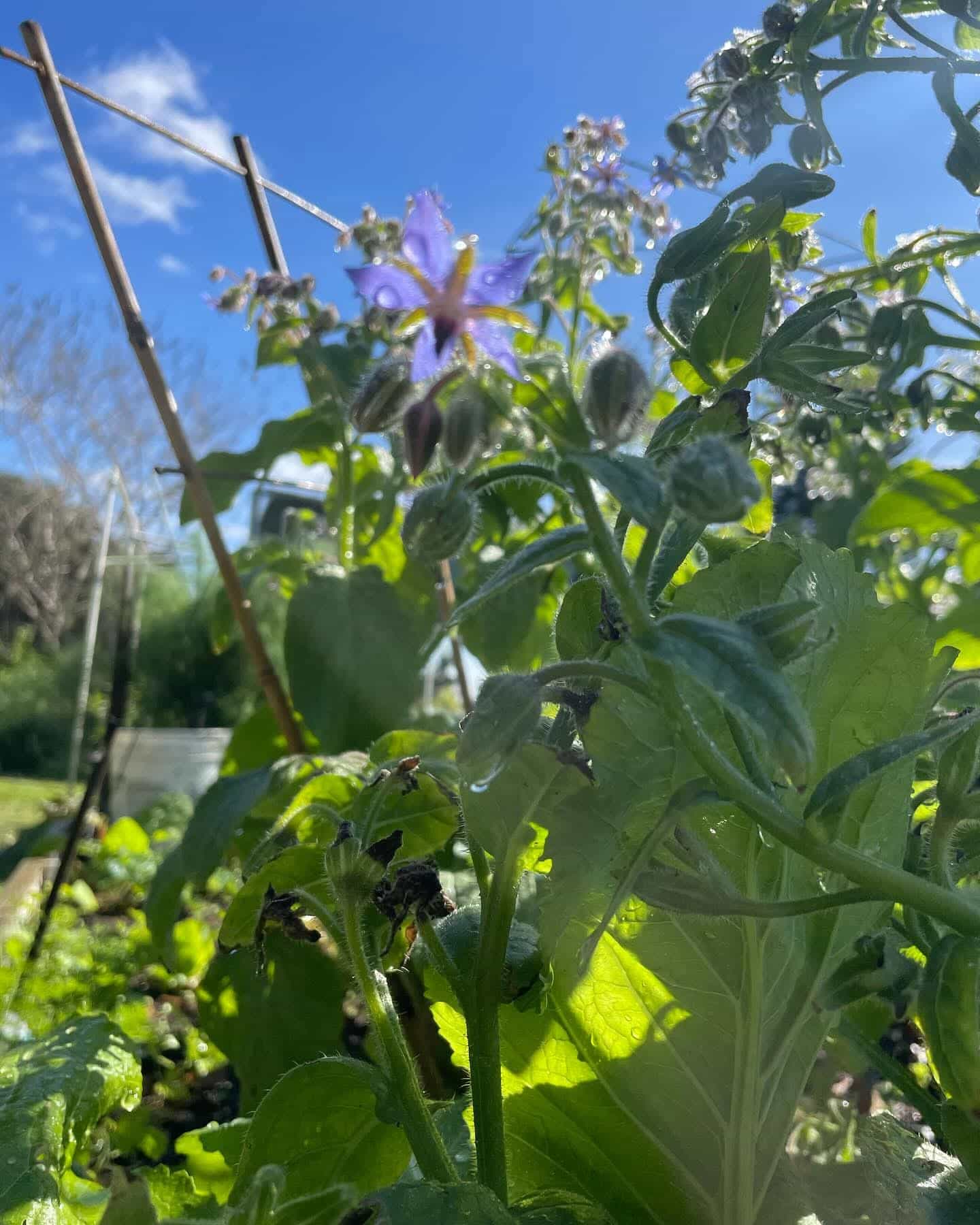
Varieties We Bring In
Standard
Standard
We received some Borage on Jul 19, 2026.
We bring this in seasonally, so what is on the lot changes week to week. A received date shows when it last came in, not that it is here today.
Call (904) 471-0440 to confirm this plant and size before you make the trip.
Last received Jul 19, 2026.
We bring this in seasonally, so what is on the lot changes week to week. A received date shows when it last came in, not that it is here today.
Call (904) 471-0440 to confirm this plant and size before you make the trip.
Pet toxicity: Non-toxic to dogs and cats
Pet safety guideAbout Borage
Borage (Borago officinalis) is a fast-growing cool-season annual herb from the Mediterranean, bearing bristly gray-green foliage and vivid star-shaped blue flowers highly attractive to bees and other pollinators. In NE Florida, sow seeds in fall (October) for blooms through winter and spring — summer heat will end the plant's season, but it self-seeds readily for annual return.
Plant details
- Bloom Season
- Fall, Winter, Spring
- Flower Color
- Blue
- Growth Rate
- Fast
- Foliage
- Deciduous
- Soil
- Sandy, Loam, Well-drained
Best planting months
Recommended months: March, April, May, September, October.
Seasonal care
Bloom season. New foliage emerges. Good planting window.
Bloom season.
Foliage may begin to change or drop. Ideal planting window.
Dormant — drops foliage.
Care essentials
Borage grows best in full sun; light afternoon shade is tolerated in NE Florida's hottest months. In zone 9b, treat borage as a cool-season annual — sow seeds in October for fall through spring growth; summer heat causes plants to bolt, decline, and die.
Water moderately and consistently during establishment; once growing, keep soil lightly moist but not waterlogged — borage is prone to root rot in overly wet soil. It is moderately drought-tolerant once established. Reduce watering as plants mature and self-seed for next season.
Direct sow seeds in well-drained, average to lean soil in October for NE Florida timing. Borage tolerates poor soils and actually prefers low to moderate fertility — rich soils produce lush foliage with fewer flowers. No regular fertilization needed; borage self-seeds freely and will naturalize in the garden without intervention.
Similar needs
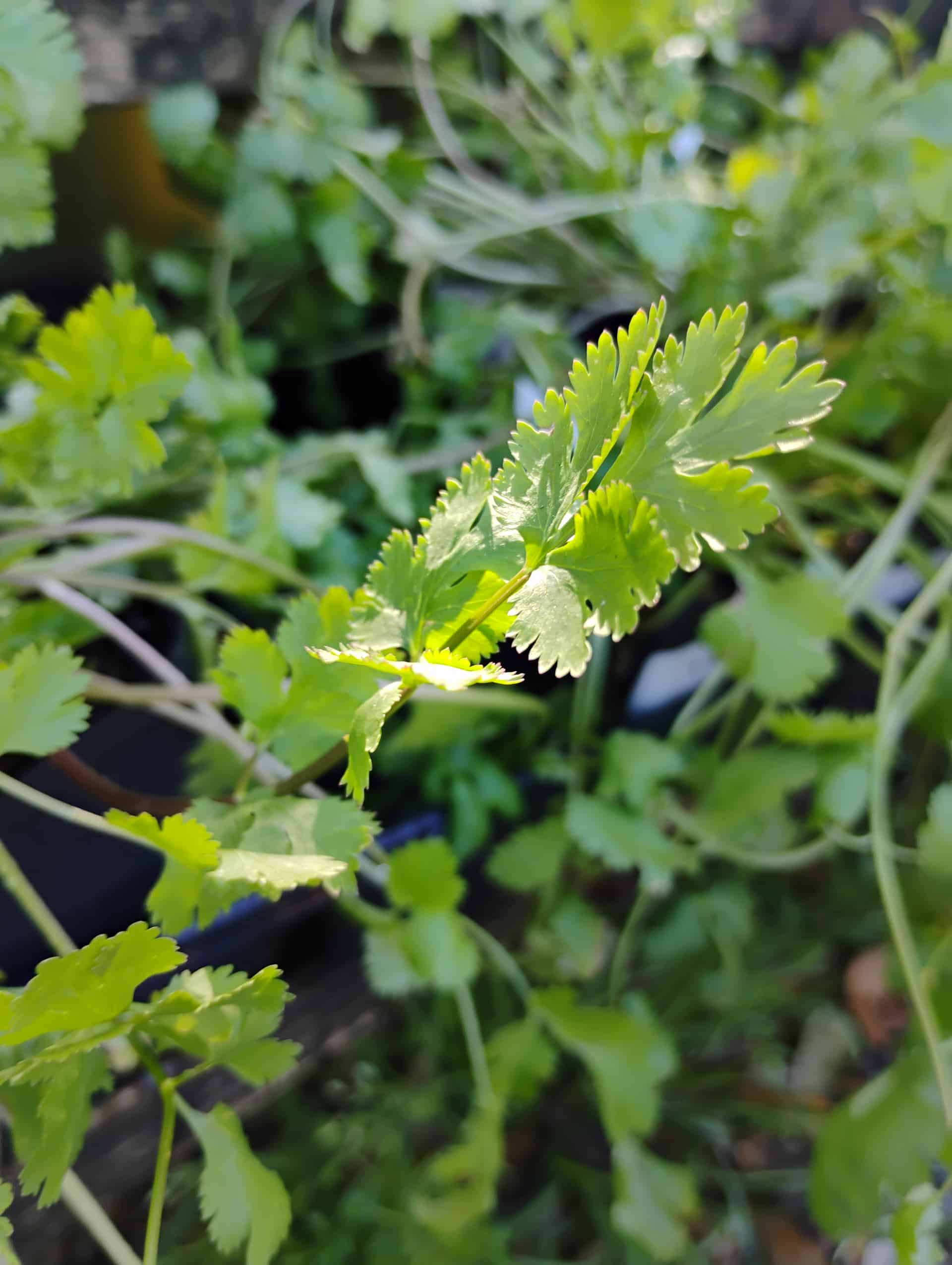
Cilantro
Shares 5 of the same needs: full sun, moderate water, sandy, zone 9a hardiness, and pollinator-friendly.

Lemon Balm
Shares 5 of the same needs: similar light, moderate water, sandy, zone 9a hardiness, and pollinator-friendly.
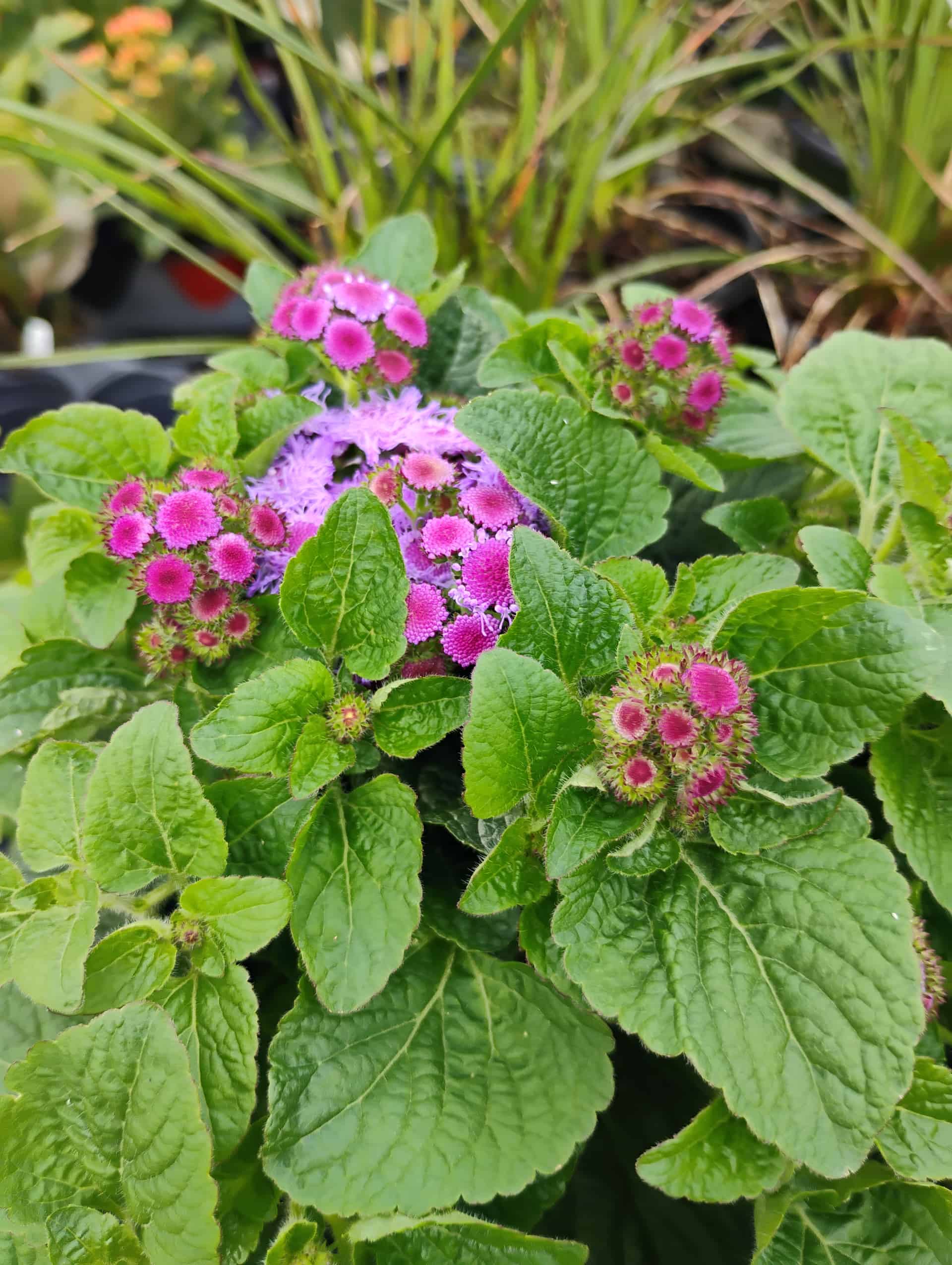
Ageratum
Shares 5 of the same needs: full sun, moderate water, sandy, zone 9a hardiness, and pollinator-friendly.
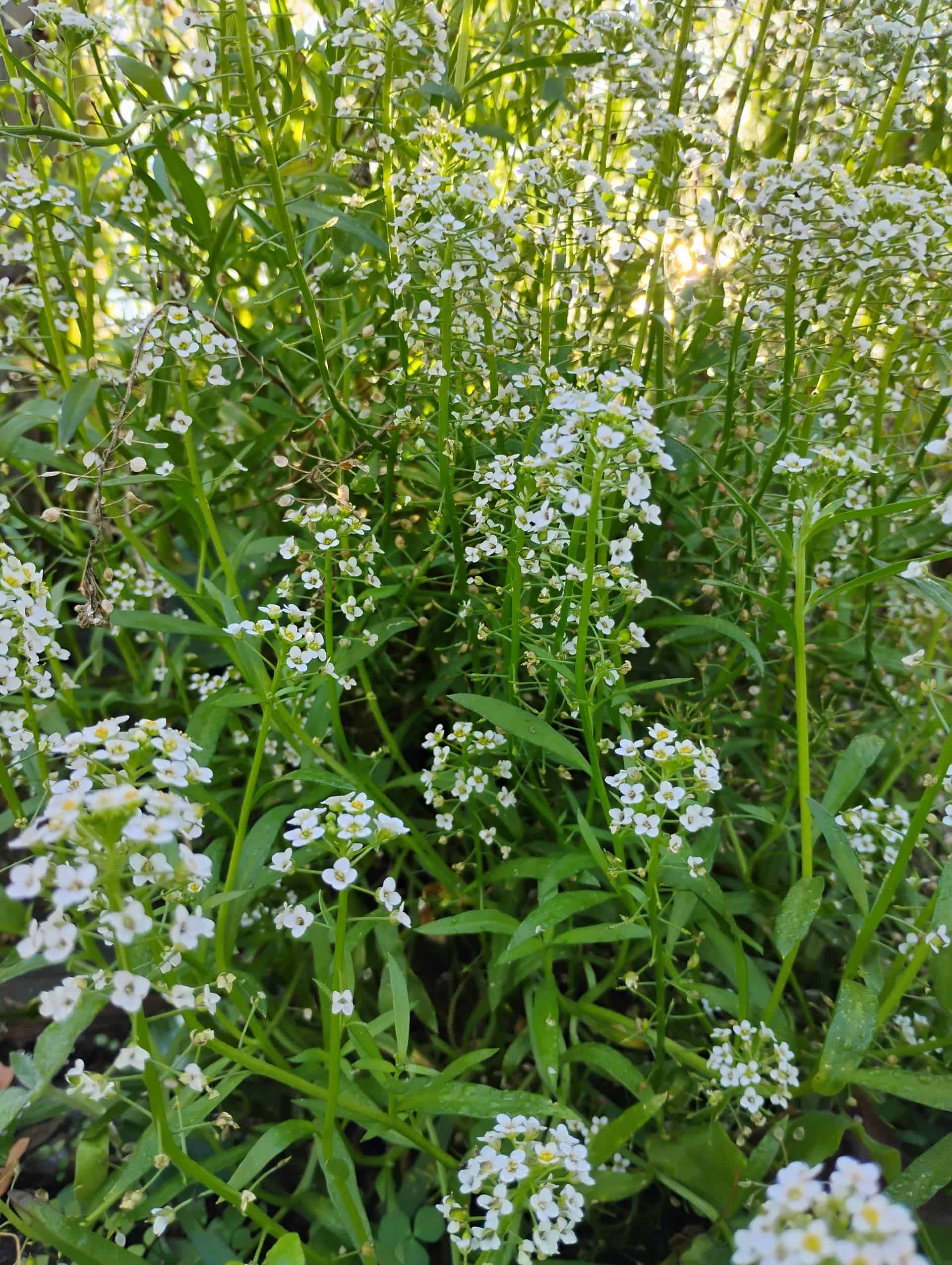
Alyssum
Shares 5 of the same needs: full sun, moderate water, sandy, zone 9a hardiness, and pollinator-friendly.
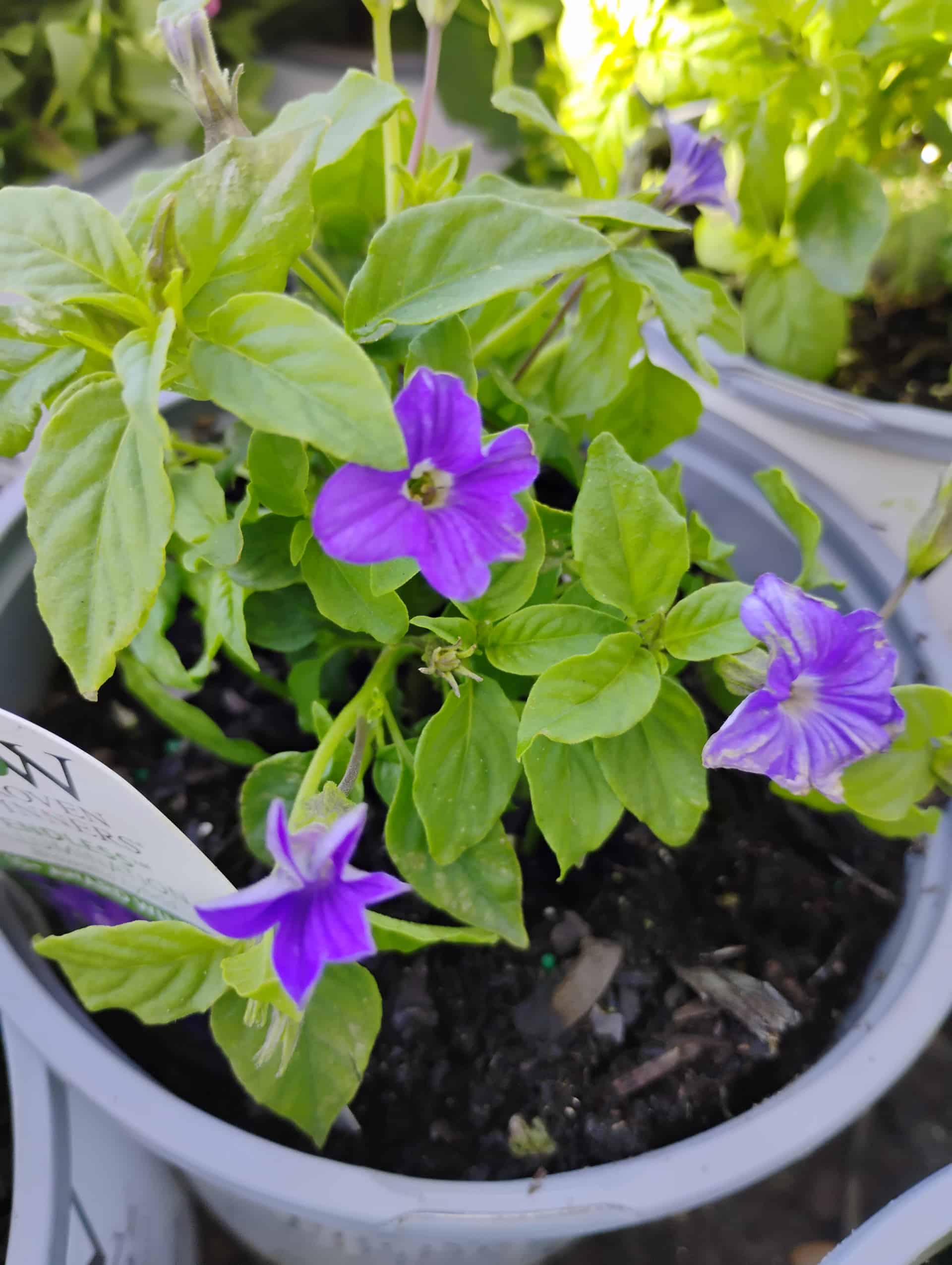
Amethyst Flower
Shares 5 of the same needs: similar light, moderate water, sandy, zone 9a hardiness, and pollinator-friendly.

Aster
Shares 5 of the same needs: full sun, moderate water, sandy, zone 9a hardiness, and pollinator-friendly.
You may also like
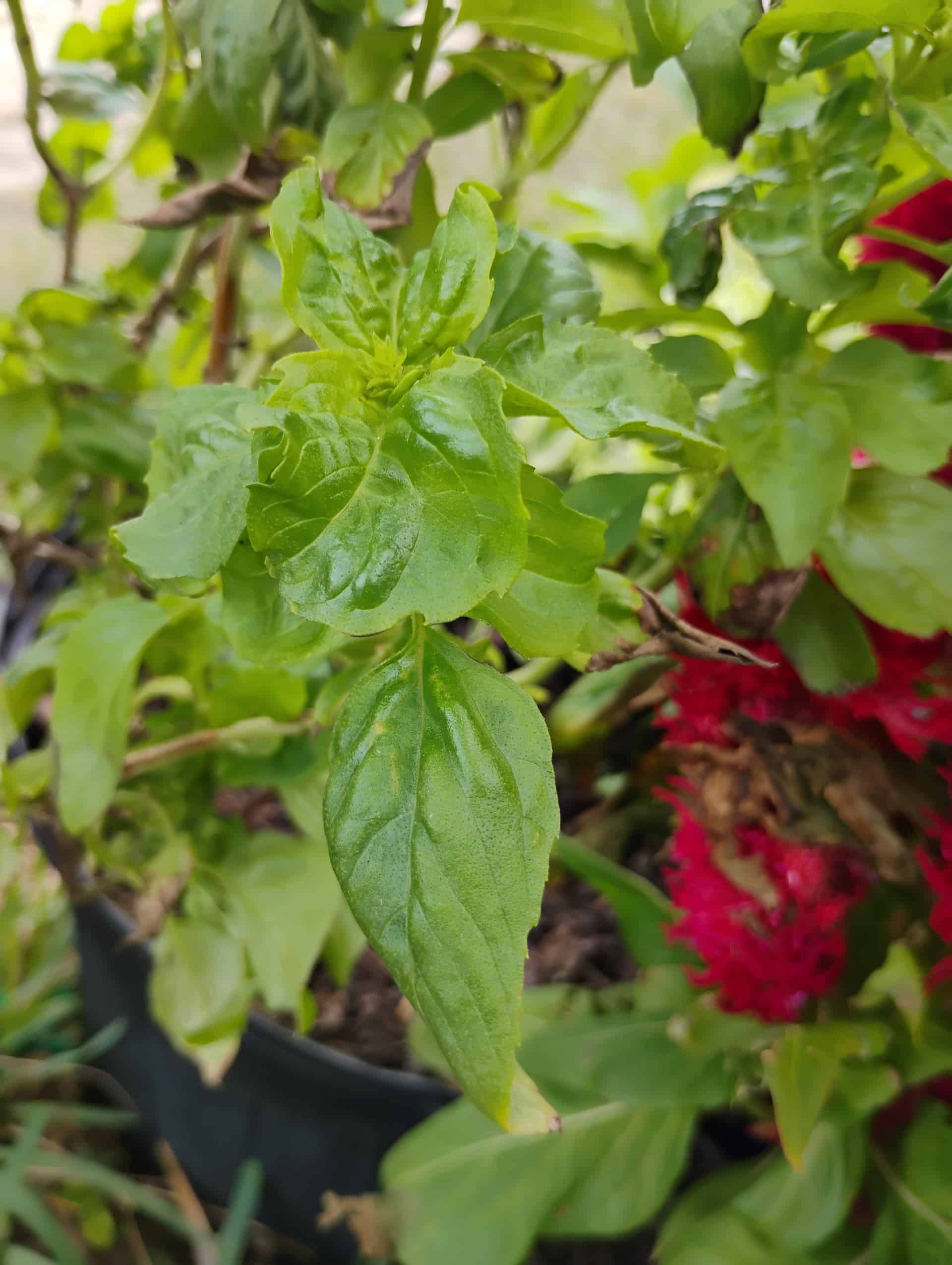 Herb
Basil
Ocimum basilicum
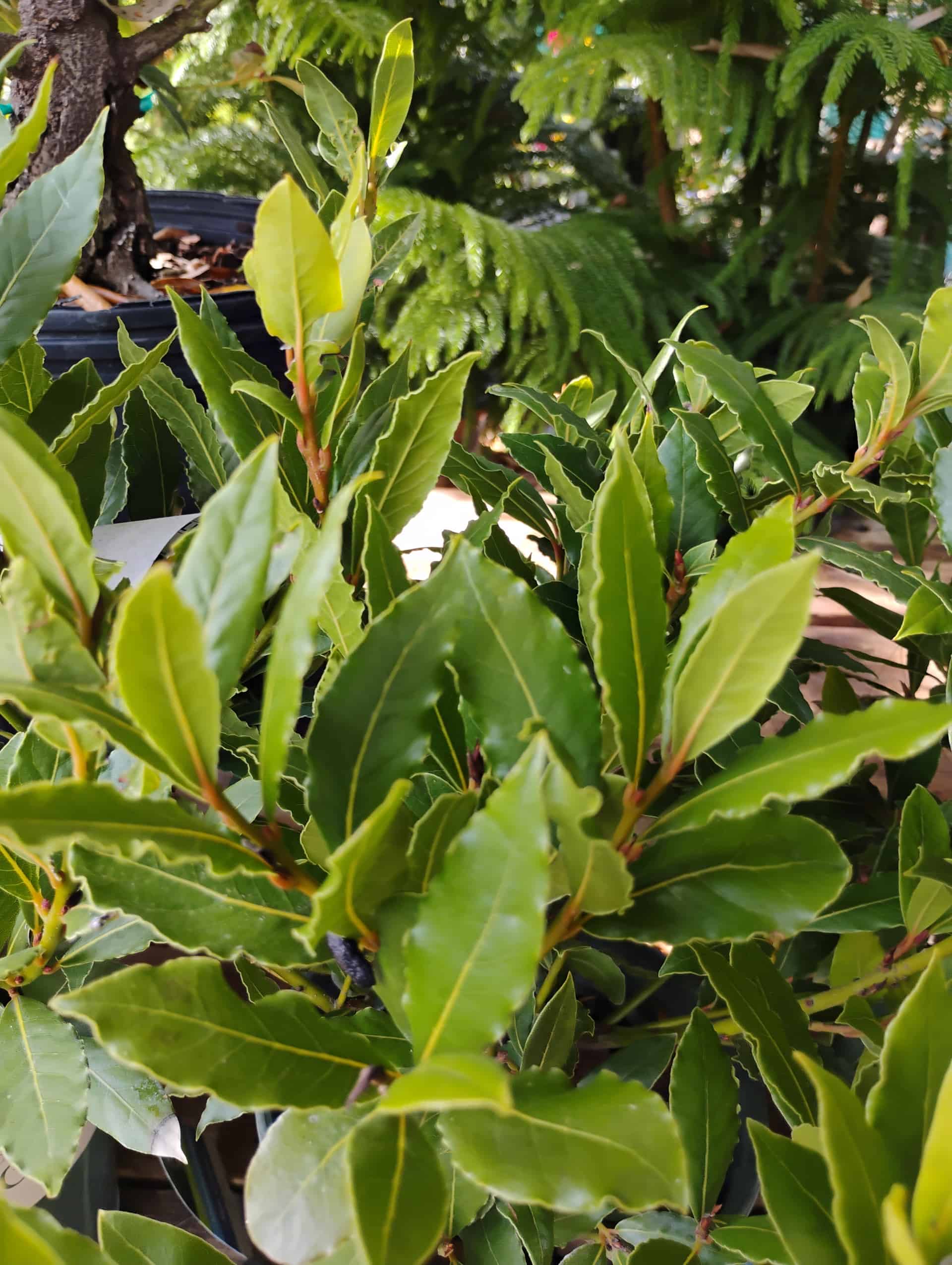 Herb
Bay Laurel
Laurus nobilis
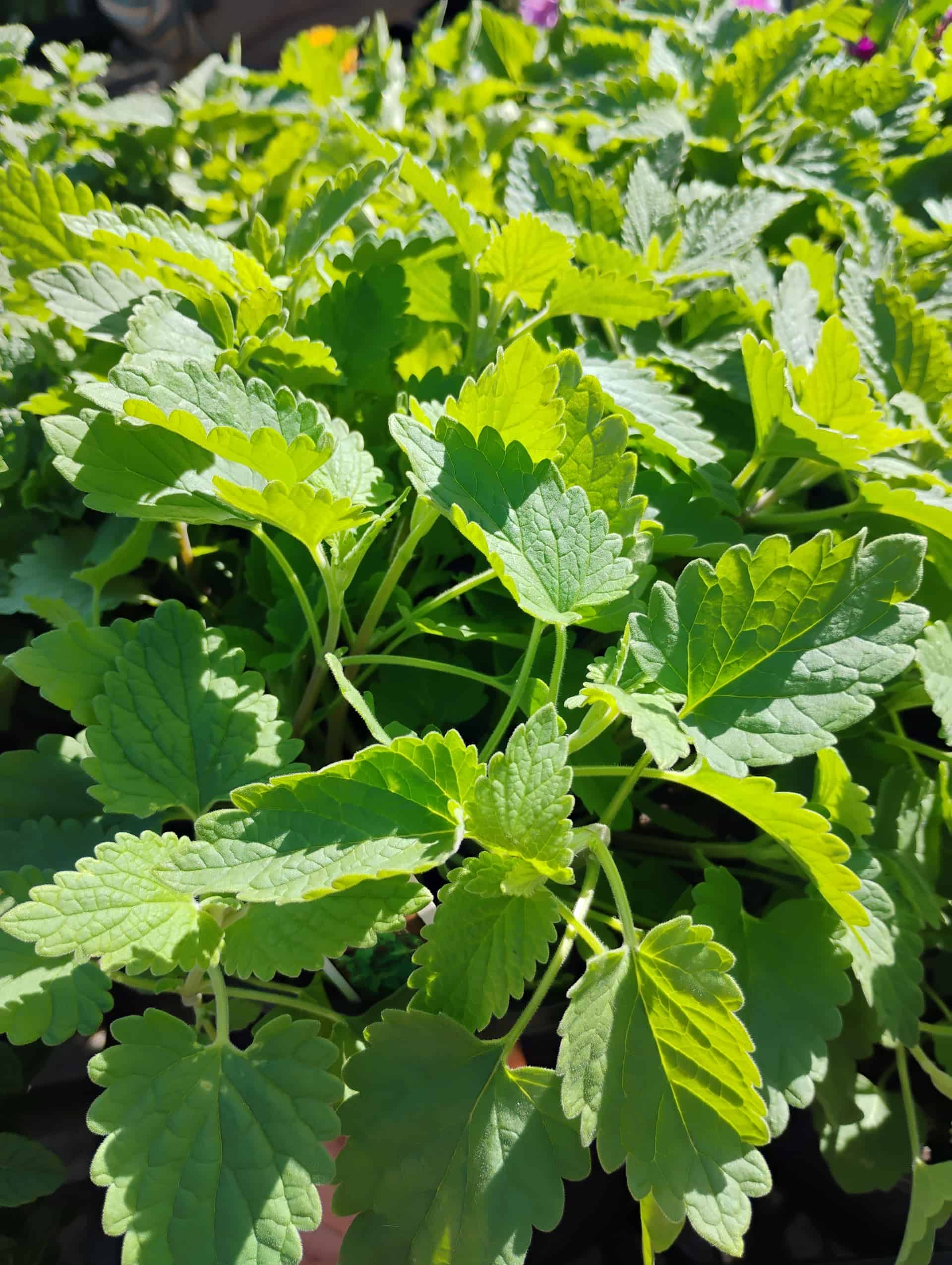 Herb
Catnip
Nepeta cataria
Common questions
Is Borage a good plant for St. Augustine?
Borage is a herb. Mature size: 1-3 feet × 1-2 feet. Light: Full Sun, Part Sun. Water needs: Moderate. Recorded hardiness zone: 9a.
What is the recorded pet toxicity for Borage?
Non-toxic to dogs and cats
Care information verified from
Last reviewed February 2026. Our care guidance comes from trusted horticulture sources and decades of helping St. Augustine gardeners. Conditions here can vary dramatically from one area to the next, so come ask us and we'll tailor it to your yard.