
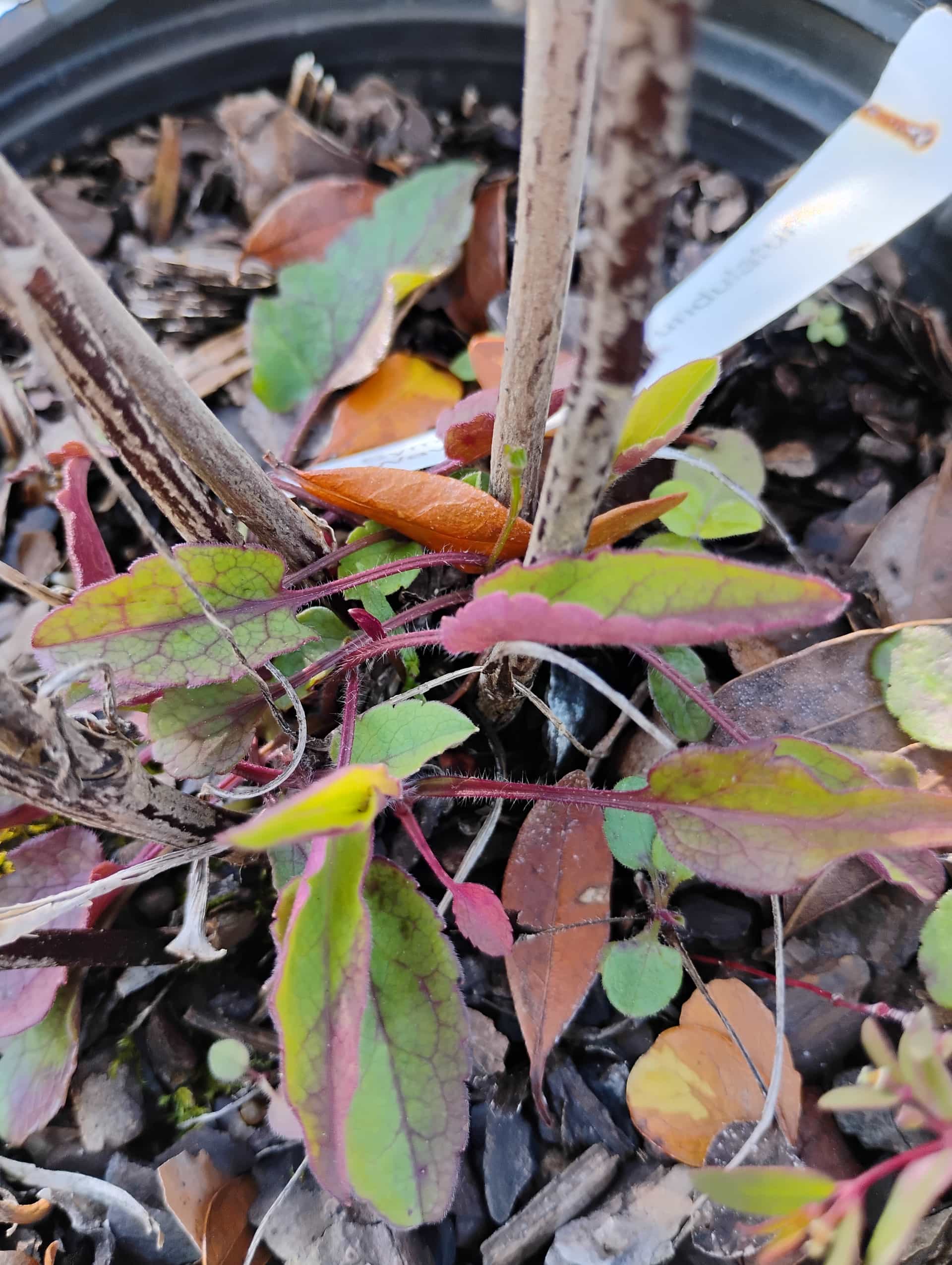
Varieties We Bring In
Standard · Georgia · Wavyleaf · Blue Wood · Elliottii · Golden · New England · Rice Button
We received some Aster on Jul 19, 2026.
We bring this in seasonally, so what is on the lot changes week to week. A received date shows when it last came in, not that it is here today.
Call (904) 471-0440 to confirm this plant and size before you make the trip.
Last received Jul 19, 2026.
We bring this in seasonally, so what is on the lot changes week to week. A received date shows when it last came in, not that it is here today.
Call (904) 471-0440 to confirm this plant and size before you make the trip.
Pet toxicity: Non-toxic to dogs and cats
Pet safety guideAbout Aster
Asters (Symphyotrichum spp.) are a diverse genus of North American native perennials bearing masses of daisy-like flowers with yellow centers and ray petals in shades of purple, blue, pink, and white in late summer through fall. They are important late-season nectar sources for pollinators and naturalize well in native and cottage gardens.
Plant details
- Bloom Season
- Fall
- Flower Color
- White, Pink, Purple, Blue
- Growth Rate
- Moderate
- Foliage
- Deciduous
- Soil
- Sandy, Loam, Well-drained
Best planting months
Recommended months: March, April, May, October, November.
Seasonal care
New foliage emerges. Good planting window.
Active growing season.
Bloom season. Foliage may begin to change or drop. Ideal planting window.
Dormant — drops foliage.
Care essentials
Plant asters in full sun (6+ hours) for the best bloom display in NE Florida. Partial sun is tolerated but reduces flower count. Adequate light also improves air circulation and reduces foliar disease in humid conditions.
Keep soil consistently moist during active growth; asters bloom poorly under drought stress. In NE Florida's sandy soils, mulch heavily to retain moisture and water deeply once or twice weekly during dry spells in fall.
Asters tolerate NE Florida's sandy, well-drained soils with modest fertility. Apply a balanced fertilizer in spring; avoid high-nitrogen feeds that promote lush foliage at the expense of flowers. Divide clumps every 2–3 years to maintain vigor.
Similar needs
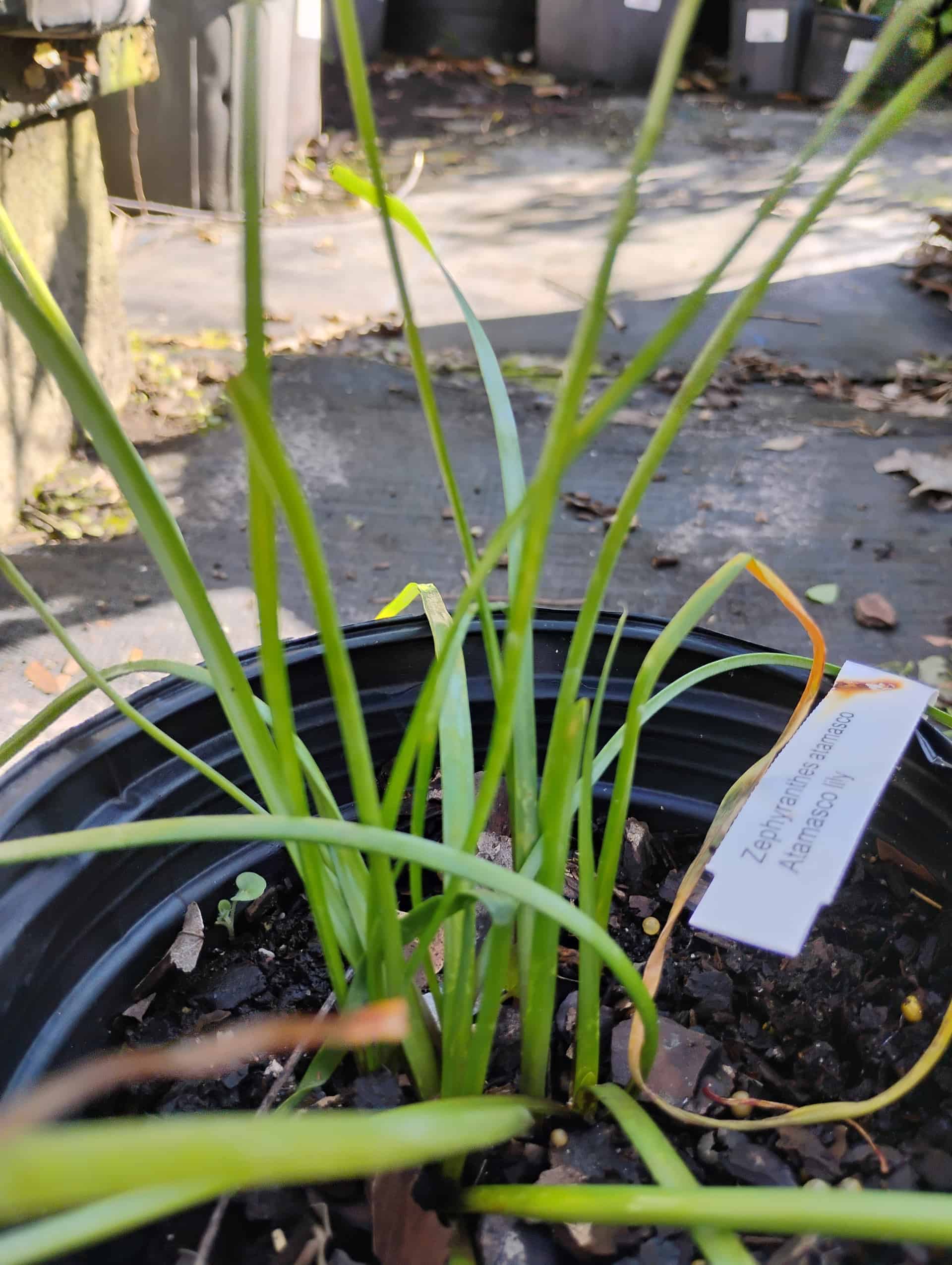
Atamasco Lily
Shares 5 of the same needs: full sun, moderate water, sandy, zone 9a hardiness, and pollinator-friendly.
Belize Sage
Shares 5 of the same needs: similar light, moderate water, sandy, zone 9a hardiness, and pollinator-friendly.
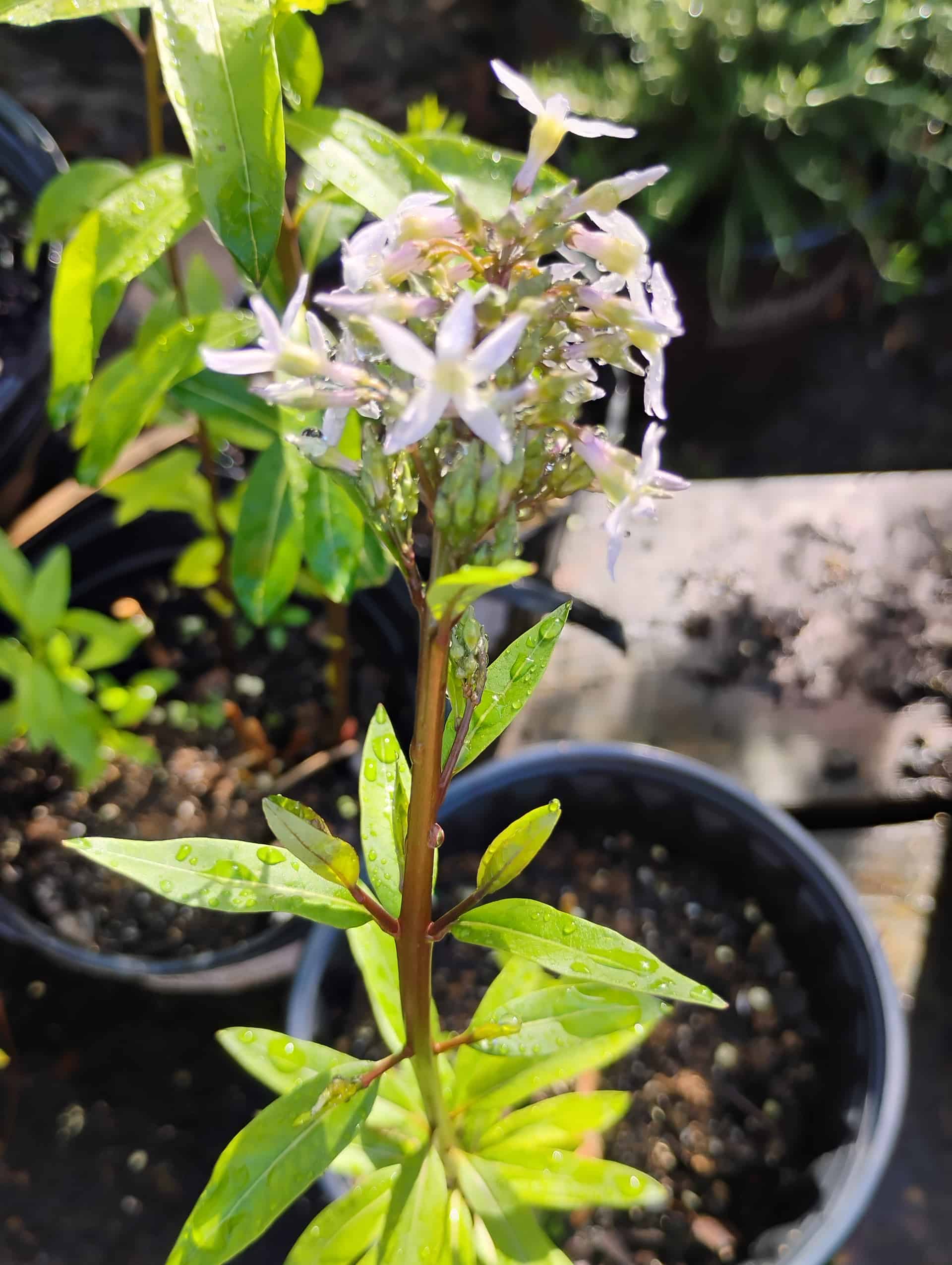
Bluestar
Shares 5 of the same needs: full sun, moderate water, sandy, zone 9a hardiness, and pollinator-friendly.

Brazilian Plume Flower
Shares 5 of the same needs: similar light, moderate water, sandy, zone 9a hardiness, and pollinator-friendly.

Cape Fuchsia
Shares 5 of the same needs: full sun, moderate water, sandy, zone 9a hardiness, and pollinator-friendly.

Florida Betony
Shares 5 of the same needs: full sun, moderate water, sandy, zone 9a hardiness, and pollinator-friendly.
You may also like
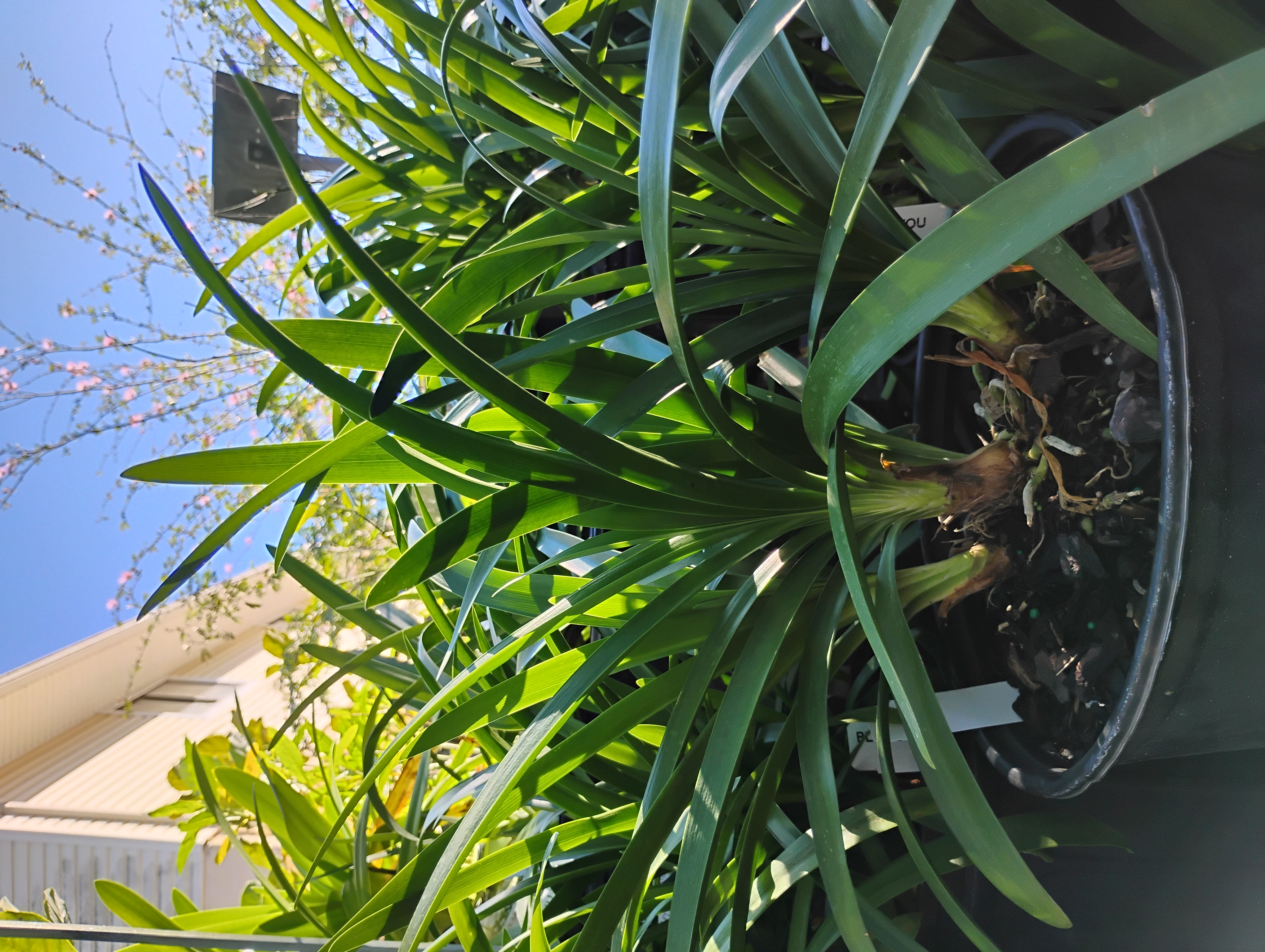 Perennial
Agapanthus
Agapanthus praecox
 Perennial
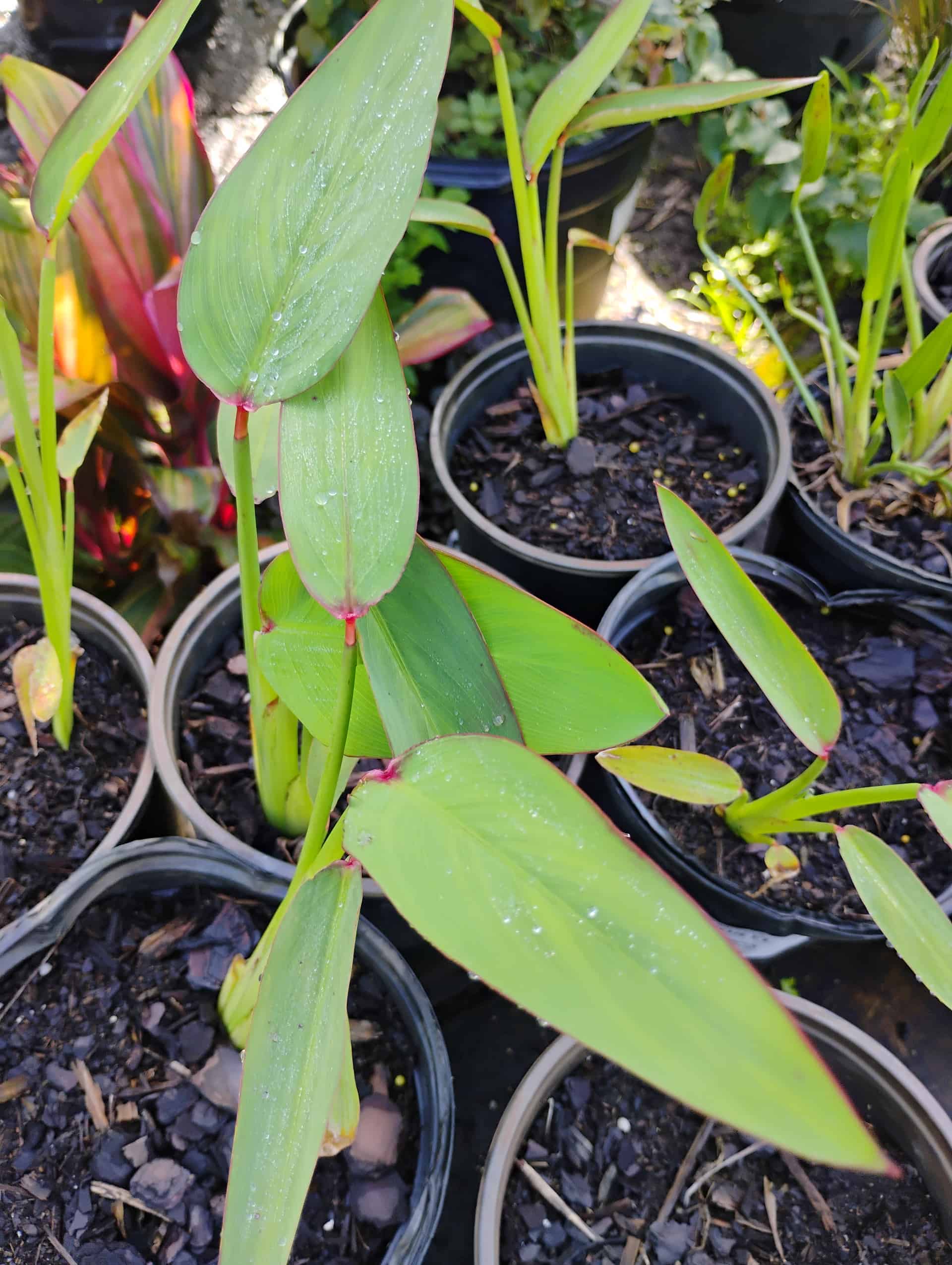
Alligator Flag
Thalia geniculata
 Perennial
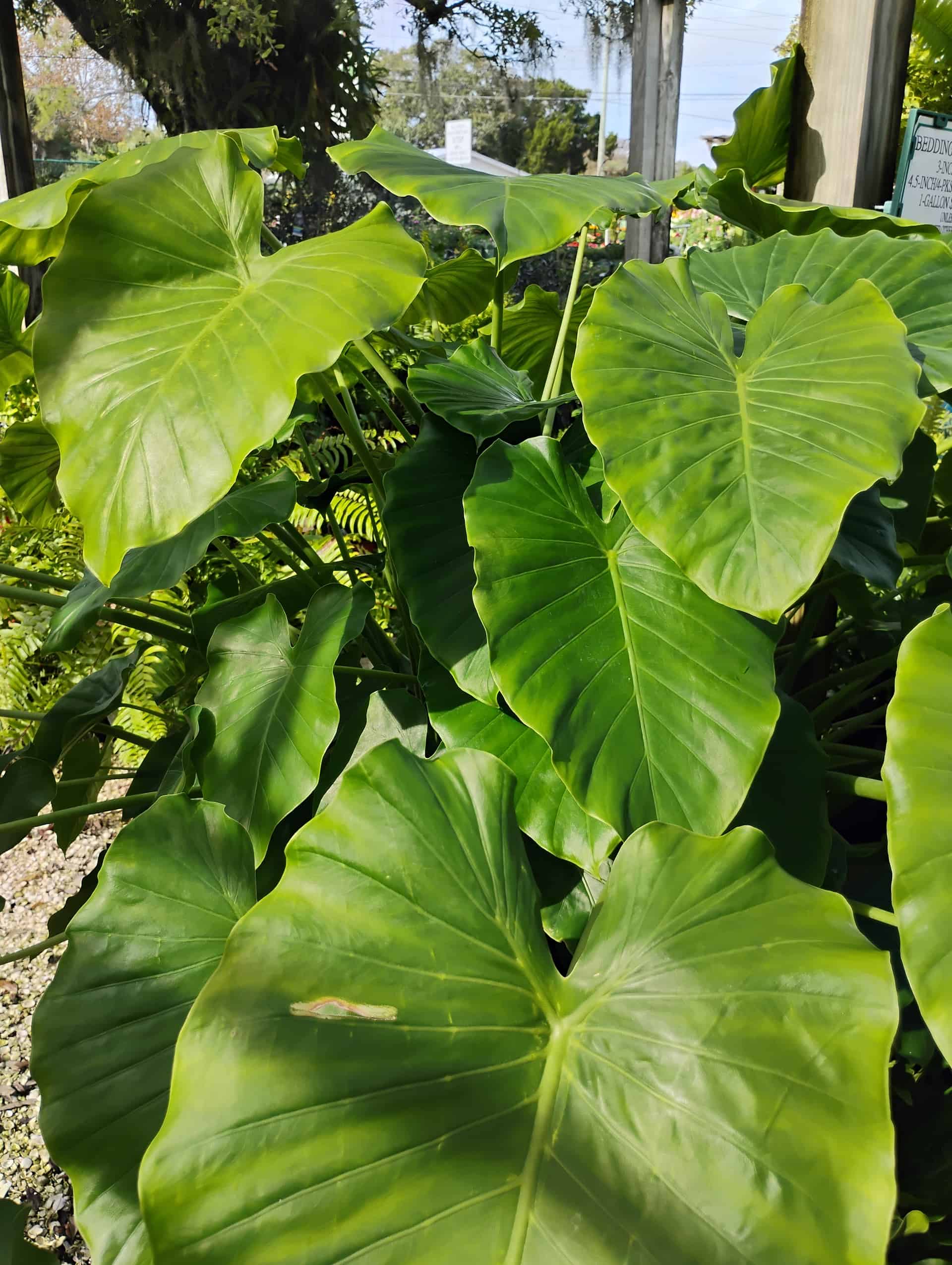
Alocasia
Alocasia
Common questions
Is Aster a good plant for St. Augustine?
Aster is a perennial. Mature size: 1-4 feet × 1-3 feet. Light: Full Sun, Part Sun. Water needs: Moderate. Aster is native to Florida. Recorded hardiness zone: 9a.
What is the recorded pet toxicity for Aster?
Non-toxic to dogs and cats
Care information verified from
Last reviewed February 2026. Our care guidance comes from trusted horticulture sources and decades of helping St. Augustine gardeners. Conditions here can vary dramatically from one area to the next, so come ask us and we'll tailor it to your yard.