
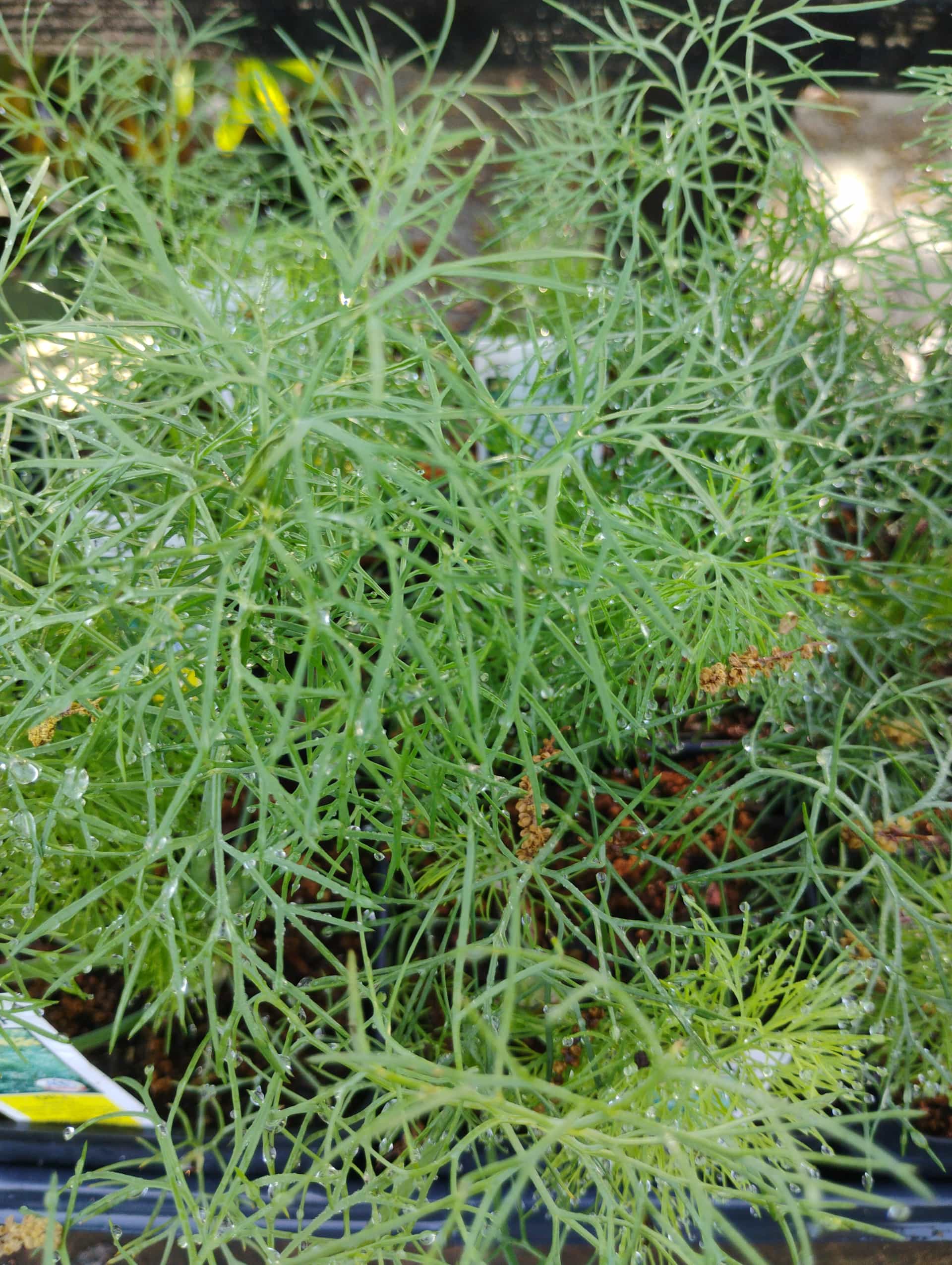
Dill
Anethum graveolens
Varieties We Bring In
Last received Sep 18, 2026.
We bring this in seasonally, so what is on the lot changes week to week. A received date shows when it last came in, not that it is here today.
Call (904) 471-0440 to confirm this plant and size before you make the trip.
About Dill
Dill (Anethum graveolens) is a fast-growing cool-season annual herb in NE Florida, best seeded September–December for harvest through late spring. It produces aromatic, feathery blue-green foliage and yellow umbel flowers that attract black swallowtail butterflies and beneficial insects. Starting at $1.89.
Plant details
- Bloom Season
- Winter, Spring
- Flower Color
- Yellow
- Growth Rate
- Fast
- Foliage
- Annual
- Soil
- Sandy, Loam, Well-drained
Best planting months
Seasonal care
Bloom season. New foliage emerges. Good planting window.
Active growing season.
Foliage may begin to change or drop. Ideal planting window.
Dormant — drops foliage.
Care essentials
Plant dill in full sun — a minimum of 6-8 hours of direct sunlight daily. In NE Florida it performs as a cool-season herb; choose a sunny bed sheltered from strong winds, which can topple the tall, hollow stems.
Water regularly to keep soil evenly moist but not soggy; dill tolerates brief dry spells once established but bolts faster under drought stress in Florida heat. Water at the base to keep the feathery foliage dry.
Grow in well-draining sandy or loamy soil with pH 6.5–7.0. Work in a light application of balanced granular fertilizer at planting; dill is not a heavy feeder and excess nitrogen promotes foliage over seed production.
Similar needs
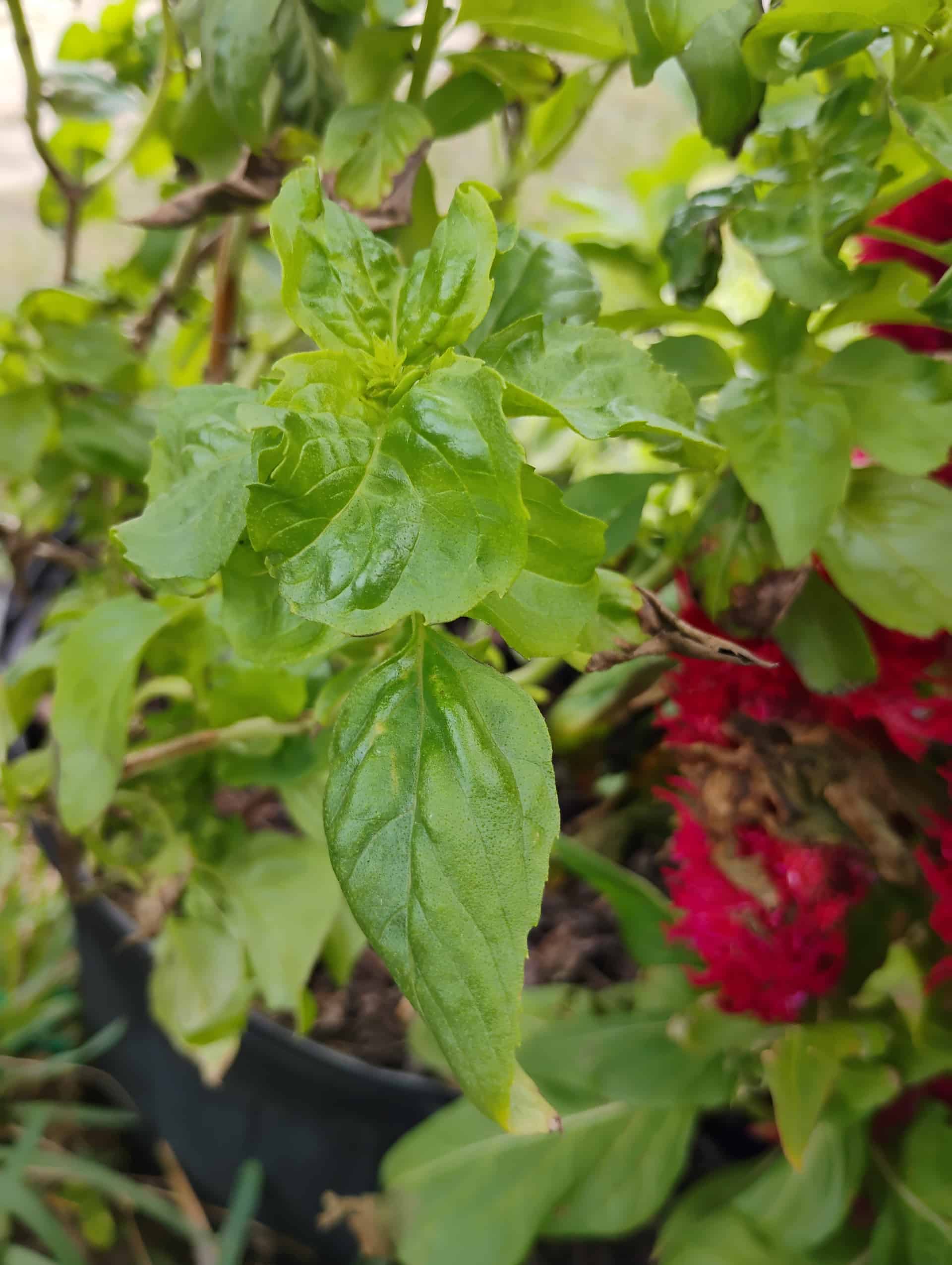
Basil
Shares 5 of the same needs: full sun, moderate water, sandy, zone 9a hardiness, and pollinator-friendly.
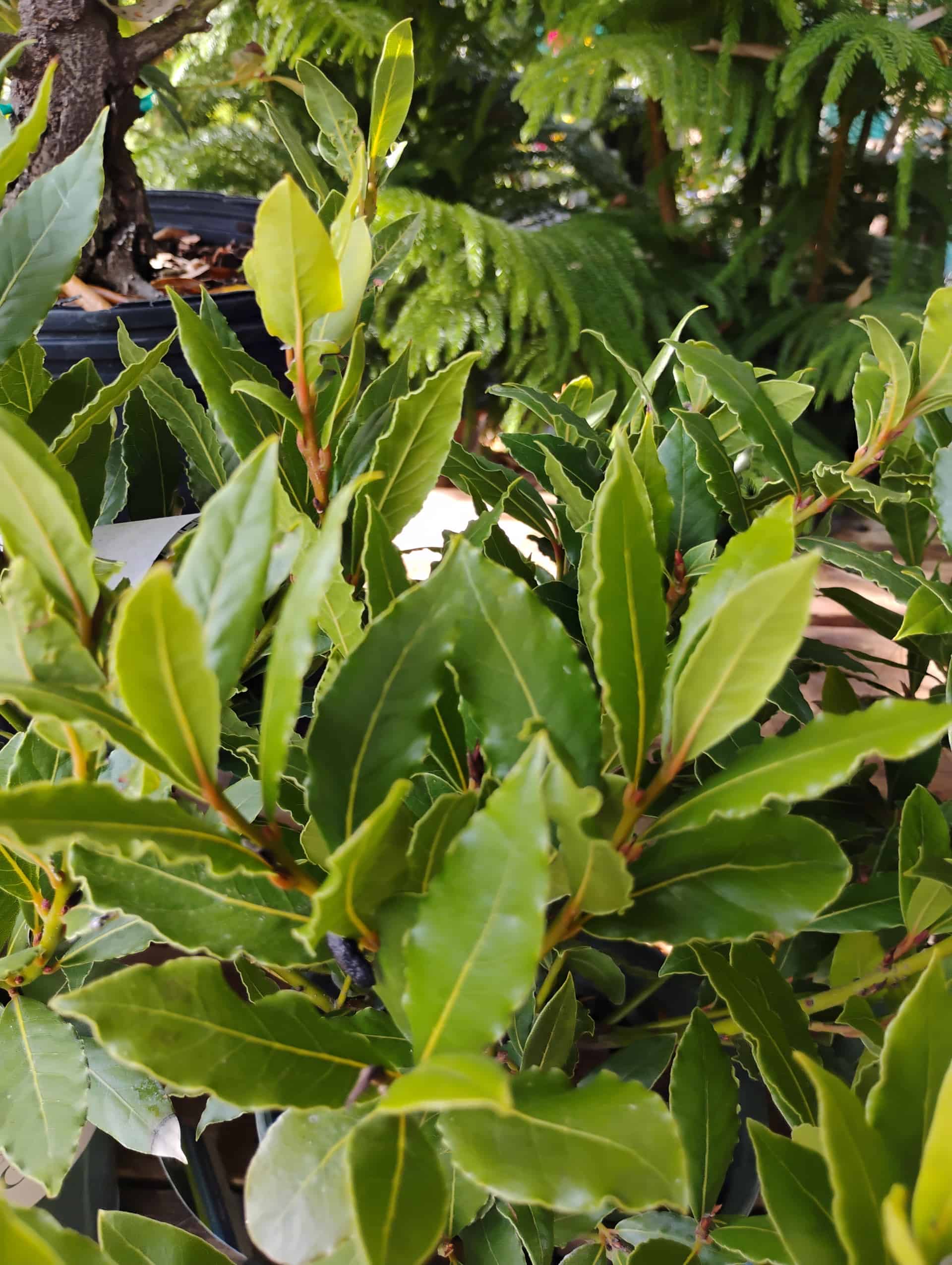
Bay Laurel
Shares 5 of the same needs: full sun, moderate water, sandy, zone 9a hardiness, and pollinator-friendly.
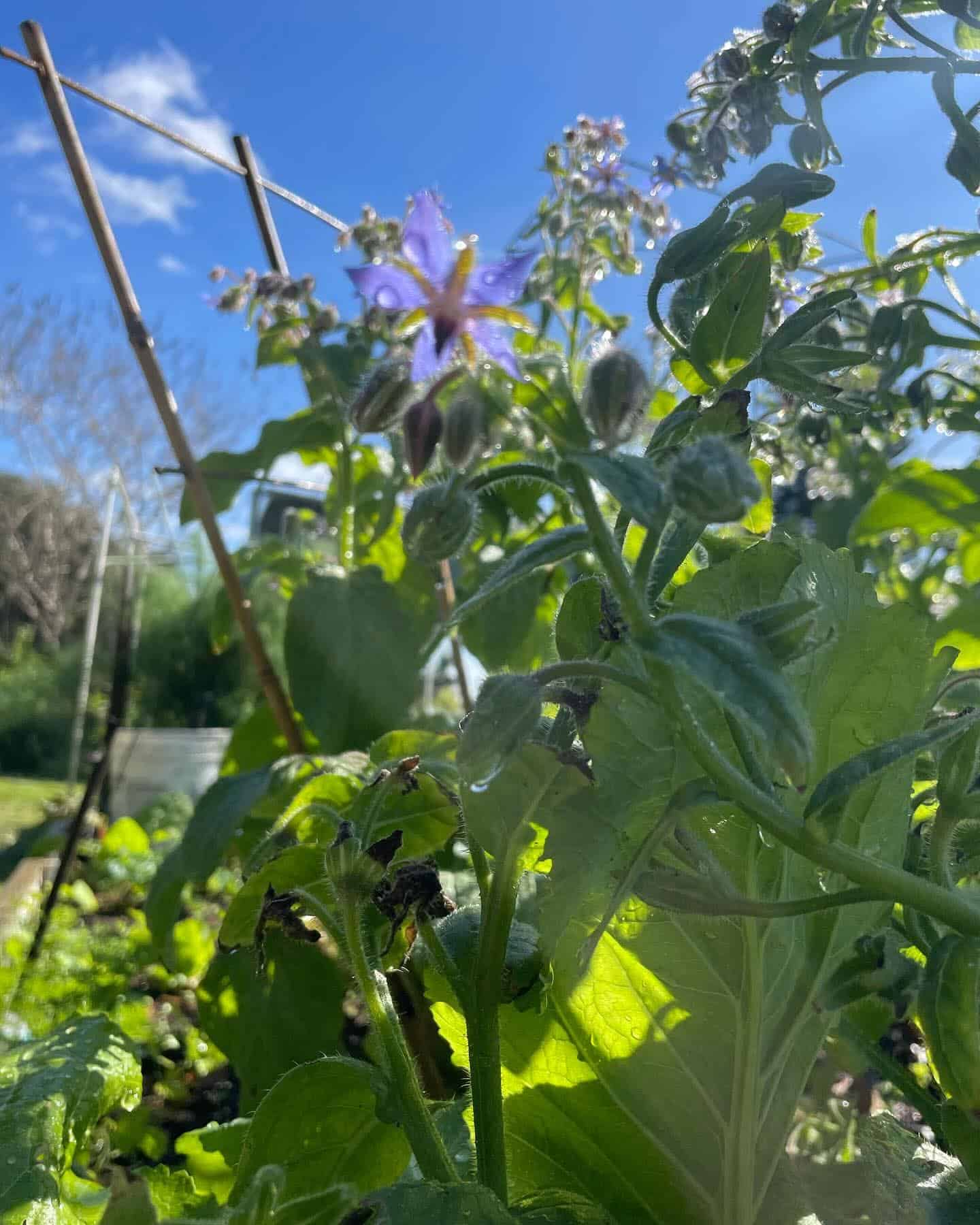
Borage
Shares 5 of the same needs: full sun, moderate water, sandy, zone 9a hardiness, and pollinator-friendly.
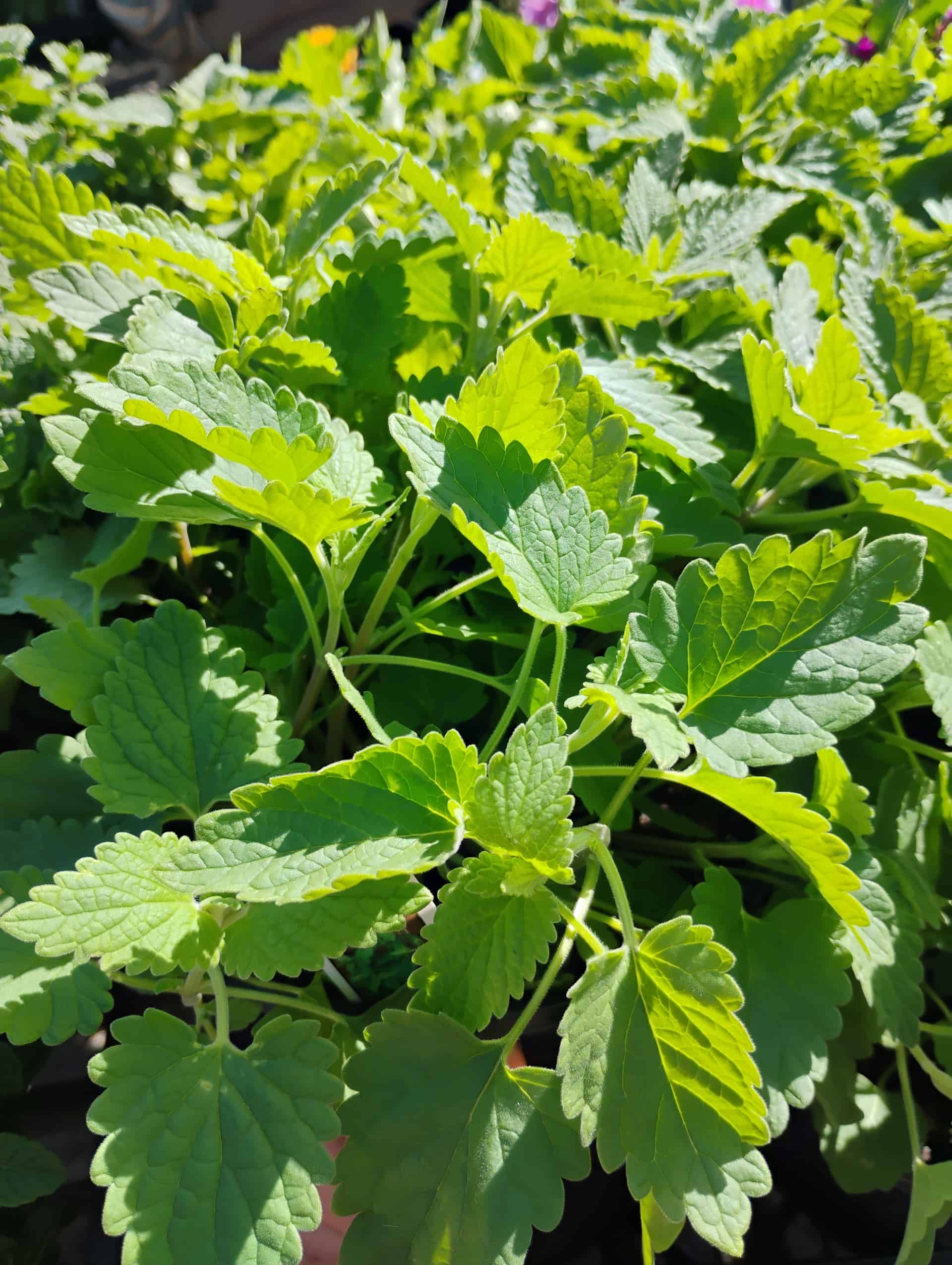
Catnip
Shares 5 of the same needs: full sun, moderate water, sandy, zone 9a hardiness, and pollinator-friendly.
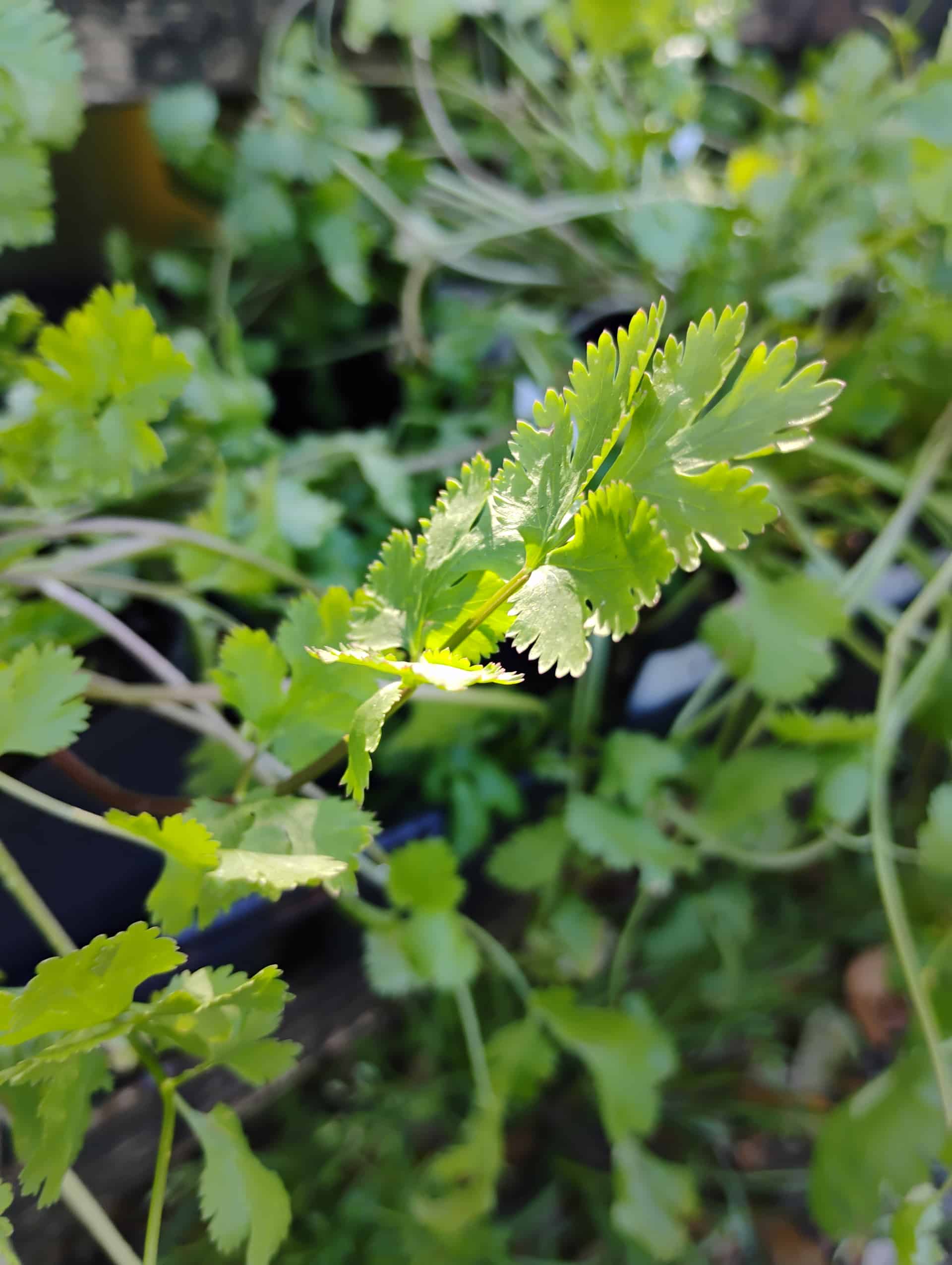
Cilantro
Shares 5 of the same needs: full sun, moderate water, sandy, zone 9a hardiness, and pollinator-friendly.
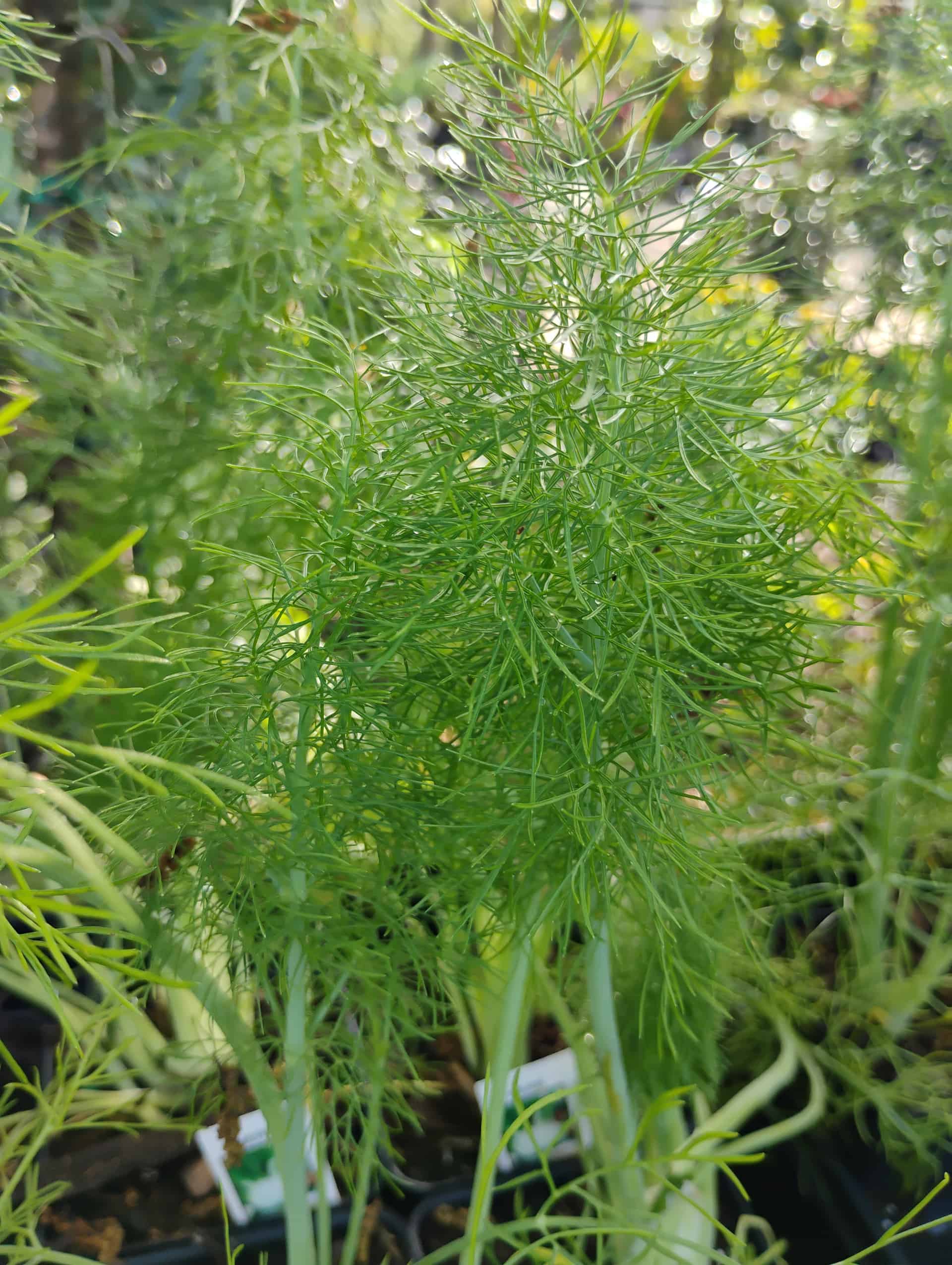
Fennel
Shares 5 of the same needs: full sun, moderate water, sandy, zone 9a hardiness, and pollinator-friendly.
You may also like
Common questions
Is Dill a good plant for St. Augustine?
Dill is a herb for Zone 9b coastal Florida gardens, reaching 2-3 feet × 1-2 feet.
Care information verified from
Last reviewed March 2026. Our care guidance comes from trusted horticulture sources and decades of helping St. Augustine gardeners. Conditions here can vary dramatically from one area to the next, so come ask us and we'll tailor it to your yard.