
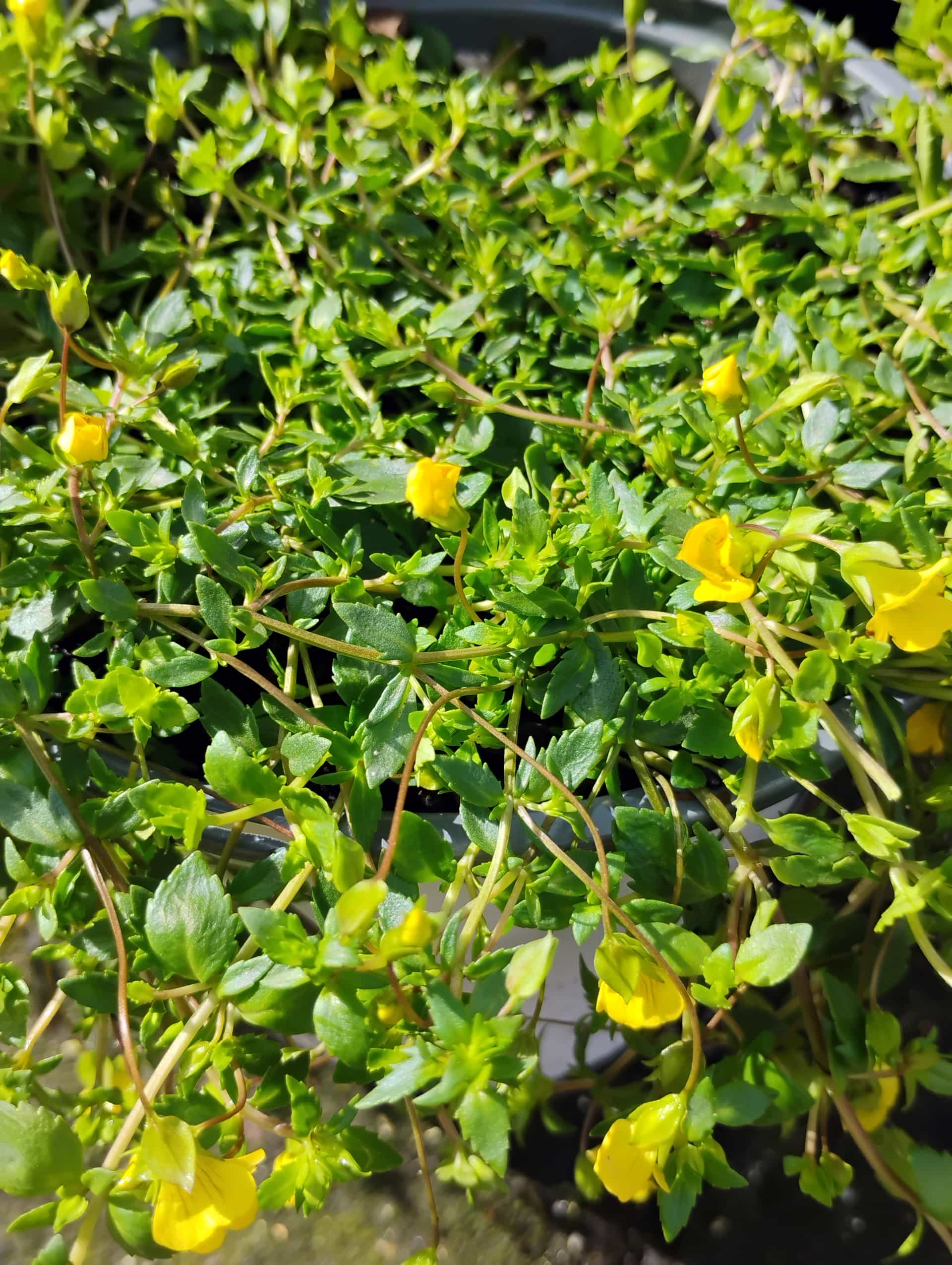
Varieties We Bring In
Standard
We received some Lemon Verbena on Mar 9, 2026.
We bring this in seasonally, so what is on the lot changes week to week. A received date shows when it last came in, not that it is here today.
Call (904) 471-0440 to confirm this plant and size before you make the trip.
Last received Mar 9, 2026.
We bring this in seasonally, so what is on the lot changes week to week. A received date shows when it last came in, not that it is here today.
Call (904) 471-0440 to confirm this plant and size before you make the trip.
Pet toxicity: not on file, check before planting where pets chew
Pet safety guideAbout Lemon Verbena
Lemon Verbena (Aloysia citriodora) is a woody deciduous shrub native to South America, prized for its intensely lemon-scented lance-shaped leaves and spikes of tiny lavender-white flowers in summer. The dried leaves retain their fragrance for years and are used in teas, sachets, cocktails, and cooking.
Plant details
- Bloom Season
- Summer
- Flower Color
- White, Purple
- Growth Rate
- Moderate
- Foliage
- Deciduous
- Soil
- Sandy, Loam, Well-drained
Best planting months
Recommended months: February, March, April.
Seasonal care
New foliage emerges. Good planting window.
Bloom season. Higher water demand in summer heat.
Foliage may begin to change or drop.
Dormant — drops foliage. Can be planted in mild winter periods.
Care essentials
Plant Lemon Verbena in full sun — a minimum of 6 hours of direct sunlight daily produces the most aromatic, flavorful foliage. In NE Florida it goes dormant in winter and resprouts reliably each spring; do not discard plants that appear dead after cold snaps.
Water regularly to keep the soil evenly moist during the growing season (spring through fall); allow the soil surface to dry slightly between waterings. Excellent drainage is critical — do not allow roots to sit in standing water. Container culture works well in NE Florida.
Grow in well-drained, fertile sandy or loamy soil amended with compost. Apply a balanced slow-release fertilizer in spring when new growth emerges. In NE Florida's sandy soils, an additional side-dressing of fertilizer in midsummer maintains vigor through the growing season.
Similar needs
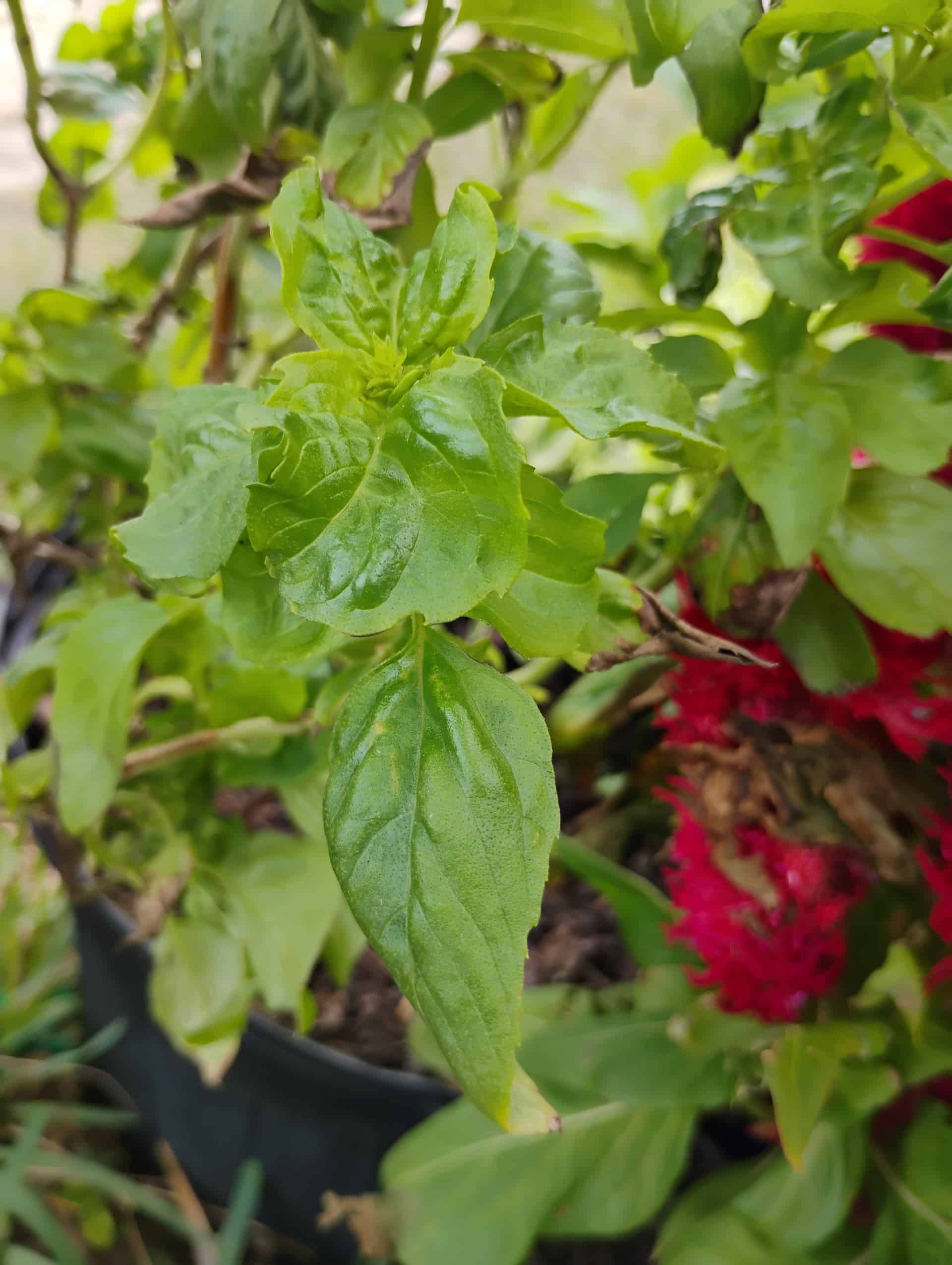
Basil
Shares 5 of the same needs: full sun, moderate water, sandy, zone 9a hardiness, and pollinator-friendly.
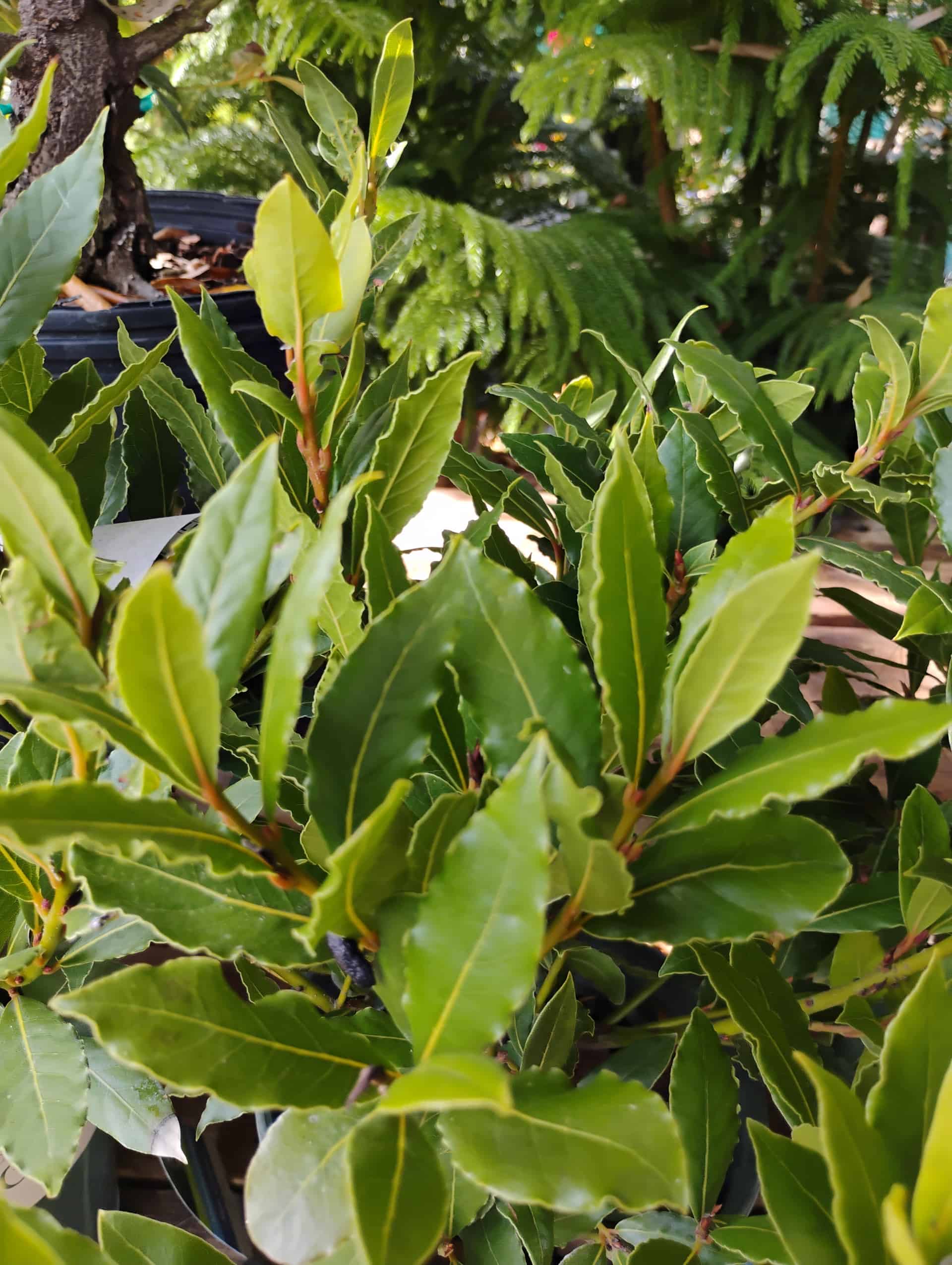
Bay Laurel
Shares 5 of the same needs: full sun, moderate water, sandy, zone 9a hardiness, and pollinator-friendly.
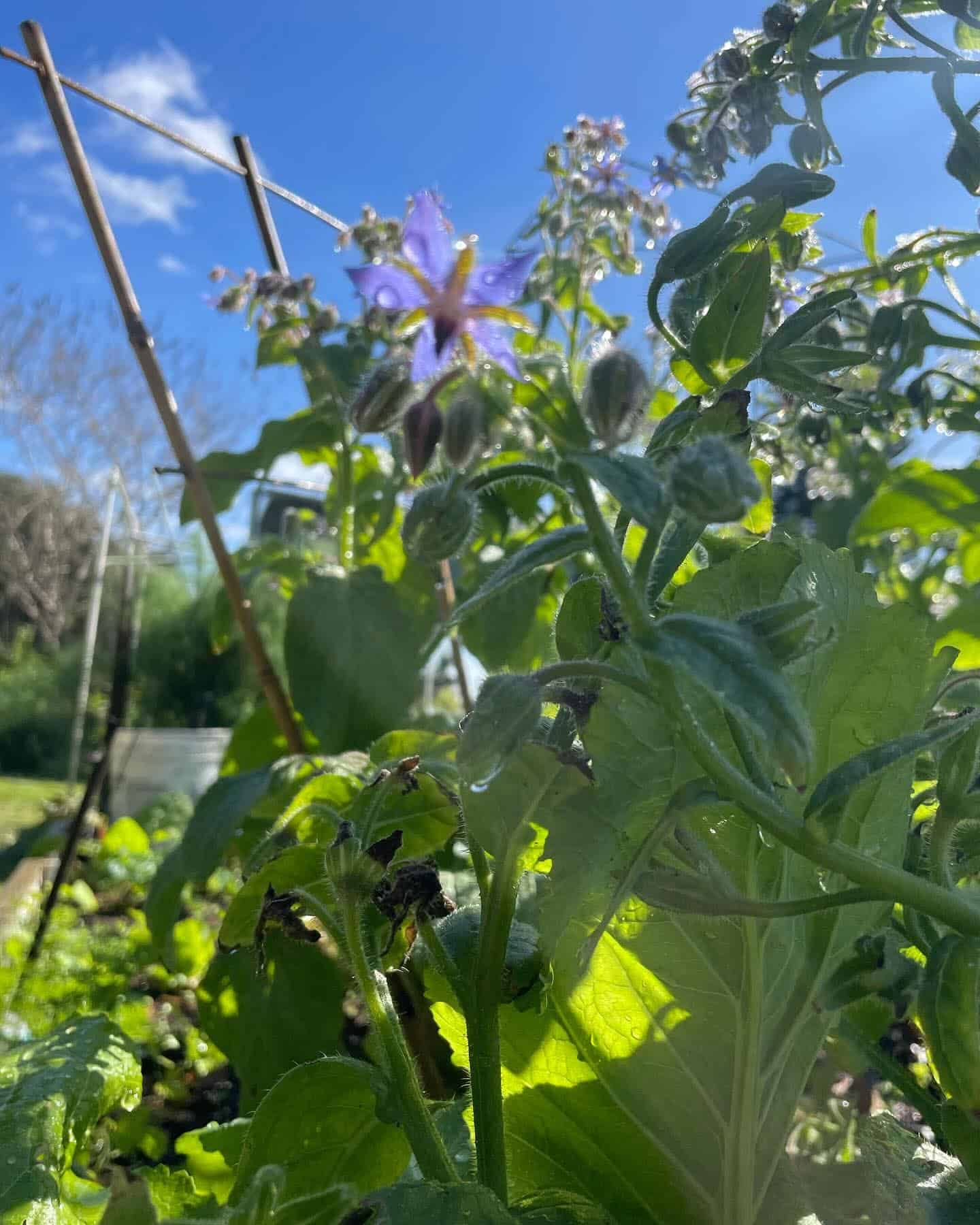
Borage
Shares 5 of the same needs: full sun, moderate water, sandy, zone 9a hardiness, and pollinator-friendly.
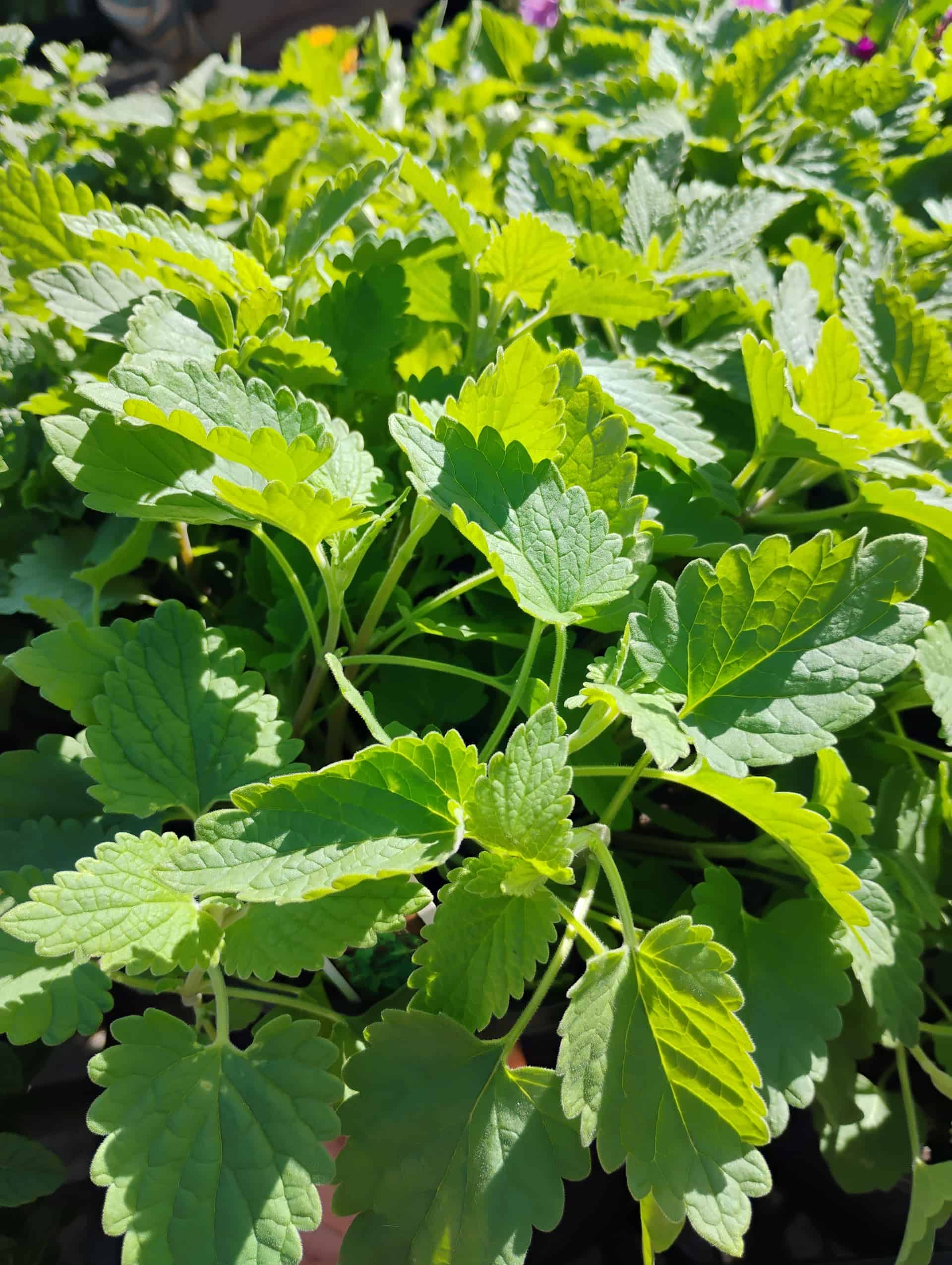
Catnip
Shares 5 of the same needs: full sun, moderate water, sandy, zone 9a hardiness, and pollinator-friendly.
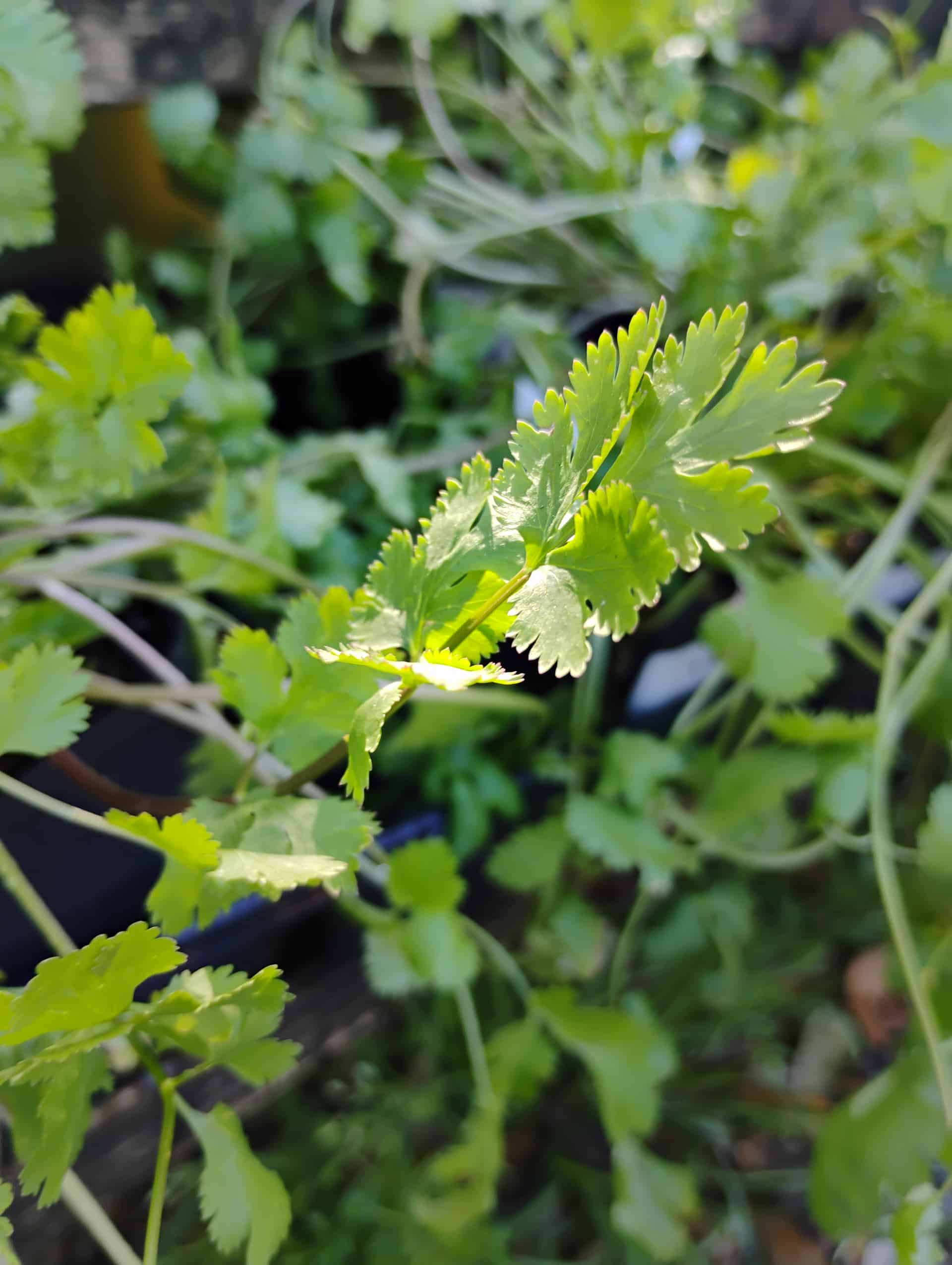
Cilantro
Shares 5 of the same needs: full sun, moderate water, sandy, zone 9a hardiness, and pollinator-friendly.

Dill
Shares 5 of the same needs: full sun, moderate water, sandy, zone 9a hardiness, and pollinator-friendly.
You may also like
HerbBasil
Ocimum basilicum
HerbBay Laurel
Laurus nobilis
HerbBorage
Borago officinalis
Common questions
Is Lemon Verbena a good plant for St. Augustine?
Lemon Verbena is a herb. Mature size: 3-6 feet × 3-4 feet (can be pruned smaller). Light: Full Sun. Water needs: Moderate. Recorded hardiness zone: 9a.
Care information verified from
Last reviewed February 2026. Our care guidance comes from trusted horticulture sources and decades of helping St. Augustine gardeners. Conditions here can vary dramatically from one area to the next, so come ask us and we'll tailor it to your yard.