
Varieties We Bring In
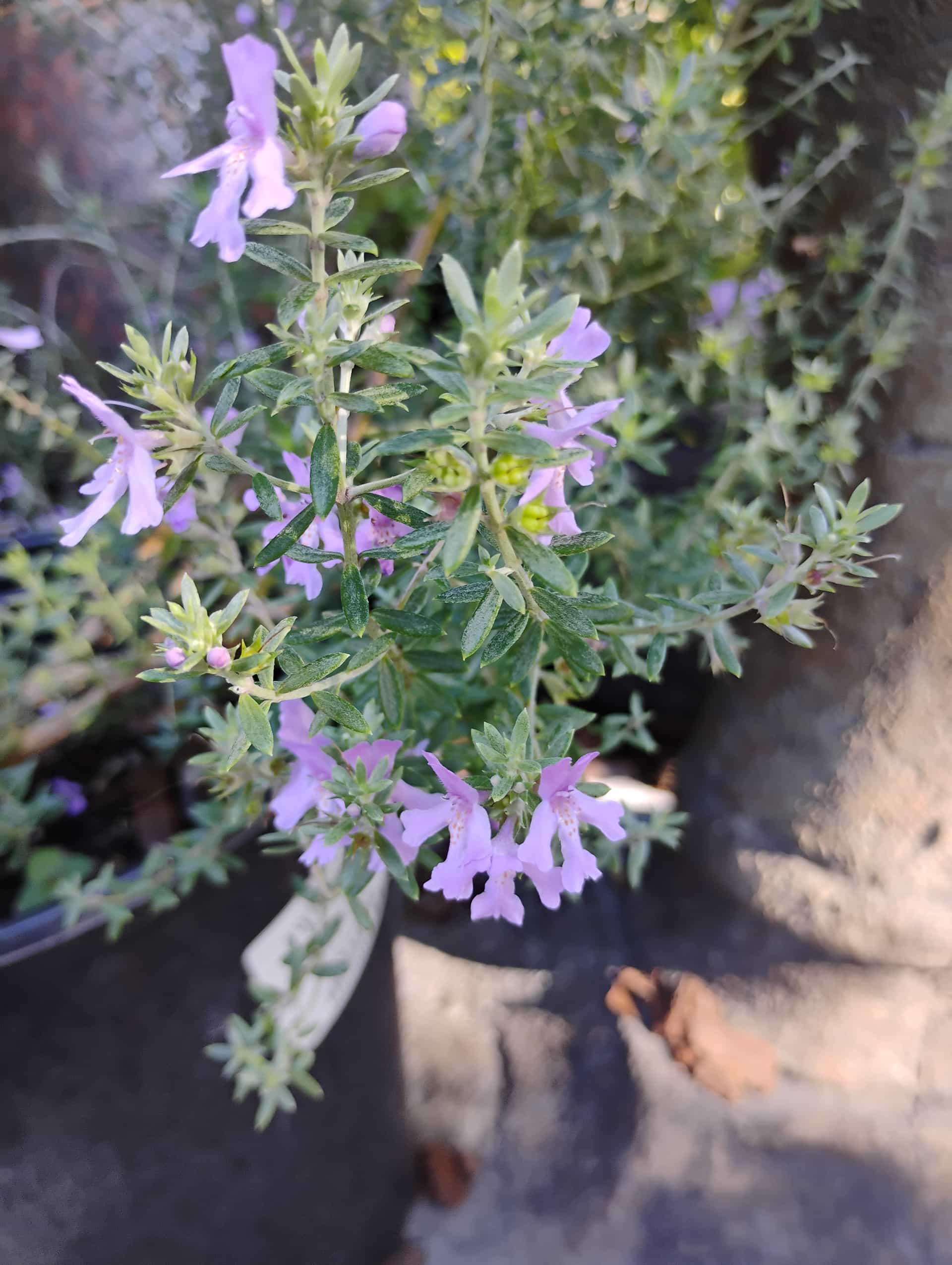
False Rosemary
We received some Coastal Rosemary on Nov 4, 2026.
We bring this in seasonally, so what is on the lot changes week to week. A received date shows when it last came in, not that it is here today.
Call (904) 471-0440 to confirm this plant and size before you make the trip.
Last received Nov 4, 2026.
We bring this in seasonally, so what is on the lot changes week to week. A received date shows when it last came in, not that it is here today.
Call (904) 471-0440 to confirm this plant and size before you make the trip.
Pet toxicity: Non-toxic to dogs and cats
Pet safety guideAbout Coastal Rosemary
Westringia (Westringia fruticosa), commonly called Coast Rosemary, is an Australian native evergreen shrub with silvery-gray, needle-like foliage that closely resembles culinary rosemary. It produces small white to pale lavender flowers nearly year-round and is exceptionally tolerant of salt spray, wind, and dry conditions. Widely used in coastal Florida landscapes as a low-maintenance hedge, border plant, or ground cover.
Plant details
- Bloom Season
- Spring, Summer, Fall, Winter
- Flower Color
- White, Purple
- Growth Rate
- Moderate
- Foliage
- Evergreen
- Soil
- Sandy, Loam, Well-drained
Best planting months
Recommended months: March, April, May, September, October, November.
Seasonal care
Bloom season. Good planting window.
Bloom season.
Bloom season. Ideal planting window.
Bloom season. Retains foliage through winter.
Care essentials
Coastal Rosemary thrives in full sun and tolerates part sun. In NE Florida it performs best in an open, sunny location with excellent air circulation; avoid deep shade, which reduces flowering and compactness.
Once established, Coastal Rosemary is drought tolerant and requires little supplemental irrigation in NE Florida. Water during the first growing season to establish roots; thereafter, rely on rainfall and irrigate only during prolonged dry spells. Good drainage is essential — wet roots cause decline.
Plant in well-drained sandy or loamy soil — Coastal Rosemary tolerates poor, infertile soils and needs no regular fertilization. Avoid heavy clay or poorly drained sites. Light trimming after bloom flushes maintains a tidy shape.
Similar needs

Viburnum
Shares 6 of the same needs: full sun, moderate water, sandy, salt tolerance, zone 9a hardiness, and pollinator-friendly.

Croton
Shares 5 of the same needs: full sun, moderate water, sandy, salt tolerance, and zone 9a hardiness.

Ti Plant
Shares 5 of the same needs: similar light, moderate water, sandy, salt tolerance, and zone 9a hardiness.

Society Garlic
Shares 6 of the same needs: full sun, moderate water, sandy, salt tolerance, zone 9a hardiness, and pollinator-friendly.
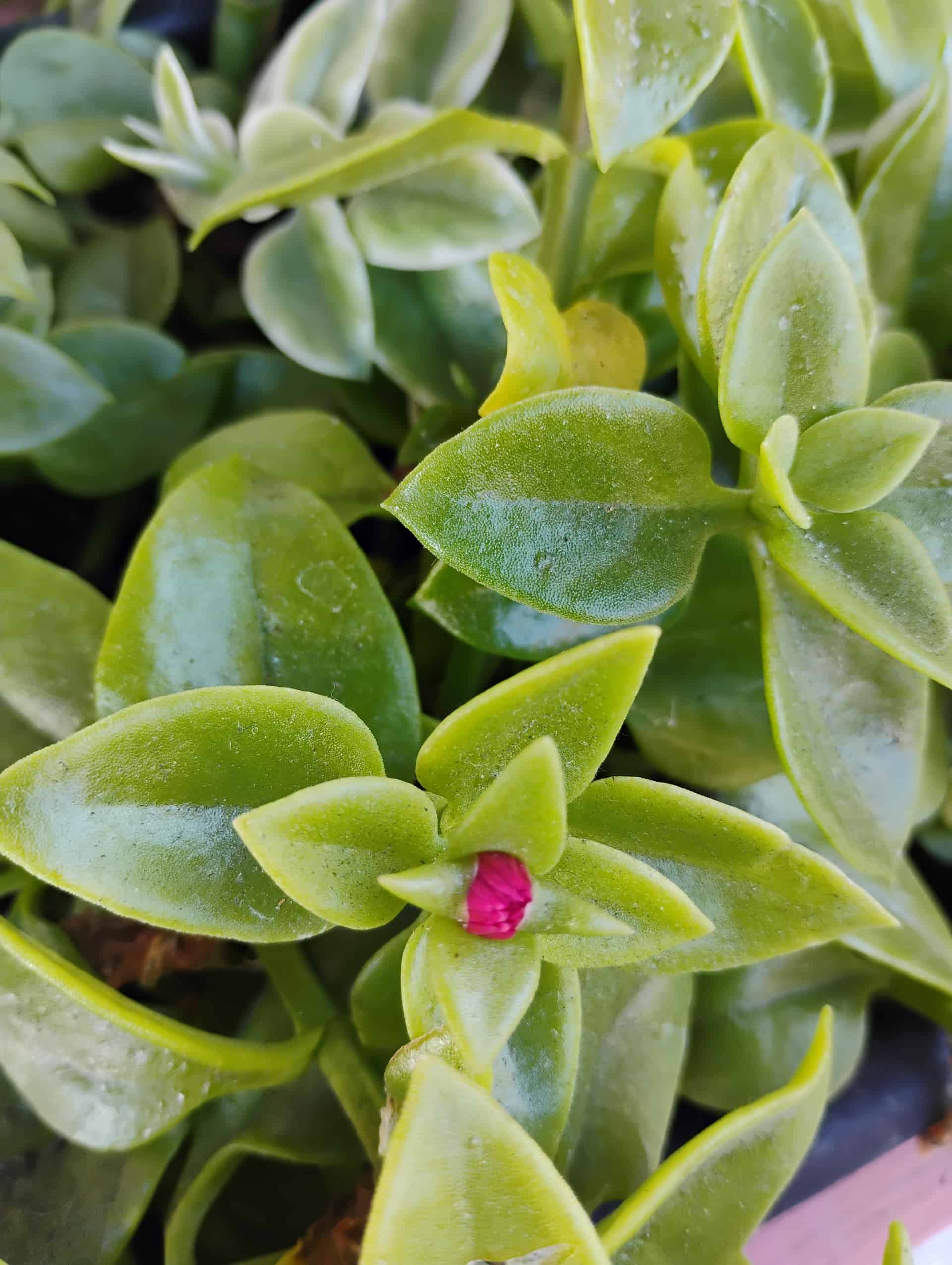
Baby Sun Rose
Shares 5 of the same needs: full sun, sandy, salt tolerance, zone 9a hardiness, and pollinator-friendly.

Butterfly Bush
Shares 6 of the same needs: full sun, moderate water, sandy, salt tolerance, zone 9a hardiness, and pollinator-friendly.
You may also like
Common questions
Is Coastal Rosemary a good plant for St. Augustine?
Coastal Rosemary is a shrub. Mature size: 4-6 feet × 5-8 feet. Light: Full Sun, Part Sun. Water needs: Moderate. Recorded hardiness zone: 9a. Recorded salt tolerance: moderate.
What is the recorded pet toxicity for Coastal Rosemary?
Non-toxic to dogs and cats
Care information verified from
Last reviewed February 2026. Our care guidance comes from trusted horticulture sources and decades of helping St. Augustine gardeners. Conditions here can vary dramatically from one area to the next, so come ask us and we'll tailor it to your yard.