
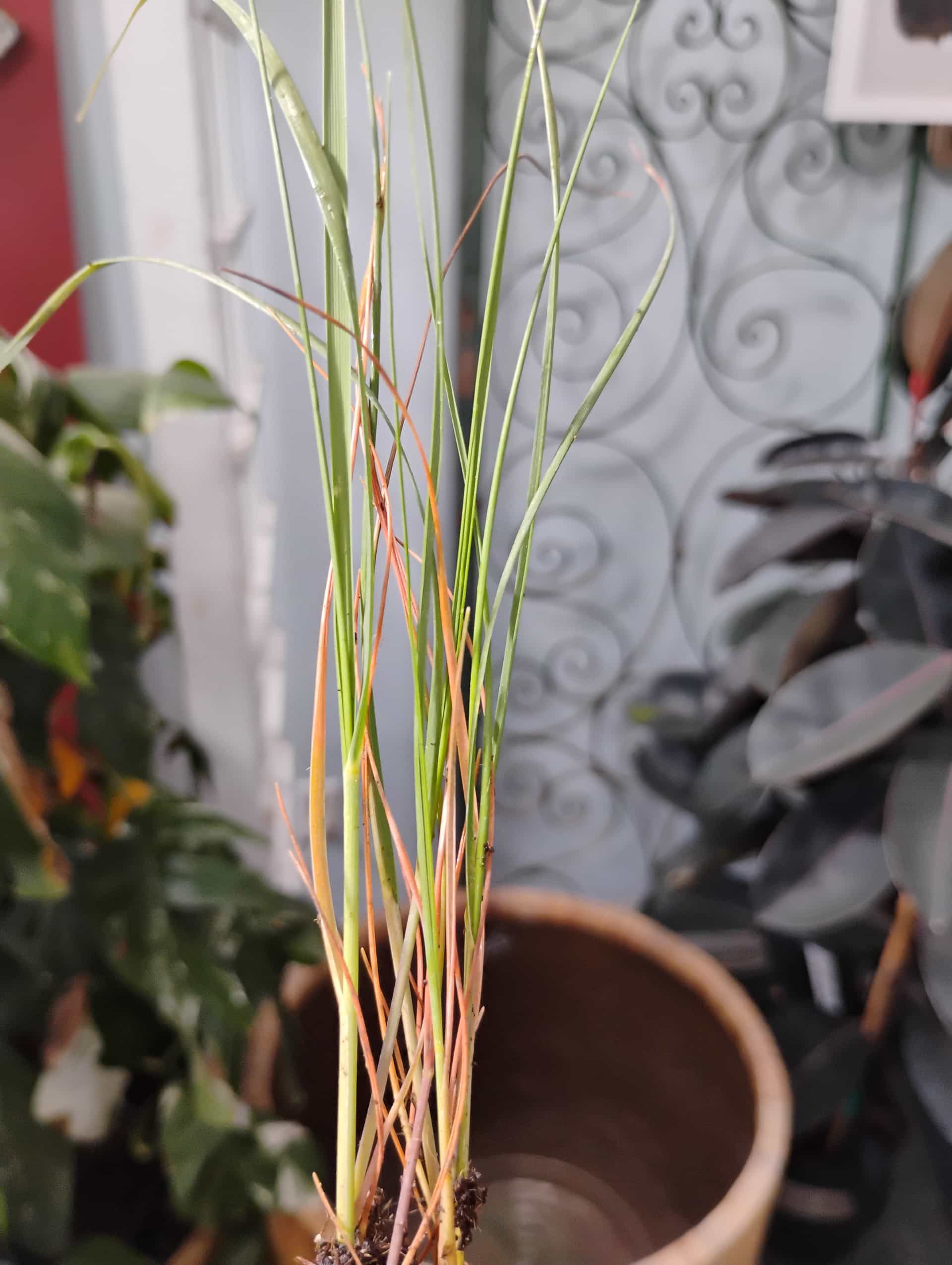
Traits
Varieties We Bring In
Grandstand Purple
Grandstand Purple
We received some Sea Oats on Oct 22, 2026.
We bring this in seasonally, so what is on the lot changes week to week. A received date shows when it last came in, not that it is here today.
Call (904) 471-0440 to confirm this plant and size before you make the trip.
Last received Oct 22, 2026.
We bring this in seasonally, so what is on the lot changes week to week. A received date shows when it last came in, not that it is here today.
Call (904) 471-0440 to confirm this plant and size before you make the trip.
Pet toxicity: not on file, check before planting where pets chew
Pet safety guideAbout Sea Oats
Sea oats (Uniola paniculata) is a native coastal grass of the southeastern US, forming upright clumps 4–8 ft tall with large, drooping seed heads. A protected species in Florida, it plays a critical role in stabilizing coastal dunes through its deep root system (up to 40 ft) and rhizomatous spread. Well adapted to NE Florida's zone 9b coastal conditions, it tolerates salt spray, drought, and brief saltwater flooding.
Plant details
- Bloom Season
- Summer, Fall
- Flower Color
- Non-flowering
- Growth Rate
- Moderate
- Foliage
- Semi-evergreen
- Soil
- Sandy, Alkaline, Well-drained
Best planting months
Recommended months: March, April, May, September, October, November.
Seasonal care
Good planting window.
Bloom season. Handles summer heat well once established.
Bloom season. Ideal planting window.
Retains foliage through winter.
Care essentials
Sea oats require full sun and are found growing directly on open coastal dunes in NE Florida. They will not thrive in shade; site in the most exposed, sunny position available.
Extremely drought tolerant once established; sea oats survive on natural rainfall in NE Florida's coastal conditions. Supplemental irrigation is needed only for establishment. Deep root systems reaching up to 40 feet allow the plant to access moisture unavailable to shallower-rooted plants.
Thrives in pure, infertile, well-drained coastal sandy soils. Do not fertilize or amend the soil; sea oats are adapted to nutrient-poor beach sand and rich soils can promote disease. This is a protected species in Florida — confirm legal sourcing before purchase or planting.
Similar needs
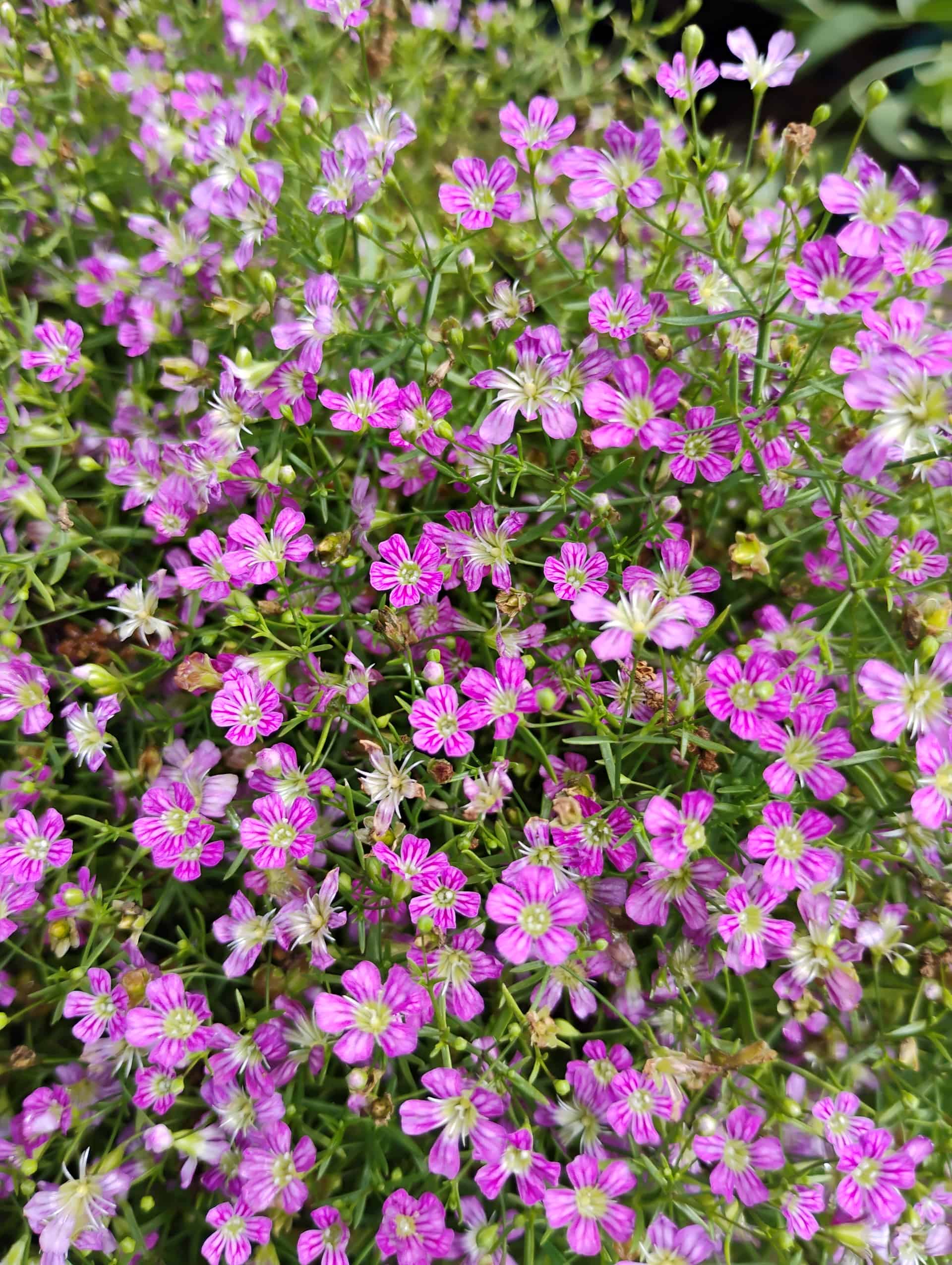
Baby's Breath
Shares 4 of the same needs: full sun, low water, sandy, and zone 9a hardiness.

Beach Bean
Shares 4 of the same needs: full sun, low water, sandy, and zone 9a hardiness.
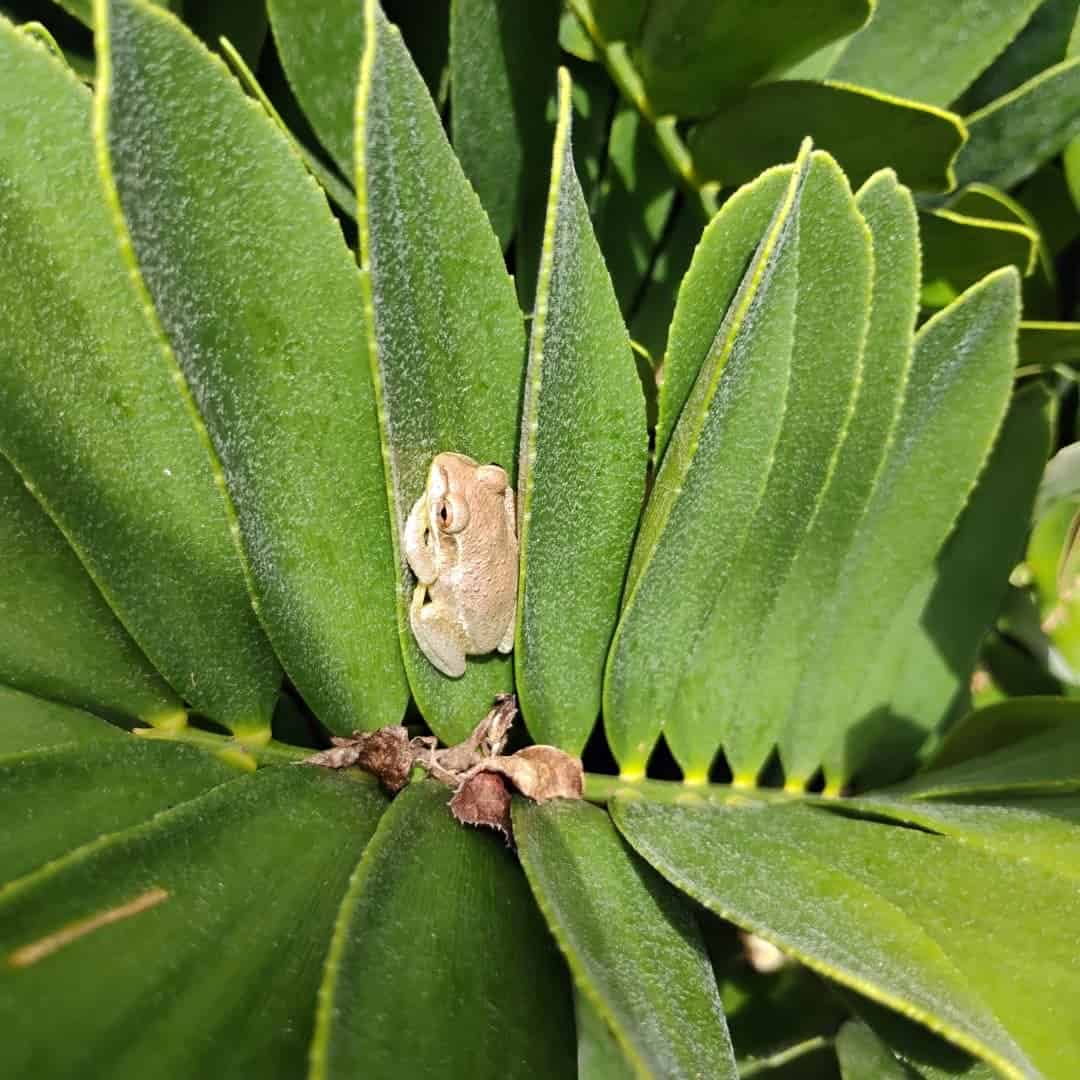
Cardboard Palm
Shares 4 of the same needs: full sun, low water, sandy, and zone 9a hardiness.
Dwarf Poinciana
Shares 4 of the same needs: full sun, low water, sandy, and zone 9a hardiness.
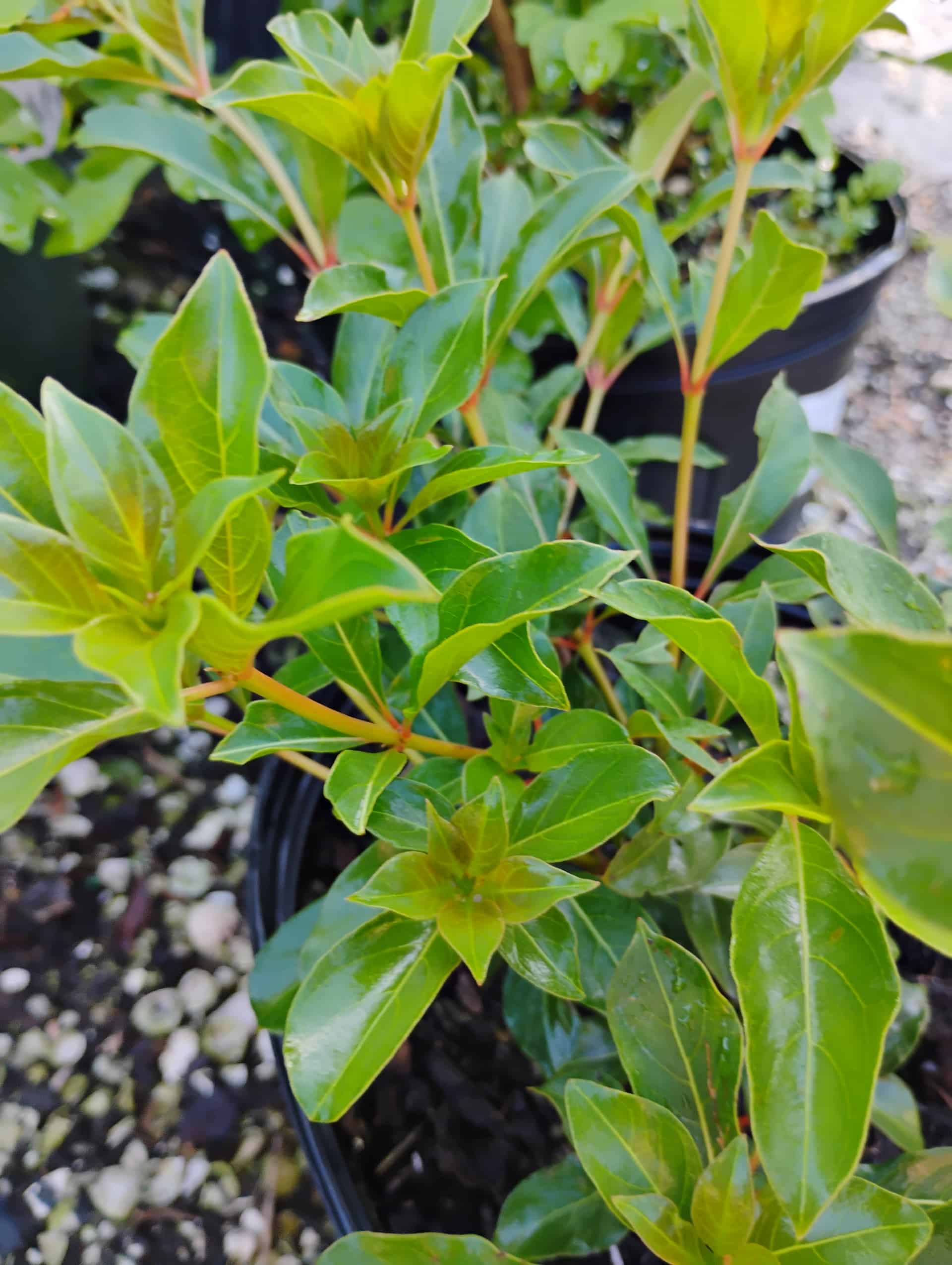
Firebush
Shares 4 of the same needs: full sun, low water, sandy, and zone 9a hardiness.
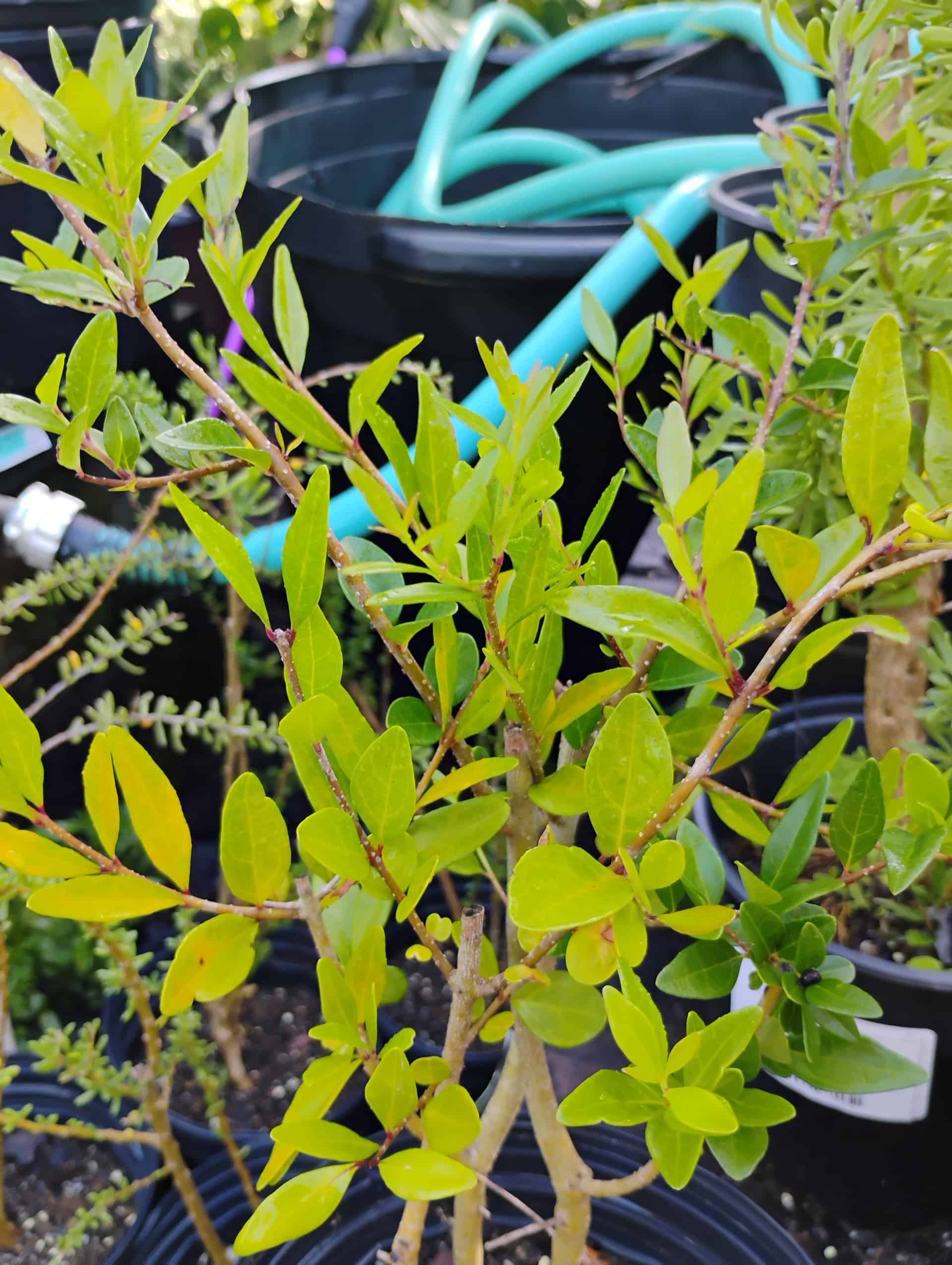
Florida Privet
Shares 4 of the same needs: full sun, low water, sandy, and zone 9a hardiness.
You may also like
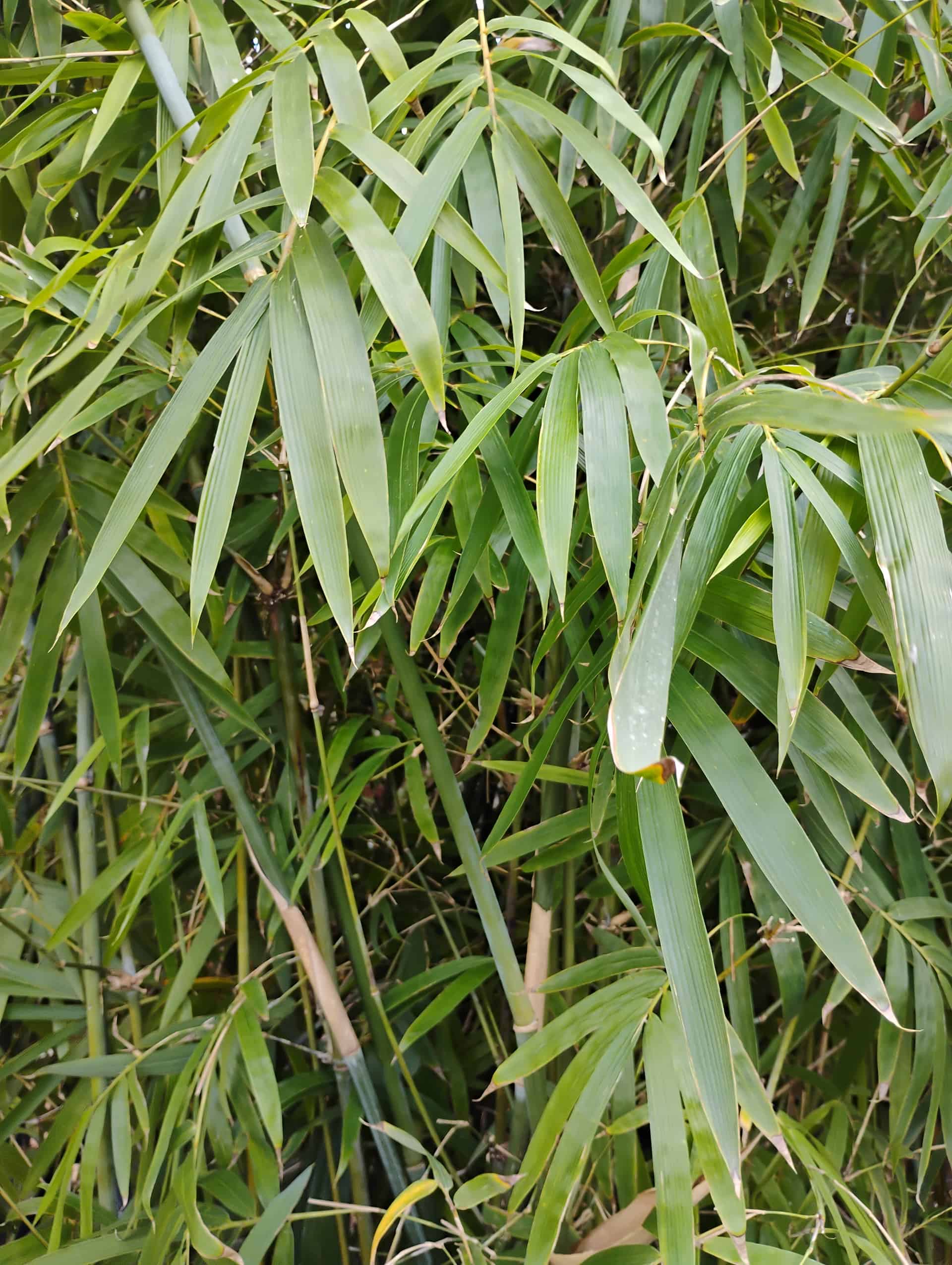 Grass
Bamboo
Bambusa
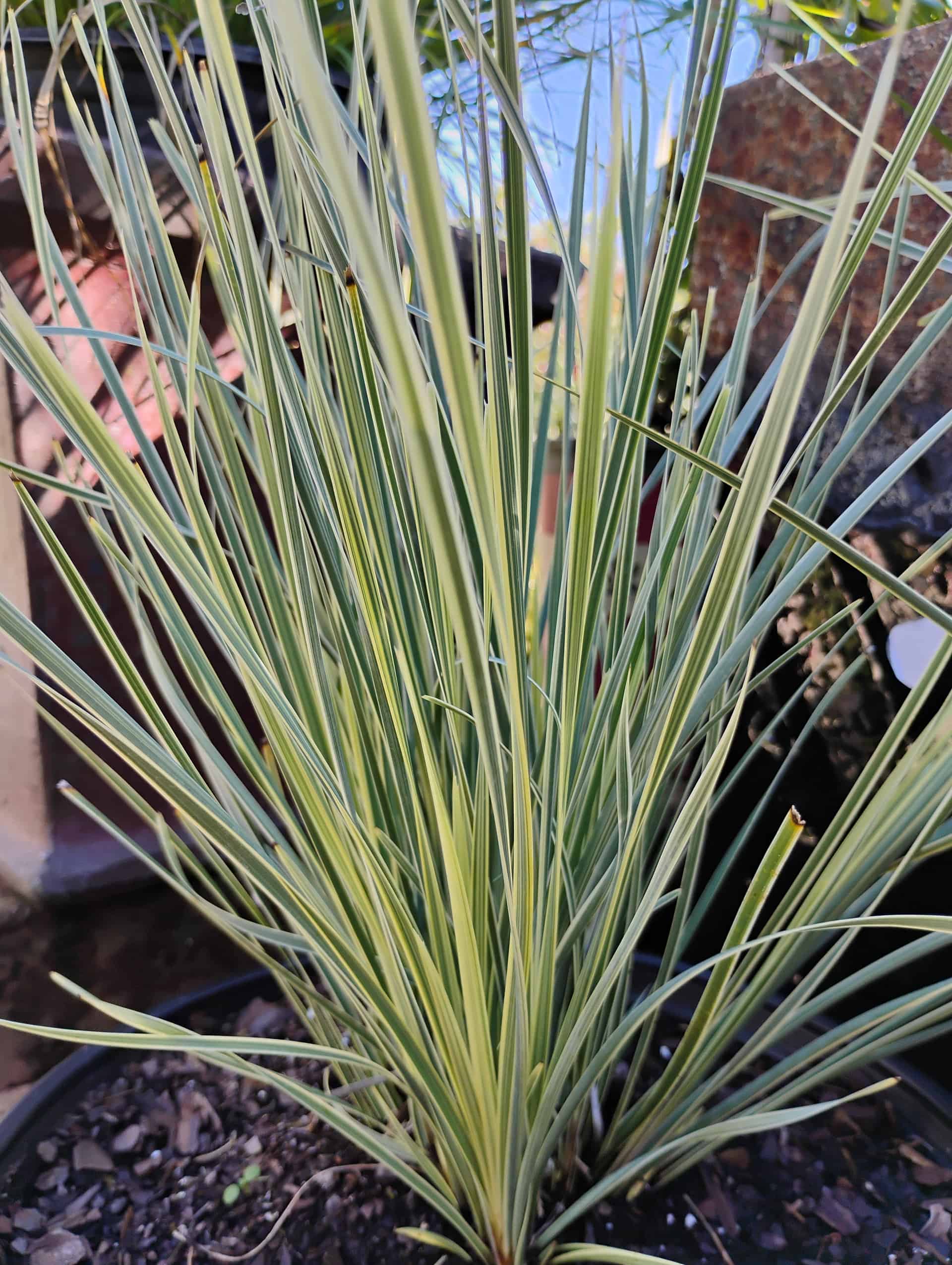 Grass
Mat Rush
Lomandra longifolia
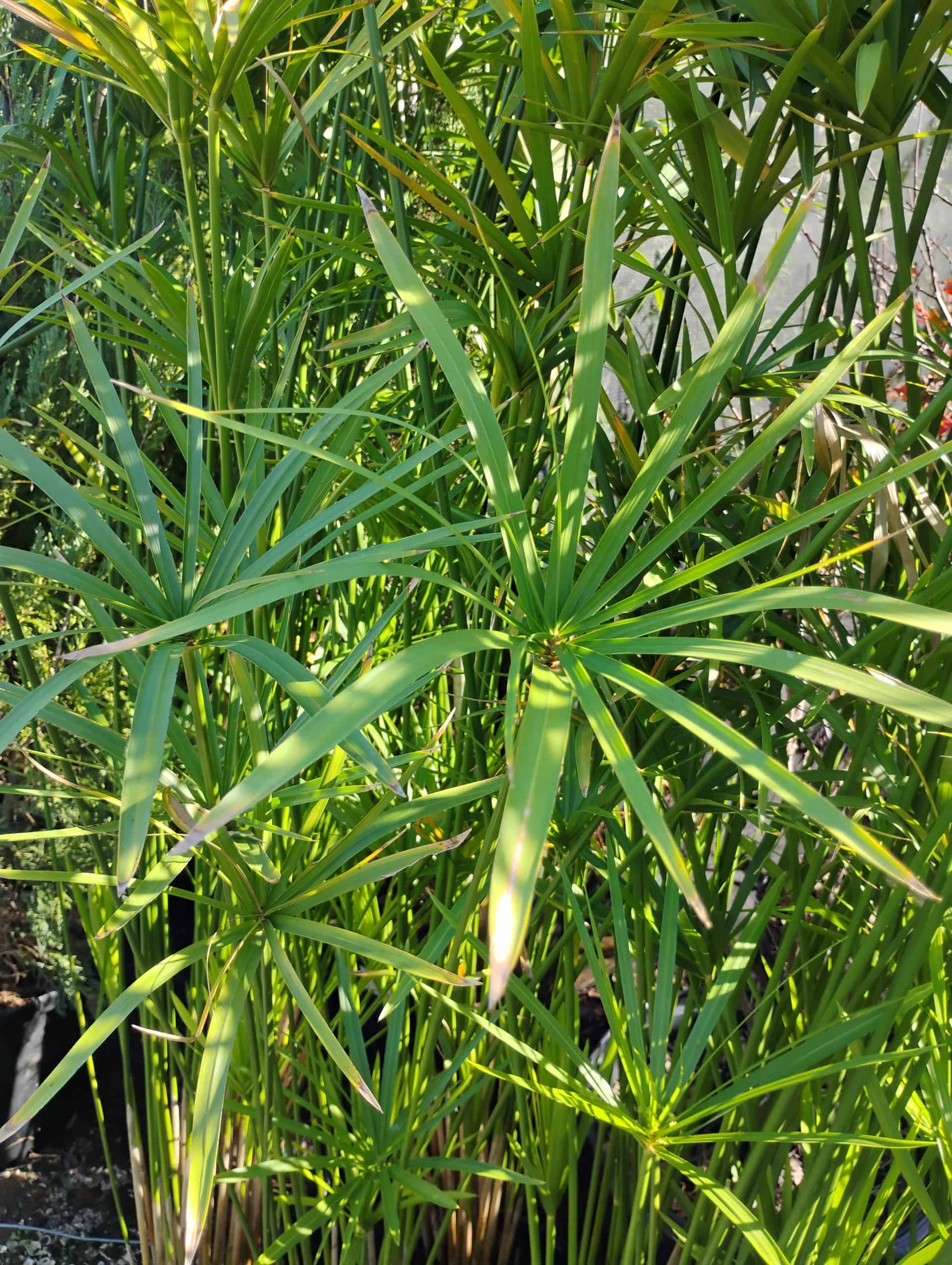 Grass
Papyrus
Cyperus papyrus
Common questions
Is Sea Oats a good plant for St. Augustine?
Sea Oats is a grass. Mature size: 4-8 feet × 2-3 feet. Light: Full Sun. Water needs: Low. Sea Oats is Florida-Friendly. Recorded hardiness zone: 9a.
Care information verified from
Last reviewed February 2026. Our care guidance comes from trusted horticulture sources and decades of helping St. Augustine gardeners. Conditions here can vary dramatically from one area to the next, so come ask us and we'll tailor it to your yard.