
Varieties We Bring In
Standard
Standard
Standard
We received some Roselle on Sep 23, 2026.
We bring this in seasonally, so what is on the lot changes week to week. A received date shows when it last came in, not that it is here today.
Call (904) 471-0440 to confirm this plant and size before you make the trip.
Last received Sep 23, 2026.
We bring this in seasonally, so what is on the lot changes week to week. A received date shows when it last came in, not that it is here today.
Call (904) 471-0440 to confirm this plant and size before you make the trip.
Pet toxicity: Non-toxic to dogs and cats
Pet safety guideAbout Roselle
Roselle (Hibiscus sabdariffa) is a fast-growing tropical annual — also called Florida Cranberry or Jamaica Sorrel — widely grown in NE Florida for its fleshy, deep red calyces used to make teas, jellies, and sauces. It produces pale yellow flowers with dark red centers and is ornamentally striking in the summer garden. Hardy in zones 9–10; grow as a warm-season annual in NE Florida, sowing after the last frost.
Plant details
- Bloom Season
- Summer, Fall
- Flower Color
- Yellow, Red
- Growth Rate
- Fast
- Foliage
- Deciduous
- Soil
- Sandy, Loam, Well-drained
Best planting months
Recommended months: February, March, April, September, October.
Seasonal care
New foliage emerges. Good planting window.
Bloom season. Higher water demand in summer heat.
Bloom season. Foliage may begin to change or drop. Ideal planting window.
Dormant — drops foliage. Can be planted in mild winter periods.
Care essentials
Roselle requires full sun — at least 6 to 8 hours of direct sunlight daily. In NE Florida it thrives in the warm summer season; shade reduces vigor and calyx production significantly.
Water regularly to keep soil evenly moist; Roselle is productive with moderate, consistent moisture but does not tolerate waterlogged conditions. In NE Florida, natural summer rainfall usually meets needs; supplement during dry spells. Nematode pressure increases in continuously wet soils — practice crop rotation.
Plant in well-drained, fertile sandy or loamy soil. In Florida, root-knot nematodes are the primary pest; use nematode-resistant planting sites and rotate annually. Fertilize at planting with a balanced fertilizer and side-dress mid-season to support vigorous calyx development. Direct sow or transplant after last frost; in NE Florida, plant in late spring through early summer.
Similar needs
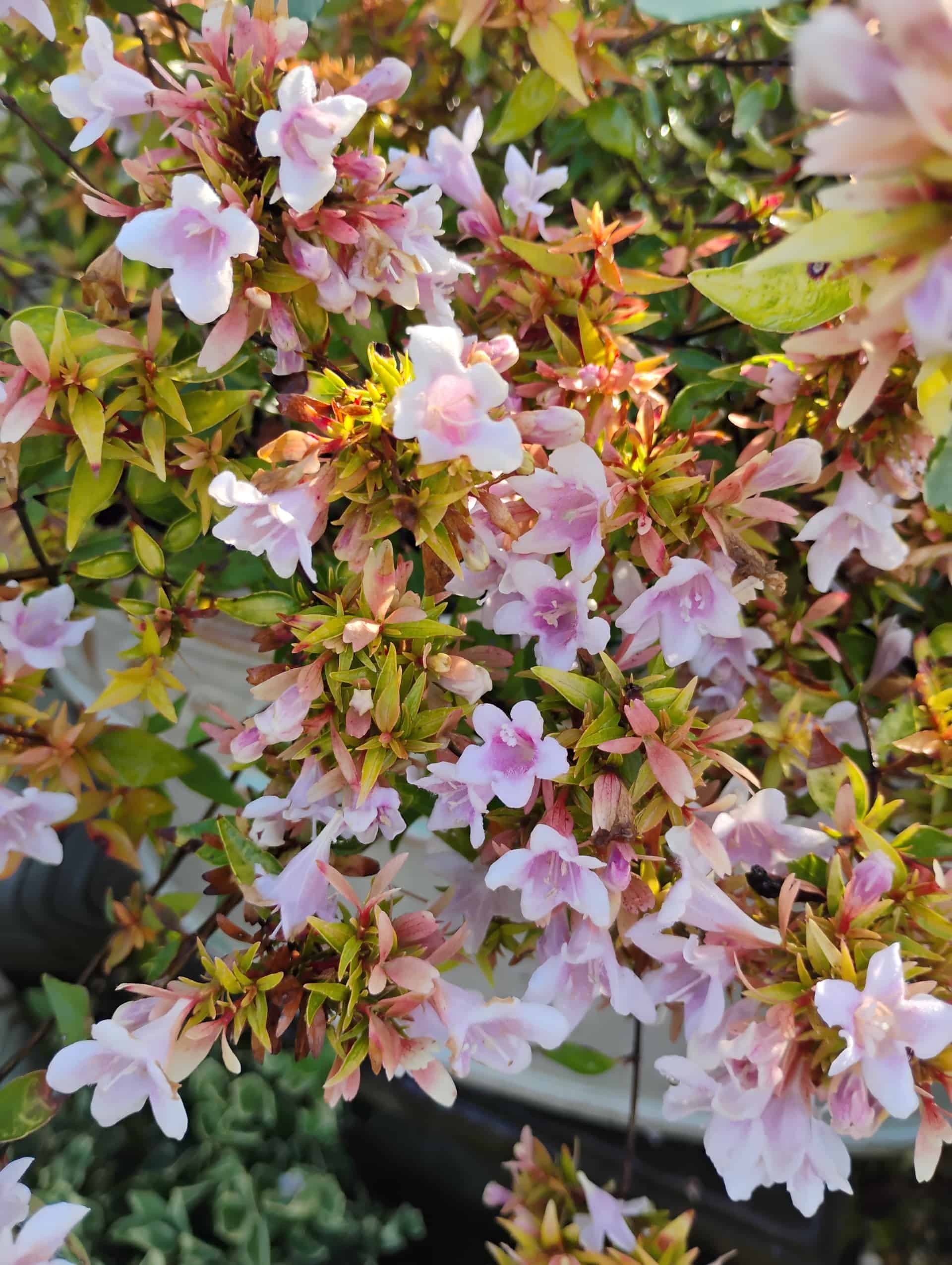
Abelia
Shares 5 of the same needs: full sun, moderate water, sandy, zone 9a hardiness, and pollinator-friendly.
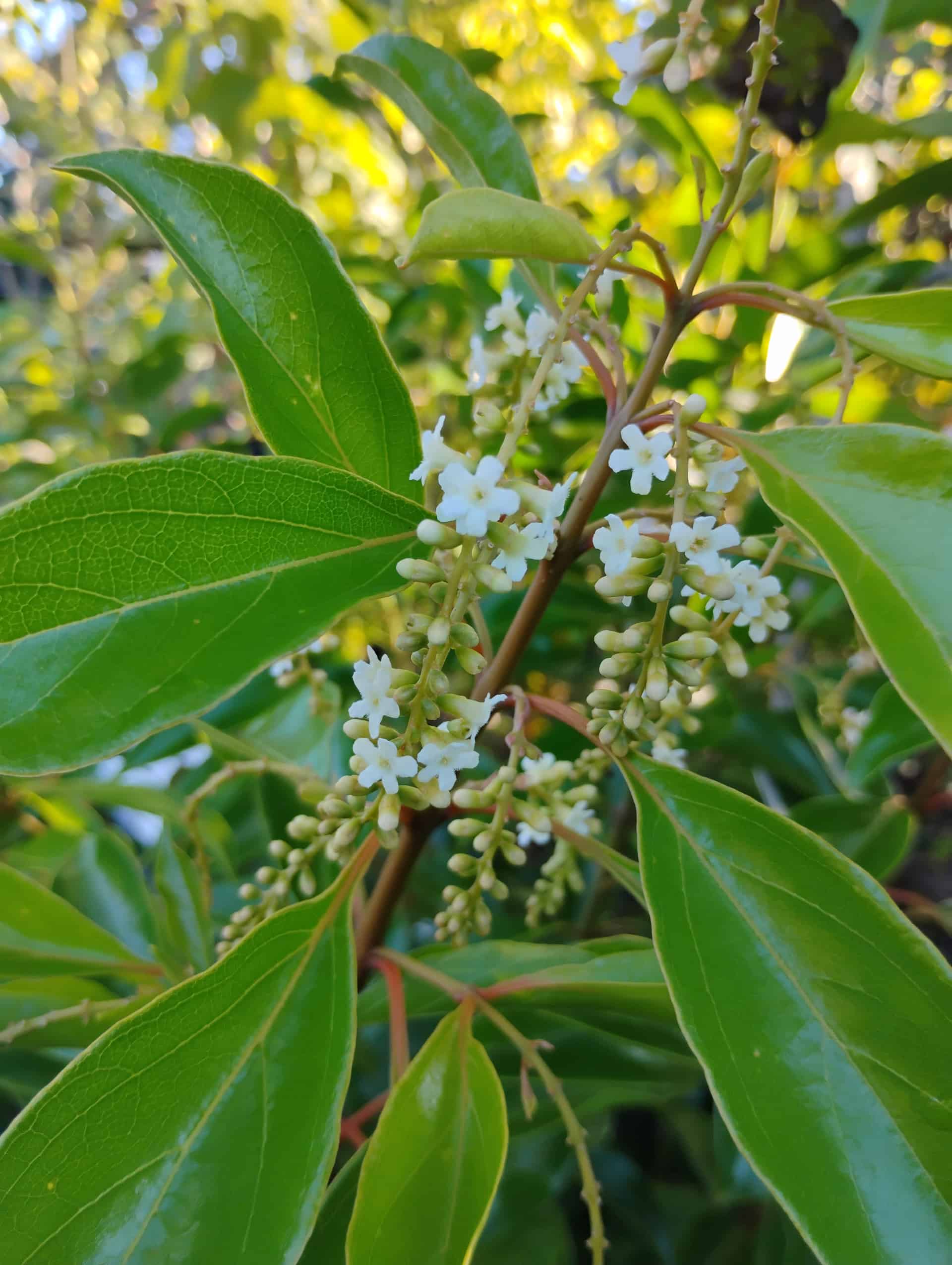
Almond Bush
Shares 5 of the same needs: full sun, moderate water, sandy, zone 9a hardiness, and pollinator-friendly.
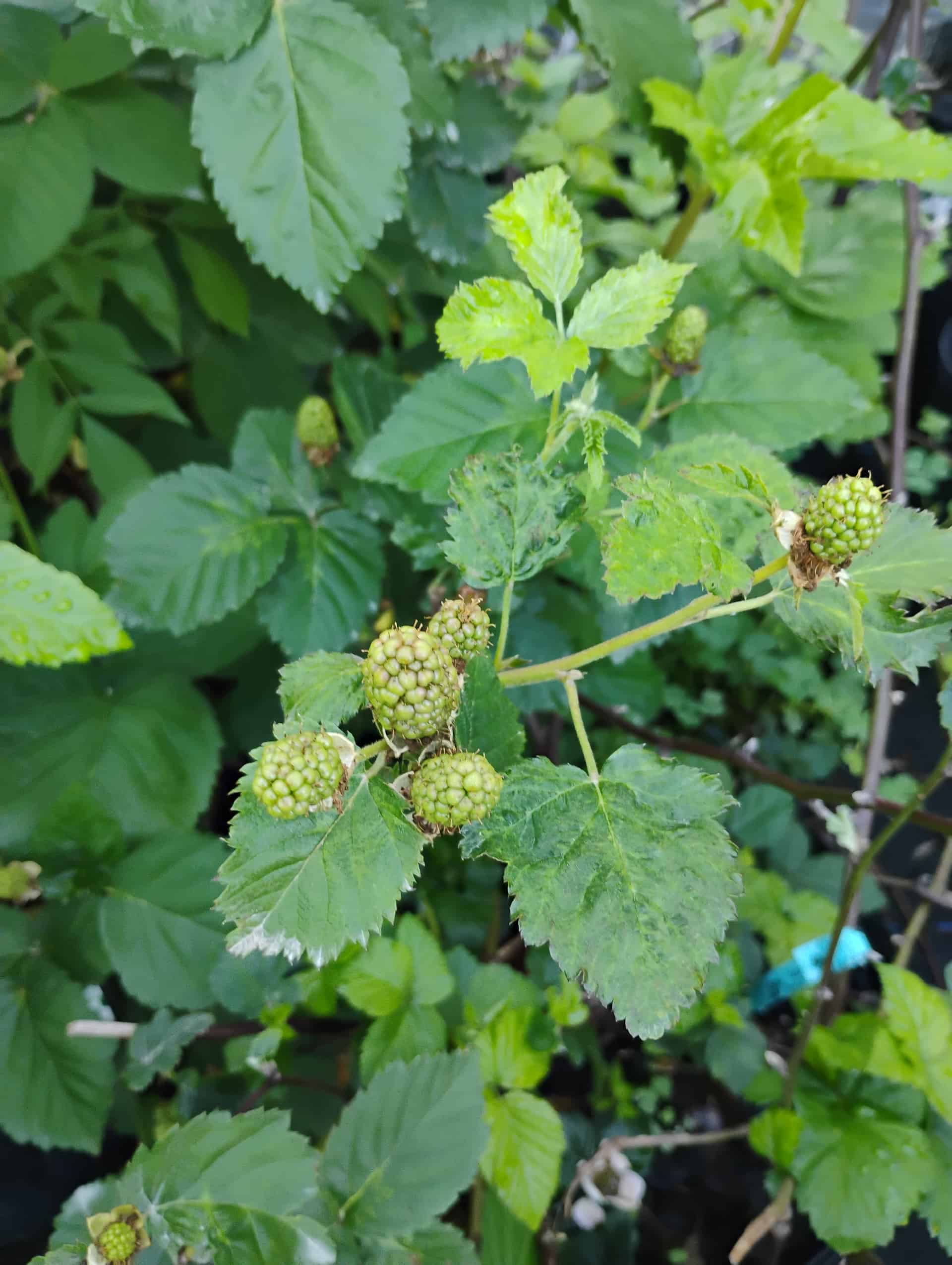
Blackberry
Shares 5 of the same needs: full sun, moderate water, sandy, zone 9a hardiness, and pollinator-friendly.
Blueberry
Shares 5 of the same needs: full sun, moderate water, sandy, zone 9a hardiness, and pollinator-friendly.

Brazilian Red Cloak
Shares 5 of the same needs: full sun, moderate water, sandy, zone 9a hardiness, and pollinator-friendly.

Bush Clover
Shares 5 of the same needs: full sun, moderate water, sandy, zone 9a hardiness, and pollinator-friendly.
You may also like
Common questions
Is Roselle a good plant for St. Augustine?
Roselle is a shrub. Mature size: 5-7 feet × 3-4 feet. Light: Full Sun. Water needs: Moderate. Recorded hardiness zone: 9a.
What is the recorded pet toxicity for Roselle?
Non-toxic to dogs and cats
Care information verified from
Last reviewed February 2026. Our care guidance comes from trusted horticulture sources and decades of helping St. Augustine gardeners. Conditions here can vary dramatically from one area to the next, so come ask us and we'll tailor it to your yard.