
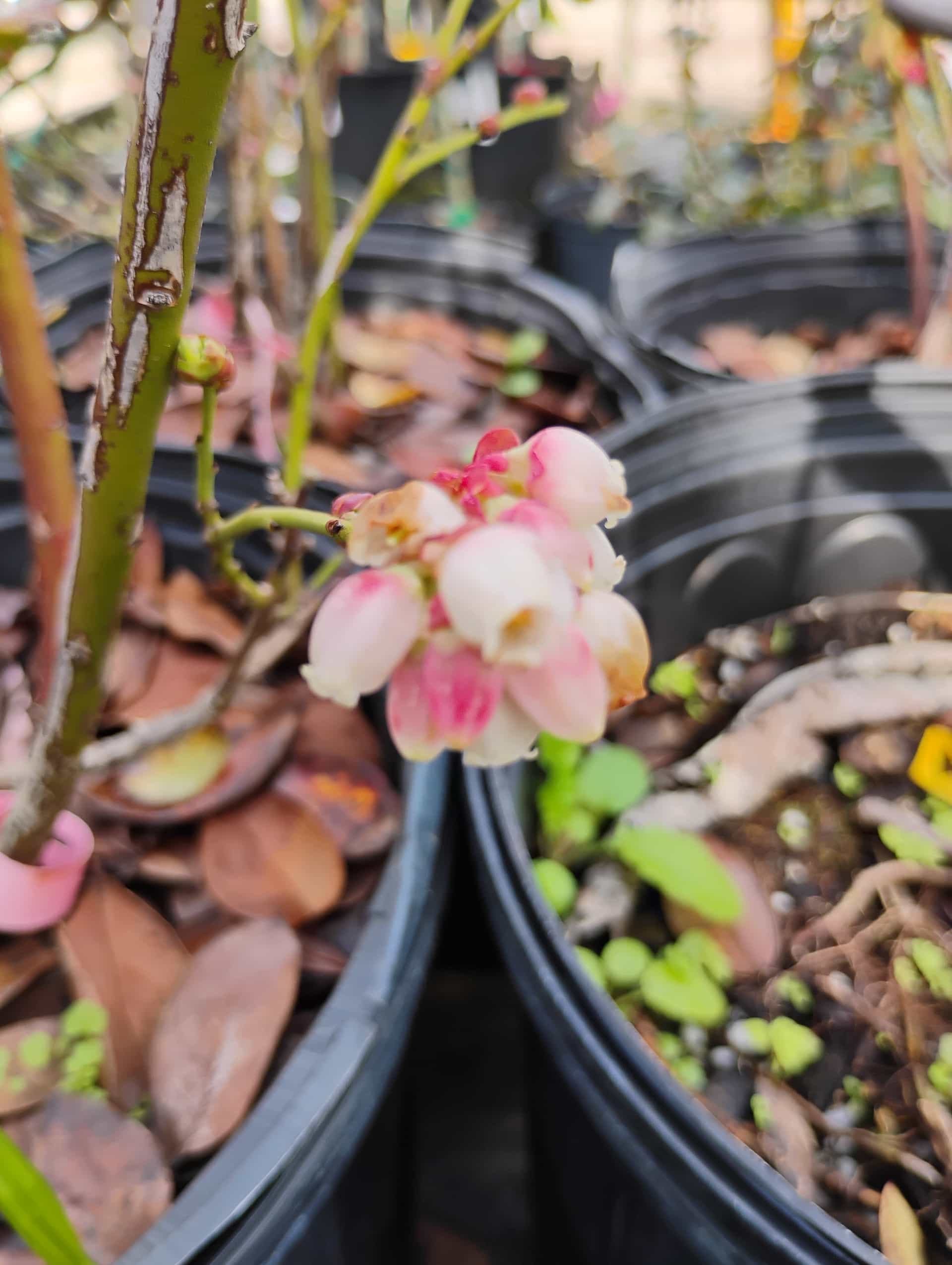
Blueberry
Vaccinium
Varieties We Bring In
Last received Jul 19, 2026.
We bring this in seasonally, so what is on the lot changes week to week. A received date shows when it last came in, not that it is here today.
Call (904) 471-0440 to confirm this plant and size before you make the trip.
About Blueberry
Blueberries belong to the genus Vaccinium and include several species and hybrids cultivated for their sweet, antioxidant-rich blue-black berries. The shrubby plants offer ornamental appeal through their white bell-shaped spring flowers, attractive fall foliage, and are available in both highbush and rabbiteye varieties suited to a range of climates. Starting at $9.95.
Plant details
- Bloom Season
- Spring
- Flower Color
- White
- Growth Rate
- Moderate
- Foliage
- Deciduous
- Soil
- Sandy, Loam, Acidic, Well-drained
Best planting months
Seasonal care
Bloom season. New foliage emerges.
Higher water demand in summer heat.
Foliage may begin to change or drop.
Dormant — drops foliage. Can be planted in mild winter periods.
Care essentials
Blueberries require full sun — at least 6 hours of direct sunlight daily — for best fruit production. Avoid planting in part shade, which reduces yields significantly. In NE Florida, choose southern highbush or low-chill rabbiteye cultivars adapted to the mild winters of zone 9b.
Water consistently during establishment and fruiting; once established, blueberries need moderate, regular moisture — not waterlogging. Sandy Florida soils drain quickly, so use a thick pine bark or pine straw mulch (3–4 inches) to retain moisture and regulate soil temperature. Drip irrigation is ideal.
Blueberries demand acidic soil (pH 4.5–5.5); amend Florida's sandy soil with peat moss or pine bark before planting. Use a fertilizer formulated for acid-loving plants (e.g., azalea/camellia blend) in light applications in February, April, June, and August. Never over-fertilize — blueberries are salt-sensitive. Plant two compatible cultivars for cross-pollination and better yields.
Similar needs
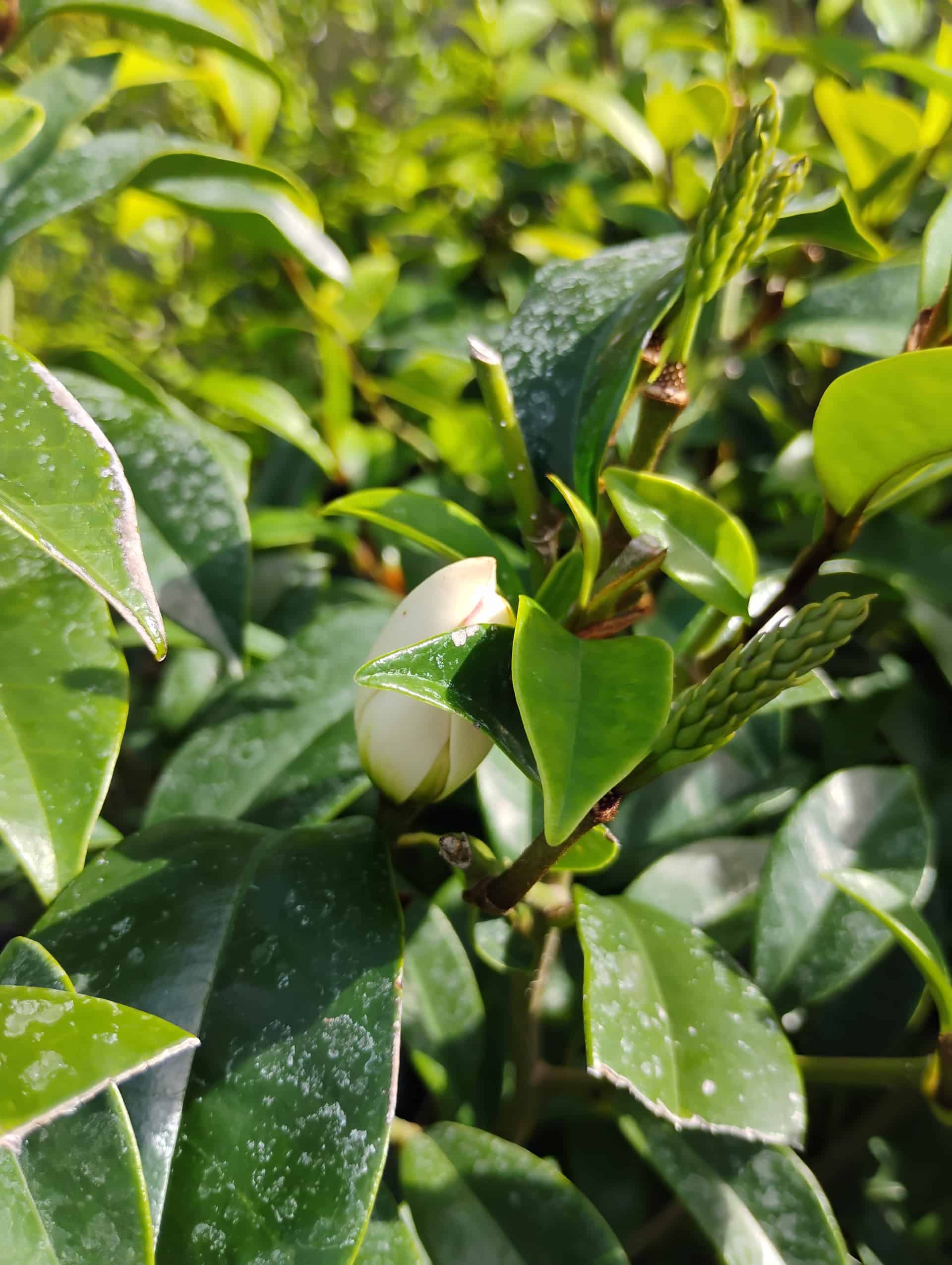
Banana Shrub
Shares 5 of the same needs: full sun, moderate water, loam, zone 9a hardiness, and pollinator-friendly.
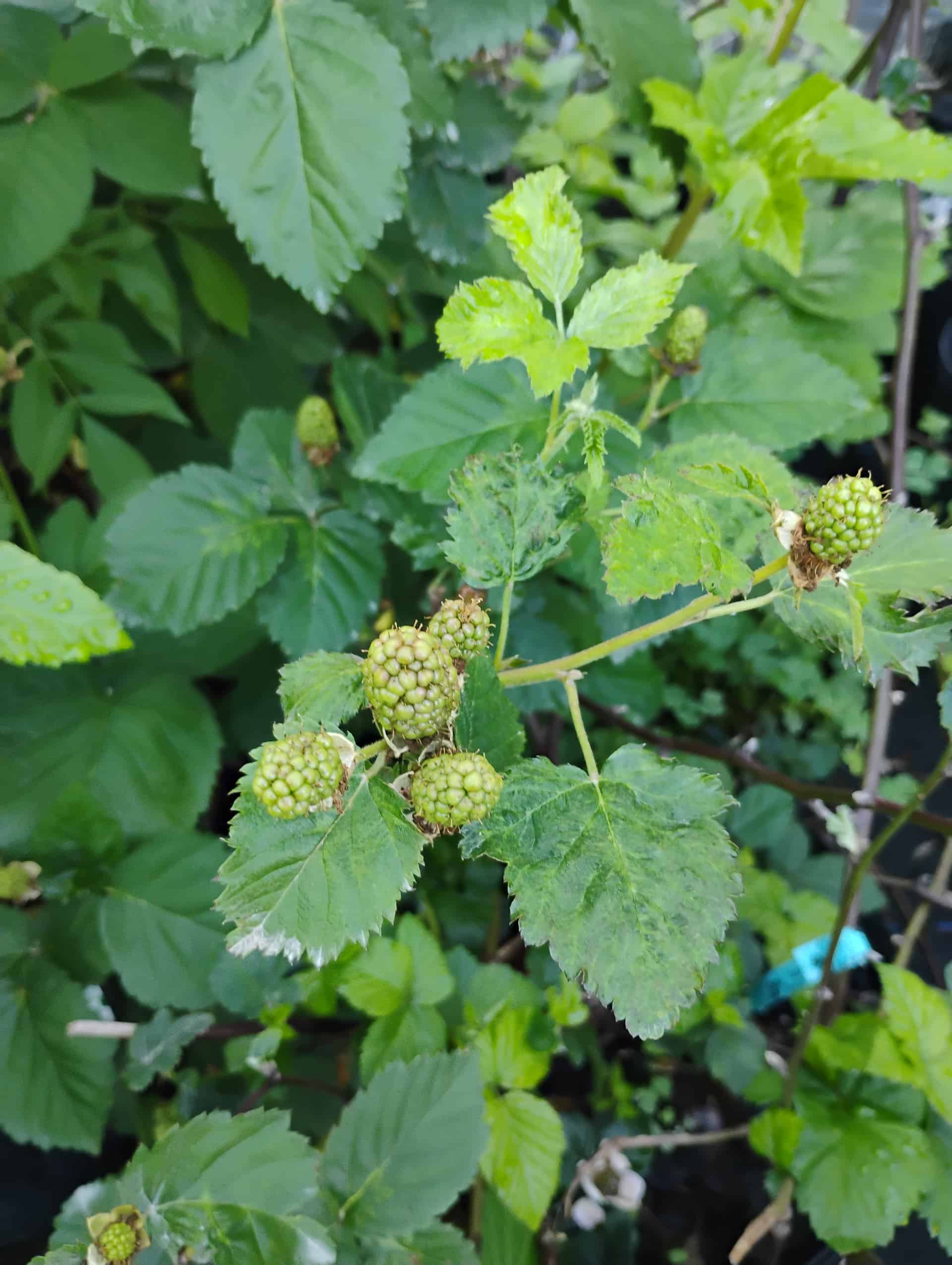
Blackberry
Shares 5 of the same needs: full sun, moderate water, sandy, zone 9a hardiness, and pollinator-friendly.
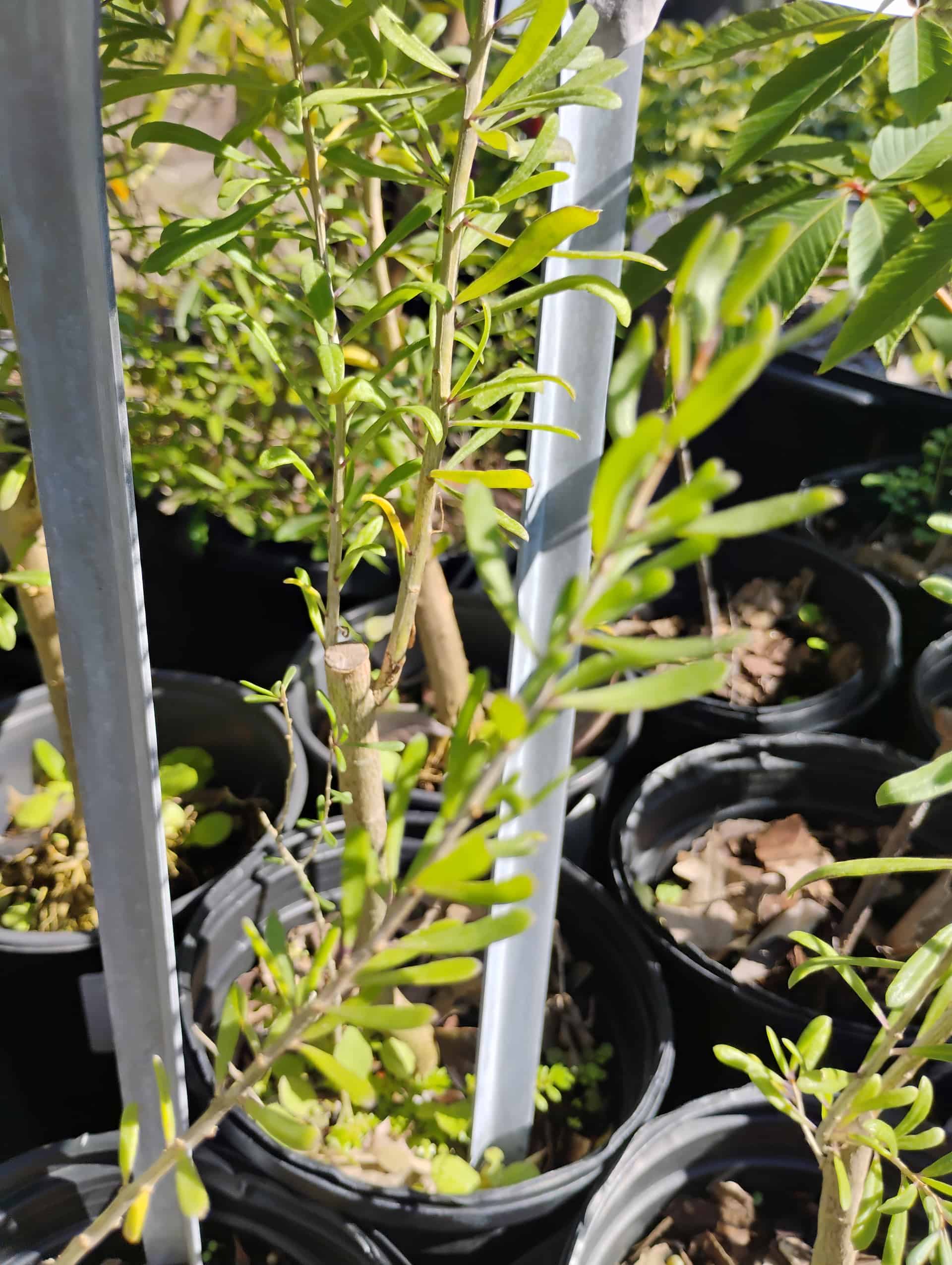
Carolina Wolfberry
Shares 5 of the same needs: full sun, moderate water, sandy, zone 9a hardiness, and pollinator-friendly.
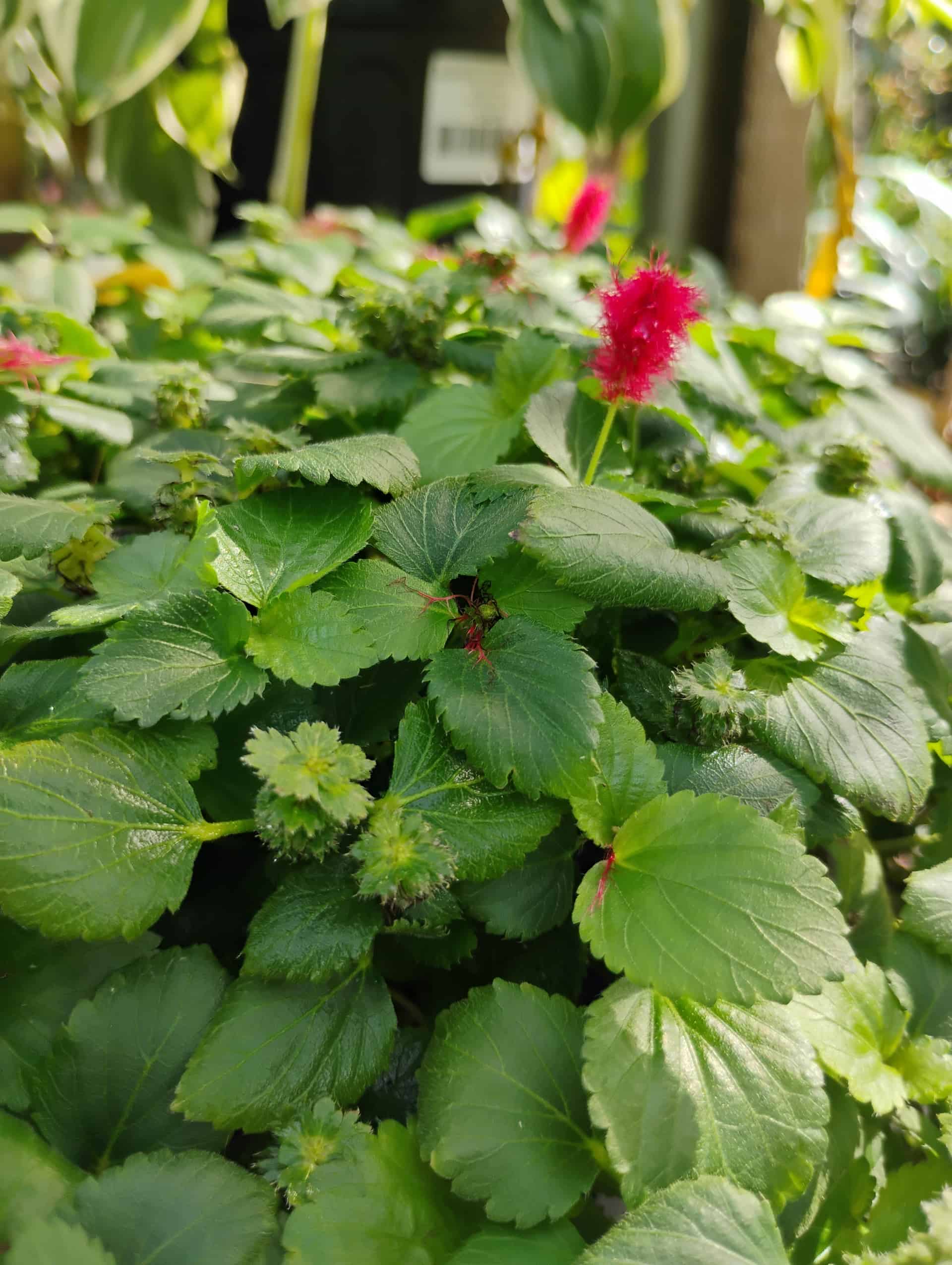
Chenille Plant
Shares 5 of the same needs: full sun, moderate water, sandy, zone 9a hardiness, and pollinator-friendly.
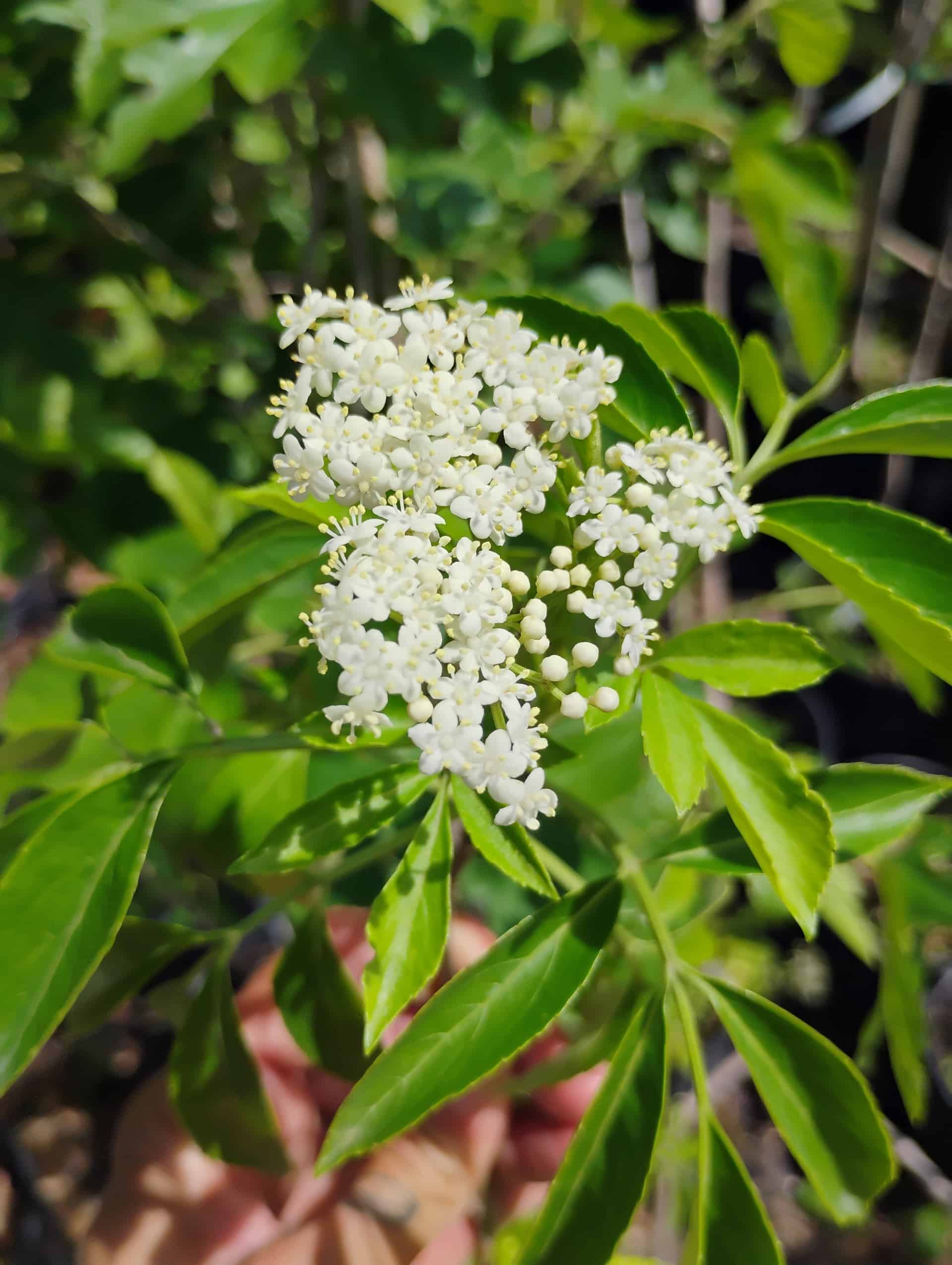
Elderberry
Shares 5 of the same needs: full sun, moderate water, sandy, zone 9a hardiness, and pollinator-friendly.
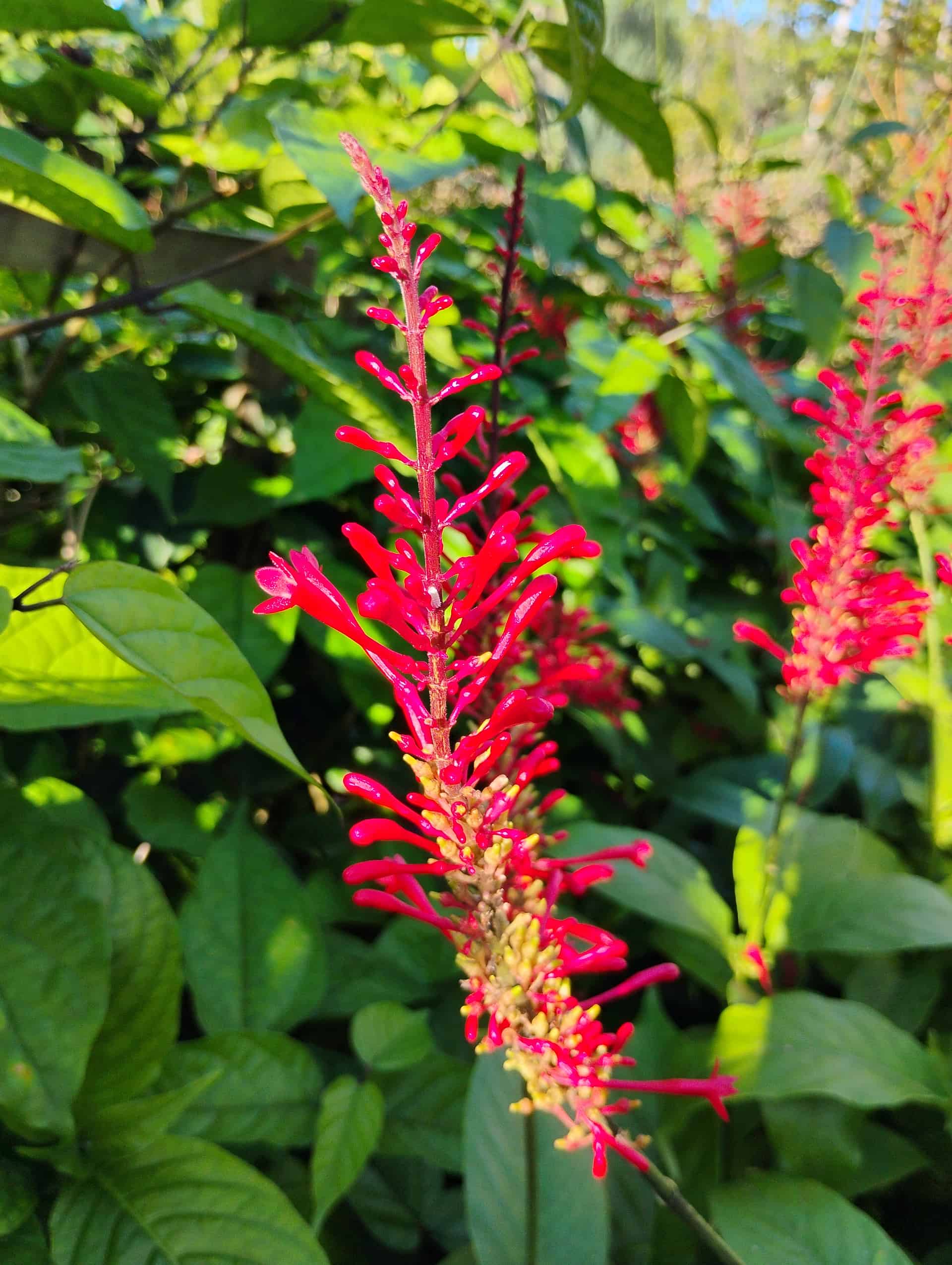
Firespike
Shares 5 of the same needs: full sun, moderate water, sandy, zone 9a hardiness, and pollinator-friendly.
You may also like
Common questions
Is Blueberry a good plant for St. Augustine?
Blueberry is a shrub for Zone 9b coastal Florida gardens, reaching 4-6 feet × 3-5 feet (varies by variety).
Care information verified from
Last reviewed February 2026. Our care guidance comes from trusted horticulture sources and decades of helping St. Augustine gardeners. Conditions here can vary dramatically from one area to the next, so come ask us and we'll tailor it to your yard.