
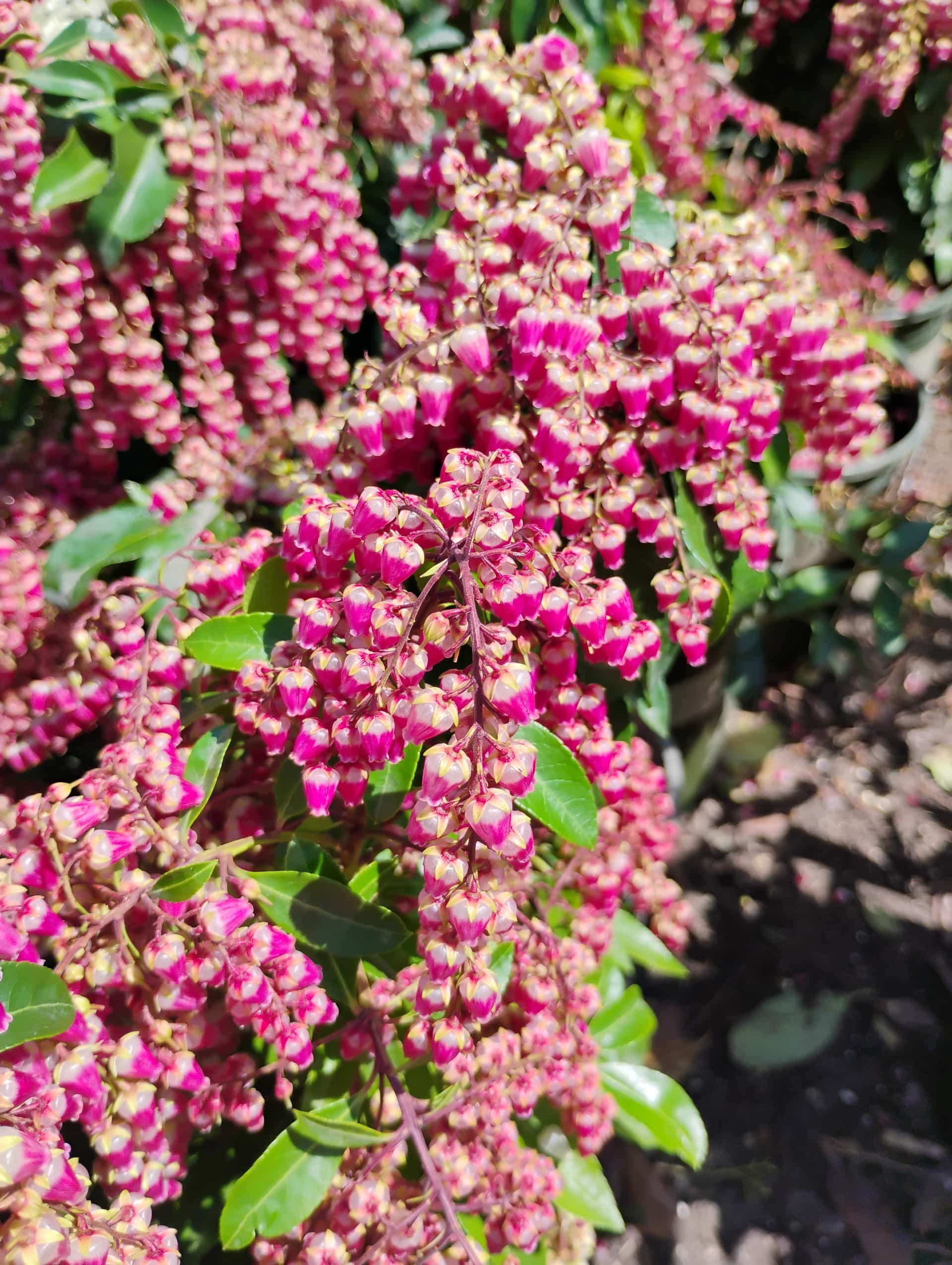
Japanese Pieris
Pieris japonica
Varieties We Bring In
Last received Jul 16, 2026.
We bring this in seasonally, so what is on the lot changes week to week. A received date shows when it last came in, not that it is here today.
Call (904) 471-0440 to confirm this plant and size before you make the trip.
About Japanese Pieris
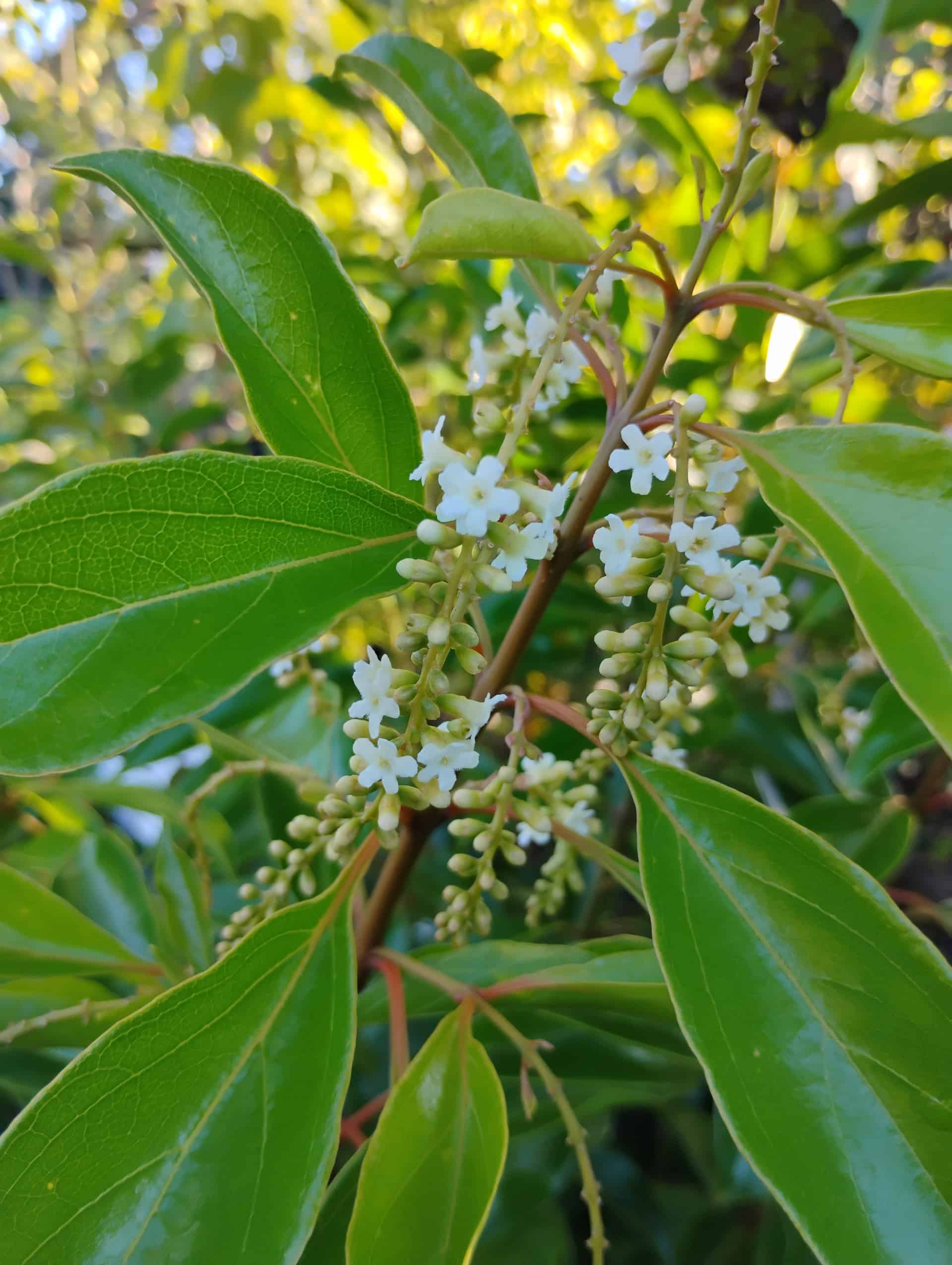
Japanese andromeda (Pieris japonica) is a broadleaf evergreen shrub valued for drooping panicles of white, urn-shaped spring flowers and colorful bronze-red new growth. It is rated for zones 5–8 and is not reliably hardy in NE Florida zone 9b, where summer heat and humidity typically cause decline; best as a short-term container specimen. Starting at $34.95.
Plant details
- Bloom Season
- Spring
- Flower Color
- White, Pink
- Growth Rate
- Slow
- Foliage
- Evergreen
- Soil
- Loam, Acidic, Well-drained
Best planting months
Seasonal care
Bloom season. Good planting window.
Higher water demand in summer heat.
Ideal planting window.
Retains foliage through winter.
Care essentials
Requires partial shade with protection from afternoon sun; intense heat and sun in zone 9b cause leaf scorch and stress. Best grown in consistently cool, shaded spots — not recommended as a landscape shrub in NE Florida.
Needs consistently moist, well-drained soil; drought stress and heat make this plant highly susceptible to lace bugs and spider mites in Florida's climate. Mulch heavily to retain soil moisture.
Plant in moist, acidic (pH 4.5–6.0), well-drained soil rich in organic matter. Fertilize with an acid-forming azalea/camellia fertilizer in spring. Note: zone 9b is too warm for reliable performance — consider this a specialty/collector plant only.
Similar needs
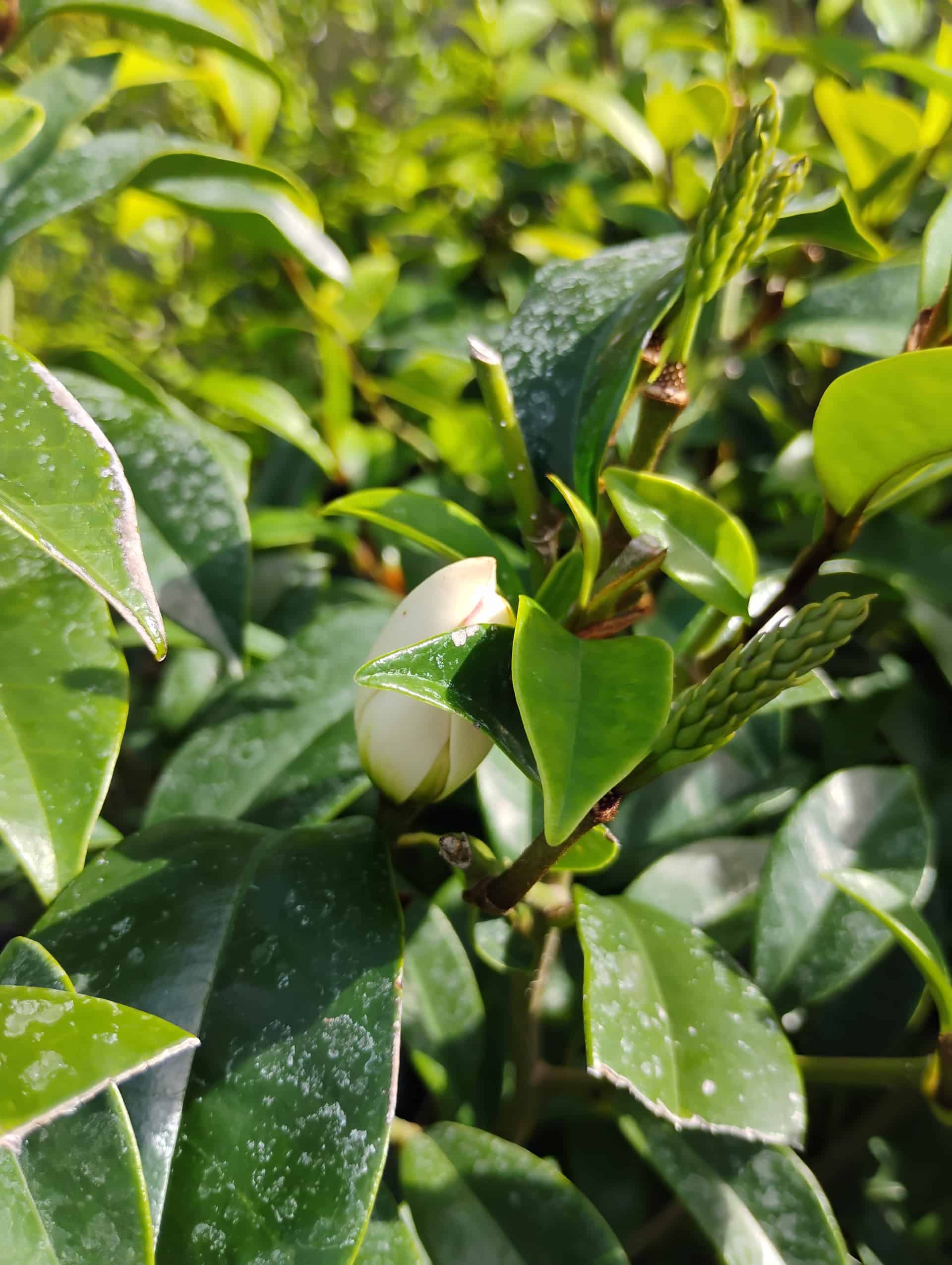
Banana Shrub
Shares 6 of the same needs: shade, moderate water, loam, salt tolerance, zone 9a hardiness, and pollinator-friendly.
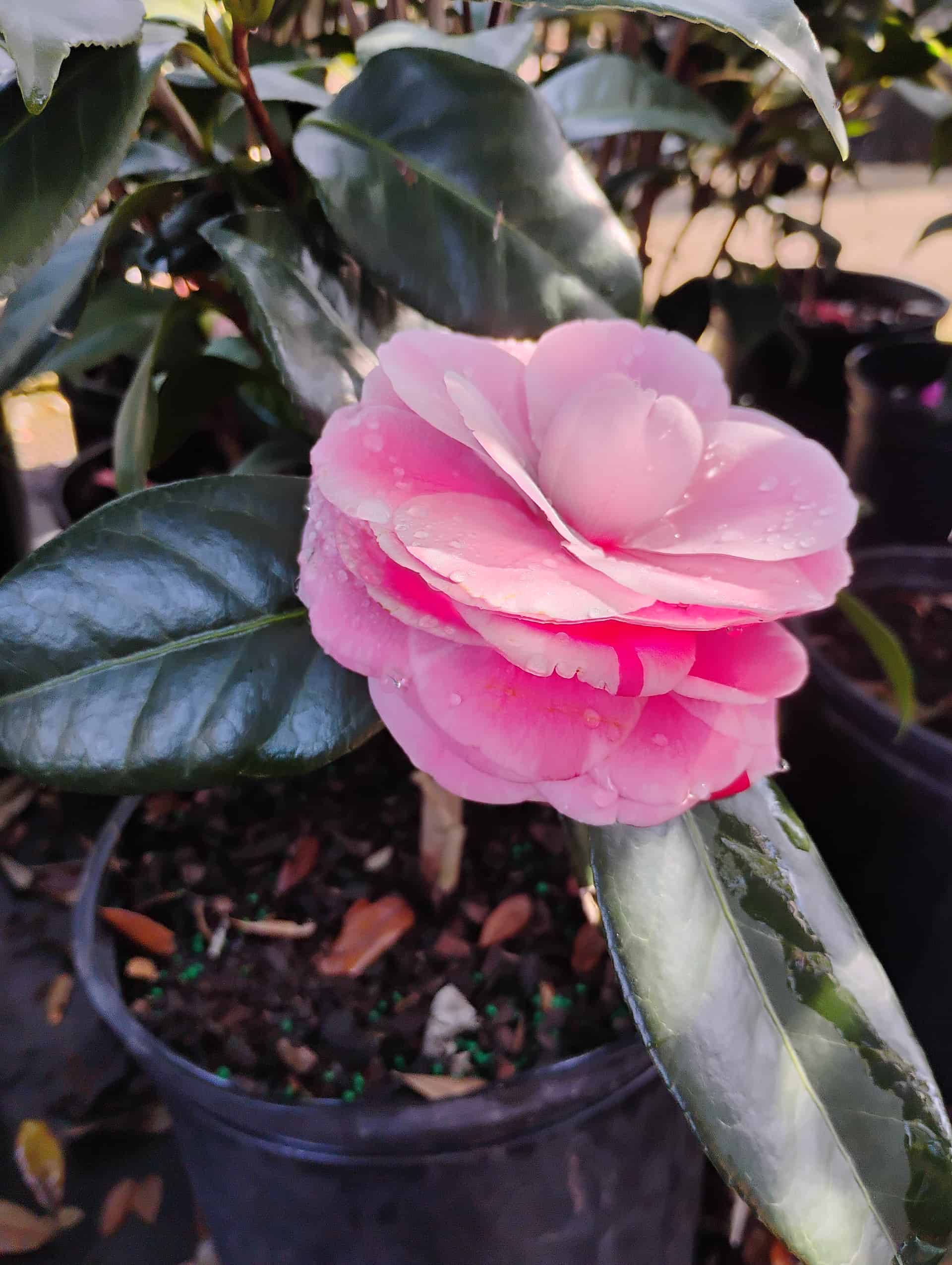
Camellia
Shares 6 of the same needs: shade, moderate water, loam, salt tolerance, zone 9a hardiness, and pollinator-friendly.
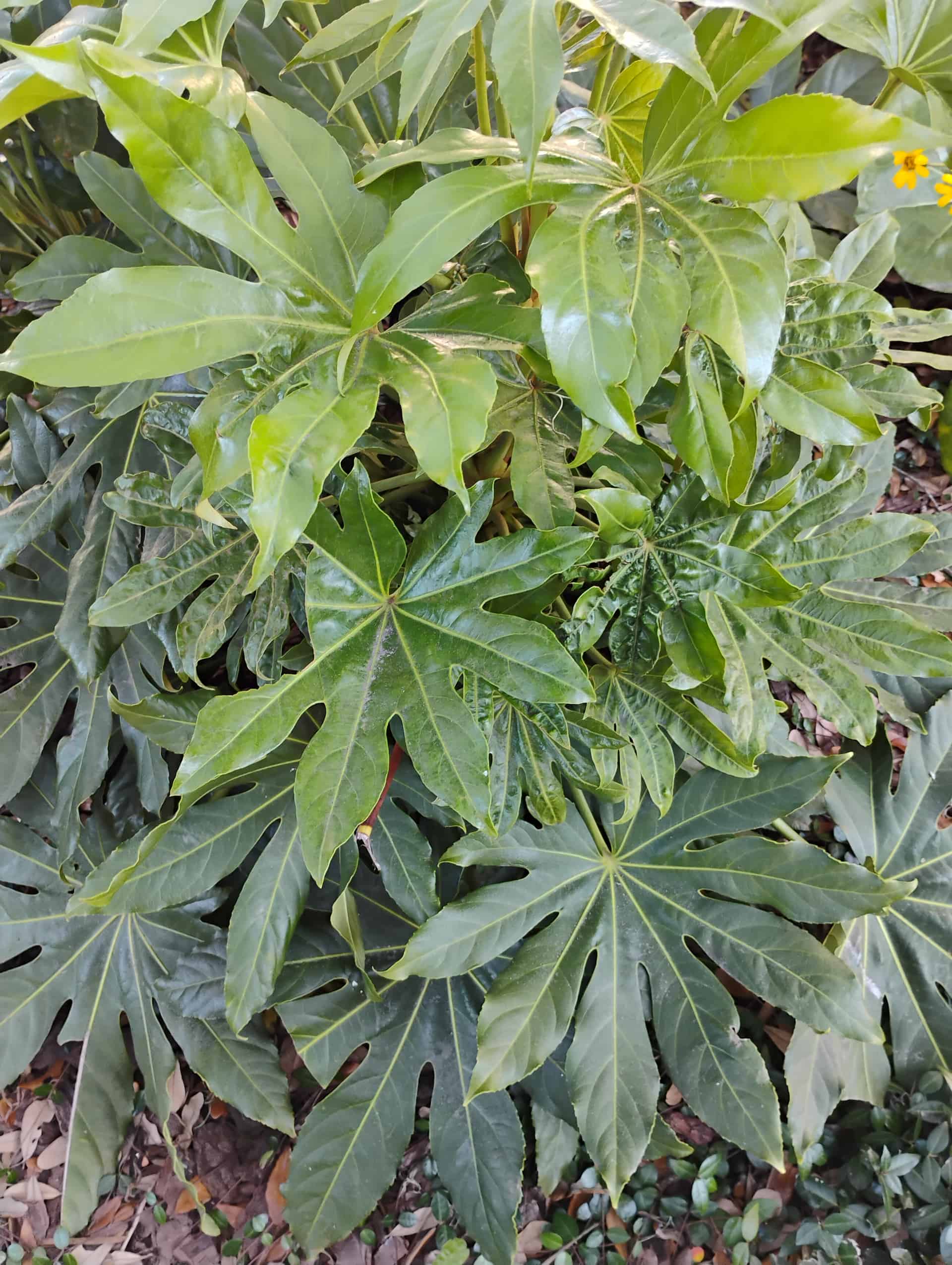
Fatsia
Shares 6 of the same needs: shade, moderate water, loam, salt tolerance, zone 9a hardiness, and pollinator-friendly.
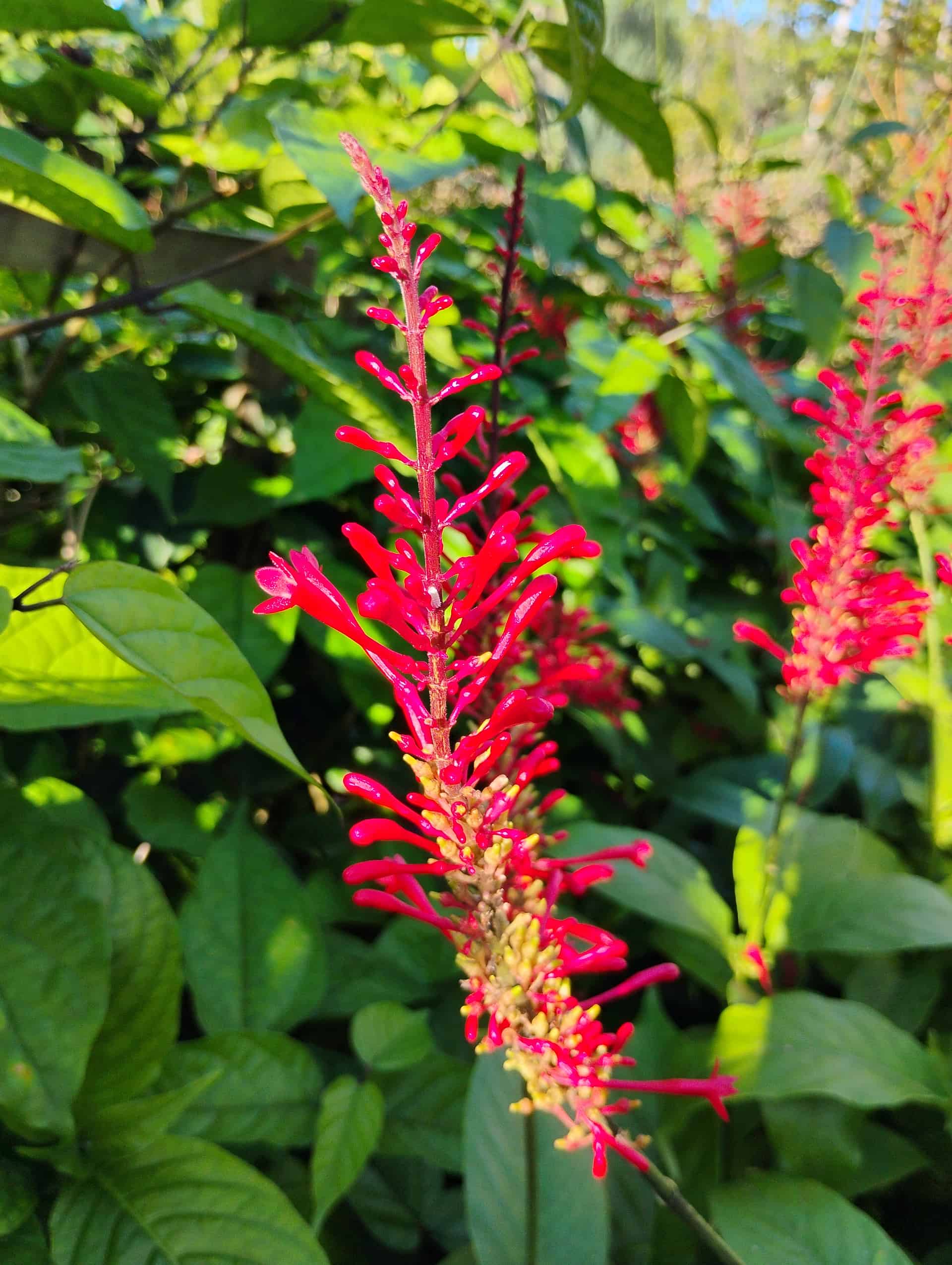
Firespike
Shares 6 of the same needs: shade, moderate water, loam, salt tolerance, zone 9a hardiness, and pollinator-friendly.
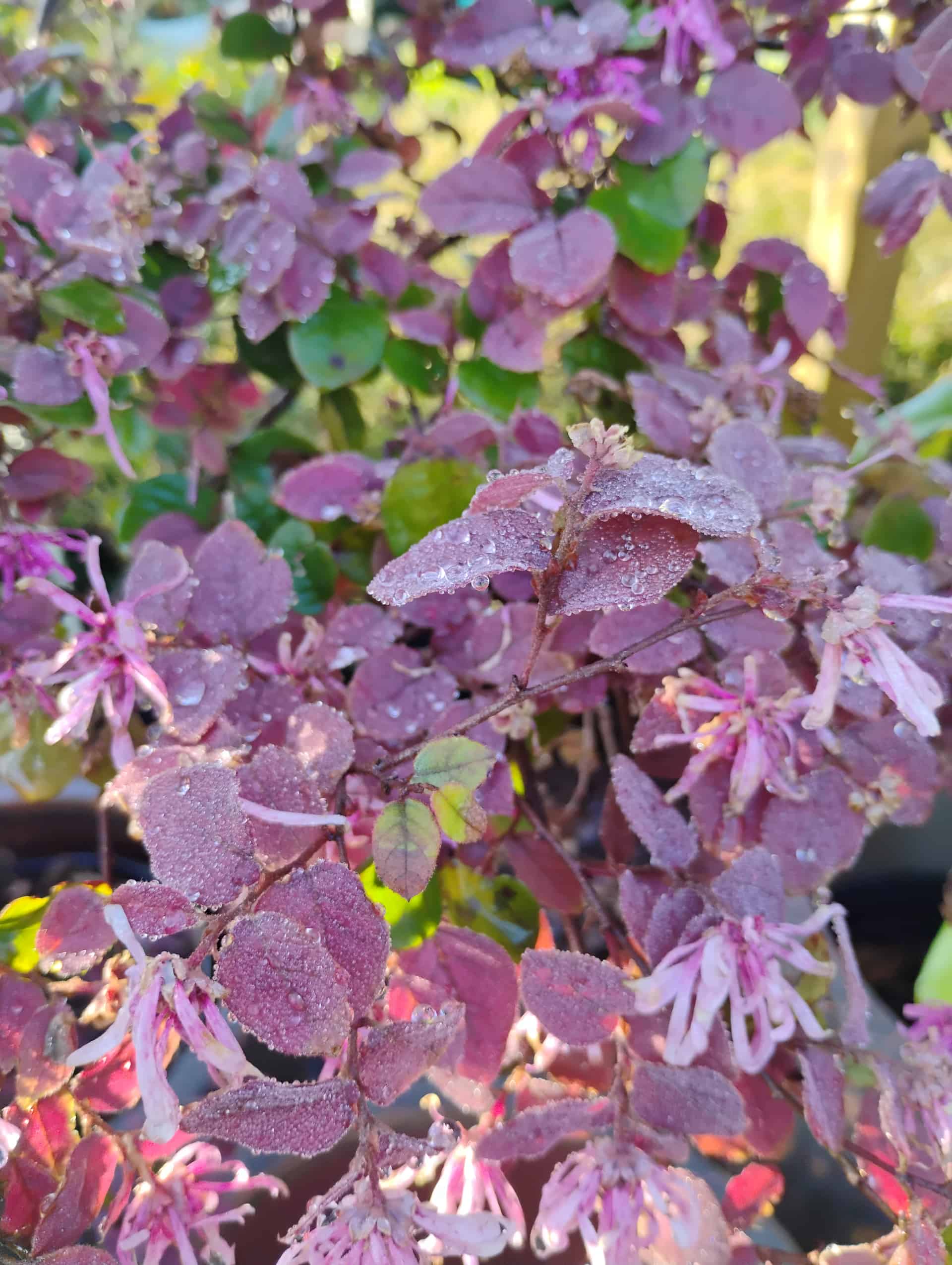
Loropetalum
Shares 6 of the same needs: shade, moderate water, loam, salt tolerance, zone 9a hardiness, and pollinator-friendly.
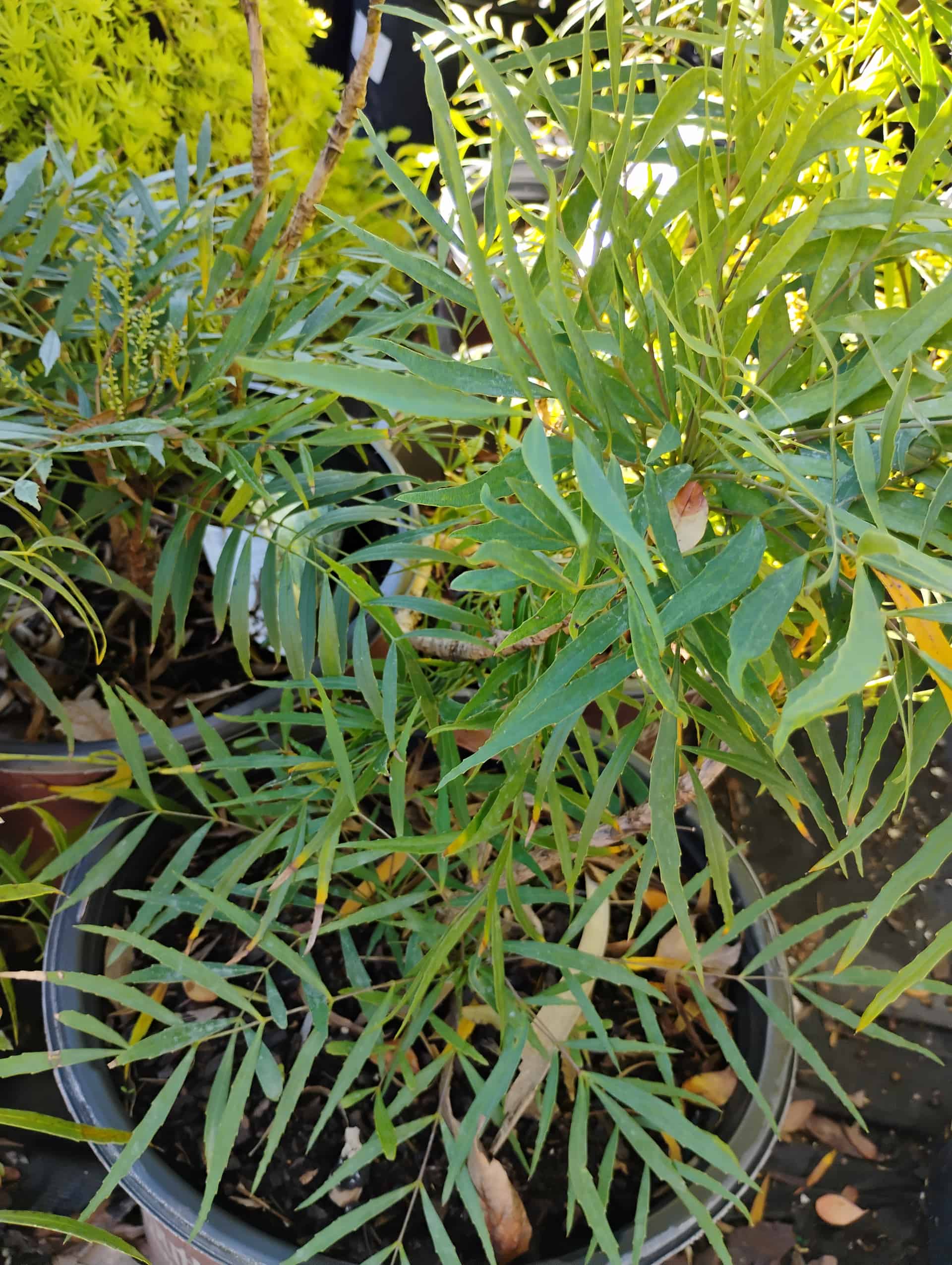
Oregon Grape Holly
Shares 6 of the same needs: shade, moderate water, loam, salt tolerance, zone 9a hardiness, and pollinator-friendly.
You may also like
Common questions
Is Japanese Pieris a good plant for St. Augustine?
Japanese Pieris is a shrub for Zone 9b coastal Florida gardens, with low salt tolerance, reaching 4-8 feet × 3-6 feet.
Care information verified from
Last reviewed February 2026. Our care guidance comes from trusted horticulture sources and decades of helping St. Augustine gardeners. Conditions here can vary dramatically from one area to the next, so come ask us and we'll tailor it to your yard.