
Varieties We Bring In
Purple
We received some Creeping Sage on Apr 12, 2026.
We bring this in seasonally, so what is on the lot changes week to week. A received date shows when it last came in, not that it is here today.
Call (904) 471-0440 to confirm this plant and size before you make the trip.
Last received Apr 12, 2026.
We bring this in seasonally, so what is on the lot changes week to week. A received date shows when it last came in, not that it is here today.
Call (904) 471-0440 to confirm this plant and size before you make the trip.
Pet toxicity: Non-toxic to dogs and cats
Pet safety guideAbout Creeping Sage
Creeping sage (Salvia misella) is a low-growing Florida native perennial in the mint family, spreading to form a dense ground cover with small, fragrant foliage and delicate spikes of sky-blue flowers from spring through fall. Native to moist, shaded habitats, it is one of few Florida natives that forms a dense cover in shade. It also serves as a larval host for the Fulvous Hairstreak butterfly.
Plant details
- Bloom Season
- Spring, Summer, Fall
- Flower Color
- Blue
- Growth Rate
- Moderate
- Foliage
- Evergreen
- Soil
- Sandy, Loam, Well-drained
Best planting months
Recommended months: March, April, May, September, October, November.
Seasonal care
Bloom season. Good planting window.
Bloom season. Handles summer heat well once established.
Bloom season. Ideal planting window.
Retains foliage through winter.
Care essentials
Creeping sage is one of the few Florida groundcovers that thrives in full shade to part sun, making it ideal under trees and shrubs where other plants struggle. In full sun, provide more consistent moisture.
Tolerates dry to average conditions once established; in full sun or sandy soils water more regularly. Generally low-maintenance in NE Florida's summer rains but avoid standing water.
Thrives in average to sandy, well-drained Florida soils with little or no fertilizer needed. Apply a light balanced fertilizer once in spring if growth is slow; this native adapts readily without amendments.
Similar needs
Hammock Snakeroot
Shares 5 of the same needs: shade, moderate water, sandy, zone 9a hardiness, and pollinator-friendly.

Rouge Plant
Shares 5 of the same needs: shade, moderate water, sandy, zone 9a hardiness, and pollinator-friendly.
Common Blue Violet
Shares 5 of the same needs: shade, moderate water, loam, zone 9a hardiness, and pollinator-friendly.
Spotted Dead Nettle
Shares 5 of the same needs: shade, moderate water, loam, zone 9a hardiness, and pollinator-friendly.
Peacock Ginger
Shares 4 of the same needs: shade, moderate water, loam, and pollinator-friendly.
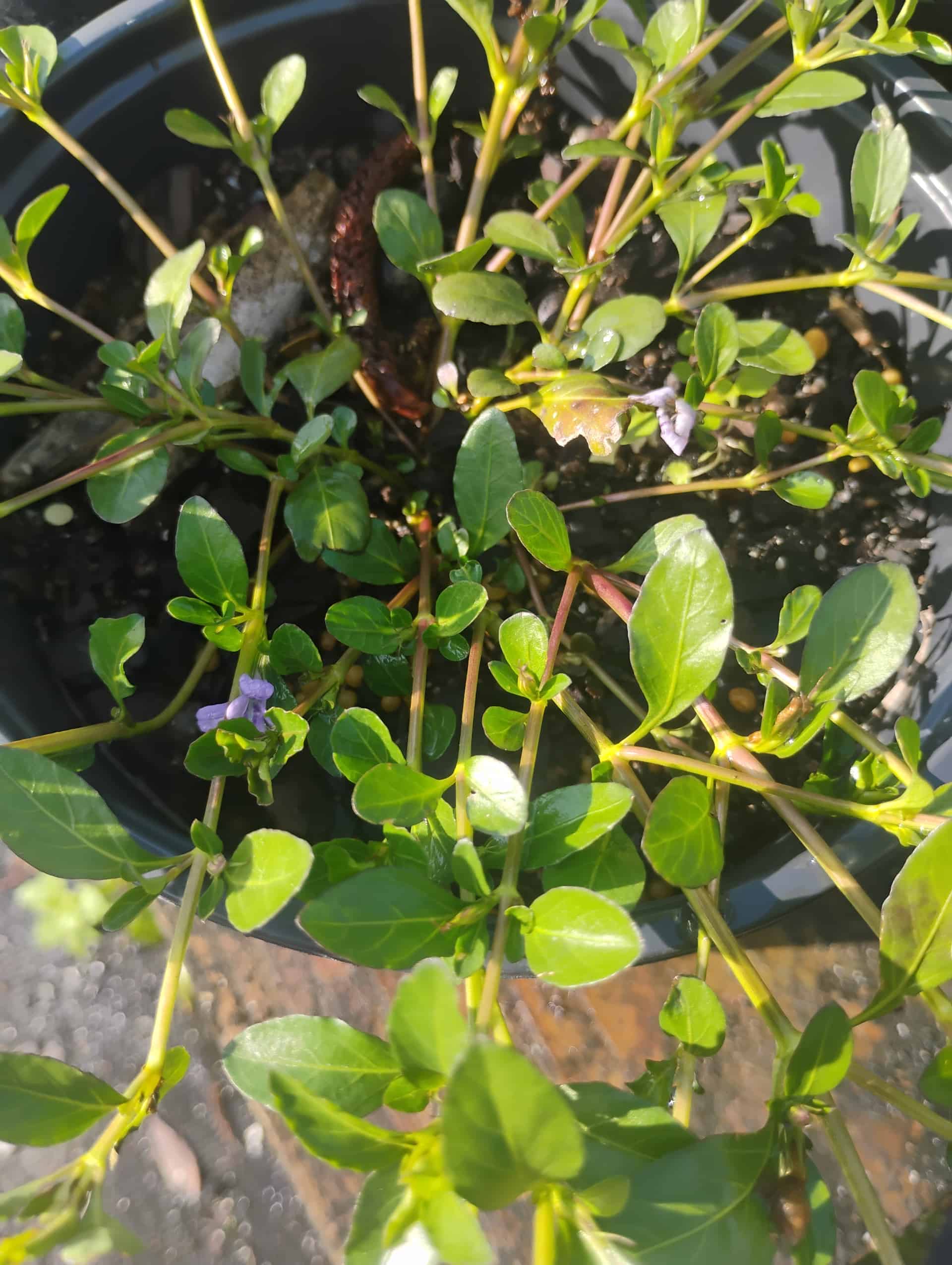
Swamp Twinflower
Shares 5 of the same needs: shade, moderate water, sandy, zone 9a hardiness, and pollinator-friendly.
You may also like
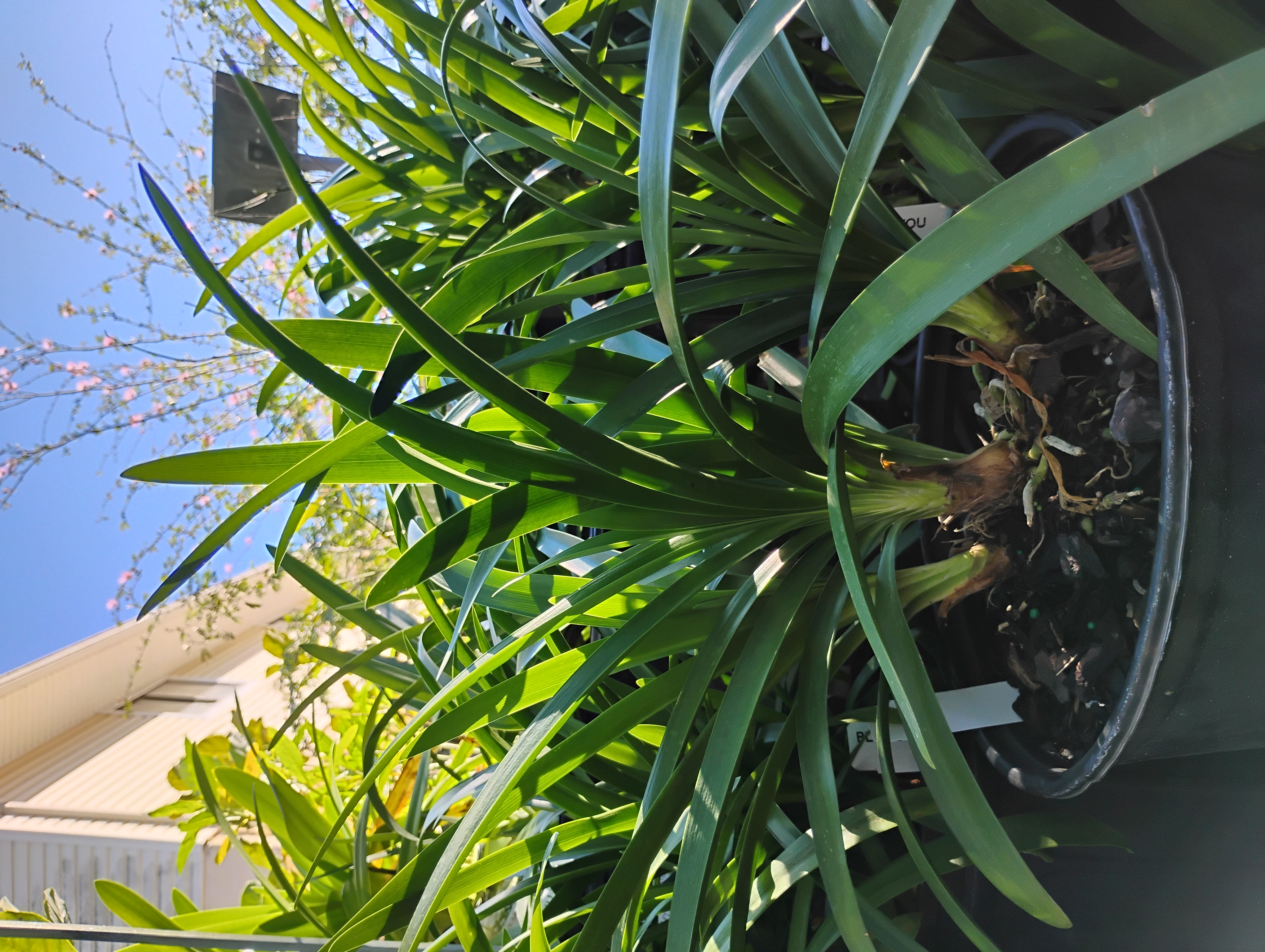 Perennial
Agapanthus
Agapanthus praecox
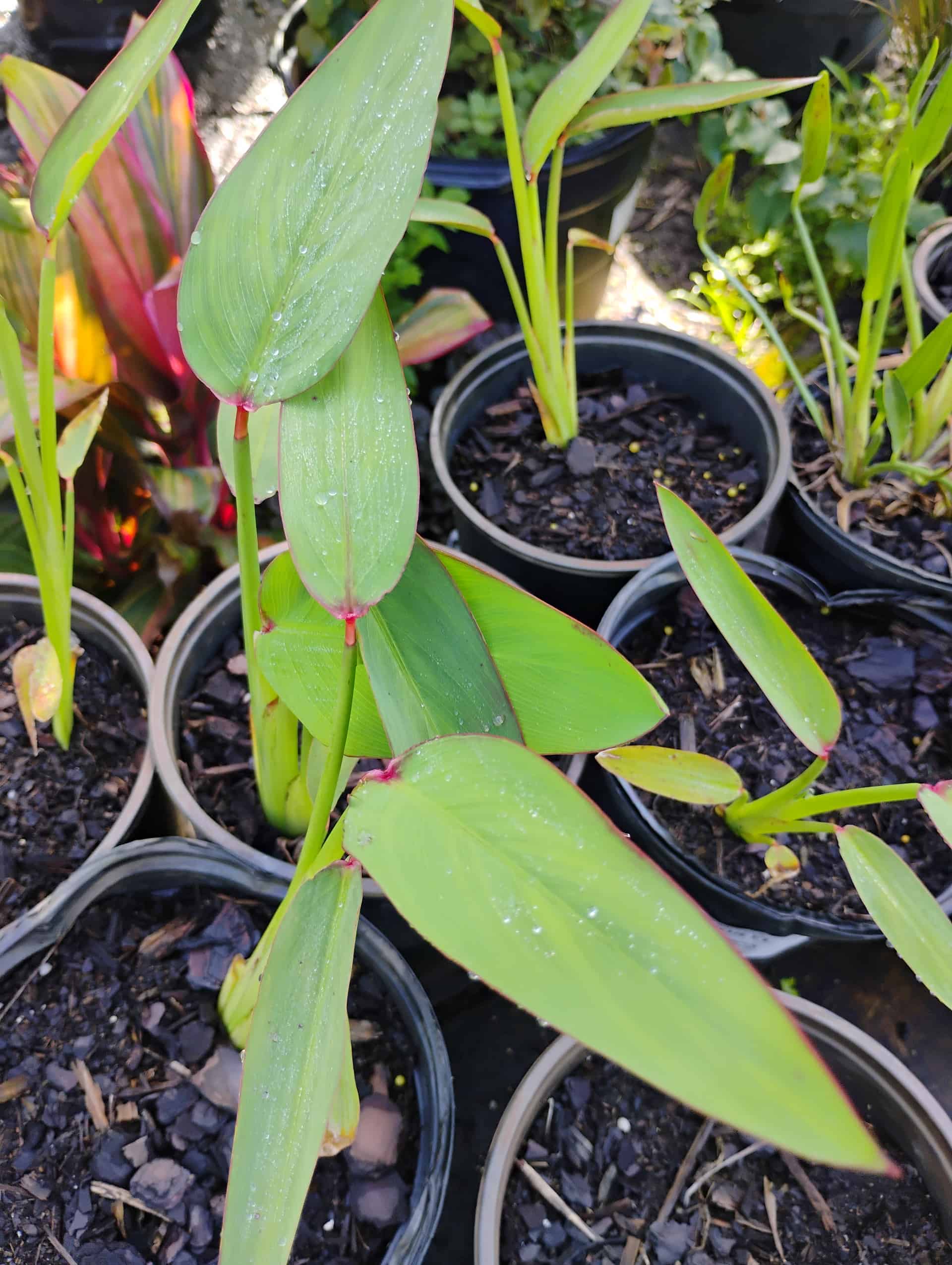 Perennial
Alligator Flag
Thalia geniculata
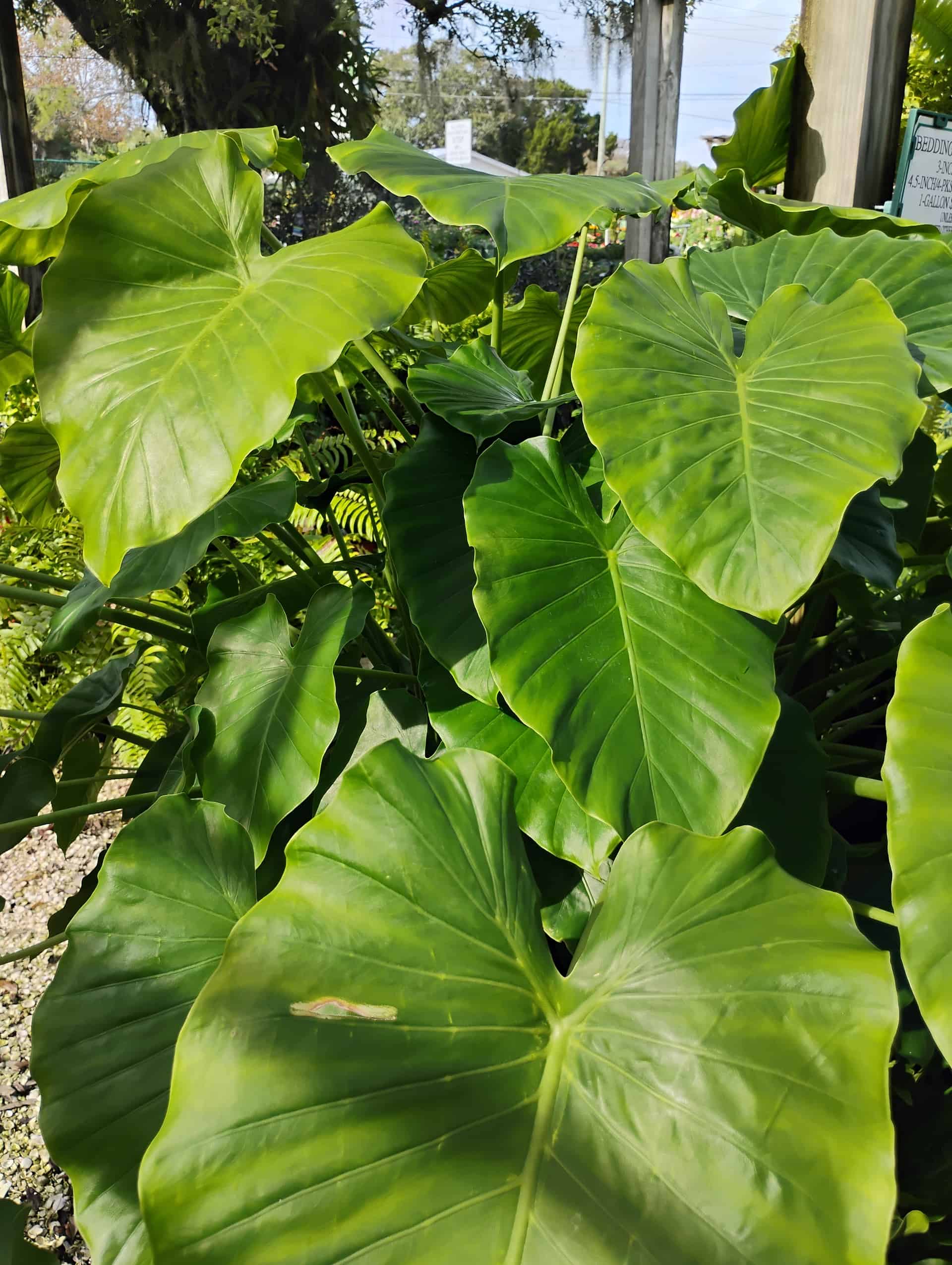 Perennial
Alocasia
Alocasia
Common questions
Is Creeping Sage a good plant for St. Augustine?
Creeping Sage is a perennial. Mature size: 0.5-1 feet × 3-5 feet. Light: Full Sun, Part Shade, Full Shade. Water needs: Low to Moderate. Creeping Sage is native to Florida. Recorded hardiness zone: 9a.
What is the recorded pet toxicity for Creeping Sage?
Non-toxic to dogs and cats
Care information verified from
Last reviewed March 2026. Our care guidance comes from trusted horticulture sources and decades of helping St. Augustine gardeners. Conditions here can vary dramatically from one area to the next, so come ask us and we'll tailor it to your yard.