
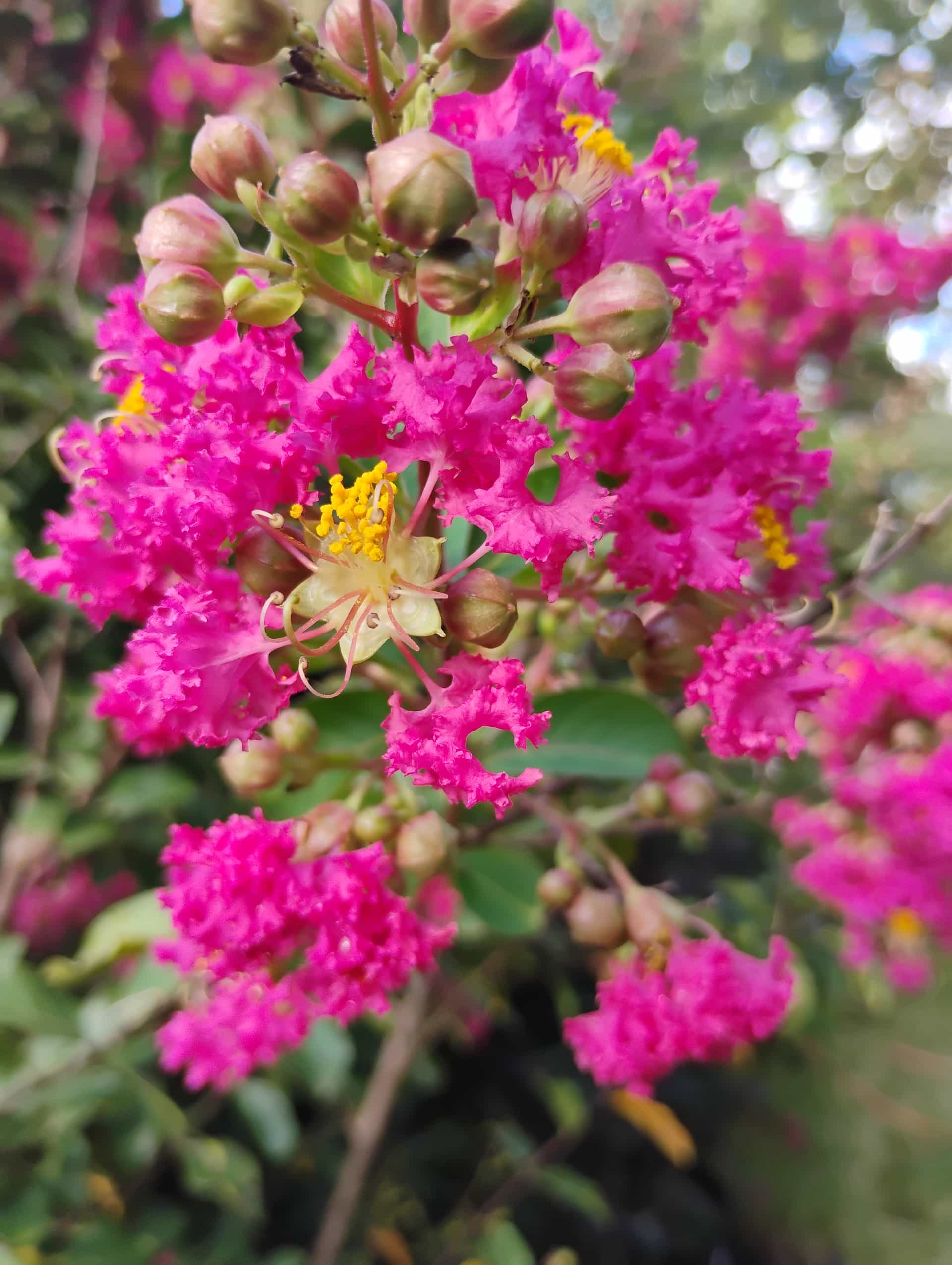
Varieties We Bring In
Ind Double Dynamite
Standard · Medium Pink · Center Stage, Pink PW
Ind Double Dynamite · Ind Summerlasting Strawberry · Enduring White · White · Dynamite · Double Dynamite, White · Black Diamond Purely Purple
Black Diamond · Enduring Red · Purple Magic · Red Rooster · Natchez
Red Rooster · Natchez · Pink Velour · Tuscarora · Arapaho · Basham's Party Pink · Weeping (split trunk) · Dynamite · Black Diamond White · Black Diamond Best Red · Black Diamond Mystic Magenta · Catawba · Black Diamond Crimson Red · Sioux · HOPI · Muskogee, STD · Lunar Magic Grafted White
Natchez · Tuscarora · Arapaho · Basham's Party Pink · Sioux · Muskogee, STD · Tonto, STD
Enduring Red · Basham's Party Pink · Muskogee, STD · Queen · Scarlet
Enduring Red
We received some Crape Myrtle on Sep 8, 2026.
We bring this in seasonally, so what is on the lot changes week to week. A received date shows when it last came in, not that it is here today.
Call (904) 471-0440 to confirm this plant and size before you make the trip.
Last received Sep 8, 2026.
We bring this in seasonally, so what is on the lot changes week to week. A received date shows when it last came in, not that it is here today.
Call (904) 471-0440 to confirm this plant and size before you make the trip.
Pet toxicity: Non-toxic to dogs and cats
Pet safety guideAbout Crape Myrtle
Crape Myrtle (Lagerstroemia indica) is a deciduous flowering tree or large shrub native to China and Korea, celebrated for its long-lasting summer flower clusters in shades of white, pink, red, and purple, plus exfoliating mottled bark and vivid fall foliage. It is one of the most widely planted ornamental trees across the American South.
Plant details
- Bloom Season
- Summer
- Flower Color
- White, Red, Pink, Purple, Multi
- Growth Rate
- Fast
- Foliage
- Deciduous
- Soil
- Sandy, Loam, Clay, Well-drained
Best planting months
Recommended months: March, April, May, September, October, November.
Seasonal care
New foliage emerges. Good planting window.
Bloom season.
Foliage may begin to change or drop. Ideal planting window.
Dormant — drops foliage.
Care essentials
Crape myrtle demands full sun — at least 6 hours daily — for maximum bloom; shade reduces flowering and increases powdery mildew risk in Florida's humid climate.
Water regularly until established, then crape myrtle is quite drought-tolerant in NE Florida; deep, infrequent watering is preferred over frequent shallow irrigation.
Grows in sandy, loam, or clay soils with good drainage. Fertilize once in spring with a balanced slow-release fertilizer; avoid excess nitrogen which promotes foliage over blooms. Do not top-prune ('crape murder') — choose a cultivar sized for your space.
Similar needs
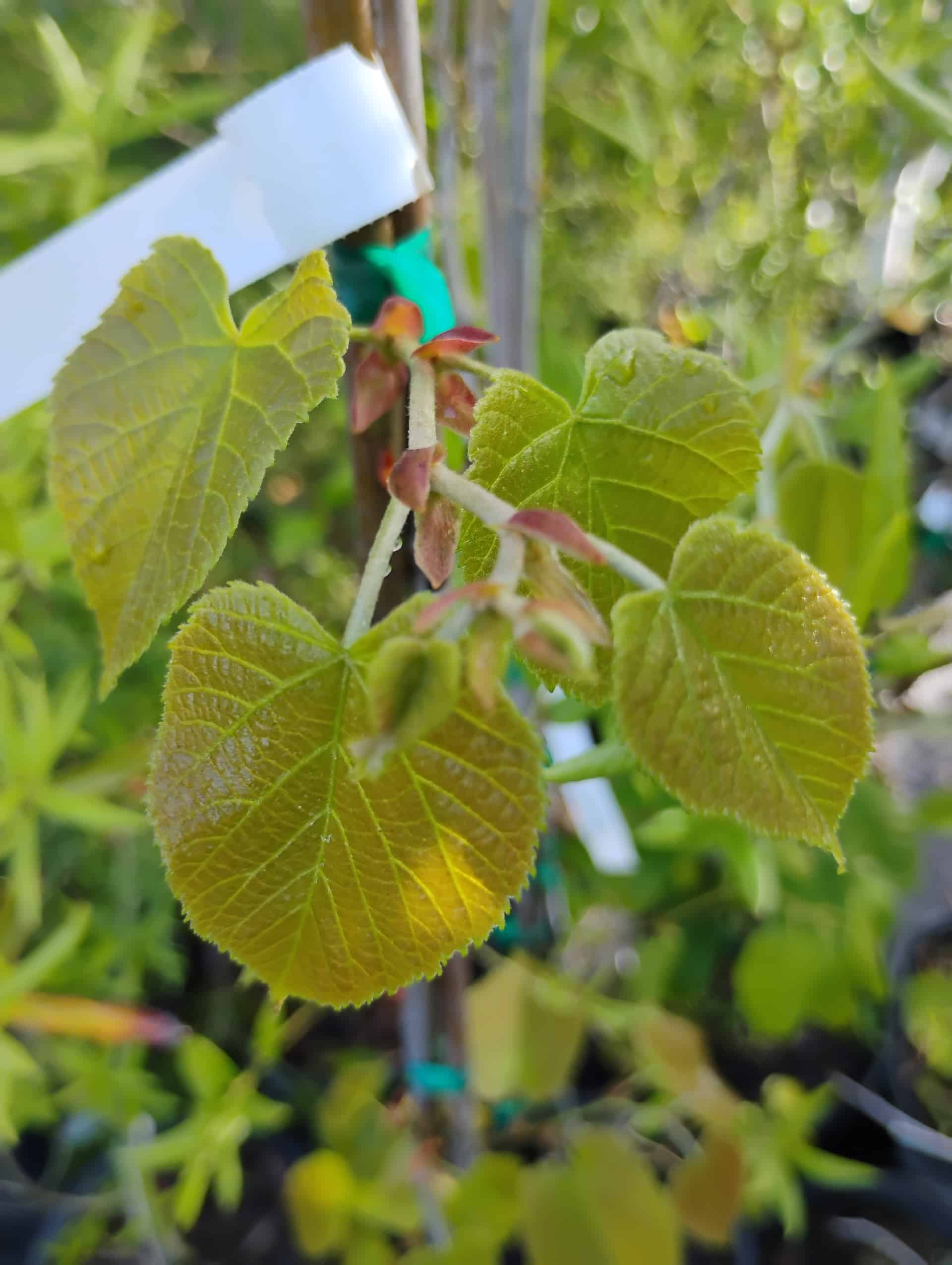
Basswood
Shares 5 of the same needs: full sun, moderate water, loam, zone 9a hardiness, and pollinator-friendly.
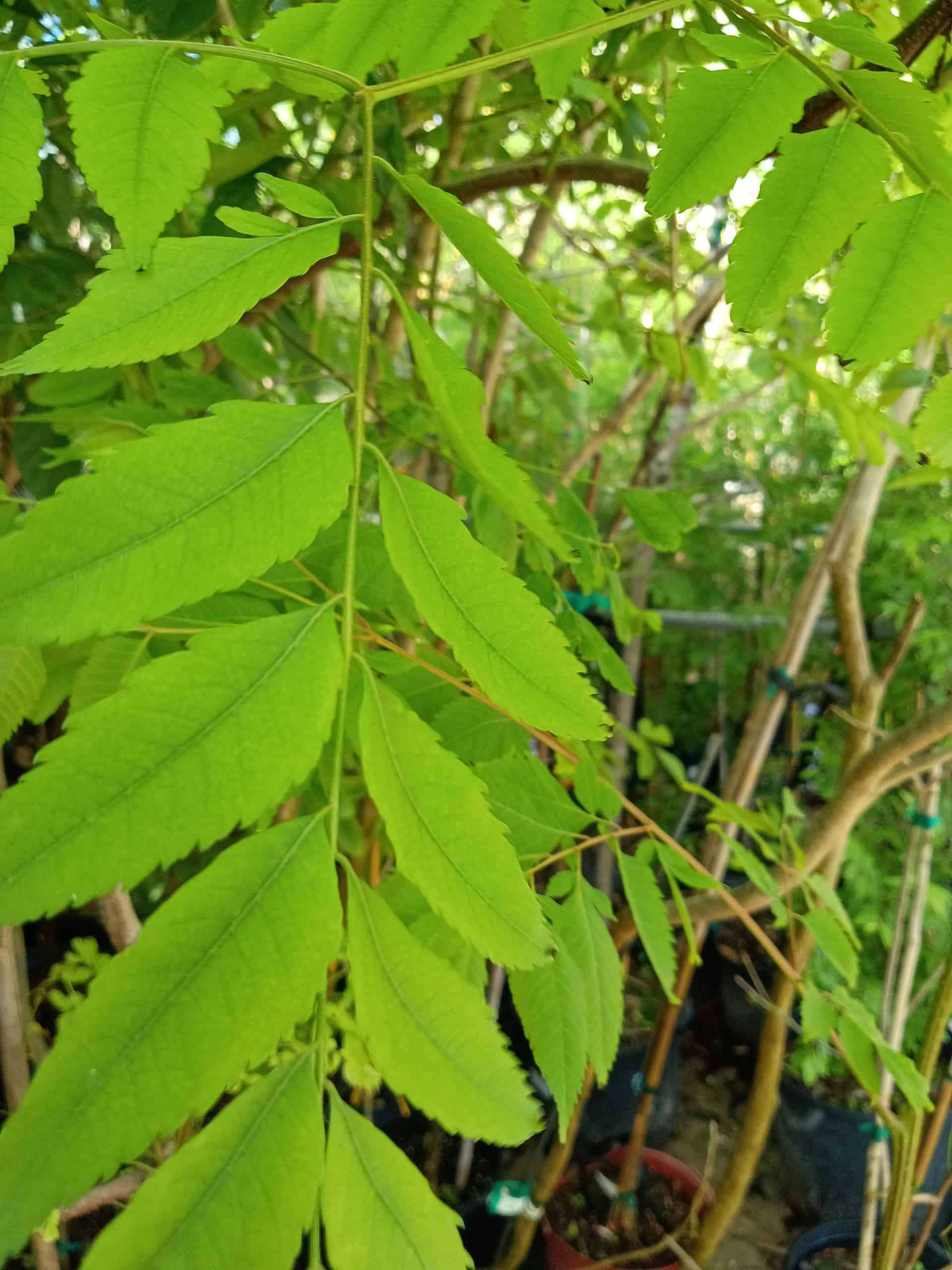
Golden Rain Tree
Shares 5 of the same needs: full sun, moderate water, sandy, zone 9a hardiness, and pollinator-friendly.
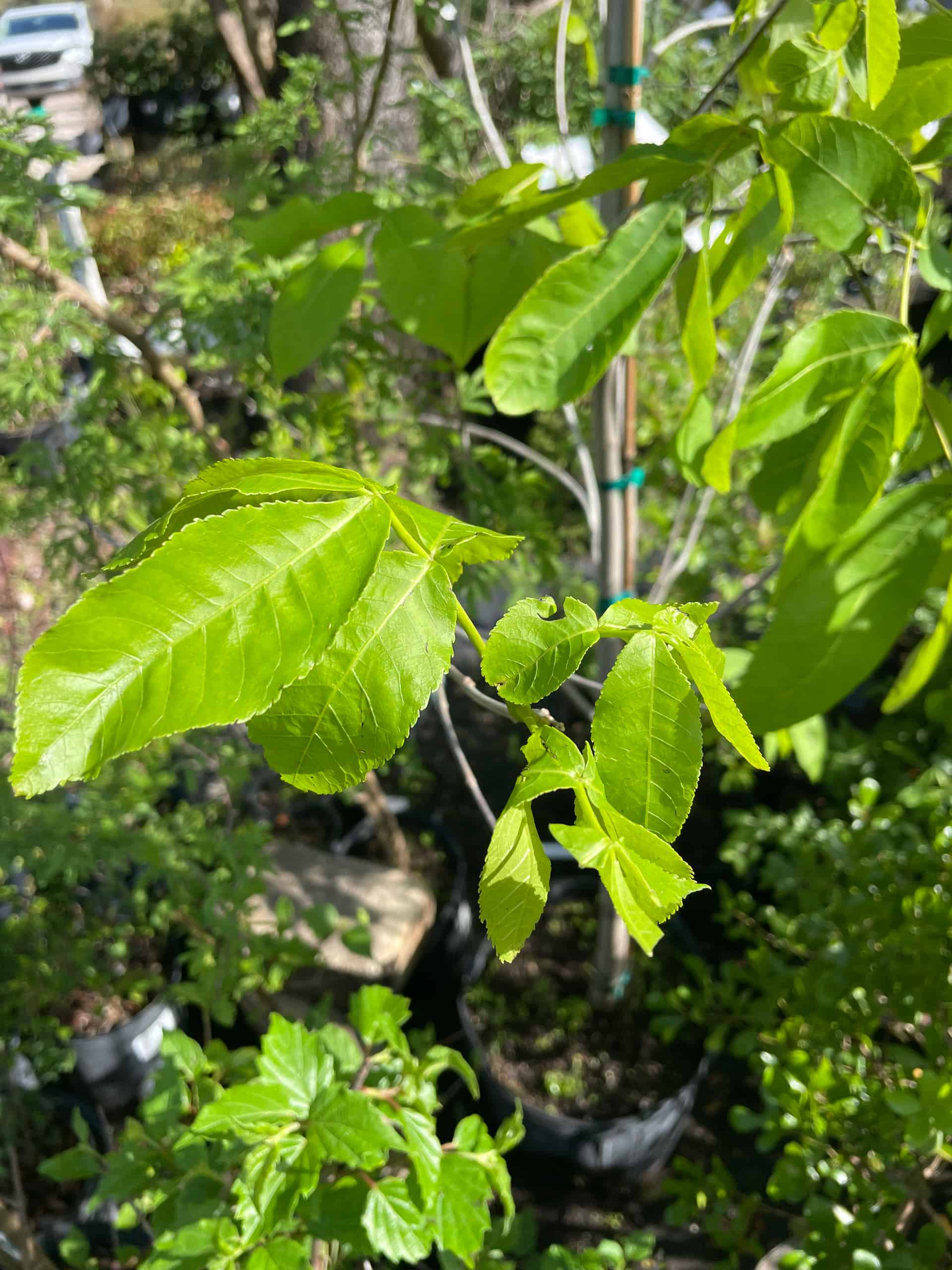
Pignut Hickory
Shares 5 of the same needs: full sun, moderate water, sandy, zone 9a hardiness, and pollinator-friendly.
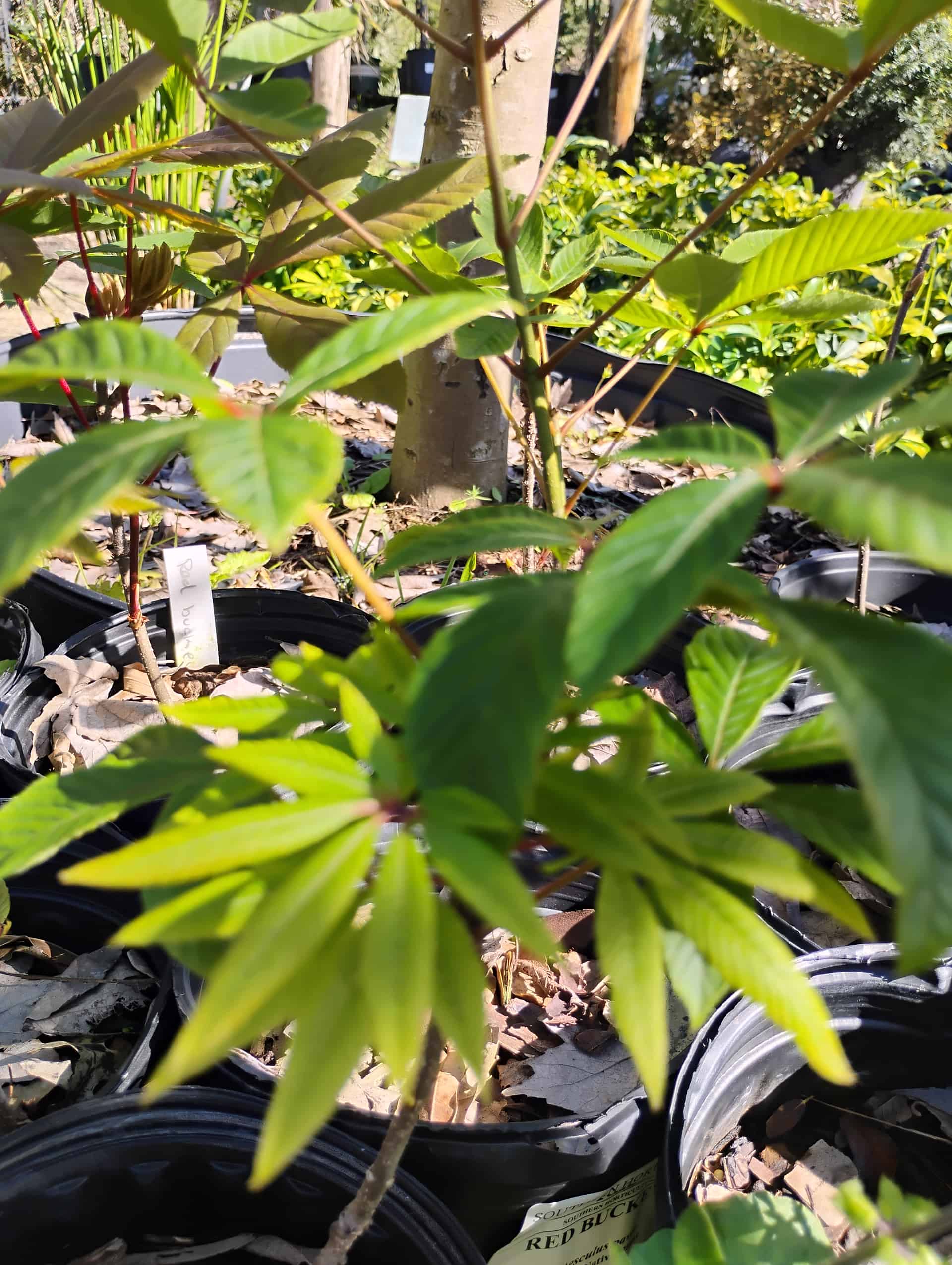
Red Buckeye
Shares 5 of the same needs: full sun, moderate water, sandy, zone 9a hardiness, and pollinator-friendly.
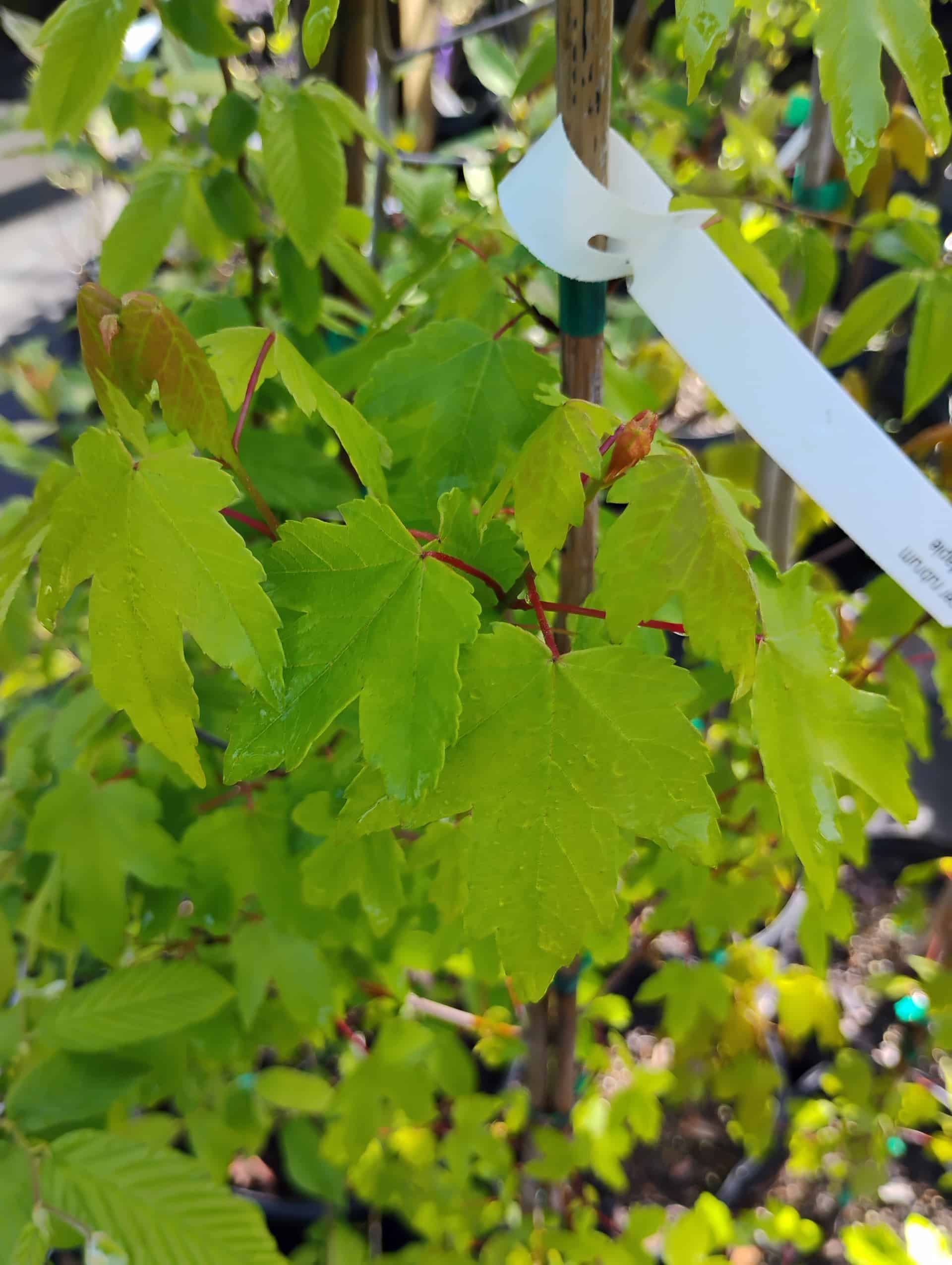
Red Maple
Shares 5 of the same needs: full sun, moderate water, sandy, zone 9a hardiness, and pollinator-friendly.

Shumard Oak
Shares 5 of the same needs: full sun, moderate water, sandy, zone 9a hardiness, and pollinator-friendly.
You may also like
TreeRed Buckeye
Aesculus pavia
Serviceberry
Amelanchier arborea
American Beech
Fagus grandifolia
Common questions
Is Crape Myrtle a good plant for St. Augustine?
Crape Myrtle is a tree. Mature size: 3-30 feet × 6-25 feet (highly variable by cultivar). Light: Full Sun. Water needs: Moderate. Recorded hardiness zone: 9a.
What is the recorded pet toxicity for Crape Myrtle?
Non-toxic to dogs and cats
Care information verified from
Last reviewed February 2026. Our care guidance comes from trusted horticulture sources and decades of helping St. Augustine gardeners. Conditions here can vary dramatically from one area to the next, so come ask us and we'll tailor it to your yard.