
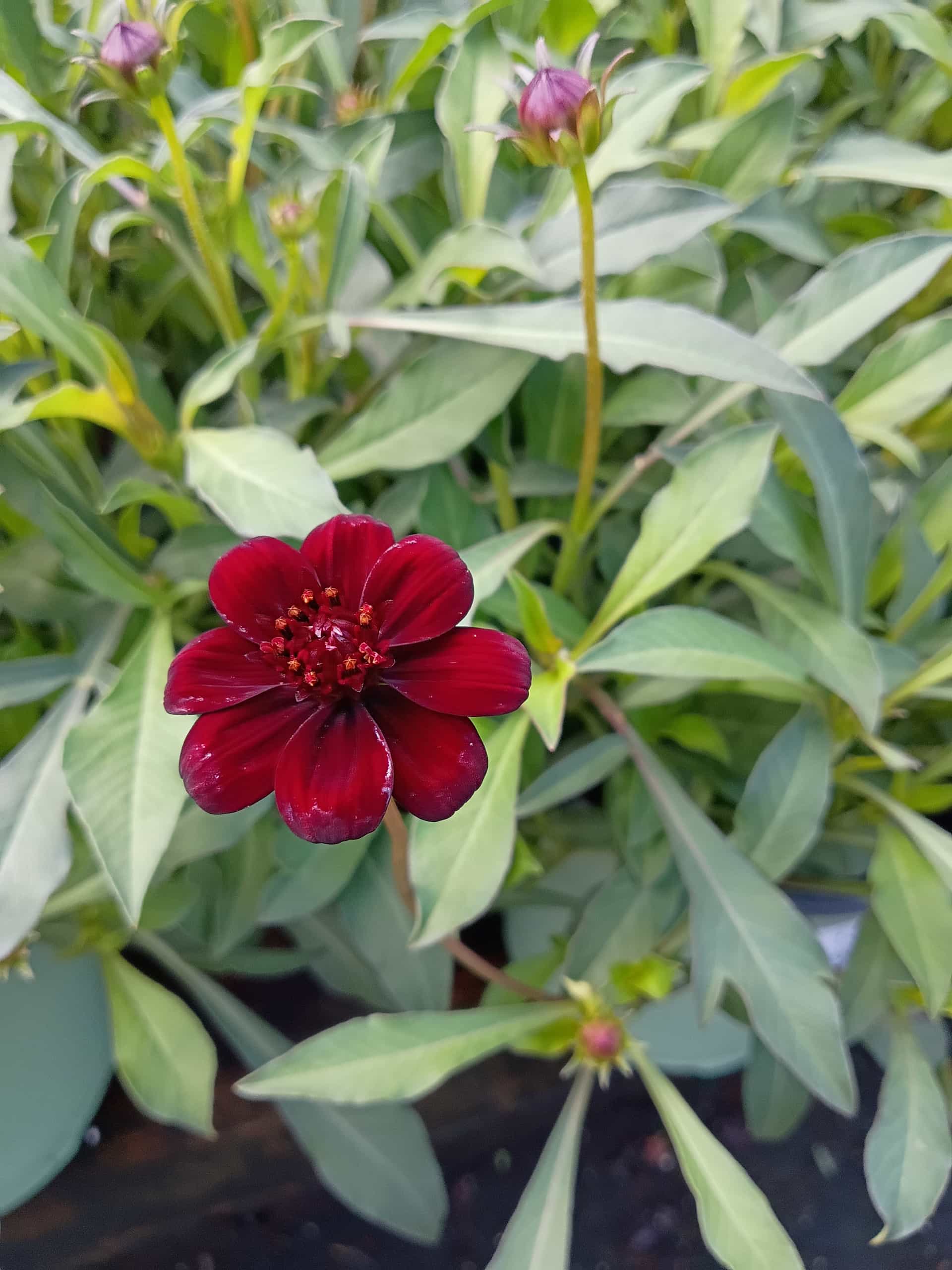
Varieties We Bring In
Cosmic Red · Chocamocha · Cosmic Orange · Sonata Carmine
Standard · Sonata Knee-High Mix · Snow White Sonata · Double Click Rose Bon Bon
We received some Cosmos on Oct 22, 2026.
We bring this in seasonally, so what is on the lot changes week to week. A received date shows when it last came in, not that it is here today.
Call (904) 471-0440 to confirm this plant and size before you make the trip.
Last received Oct 22, 2026.
We bring this in seasonally, so what is on the lot changes week to week. A received date shows when it last came in, not that it is here today.
Call (904) 471-0440 to confirm this plant and size before you make the trip.
Pet toxicity: Non-toxic to dogs and cats
Pet safety guideAbout Cosmos
Sulphur Cosmos (Cosmos sulphureus) is a Mexican annual bearing semi-double, daisy-like flowers in vivid orange, red, and yellow on upright, feathery-leaved stems. Exceptionally heat-tolerant and fast-growing, it thrives in full sun and poor soils, blooming prolifically from spring through fall in NE Florida and attracting butterflies and bees throughout the season.
Plant details
- Bloom Season
- Spring, Summer, Fall
- Flower Color
- Yellow, Orange, Red
- Growth Rate
- Fast
- Foliage
- Annual
- Soil
- Sandy, Loam, Well-drained
Best planting months
Recommended months: March, April, May.
Seasonal care
New foliage emerges. Good planting window.
Bloom season.
Bloom season. Foliage may begin to change or drop.
Dormant — drops foliage.
Care essentials
Plant in full sun; Cosmos sulphureus is one of the most heat-tolerant cosmos for Florida's warm season, blooming from spring through fall in NE Florida.
Low to moderate water needs; drought-tolerant once established and actually blooms better in leaner, drier conditions — avoid overwatering or rich, wet soils that cause lush foliage but poor flowering.
Thrives in poor to average, well-drained soils — NE Florida's sandy soils are ideal. Avoid fertilizing heavily; excess nitrogen produces tall, floppy plants with few flowers. Deadhead spent blooms to prolong flowering through summer and fall.
Similar needs
African Iris
Shares 7 of the same needs: full sun, moderate water, sandy, salt tolerance, deer resistance, zone 9a hardiness, and pollinator-friendly.

Blue Daze
Shares 7 of the same needs: full sun, moderate water, sandy, salt tolerance, deer resistance, zone 9a hardiness, and pollinator-friendly.

Butterfly Bush
Shares 7 of the same needs: full sun, moderate water, sandy, salt tolerance, deer resistance, zone 9a hardiness, and pollinator-friendly.
Golden Dewdrop
Shares 7 of the same needs: full sun, moderate water, sandy, salt tolerance, deer resistance, zone 9a hardiness, and pollinator-friendly.

Indian Hawthorn
Shares 7 of the same needs: full sun, moderate water, sandy, salt tolerance, deer resistance, zone 9a hardiness, and pollinator-friendly.
Ligustrum
Shares 7 of the same needs: full sun, moderate water, sandy, salt tolerance, deer resistance, zone 9a hardiness, and pollinator-friendly.
You may also like
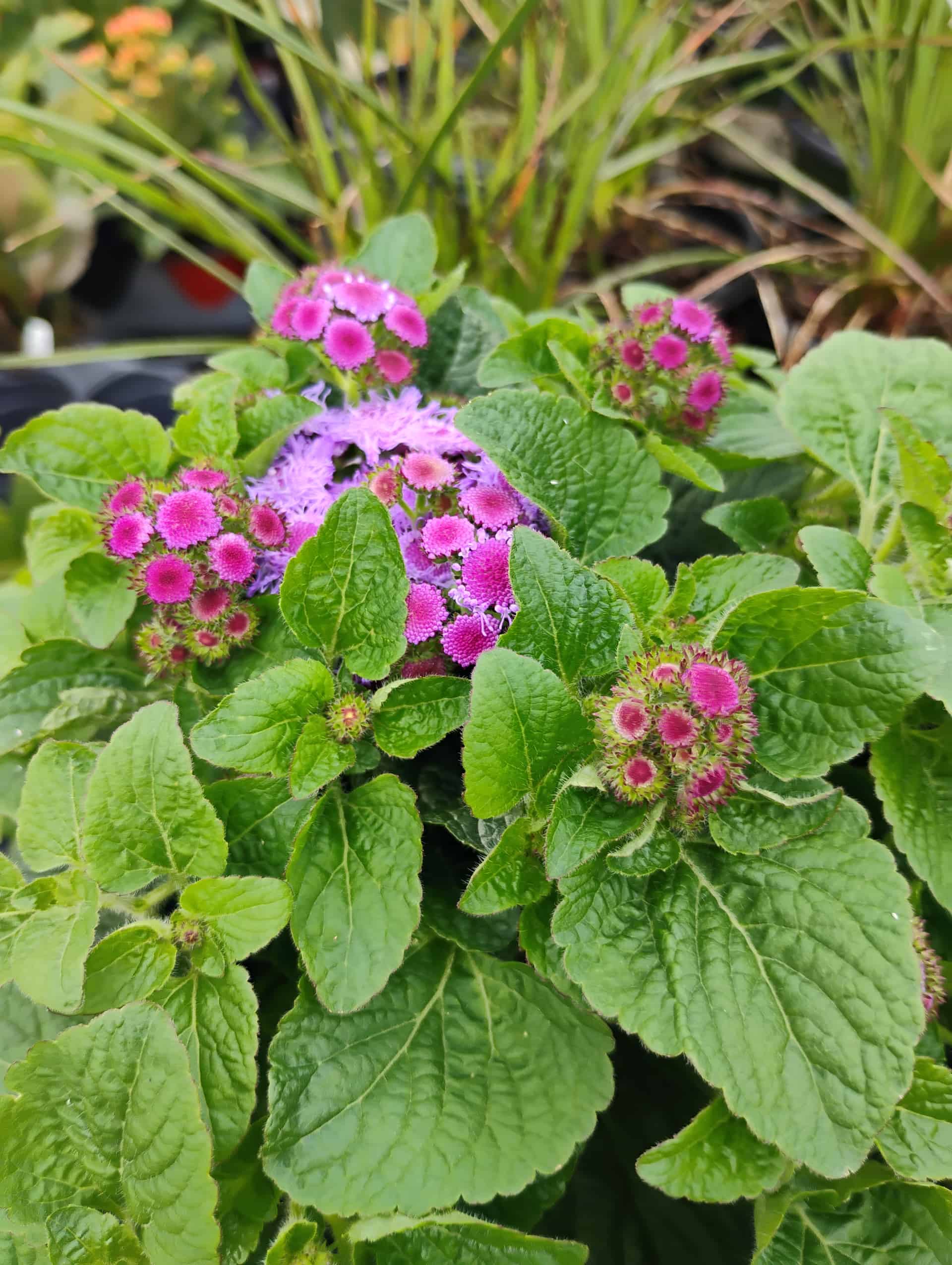 Annual
Ageratum
Ageratum houstonianum
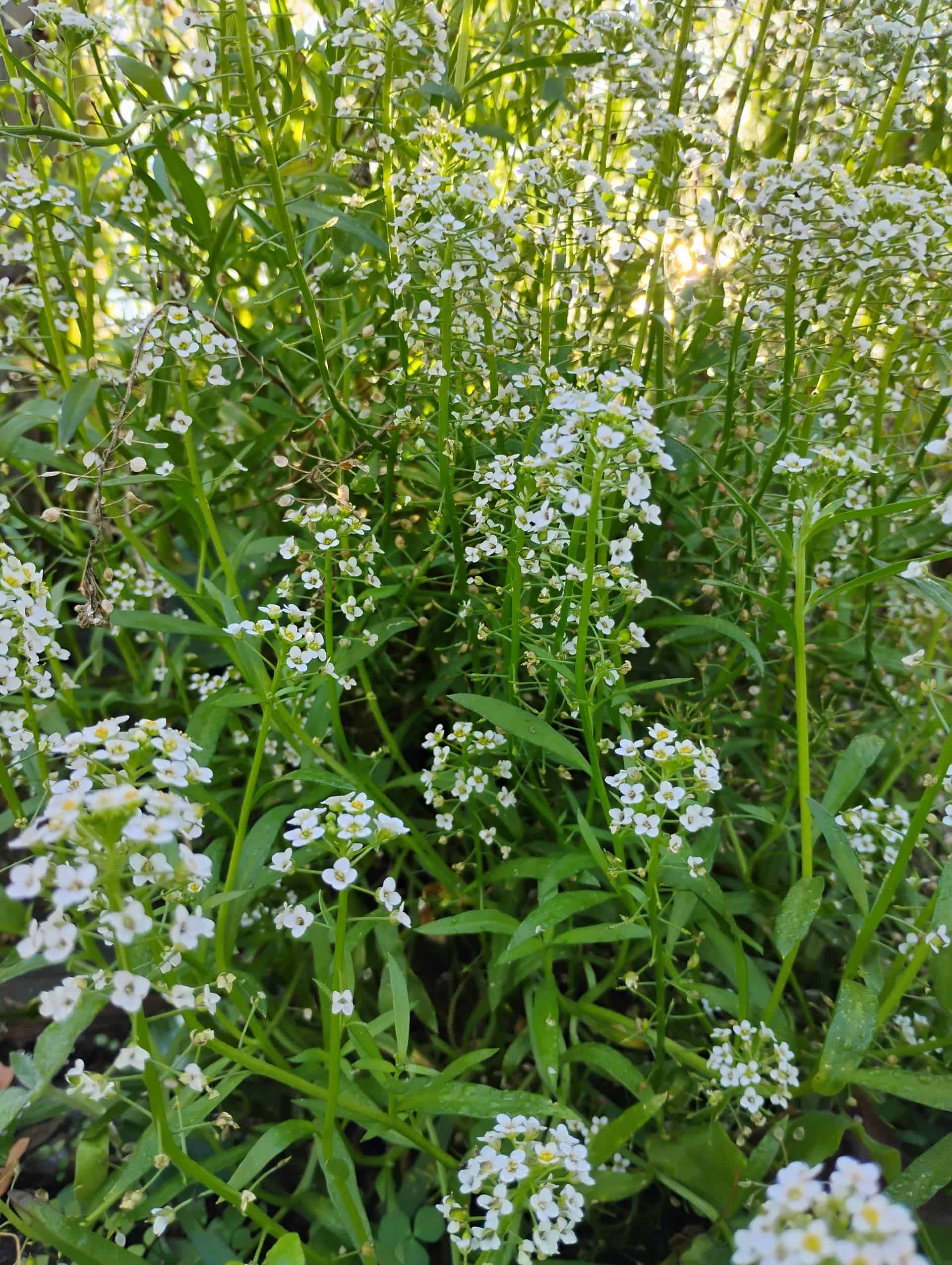 Annual
Alyssum
Lobularia maritima
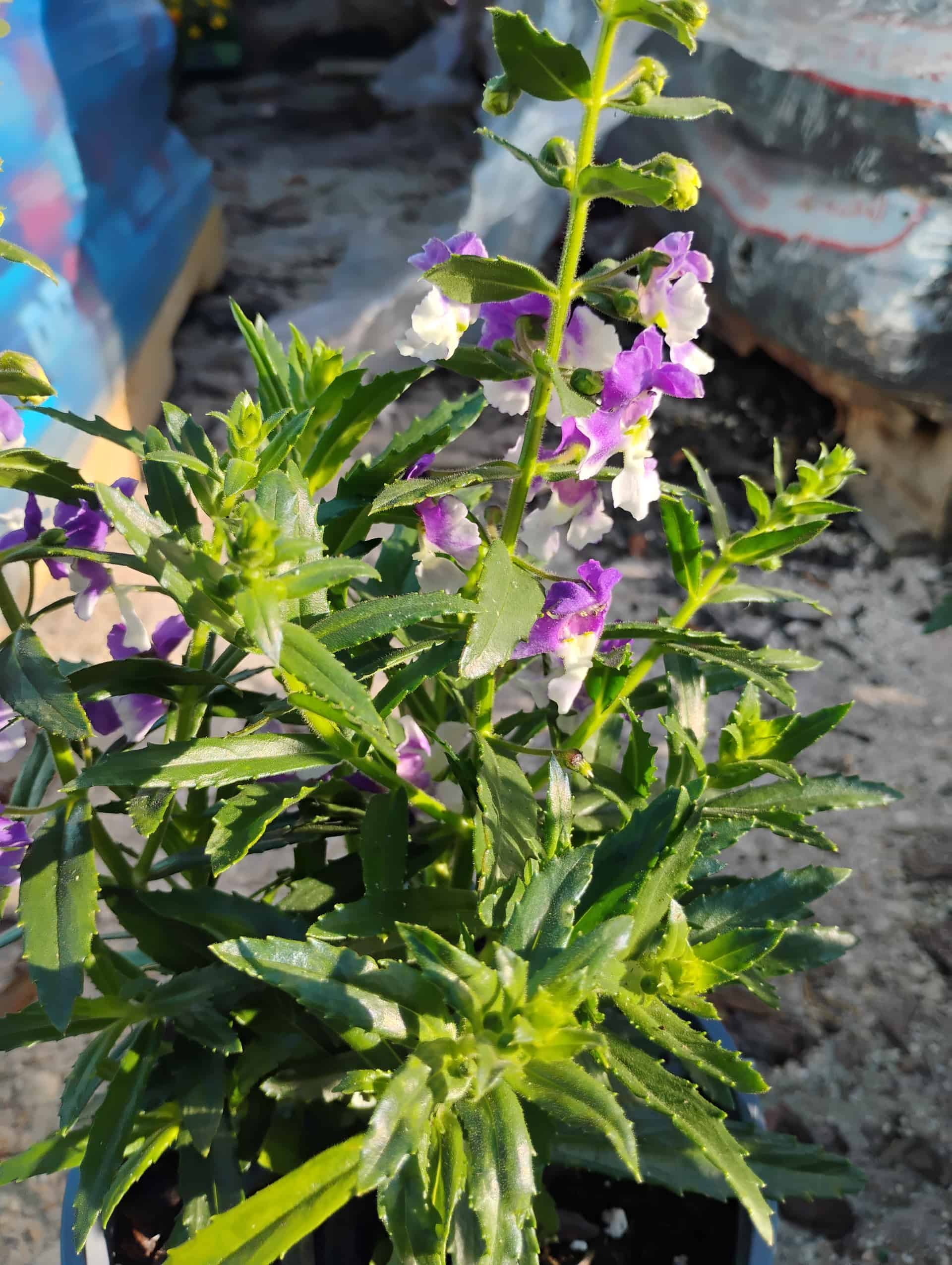 Annual
Angelonia
Angelonia angustifolia
Common questions
Is Cosmos a good plant for St. Augustine?
Cosmos is an annual. Mature size: 1-3 feet (C. sulphureus); up to 6 feet for C. bipinnatus × 2-3 feet (varies by cultivar). Light: Full Sun. Water needs: Low to Moderate. Recorded hardiness zone: 9a. Recorded salt tolerance: moderate.
What is the recorded pet toxicity for Cosmos?
Non-toxic to dogs and cats
Care information verified from
Last reviewed February 2026. Our care guidance comes from trusted horticulture sources and decades of helping St. Augustine gardeners. Conditions here can vary dramatically from one area to the next, so come ask us and we'll tailor it to your yard.