
Traits
Varieties We Bring In
Bananappeal
Standard · Florida Sunshine
Standard · Florida Sunshine · Green
We received some Yellow Anise on Sep 24, 2026.
We bring this in seasonally, so what is on the lot changes week to week. A received date shows when it last came in, not that it is here today.
Call (904) 471-0440 to confirm this plant and size before you make the trip.
Last received Sep 24, 2026.
We bring this in seasonally, so what is on the lot changes week to week. A received date shows when it last came in, not that it is here today.
Call (904) 471-0440 to confirm this plant and size before you make the trip.
Pet toxicity: not on file, check before planting where pets chew
Pet safety guideAbout Yellow Anise
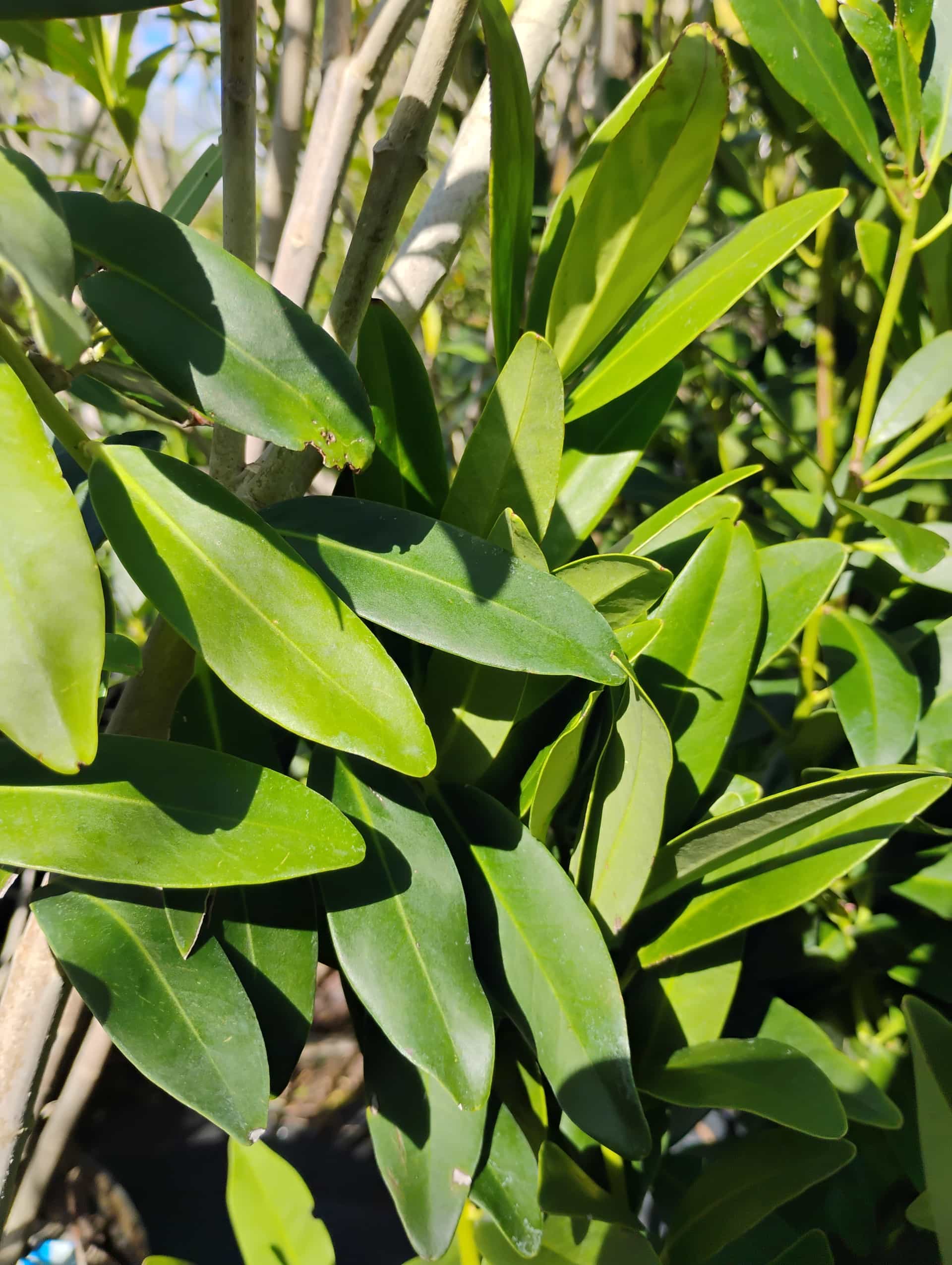
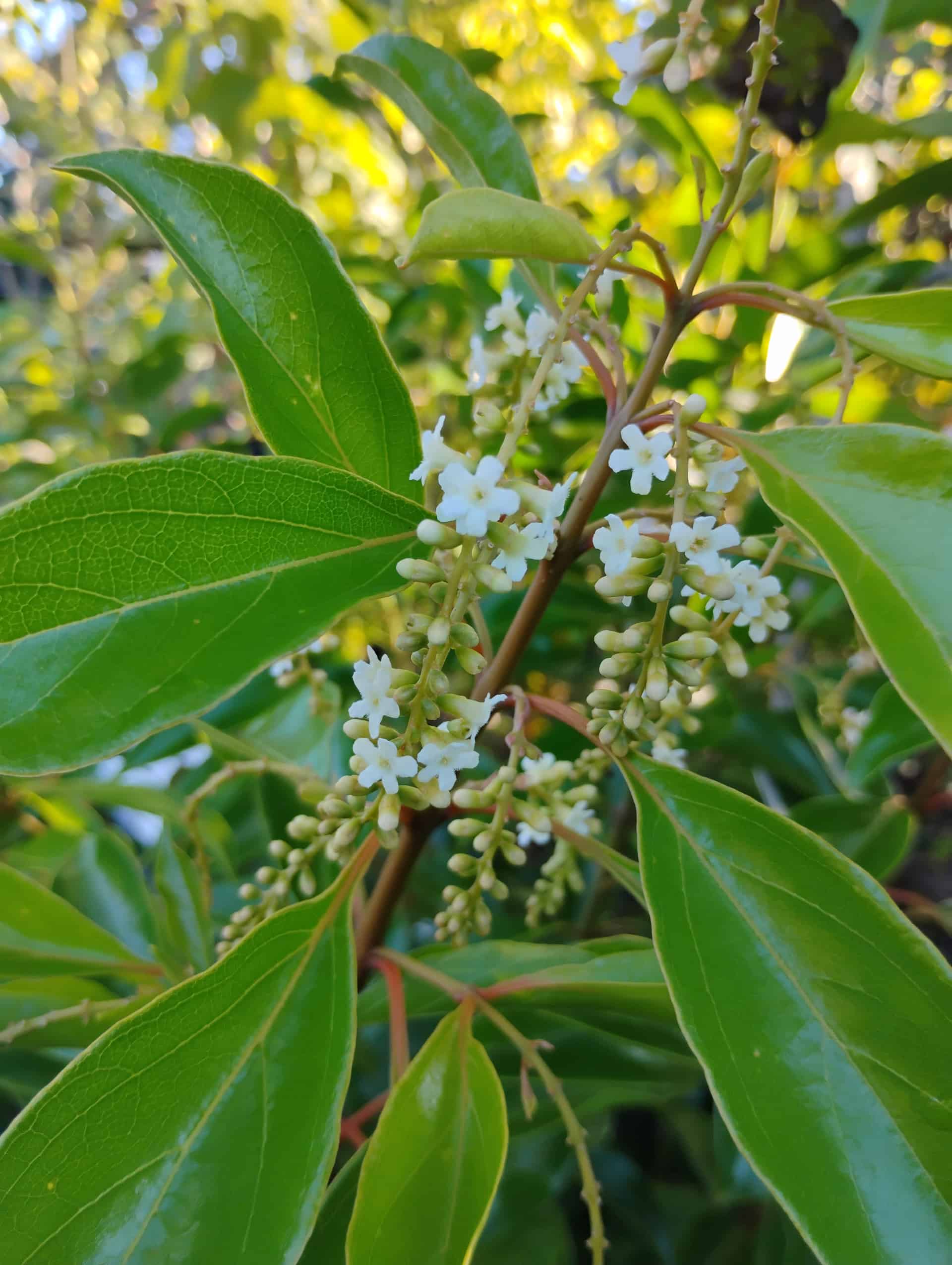
Yellow anise (Illicium parviflorum) is a fast-growing Florida-native evergreen shrub with strongly anise-scented foliage and inconspicuous yellowish spring flowers. Native to spring-fed stream edges in central Florida and hardy through zone 9b, it forms a dense aromatic screen or hedge in moist to moderately dry shaded or sunny sites in NE Florida landscapes.
Plant details
- Bloom Season
- Spring
- Flower Color
- White, Yellow
- Growth Rate
- Fast
- Foliage
- Evergreen
- Soil
- Sandy, Loam, Acidic, Moist, Well-drained
Best planting months
Recommended months: March, April, May, September, October, November.
Seasonal care
Bloom season. Good planting window.
Bloom season.
Ideal planting window.
Retains foliage through winter.
Care essentials
Yellow anise grows well in full sun through full shade, though it may thin out in heavy shade; in NE Florida it performs well in full sun if soils are kept consistently moist, and is an excellent choice for shaded understory or north-facing beds where few large shrubs thrive.
Yellow anise prefers consistently moist, rich soil and appreciates regular watering — especially in its first two years. Once established it tolerates some drought, but in NE Florida's sandy soils supplemental irrigation during dry periods (October–May) keeps it vigorous and dense.
Plant yellow anise in moist, acidic, organically rich sandy or loamy soil; amend with compost at planting to improve moisture retention in NE Florida's droughty sands. Apply a slow-release acid-forming fertilizer (e.g., azalea/camellia formula) once in spring to maintain lush, dark green foliage.
Similar needs
Baby Tears
Shares 4 of the same needs: shade, loam, salt tolerance, and zone 9a hardiness.
Banana
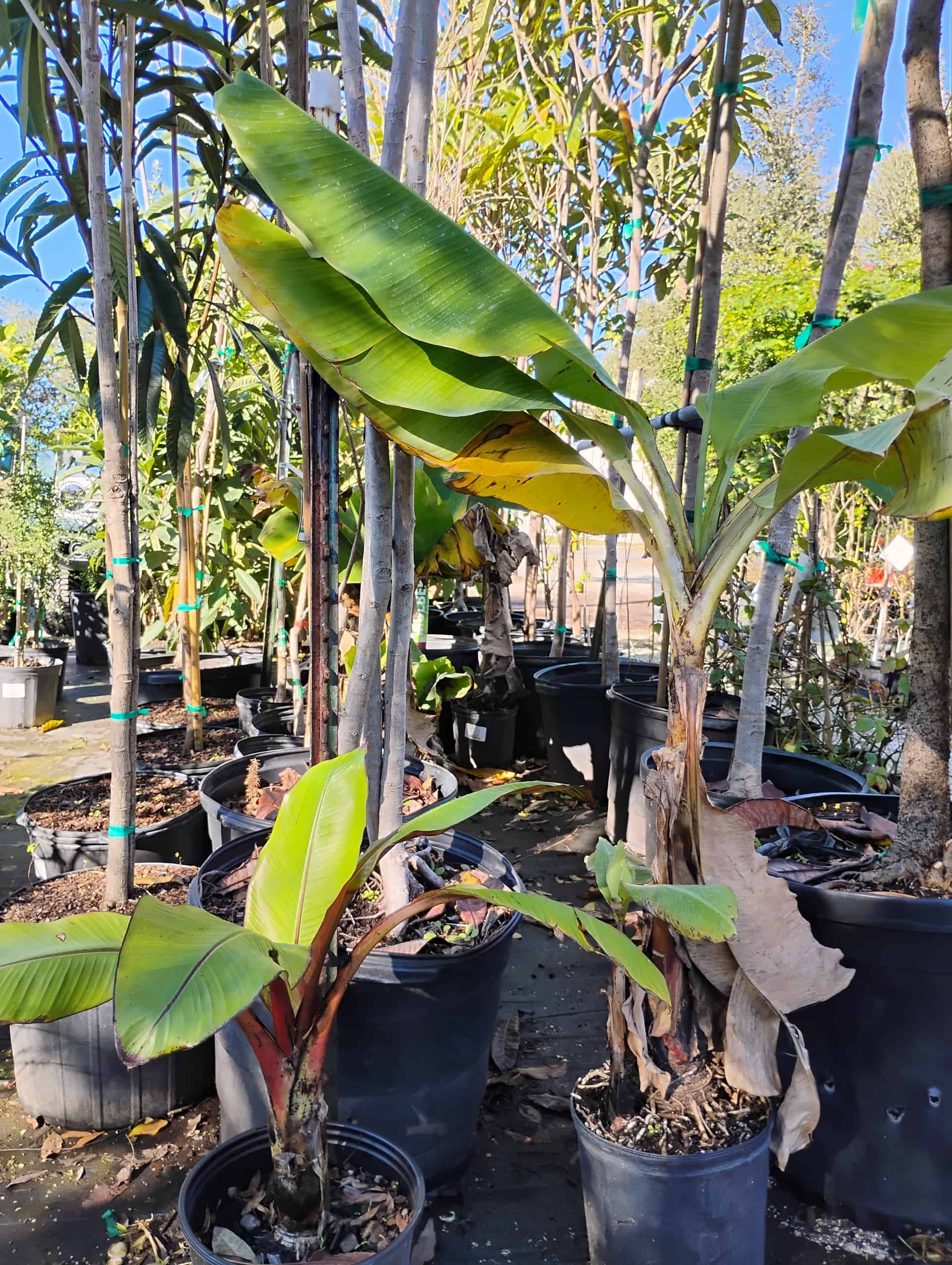
Shares 4 of the same needs: full sun, sandy, salt tolerance, and zone 9a hardiness.

Dutchman's Pipe
Shares 4 of the same needs: full sun, loam, salt tolerance, and zone 9a hardiness.

Lobster Claw
Shares 4 of the same needs: full sun, loam, salt tolerance, and zone 9a hardiness.

Doghobble
Shares 4 of the same needs: shade, moderate water, loam, and zone 9a hardiness.
Banana Shrub
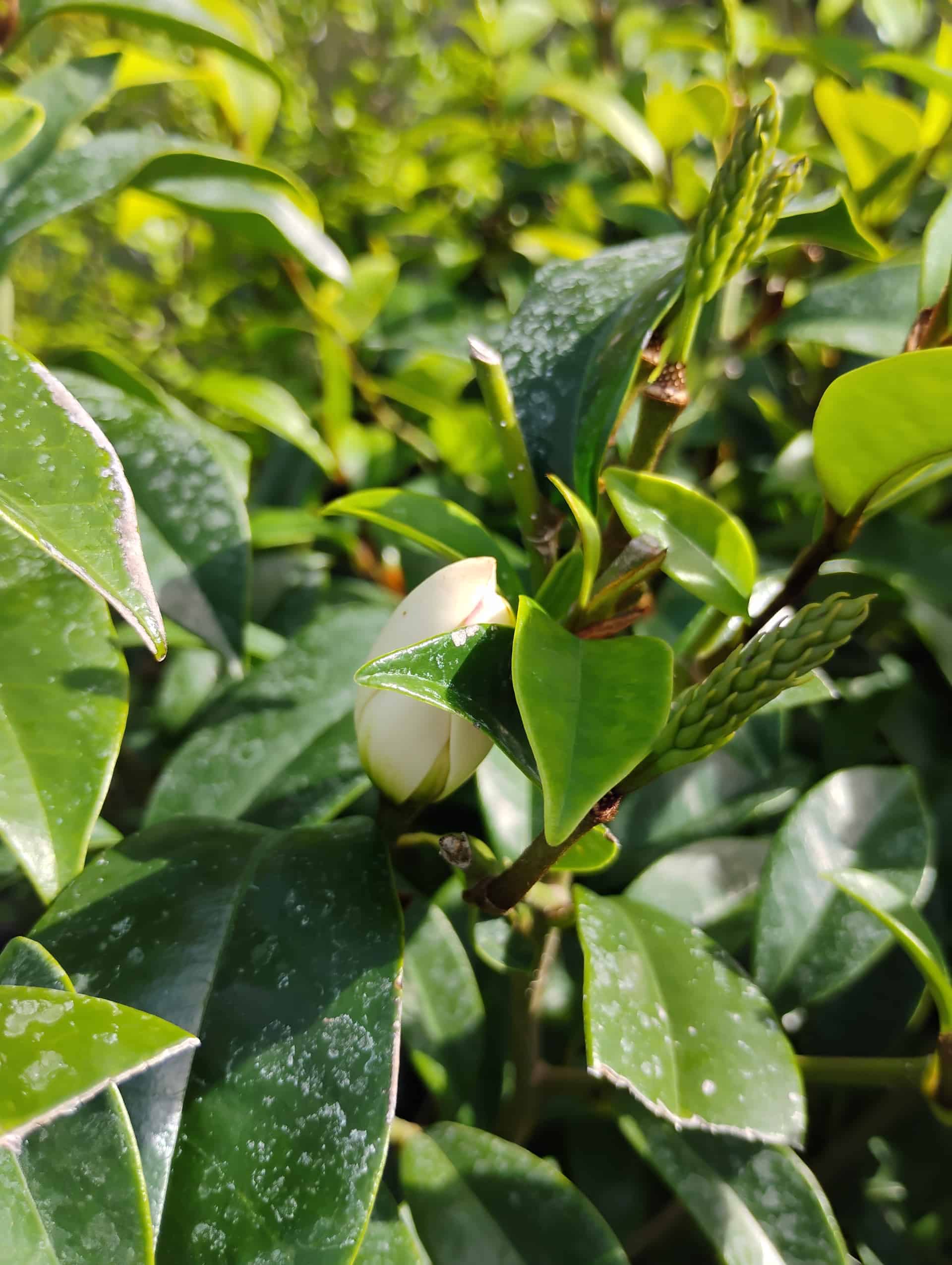
Shares 5 of the same needs: full sun, moderate water, loam, salt tolerance, and zone 9a hardiness.
You may also like
Common questions
Is Yellow Anise a good plant for St. Augustine?
Yellow Anise is a shrub. Mature size: 10-15 feet × 8-12 feet. Light: Full Sun, Part Shade, Full Shade. Water needs: Moderate. Yellow Anise is Florida-Friendly. Recorded hardiness zone: 9a. Recorded salt tolerance: low.
Care information verified from
Last reviewed February 2026. Our care guidance comes from trusted horticulture sources and decades of helping St. Augustine gardeners. Conditions here can vary dramatically from one area to the next, so come ask us and we'll tailor it to your yard.