
Turkey Oak
Quercus laevis
Varieties We Bring In
Last received Mar 11, 2026.
We bring this in seasonally, so what is on the lot changes week to week. A received date shows when it last came in, not that it is here today.
Call (904) 471-0440 to confirm this plant and size before you make the trip.
About Turkey Oak
A native deciduous oak of the southeastern coastal plain adapted to dry, sandy, well-drained soils, characterized by deeply and narrowly lobed leaves with 3-7 bristle-tipped lobes resembling a turkey's foot. It produces brilliant fall color that persists well into winter. Starting at $39.95.
Plant details
- Bloom Season
- Spring
- Growth Rate
- Moderate
- Foliage
- Deciduous
- Soil
- Sandy, Acidic, Well-drained
Care essentials
Requires full sun; Turkey Oak is a xeric species of NE Florida's sandhill and scrub communities that demands open, unobstructed sunlight. It does not perform well in shade — select a site with 6+ hours of direct sun and well-drained, sandy soil.
Extremely drought-tolerant once established — one of the most xeric-adapted native oaks in NE Florida. Water regularly only during the establishment period (first 1–2 seasons); after that, supplemental irrigation is rarely needed even during dry summers.
Thrives in NE Florida's infertile, acidic, excessively well-drained sandy and sandy-loam soils — the drier the better. No fertilizer is needed; it is naturally adapted to low-nutrient scrub conditions. Avoid amended or organically rich soils, which are counter to its ecology.
Similar needs
Christmas Jewel Holly
Shares 5 of the same needs: full sun, low water, sandy, zone 9a hardiness, and pollinator-friendly.
Live Oak
Shares 5 of the same needs: full sun, low water, sandy, zone 9a hardiness, and pollinator-friendly.
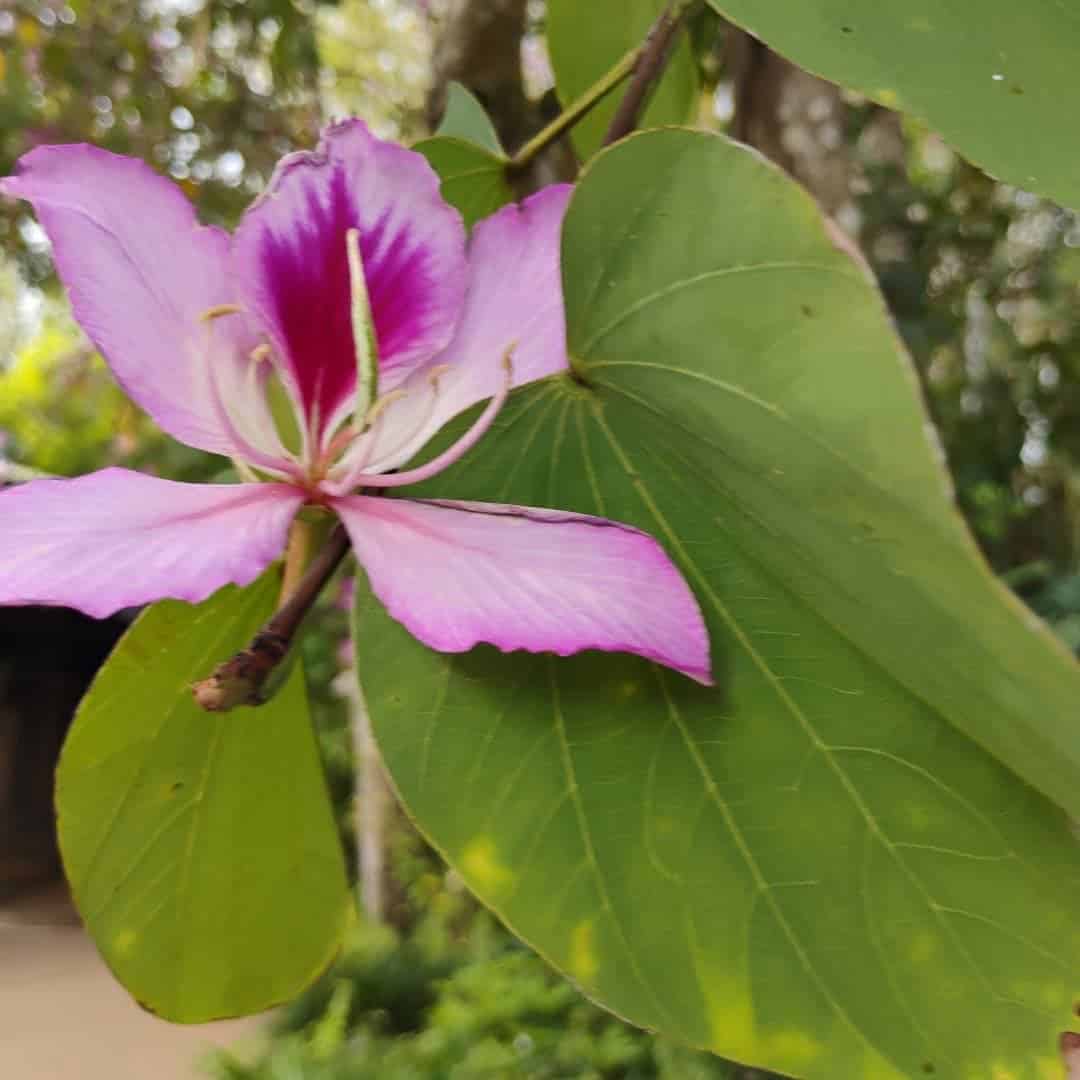
Orchid Tree
Shares 5 of the same needs: full sun, low water, sandy, zone 9a hardiness, and pollinator-friendly.
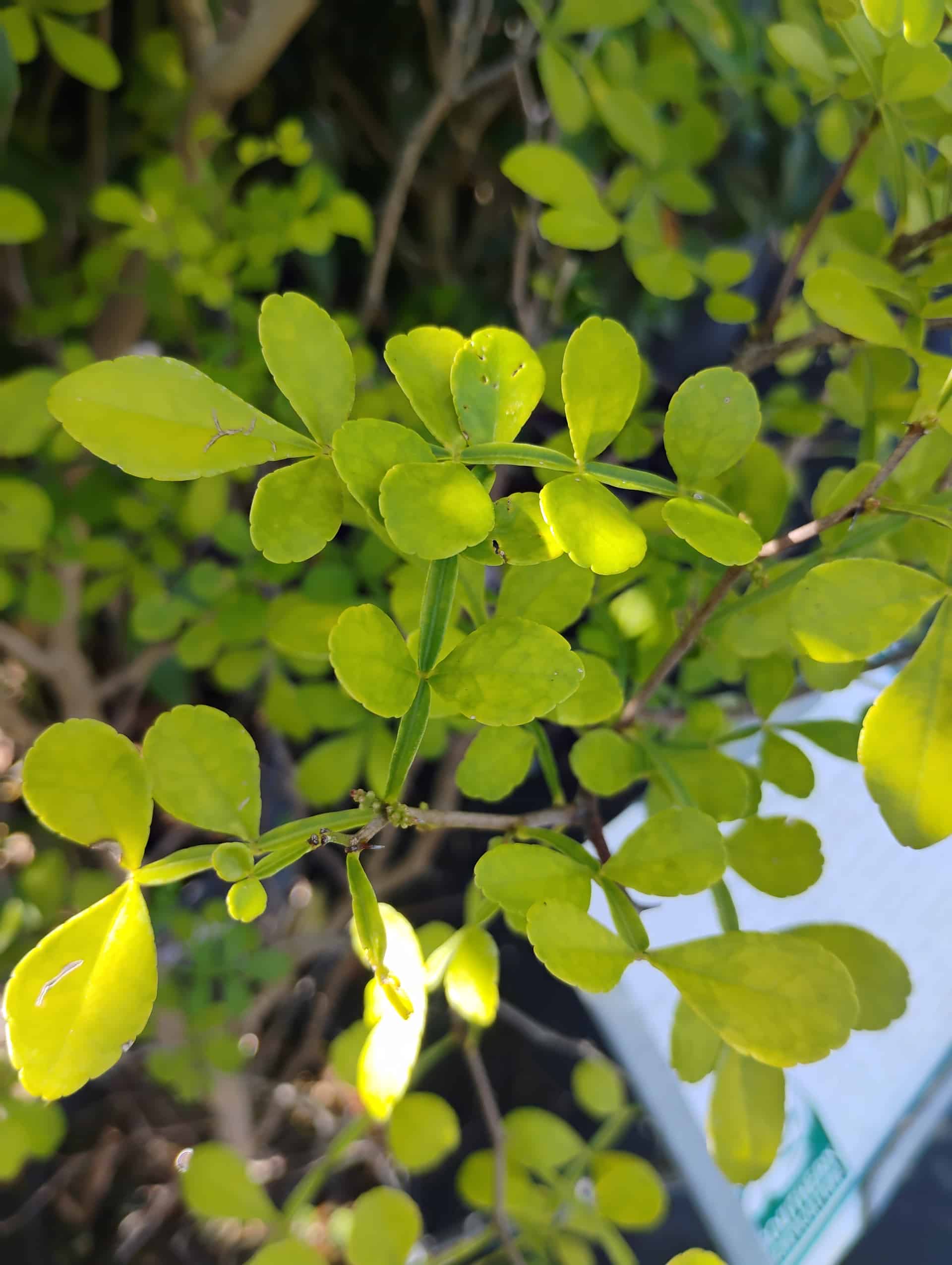
Wild Lime
Shares 5 of the same needs: full sun, low water, sandy, zone 9a hardiness, and pollinator-friendly.
Jamaican Caper
Shares 4 of the same needs: full sun, low water, sandy, and pollinator-friendly.
Bluejack Oak
Shares 4 of the same needs: low water, sandy, zone 9a hardiness, and pollinator-friendly.
You may also like
Common questions
Is Turkey Oak a good plant for St. Augustine?
Turkey Oak is a tree for Zone 9b coastal Florida gardens, reaching 15-40 feet × 20-35 feet.