
Live Oak
Quercus virginiana
Varieties We Bring In
Last received Jul 19, 2026.
We bring this in seasonally, so what is on the lot changes week to week. A received date shows when it last came in, not that it is here today.
Call (904) 471-0440 to confirm this plant and size before you make the trip.
About Live Oak
Live Oak (Quercus virginiana) is a majestic, broadly spreading evergreen oak native to the coastal southeastern United States, renowned for its massive horizontal limbs and long-lived, durable wood. Its small, oblong, leathery leaves remain on the tree year-round, and it produces small acorns that are important wildlife food. A defining landscape tree of the Deep South, it can achieve enormous canopy spreads with age. Starting at $59.95.
Plant details
- Bloom Season
- Spring
- Flower Color
- Yellow
- Growth Rate
- Fast
- Foliage
- Evergreen
- Soil
- Sandy, Clay, Loam, Alkaline, Acidic, Well-drained
Best planting months
Seasonal care
Bloom season. Good planting window.
Handles summer heat well once established.
Ideal planting window.
Retains foliage through winter. Can be planted in mild winter periods.
Care essentials
Plant in full sun to partial sun; Live Oak is best in full sun for maximum canopy development. Give it ample space — mature trees spread 60–120 feet wide — and keep clear of structures, utilities, and paving.
Water regularly during the first 1–2 years to establish the deep root system; once established, Live Oak is highly drought-tolerant and rarely needs supplemental irrigation in NE Florida. Avoid planting in sites with standing water.
Extremely adaptable to NE Florida's sandy, clay, or loam soils and tolerates both acidic and alkaline conditions. Established trees generally need no supplemental fertilizer; if growth seems slow, a spring application of balanced slow-release fertilizer is appropriate. Prune to develop strong branch structure in the first 5–10 years.
Similar needs
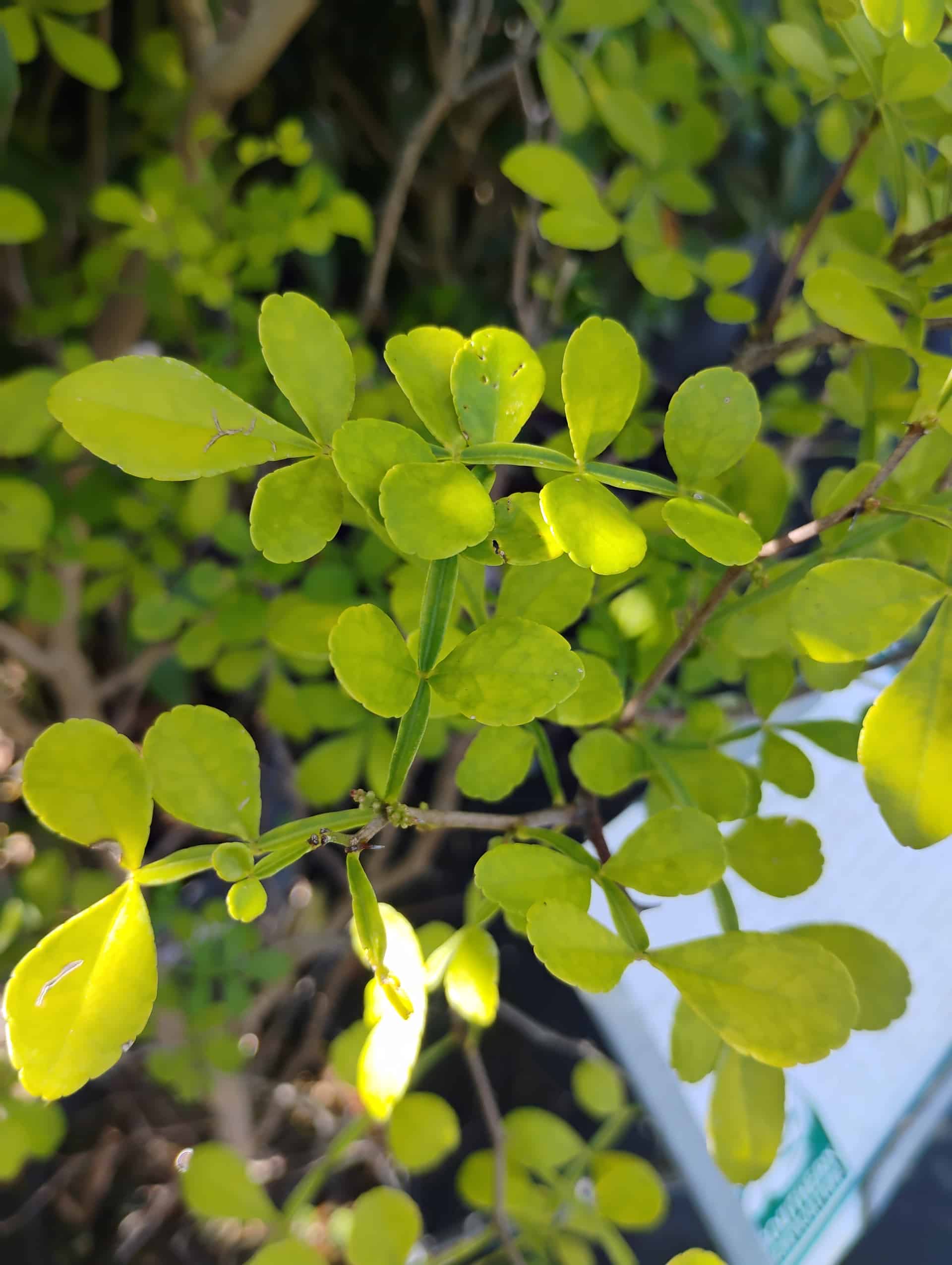
Wild Lime
Shares 5 of the same needs: full sun, low water, sandy, zone 9a hardiness, and pollinator-friendly.
Jamaican Caper
Shares 4 of the same needs: full sun, low water, sandy, and pollinator-friendly.
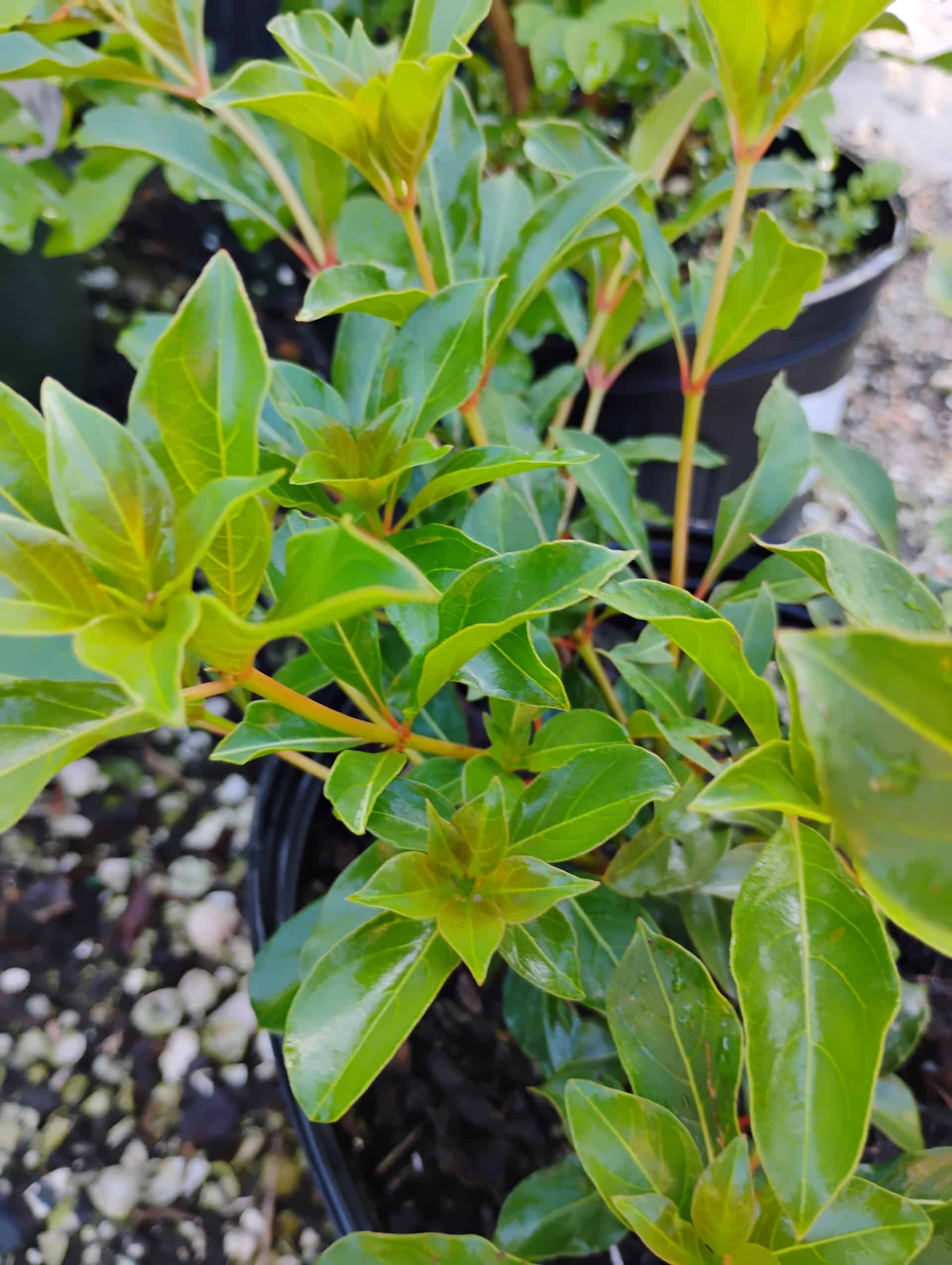
Firebush
Shares 5 of the same needs: full sun, low water, sandy, zone 9a hardiness, and pollinator-friendly.
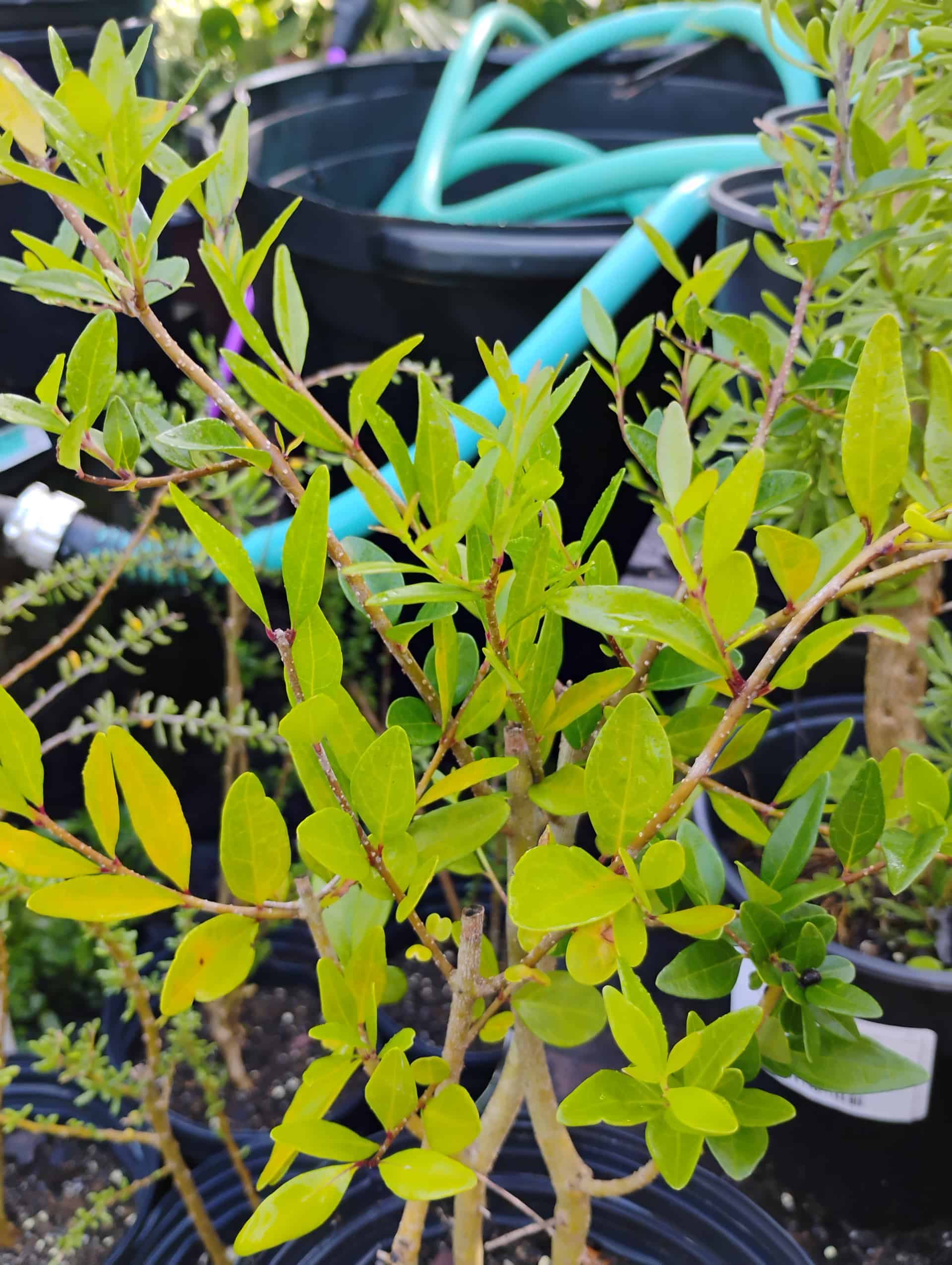
Florida Privet
Shares 5 of the same needs: full sun, low water, sandy, zone 9a hardiness, and pollinator-friendly.
Quailberry
Shares 5 of the same needs: full sun, low water, sandy, zone 9a hardiness, and pollinator-friendly.
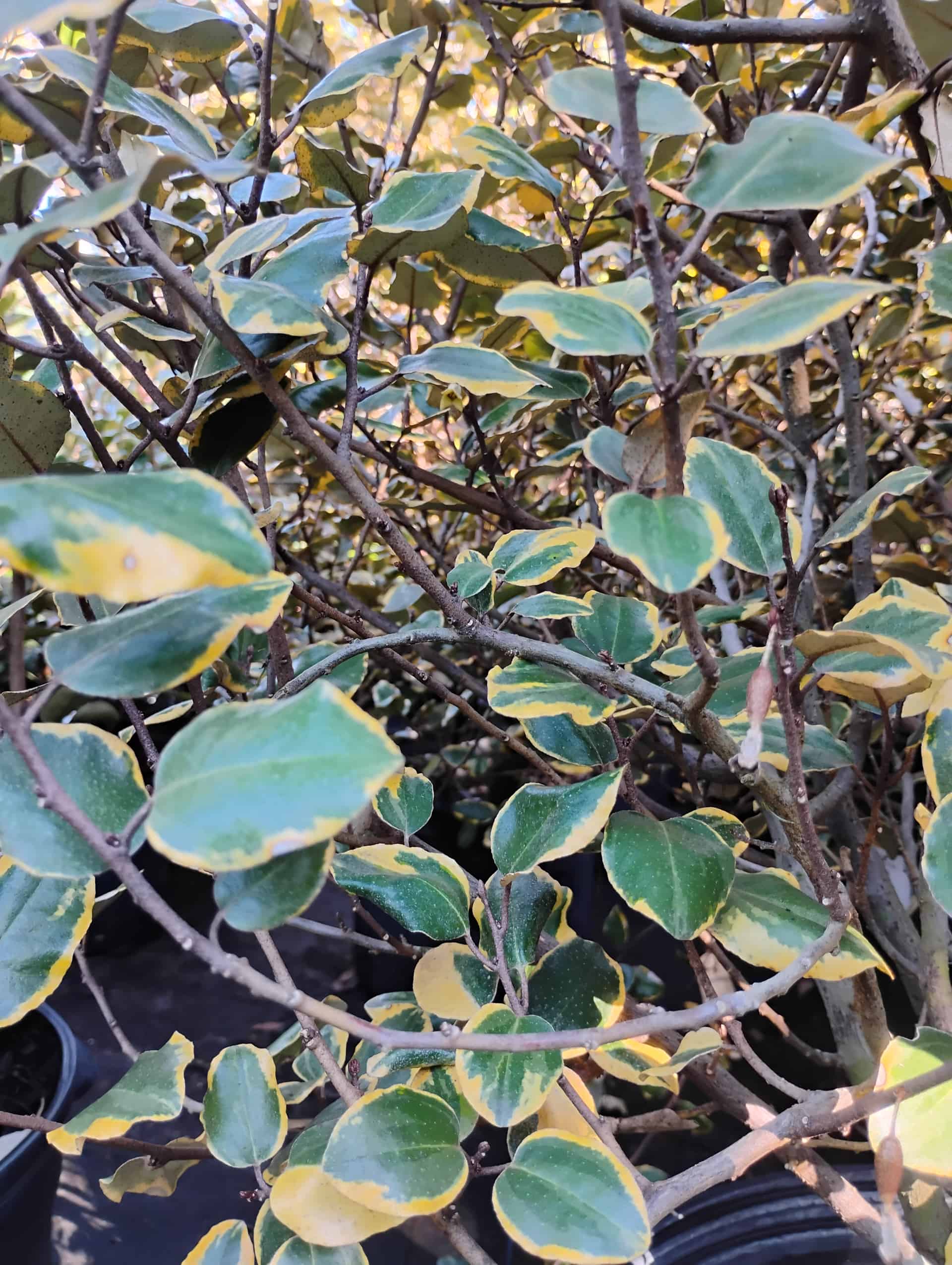
Silverthorn
Shares 5 of the same needs: full sun, low water, sandy, zone 9a hardiness, and pollinator-friendly.
You may also like
Common questions
Is Live Oak a good plant for St. Augustine?
Live Oak is a tree for Zone 9b coastal Florida gardens, with high salt tolerance, reaching 60-80 feet × 60-120 feet.
Care information verified from
Last reviewed March 2026. Our care guidance comes from trusted horticulture sources and decades of helping St. Augustine gardeners. Conditions here can vary dramatically from one area to the next, so come ask us and we'll tailor it to your yard.