
Tulip Poplar
Liriodendron tulipifera
Varieties We Bring In
Last received Jul 16, 2026.
We bring this in seasonally, so what is on the lot changes week to week. A received date shows when it last came in, not that it is here today.
Call (904) 471-0440 to confirm this plant and size before you make the trip.
About Tulip Poplar
Tulip Poplar (Liriodendron tulipifera) is a tall, fast-growing deciduous tree native to eastern North America and one of the tallest hardwoods on the continent, named for its large, tulip-shaped flowers of yellow-green with an orange band that appear in late spring. The uniquely saddle-lobed leaves turn clear yellow in autumn. A member of the magnolia family, it produces cone-like seed clusters and has long been prized for its straight-grained, easily worked timber. Starting at $19.95.
Plant details
- Bloom Season
- Spring
- Flower Color
- Yellow, Orange
- Growth Rate
- Fast
- Foliage
- Deciduous
- Soil
- Loam, Acidic, Well-drained
Best planting months
Seasonal care
Bloom season. New foliage emerges. Good planting window.
Active growing season.
Foliage may begin to change or drop. Ideal planting window.
Dormant — drops foliage. Can be planted in mild winter periods.
Care essentials
Requires full sun to part sun; plant in open areas with at least 6 hours of direct sun. Note: Liriodendron tulipifera is rated only to USDA zone 9A by UF/IFAS — NE Florida zone 9b is at the edge of viability and the tree may decline over time due to heat stress.
Water deeply and regularly during the first 2–3 years to establish a deep root system; summer drought can cause premature interior leaf drop — a common stress response in NE Florida's heat. Once established, moderate supplemental irrigation during dry periods maintains health.
Plant in moist, well-drained, acidic loam; amend NE Florida's sandy soils with compost to improve moisture retention. Fertilize lightly with a slow-release balanced fertilizer in spring; avoid high-phosphorus blends. This species is not reliably long-lived in zone 9b — plant in a cool, north-facing microclimate if possible.
Similar needs
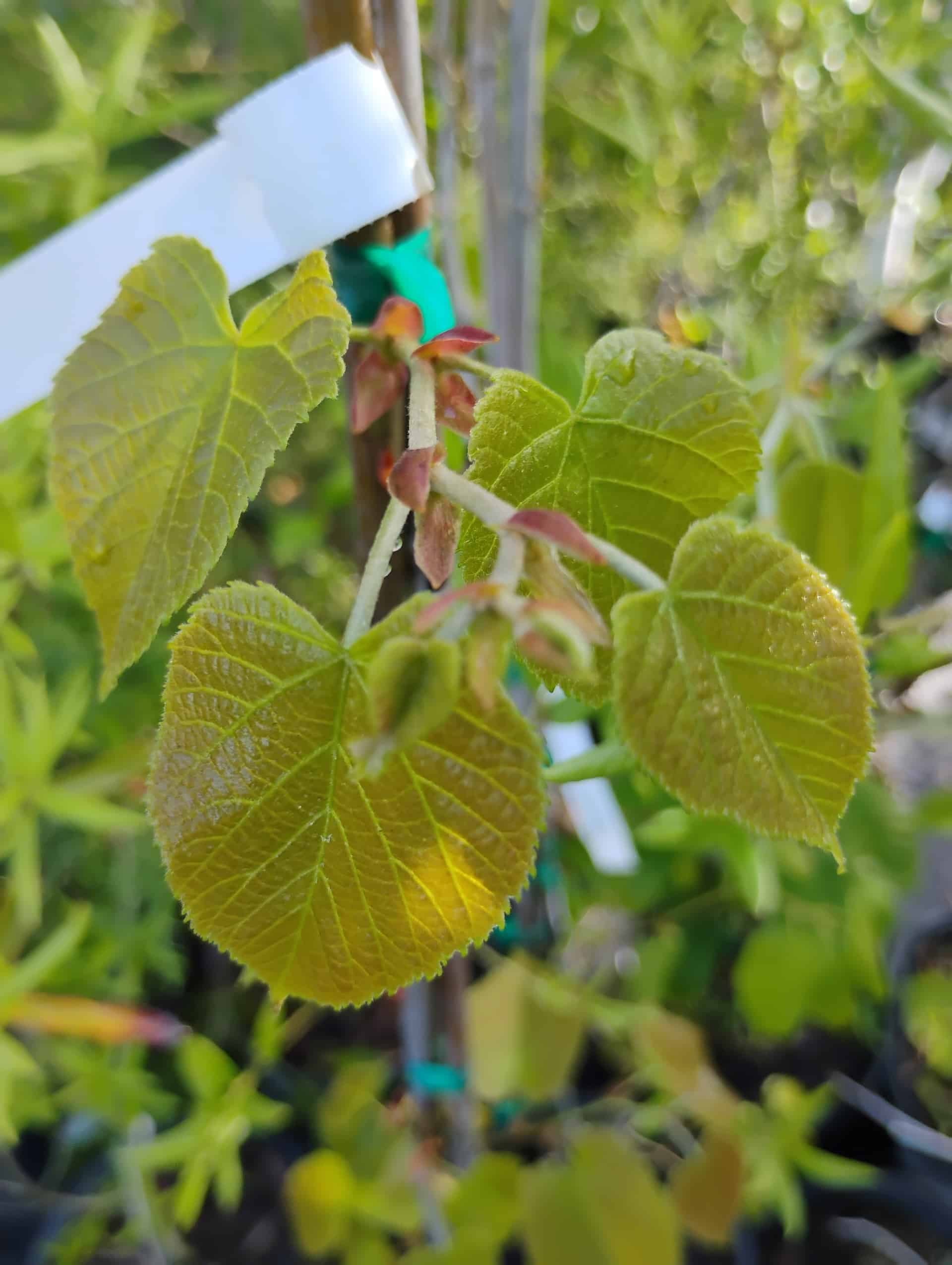
Basswood
Shares 5 of the same needs: full sun, moderate water, loam, zone 9a hardiness, and pollinator-friendly.
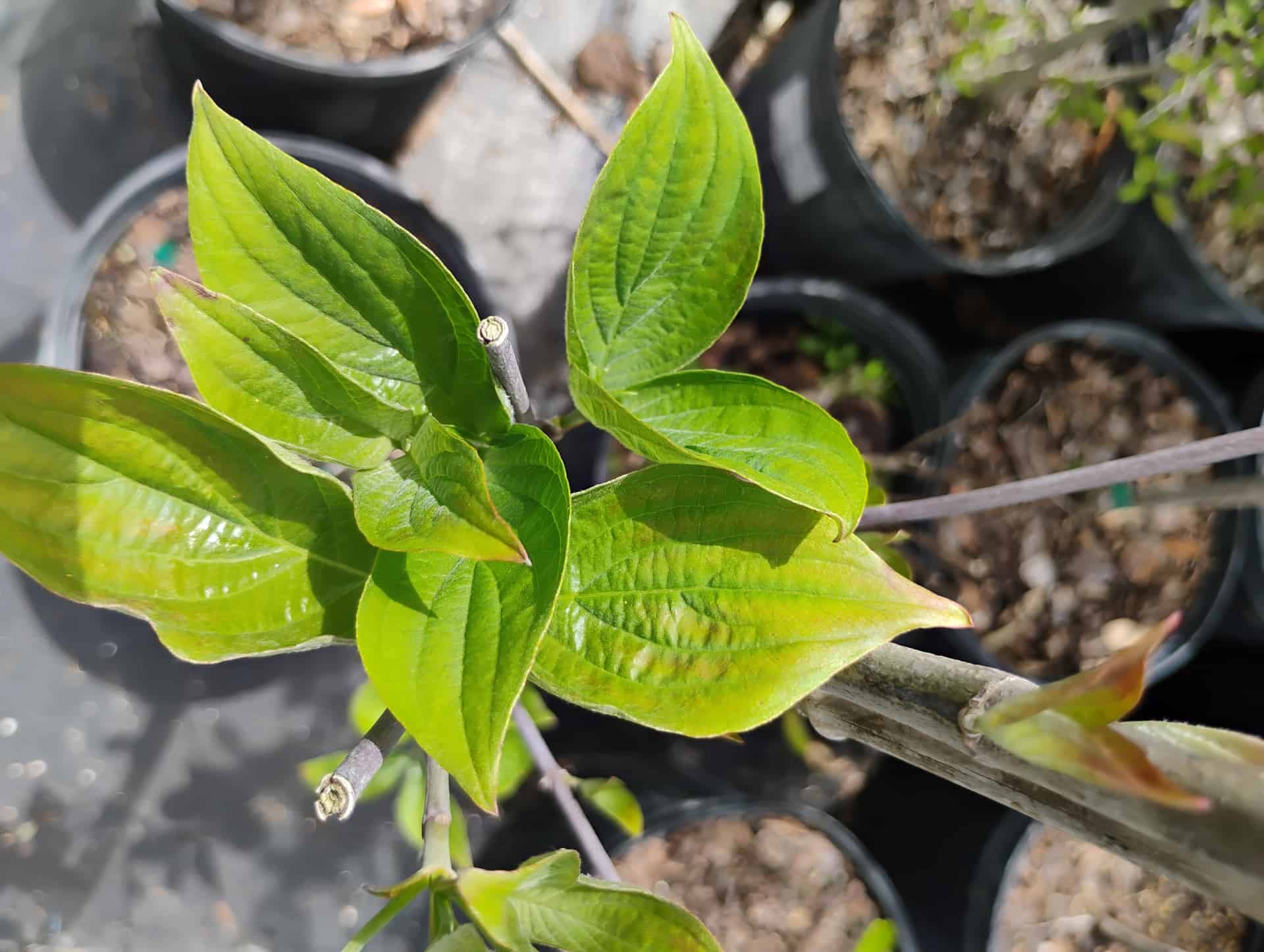
Flowering Dogwood
Shares 5 of the same needs: similar light, moderate water, loam, zone 9a hardiness, and pollinator-friendly.
Fringe Tree
Shares 5 of the same needs: full sun, moderate water, loam, zone 9a hardiness, and pollinator-friendly.
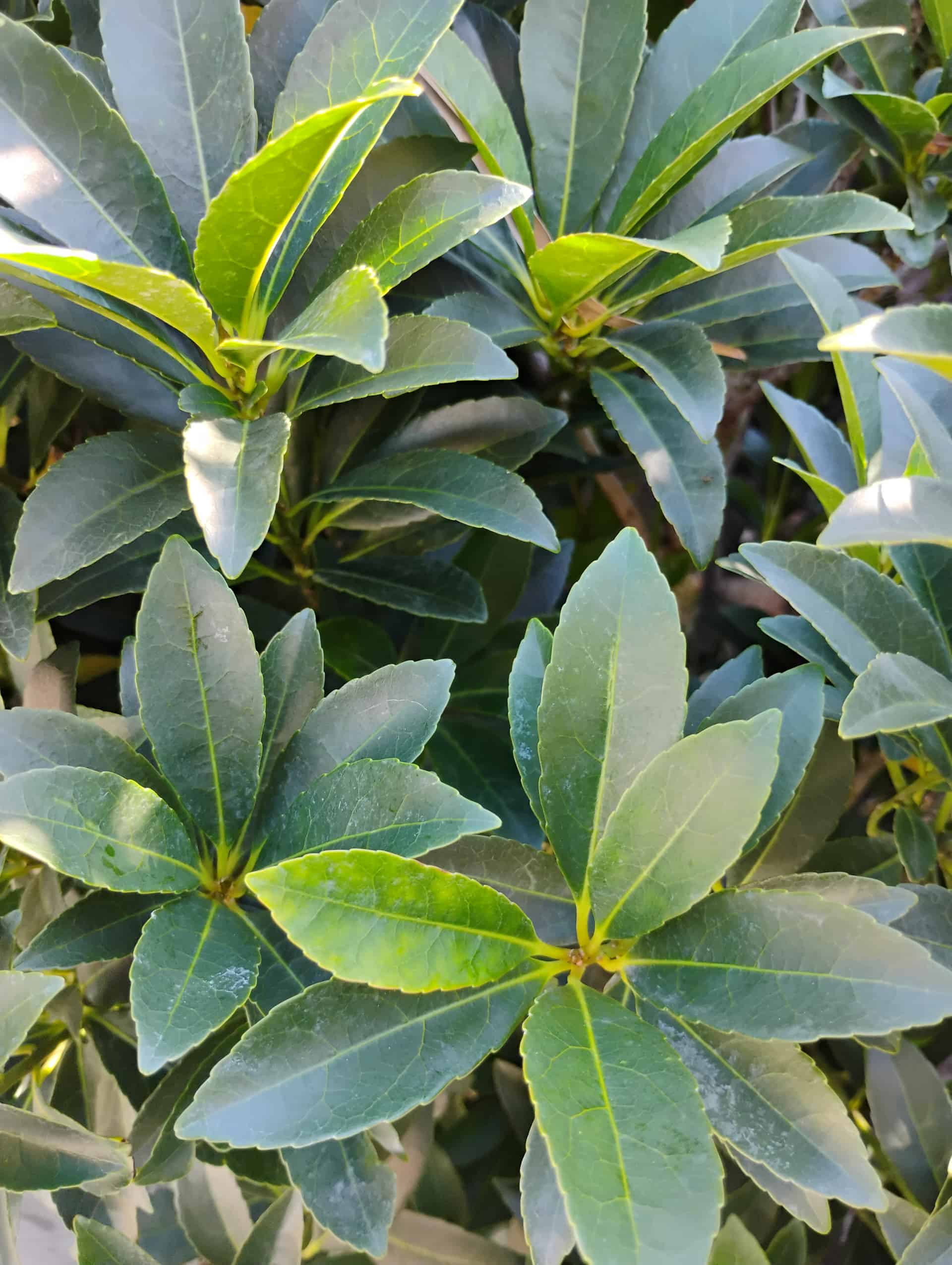
Japanese Blueberry Tree
Shares 5 of the same needs: full sun, moderate water, loam, zone 9a hardiness, and pollinator-friendly.
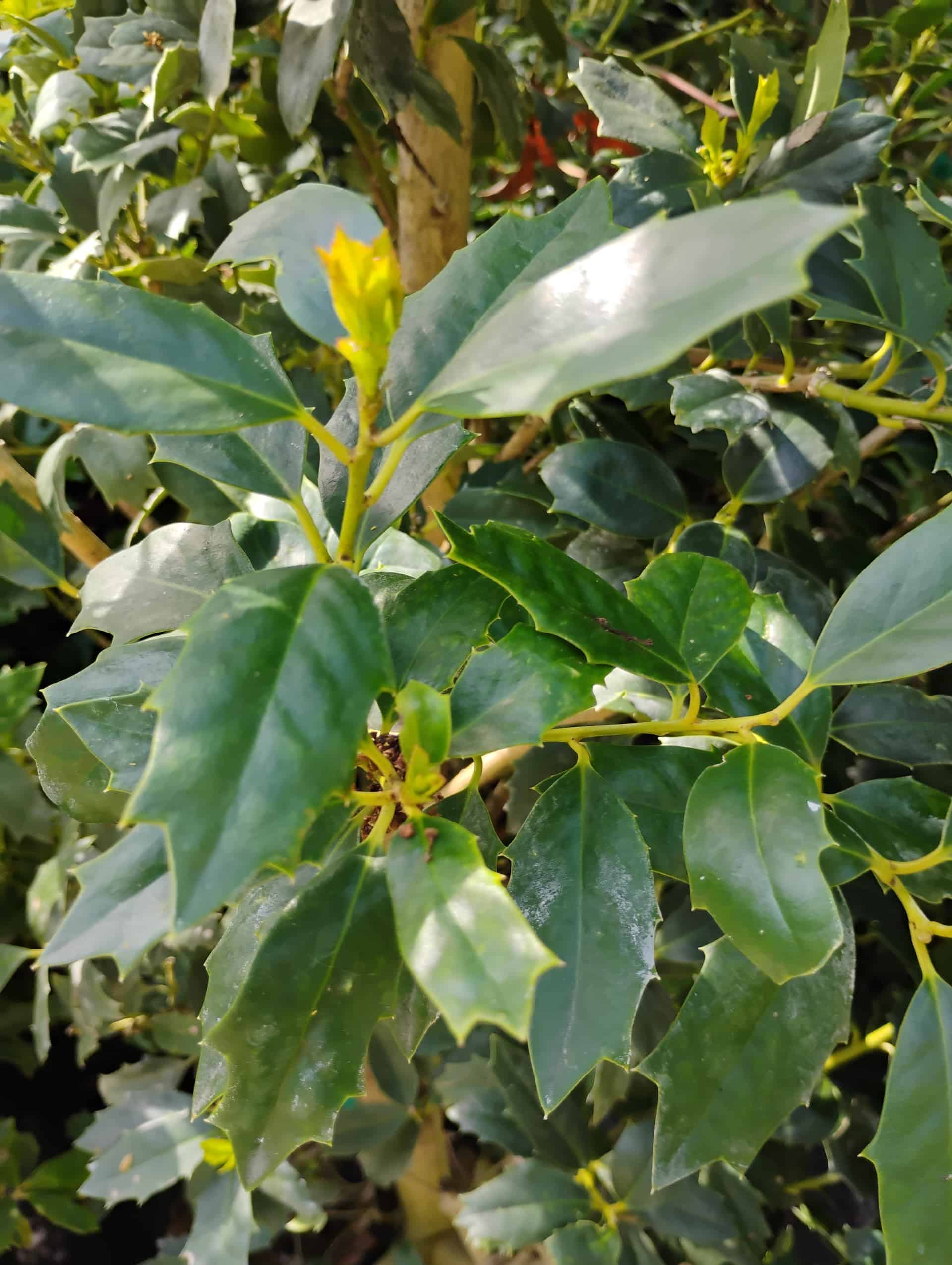
Oakland Holly
Shares 5 of the same needs: full sun, moderate water, loam, zone 9a hardiness, and pollinator-friendly.
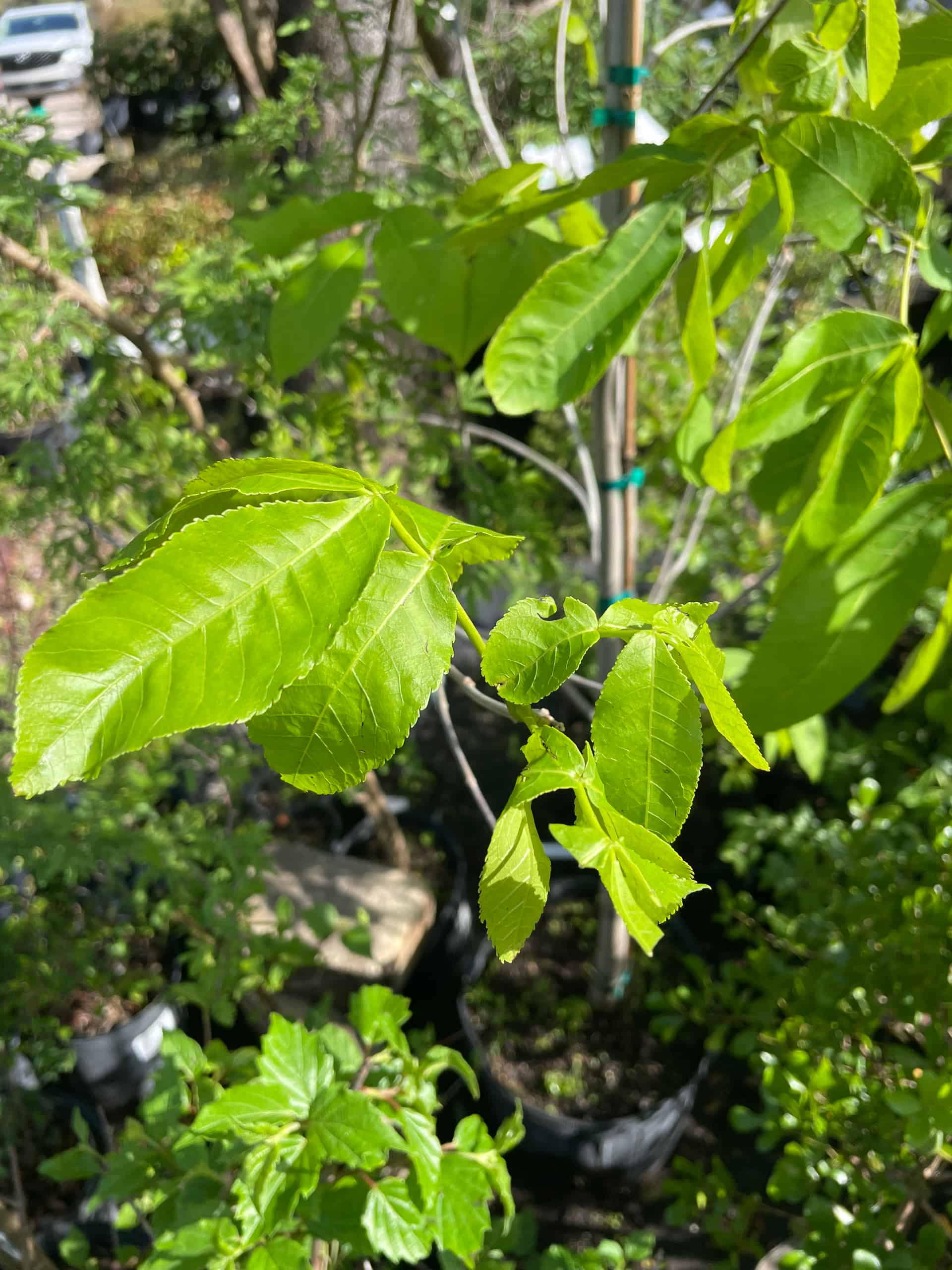
Pignut Hickory
Shares 5 of the same needs: full sun, moderate water, loam, zone 9a hardiness, and pollinator-friendly.
You may also like
Common questions
Is Tulip Poplar a good plant for St. Augustine?
Tulip Poplar is a tree for Zone 9b coastal Florida gardens, reaching 60-90 feet × 30-50 feet.
Care information verified from
Last reviewed February 2026. Our care guidance comes from trusted horticulture sources and decades of helping St. Augustine gardeners. Conditions here can vary dramatically from one area to the next, so come ask us and we'll tailor it to your yard.