
Swamp Chestnut Oak
Quercus michauxii
Traits
Varieties We Bring In
Last received Jul 16, 2026.
We bring this in seasonally, so what is on the lot changes week to week. A received date shows when it last came in, not that it is here today.
Call (904) 471-0440 to confirm this plant and size before you make the trip.
About Swamp Chestnut Oak
Swamp Chestnut Oak (Quercus michauxii) is a large deciduous oak native to bottomlands and floodplains of the southeastern United States, known for its large, chestnut-like leaves with wavy margins that turn yellow to reddish-brown in fall. It produces large, sweet acorns that are among the most prized by wildlife. Starting at $29.95.
Plant details
- Bloom Season
- Spring
- Growth Rate
- Moderate
- Foliage
- Deciduous
- Soil
- Loam, Clay, Acidic, Well-drained, Wet
Care essentials
Swamp Chestnut Oak grows best in full sun in NE Florida. Although it can survive in part shade, best form, acorn production, and structural strength develop with full sun exposure. Select an open site with ample room for its large canopy.
Tolerates wet, periodically flooded sites as well as drier upland soils once established. In NE Florida, irrigate during the first 2–3 years to establish deep roots; mature trees are largely self-sufficient but benefit from irrigation during prolonged droughts.
Adapts to loamy, clay, or sandy acidic soils and tolerates periodic flooding — common in NE Florida's lowland landscapes. Fertilizer is generally not required; if desired, apply a low-phosphorus slow-release fertilizer in early spring during the establishment phase only.
Similar needs
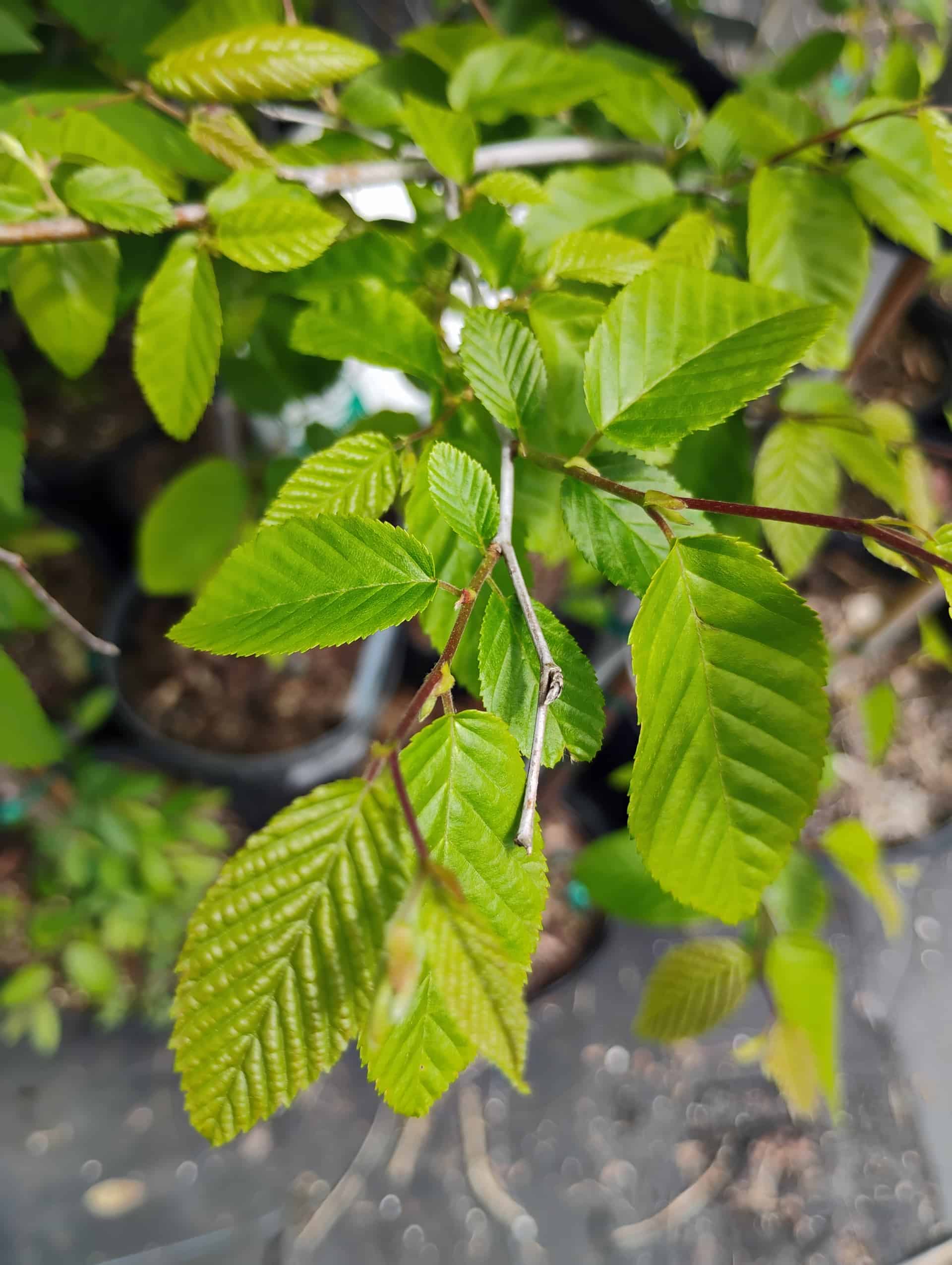
American Hornbeam
Shares 4 of the same needs: full sun, high water, loam, and pollinator-friendly.
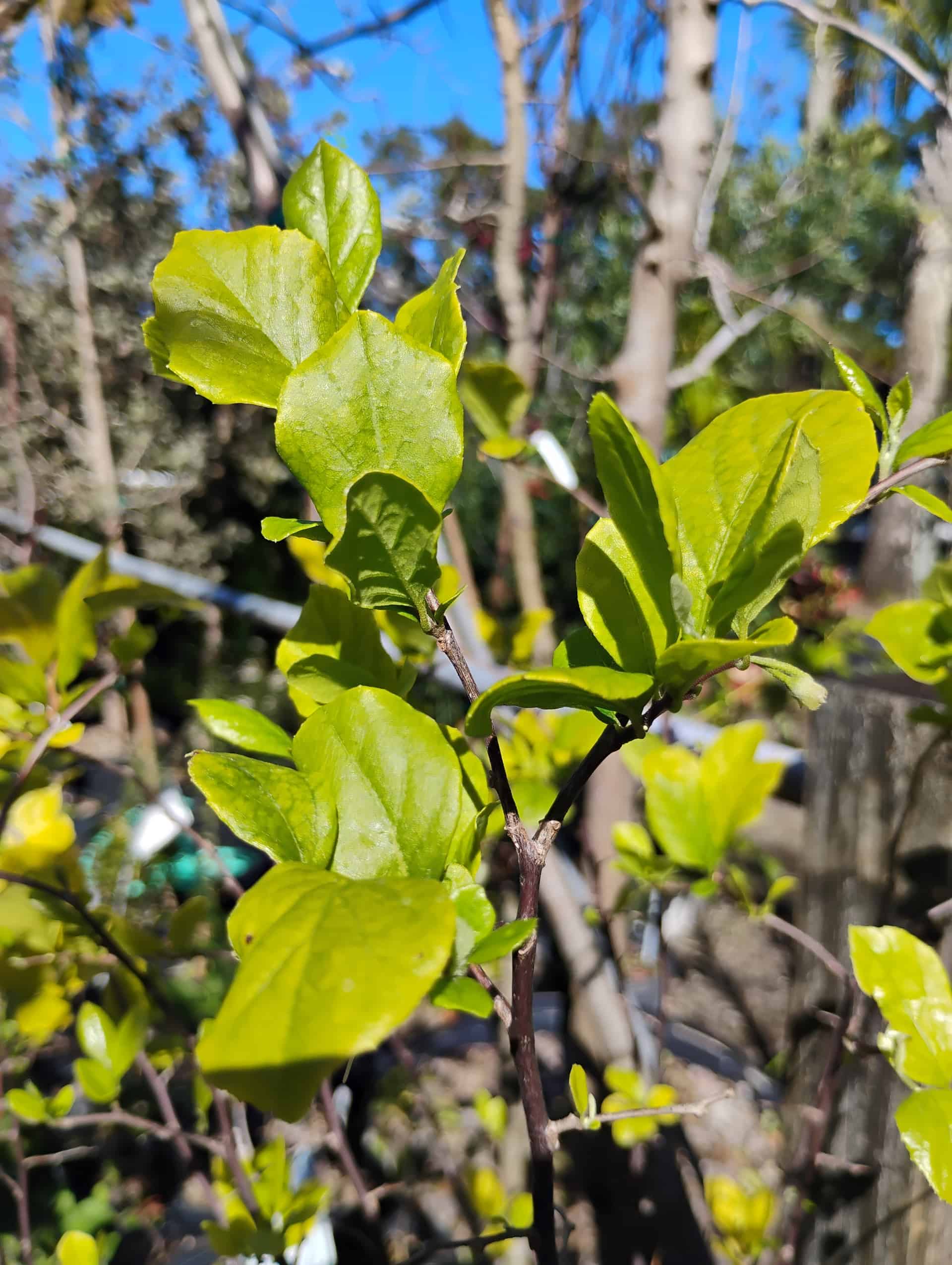
American Snowbell
Shares 4 of the same needs: full sun, high water, loam, and pollinator-friendly.
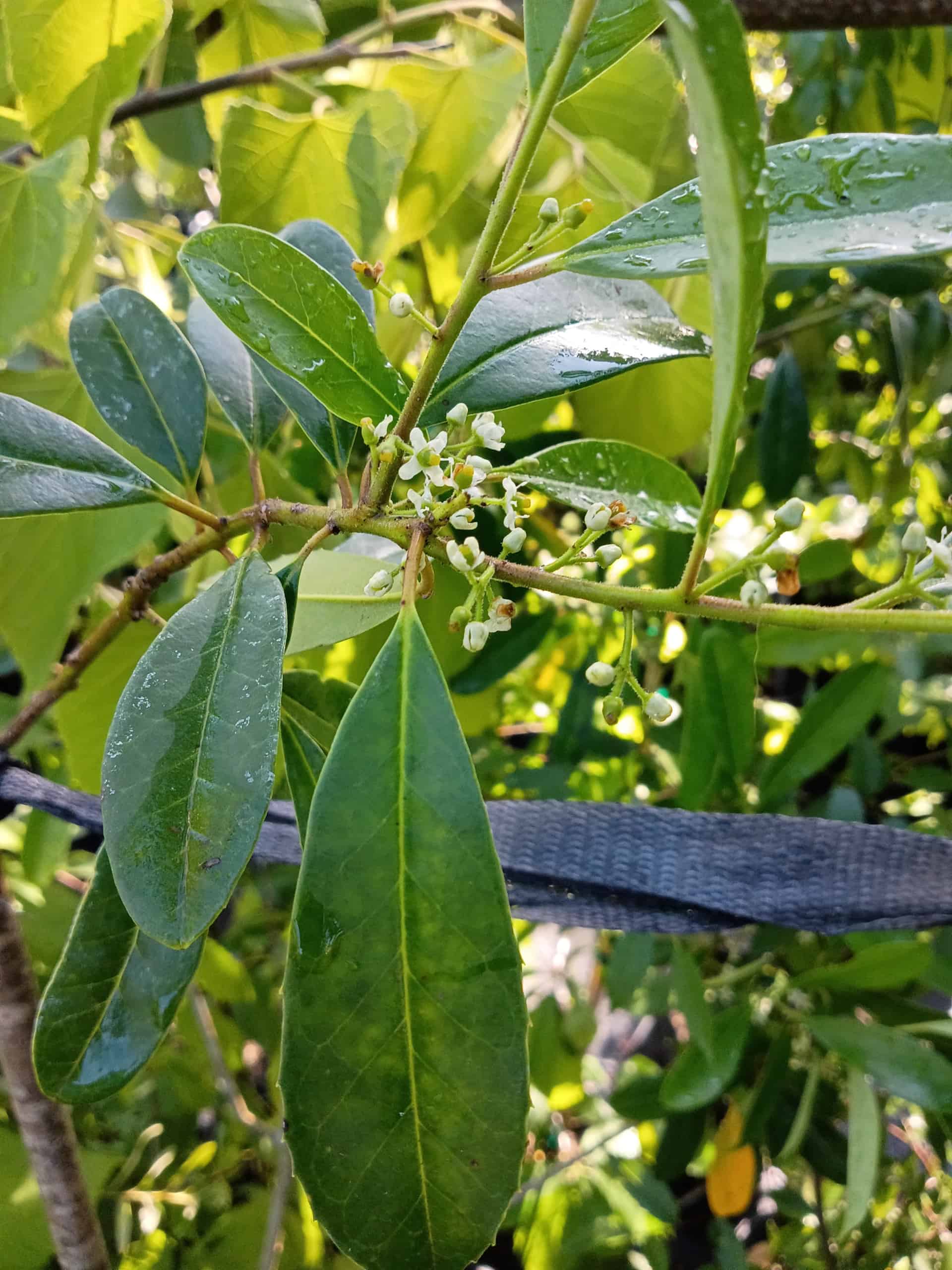
Dahoon Holly
Shares 4 of the same needs: full sun, high water, loam, and pollinator-friendly.
Hazel Alder
Shares 4 of the same needs: full sun, high water, loam, and pollinator-friendly.
Parsley Hawthorn
Shares 4 of the same needs: full sun, high water, loam, and pollinator-friendly.
Swamp Dogwood
Shares 4 of the same needs: full sun, high water, loam, and pollinator-friendly.
You may also like
Common questions
Is Swamp Chestnut Oak a good plant for St. Augustine?
Swamp Chestnut Oak is a tree for Zone 9b coastal Florida gardens, reaching 60-80 feet × 60-80 feet.