
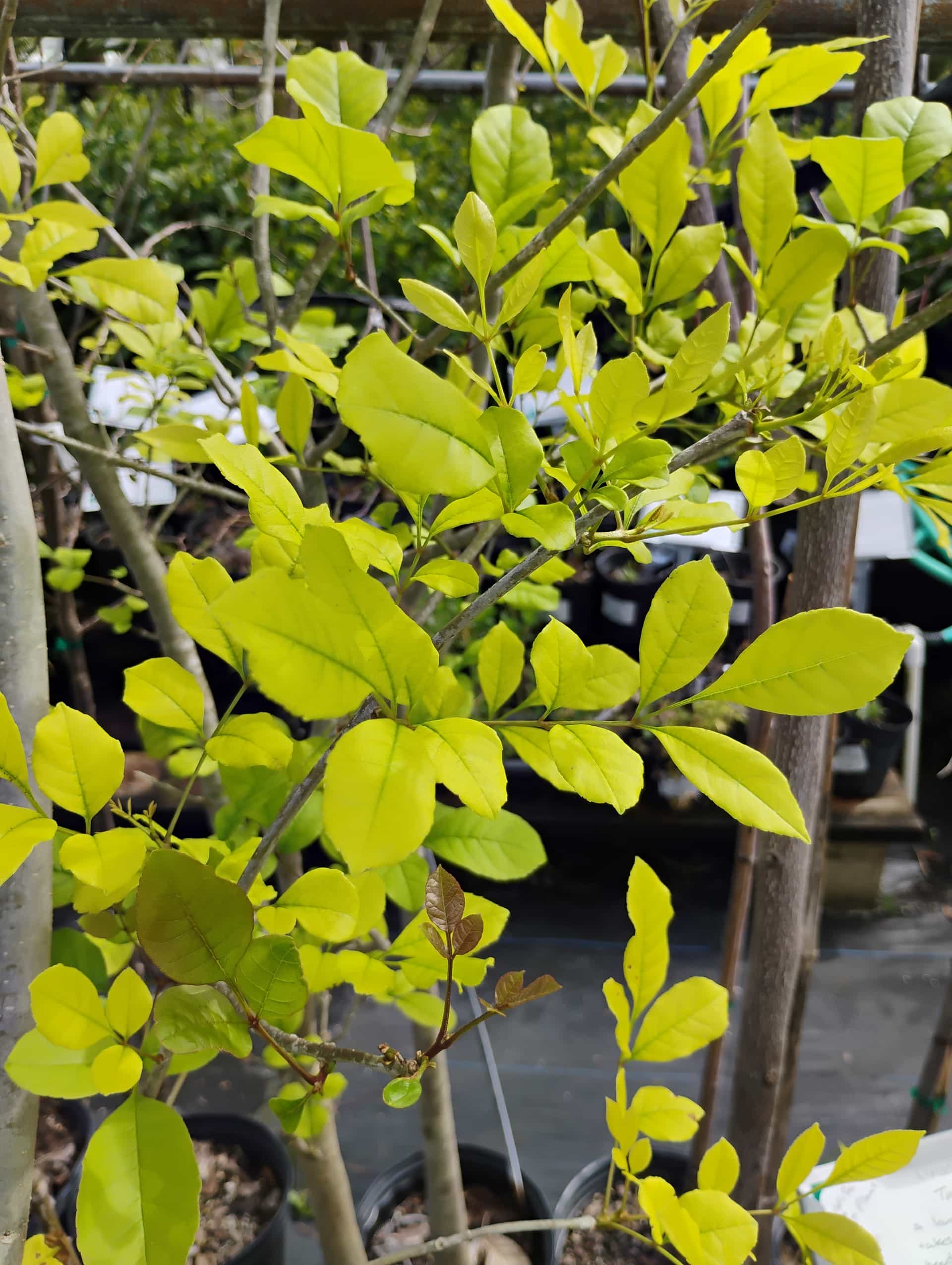
Pop Ash
Fraxinus caroliniana
Traits
Varieties We Bring In
Last received Jul 19, 2026.
We bring this in seasonally, so what is on the lot changes week to week. A received date shows when it last came in, not that it is here today.
Call (904) 471-0440 to confirm this plant and size before you make the trip.
About Pop Ash
Pop Ash (Fraxinus caroliniana) is a small to medium deciduous tree native to the wetlands and floodplains of the southeastern United States, and one of the few native ashes occurring in South Florida. It bears pinnately compound leaves, inconspicuous spring flowers, and winged samaras (seeds) that drift on water — a key dispersal mechanism in its wetland habitat. Its lightweight, corky wood gives rise to the common name "Pop Ash.". Starting at $14.95.
Plant details
- Bloom Season
- Spring
- Flower Color
- Non-flowering
- Growth Rate
- Fast
- Foliage
- Deciduous
- Soil
- Loam, Clay, Acidic, Wet
Best planting months
Seasonal care
Bloom season. New foliage emerges. Good planting window.
Higher water demand in summer heat.
Foliage may begin to change or drop. Ideal planting window.
Dormant — drops foliage. Can be planted in mild winter periods.
Care essentials
Pop Ash tolerates full sun to part sun and is best placed in consistently wet or seasonally flooded sites such as pond edges, floodplains, and low-lying areas in NE Florida landscapes. It is one of few native trees suited to shaded wetland understory conditions.
Pop Ash requires consistently moist to wet soils and tolerates flooding; it naturally grows in swamps and bottomlands. Supplemental irrigation is not needed when planted in appropriate wet sites. It will not perform well in dry, upland conditions.
Plant in moist to wet, acidic loamy or clay soil — the primary requirement for this species. Fertilizer is generally not needed in rich wetland soils; if planting in amended sites, apply a balanced slow-release fertilizer once in spring.
Similar needs
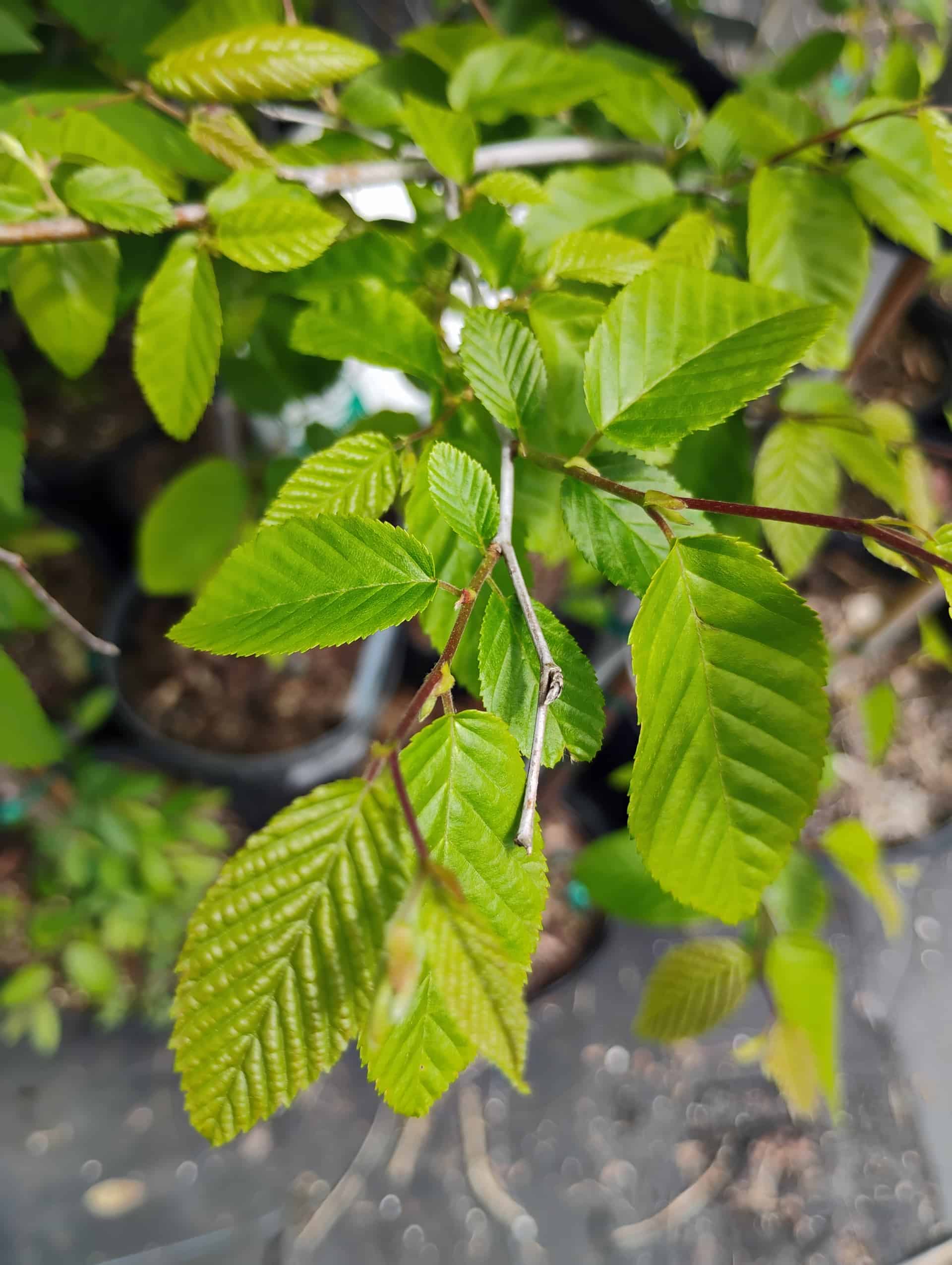
American Hornbeam
Shares 4 of the same needs: full sun, high water, loam, and zone 9a hardiness.
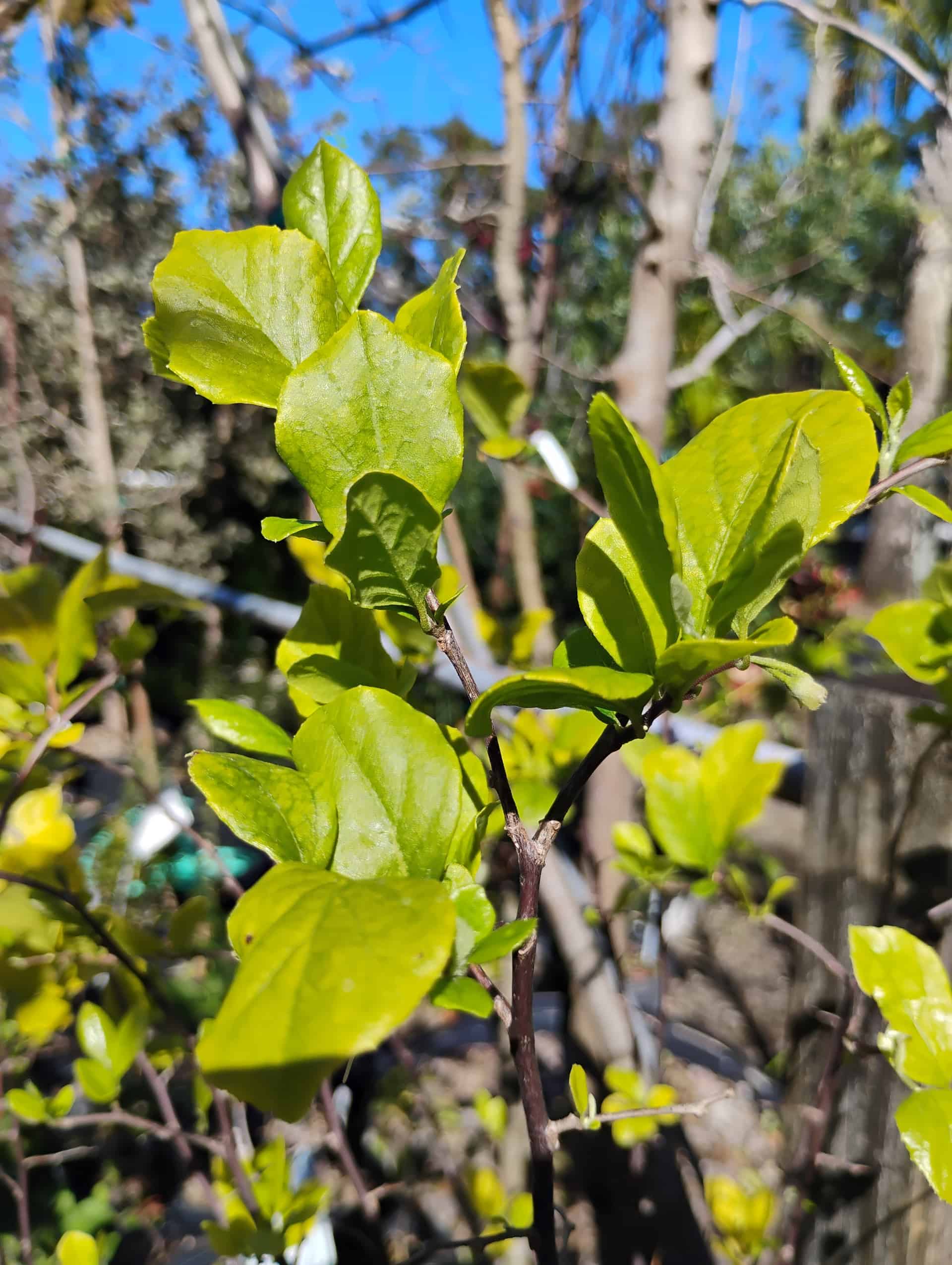
American Snowbell
Shares 4 of the same needs: full sun, high water, loam, and zone 9a hardiness.
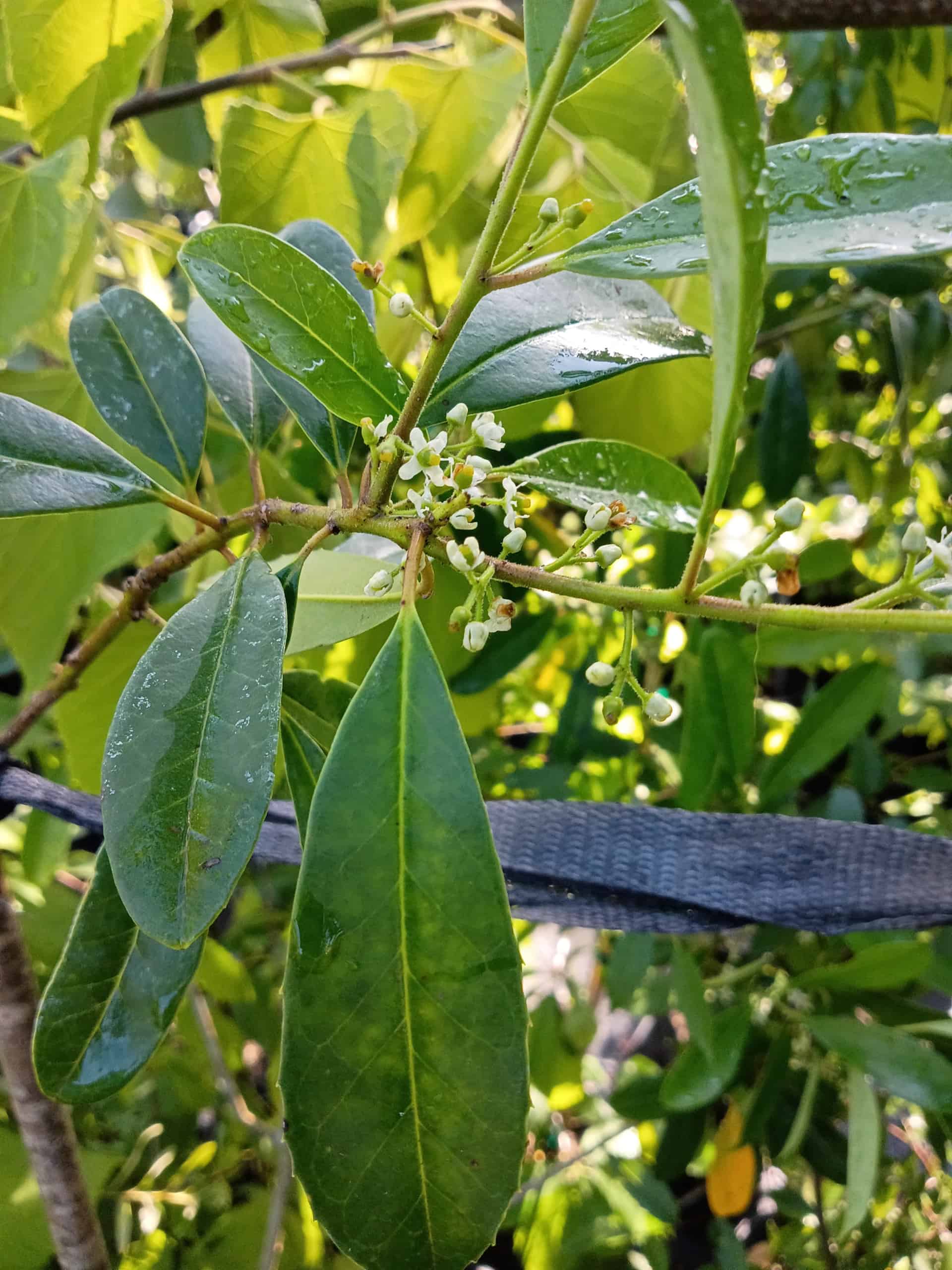
Dahoon Holly
Shares 4 of the same needs: full sun, high water, loam, and zone 9a hardiness.
Hazel Alder
Shares 4 of the same needs: full sun, high water, loam, and zone 9a hardiness.
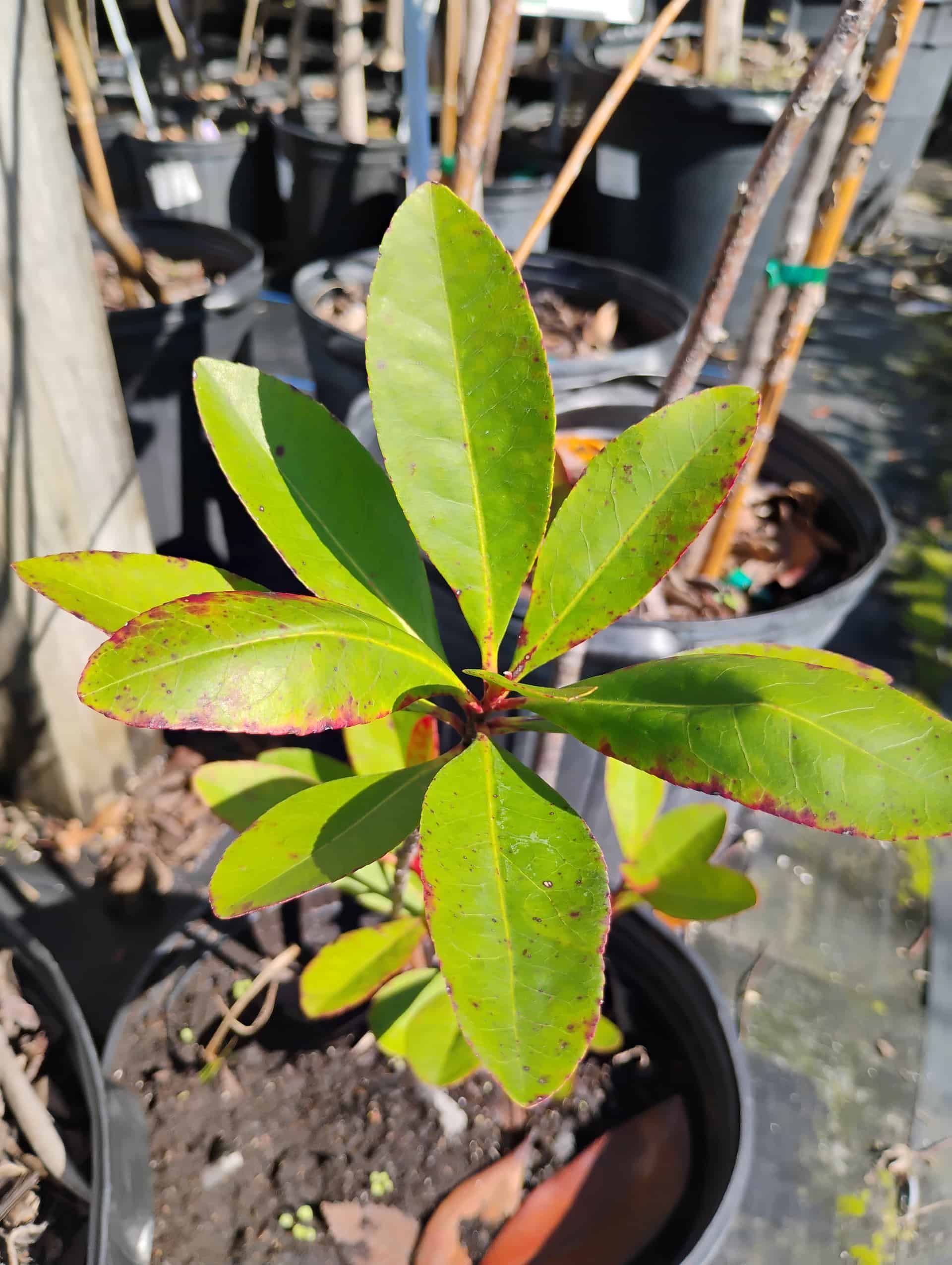
Loblolly Bay
Shares 4 of the same needs: similar light, high water, loam, and zone 9a hardiness.
Parsley Hawthorn
Shares 4 of the same needs: full sun, high water, loam, and zone 9a hardiness.
You may also like
Common questions
Is Pop Ash a good plant for St. Augustine?
Pop Ash is a tree for Zone 9b coastal Florida gardens, reaching 20-40 feet × 20-30 feet.
Care information verified from
Last reviewed February 2026. Our care guidance comes from trusted horticulture sources and decades of helping St. Augustine gardeners. Conditions here can vary dramatically from one area to the next, so come ask us and we'll tailor it to your yard.