
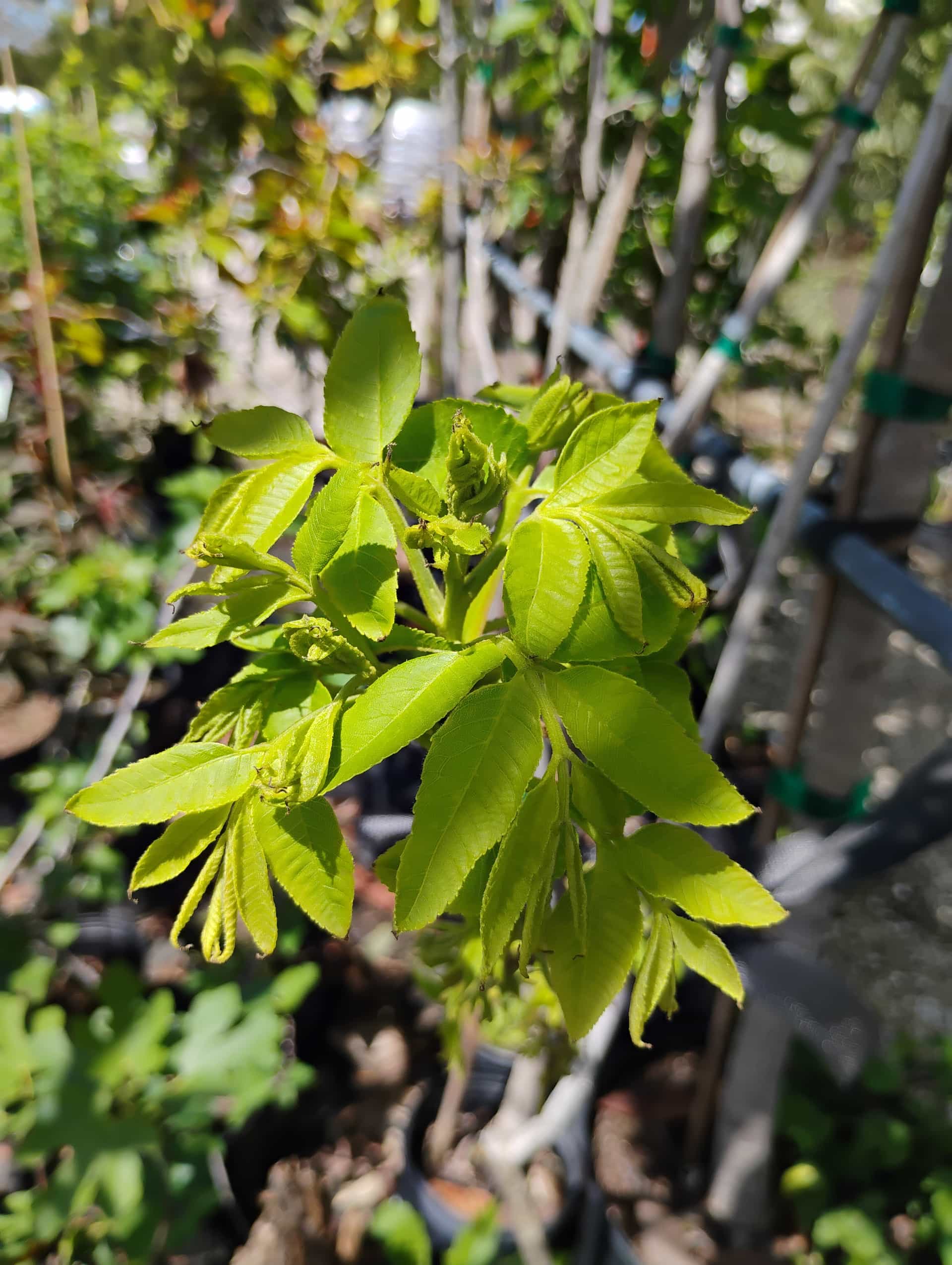
Varieties We Bring In
Standard
Standard
Standard
We received some Pecan on Mar 11, 2026.
We bring this in seasonally, so what is on the lot changes week to week. A received date shows when it last came in, not that it is here today.
Call (904) 471-0440 to confirm this plant and size before you make the trip.
Last received Mar 11, 2026.
We bring this in seasonally, so what is on the lot changes week to week. A received date shows when it last came in, not that it is here today.
Call (904) 471-0440 to confirm this plant and size before you make the trip.
Pet toxicity: not on file, check before planting where pets chew
Pet safety guideAbout Pecan
Pecan (Carya illinoinensis) is a massive, long-lived deciduous shade and nut tree native to the Mississippi River Valley, well-suited to North and Central Florida including zone 9b. It produces pinnately compound leaves, wind-pollinated spring catkins, and clusters of thin-shelled nuts maturing in early fall. Select scab-resistant cultivars such as 'Elliott' or 'Sumner' for reliable production in Florida's humid climate.
Plant details
- Bloom Season
- Spring
- Flower Color
- Non-flowering
- Growth Rate
- Moderate
- Foliage
- Deciduous
- Soil
- Sandy, Loam, Well-drained
Best planting months
Recommended months: January, February, March, October, November, December.
Seasonal care
Bloom season. New foliage emerges. Good planting window.
Active growing season.
Foliage may begin to change or drop. Ideal planting window.
Dormant — drops foliage. Can be planted in mild winter periods.
Care essentials
Requires full sun and ample space — site at least 60–80 feet from structures and other trees. Choose an open area free of overhead utilities.
Young trees need consistent deep watering (up to 10 gallons per day for the first 2 years). Established trees are relatively drought-tolerant but benefit from deep irrigation during dry spells, especially during nut development.
Thrives in well-drained soil at pH 6.0–6.5. Apply 10-10-10 fertilizer in early March through June in a ring around the drip line; avoid placing fertilizer against the trunk. Plant only scab-resistant cultivars such as 'Elliott', 'Excel', or 'Sumner' for North Florida.
Similar needs
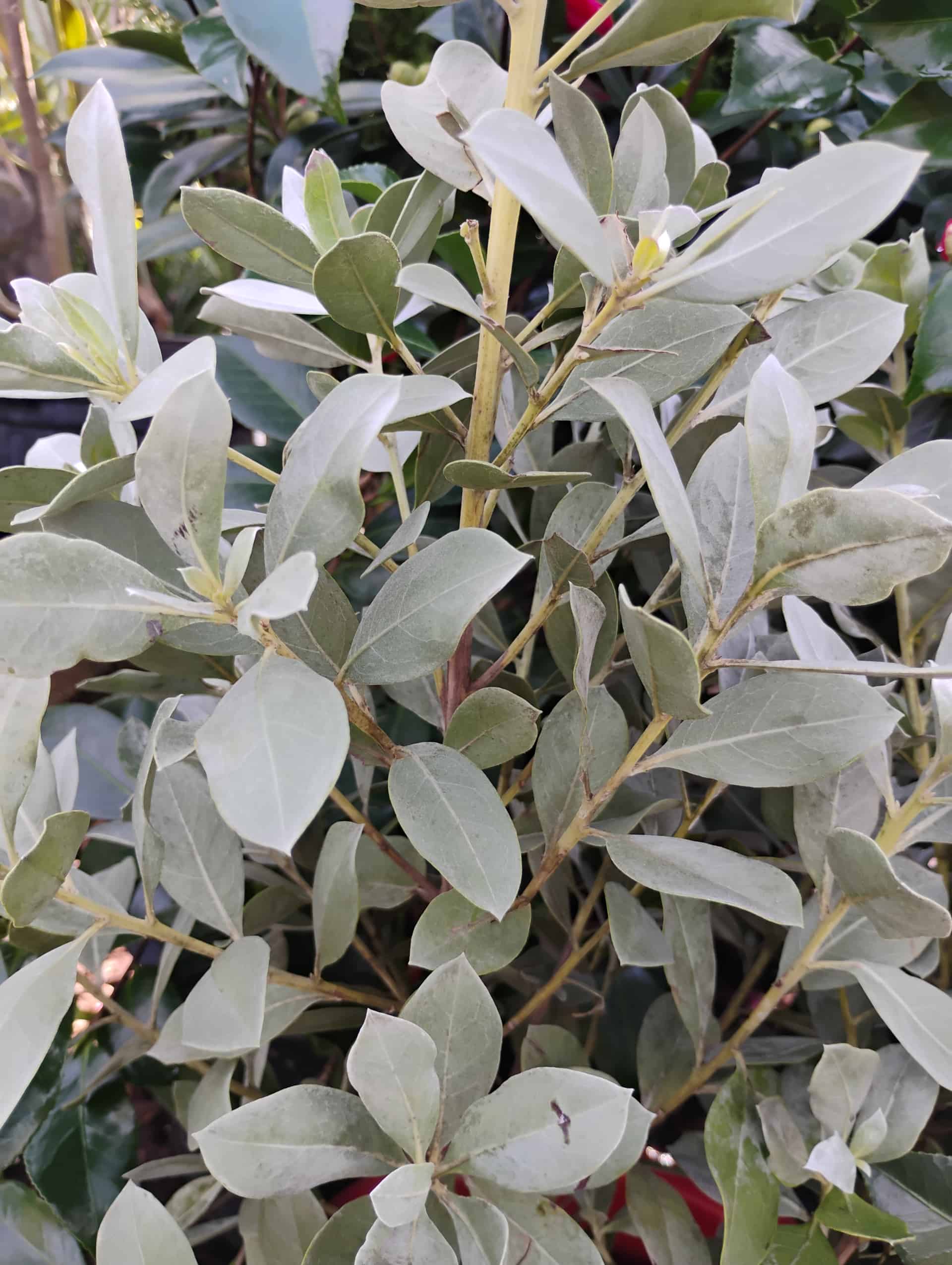
Buttonwood
Shares 5 of the same needs: full sun, moderate water, sandy, zone 9a hardiness, and pollinator-friendly.
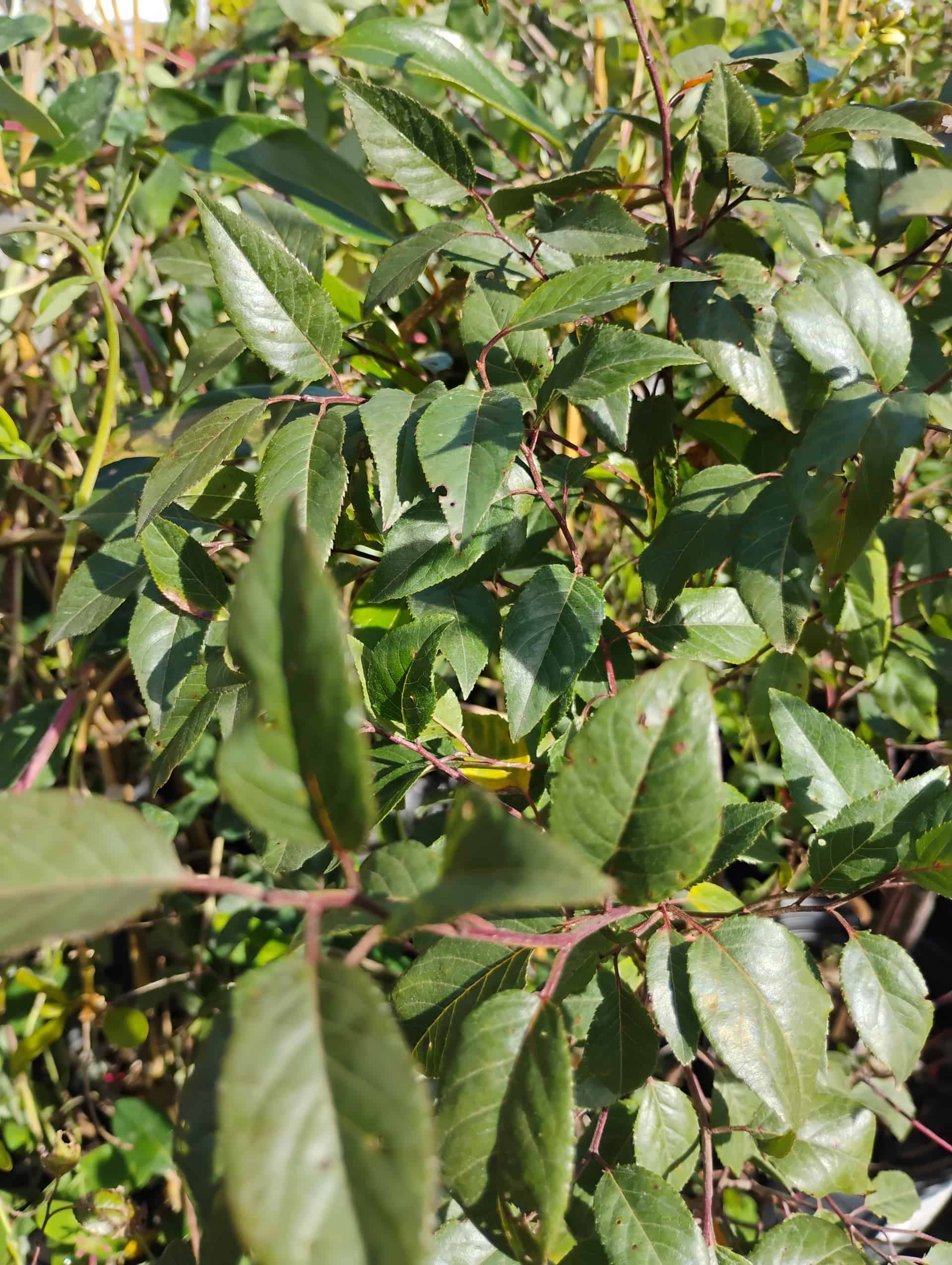
Cherry
Shares 5 of the same needs: full sun, moderate water, sandy, zone 9a hardiness, and pollinator-friendly.
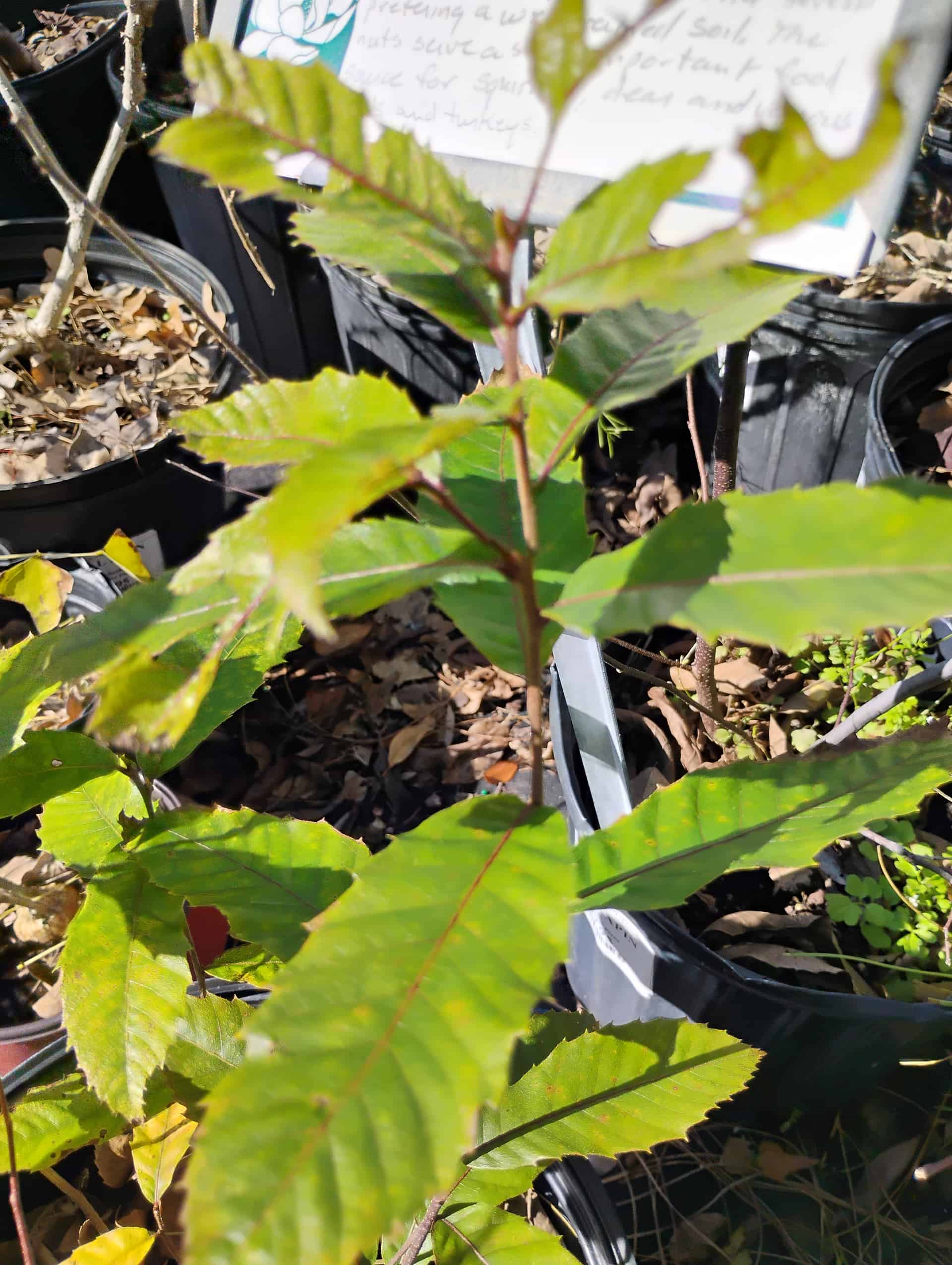
Chestnut
Shares 5 of the same needs: full sun, moderate water, sandy, zone 9a hardiness, and pollinator-friendly.
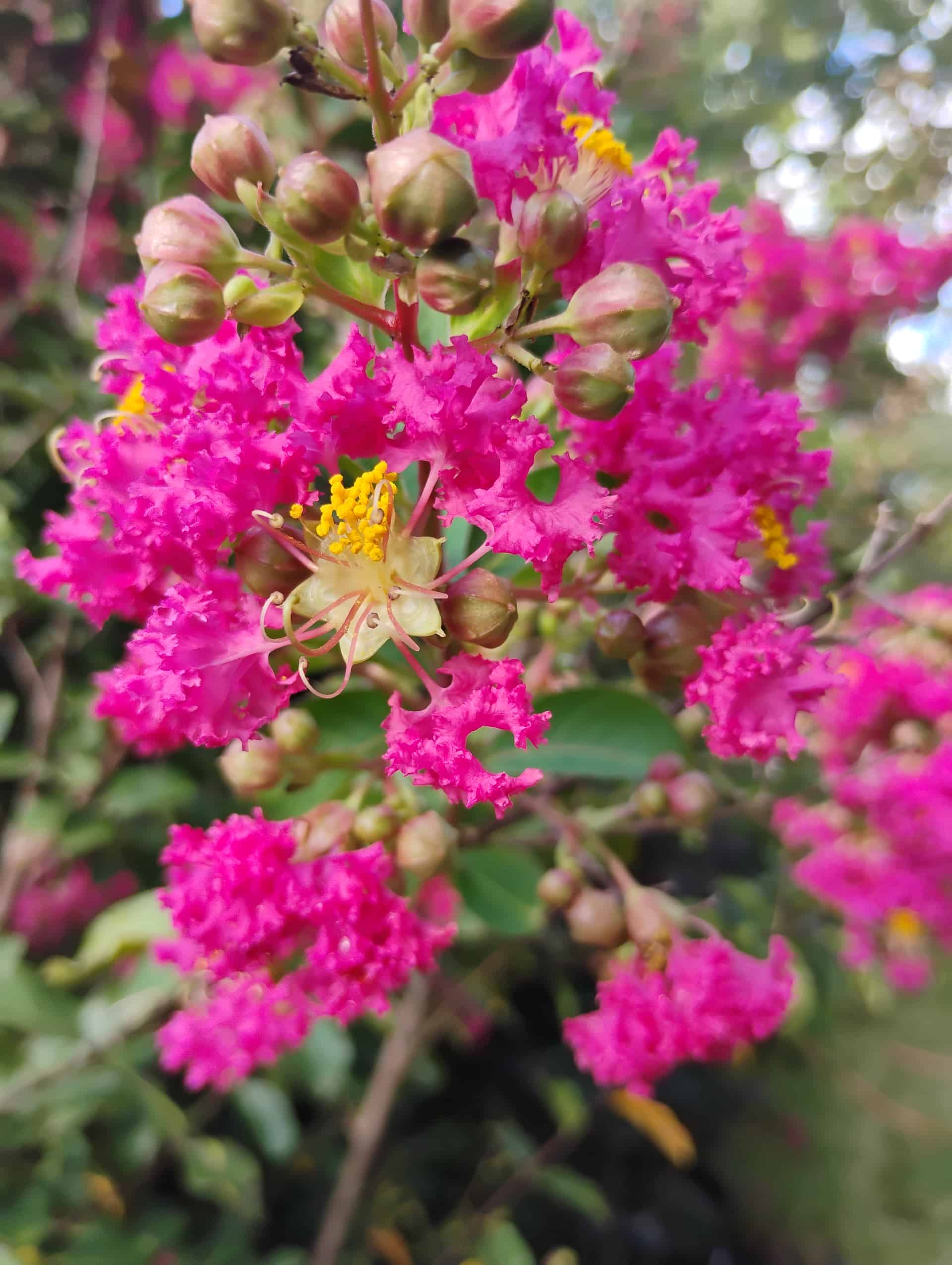
Crape Myrtle
Shares 5 of the same needs: full sun, moderate water, sandy, zone 9a hardiness, and pollinator-friendly.
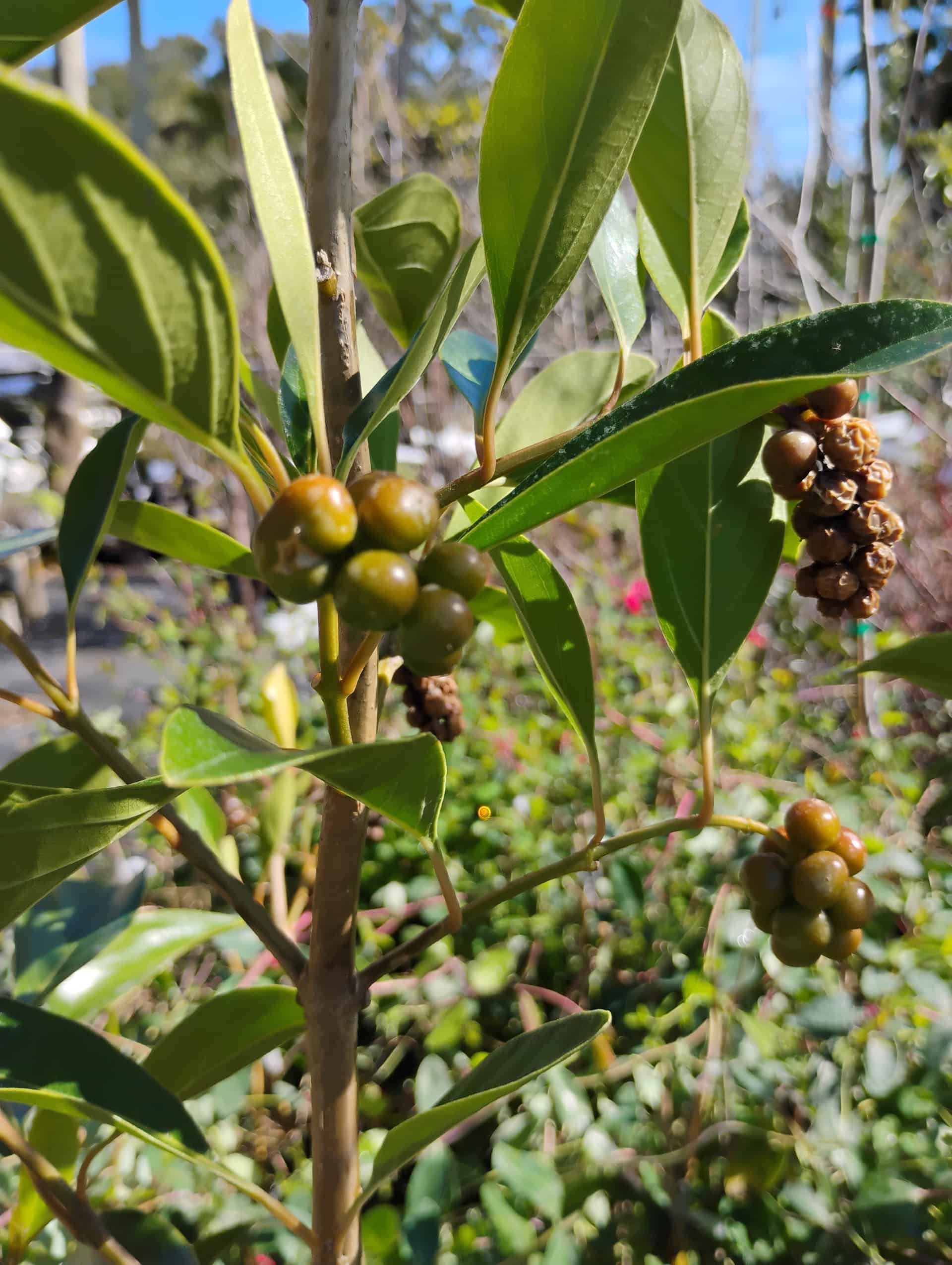
Fiddlewood
Shares 5 of the same needs: full sun, moderate water, sandy, zone 9a hardiness, and pollinator-friendly.
Fringe Tree
Shares 5 of the same needs: full sun, moderate water, sandy, zone 9a hardiness, and pollinator-friendly.
You may also like
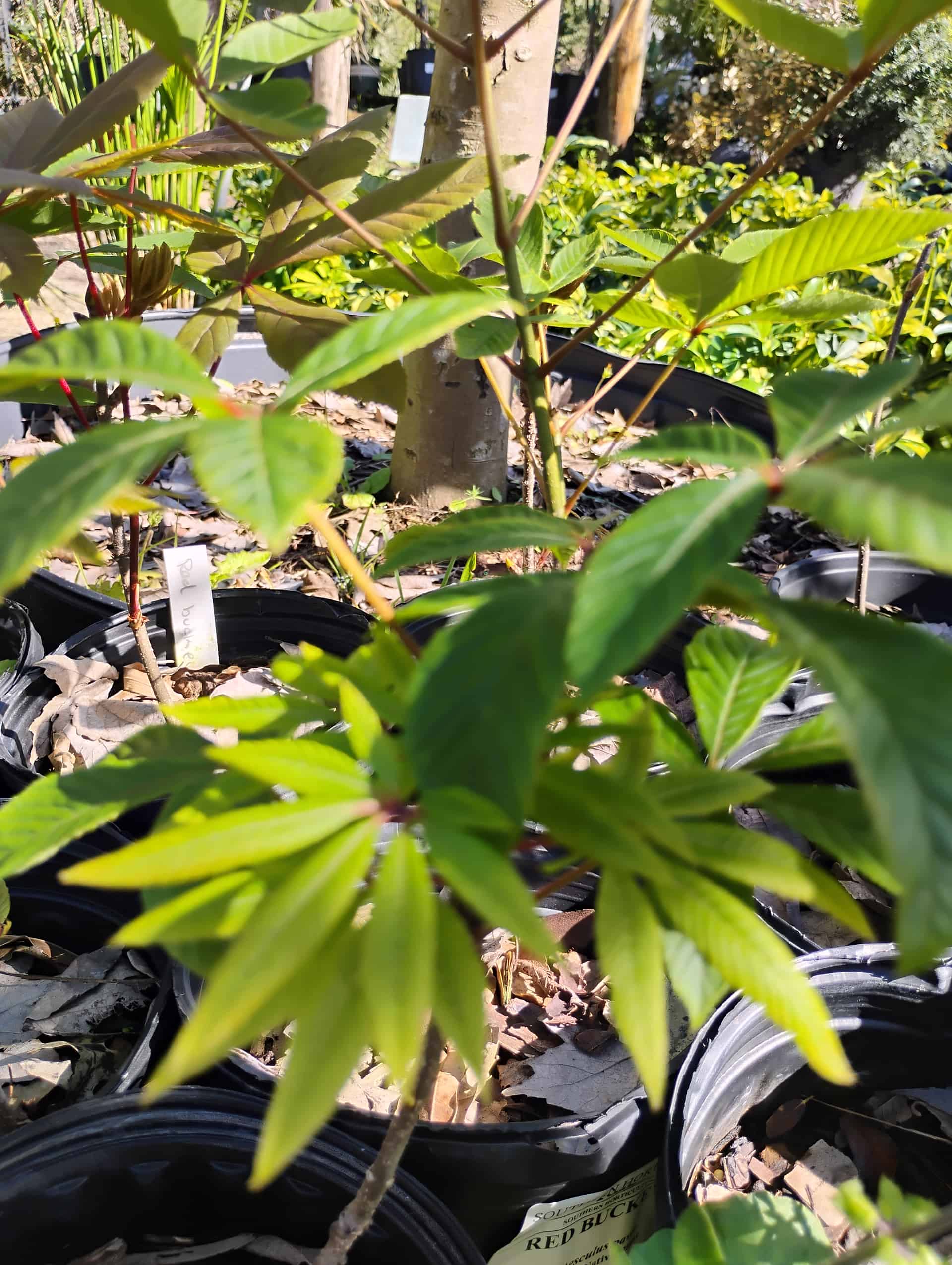 Tree
Red Buckeye
Aesculus pavia
Serviceberry
Amelanchier arborea
American Beech
Fagus grandifolia
Common questions
Is Pecan a good plant for St. Augustine?
Pecan is a tree. Mature size: 70-100 feet × 40-75 feet. Light: Full Sun. Water needs: Moderate. Recorded hardiness zone: 9a.
Care information verified from
Last reviewed February 2026. Our care guidance comes from trusted horticulture sources and decades of helping St. Augustine gardeners. Conditions here can vary dramatically from one area to the next, so come ask us and we'll tailor it to your yard.