
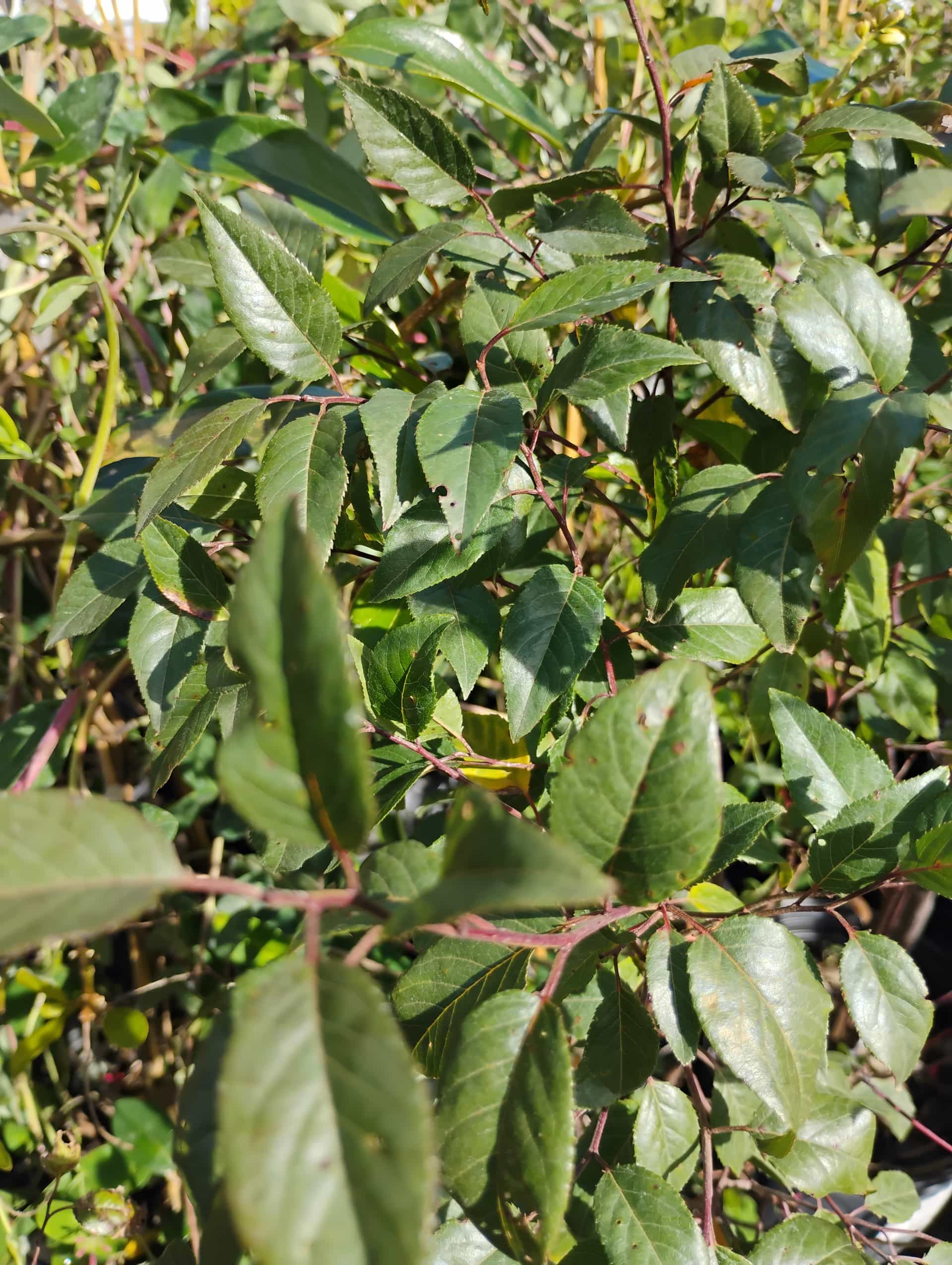
Varieties We Bring In
Black Cherry
Autumnalis
We received some Cherry on Jul 16, 2026.
We bring this in seasonally, so what is on the lot changes week to week. A received date shows when it last came in, not that it is here today.
Call (904) 471-0440 to confirm this plant and size before you make the trip.
Last received Jul 16, 2026.
We bring this in seasonally, so what is on the lot changes week to week. A received date shows when it last came in, not that it is here today.
Call (904) 471-0440 to confirm this plant and size before you make the trip.
Pet toxicity: Toxic to dogs, cats, and horses
Pet safety guideAbout Cherry
Cherries (Prunus spp.) include sweet cherry (P. avium) and sour cherry (P. cerasus), prized for edible fruit and ornamental spring blossoms, but standard varieties require 800+ winter chill hours and are not recommended for NE Florida by UF/IFAS. Only experimental low-chill hybrids (under 400 hours) may fruit in zone 9b.
Plant details
- Bloom Season
- Spring
- Flower Color
- White, Pink
- Growth Rate
- Moderate
- Foliage
- Deciduous
- Soil
- Sandy, Loam, Well-drained
Best planting months
Recommended months: January, February, March.
Seasonal care
Bloom season. New foliage emerges. Good planting window.
Active growing season.
Foliage may begin to change or drop.
Dormant — drops foliage. Can be planted in mild winter periods.
Care essentials
Cherry trees (Prunus spp.) require full sun, but standard sweet and sour cherries are NOT recommended for NE Florida zone 9b due to insufficient winter chill hours (800+ hours required); only experimental low-chill varieties (under 400 hours) may be attempted.
If attempting low-chill varieties, maintain moderate, consistent moisture and ensure excellent drainage; NE Florida's wet summers promote root rot and fungal disease in Prunus.
Cherries need well-drained, slightly acidic sandy or loam soil; however, standard cherry species are not suitable for zone 9b — UF/IFAS does not recommend them for Florida due to chill hour requirements and disease pressure.
Similar needs
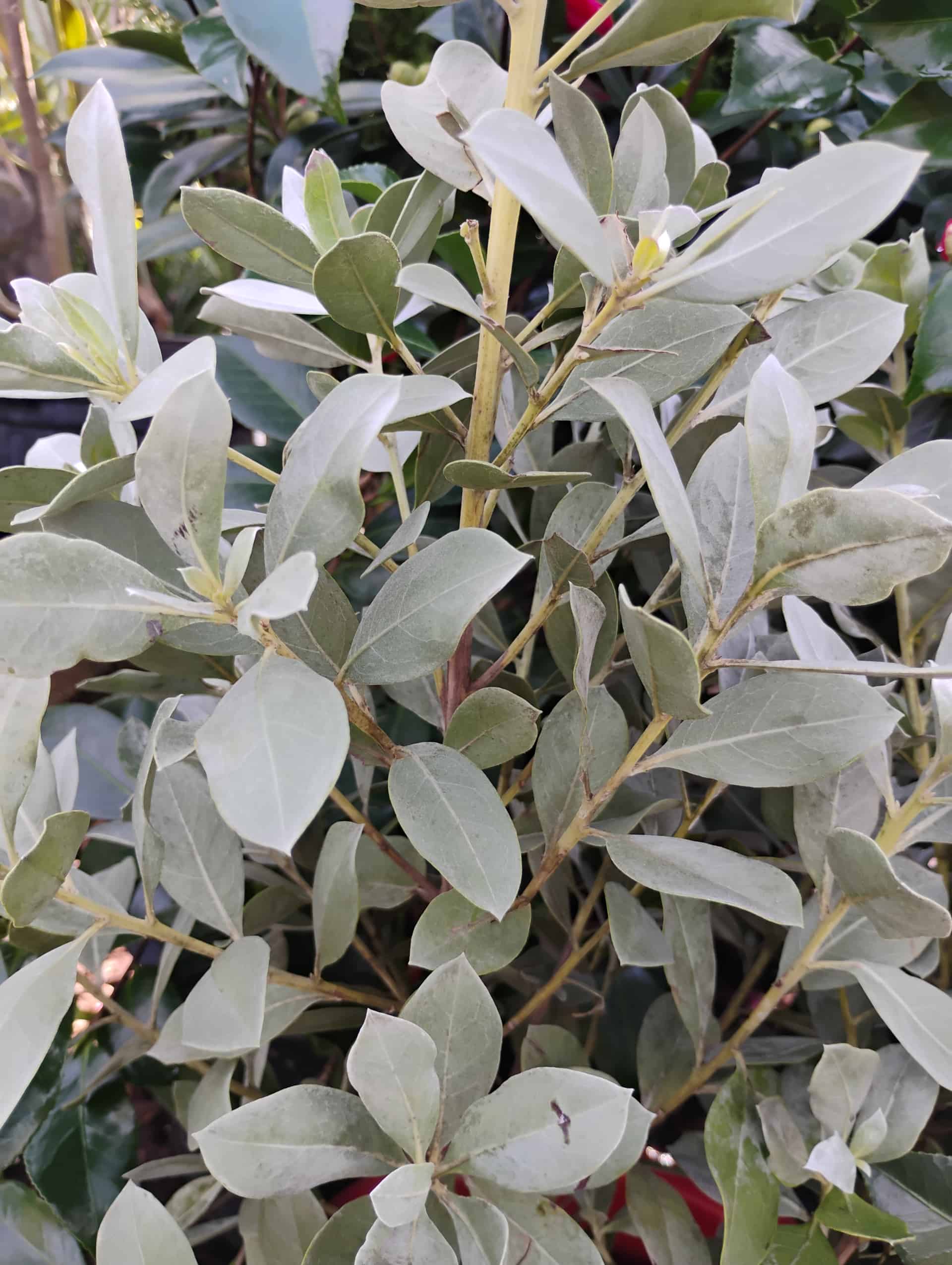
Buttonwood
Shares 5 of the same needs: full sun, moderate water, sandy, zone 9a hardiness, and pollinator-friendly.
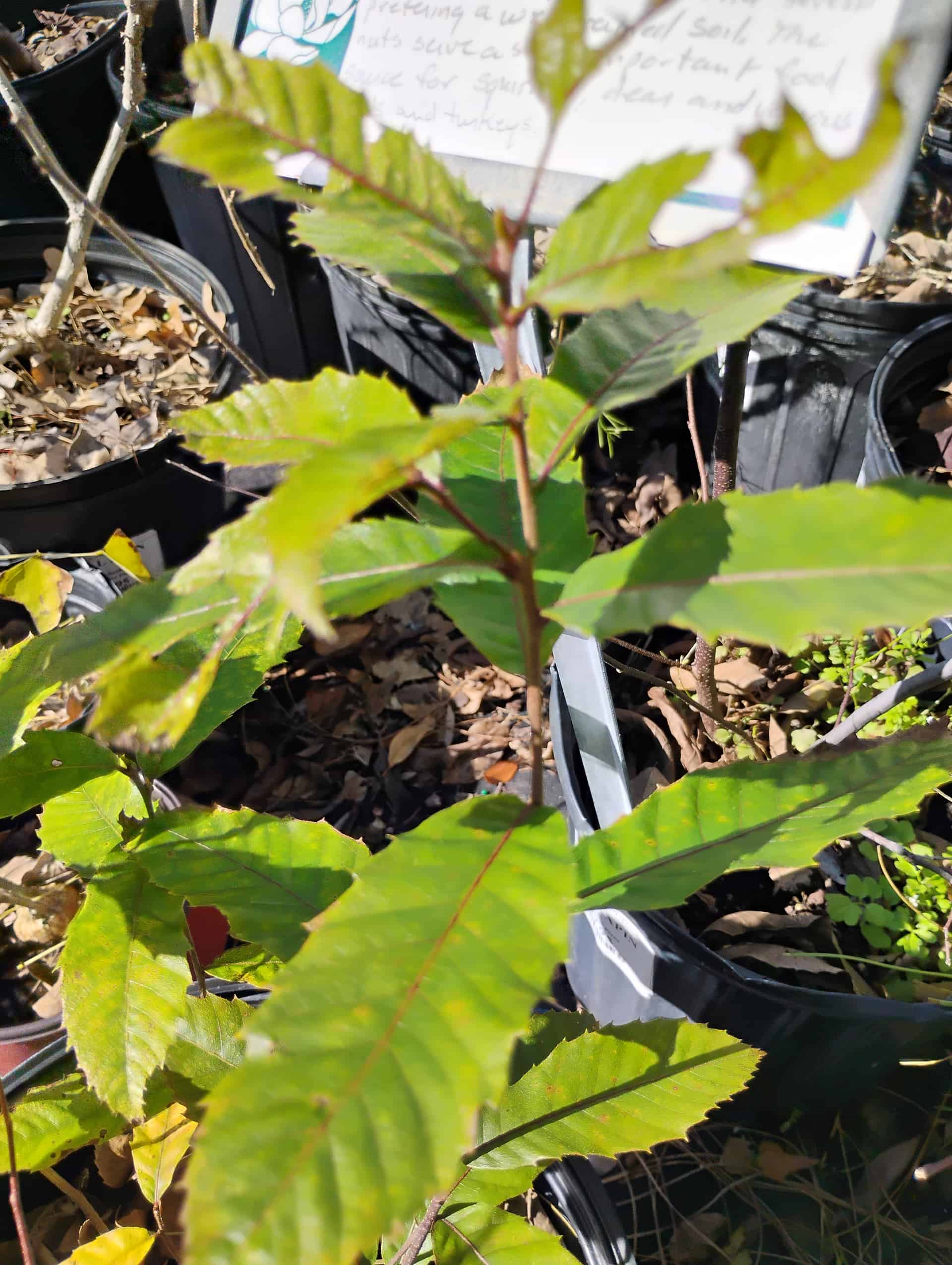
Chestnut
Shares 5 of the same needs: full sun, moderate water, sandy, zone 9a hardiness, and pollinator-friendly.
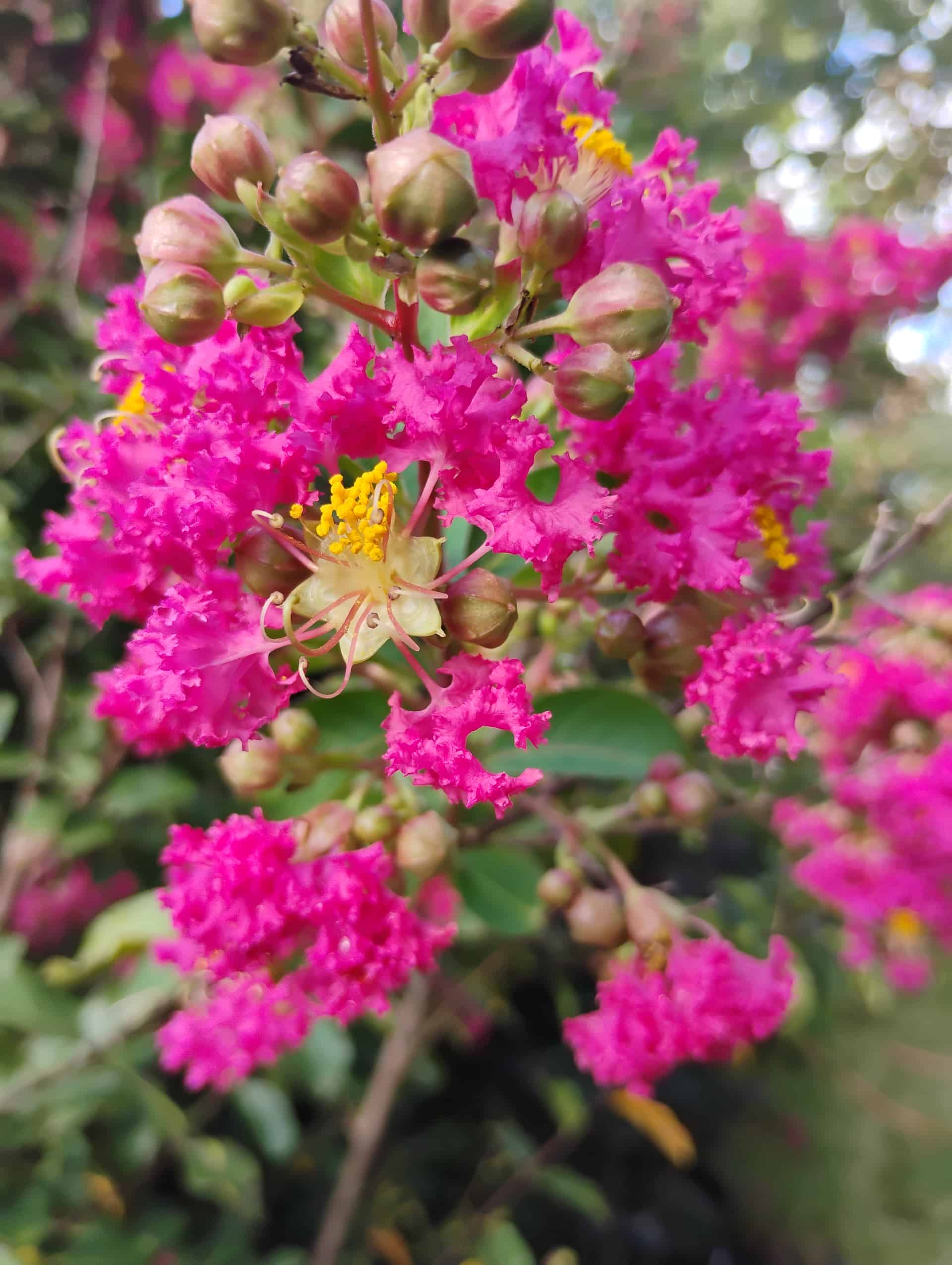
Crape Myrtle
Shares 5 of the same needs: full sun, moderate water, sandy, zone 9a hardiness, and pollinator-friendly.
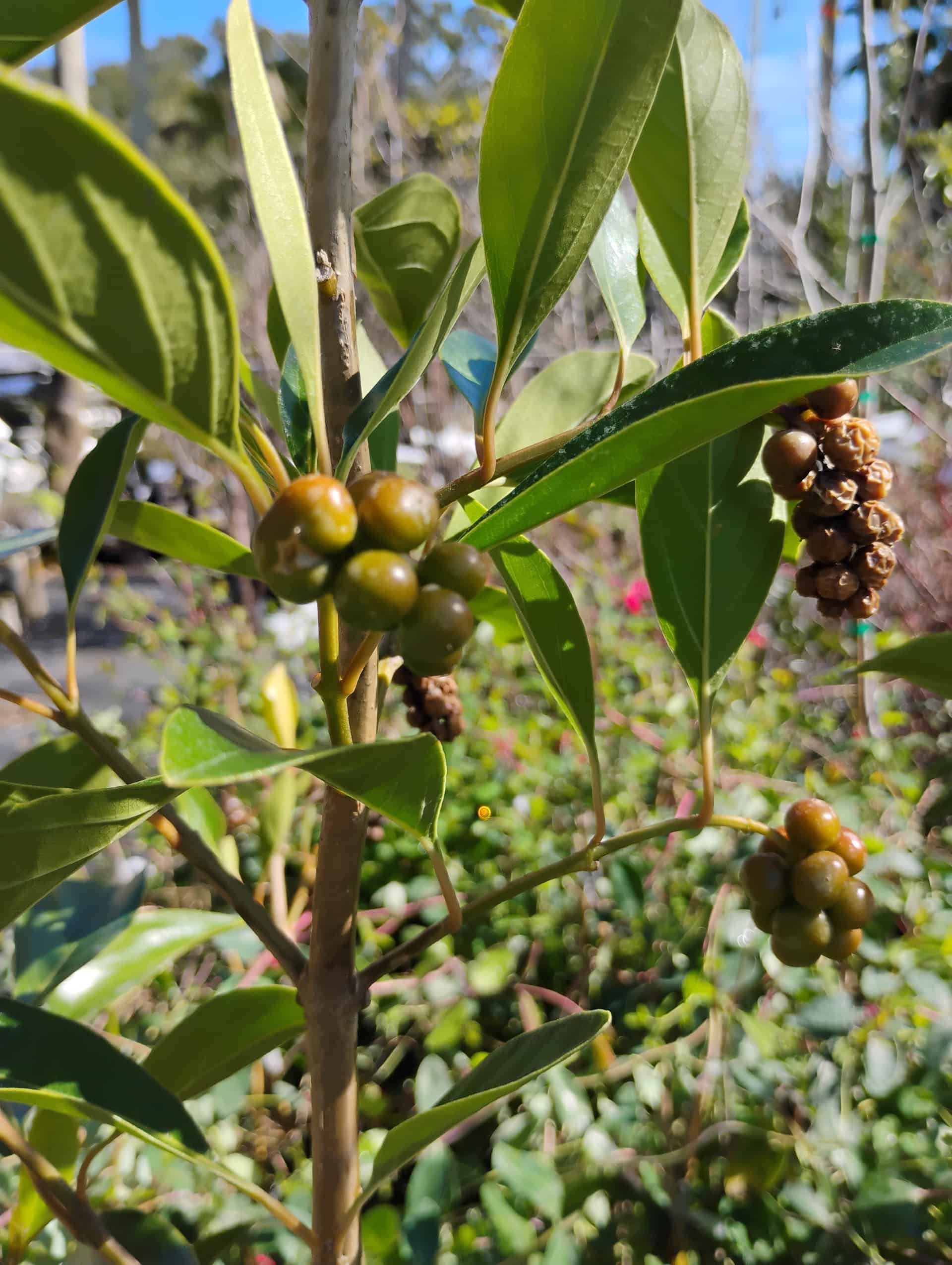
Fiddlewood
Shares 5 of the same needs: full sun, moderate water, sandy, zone 9a hardiness, and pollinator-friendly.
Fringe Tree
Shares 5 of the same needs: full sun, moderate water, sandy, zone 9a hardiness, and pollinator-friendly.
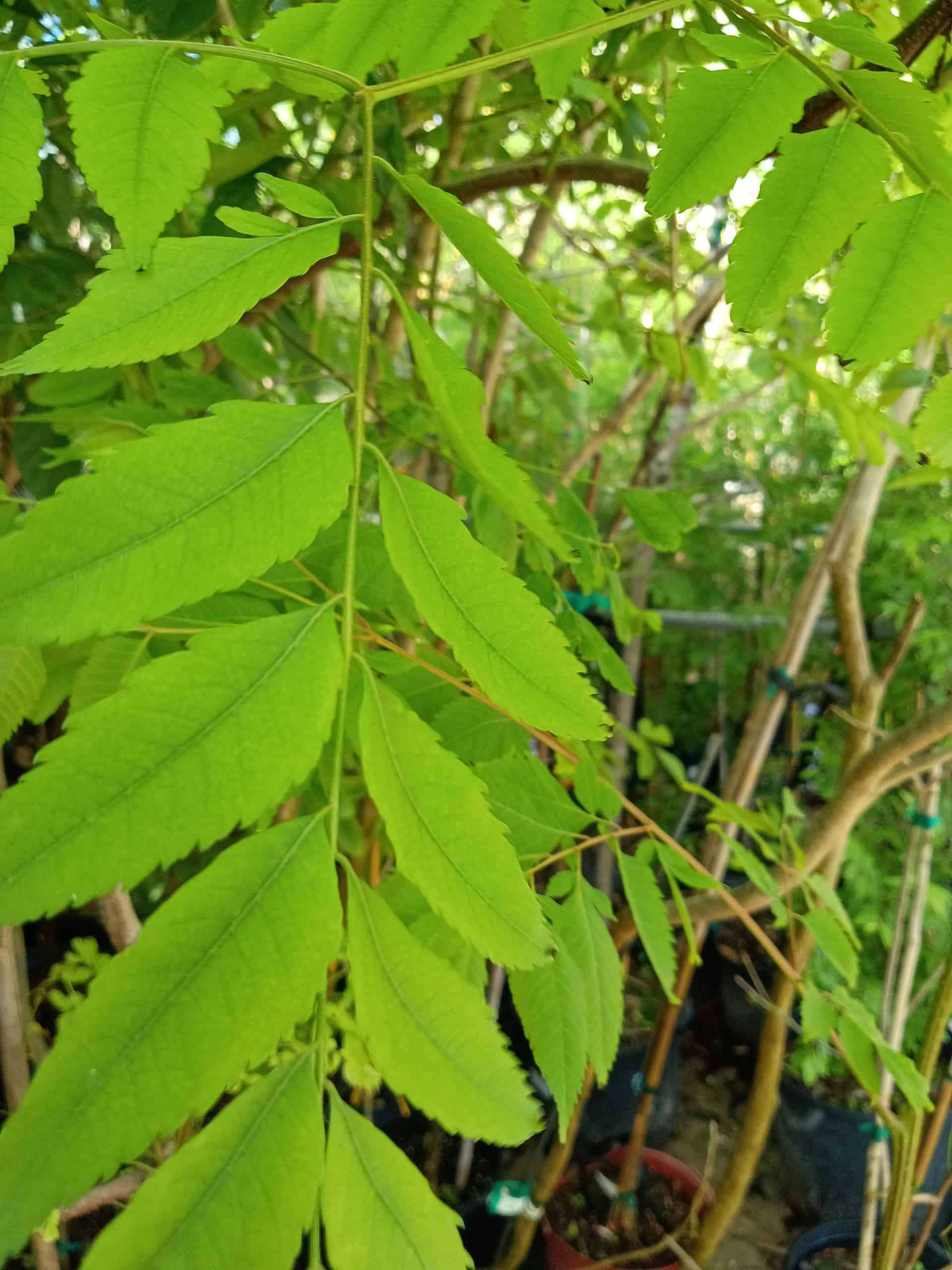
Golden Rain Tree
Shares 5 of the same needs: full sun, moderate water, sandy, zone 9a hardiness, and pollinator-friendly.
You may also like
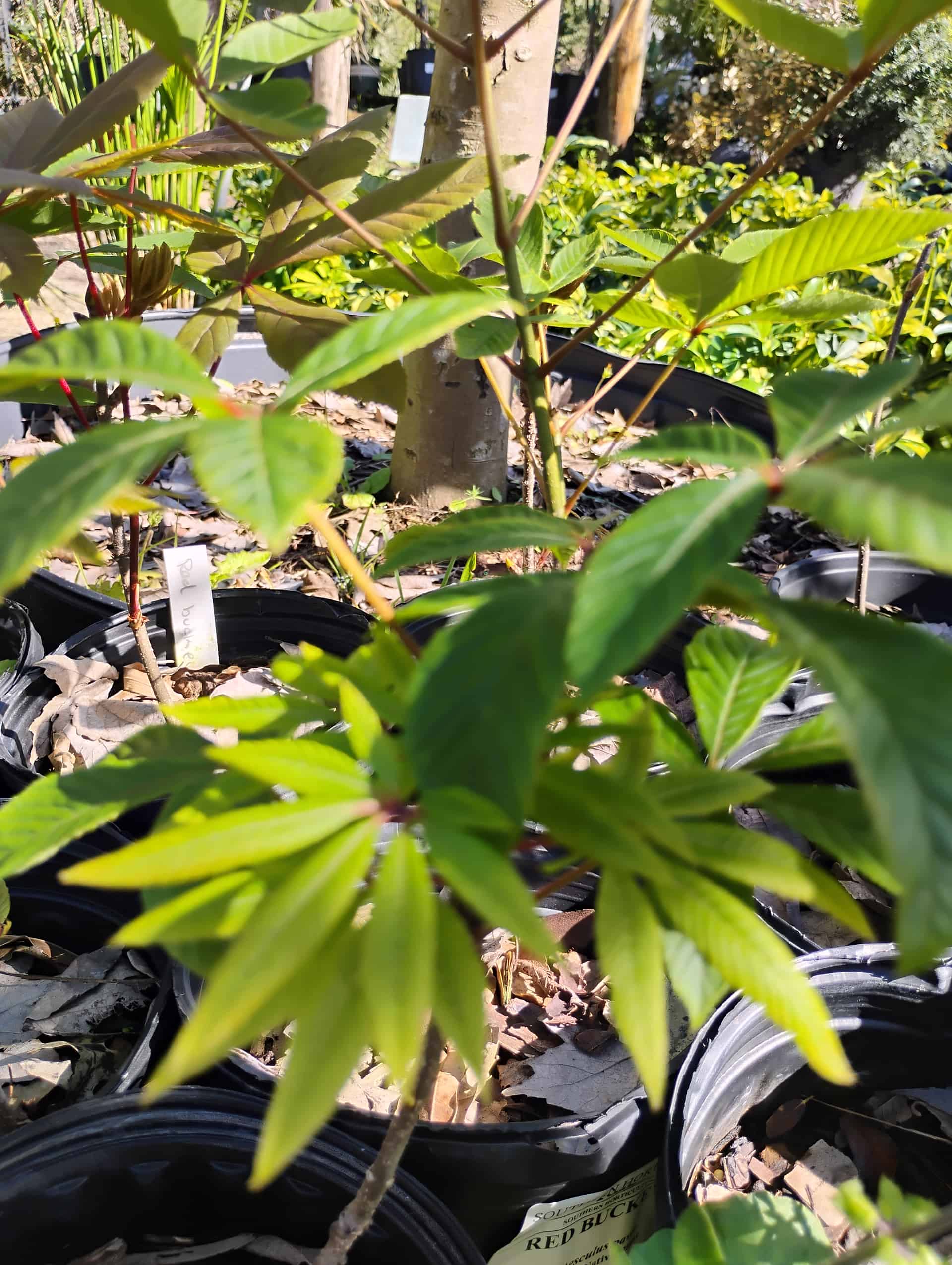 Tree
Red Buckeye
Aesculus pavia
Serviceberry
Amelanchier arborea
American Beech
Fagus grandifolia
Common questions
Is Cherry a good plant for St. Augustine?
Cherry is a tree. Mature size: 15-25 feet × 15-20 feet. Light: Full Sun. Water needs: Moderate. Cherry is Florida-Friendly. Recorded hardiness zone: 9a.
What is the recorded pet toxicity for Cherry?
Toxic to dogs, cats, and horses
Care information verified from
Last reviewed June 2026. Our care guidance comes from trusted horticulture sources and decades of helping St. Augustine gardeners. Conditions here can vary dramatically from one area to the next, so come ask us and we'll tailor it to your yard.