
Varieties We Bring In
Standard · Ruby Slippers · Snowcicle
Toy Soldier
We received some Oakleaf Hydrangea on Aug 13, 2026.
We bring this in seasonally, so what is on the lot changes week to week. A received date shows when it last came in, not that it is here today.
Call (904) 471-0440 to confirm this plant and size before you make the trip.
Last received Aug 13, 2026.
We bring this in seasonally, so what is on the lot changes week to week. A received date shows when it last came in, not that it is here today.
Call (904) 471-0440 to confirm this plant and size before you make the trip.
Pet toxicity: Toxic to dogs and cats
Pet safety guideAbout Oakleaf Hydrangea
Oakleaf hydrangea (Hydrangea quercifolia) is a native deciduous shrub from the southeastern United States, recognized by its large, lobed oak-like leaves and conical panicles of white flowers that age to parchment pink. The bark exfoliates in cinnamon-colored strips, and the foliage turns rich shades of orange, red, and burgundy in autumn.
Plant details
- Bloom Season
- Spring, Summer
- Flower Color
- White, Pink
- Growth Rate
- Moderate
- Foliage
- Deciduous
- Soil
- Loam, Acidic, Well-drained
Best planting months
Recommended months: March, April, October, November.
Seasonal care
Bloom season. New foliage emerges. Good planting window.
Bloom season.
Foliage may begin to change or drop. Ideal planting window.
Dormant — drops foliage.
Care essentials
In NE Florida, Oakleaf Hydrangea requires partial to full shade — direct afternoon sun will scorch the large leaves and stress the plant. Dappled light under tall trees or a north- to east-facing exposure is ideal.
Water regularly during dry spells, especially in NE Florida's sandy soils that drain quickly. Oakleaf Hydrangea wilts dramatically when drought-stressed but recovers with irrigation. Apply a 3-inch organic mulch layer to conserve moisture and keep roots cool.
Plant in fertile, acidic (pH 5.0–6.5), well-drained soil amended with compost. Fertilize once in early spring with a slow-release balanced fertilizer. Prune only immediately after flowering, as blooms develop on old wood — pruning in fall or winter removes next year's flower buds.
Similar needs
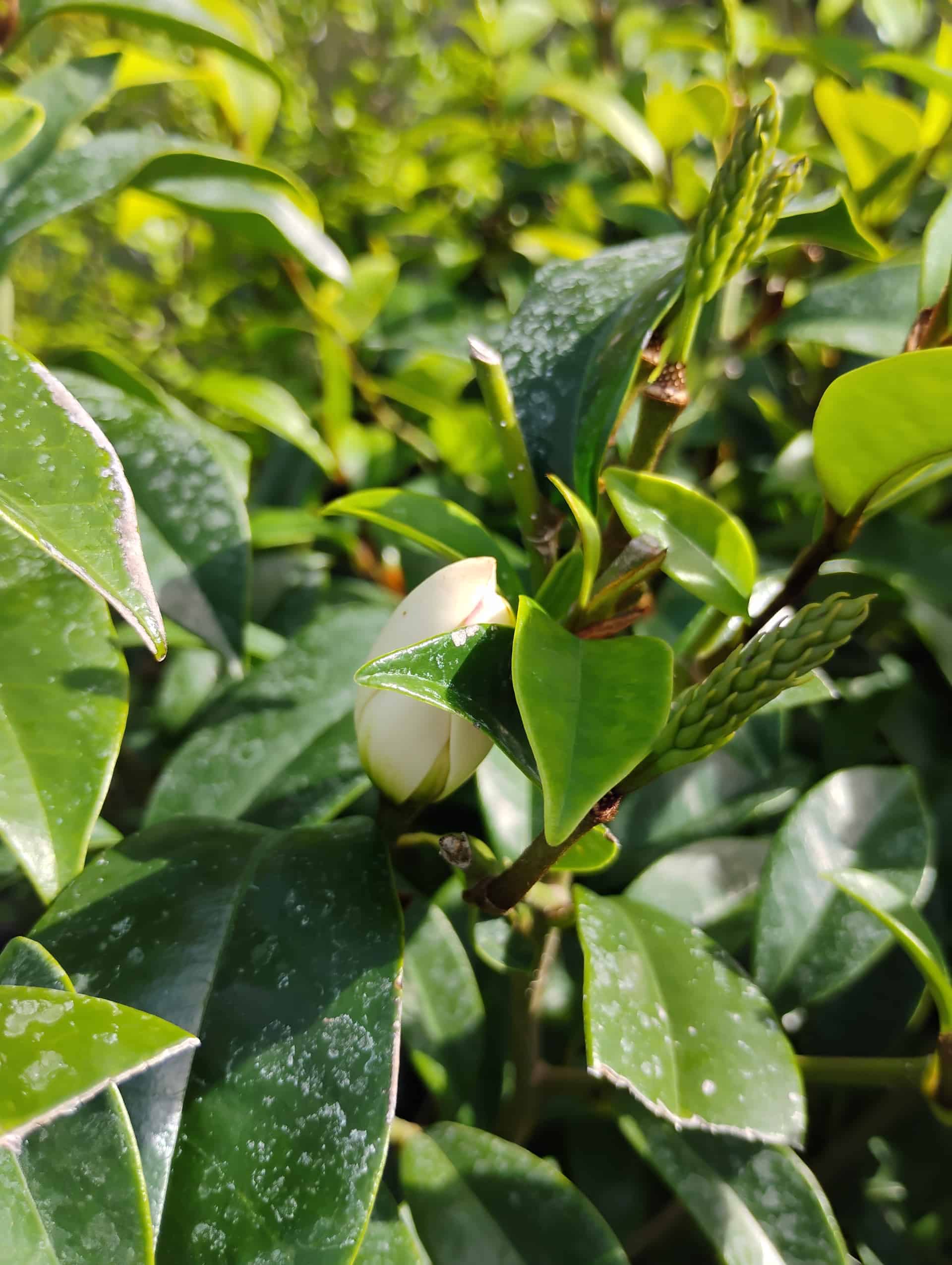
Banana Shrub
Shares 5 of the same needs: shade, moderate water, loam, zone 9a hardiness, and pollinator-friendly.
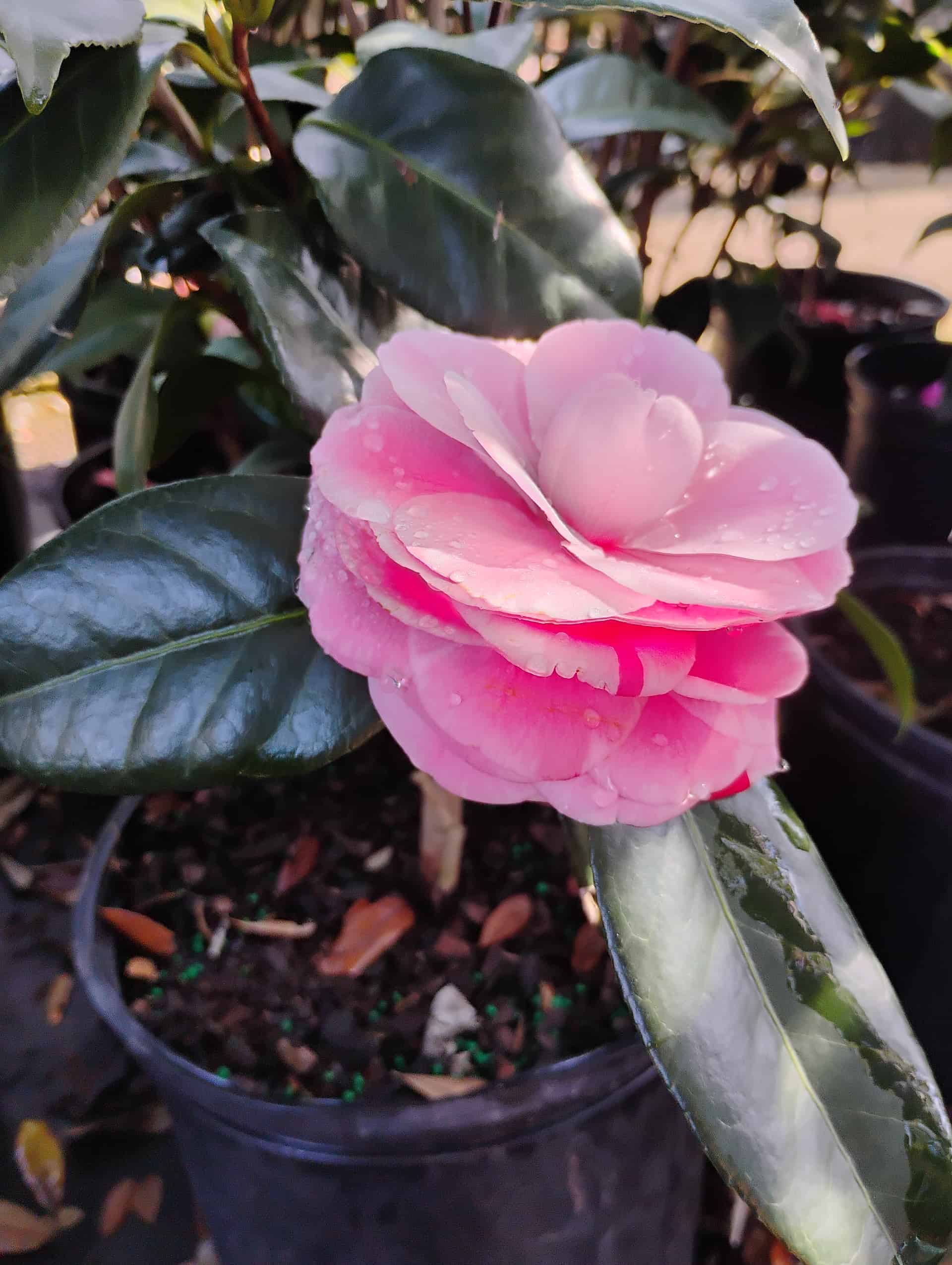
Camellia
Shares 5 of the same needs: shade, moderate water, loam, zone 9a hardiness, and pollinator-friendly.
Cleyera
Shares 5 of the same needs: shade, moderate water, loam, zone 9a hardiness, and pollinator-friendly.

Doghobble
Shares 5 of the same needs: shade, moderate water, loam, zone 9a hardiness, and pollinator-friendly.
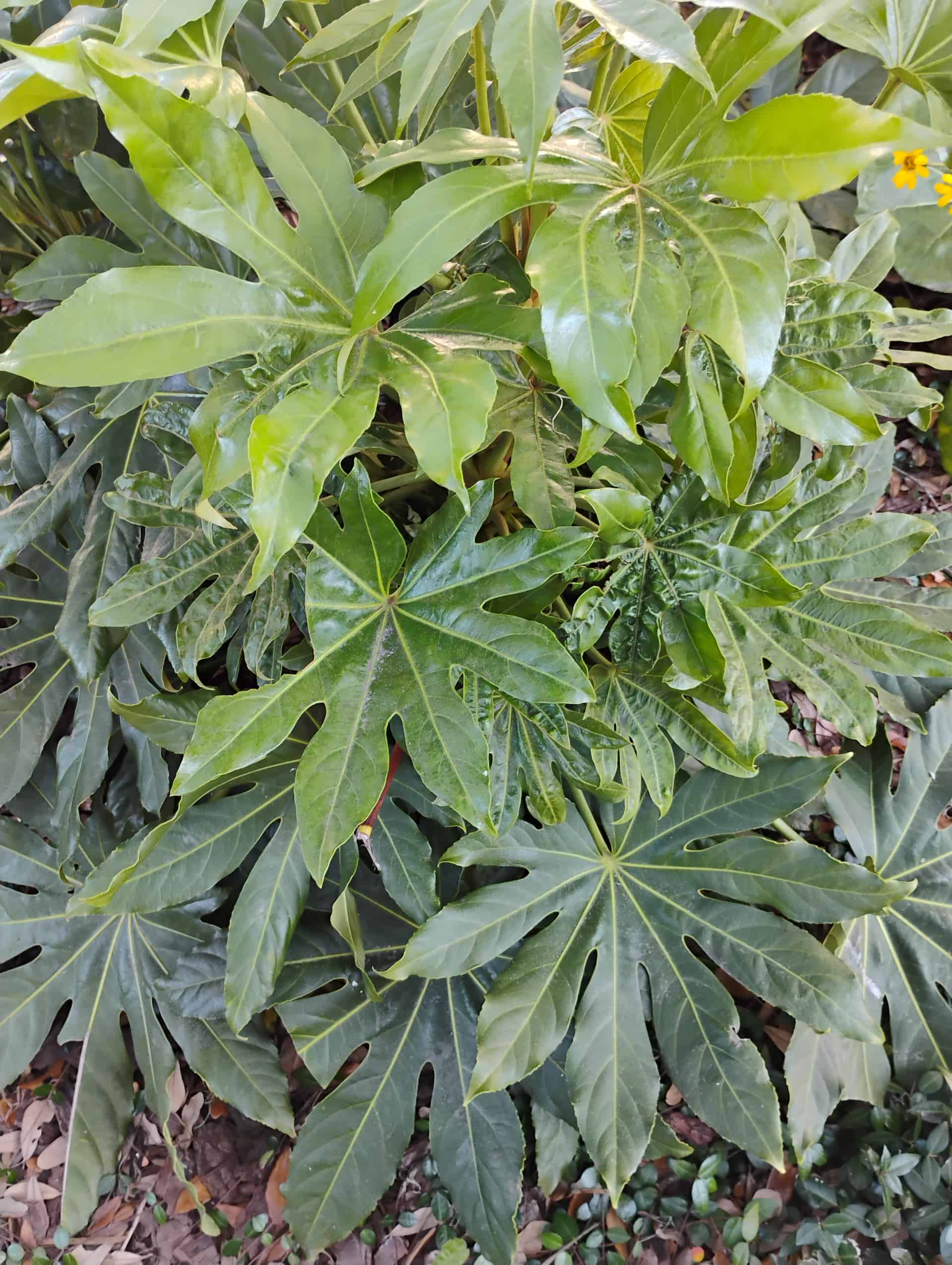
Fatsia
Shares 5 of the same needs: shade, moderate water, loam, zone 9a hardiness, and pollinator-friendly.
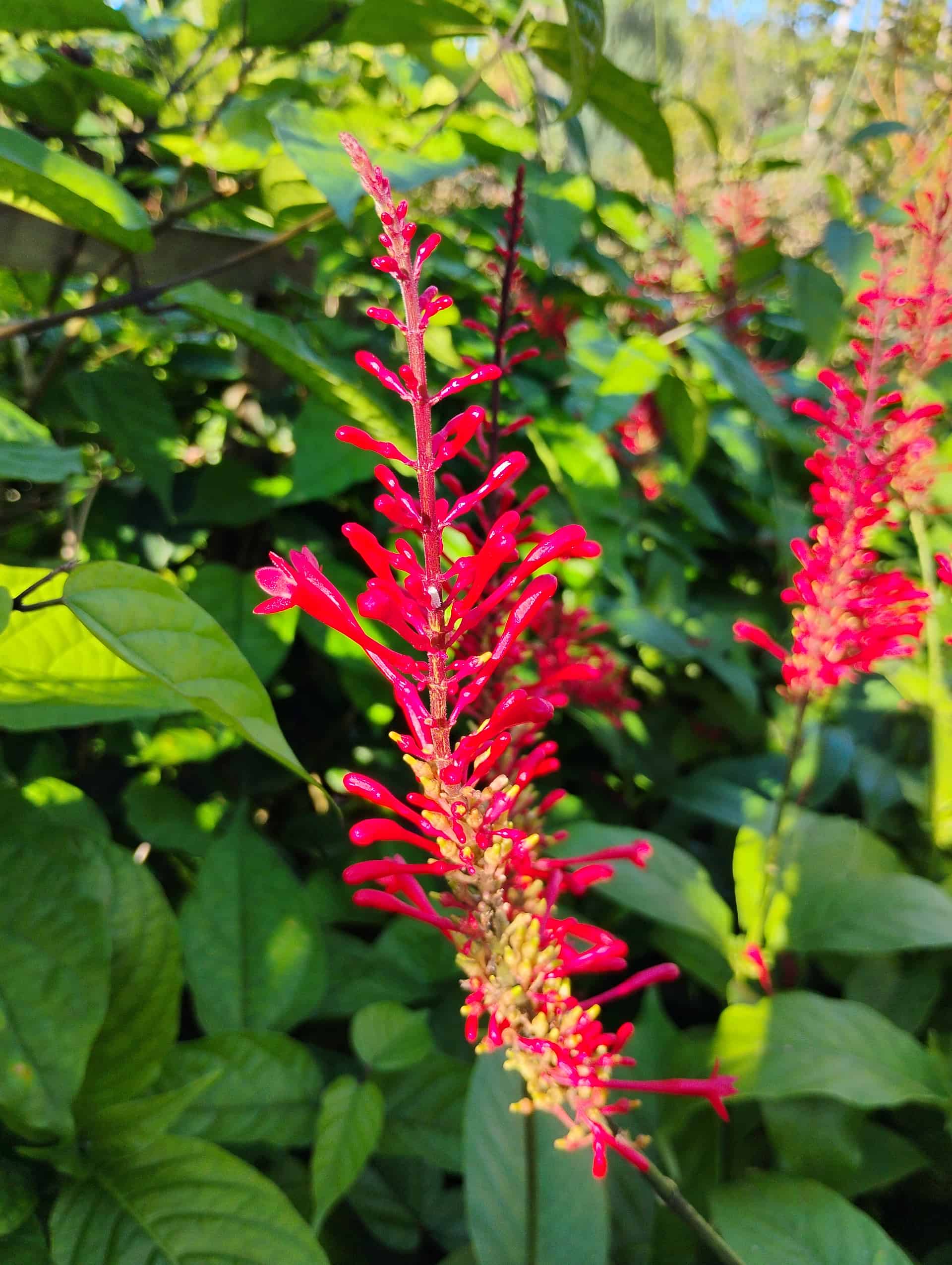
Firespike
Shares 5 of the same needs: shade, moderate water, loam, zone 9a hardiness, and pollinator-friendly.
You may also like
Common questions
Is Oakleaf Hydrangea a good plant for St. Augustine?
Oakleaf Hydrangea is a shrub. Mature size: 6-10 feet × 3-6 feet. Light: Part Shade. Water needs: Moderate. Oakleaf Hydrangea is Florida-Friendly. Recorded hardiness zone: 9a.
What is the recorded pet toxicity for Oakleaf Hydrangea?
Toxic to dogs and cats
Care information verified from
Last reviewed March 2026. Our care guidance comes from trusted horticulture sources and decades of helping St. Augustine gardeners. Conditions here can vary dramatically from one area to the next, so come ask us and we'll tailor it to your yard.