
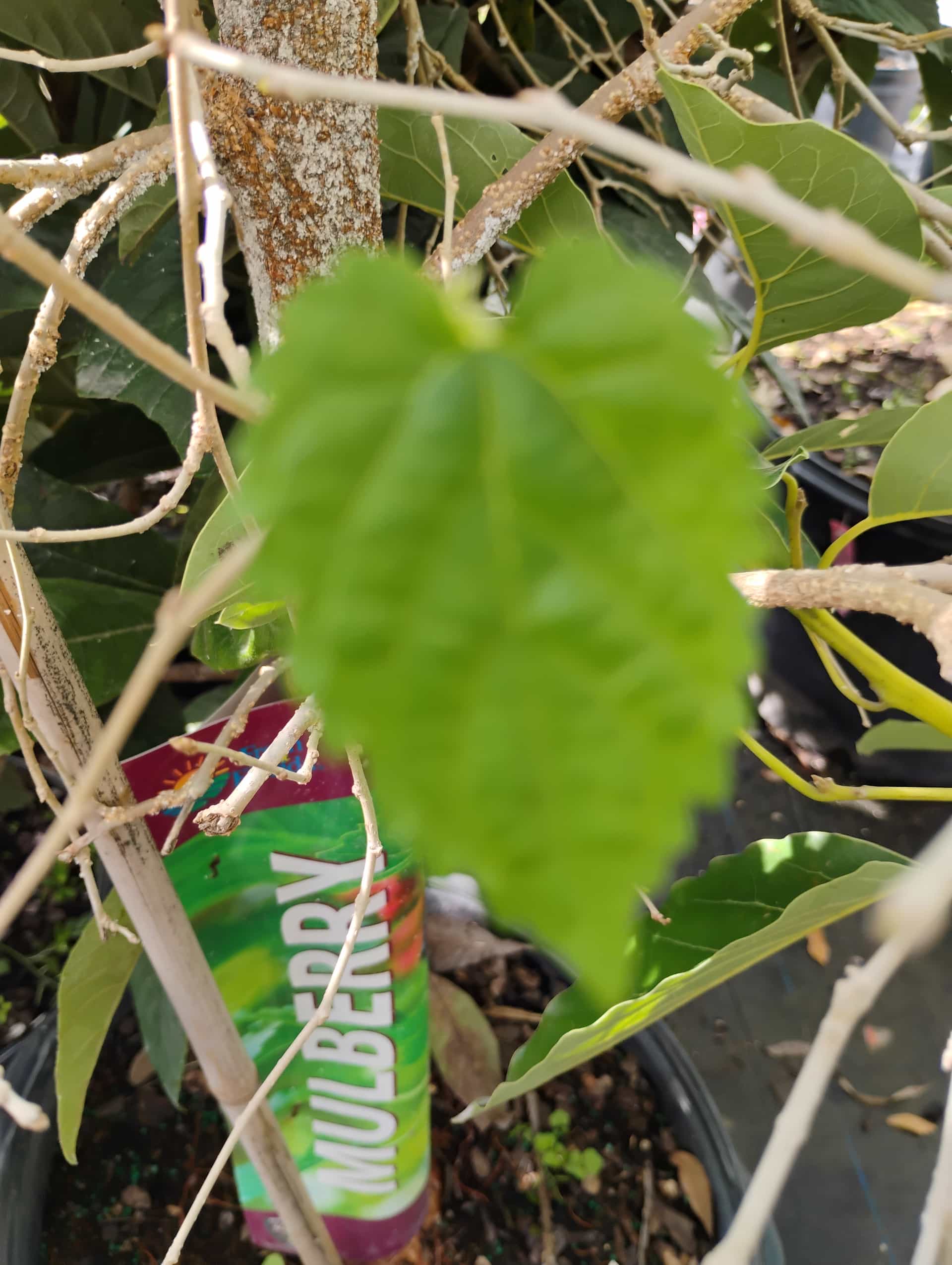
Red Mulberry
Morus rubra
Traits
Varieties We Bring In
Last received Jul 16, 2026.
We bring this in seasonally, so what is on the lot changes week to week. A received date shows when it last came in, not that it is here today.
Call (904) 471-0440 to confirm this plant and size before you make the trip.
About Red Mulberry
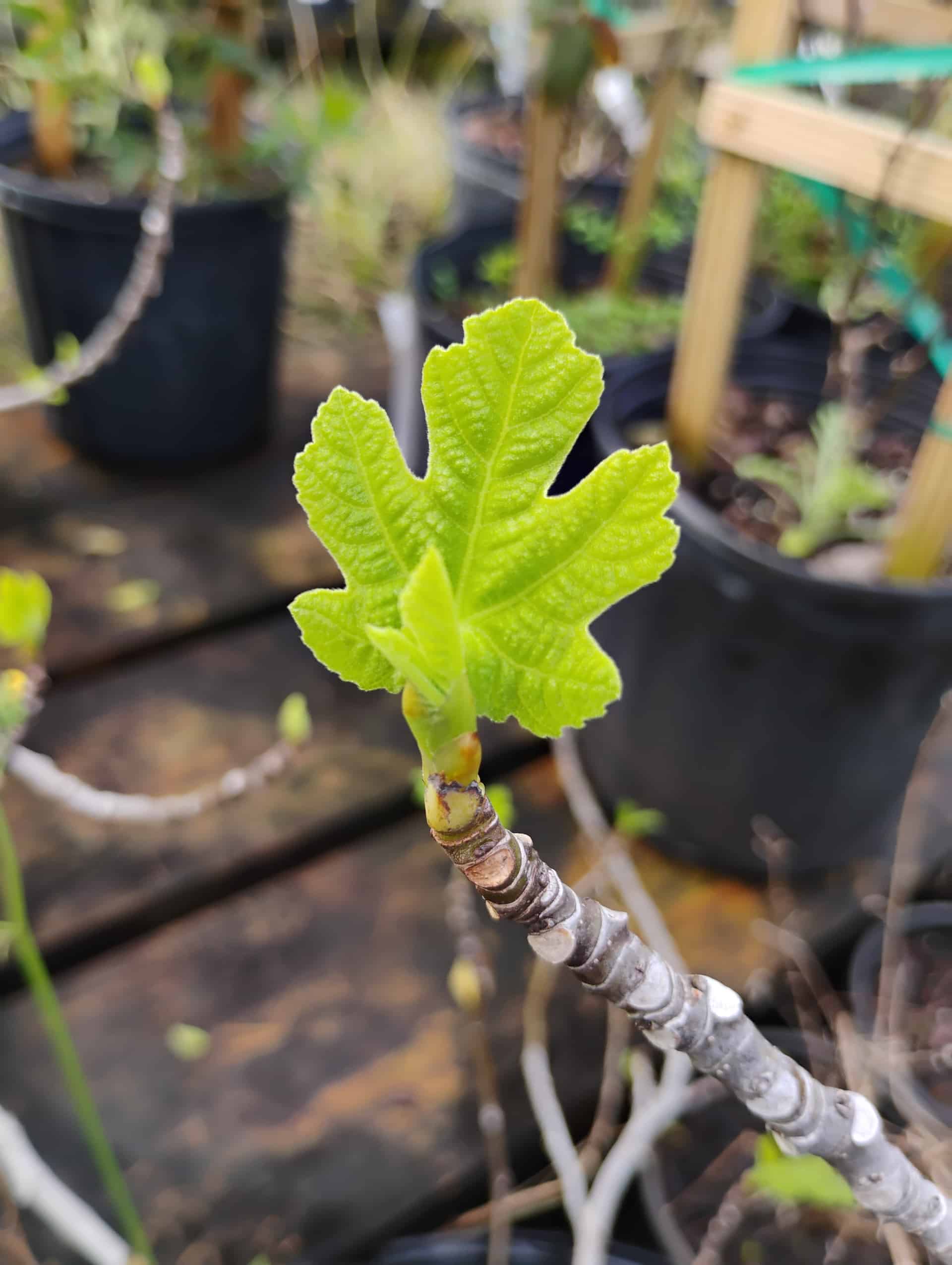
Red mulberry (Morus rubra) is a native North American deciduous tree producing elongated, sweet-tart berry-like fruits that ripen from red to deep purple-black. The tree features large, variably lobed leaves and is an important wildlife food source. Starting at $19.95.
Plant details
- Bloom Season
- Spring
- Flower Color
- White
- Growth Rate
- Fast
- Foliage
- Deciduous
- Soil
- Sandy, Loam, Clay, Well-drained
Best planting months
Seasonal care
Bloom season. New foliage emerges. Good planting window.
Active growing season.
Foliage may begin to change or drop.
Dormant — drops foliage. Can be planted in mild winter periods.
Care essentials
Grows in full sun to partial shade. In NE Florida, full sun produces the heaviest fruit crops. Seedlings are shade-tolerant and often emerge under a forest canopy, but established trees fruit best with abundant sun.
Drought-tolerant once established in NE Florida's sandy soils, requiring little to no supplemental irrigation. Water regularly for the first season to establish roots. Mulching helps retain moisture during dry summers.
Thrives in NE Florida's infertile sandy soils without supplemental fertilizer. Tolerates a range of soil types from sand to clay. Fertilizing is generally unnecessary and can promote excess vegetative growth at the expense of fruit.
Similar needs
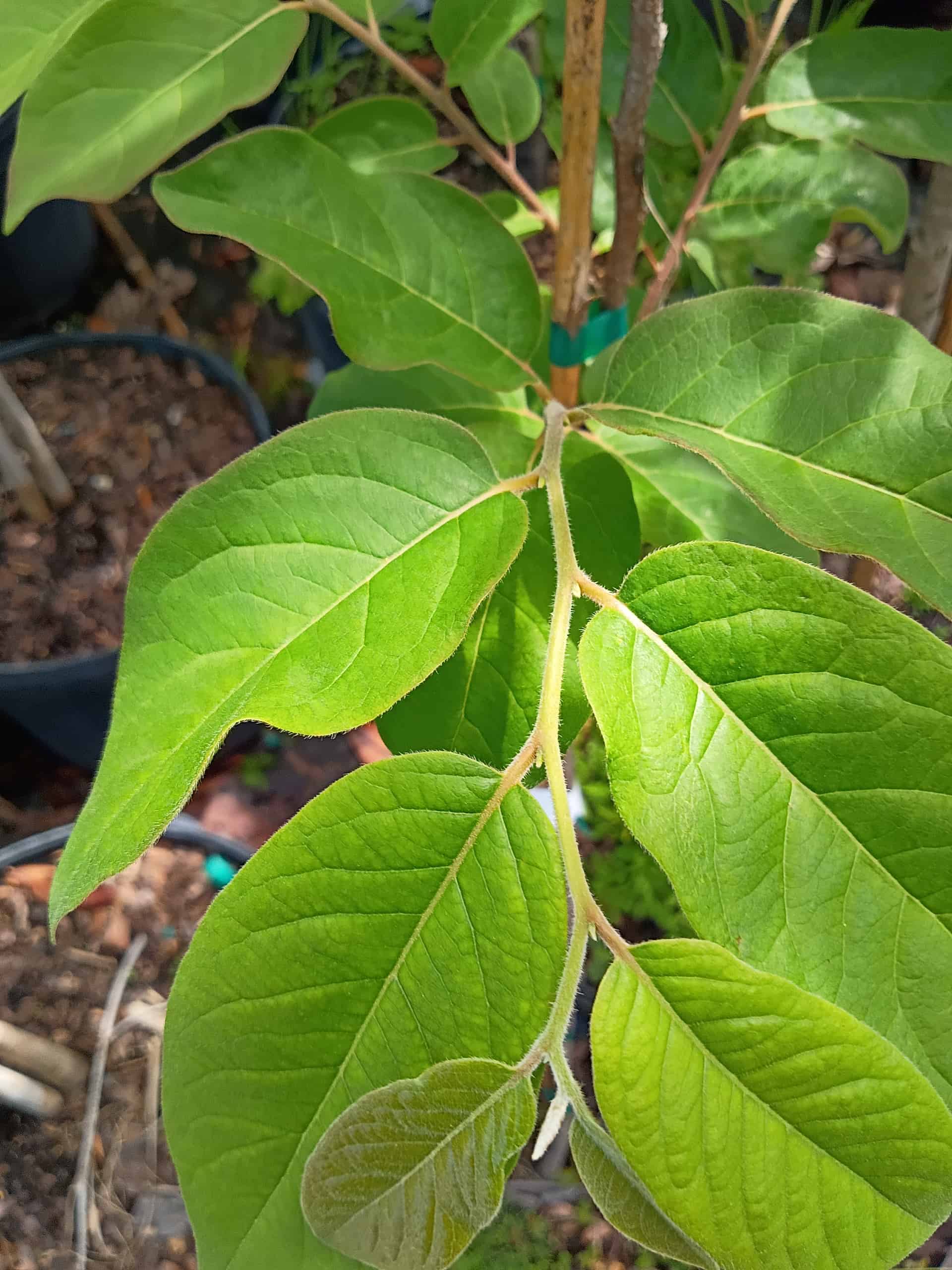
American Persimmon
Shares 3 of the same needs: full sun, moderate water, and sandy.
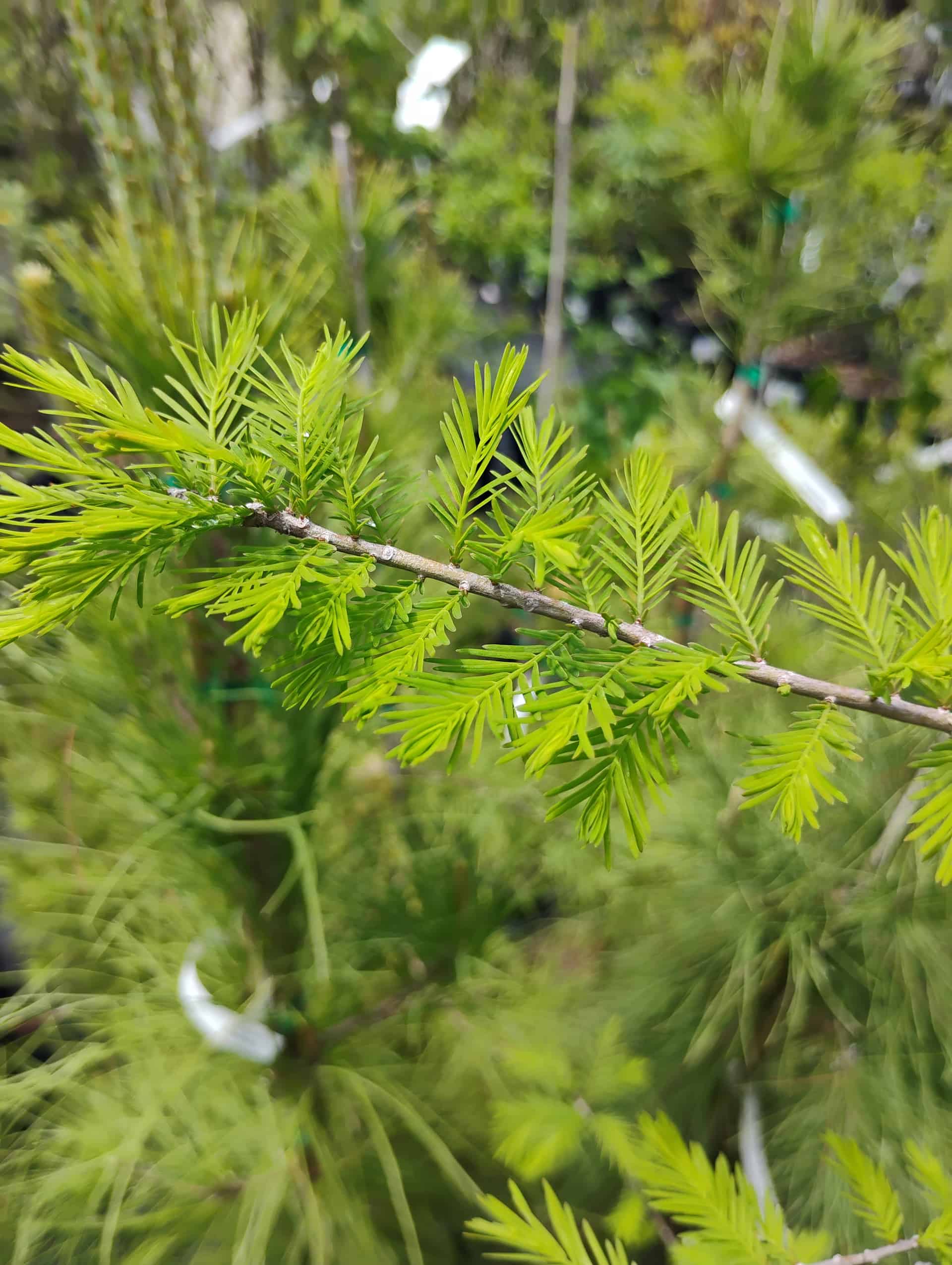
Bald Cypress
Shares 4 of the same needs: full sun, moderate water, sandy, and zone 9a hardiness.
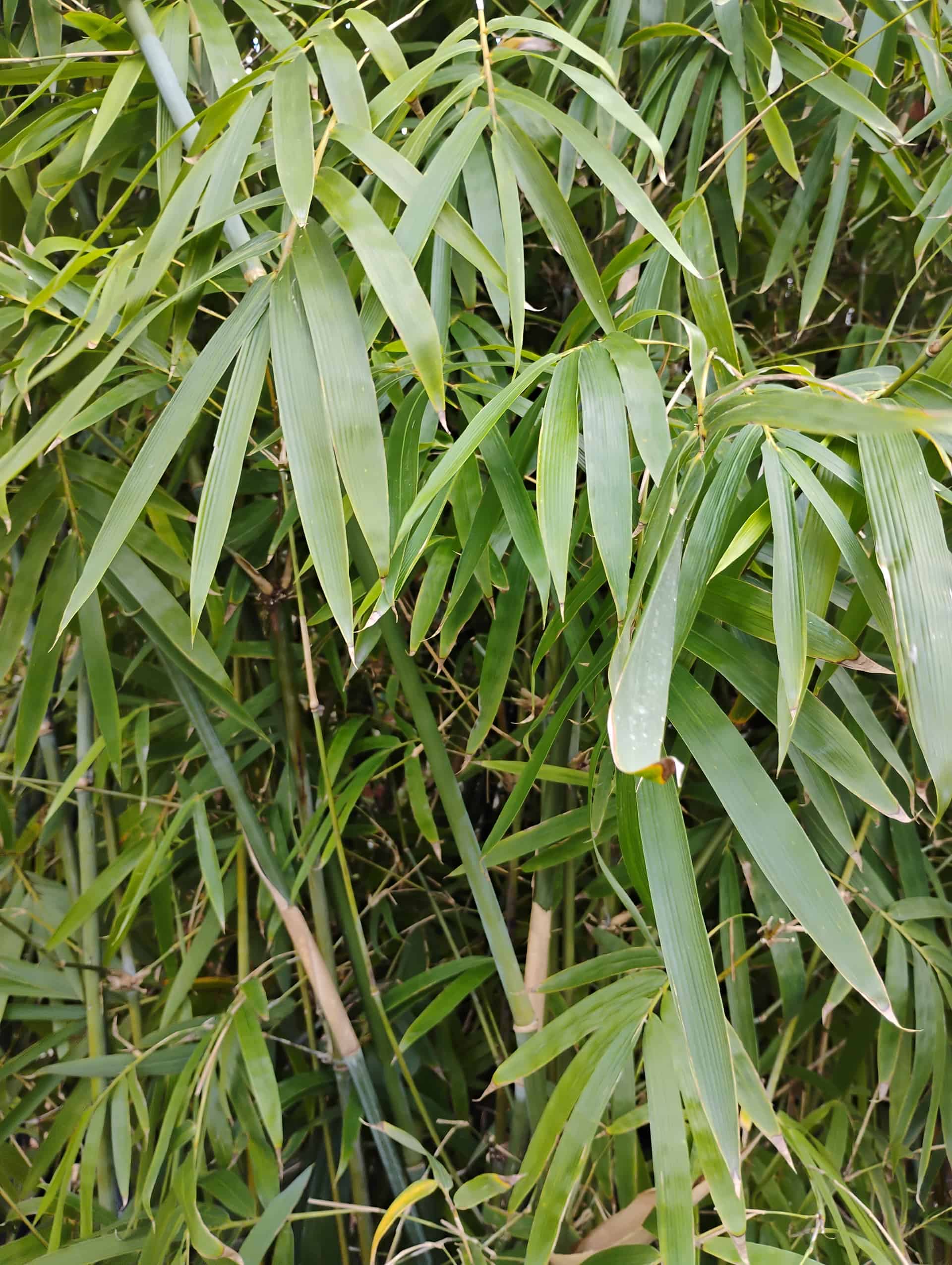
Bamboo
Shares 4 of the same needs: full sun, moderate water, sandy, and zone 9a hardiness.
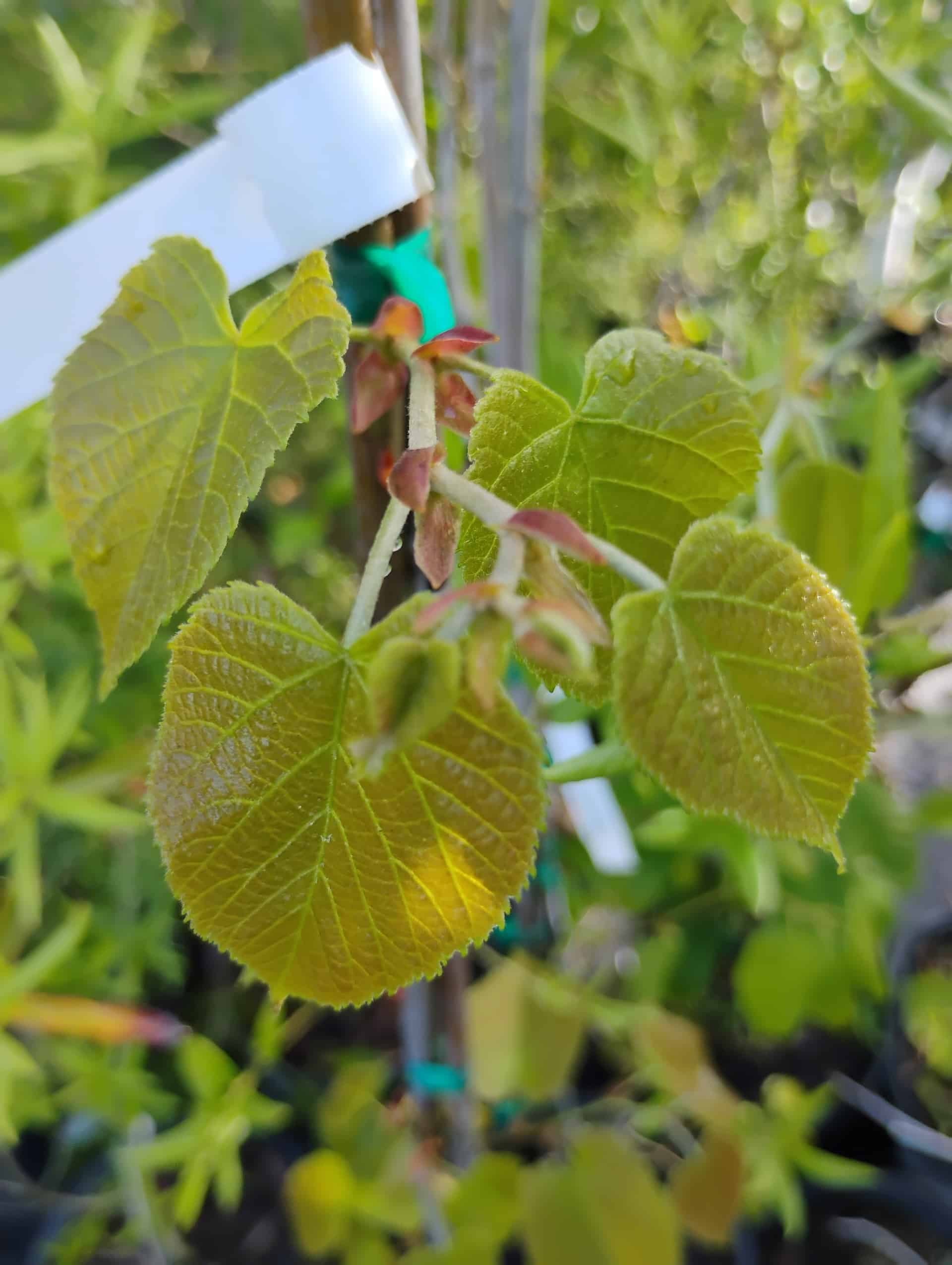
Basswood
Shares 4 of the same needs: full sun, moderate water, loam, and zone 9a hardiness.
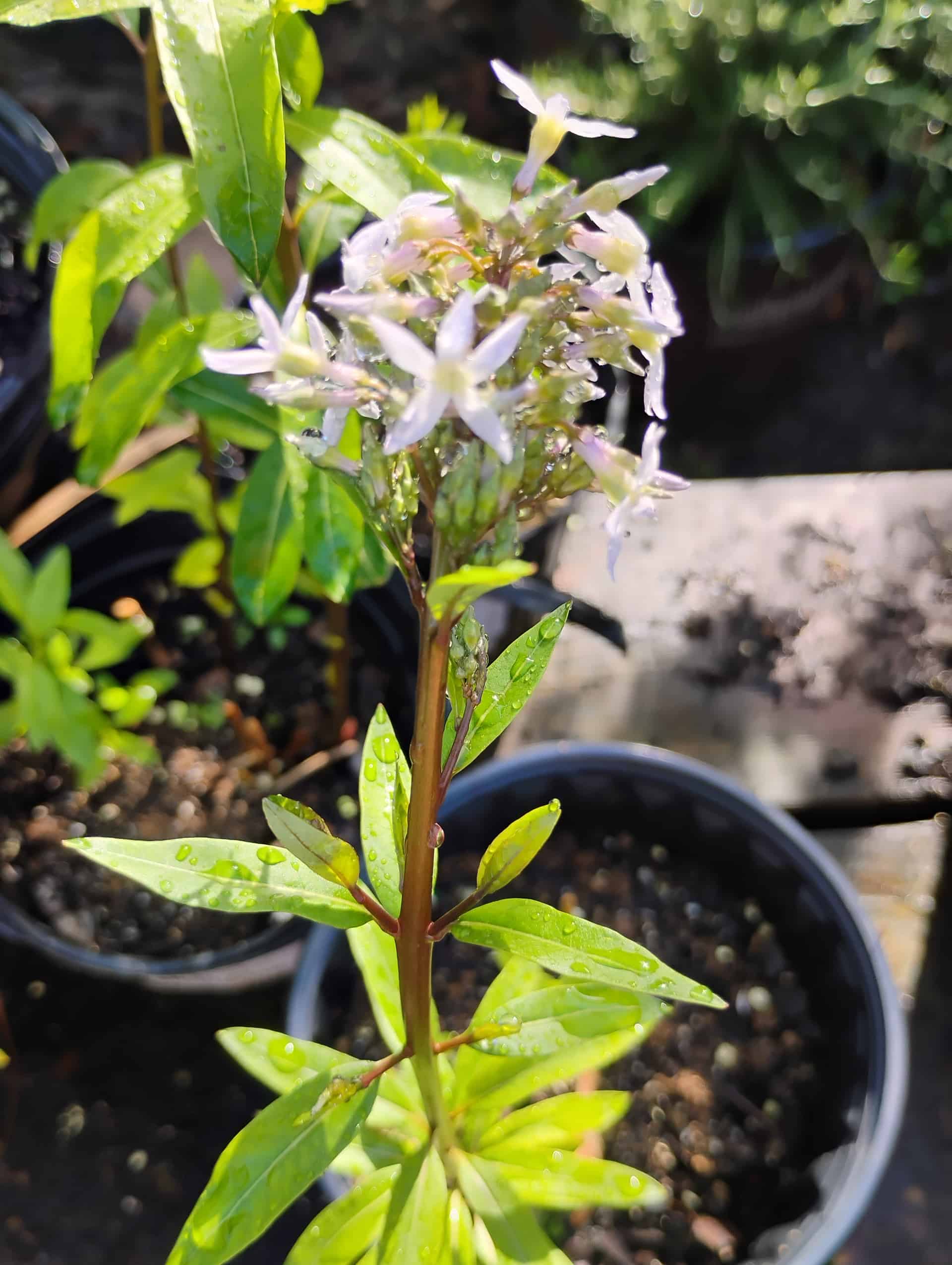
Bluestar
Shares 4 of the same needs: full sun, moderate water, sandy, and zone 9a hardiness.
Boston Fern
Shares 4 of the same needs: similar light, moderate water, sandy, and zone 9a hardiness.
You may also like
Common questions
Is Red Mulberry a good plant for St. Augustine?
Red Mulberry is a fruit tree for Zone 9b coastal Florida gardens, reaching 30-50 feet × 25-35 feet.
Care information verified from
Last reviewed February 2026. Our care guidance comes from trusted horticulture sources and decades of helping St. Augustine gardeners. Conditions here can vary dramatically from one area to the next, so come ask us and we'll tailor it to your yard.